


What’s New at Wildlands
Tell a Better Story With Your Camera: Q&A with Photographer Drew Lederman
By Thomas Patti, Communications Coordinator
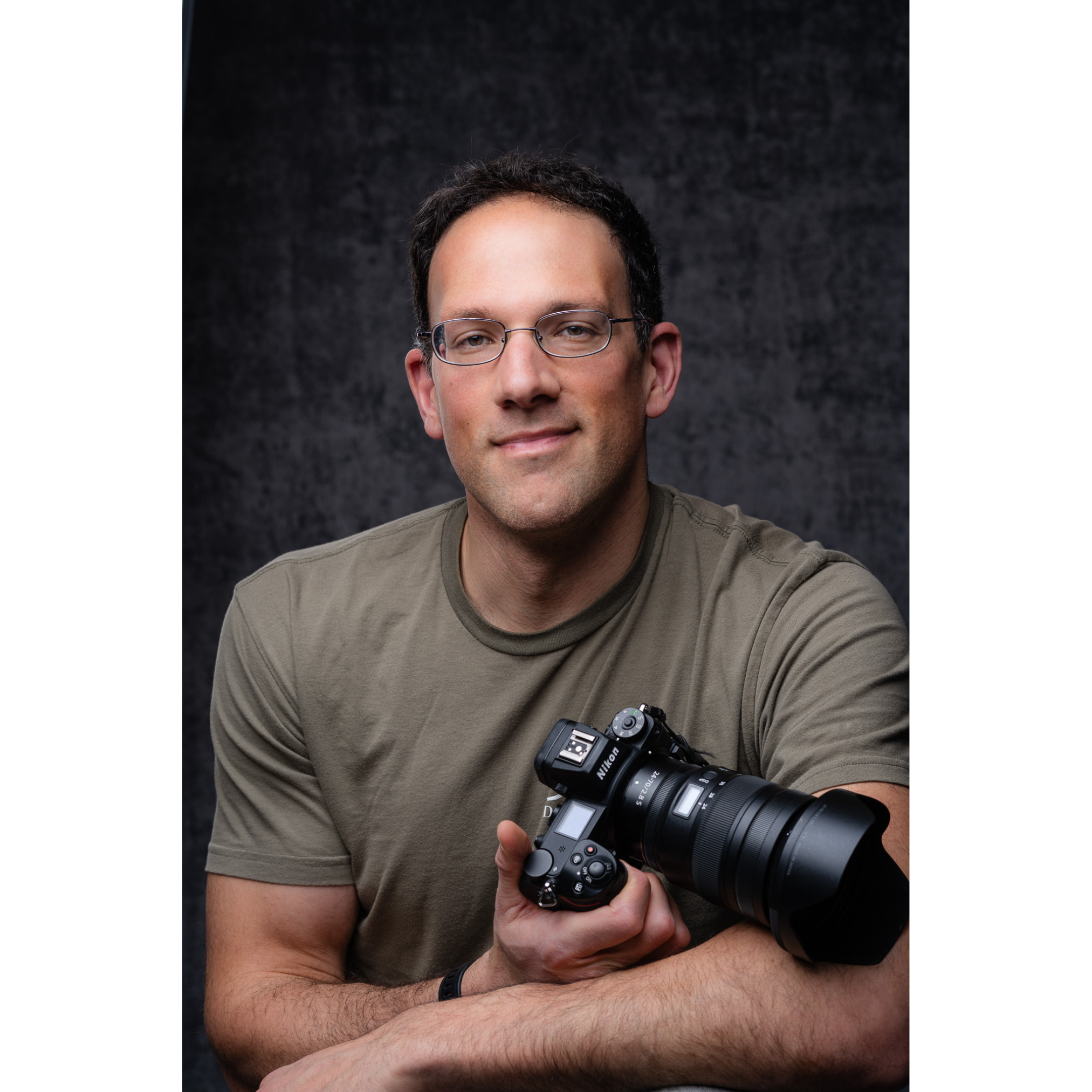
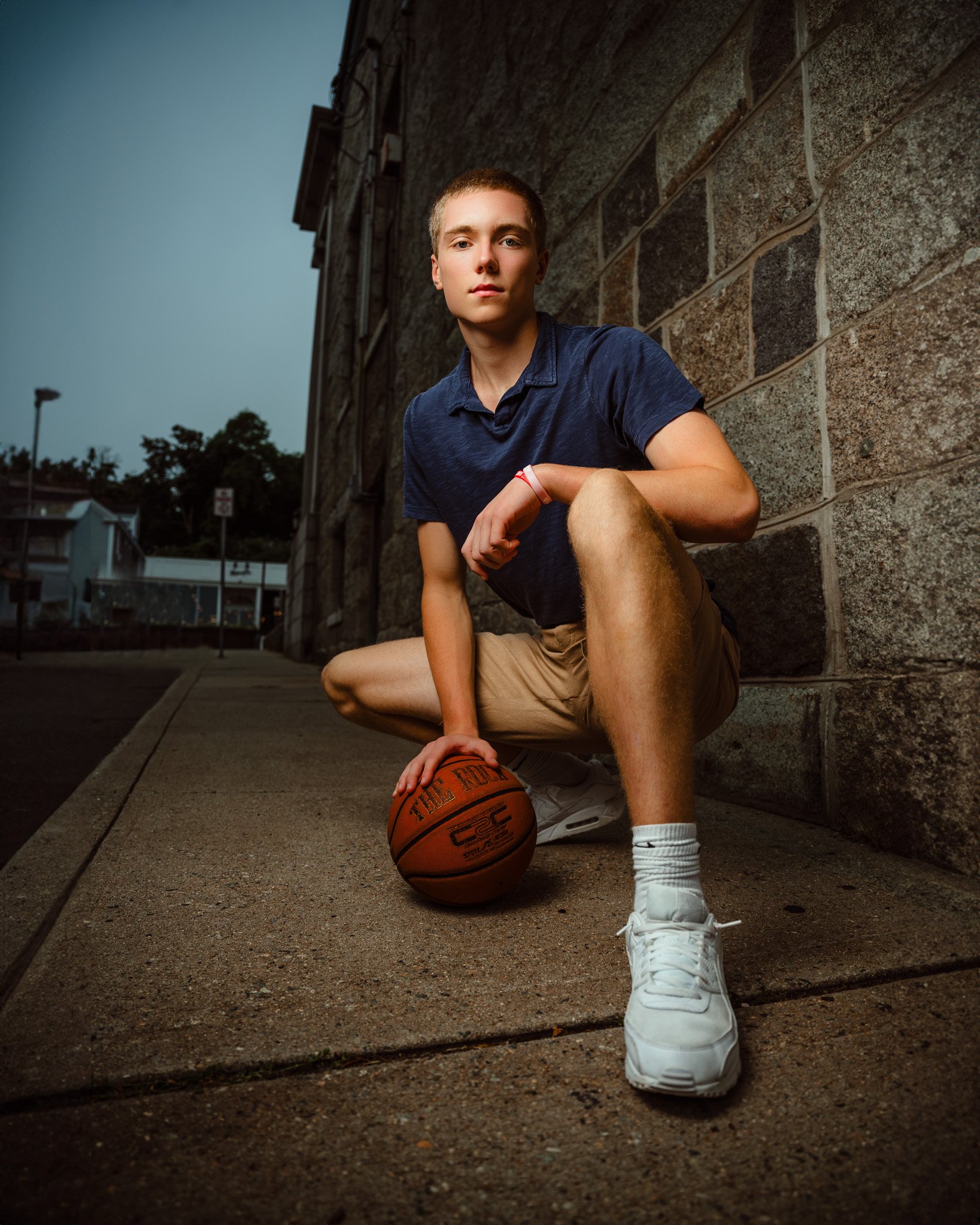
Photography is one of the most popular ways that people connect with nature. It is also one of the most important ways that Wildlands Trust generates public awareness and support for its work. For many years, photographer Drew Lederman has donated his time and talent to Wildlands, capturing breathtaking images of the people and places that define our region’s natural landscape.
Now, you can learn to do the same. Over four Thursdays from June 18 to July 9, Drew will lead “Outdoor Photography Essentials,” a hands-on class focused on honing your creative eye and capturing more compelling images. Click here to learn more and register for this program at Davis-Douglas Farm in Plymouth.
Drew’s photography studio offers a wide range of services, including weddings, family portraits, and professional headshots. But it all started with a desire to document his outdoor adventures. In anticipation of his class, I asked Drew to share his photography story—how it started, where it’s going, and why you should dust off the camera in your closet and take it down a trail.
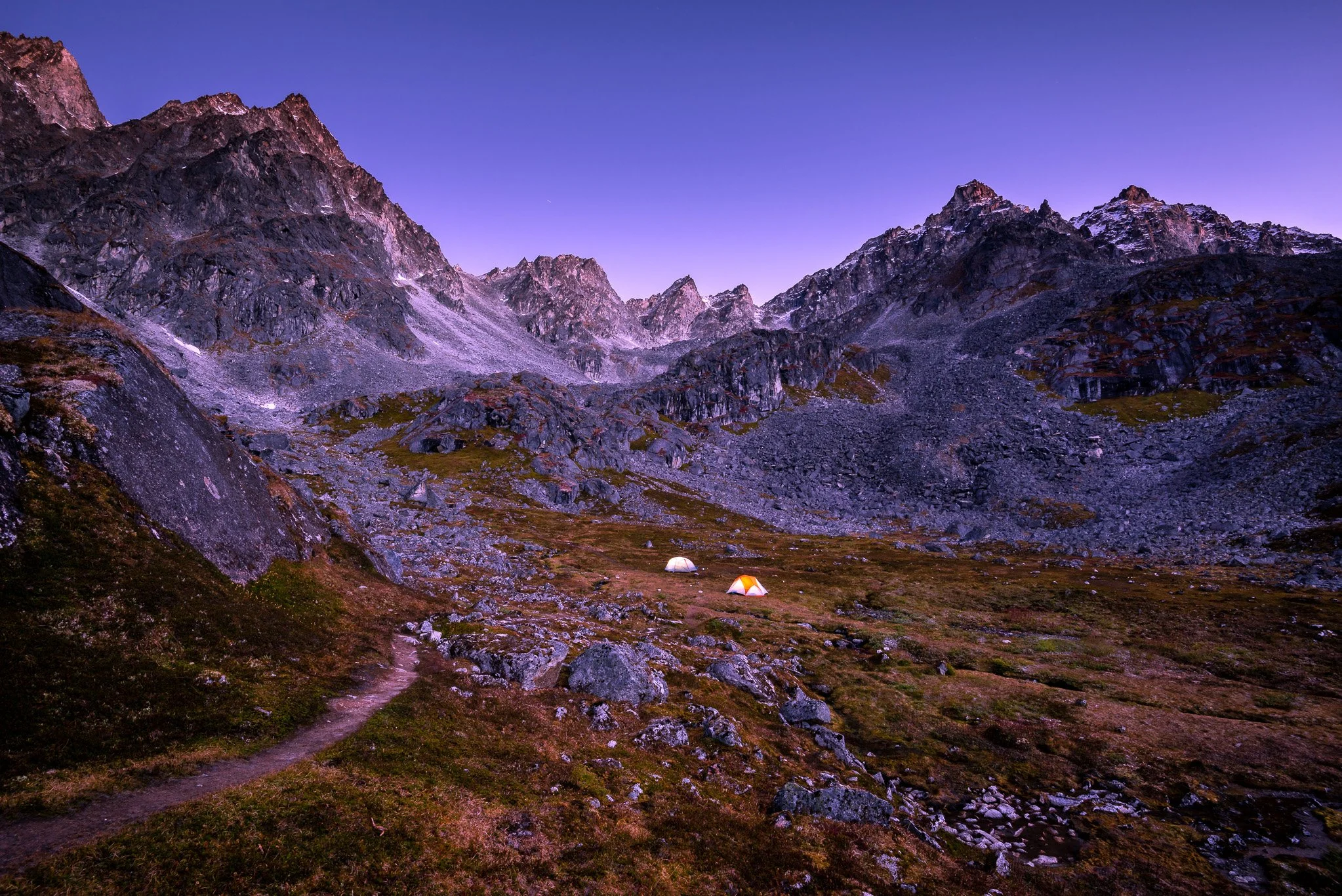
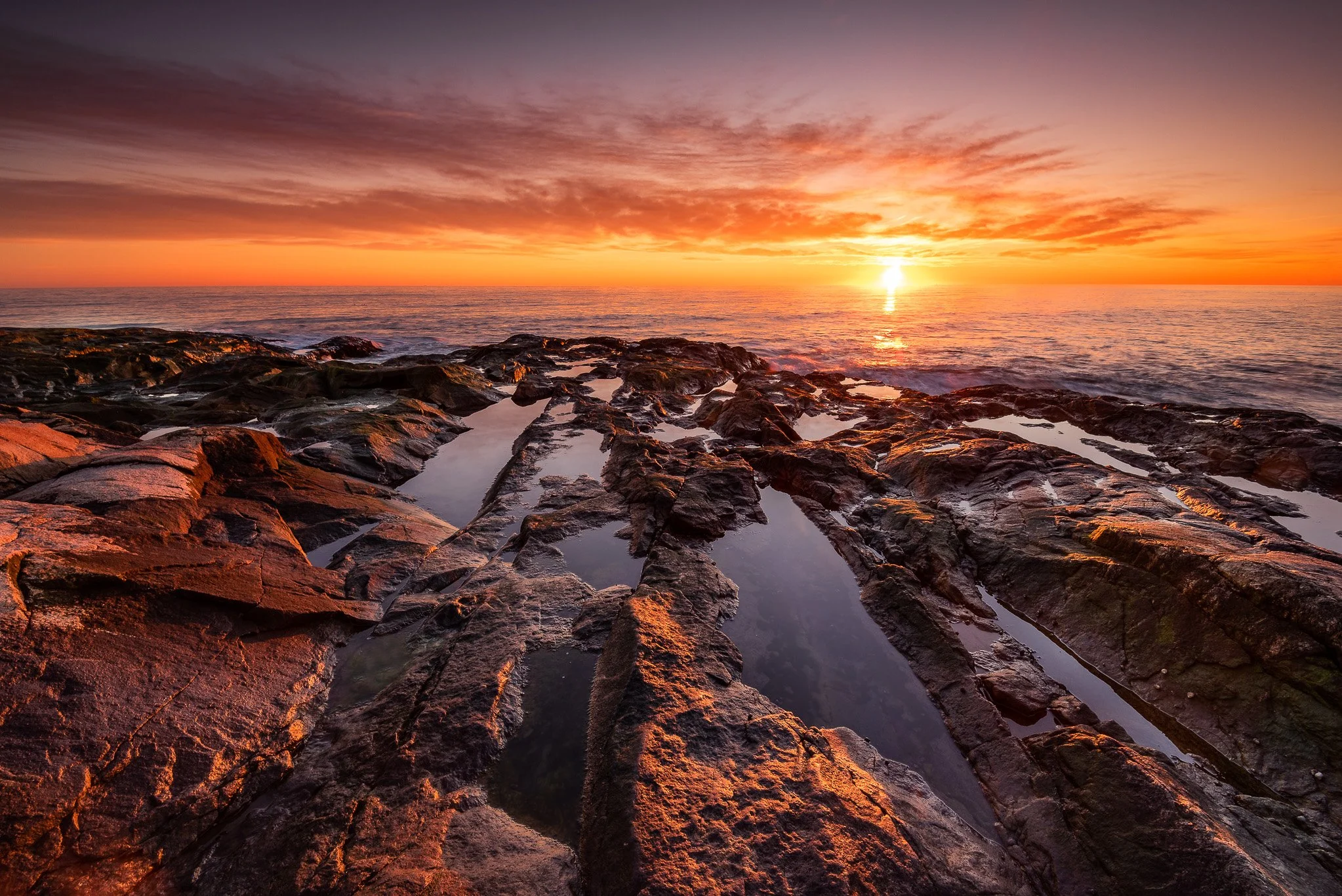
Photo by Drew Lederman.
TP: How did you get into photography?
DL: I've been interested in photography for most of my life, but I really got into it when I started backpacking and doing other outdoor adventures. I was just always in these really beautiful places, and I wanted to take photos of them. I wanted to show people where I was, what I was doing, and why I would wake up at two o'clock in the morning and hike to the top of a mountain to watch the sun come up. It's also meditative to look at a landscape and figure out what I want to focus on in that particular scene.
Over the years, my interest in photography morphed into all sorts of different jobs, where I built new skills and realized that I like photographing people, too. But documenting landscapes and nature is what really got me started.
You’ve donated your time and talent to Wildlands for years. Why?
Tucker Preserve is definitely my happy place on the South Shore. I actually grew up right down the street. Now, my wife and I really love nature, and we appreciate how important it is to keep natural spaces available and not have them all developed. When we got married, we decided that we wanted to use our wedding to give something back to Wildlands. We got a whole bunch of pamphlets and pictures and made a Wildlands Trust booth at our wedding so that people could donate to Wildlands if they wanted to. We also used a chunk of our wedding money that we had put aside for decorations and donated it to Wildlands instead.
Over the years, we have continued to grow our involvement in the Wildlands community. I've done staff headshots, photos of trail spaces, and classes. I’ve even photographed weddings for Wildlands staff members.
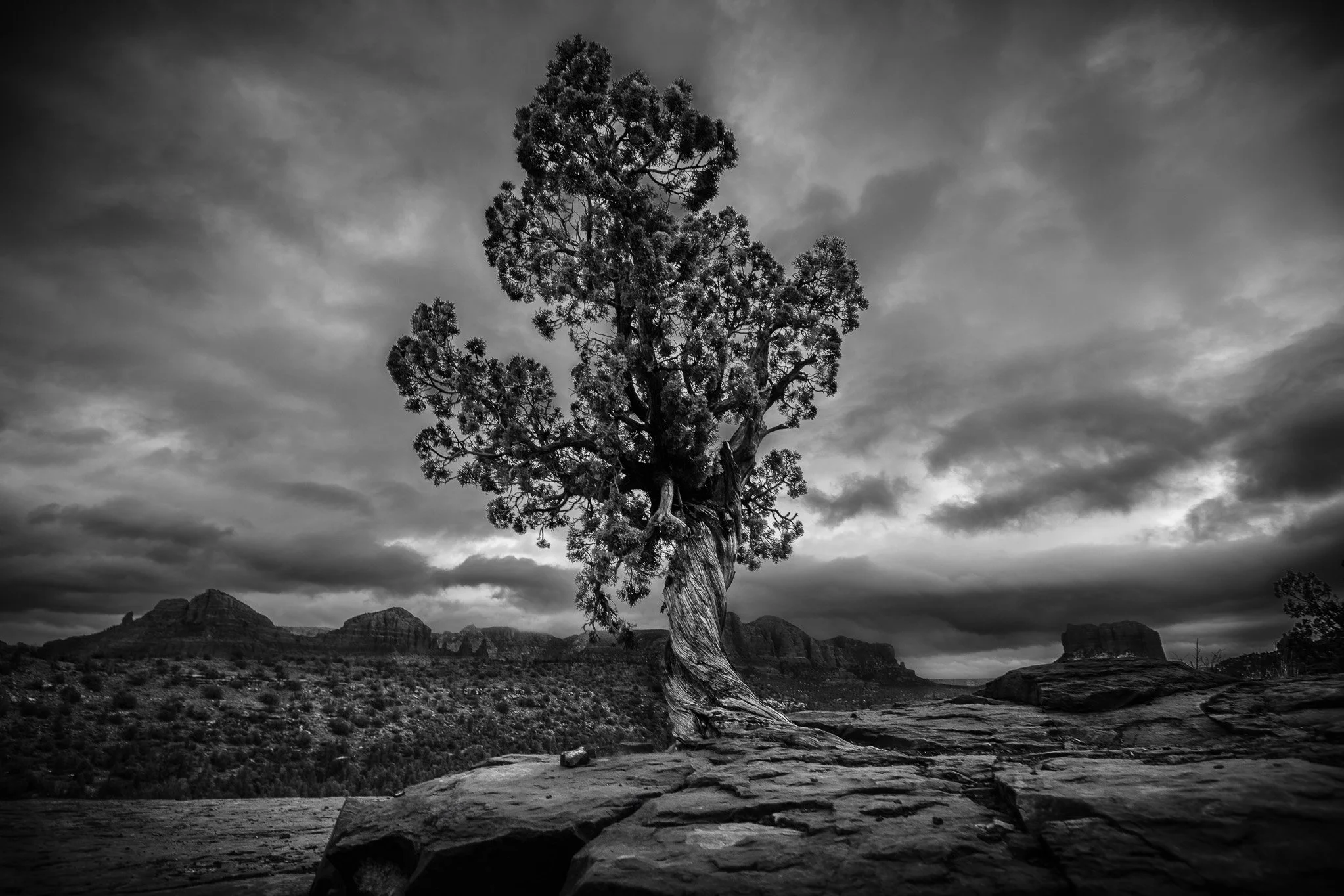
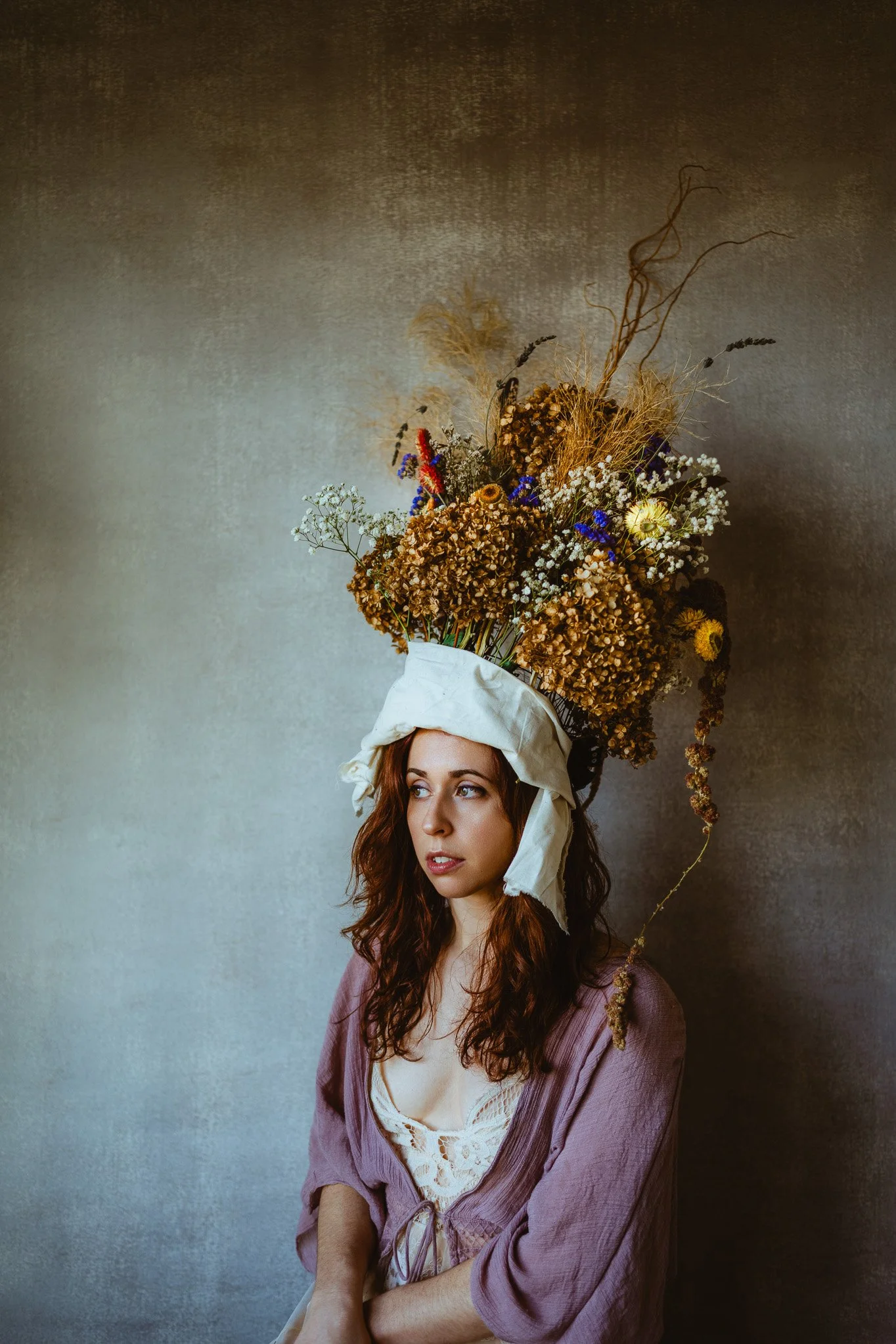
Photo by Drew Lederman.
Why should people try out photography? Why this class?
Photography helps you connect with nature a little bit more when you're out walking on trails. When you're a photographer on a trail, you're constantly looking at everything because you're scanning for interesting things to capture, rather than just breezing through the woods and not paying much attention. So, you learn how to slow down and appreciate the woods a little more.
Photography beginners tend to struggle with two things: the technical end of how their camera works, and how to create an image that's more pleasing to the eye. In a class like this, I teach people how to look at things differently, and how to really pick out what they want to take photos of so that they can tell a better story. It may seem really complicated at first, but once you learn how to use your camera, you never have to relearn it.
My goal is for people to come to each class, learn something new, and before the next class, go home and practice the things that we learned so that by the time the program is done, everyone can go off on their own and just continue to improve.
What message would you have for someone who doesn’t feel artistic enough to take this class?
There's no such thing as not being an artist. It doesn't matter what kind of photos you take or how good you are. If you're out there doing it and you're enjoying it, that's all that really matters. If I can help people get better at it and figure out some of the problems that they might be having, that’s great. Because when you're getting the results that you actually want, you're going to enjoy it more.
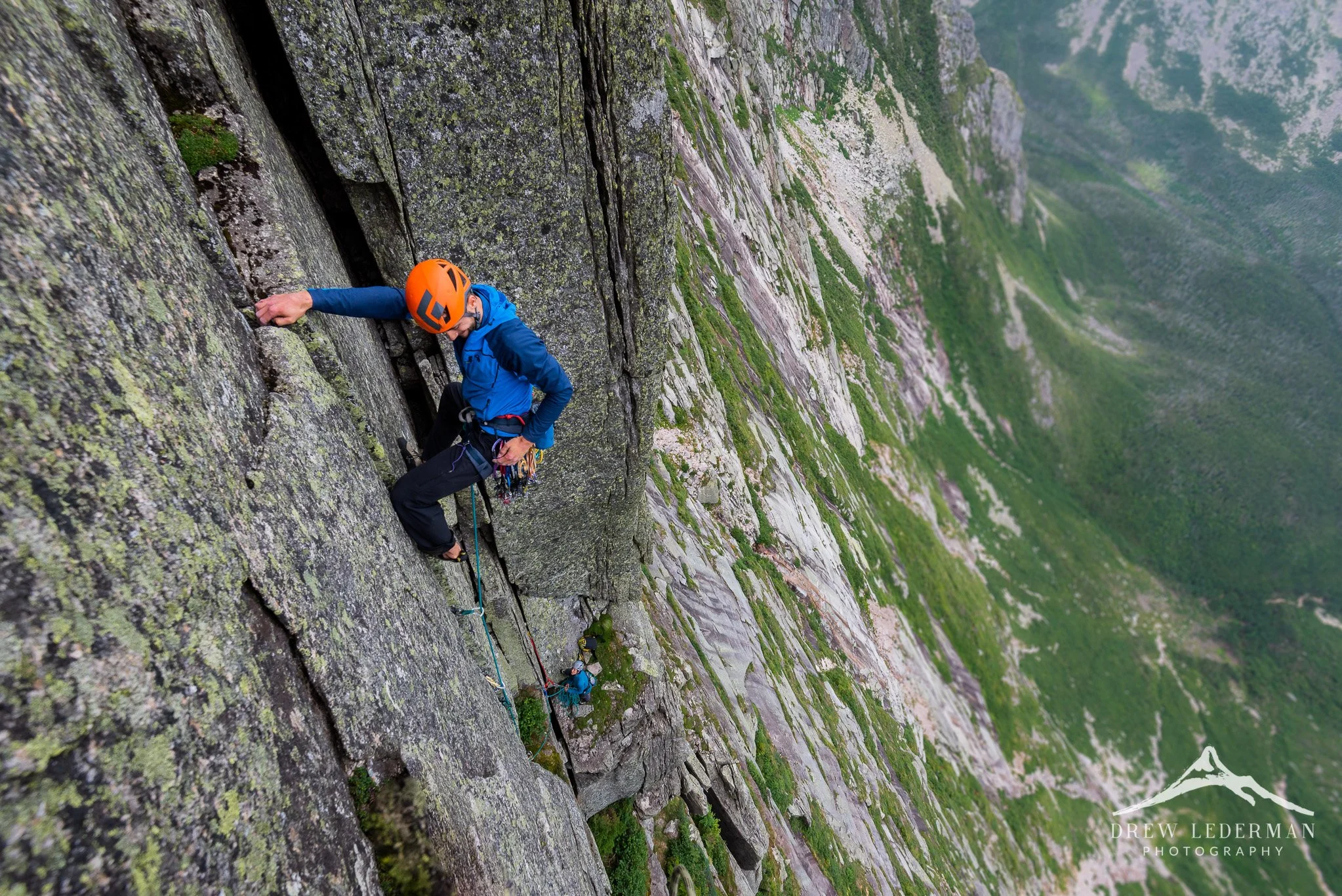
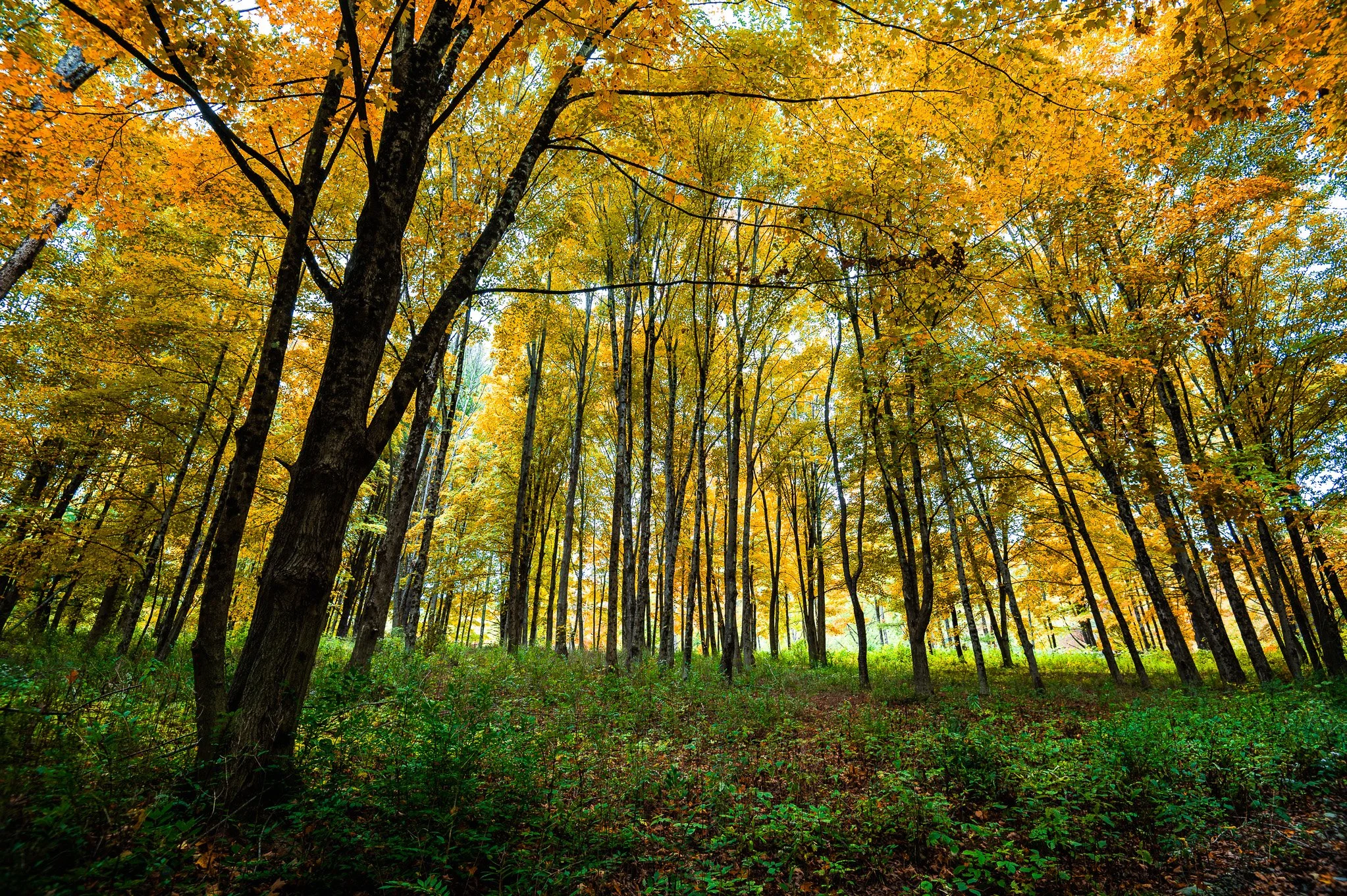
Photo by Drew Lederman.
How good of a camera do you really need to get started?
Someone once told me that the best camera is the one that you have on you. I think that says it all right there. It doesn't really matter what camera you have. Whether it's an iPhone, a point-and-shoot, or a $6,000 camera, they all kind of work the same way. There are advantages and disadvantages to each, but we can still do a lot of the same stuff, especially on the composition end. Figuring out how to create a more interesting photo can be done with anything.
Anything else for participants to know?
It'll be fun. I'm very big on hands-on learning. It's definitely not going to be a class where we just sit and look at PowerPoint slides. I want to explain something, and then I want you to go practice it. So, it's going to be a lot of actually using your camera.
***
Click here to learn more and register for “Outdoor Photography Essentials,” instructed by Drew Lederman.
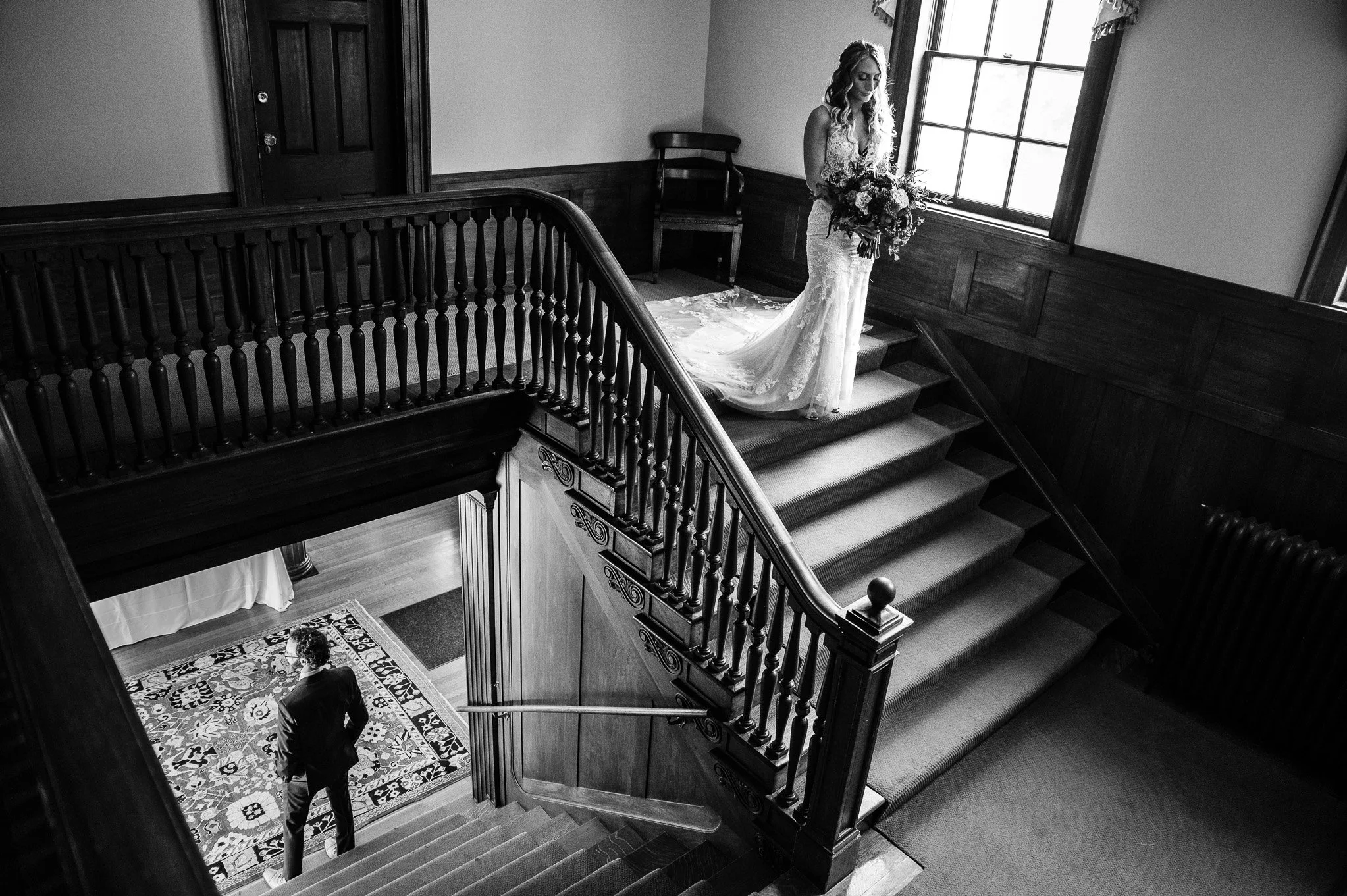
Scroll through the gallery below for more of Drew’s photos.

Leaders for Land: Corporate Giving Grows at Wildlands
Wildlands Trust is grateful for our Leaders for Land. Through their generous support, this growing circle of leading corporate partners is investing in the care of conservation lands that serve the 1.7 million people who live and work in Southeastern Massachusetts.
“Cape Cod 5 is delighted to support Wildlands Trust and their ongoing efforts to conserve and steward the lands that make our region so special. Their work aligns closely with our commitment to the long-term well-being of the communities we serve.”
~Matthew S. Burke, Cape Cod 5 CEO & Chairman






The Nature of Farming
How eco-conscious farms balance food production and environmental stewardship
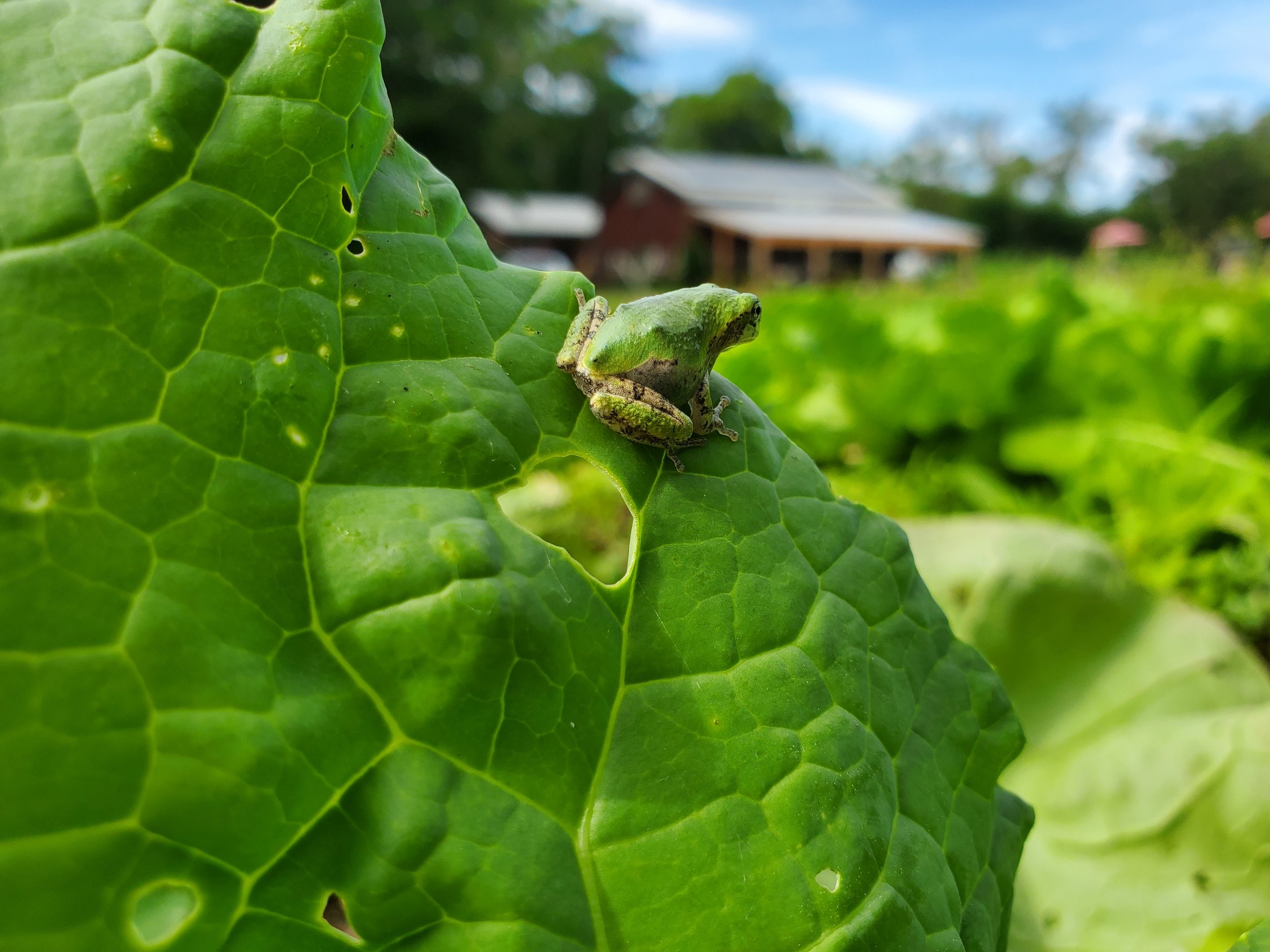
Eastern gray treefrog on sen-po-sai, an Asian green.
By Justin Cifello
Agriculture itself is not a distinctly human invention. Ants herd aphids and cultivate fungi. Beavers turn forests into wetlands full of their favorite plants. The line between artificial and natural is a blurry one. It is a philosophical conundrum I won’t be solving here, but which has given me much to ponder in my years as a both a farmer and naturalist.
This will be my 18th year of farming at Bay End Farm in Buzzards Bay, which abuts Wildlands Trust's Old Field Pond Preserve. We are an organic farm, but we still need to be aware of our impact on the local ecology. Even organic fertilizers run the risk of downstream effects like eutrophication, so they must be deployed carefully. More is not always better; overfeeding a crop can make it vulnerable to pests, and over-application of one element can prevent the plant from uptaking another. Yearly soil tests help us tailor the minimal blend of nutrients that will meet a given crop’s needs. The fertilizers themselves are largely agricultural byproducts, which release their nutrients slowly. Some are locally sourced, like fish emulsion from New Bedford, spent grain from breweries, and even seaweed from beach associations. [1]
We want the fertility we apply to stay in the soil. Bare earth is vulnerable to weathering, so we blanket empty fields in cover crops. These plants are never harvested; their sole job is to hold on to nutrients. By planting a mix of cover crops, a more complex network of roots can form, better shielding the soil against winter erosion. They give fungi and other microbes a place to live, keeping the soil community healthy. Cover crops also help prevent weeds from germinating. [2]
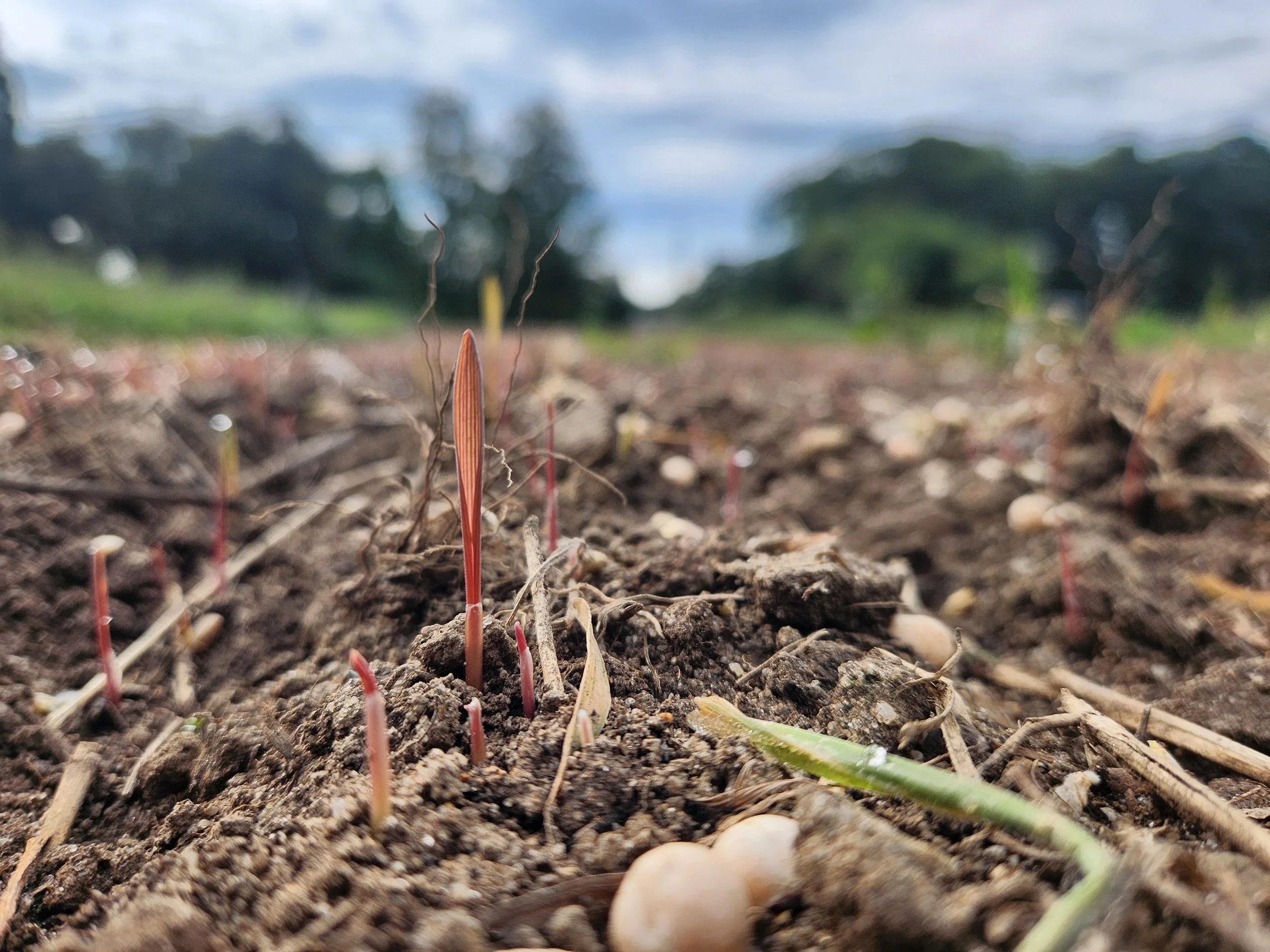
Winter rye germinates alongside field peas, both used as cover crops to protect the soil.
Soil depletion is also mitigated through crop rotation. By varying the crops we plant in each plot, we allow soil to maintain a balance of nutrients over time. The rotation includes leaving a field fallow for a season, so it can recover fertility and provide wildlife habitat. Crop rotation also prevents pests and diseases from establishing, as most are specialized to one family of vegetables. We grow different families of crops, as well as different varieties within each family. Diversity helps us not put all our eggs in one basket.
Despite our best preventative efforts, there will be pests. The pesticides available to organic farms are those that have been proven to break down quickly into safer compounds. Applied with a backpack sprayer, pesticides can be targeted carefully. We intentionally avoid applying pesticides during active times for pollinators, as well as windy or rainy days when spray may drift or run off. There are certainly more effective pest-eliminating products out there, but since we didn’t put all our eggs in one basket, we can accept some losses. [3]
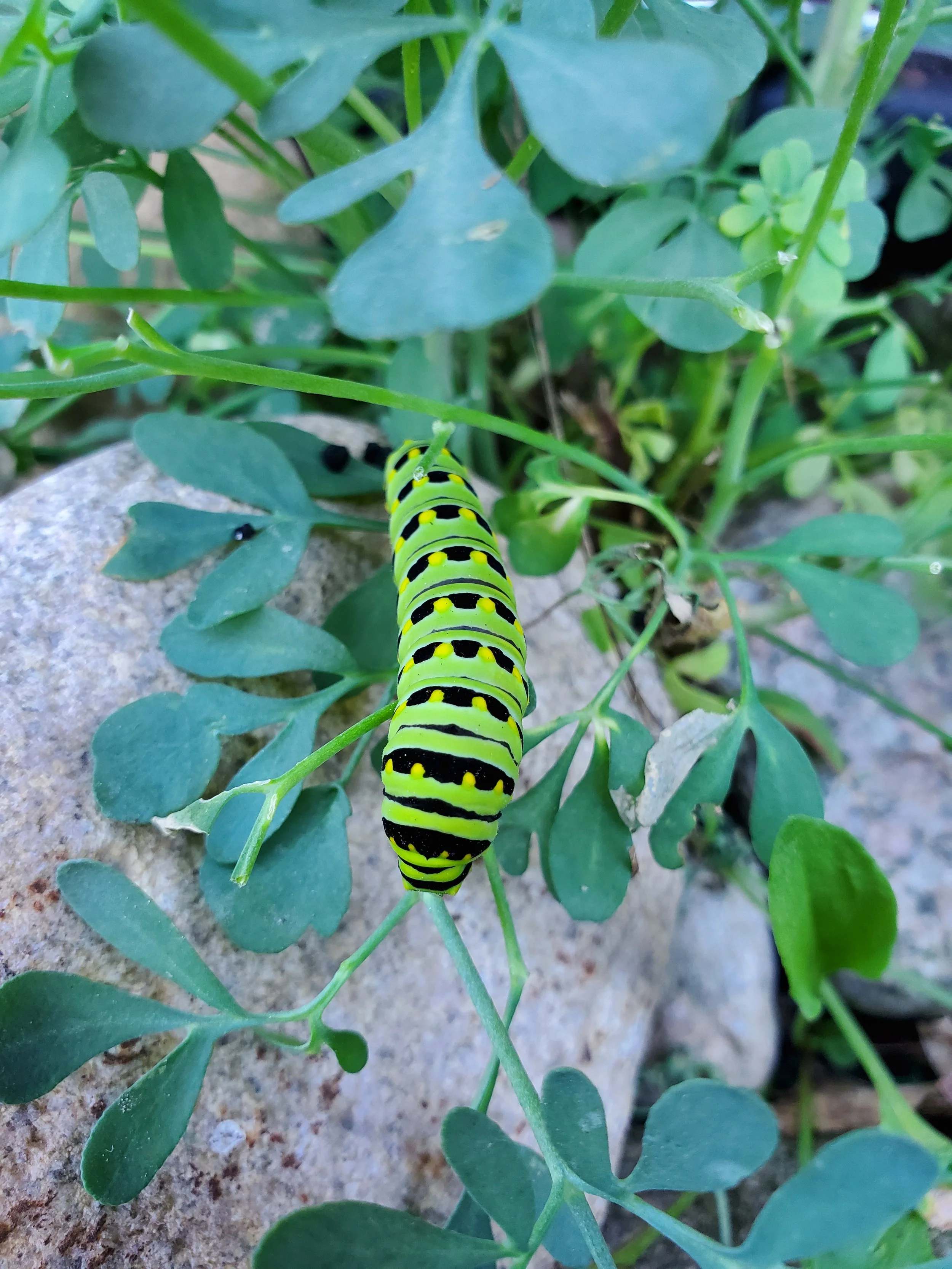
Swallowtail caterpillar on rue. Though they largely eat members of the carrot family, they rarely eat enough to be a problem. We don't eat the carrot greens, anyway.
Many farms maintain woodlots and fields that are never planted. As vital as forests are, grasslands are important, too. Abandoned farmland has largely regrown into forests or been developed, causing a decline in open habitat. These areas host a number of species, particularly ground-nesting birds. With full sunlight, they also support a suite of wildflowers, which in turn feed specialized insects and pollinators. The monarch butterfly is perhaps the most famous of these. While the adult can be seen feeding from any garden flower, the caterpillars can only survive on milkweed, which grows only in grassland habitats. [4]
Biodiversity is, of course, worth protecting for its own sake, but wildlife does a lot for us, too. Bumblebees, with their vibrating clumsiness, are fantastic tomato pollinators. Ladybugs and their otherworldly larvae are voracious aphid eaters. Highly specialized braconid wasps seek out tomato hornworms to feed their young. Wildlife encounters are also deeply fulfilling, from the mundane, daily sight of a handsome toad to the rare glimpse of a fisher. The bright orange of a spring peeper in the leafy greens is, to me, like a canary in the coalmine. I take comfort in seeing these creatures thrive—hopefully a sign that we have been good neighbors.
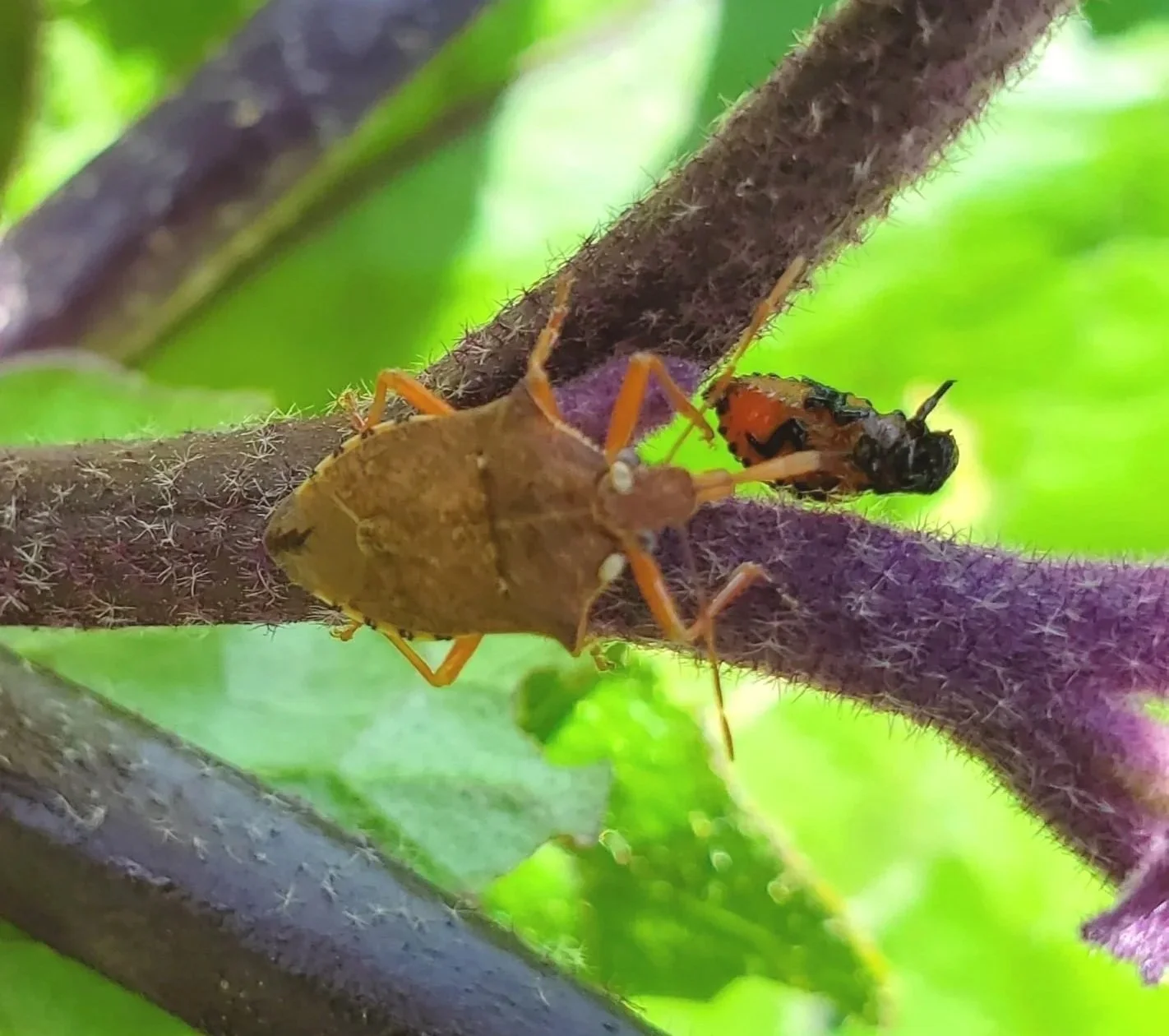
A soldier bug with its quarry, a potato beetle larva. We appreciate the assistance with one of our worst pests.
Further Reading:
1. Eutrophication: oceanservice.noaa.gov/facts/eutrophication.html
2. Cover Crops: sare.org/resources/cover-crops/
3. Organic Pesticides and Certification: npic.orst.edu/ingred/organic.html
4. Grassland Conservation: massaudubon.org/our-work/birds-wildlife/bird-conservation-research/grassland-birds
New GIS App Streamlines Adopt-a-Preserve Reporting
Plus: A Post-Snowstorm Trail Update
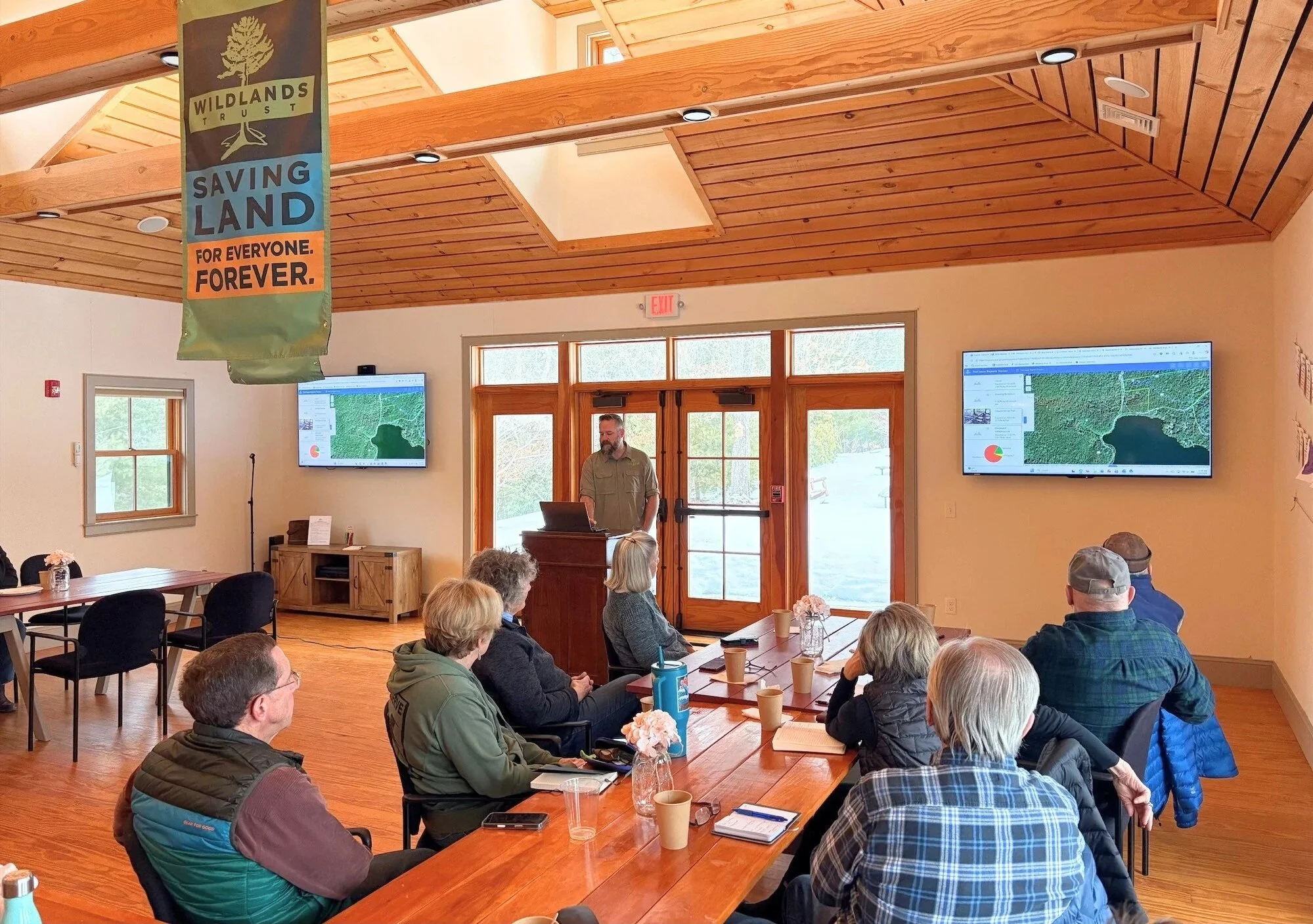
GIS Manager Jason Risberg demonstrates QuickCapture during the Volunteer Brunch & Learn on February 20.
Above all, Wildlands volunteers are driven by the promise of impact. In a survey last year, 91 percent of them identified the “satisfaction of giving back” as a primary motivation for their involvement. (Explore our full analysis in the Spring 2025 issue of Wildlands News.)
Thanks to a new trail monitoring tool, Adopt-a-Preserve volunteers can now give back more efficiently than ever before, amplifying their impact on the lands they love.
Wildlands’ Adopt-a-Preserve (AAP) program is one of many ways that volunteers make our work possible. By visiting their ‘adopted’ preserve once a month and reporting any issues (such as fallen trees, litter, and invasive plants) to our staff, AAP volunteers help us detect, prioritize, and resolve stewardship needs on lands across our service region.
Until now, AAP volunteers submitted their reports through an online form after their site visits. In addition to costing volunteers extra time, this approach cost our stewardship team extra legwork—literally and figuratively—to turn AAP reports into actionable insight. They would first have to manually transfer the reports into Wildlands’ digital mapping software. Then, since volunteers’ descriptions and photos of issues on the trails were not georeferenced (i.e., linked to an exact point on a map), our stewards would often find themselves wandering a preserve in search of the issue they had come to resolve.
Enter ArcGIS QuickCapture, a mobile app that allows volunteer trail monitors to digitally map their observations from the field. Wildlands demonstrated the new tool during a Volunteer Brunch & Learn on February 20 and a recorded Zoom presentation on March 4.
The upgrade was made possible by the addition of GIS Manager Jason Risberg to Wildlands’ staff. With increasing technological capacity, Wildlands can streamline its stewardship processes, for the benefit of the staff and volunteers who care for our trails—and therefore all who enjoy them, too.
“We always want our volunteers to know that their efforts have a meaningful impact on our work,” said Stewardship & Volunteer Coordinator Rebecca Cushing. “By inviting them to participate more directly in our GIS-powered processes, I hope that volunteers feel more connected and empowered by the crucial work they do for us.”
Fully implementing QuickCapture will take more education and time. The original AAP reporting form will remain active in the meantime.
If you are a current AAP volunteer with questions about QuickCapture or a prospective volunteer looking to get involved, we want to hear from you! Please contact Stewardship & Volunteer Coordinator Rebecca Cushing at rcushing@wildlandstrust.org or 774-343-5121 x 106.
Trail Update
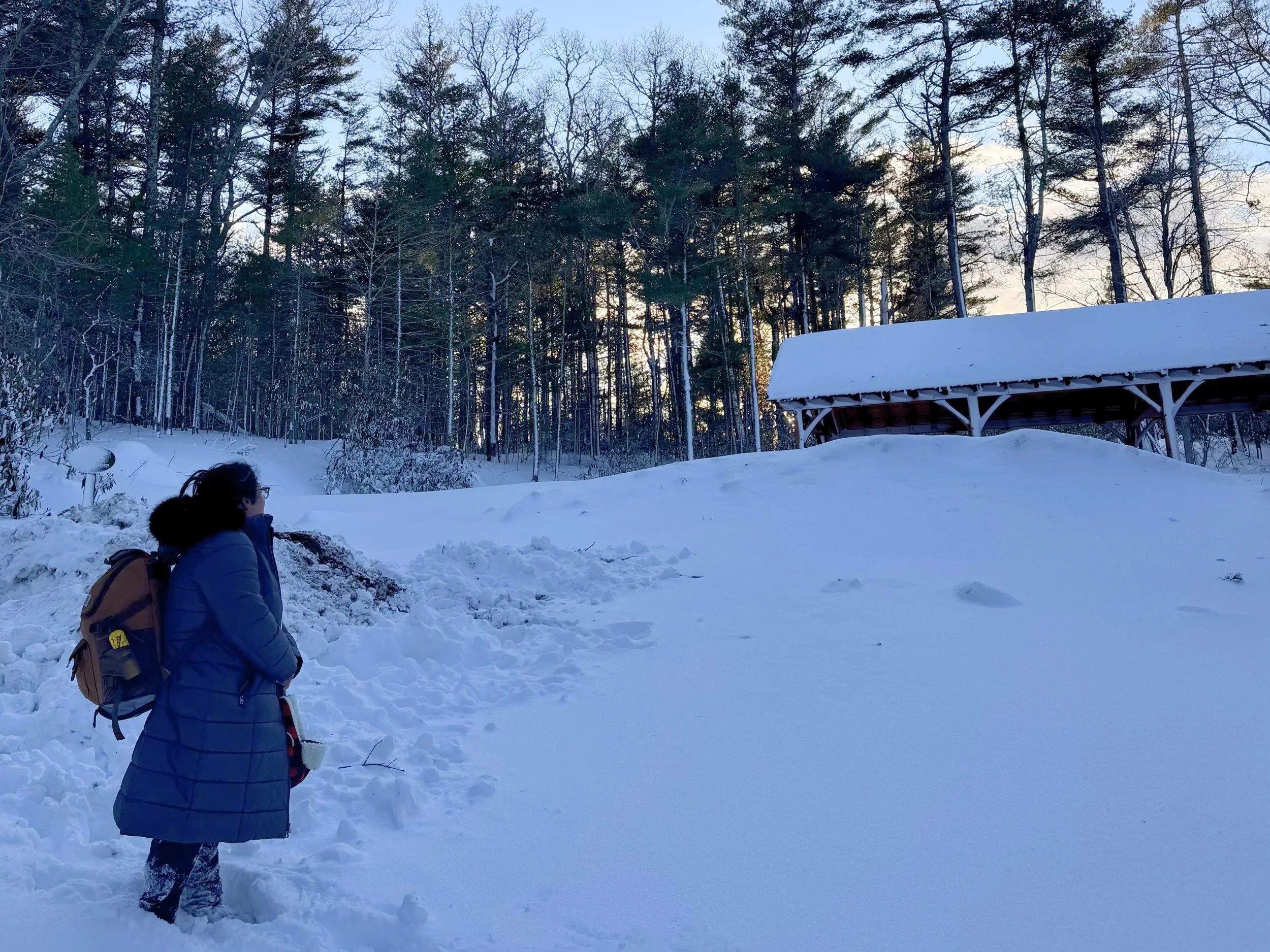
Wildlands’ stewardship staff and volunteers are working hard to restore access to our preserves after last month’s historic snowstorm. Despite the recent warm-up, trail conditions remain inconsistent—and potentially dangerous. Please exercise caution on Wildlands trails and report safety concerns to trails@wildlandstrust.org. (Or better yet, lend your eyes and ears to the lands you love as a Wildlands Adopt-a-Preserve volunteer!)
Human History of Wildlands: A Q&A with Skip Stuck
What past lives have Wildlands Trust’s conservation areas lived?
Wildlands volunteer Skip Stuck will follow every clue. Two years ago, Skip launched “Human History of Wildlands,” a blog series that explores the cultural legacies of the lands that Wildlands protects. Sixteen articles later, we asked Skip to reflect on his work so far.
What past lives have Wildlands Trust’s conservation areas lived? Some clues linger on the landscape. Others collect dust in the annals of local historical societies—or survive only in the memories of past caretakers.
Wildlands volunteer Skip Stuck will follow every clue. Two years ago, Skip launched “Human History of Wildlands,” a blog series that explores the cultural legacies of the lands that Wildlands protects. Sixteen articles later, we asked Skip to reflect on his work so far.
Wildlands: Why did you start this project?
Skip: 2026 marks my 10th year as a Wildlands Trust volunteer. When I started, I was 67, recently retired, and happy to help Wildlands’ stewardship department with trail work and carpentry. I still am. But at 77, neither my strength nor my stamina is what it once was. I love the Trust’s community-focused mission and impact, so I asked myself how I could still contribute once my days of lugging benches into the woods were over.
While leading group hikes for Wildlands, I became intrigued by the trail names, old foundations, and stone walls I came across. The Wildlands website provides great descriptions of each preserve’s "natural history," of the forests, fields, and fauna that hikers enjoy on our trails. But my general knowledge of “human history” told me that, at one point or another, people have lived or worked on nearly every acre of our regional landscape. Our “wildlands” may look untouched today, but they would surely look different if not for millennia of encounters with human hands.
Simply put, I started writing this series to explore the impact of humans on nature. As a volunteer hike leader, I also wanted to add some historical perspective to what hikers were seeing on the trails.
How has this project changed the way you think about local history?
The history many of us learned in school was written by European men. From their perspective, anything that wasn’t mowed down or built up was wilderness, and history started in 1620. The whole story is much more complicated—and harder to find. Only by researching Indigenous oral histories, local archaeology, and the observations of the earliest European explorers did I begin to realize how much we don’t know. In some places, ancient shell middens and fish weirs provide the only remaining evidence of human stories we will never fully know.
Even if every artifact and memory throughout history had been perfectly preserved, one objective “truth” would remain difficult (if not impossible) to locate. Every story is tinted by the experiences and biases of the interpreter. Read one colonial and one Indigenous account of King Philip’s War, and you will be shocked that they describe the same event.
I was also struck by how much of what we observe in nature today can be explained by historical human use. This prompts some difficult questions for Wildlands, none larger than the very definition of “preservation.” When should we repair damage done by years of human abuse? When should we simply "let nature take its course”? When should we allow a hayfield to return to a forest, or a cranberry bog to a swamp? And what should we do about the invasive plants that we’ve spread across the globe?
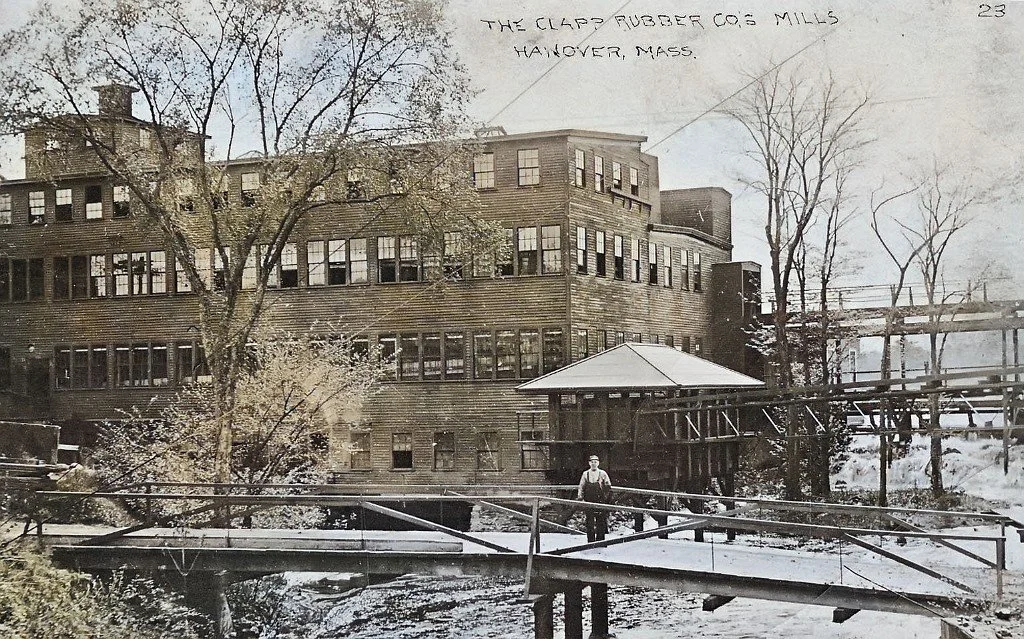
The banks of the Indian Head River in Pembroke, Hanover, and Hanson were once a hotbed of industrial development, including the Clapp Rubber Mill (pictured above). Today, the area supports the scenic Indian Head River Trail, including Wildlands’ Tucker Preserve. The dam that fueled the mill is still intact (pictured below), but the mill itself is gone, save for scattered remains in the forest. Revisit Skip’s history of the Indian Head River here.
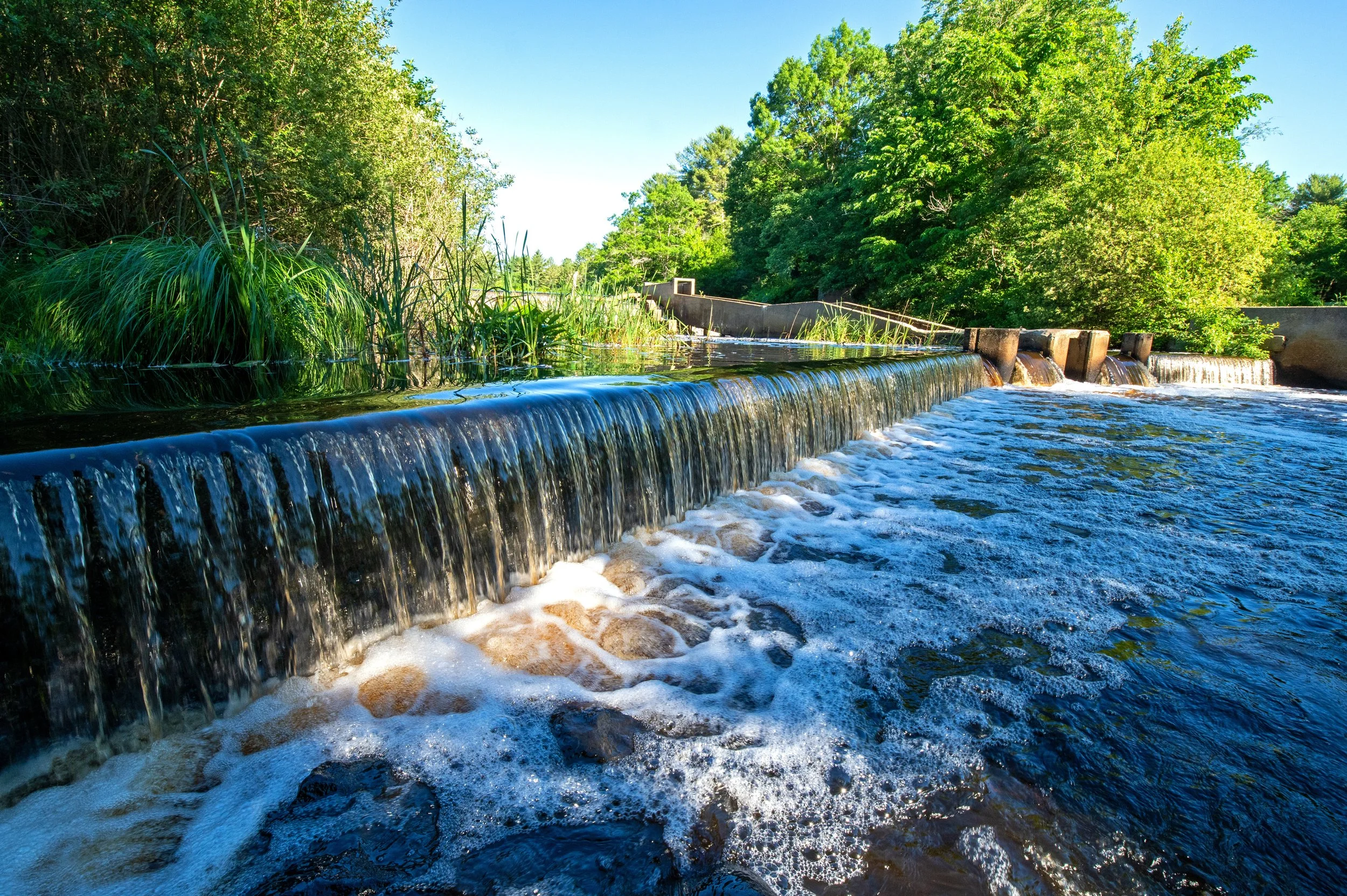
Photo by Rob MacDonald.
What patterns have you observed across these preserve histories?
Across every property I’ve researched, one pattern has held true: what happens to land hinges on its utility to people. Humans have always valued land based on its ability to support their survival and prosperity. When land couldn’t help them, they changed it. Tribes burned underbrush to improve travel, food, and safety. Settlers cleared forests and dammed rivers to create grist- and sawmills. As times changed, farms replaced forests, factories replaced farms, and cities replaced towns. When changes in population, technology, and industry ended the usefulness of land, everything returned to forest. Even today, when more people appreciate nature’s intrinsic value, many preservation efforts must still be justified by their benefits to drinking water, scenic vistas, and other human assets.
What has been most difficult about writing this series?
Earlier, I suggested that uncovering a truthful and objective history might be impossible. However, its impossibility does not diminish the value of the search. Let's return to King Philip's War. If you want to learn about the conflict, you might start with written primary sources. Yet those sources would almost certainly reflect only the perspectives of white, male Puritans or Pilgrims. You might widen your search to include information from Indigenous sources, but very little is written, and oral traditions are harder to access. One might visit the battle sites, but even archaeological evidence can yield vastly different interpretations.
So why look for the truth if you can't find it? I would argue that the act of searching, of listening to contrary points of view and seeing the world through the eyes of another, teaches us about human fallibility—and therefore the need for humility. Studying history can't assure us of the facts. But it can absolutely help us learn about each other.
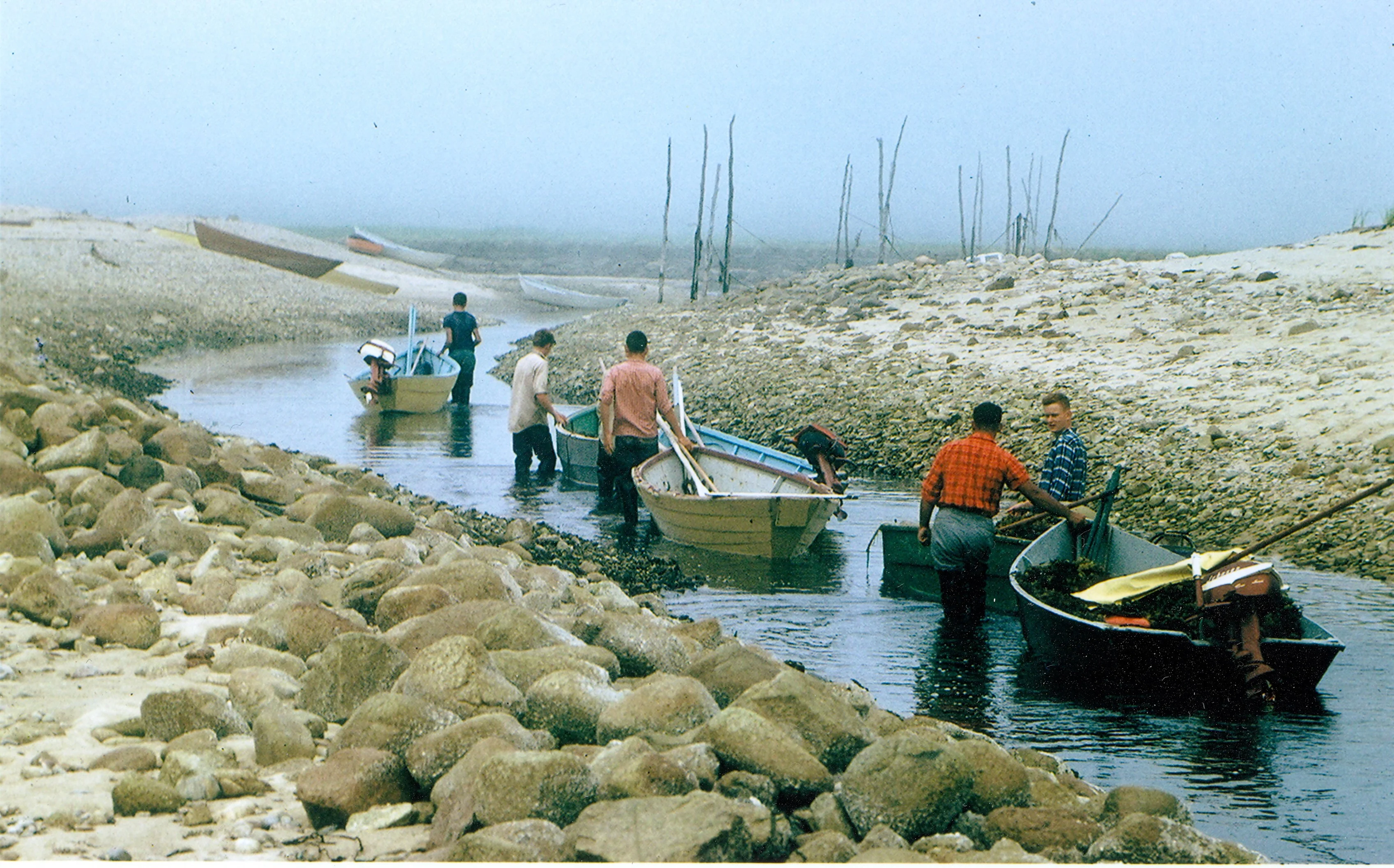
Skip’s first article in the series retraced the history of Shifting Lots Preserve in Plymouth, including the once-vibrant mossing industry in Ellisville Harbor. Photo from 1969, courtesy of Roger Janson, via Friends of Ellisville Marsh.
If readers could take away one thing from your series, what would you want it to be?
To take good care of a piece of land, you need to know its past. Throughout history, humans have caused widespread environmental damage. It’s a sobering fact with a silver lining: humans have the power to change the environment for the worse, so they also have the power to change it for the better. To do so, we need to understand how we’ve historically abused that power. Only then can we chart a new path forward.
How and why should readers get involved with local history?
You can help us find answers to our many unresolved questions—and to many more questions we haven’t yet thought to ask. The more people who participate in local history research, the more diverse sources we can uncover, and the more complete our history becomes. You don’t have to be an academic. Photos, maps, family stories, and personal memories can all be extremely valuable and paint a more colorful picture of the past.
Not long ago, I wrote a history of Willow Brook Farm in Pembroke. There was plenty of written information about the area, but I knew my account needed more photos to come to life. We published the piece, along with a plea for readers to lend their insight. To my pleasant surprise, two longtime residents of the historic farm property honored our request. The Pelleys met us at Wildlands’ headquarters, their arms and minds brimming with historical photos, documents, and stories that we published as an addendum to the initial piece. Many of the other entries in this series have relied greatly on interviews with family members, prior owners, neighbors, and others.
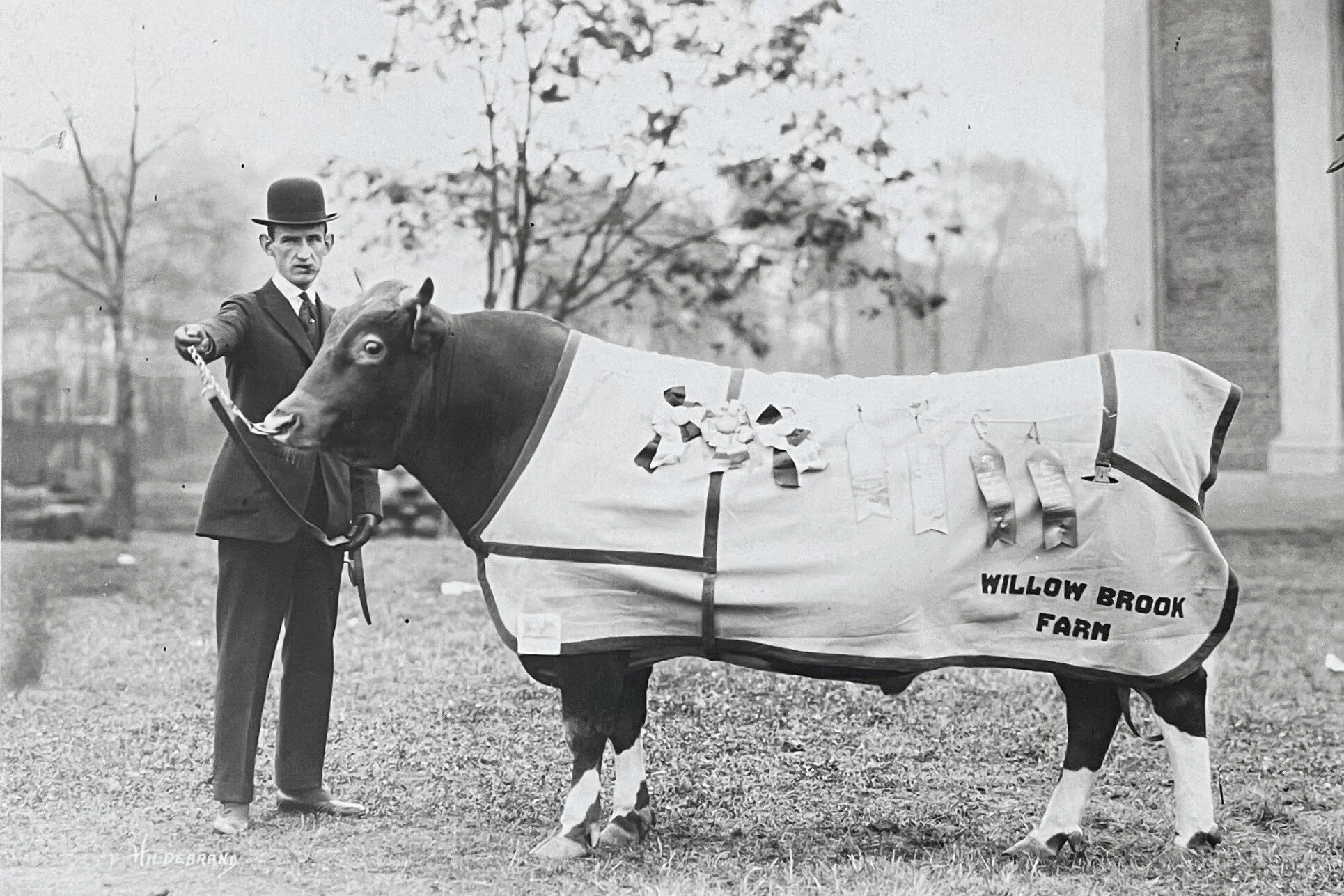
Andrew and Ann Dee Pelley, neighbors of Willow Brook Farm, shared many historical records with us, including this photo of a Guernsey cattle from Willow Brook Farm that won 1st Prize and Grand Champion at a show in Springfield in October 1917. Photo courtesy of the Pembroke Historical Society.
You can also provide feedback on past and future entries in the series by commenting below an article or sending an email to communications@wildlandstrust.org. I try my best to get my facts straight, but I always knew I’d make mistakes. I’ve received and incorporated corrections before, and I expect and welcome corrections again. If you've enjoyed these histories, I guarantee that your willingness to share information and feedback will make them even better.
Human History of Wildlands: Articles So Far
Pudding Hill Reservation, Marshfield
Old Field Pond Preserve, Bourne
Hoyt-Hall Preserve, Marshfield
Cow Tent Hill Preserve, Duxbury
Brockton Audubon Preserve & Stone Farm Conservation Area, Brockton
Delano Memorial Forest & Rounseville II Preserve, Rochester
Halfway Pond Conservation Area, Plymouth
Crystal Spring Preserve, Plainville
Tucker Preserve & Indian Head River Trail; Pembroke, Hanover & Hanson
Stewart/Person Preserve, Kingston