


What’s New at Wildlands
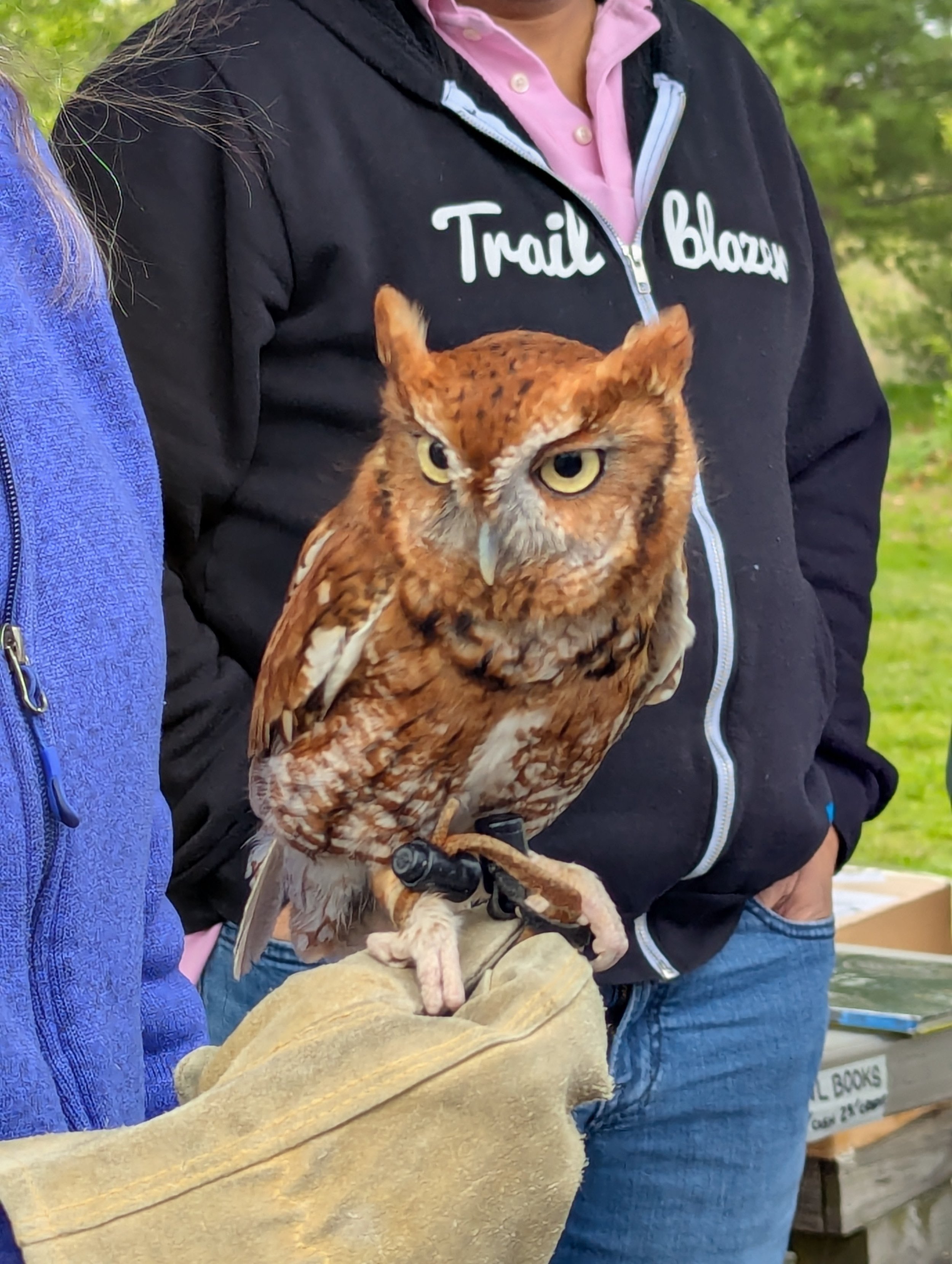
Thank You for Coming to Give a Hoot About the Park
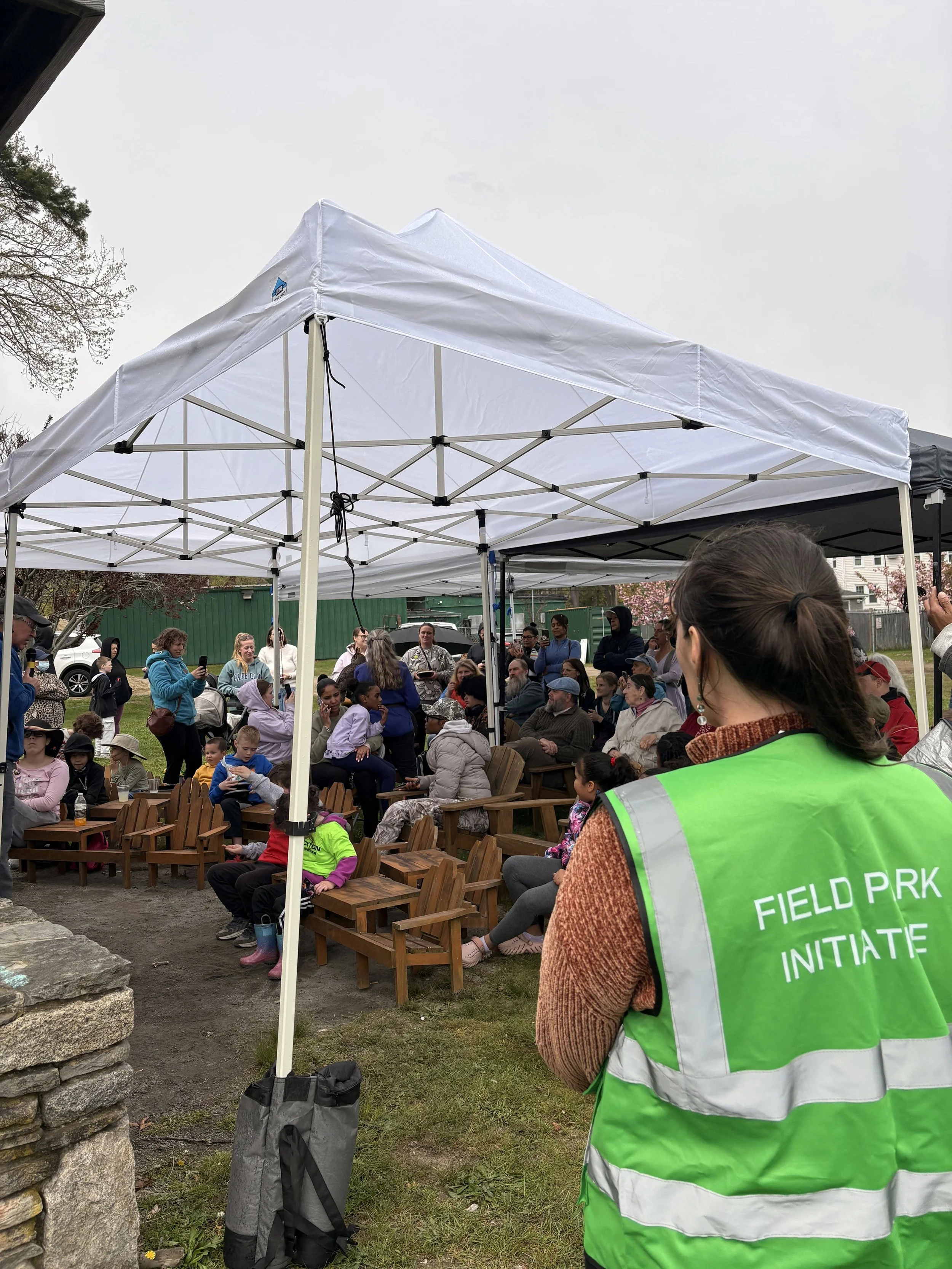
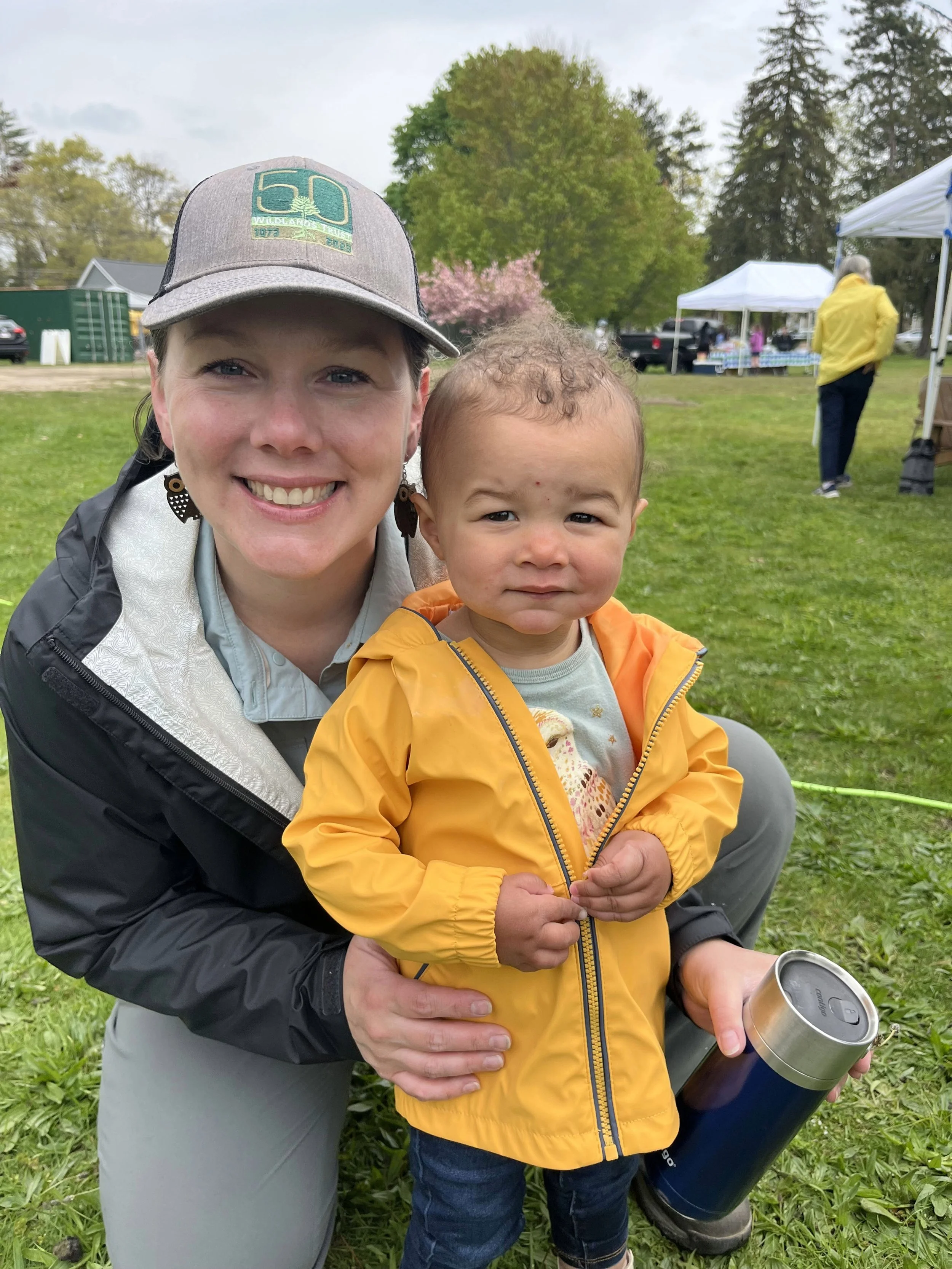
300 Community Members Attended Give a Hoot About the Park on Saturday, May 9 at D.W. Field Park.
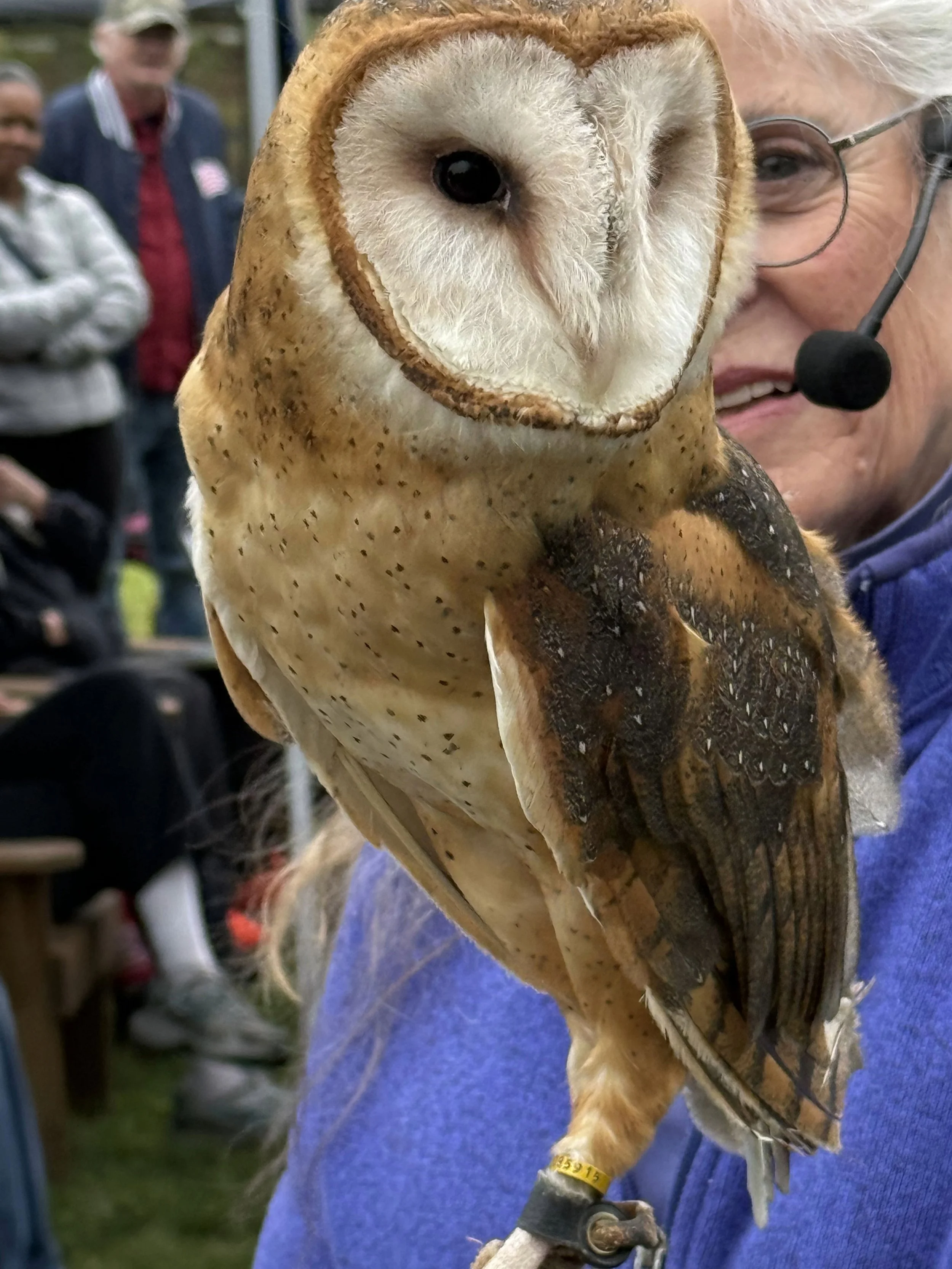
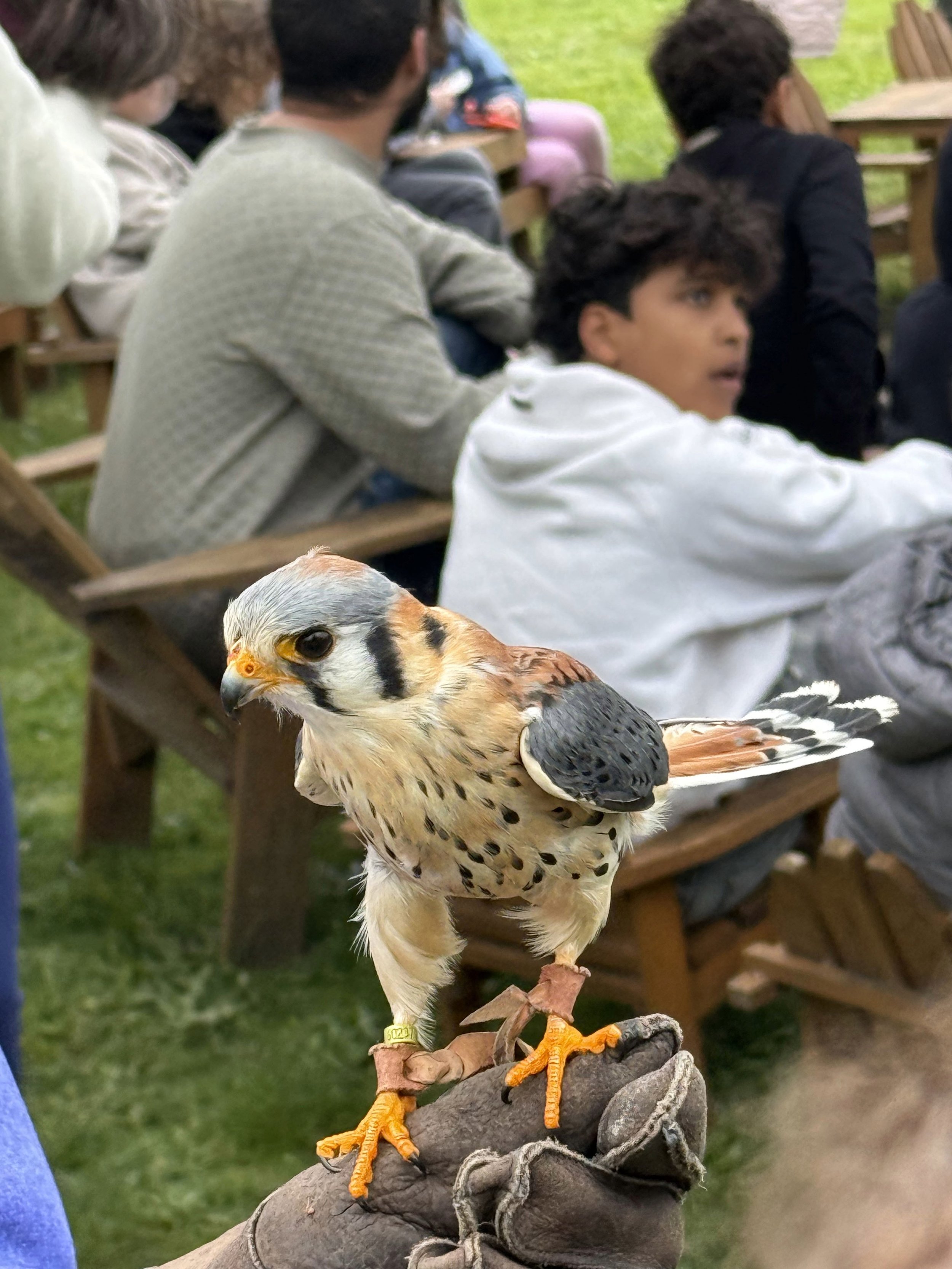
The D.W. Field Park Initiative thanks everyone who came out to celebrate the park last Saturday! Marcia and Mark Wilson of Eyes on Owls stunned the crowd with their beautiful birds of prey, teaching us the importance of protecting habitats and the wildlife that call them home. Signature Kitchen made mouths water with Haitian chicken, rice, beans, plantains, and fresh fruit juices. Community groups offered engaging activities and resources for attendees to engage with throughout the year. Fuss & O'Neill presented draft designs for the new D.W. Field Parkway. And the rain mostly held off!
We thank you for a wonderful day and look forward to hosting again in 2027.
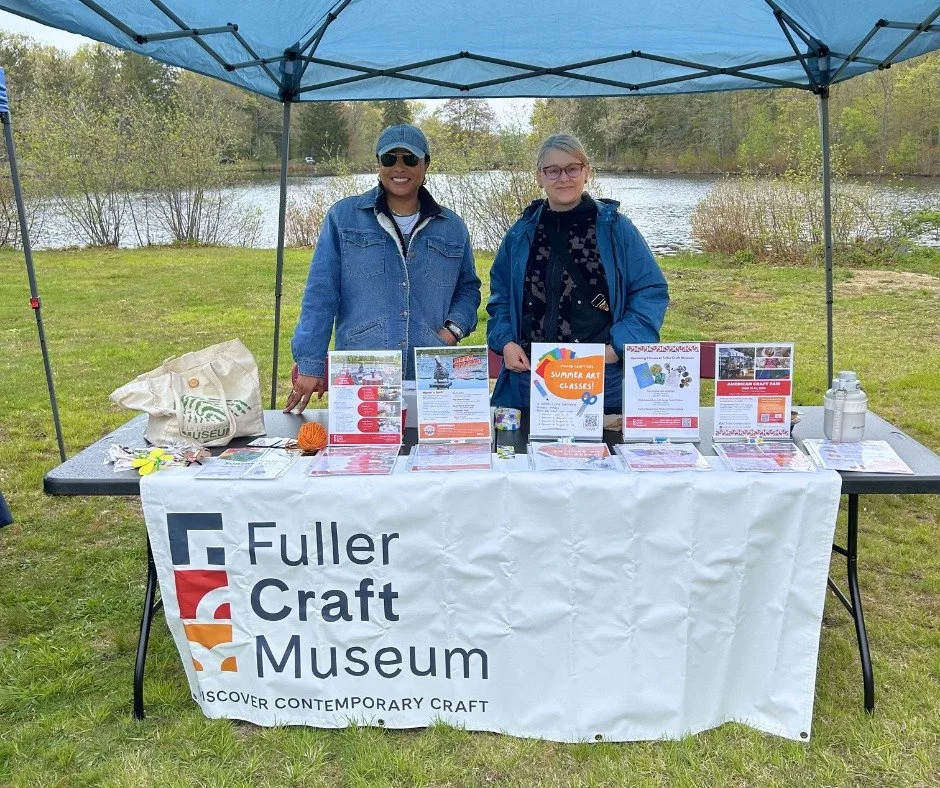
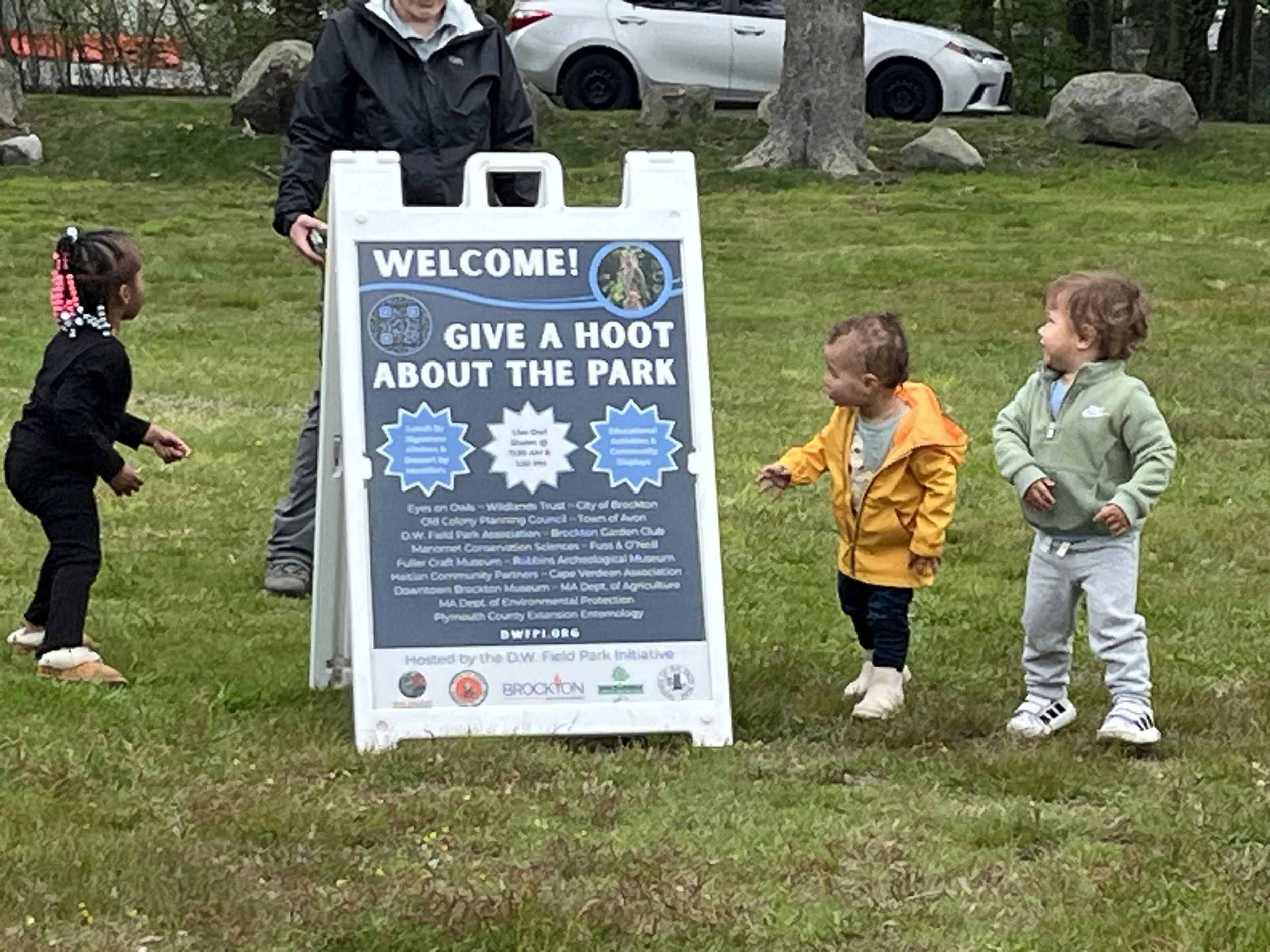
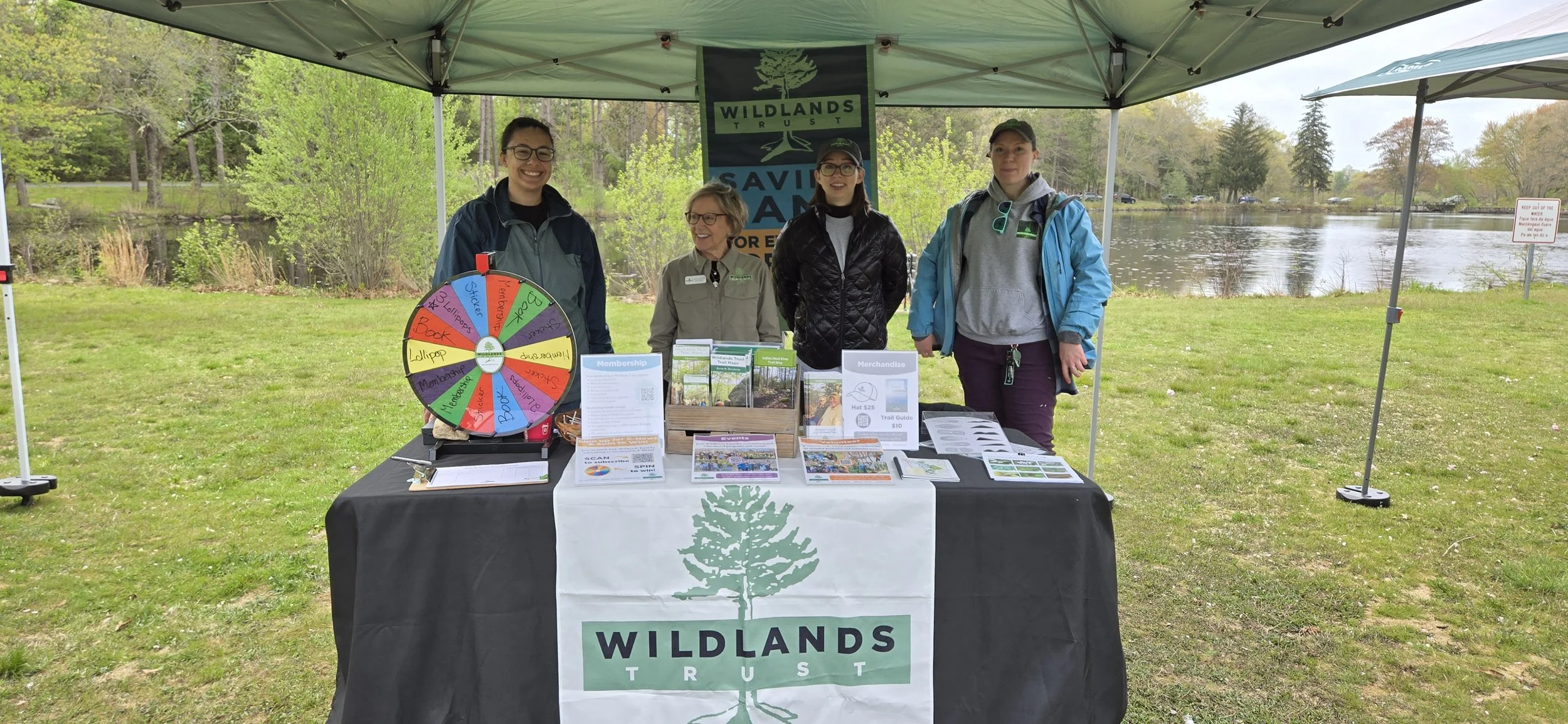
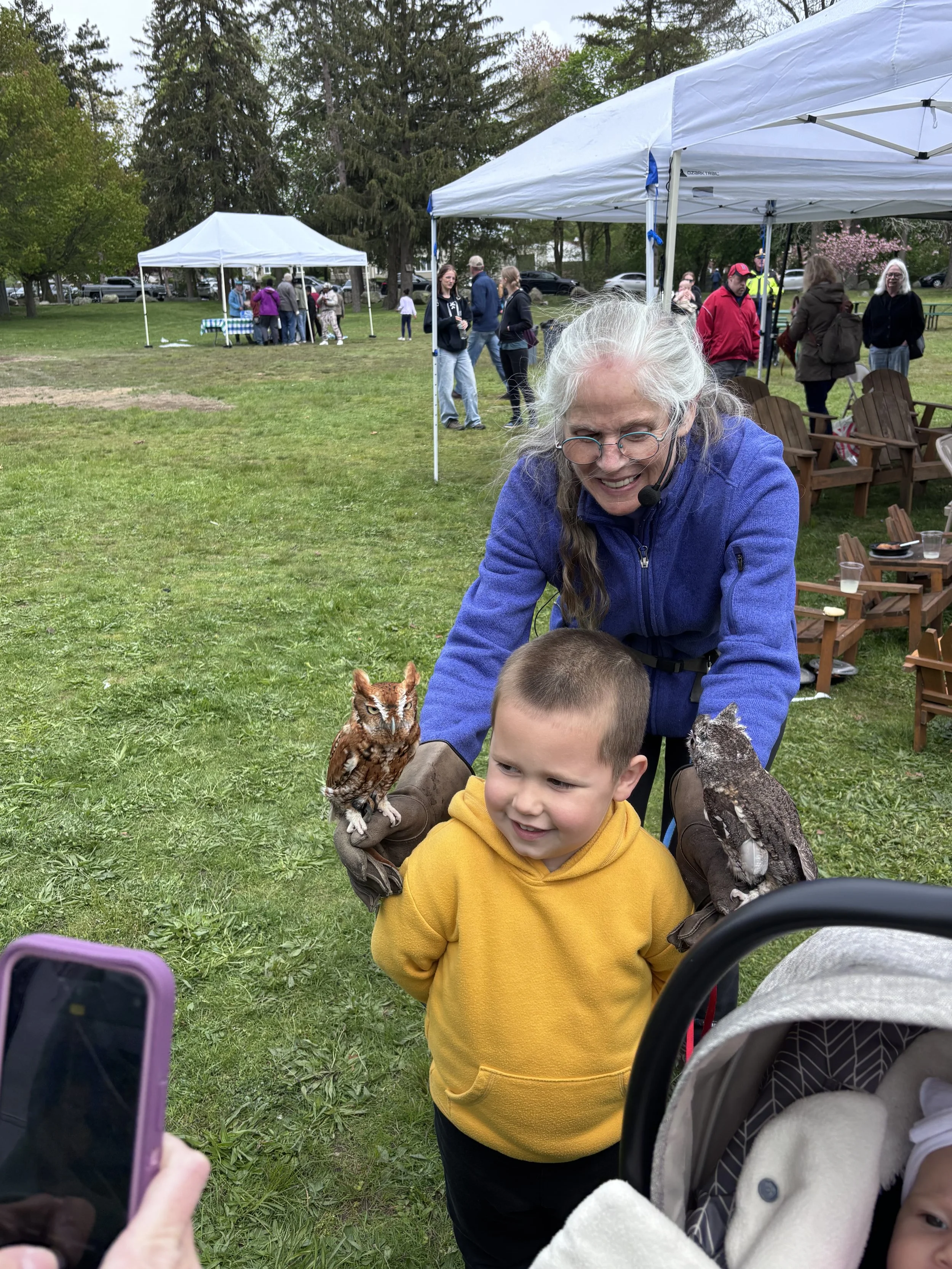
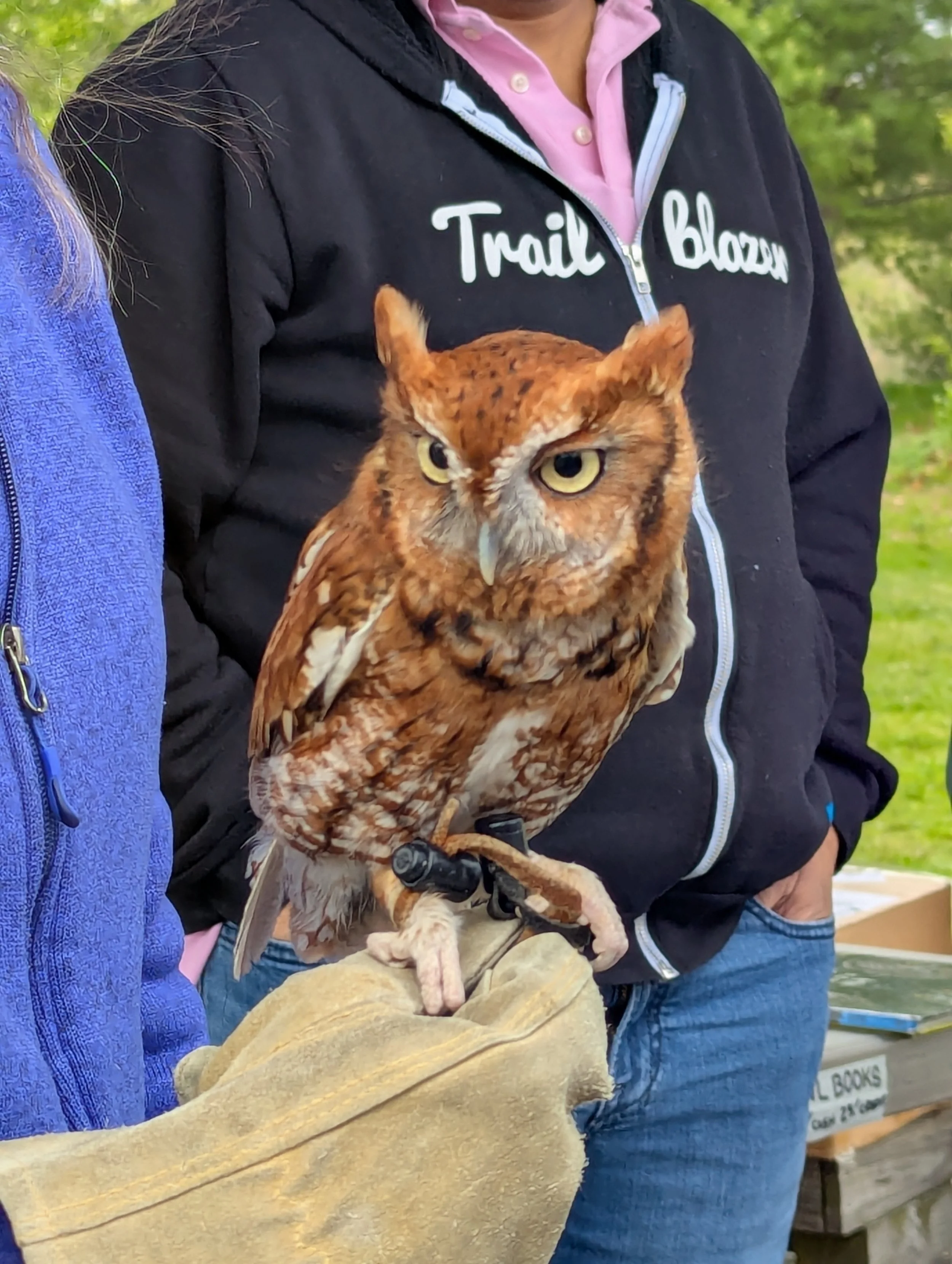
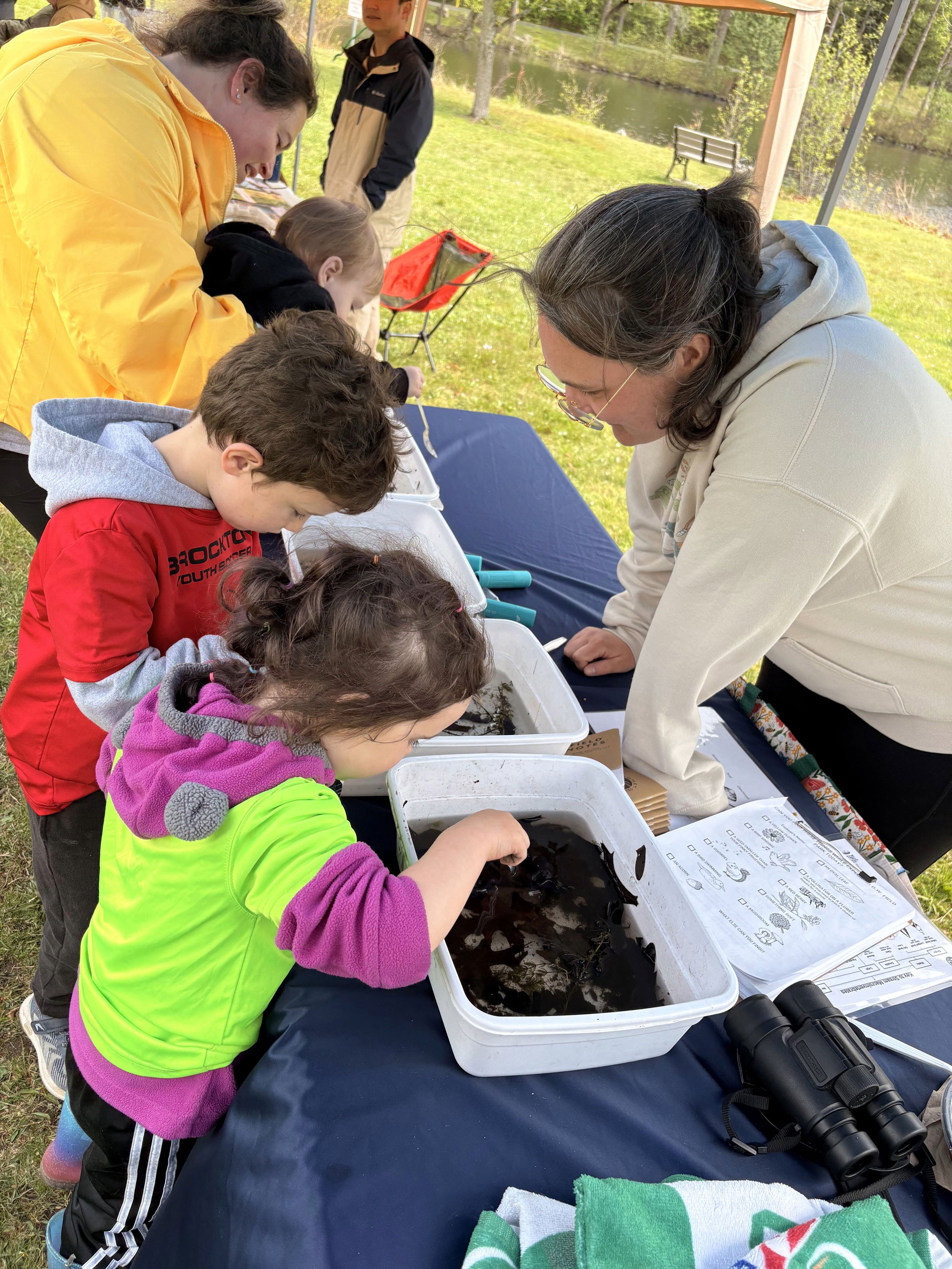
Thank you to our event partners:
Plymouth County Extension Entomology
Scandalous Sassafras
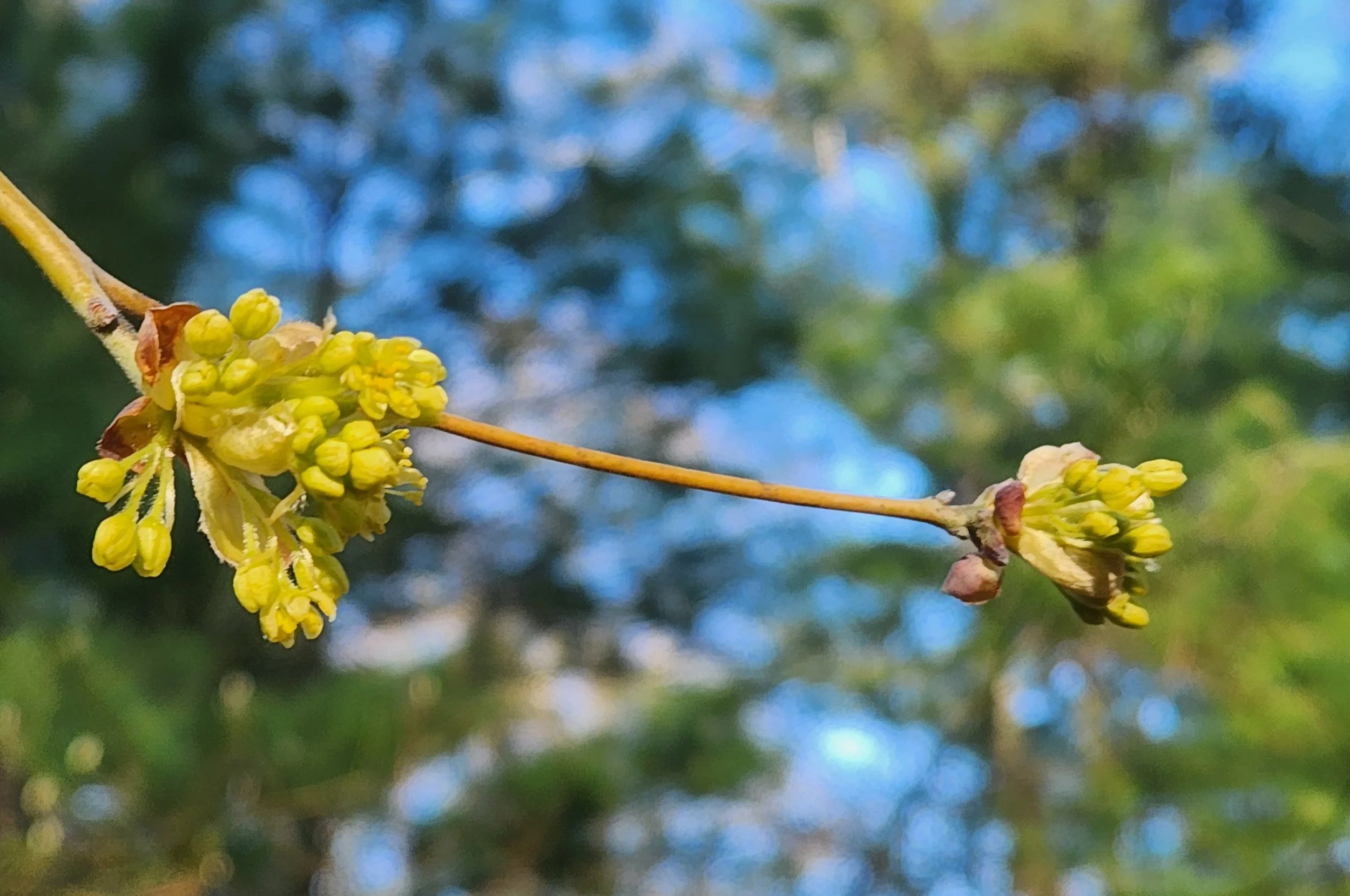
Sassafras flowers in late spring. Photo by Justin Cifello.
By Justin Cifello
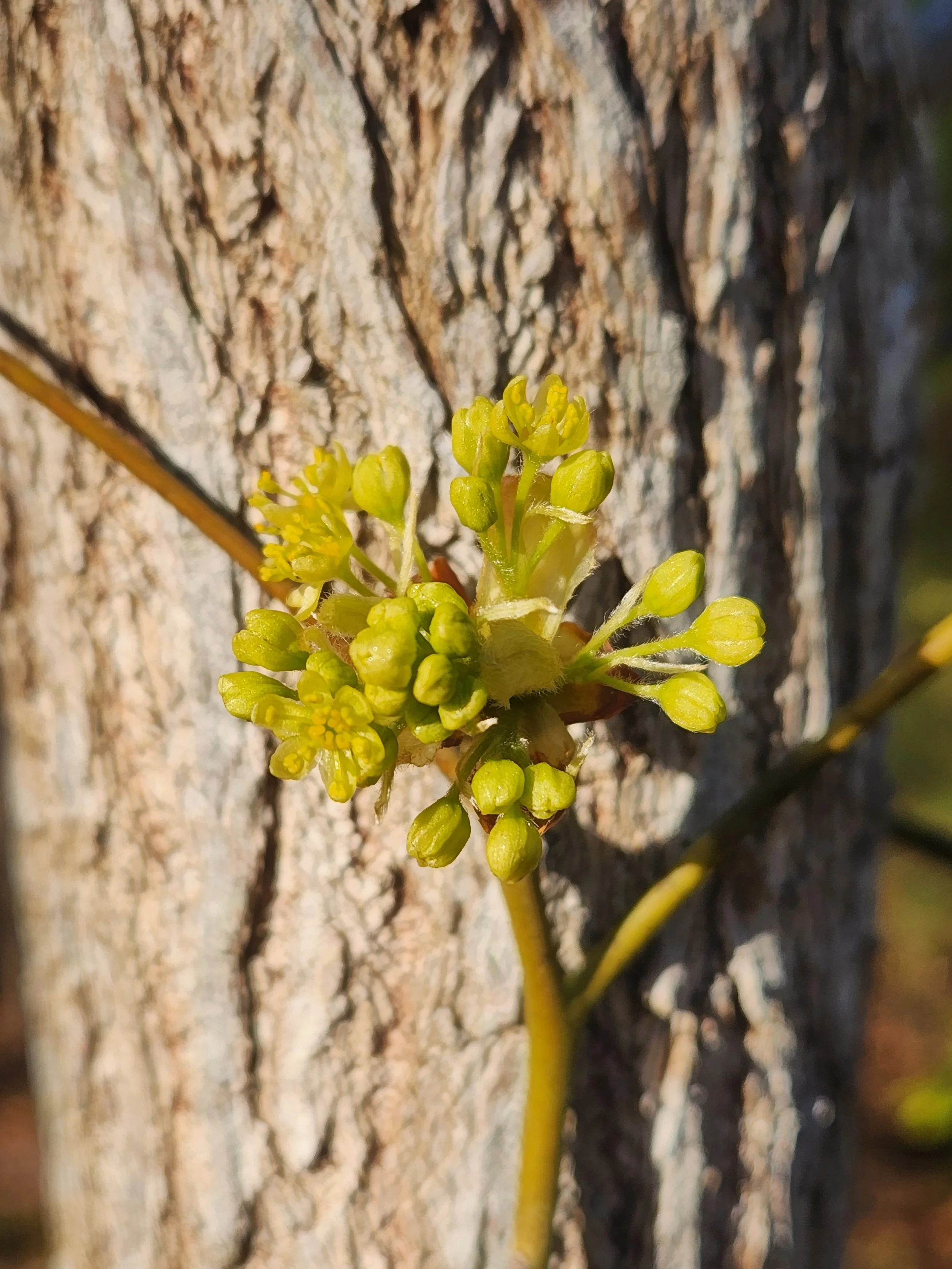
Delicate sassafras flowers can be found in late spring, when shadbush blooms. Photo by Justin Cifello.
Southeastern Massachusetts is home to a number of aromatic plants. Wintergreen, with its dark green glossy leaves and red berries, has been used as a flavoring for toothpaste and breath-mints. Bayberry’s waxy fruits lend their scent to candles. Sweetfern, though not a true fern, spices the air in hot, dry pine barrens and open meadows. But perhaps the most historically significant one is the sassafras tree.
Sassafras is fairly easy to identify from its distinctly shaped leaves, which come in several different forms. They can have three lobes, looking like a dinosaur footprint or cartoon ghost-in-a-sheet; two-lobes, like mittens; or a simple oval comprised of a single lobe. Though confusing at first, this variety is helpful for identification and can be differentiated from other trees with more consistent leaves. Rubbing a leaf or scratching young green bark will reveal its most unique quality: a bright citrus fragrance, occasionally likened to Fruit Loops cereal. [1]
In our modern era with easy access to an arsenal of flavors and sweeteners, it is hard to conceptualize just how prized aromatic plants were throughout history. Plants were used for medicine as well as flavor. Medicinal plants have always been important, but in the crowded, plague-ridden cities of Europe, people were desperate for new potential cures. These plants were so valuable that wars were fought and nations toppled to ensure access to them. Our modern globalized economy has its roots in the spice trade, and though this may conjure images of tropical islands, this demand also played a large role in the colonization of temperate North America. [2]
Sassafras grows only in the Americas and East Asia and was first recorded by Europeans by the Spanish botanist Nicholas Monardes in the 1500s. He learned of it through captive French sailors, who told of its use as medicine by Indigenous peoples. The origins of the name sassafras are unclear, thought to be a reference to saxifrage, an unrelated group of plants which bear no physical resemblance to sassafras. Saxifrage means “rock breaker” in Latin, as they grow in crevices on rock faces. The name may have been applied to sassafras as a medical metaphor: it was thought to help dissolve kidney stones. Alternatively, it could be from an unknown Indigenous word. It’s possible that both are true, as etymologies can be drawn from many sources. [3]
In addition to kidney stones, sassafras was said to be a general panacea, especially to cure syphilis (it doesn’t). The association may come from a mistranslated account of white cedar curing scurvy (it does!). Though Europe had long known plague, smallpox, tuberculosis, and other maladies, syphilis was a new threat in the 1500s - one of the few diseases to move from the Americas to Europe during the Columbian Exchange. Medicine at the time was informed by the “Doctrine of Signatures,” a belief that the origin or shape of a plant indicated what it could treat, so it seemed likely to them that this foreign plant could cure a foreign illness. [4]
Early demand for sassafras was astronomical. Some colonial charters required quotas of sassafras for export. It became the second most lucrative commodity after tobacco. In his 1602 expedition, Bartholomew Gosnold sailed to New England, where he gave English names to Cape Cod, Martha’s Vineyard, and the Elizabeth Islands. He established a fort on Cuttyhunk Island and brought so much sassafras back to England that the price dropped precipitously. [5]
Over time, people learned that sassafras didn’t meet medicinal expectations, but it was still prized as a sweet flavoring agent. Patent medicines gradually turned from cure-alls to general tonics, then to sodas, as the growing temperance movement sought alcohol-free beverages. Sassafras, along with birch and sarsaparilla, was one of the roots that flavored root beer. In 1960, the USDA banned certain use of sassafras root in commercial products. This was due to the compound safrole, which is carcinogenic in high amounts, though these studies are somewhat disputed. Safrole itself is a controlled substance, as it can be used in the illicit manufacture of the drug MDMA. Sassafras leaves, however, are low in safrole, with similar levels as other herbs, like basil, and are considered safe. Crushed and dried, these constitute filé powder, a thickening agent used in gumbo in lieu of okra. [6]
Though its history of human use is fraught, sassafras is a valuable wildlife food. Its fruits and seeds feed mammals and birds, and its leaves host spicebush swallowtail butterflies. Look for sassafras in open woods and field edges. Capable of reproducing through its root sprouts, it often forms stands of small trees, only occasionally becoming large specimens. Though not a panacea, its unique leaves, vibrant fall foliage, interesting bark, and storied past make this an interesting tree in all seasons.
[1] Identification: https://gobotany.nativeplanttrust.org/species/sassafras/albidum/
[2] Spice Trade: https://www.worldhistory.org/article/1777/the-spice-trade--the-age-of-exploration/
[3][4][5] Sassafras History: https://www.gillmirrlees.com/sassafras/
[6] Toxicity: https://www.mcgill.ca/oss/article/did-you-know/root-root-beer-sassafras
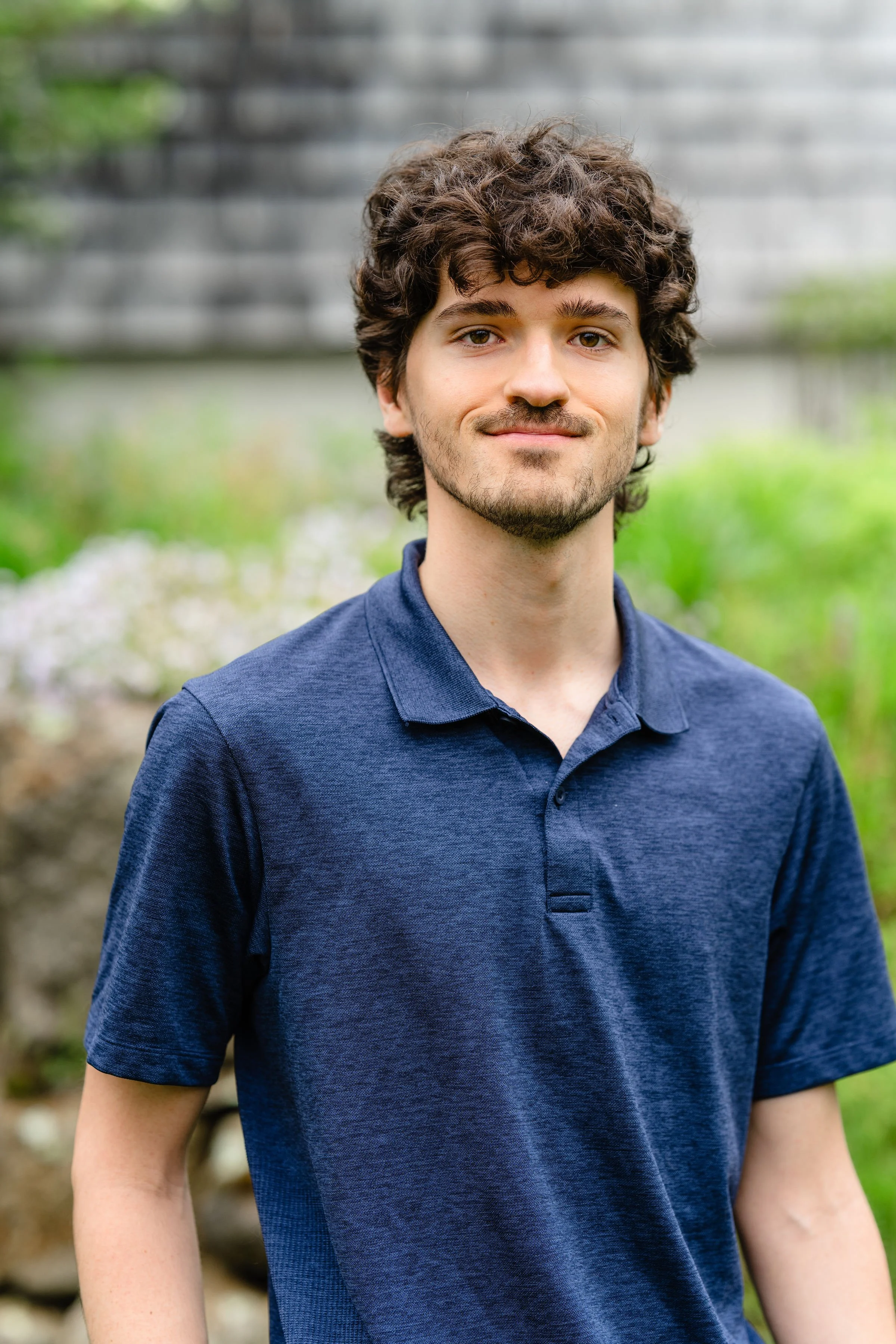
Farewell and Thank You to Thomas Patti
By Rachel Bruce, Chief of Staff

Sometime in the past three years, if you’ve engaged with Wildlands, you’ve undoubtedly interacted with our Communications Coordinator Thomas Patti.
Perhaps you’ve met him at a Wildlands program (likely involving birds) or a community event. Perhaps you’re a professional partner who’s had the pleasure of working alongside Thomas on a shared project, or you’ve connected through the Massachusetts Land Trust Coalition’s Early Conservation Career Network, on which he serves as an organizer. Perhaps you are a volunteer Ambassador who works with Thomas to promote Wildlands’ mission throughout the region.
If you’re reading this article, you have at least crossed virtual paths. Over 4,000 e-news subscribers read our monthly newsletter, 6,800 social media followers enjoy posts, photos, and videos, and 1,400 members peruse Wildlands News when it hits their mailbox in the spring and fall. Thomas diligently writes, creates, and oversees these productions and more with his creative approach to promoting the importance of Southeastern MA’s natural resources and Wildlands’ role in protecting them.
Since April of 2023, when he landed the role as our first full-time staff member dedicated solely to communications, Thomas has built the foundation of a communications program at Wildlands. With a dual degree in Environmental Science and English from Brown University, we knew during his interviews that he was the perfect fit for this new role. It took time to fully understand how his thoughtful nature, quiet dedication, and deep intellect would shape our voice and uplift our community impact.
Now, Thomas is moving on to a new role with the Lincoln Institute of Land Policy, continuing to follow his passion to “advocate for nature, and for the human and non-human communities it sustains.” We know that as a policy coordinator for land conservation, Thomas will excel and contribute greatly to the Lincoln Institute’s mission. Here at Wildlands, he will be deeply missed by our entire staff, our partners, our volunteers, and our community.
“I’m deeply grateful for the personal and professional growth I’ve been afforded at Wildlands,” Thomas said. “It has been a privilege to start my career with an organization that truly invests in the next generation of conservation leaders. I will miss Wildlands’ community of staff, volunteers, partners, and supporters, whose remarkable dedication to our mission made my job a little bit easier and a lot more rewarding.”
Thomas, thank you for dedicating your talents to Wildlands for the past three years. We wish you nothing but success and hope our paths cross again in the not-so-distant future.
Please share a message to Thomas or a fond memory in the comments.
Remembering Sam Chapin
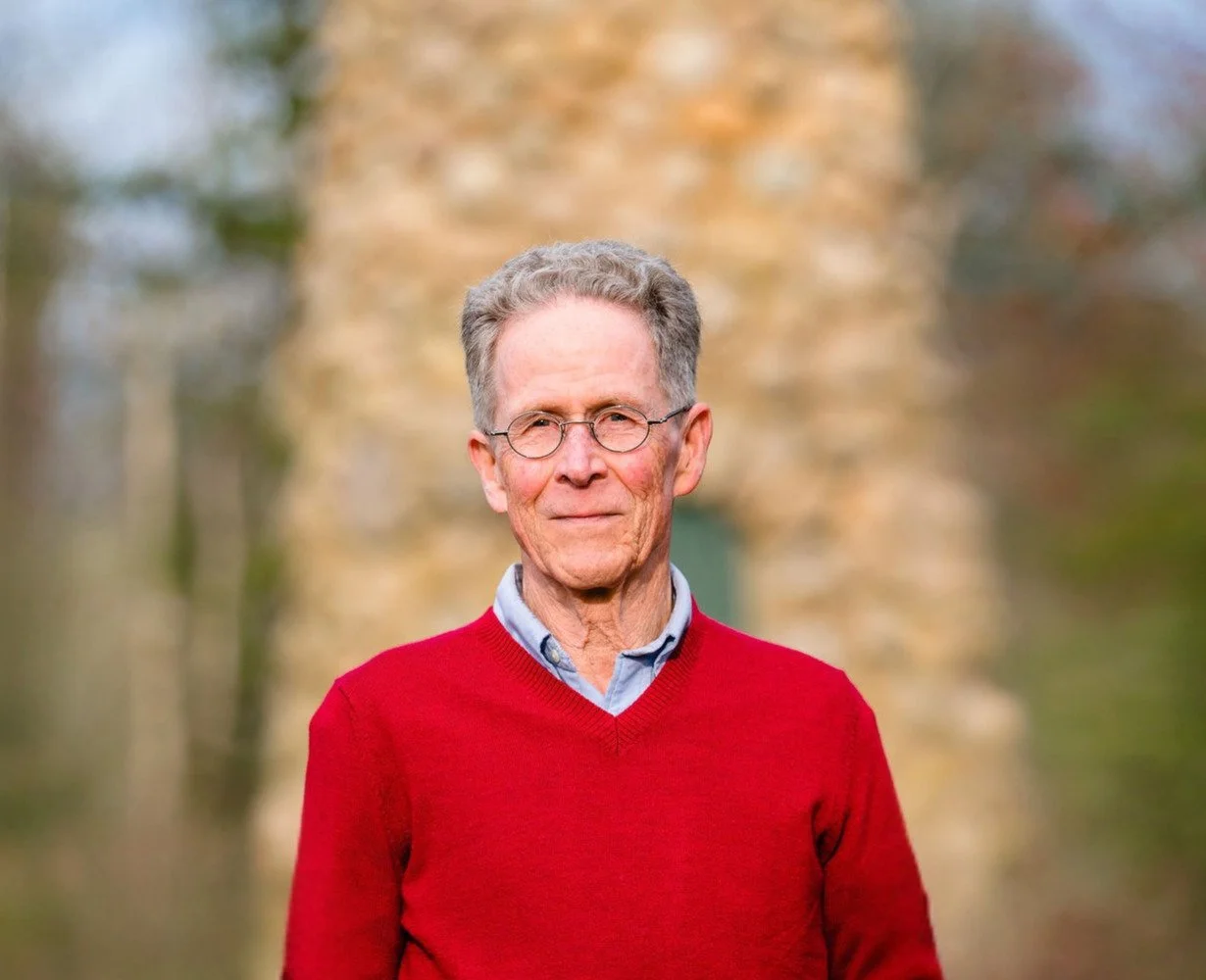
Sam Chapin, longtime member and Chair of the Wildlands Trust Board of Directors, passed away on April 1, 2026, at the age of 75.
Read Wildlands President Karen Grey’s reflection on Sam’s enduring impact:
Our beloved board chair, Sam Chapin, will be missed by so many, including myself, our staff, and his fellow board members.
Sam was on the Wildlands Trust Board for over 23 years, having twice served as board chair, most recently from 2019 to 2026. He was an amazing ambassador for our mission and led the board with integrity, diplomacy, and when needed, a velvet hammer. One of the things I appreciated most about Sam was his support for the Wildlands staff. Sam championed the staff and consistently took the time to communicate kind and positive things he observed in the people working here.
Sam was a key leader in the Davis-Douglas Farm project to protect this iconic property and to build a new headquarters for Wildlands. He wore multiple hats as the chair of the Building Committee and the co-chair of the Fundraising Committee with Charlotte Russell. His energy and enthusiasm for Davis-Douglas Farm was palpable up until the end.
Sam’s legacy at Wildlands Trust runs deep. We are grateful for his friendship, commitment, and passion for our work. He will be dearly missed.
For Wildlands’ 50th anniversary in 2023, Sam was honored as one of 50 individuals who have made remarkable contributions to our mission. Revisit Sam’s profile in 50 Remarkable Years, 50 Remarkable People:
Many nonprofits assess potential board members by the depth of their pockets and the size of their Rolodex. However, Wildlands Trust considers first and foremost how a person’s experience will add a new skill or perspective to the board conversation. Our board thrives as a mixed table of farmers, accountants, biologists, lawyers, foresters, and entrepreneurs, all bound by a commitment to protecting land.
For the past three decades, the task of managing this diverse group has fallen on the capable shoulders of the three most recent board chairs of Wildlands Trust, Sam Chapin, Howard Randall, and Doug Hart. Yet the vast contributions of these individuals go far beyond encouraging all to speak and ensuring all are heard.
Sam Chapin spent his boyhood summers on the shores of Plymouth’s Lond Pond, where he lives today and where his extended family still gathers each summer. Sam, a career engineer, drove efforts to purchase Davis-Douglas Farm and establish it as the Trust’s new headquarters. As chair of the two working subcommittees focused on fundraising and construction, Sam’s leadership of the Davis-Douglas Farm campaign opened one of the most important chapters in the evolution of Wildlands Trust.
Please also revisit our 2023 video profile of Sam Chapin and past Wildlands Board Chairs Doug Hart and Howard Randall:
Read Sam’s obituary here. We invite you to share your memories of Sam in the comments below.
Lichen: The Forest in the Trees
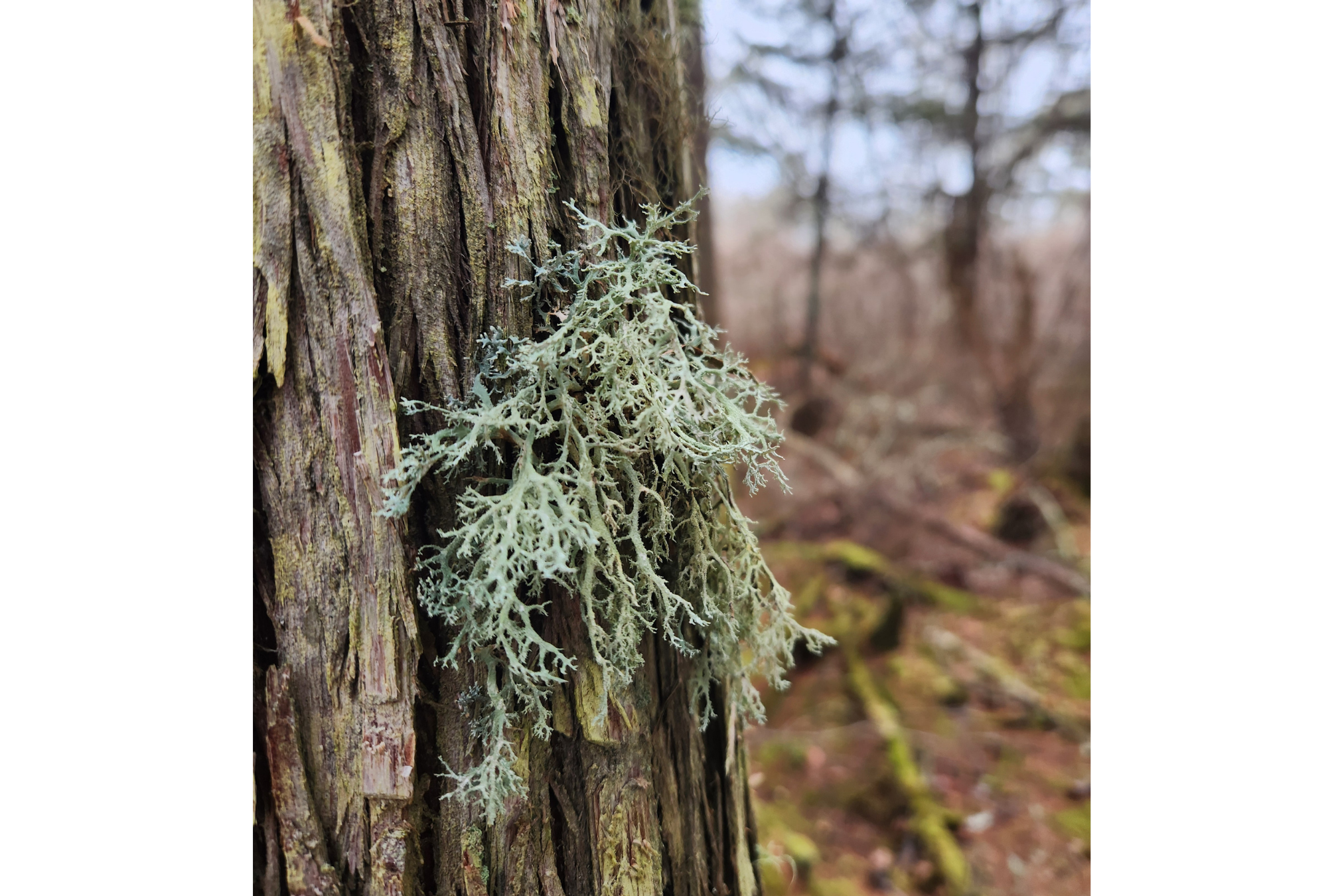
This lichen is growing on an Atlantic white cedar. Photo by Justin Cifello.
By Justin Cifello
The treetops usually loom high out of our reach and sight. However, this winter’s heavy snowfall pulled portions of the forest canopy to the ground, affording us the rare opportunity to see it up close. The much-awaited thaw has revealed a second snowfall—a spongy carpet of fallen lichen that now blankets the forest floor. As we await the unfurling of leaves over the next month, we can ponder the rich miniature worlds of these enigmatic organisms.
Small as they are, lichens are ecosystems; each one contains a variety of organisms. Unlike other taxonomic groups, like mammals or flowering plants, lichens do not have a single common ancestor. Lichen can instead be thought of as a strategy, one that has evolved independently multiple times. Though often confused with moss, lichens are not actually plants. They are composite organisms comprising fungi and other microbes, living intertwined in symbiosis. The common denominator is fungus, which provides the structure that hosts the other residents. Since lichen-forming fungi cannot exist on their own, lichen species names describe the fungal host.
Lichen fungi cannot forage for food the way other fungi do. They have no roots or mycorrhizae to extract nutrients from the surfaces they live upon. Instead, they trap photosynthetic algae and/or cyanobacteria and incorporate them permanently into their body, called a thallus. The fungus then lives off the sugars produced by its microbial partners and acquires the rest of its nutrition from the rain and atmosphere. Though they are trapped within the lichen, the algae benefit, too. In the wild, most algae are short-lived, vulnerable to predation and weather fluctuations. The fungus offers stability and security. By changing its pigmentation, lichen protects its algal partners from lethal UV radiation. [1]
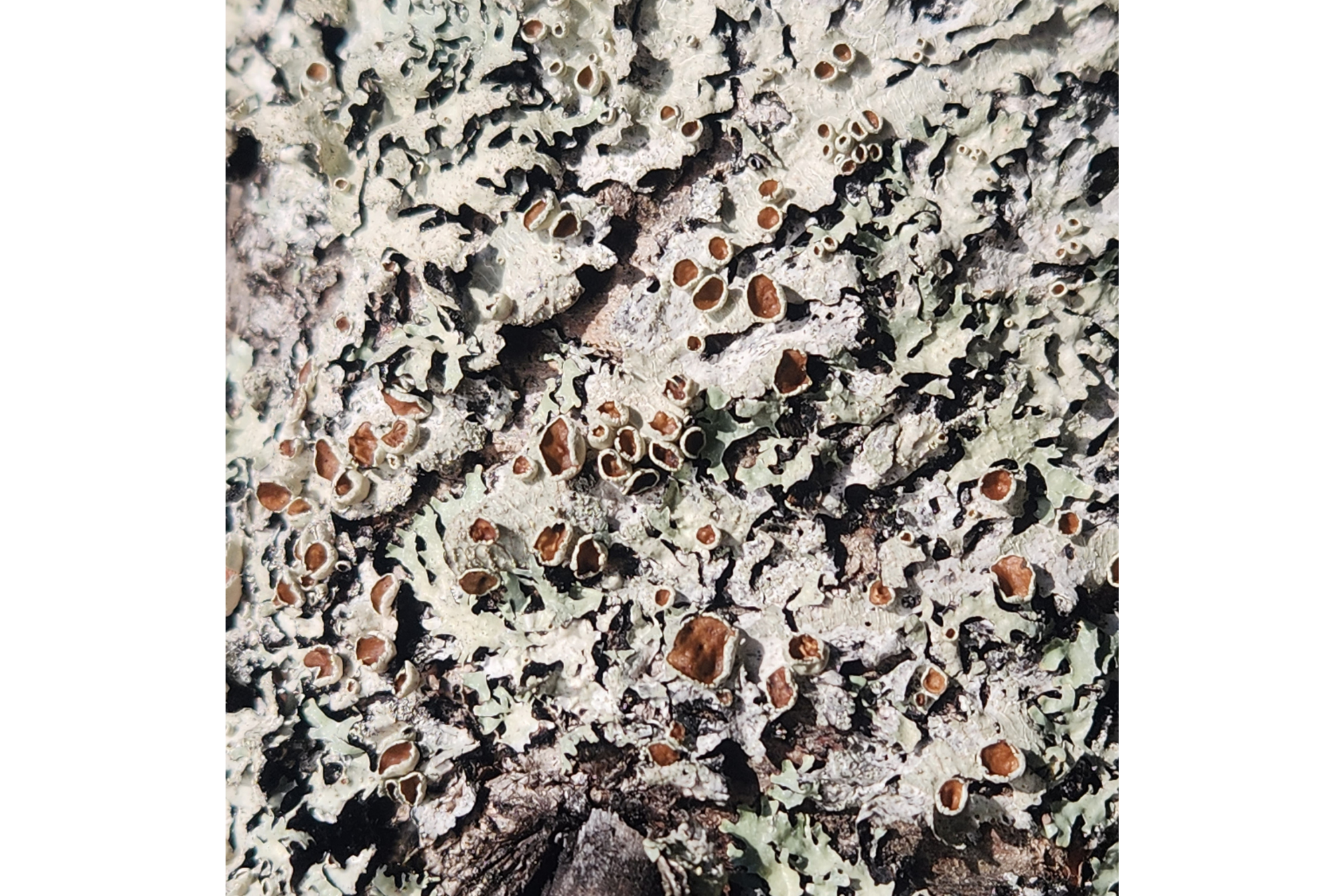
A ruffle lichen, Parmotrema, with spore-producing cups. Photo by Justin Cifello.
Scientists have only recently been able to appreciate these complexities and lichen’s role in the environment. Though small, lichen are numerous. By greatly increasing the surface area of whatever substrate they grow on, they create micro-habitats that support the tiny creatures that feed the larger ecosystem. As nitrogen fixers, lichen supply the forest with this vital element. Reliant as they are on the atmosphere, they are uniquely vulnerable to pollution. Lichens are indicators of good air quality and have even helped locate emission sources. [2]
A combination of aging forests and successful anti-smog legislation have helped lichens reclaim their space in the canopy. In humid areas, some trees can be festooned with them. This resurgence has led some to fear that lichens are a new forest pest, since they were not always so abundant. They are often seen on dead and dying trees, but the relation isn’t causal; the lichens are responding to increased light as their host dies from other causes. The lichens themselves are harmless. [3]
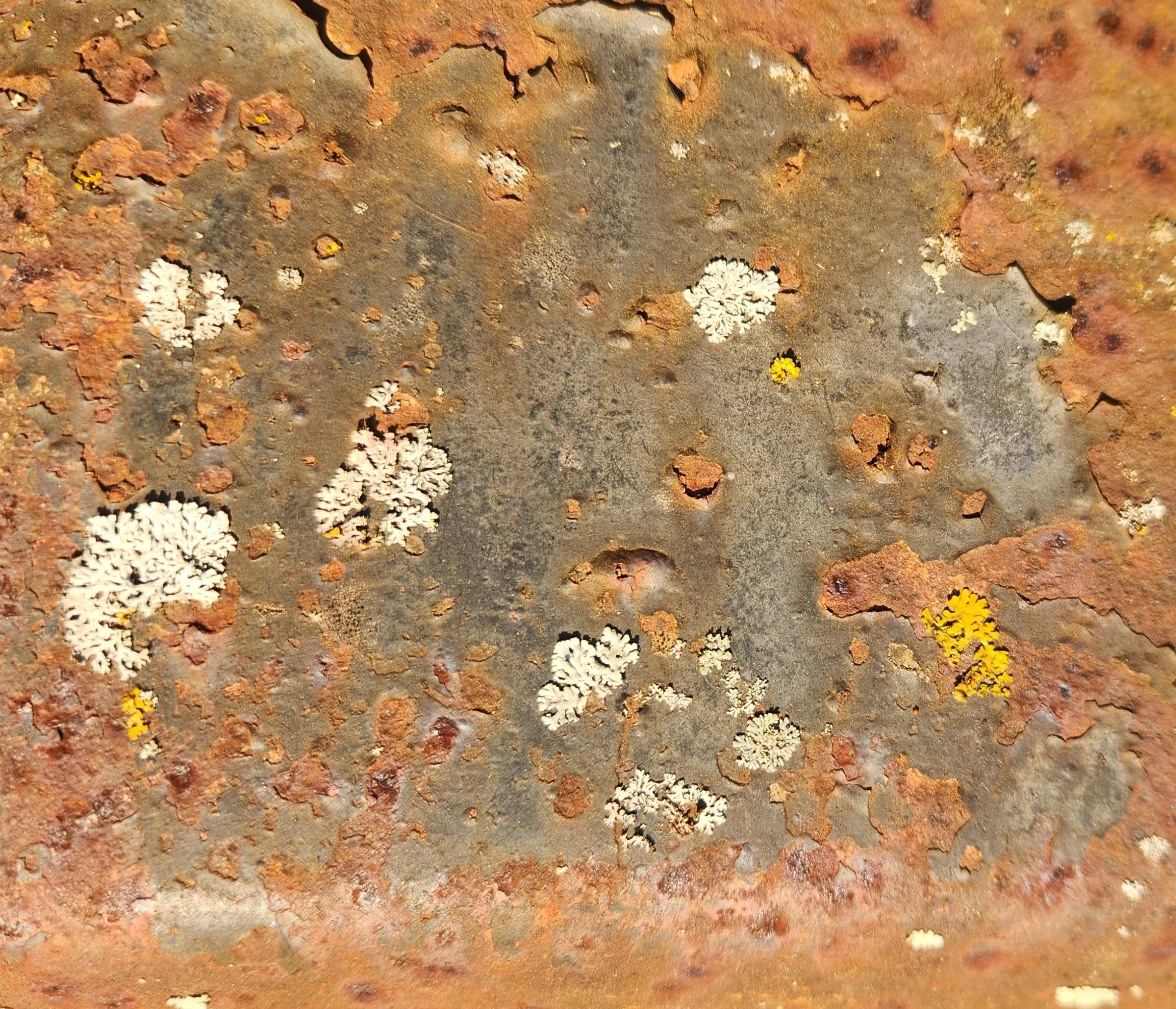
A variety of lichens colonizing the rusty surface of an old dump truck. Photo by Justin Cifello.
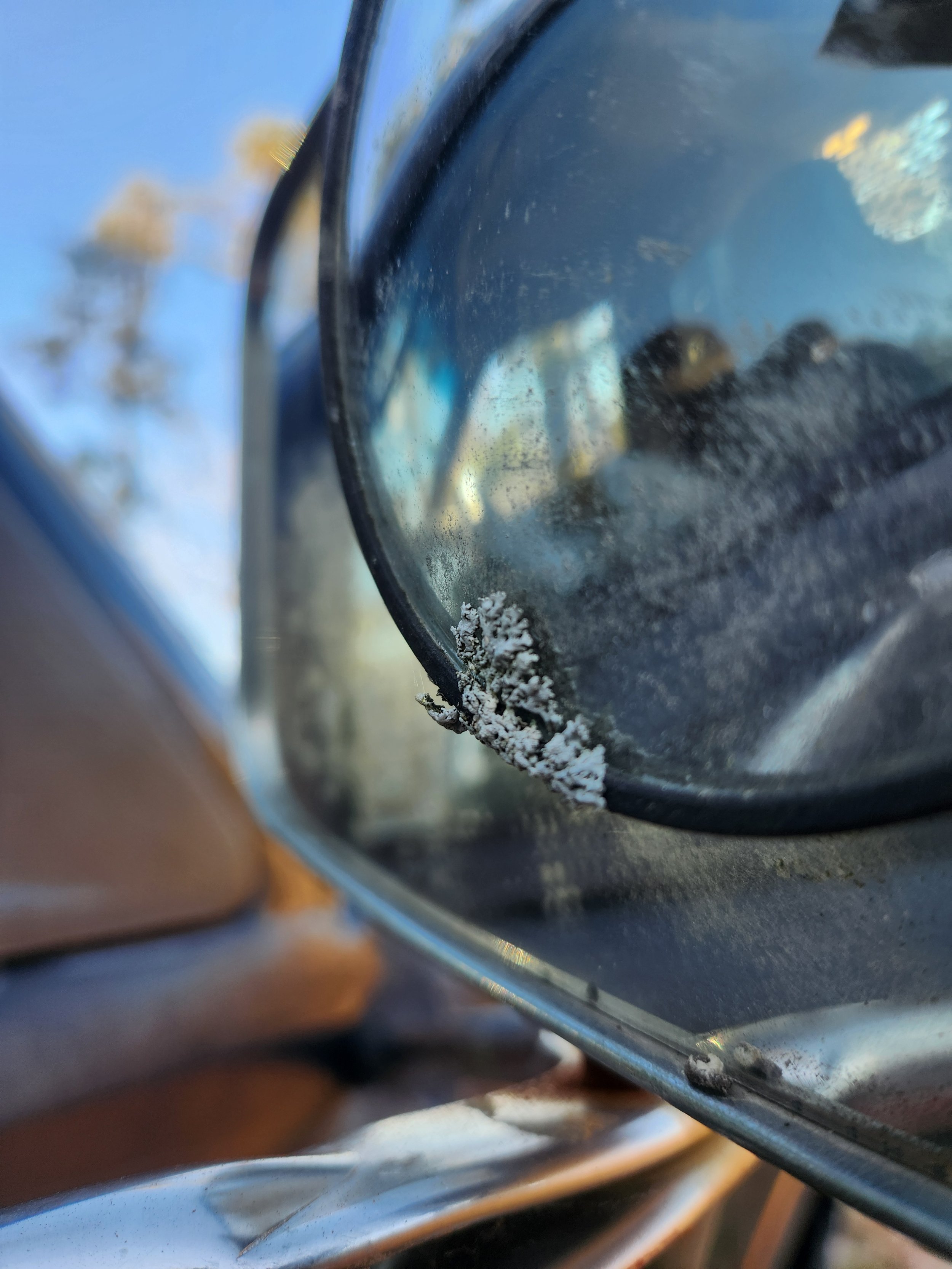
Recent analysis suggests that lichens began to appear at least 400 million years ago, after the earliest terrestrial plants. Lichens and mosses are credited with forming the first soils on earth by eroding rock while trapping minerals and water. Lichens continue to thrive in harsh places today, from the intertidal zone and the arctic to desert sands and car doors. Lichen even survived a year and a half outside of the International Space Station. [4][5]
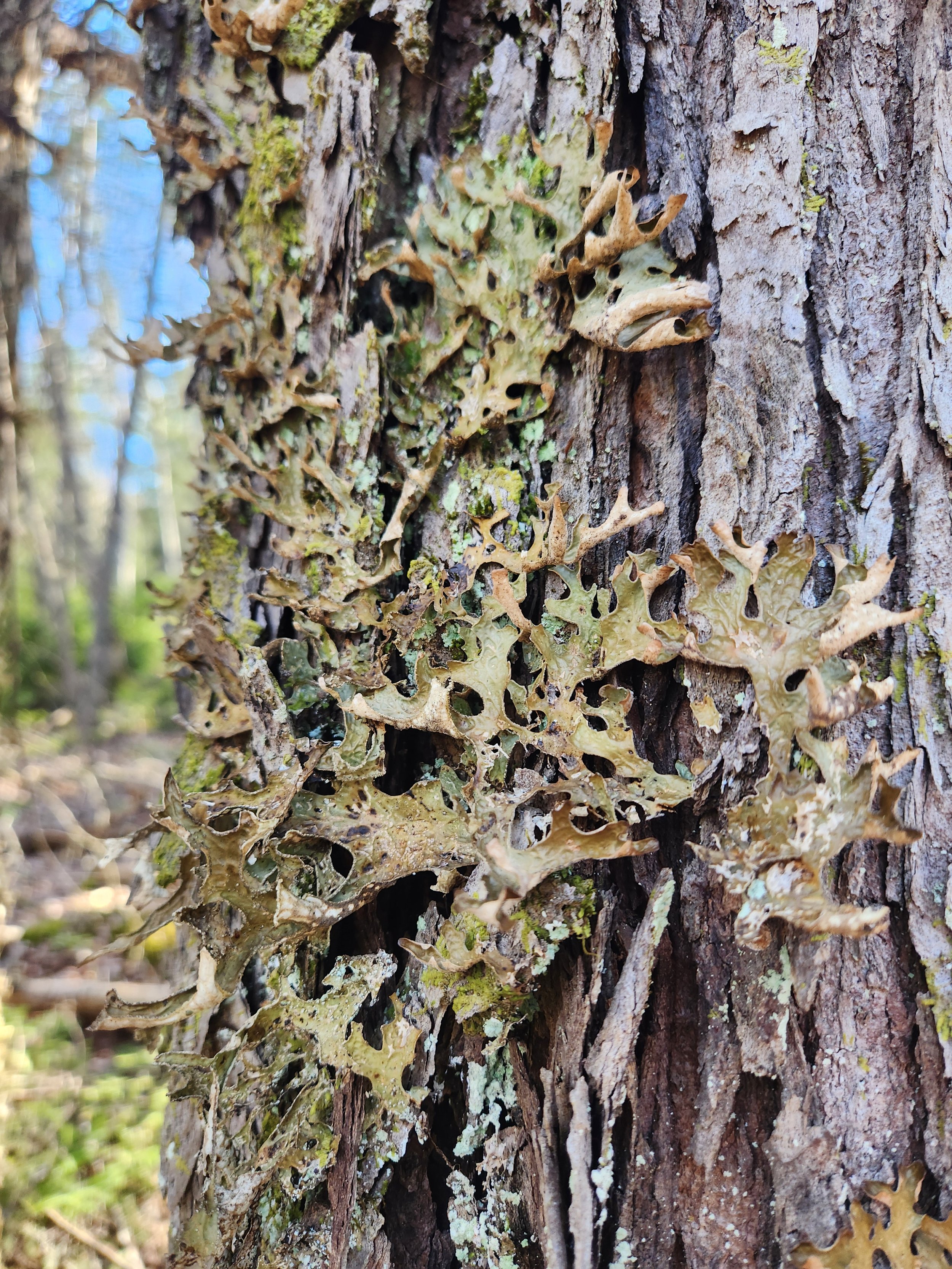
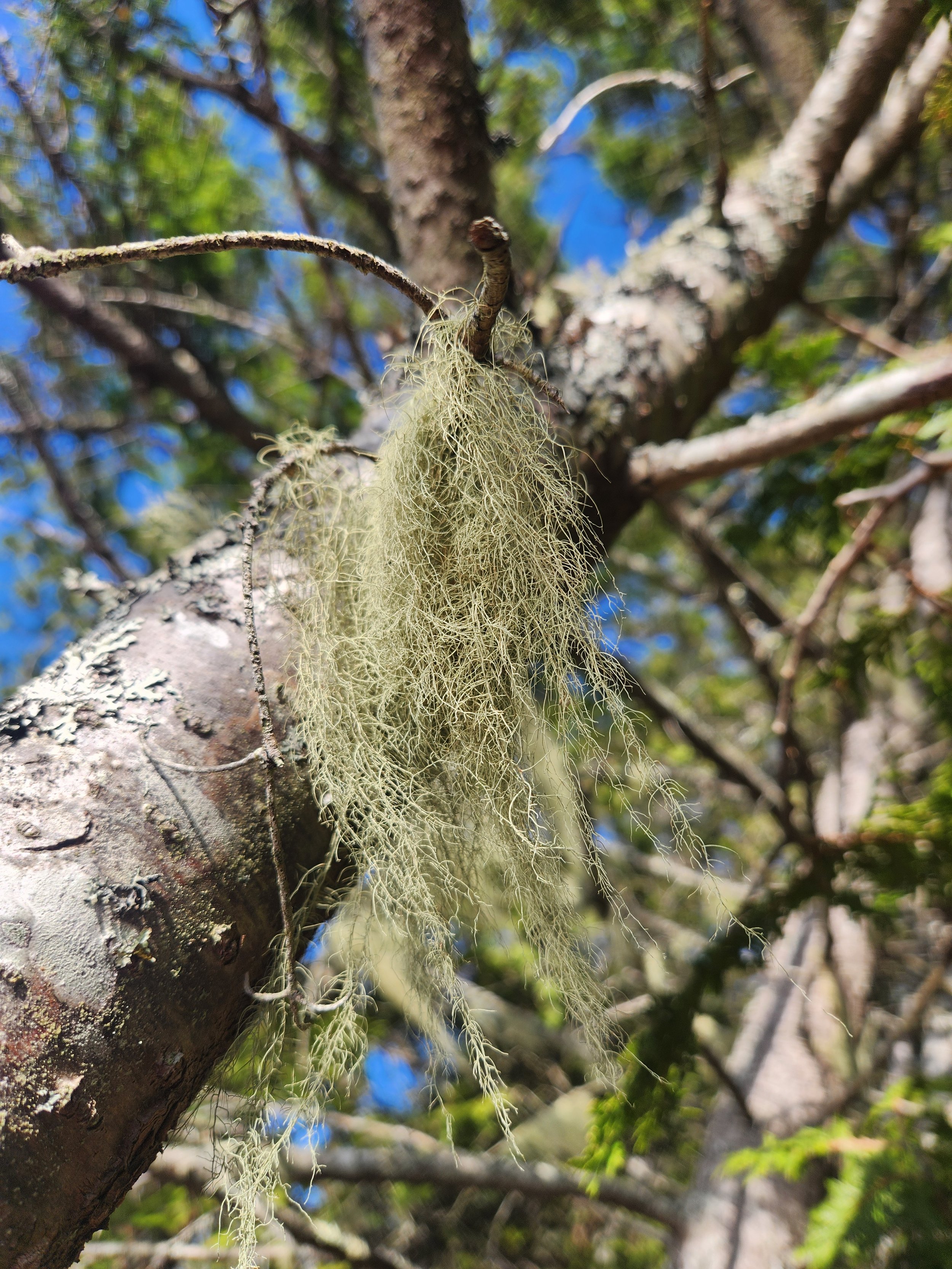
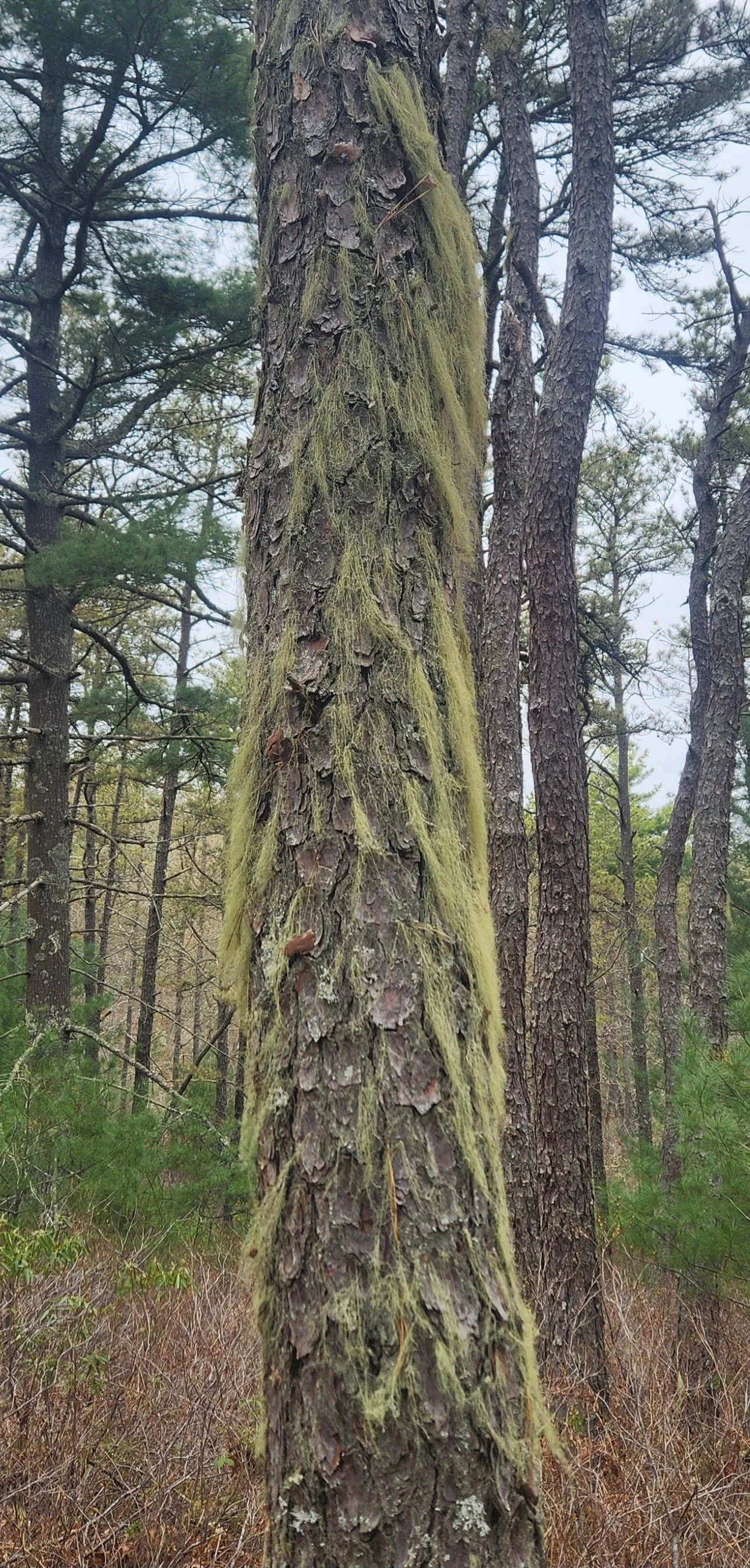
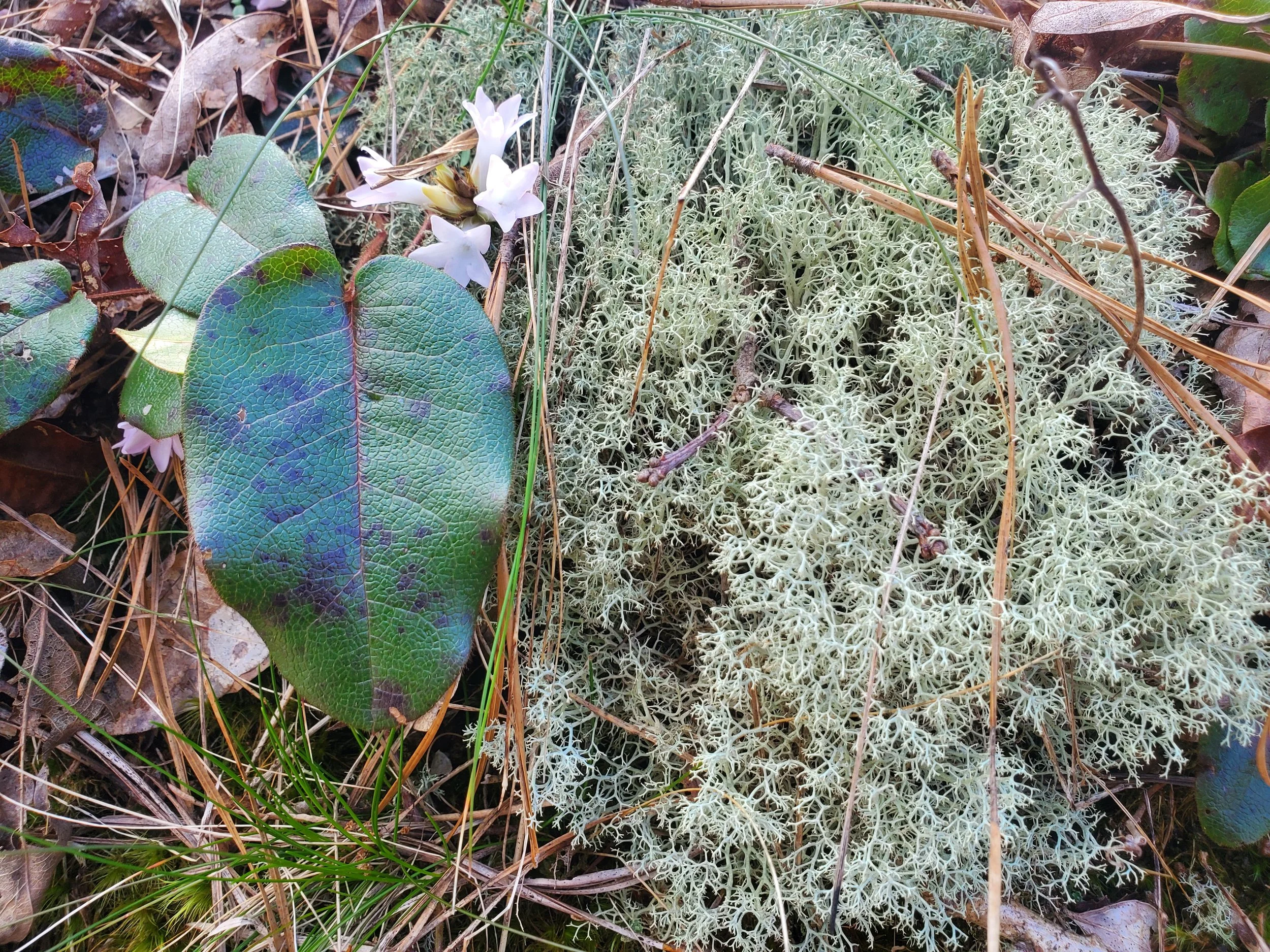
Found in every environment, in every season, lichens are a constant companion on our outings. Hundreds of species live in New England, in a dazzling array of forms and colors, from thin films and dust to dangling chains, several feet long. We can see their complicated relationships by observing how some only grow on certain species or materials. With a magnifying class, you can better appreciate their fractal intricacy. They remind us that nothing in nature is simple; we are surrounded by resilient beauty and complexity, if only we look closely. [6]
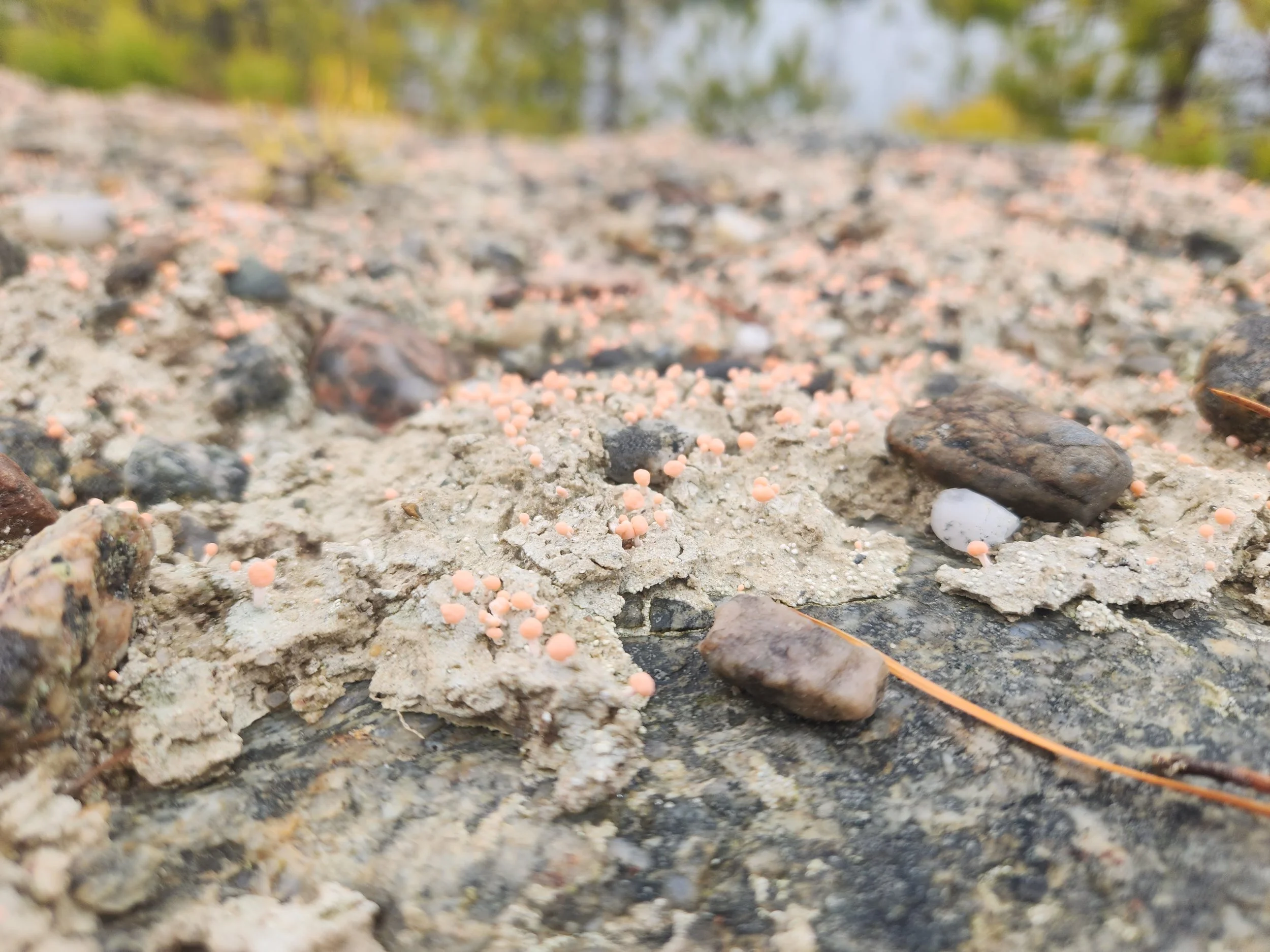
Click on the photos below to learn more about these diverse lichens. All photos by Justin Cifello.
[1] Symbiosis: https://www.purdue.edu/newsroom/archive/releases/2016/Q3/yeast-emerges-as-hidden-third-partner-in-lichen-symbiosis.html
[2] Emissions Monitoring: https://gis.nacse.org/lichenair/index.php
[3] Tree Health: https://extension.unh.edu/blog/2019/04/should-i-be-worried-about-lichens-growing-bark-my-apple-trees
[4] Lichen Origins: https://www.science.org/doi/10.1126/sciadv.adw7879
[5] Lichens in Space: https://futurism.com/fungi-lichens-just-survived-18-months-outside-iss-means-might-able-survive-mars
[6] Lichens of New England: https://massnature.com/lichens