


What’s New at Wildlands
Attention Dog Owners!
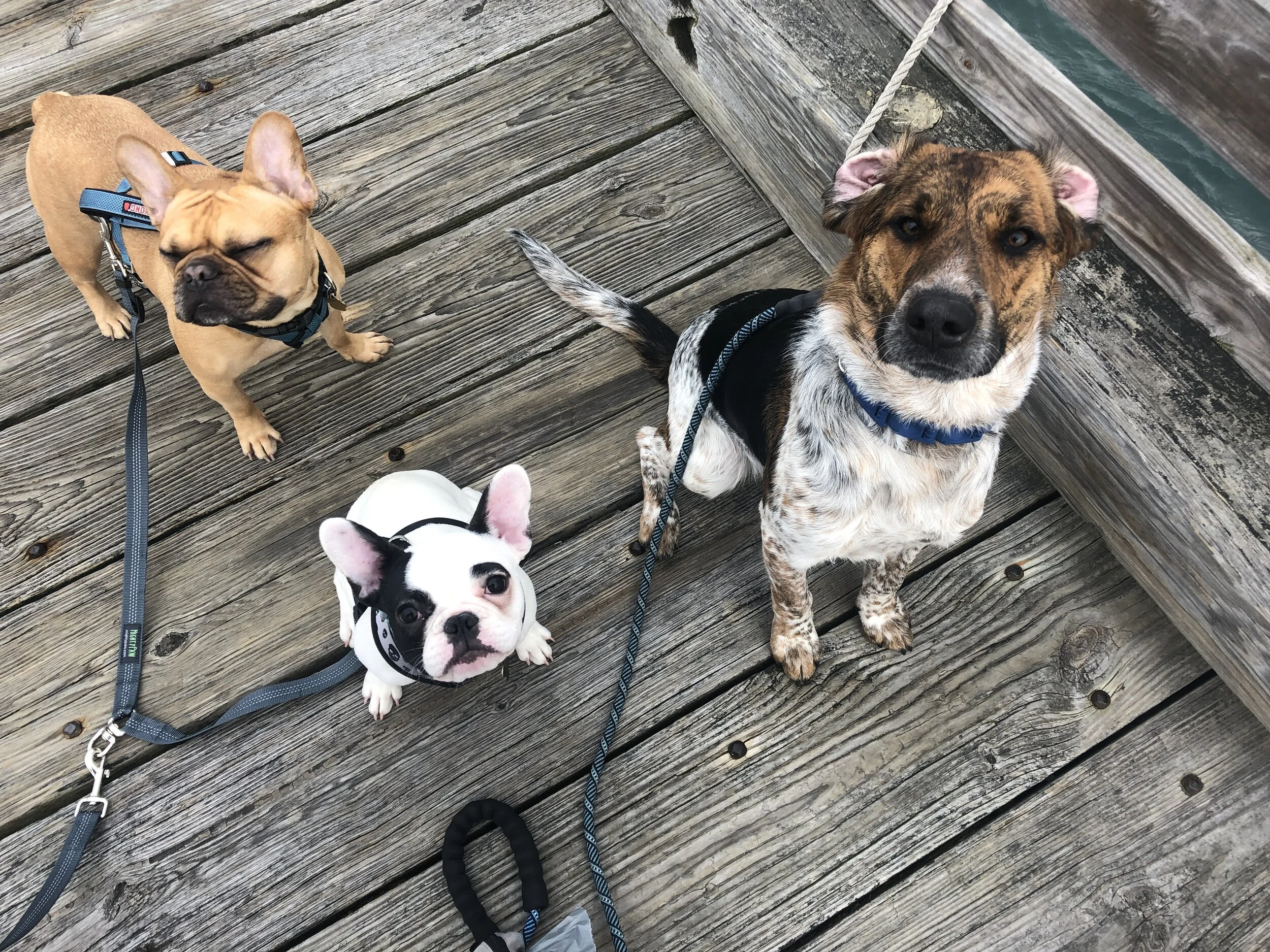
New signs will go up at Wildlands’ preserves this month, reminding visitors to practice good etiquette on the trails.
Daily, we are getting emails and phone calls about dog owners violating rules on our preserves. These rules are in place to protect the land and wildlife, and to ensure public safety. We have dedicated significant resource to developing policies and signage around canine companionship on Wildlands properties, but it appears people are not paying attention. Left with no other choice, we are going to be direct.
There are a lot of people using our trails these days and our goal is to keep our properties open for your enjoyment. However, dog owners who cannot follow the rules are wreaking havoc with our intentions. I’m sorry to say that not everyone loves dogs. As a matter of fact, many people are afraid of dogs and others are allergic. People out for a relaxing walk in nature do not want to be jumped on or barked at by a strange dog. They don’t want their own dog or child attacked by an aggressive animal, and they especially do not want to look at, or worse yet, step in dog’s feces.
We work hard to buy these lands and to take care of them for all to enjoy. Now, please do your part. It’s easy. Keep your dog on a leash and pick up poop. DO NOT LEAVE POOP BAGS HANGING ON TREES!
Thank you.
Pollinator-Friendly Spring Cleanup for your Garden
By Education and Outreach Manager Rachel Calderara
With warmer, longer days here at last, many people are getting ready to do their spring-cleaning — both indoors and out! At Wildlands Trust, it is almost time to clean up our native perennial gardens as new growth emerges from the soil. However, if we hold off on the cleanup for long enough, it gives hibernating insects time to emerge. Outreach and Education Manager Rachel Calderara spoke with Wildlands Trust’s gardener, Kim Goggin, to learn more about the native perennial gardens at Wildlands Trust headquarters, Davis-Douglas Farm, and the pollinator-friendly practices she uses.
Rachel: First, what kinds of native plants for wildlife do we have at Davis-Douglas Farm?
Kim: For bees, we have black-eyed Susan, yarrow and Coreopsis. For monarch butterflies, we have the host plants Asclepias tuberosa (orange butterfly weed) and Asclepias incarnatoa (swamp milkweed). Then we have Chelone glabra for Baltimore checkerspot butterflies and aster for pearl crescent butterflies. For birds, we have winterberry and cranberry viburnum, as well as Monarda (bee balm) for hummingbirds.
R: What insects benefit from these plants over the winter and into early spring, and why are they important?
A view of the front garden at Wildlands’ headquarters at Davis-Douglas Farm.
K: Over the winter, many insects in various forms of life burrow beneath leaves, in the soil, in decaying branches and in spent stalks of native perennials. Among them are solitary bees, syrphid flies, parasitic wasps, morning cloak butterflies and moths such as the wooly bear caterpillar. Luna moths form a chrysalis, which looks much like a curled, dried leaf, and spend the winter there.
Some of our native plants are host plants for specific butterflies to lay their eggs, while others provide nectar for pollinators throughout the season, giving them the energy they need to either migrate or overwinter. Butterflies we frequently see at Davis-Douglas Farm include monarchs, American lady and painted lady butterflies.
R: How can we help protect these insects during our spring garden cleanup?
K: Foregoing fall clean-up all together and postponing spring clean-up until temperatures have stayed consistently above 50 degrees for several days insures that insects will have enough time to emerge from their winter state of diapause. This means leaving spent stalks for the winter, delaying raking leaves and watchfully pruning, as some moths such as the Luna moth may form chrysalises on branches for the winter.
R: After cleanup, is there anything else we can do to help protect native pollinators?
A monarch chrysalis hangs from milkweed at Davis-Douglas Farm.
K: Most importantly, do not use pesticides. You can provide brush piles where insects can feed, bare patches of earth for ground nesting bees (out of the way of any foot traffic) and shallow dishes of water mixed with a bit of soil to provide minerals for butterflies. Plant a variety of heights, colors and flower shapes in your garden. Plant in groupings so pollinators can move easily from one flower to another. Provide flowering plants from early spring into late fall.
R: What plants would you recommend adding to perennial gardens this year to help native wildlife?
K: Zizia is one perennial I would like to add this year, as it is the host for the black swallowtail butterfly. In addition, Heliopsis (false sunflower) proves nectar for native bees and goldfinch love the seeds in the fall.
We want to thank Kim Goggin for all she does to keep our gardens beautiful and pollinator-friendly at Wildlands Trust! Everyone can help pollinators in their own gardens by following her simple advice. Happy spring-cleaning!
Willow Brook Updates Begin
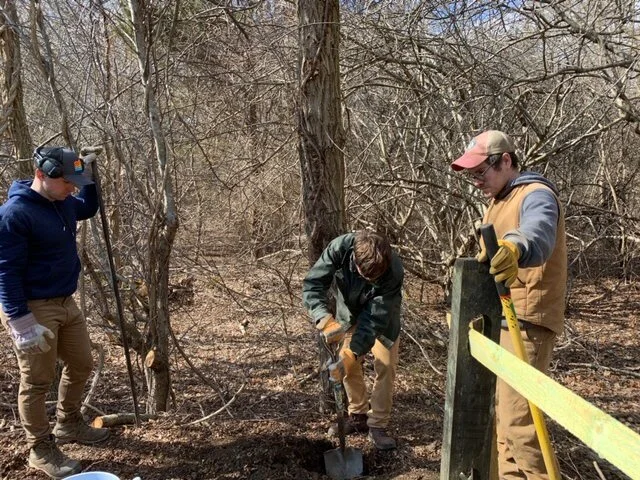
Wildlands stewardship staff, with the help of volunteers, begin improvements at Willow Brook Preserve in Pembroke last month. New split-rail fencing was installed in the parking lot, creating a clear outline of the lot and protecting the surrounding vegetation from vehicles and foot traffic. Funded by a grant through the Recreational Trails Program, the scheduled work will both improve the visitor experience at the preserve and the various habitats throughout the property.
Volunteers also spent time at Wildlands’ headquarters building 10 blue-bird boxes, which will be installed in the coming months in the fields at the 167 acre former dairy farm. Benches and bog boards will also be built and installed along the trail system. The bog boards will lift visitors up off of the more well-used portions of trail, allowing for the restoration of eroded sections and protecting the surrounding habitat.
Also keep an eye out for new educational signage along the trails which will provide information on different plants and animals found on the property. Visitors and groups will be able to lead self-guided nature lessons and have the chance to see the plants and animals while they read about them.
Together with the adjacent Herring Run Historical Park and Misty Meadows Conservation Area, these three contiguous properties comprise nearly 400 acres of public conservation land and provide habitat for a number of plants and animals. The beauty of this preserve makes it a popular spot to visit on the South Shore. We greatly appreciate the dedicated volunteers who have been helping us complete these projects and we are excited for visitors of the preserve to benefit from these improvements in the coming months.
Hiker Preparedness, More Important Now than Ever
By Rachel Calderara, Outreach and Education Manager

With schools, businesses and entertainment venues closed across the region, nature preserves have seen an uptick in visitation. Wildlands Trust trailhead parking lots have been packed as people are seeking refuge in nature in Southeastern Massachusetts. At Wildlands, we are proud to continue to provide access to nature for our communities across the region. However, being prepared for your hike and practicing social distancing on the trails is imperative during this time of national emergency.
Social Distancing on the Trails:
Our preserves are available for fresh air, nature study and as an escape from the indoors. According to the CDC, the COVID-19 virus is primarily spread between people who are in close contact with each other (within 6 feet), and avoiding exposure to the virus is the best way to protect yourself from illness. We’re counting on you to adhere to social distancing practices when using Wildlands Trust preserves to protect yourself, your family, and our communities at large. Simply follow these guidelines:
Visit our preserves alone, with your dog or with those who you live with. Avoid using our preserves to meet up with friends and family outside your home.
Keep a 6-foot distance between yourself (or your party) and other visitors.
Communicate with each other! If you see another visitor on the trails, communicate from a safe distance and have one party pull off the trail, allowing 6 feet of distance between parties.
If you are a dog owner, keep your dog leashed at all times to avoid contact with others.
Avoid touching any manmade objects such a kiosks, signs, railings, etc.
Practice patience and kindness towards other visitors. We’re all in this together.
Being Prepared:
We always encourage visitors to be prepared with appropriate gear during their visits to our preserves. Now more than ever, it is important to be independent while on the trails, and that means being prepared with more than you might regularly bring. We recommend that all visitors carry the following items, at a minimum:
Water: Hydration is important all year long. While we recommend carrying extra water during warmer months, humans need water when it is cold too. Dehydration is one of the most common ailments on trails nationwide.
Food: We get hungry when we exercise. Even if you don’t plan on needing it, bring a granola bar, trail mix, fruit, etc. so you can enjoy a snack in the beauty of nature if you need to recharge. (Remember to carry out what you carry in!)
Layers: Staying at a comfortable temperature is key during a hike. This means wearing warm layers that you can remove in the winter and wearing lightweight layers in the summer. ALWAYS bring a rain layer, even if rain is not in the forecast. Hypothermia is another common trail ailment that can be avoided by staying dry.
Map: Wildlands Trust maps are available for free to download or print on our website and are posted on the trailhead kiosks. If you don’t have a map with you when you arrive, we recommend taking a picture of the map on the kiosk with your smartphone. Whenever you come to an intersection, take a look at the map so you can follow along and always know where you are. Things to look out for at Wildlands Trust trails are color-coded trails on the map marked by colored trail blazes on the trees along the trail.
Flashlight: Say you get a little turned around on the trail during your hike. Once you’re back on track, you may end up being out a lot longer than you had planned for. A flashlight when you need it can be a real help in this situation, and it weighs almost nothing in your pack.
First aid kit: Our healthcare facilities are very busy right now, so the more you can take care of yourself, the better for everyone. Make or buy a good first aid kit and familiarize yourself with its contents. If you take an unexpected fall, you can clean out and dress a minor wound yourself without needing to call for backup.
Fully charged phone: If you do need to call for help, the last thing you want to find in your pocket is a dead cellphone. Make sure you’re charged up before hitting the trail, and try not to use apps that drain your battery while you’re hiking.
Finally, remember to do a thorough tick check after your visit to protect yourself from tick-borne illnesses. Your extra time outdoors this season may put you at a higher risk of picking up a tick, so be vigilant this spring, summer and fall. For more information on ticks in Massachusetts, visit https://www.mass.gov/service-details/tick-borne-disease-information-for-the-public.
Being prepared and practicing social distancing will help keep us all safe as we continue to enjoy the great outdoors. Visit wildlandstrust.org/trails to find a preserve near you!
Wildlands Buys the Farm (And Then Sells It)
Middleborough’s Ja-Mar Farm is forever preserved thanks to the efforts of many.
By Land Protection Director Scott MacFaden
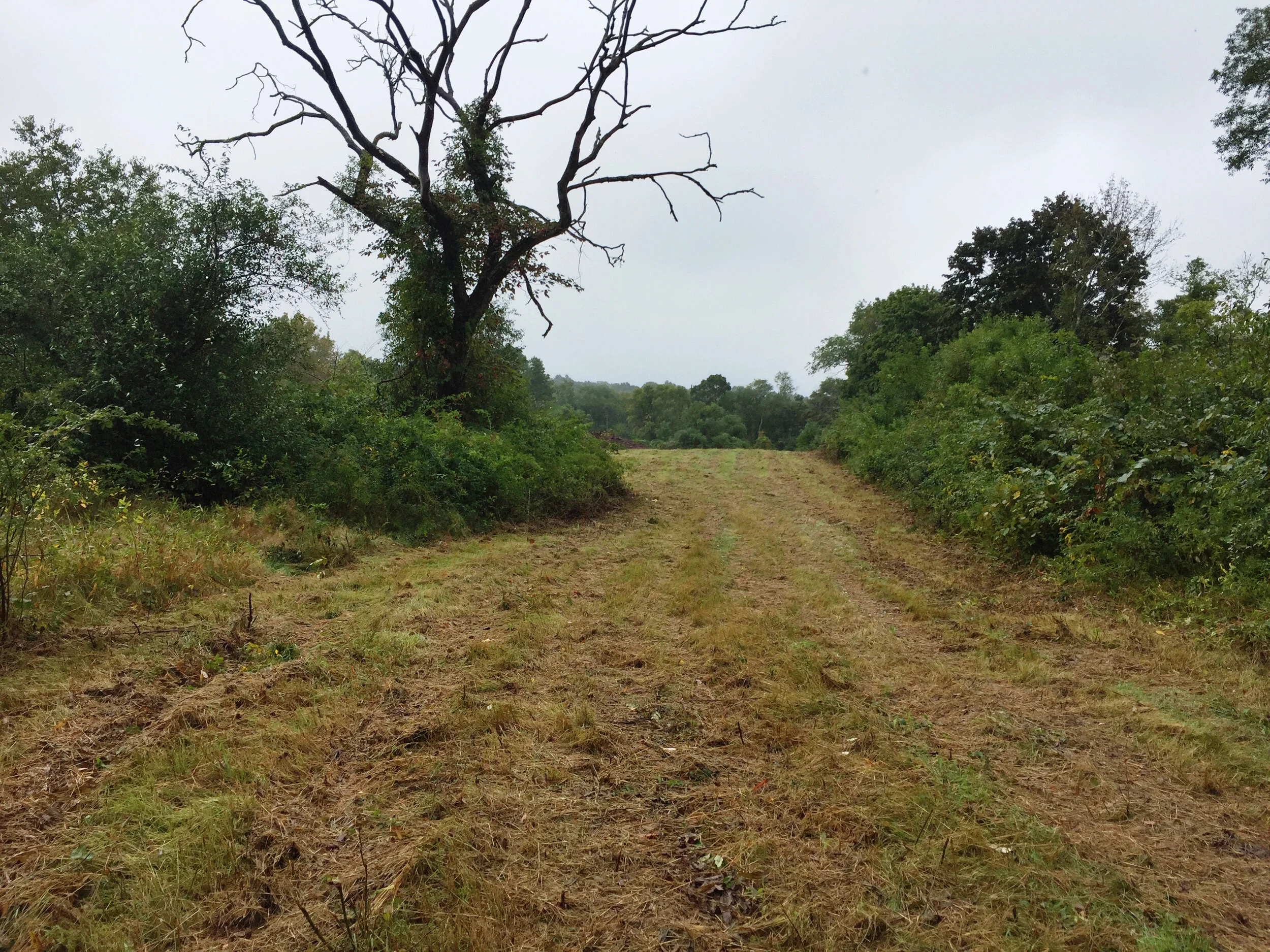
Land trusts like Wildlands Trust are specifically established to acquire and protect lands possessed of important conservation values such as scenic views, rare species habitat and aquifer protection. From time to time, however, land trusts can and do serve as interim holders of property, typically on behalf of other conservation entities. Wildlands has successfully completed a number of such pre-acquisitions in the past, usually in partnership with public agencies, such as municipalities and the Massachusetts Department of Fish and Game. In general, nonprofit organizations like Wildlands can mobilize more quickly and act more decisively than our public-agency colleagues when important properties are at risk of being lost to development.
In early January 2020, we completed our most recent pre-acquisition: Ja-Mar Farm in Middleborough. Encompassing 20 acres of scenic open fields along the Nemasket River, Ja-Mar Farm was a long-standing preservation priority for the town due to its commanding river views, prominent location along the lower Nemasket River corridor, high-quality agricultural soils and important habitat for multiple rare species, as identified by the state’s Natural Heritage and Endangered Species Program (NHESP).
A working turkey farm for many years, the Ja-Mar property was slated for a very different future following its acquisition by developer Elliott Schneider in 2003, who proposed a nine-lot residential subdivision to be built on the property. However, at least in part due to the recession of the late 2000’s, work toward permitting the subdivision was deferred for several years. When permitting efforts resumed in 2010, NHESP required Mr. Schneider to grant a Conservation Restriction (CR) to the town on approximately half of the property, essentially the acreage along the river and adjacent to the proposed subdivision. NHESP, which administers the state’s Endangered Species Act, had identified much of Ja-Mar Farm as rare species habitat for the eastern box turtle and several other species. At the time, it appeared the NHESP-mandated CR was the best possible conservation outcome; however, due to several factors, including the slowly recovering economy and sluggish real estate market, Mr. Schneider eventually entered into discussions with the town about possibly selling the entire property for permanent preservation. After several years and a series of appraisals, these discussions culminated in a Purchase and Sales Agreement with a closing date in August 2018.
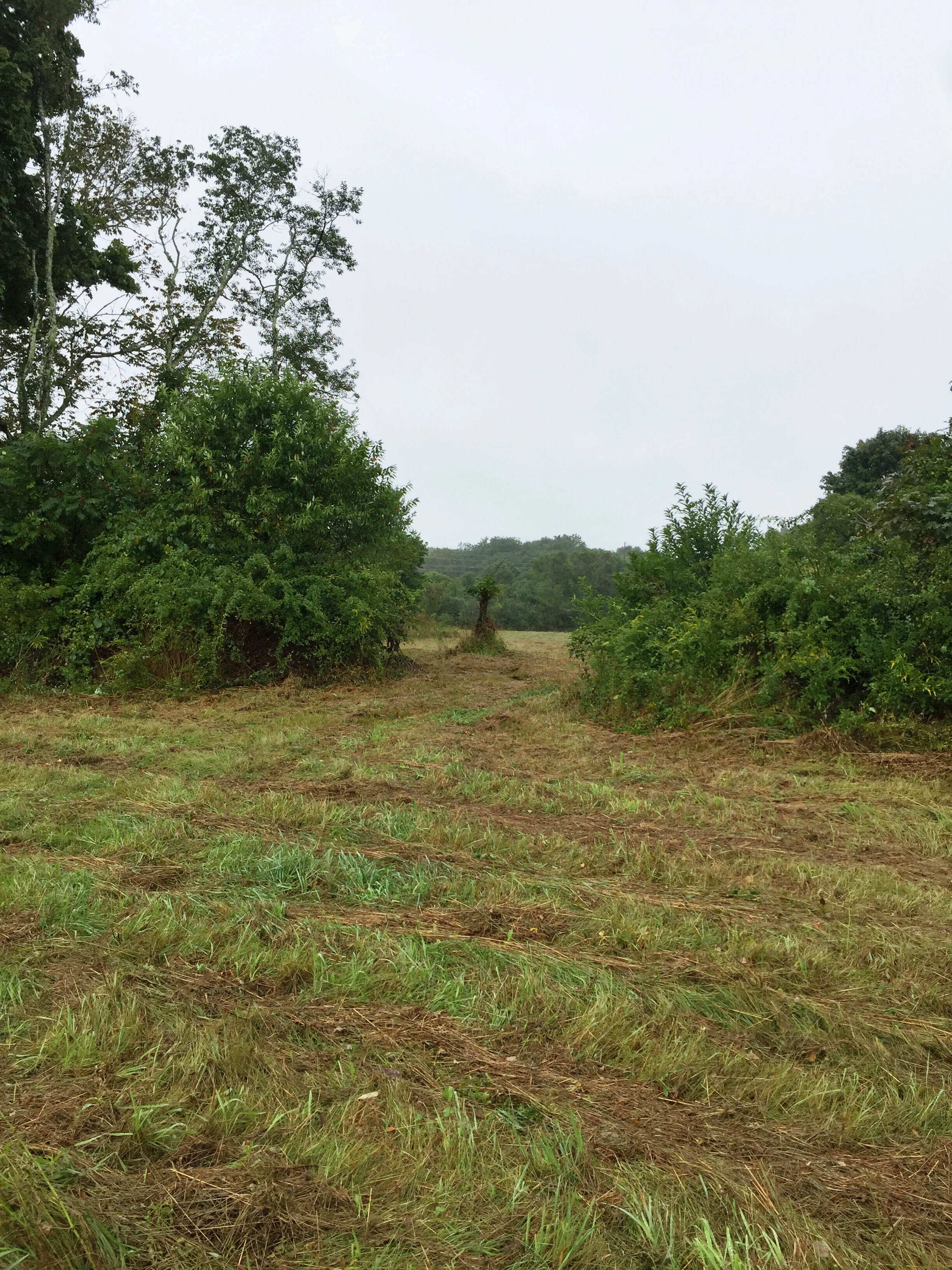
Middleborough’s conservation agent, Tricia Cassady, spent many hours carefully crafting the project; negotiating a deal with Mr. Schneider, raising $450,000 to purchase the land (including the receipt of a sizable grant from the Land and Water Conservation Fund), and recruiting two nonprofit partners: the Cape Cod-based Native Lands Conservancy (NLC) and The Archaeological Conservancy (TAC). Both of these organizations agreed to provide substantial financial contributions to the project and to further enhance the farm’s protection by accepting an assignment of the CR from the town.
Everything seemed to be aligning favorably, but alas, there was a complication. The town already held a CR on approximately half of Ja-Mar Farm and before acquiring the property outright, the town would need to first assign the CR to another entity, or in this case, entities—NLC and TAC. However, because of Article 97, an amendment to the Massachusetts State Constitution, the town needed to obtain the approval of the Massachusetts Legislature before it could assign the CR.
Just what is the purpose of Article 97? Enacted in 1972 through a vote of the citizens of the Commonwealth, the article is essentially a procedural check on cities and towns converting designated open space land to other uses without first working through a review process. The idea is that municipally held open space is of great value and benefit to the people and ecology of the Commonwealth, and should not be divested or converted to other uses without the following actions:
“Lands and easements taken or acquired for such purposes shall not be used for other purposes or otherwise disposed of except by laws enacted by a two thirds vote, taken by yeas and nays, of each branch of the general court”
The “such purposes” are identified in the amendment as: “The people shall have the right to clean air and water, freedom from excessive and unnecessary noise, and the natural, scenic, historic, and esthetic qualities of their environment; and the protection of the people in their right to the conservation, development and utilization of the agricultural, mineral, forest, water, air and other natural resources is hereby declared to be a public purpose.”
While the town’s acquisition of the Ja-Mar property would, as a practical matter, only serve to strengthen its preservation, Article 97’s provisions still applied. The town had no choice but to work through the Article 97 process, including obtaining the approval of the Massachusetts Legislature, before it could assign the CR and subsequently purchase the property. That is where Wildlands came in. With an expired Purchase and Sales Agreement and Mr. Schneider intent on selling the property, there was a particular urgency in play. The town requested that Wildlands step in, pre-acquire Ja-Mar Farm from Mr. Schneider, and hold the property until the town had satisfied all the requirements of the Article 97 process. In order to pre-acquire the property, Wildlands and NLC each borrowed $108,500 from the Compact of Cape Cod Conservation Trusts, Inc.’s Thomsen Land Fund, with the remaining $233,000 contributed by NLC and TAC.
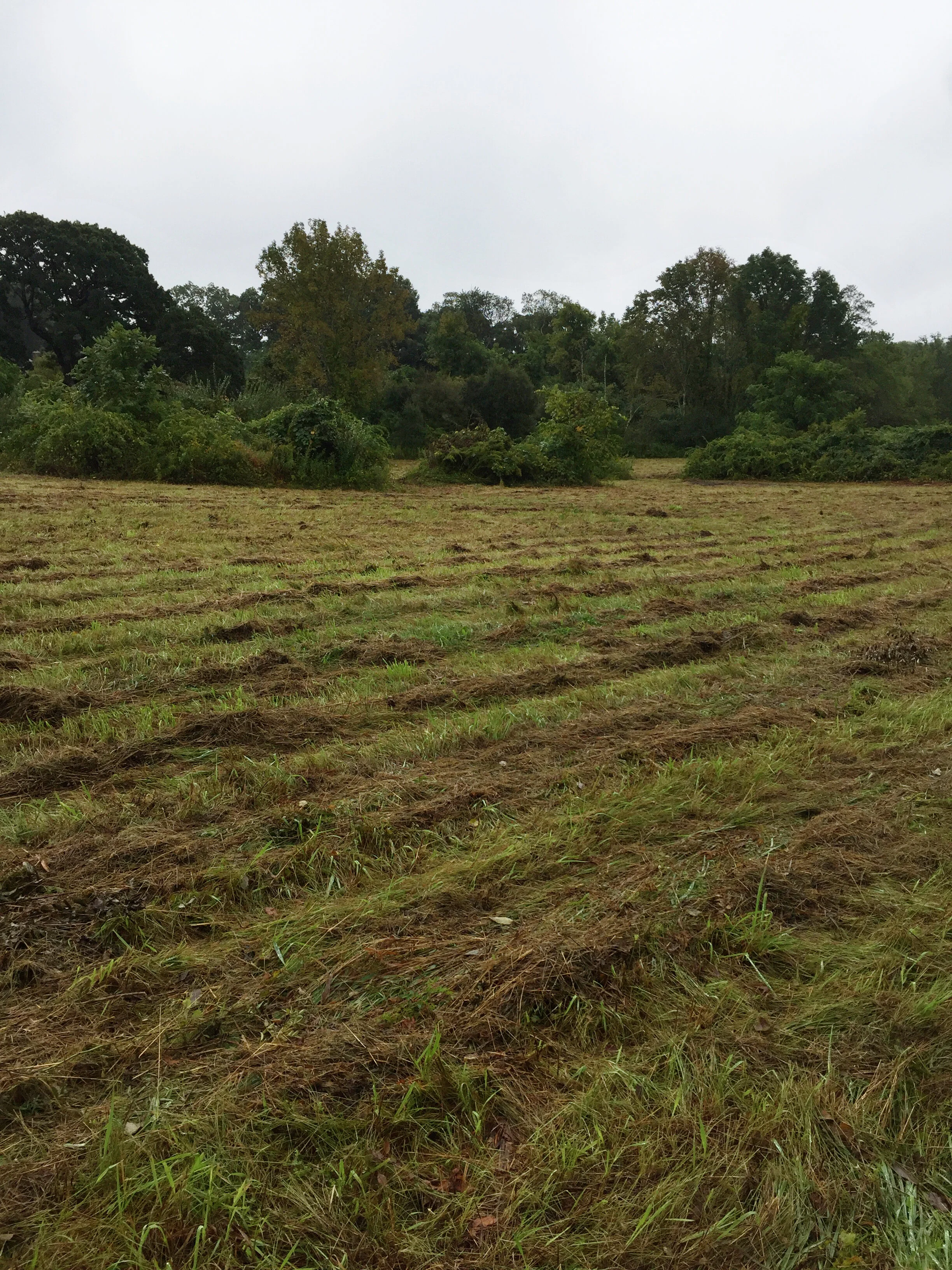
With the needed funding in hand, Wildlands purchased Ja-Mar Farm on October 25, 2018, and held it in safe-keeping until we sold the land to the town on January 8, 2020. The town of Middleborough is now firmly in place as the landowner, with the property subject to a CR jointly held by the NLC and TAC. This approach to land preservation is commonly known as the “belt and suspenders” method, with the property owned by one entity for conservation purposes and subject to a CR held by other conservation entities. That is about as protected as a property can be!
Be assured that Ja-Mar Farm is very much worthy of all the extra effort required to secure its permanent preservation. Today, and for many generations to come, its scenic open fields, riparian corridor along the Nemasket, and numerous rare species shall remain more or less as they are today, subject only to the inevitable cycles of natural ecological succession. Kudos to all of the project partners for the critical roles they played in ensuring the preservation of Ja-Mar Farm. Our colleague, Tricia Cassady, takes understandable pride in noting that the $450,000 needed to purchase the farm came entirely from sources outside the town — a good deal indeed. For our part, Wildlands is pleased to have had the opportunity to play a late but important role in the project. We afford a high priority to our municipal partnerships, and these public-private collaborations continue to realize significant conservation outcomes across the region.