


What’s New at Wildlands
Human History of Wildlands: Hoyt-Hall Preserve, Marshfield
Hoyt-Hall Preserve in Marshfield is one of Wildlands Trust's most popular preserves. Acquired in 2000, the property was quickly designated as a "showcase" preserve owing to its diverse woodland and wetland habitats and associated wildlife. Containing 123 acres and bordering 82 acres of additional conservation land, Hoyt-Hall protects a significant assemblage of open space in a growing town.
Yet there is another story here. Hoyt-Hall's human history spans over 10,000 years of settlement and change.

By Skip Stuck, Key Volunteer
Hoyt-Hall Preserve in Marshfield is one of Wildlands Trust's most popular preserves. Acquired in 2000, the property was quickly designated as a "showcase" preserve owing to its diverse woodland and wetland habitats and associated wildlife. Containing 123 acres and bordering 82 acres of additional conservation land, Hoyt-Hall protects a significant assemblage of open space in a growing town.
Yet there is another story here. Hoyt-Hall's human history spans over 10,000 years of settlement and change. Archeological evidence shows that Native people followed the retreating Laurentide ice sheet north, first as nomadic hunters and soon as settlers. Remnants of permanent dwellings have been excavated in Marshfield, dating back at least 3,000 years. The area that now contains Hoyt-Hall Preserve was partly a saltwater marsh with access to the ocean, and shell deposits show that it was well utilized by the Natives for fishing. By 1600, it was used seasonally by the Wampanoag Tribe as a summer home to take advantage of these resources. They wintered on the lands known today as Lakeville and Middleborough. The Wampanoags called the present-day Marshfield area "Missacautucket," and Massasoit was their powerful sachem.
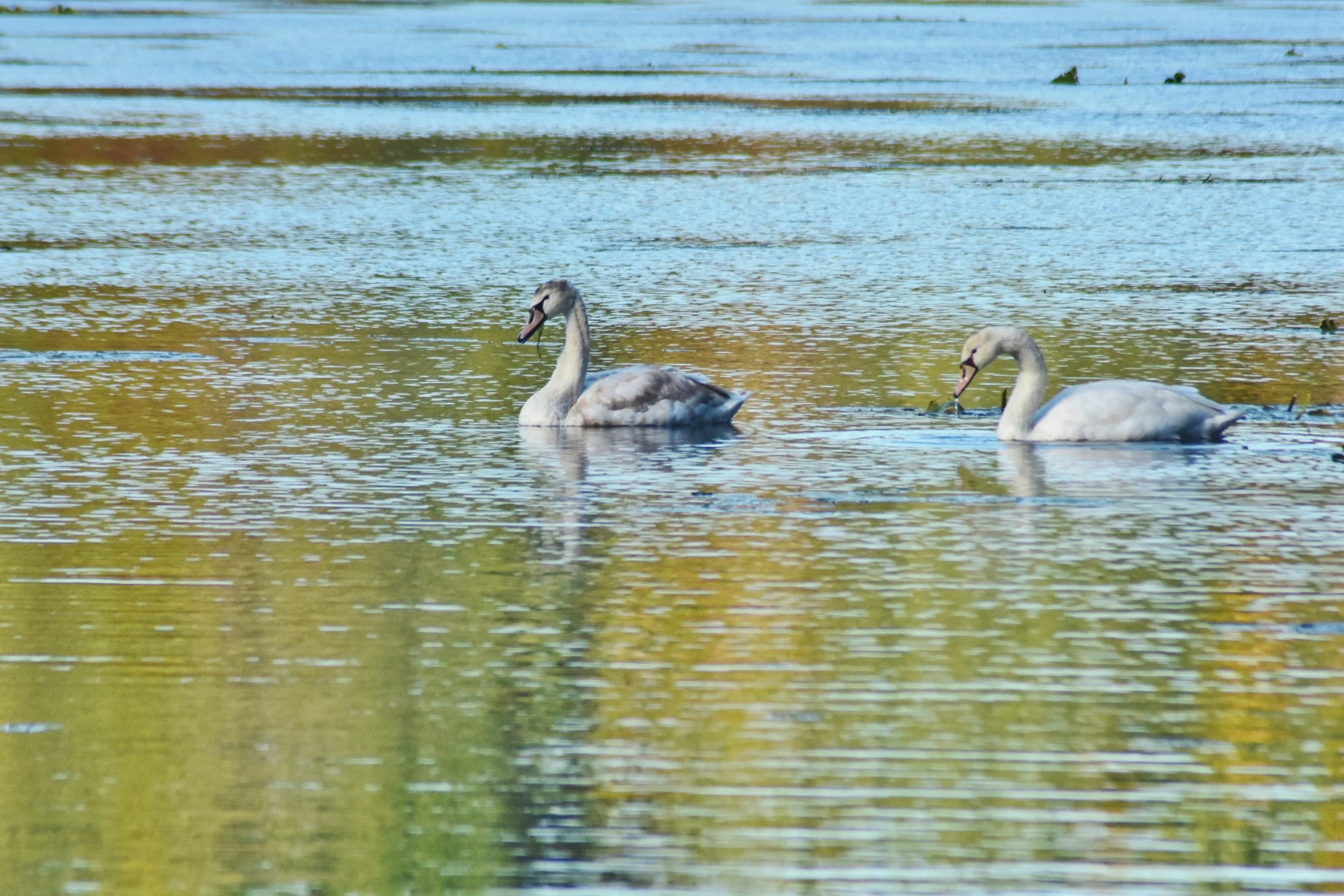
Swans on Long Tom Pond. Photo by Mike Arsenault.
The Value of Relationships
Upon the Pilgrims’ arrival to Plymouth Harbor, settling on lands outside the Colony's patent was prohibited. Early on, a few colonists managed to do so anyway. One was William Green in 1623, who established a commercial fishing post on what is now known as Green's Harbor. But general settlement was not permitted until 1632, when land grants began to be awarded. In 1636, Plymouth Colony governor Edward Winslow was granted a large tract of land, including the current Hoyt-Hall property. The Winslow family, along with the whole Plymouth Colony, was successful, due in large part to the strong relationship between Governor Winslow and the Wampanoag leader Massasoit, which endured for nearly half a century. More on the importance of relationships history later.
In 1637, the Pilgrim Trail, then called Green's Harbor Path, was the first general court-ordered road in the Colony. It passes along the border of Hoyt-Hall Preserve, as does King Philip’s path, an ancient and famous Native trail. Three Winslow family homesteads were built on the Hoyt-Hall property, much of which remained with the family until 1822. Two colonial governors, Edward and his son Josiah, lived and prospered on the land, as did Edward's adopted son, Peregrine White. White was born in 1620 on the Mayflower, becoming the first Englishman to be born in America.
In 1640, the Town of Marshfield (initially called Rexhame) was incorporated and grew quickly with new settlers. While many surrounding towns suffered much death and tragedy during King Philip's War in the 1670s, Marshfield remained relatively unscathed due to the Winslow family's strong relationship with the Wampanoag Tribe.
Hoyt-Hall Transformed
Because much of Hoyt-Hall was then tidal marshland, in 1675 a dam was built to create Long Tom Pond (named after a local Native who was killed in King Philip's War), providing a freshwater source first for general farming and later for cranberry growing.
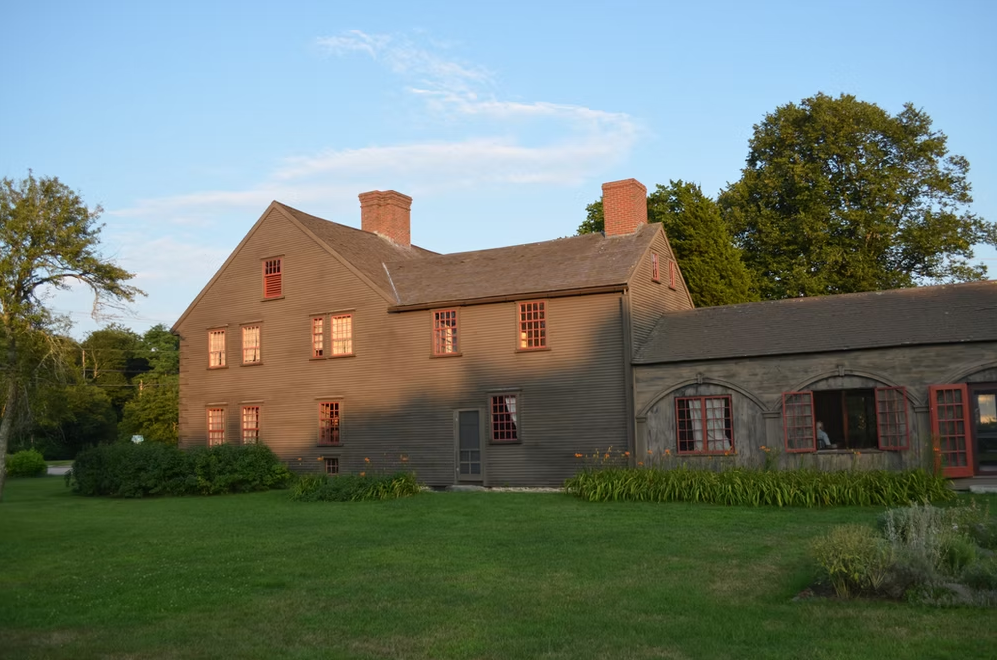
Historic Winslow House. historicwinslow.org
The Revolution
Directly adjacent to Hoyt-Hall Preserve is the Isaac Winslow house. Built circa 1699, it is the oldest home in Marshfield. Isaac was a well-known physician with a reputation for serving both settlers and Natives. He inoculated many against smallpox and other diseases in the early 1700s. However, as relationships between the colonists and the English crown deteriorated, the Winslow family became well-known Loyalists, and Isaac's house became a Loyalist meeting place. Relations between the Patriots and Loyalists were tense, and the Loyalists pressed for British troops to be brought in to protect them. A force of 114 troops landed, but fighting was eventually avoided, once again as a result of the Winslow family’s strong relationships with their neighbors.
Home of a Statesman
After the war ended, the Winslow family continued farming the property until 1822, when it was broken up and sold to a series of families. Some of the property returned to woodland, and some went to cranberry production. Some of it was sold to Daniel Webster, noted U.S. Congressman and Secretary of State, who lived in Marshfield from 1832 until his death in 1852. In 1884, Walton Hall purchased the Webster estate. In 1928, about 1,000 acres were purchased by Lincoln Hall, who converted some of the woodlands to cranberry bogs, which remained in production until the 1960s. During this time, the land began to take on the scenic character that we see today.
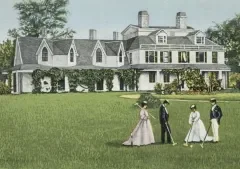
Daniel Webster Estate in 1859, as depicted on a 1909 postcard. From Patrick Browne, “The Almost-Battle of Marshfield.”
Protected Forever
In 2000, the land was sold to Wildlands with the assurance that it would be preserved in perpetuity, with beautiful trails for visitors to explore. In 2016, with funding from the Massachusetts Department of Conservation and Recreation’s Recreational Trails Program, a 1.75-mile trail loop was completed, with a parking lot on Careswell Street (Route 139). Today it is one of Wildlands’ most popular preserves, with many families enjoying this remarkable and historic property every year. Along with the adjacent Historic Winslow House, Hoyt-Hall Preserve's scenic beauty is forever linked to its rich history.
Back to Relationships...
So, you'll remember my earlier mention of the importance of relationships in the history of Hoyt-Hall Preserve. We too often think of the past in terms of events; i.e. wars, discoveries, and the like. We should not forget that nearly all historical events are either tempered or exacerbated by the human relationships that surround them. Had the Pilgrims not developed a strong relationship with Massasoit, Plymouth Colony would likely not have survived its first year. Fast forward 50 years, and it's clear that many lives were lost due to the souring of this relationship during King Philip's War. Be good to your friends.
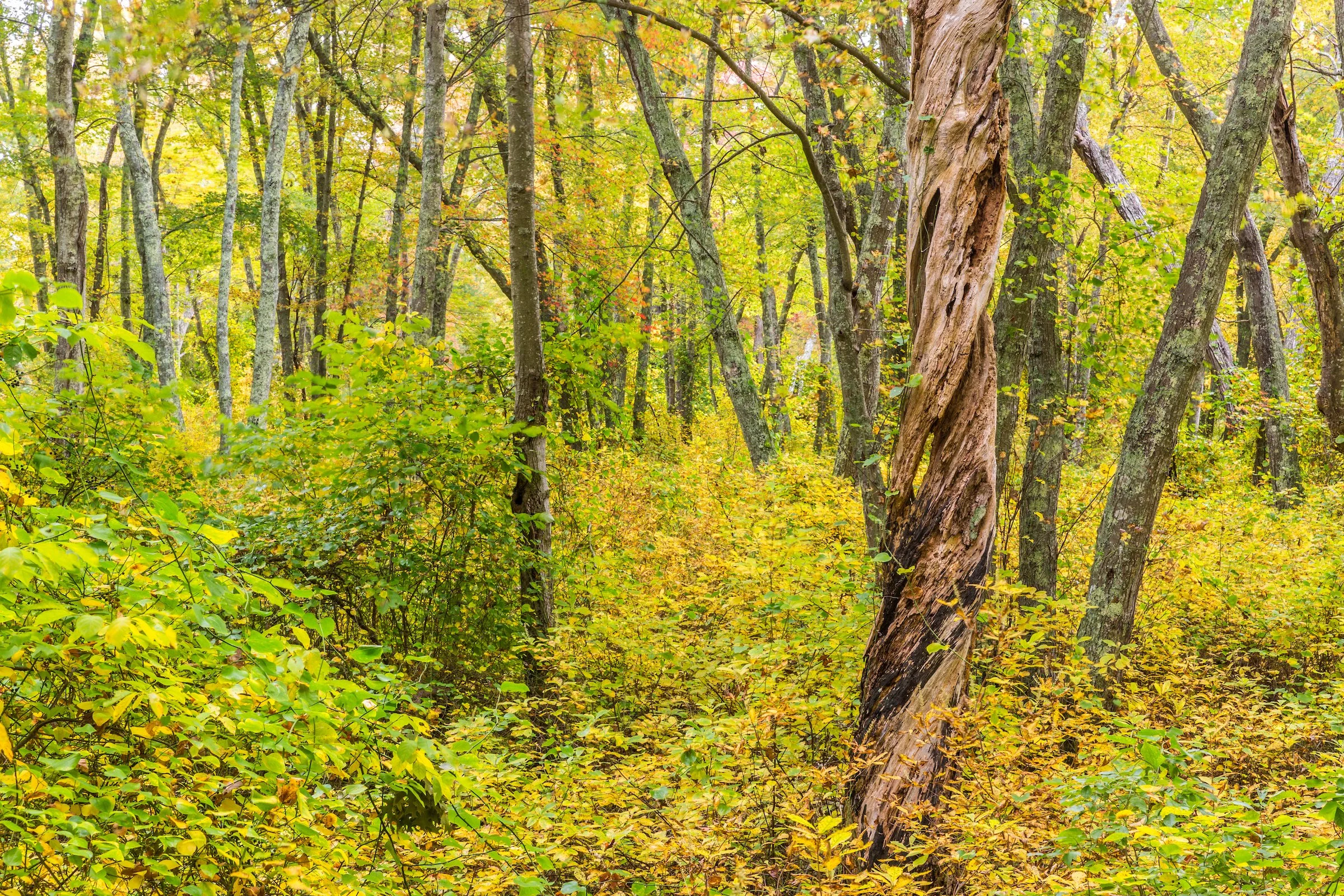
Hoyt-Hall Preserve. Photo by Jerry Monkman.
Learn More
To learn more and visit Hoyt-Hall Preserve, explore wildlandstrust.org/hoythall-preserve. The following resources were utilized in researching this history:
“Books and History Converge at Hoyt-Hall: Former Landowner Honored by Family” by Amy Markarian, Wildlands Trust, 2022.
The Historic Winslow House: winslowhouse.org.
History of Marshfield Massachusetts by Lysander Salmon Richards, 1901.
“The Almost-Battle of Marshfield” by Patrick Browne, 2011.
“History of Marshfield,” Kiddle Encyclopedia.
“Our Story Not Theirs” by the Mattakeeset Tribe.
A special thanks to Mike Arsenault, Amy Markarian, and Thomas Patti for their assistance with this piece.
Staff Picks: Where to Explore This Fall
If the arrival of September in Southeastern Massachusetts has you dreaming of brisk mornings, cozy sweaters, and leaves crunching underfoot, you’re not alone. We at Wildlands Trust are already planning our autumn hikes, paddles, rides, and picnics.
Are you looking for new places to explore this fall? Our staff and volunteers have you covered! Read on for a selection of our favorite autumnal landscapes, where you just might find us leaf peeping, migratory bird watching, or spooky story telling this season.
A note on safety: hunting season begins in the fall, so please take care to protect yourself, your loved ones, and your pets while on the trails. Consult our hunting safety guidelines before you head out. (Spoiler alert: wear blaze orange!)
Happy fall from all of us at Wildlands! Please share your fall nature photos with us at communications@wildlandstrust.org. Explore our trails across Southeastern Massachusetts at wildlandstrust.org/trails.
Hoyt-Hall Preserve, Marshfield
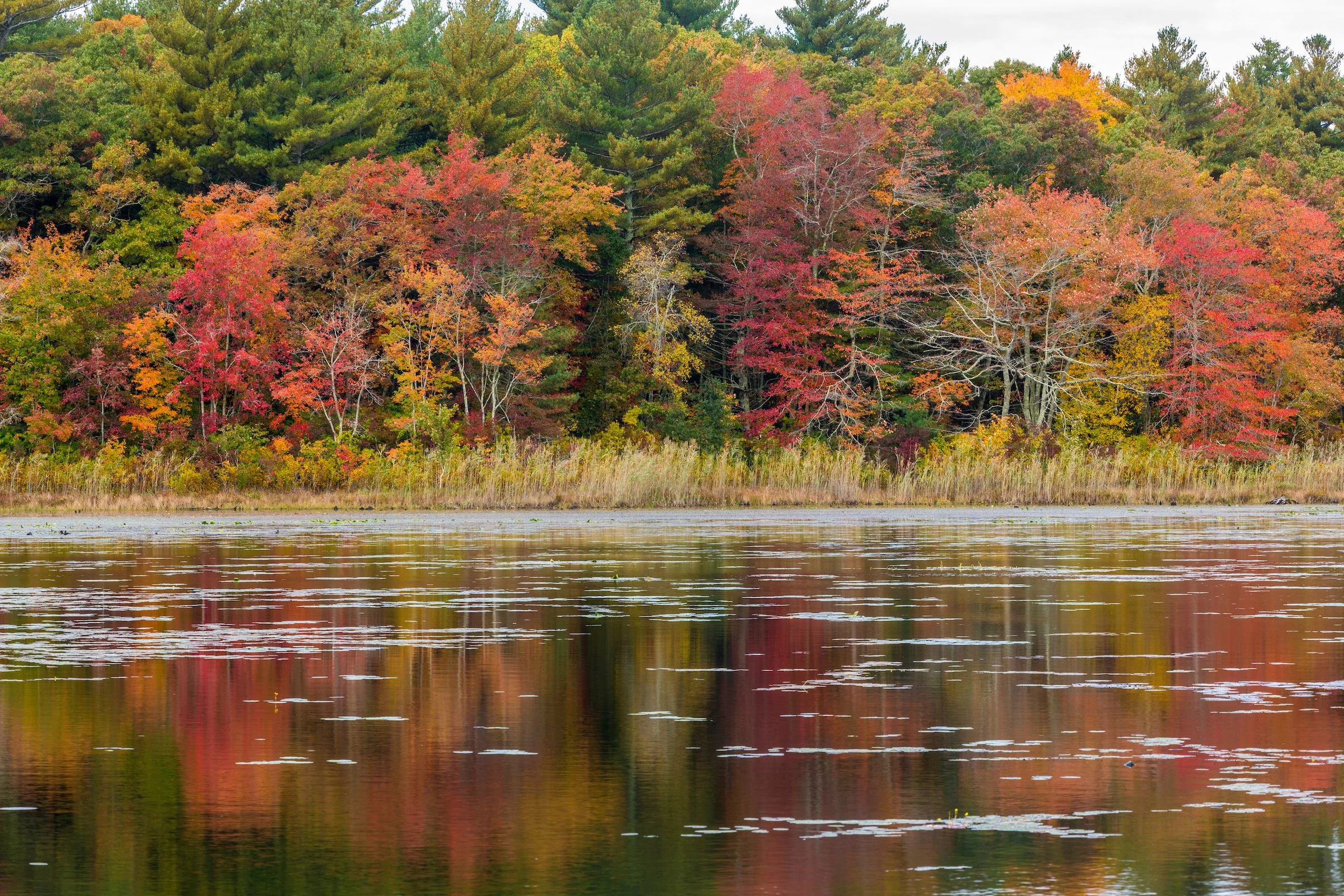
Photo by Jerry Monkman.
Trail map & property description: click here.
Rachel Bruce, Chief of Staff: The many deciduous trees show off their fall colors around Long Tom Pond, and a two-mile hike is perfect for a fall afternoon.
Tess Goldmann, Land Protection Assistant: I really enjoy Hoyt-Hall for its beautiful views of Long Tom Pond and its variety of different ecosystems you get to walk through. Plus, you can see all the red maples changing colors in October.
Great River Preserve, Bridgewater
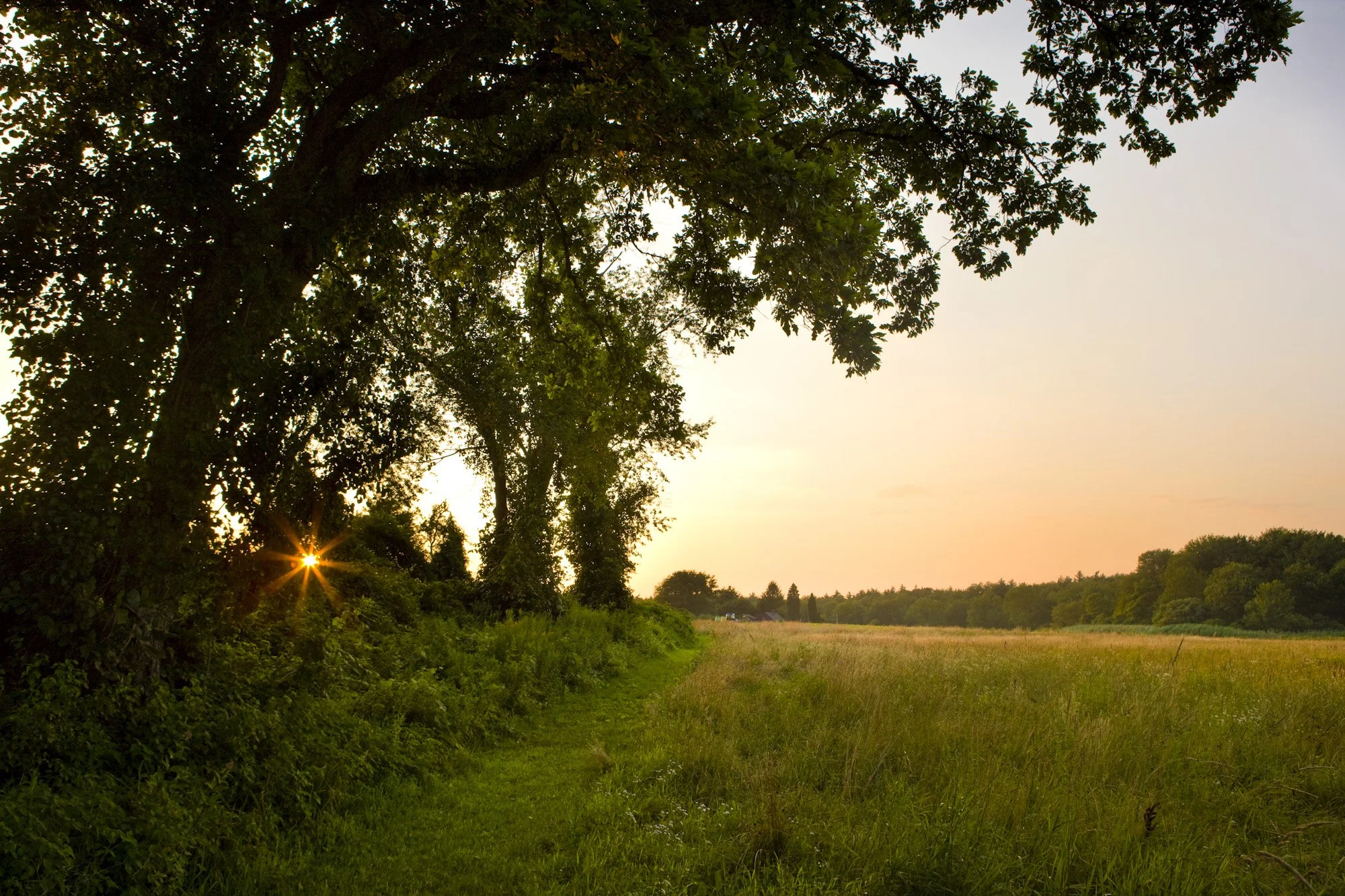
Photo by Jerry Monkman.
Trail map & property description: click here.
Marilynn Atterbury, Key Volunteer: As the leaves begin to turn, there’s no place I’d rather be than Great River Preserve. In the fall, the landscape transforms into a landscape of color. The meadows are dotted with Joe-Pye weed, jewel plants, and goldenrod, creating a stunning display. The meadows also become a haven for monarch butterflies, which lay their eggs on the milkweed that thrives there. Meanwhile, the maples and oaks along the Taunton River put on a breathtaking show of scarlet and gold. It’s this vibrant tapestry of nature that makes Great River Preserve my favorite fall destination.
Scott MacFaden, Director of Land Protection: The Great River Preserve is a fall favorite of mine. While it shines at any time of year, it is particularly luminous in autumn because of its juxtaposition of open fields, woods, and the Taunton River. I like to leisurely hike along the edge of the fields before spending some time at the viewing platform overlooking the river—one of the most peaceful and contemplative locations in all of Southeastern Massachusetts.
Indian Head River Trail – Pembroke, Hanover, Hanson

Photo by Andrew Lederman.
Trail map & property description: click here.
Amy Burt, Programming Coordinator: My favorite preserve is the Indian Head River Trail, a four-mile loop that encompasses Wildlands' Tucker Preserve. This time of year, you can get a great view of the river with the leaves falling while walking down a cathedral of color. Year-round, I enjoy channeling my inner goat and climbing the rocks.
Great Neck Conservation Area, Wareham

Photo by Rob MacDonald.
Trail map & property description: click here.
Skip Stuck, Key Volunteer: I like Great Neck because it has a little of everything. Uplands, ocean, marshlands, a pond full of waterfowl in the fall, and vernal pools surrounded by red swamp maples.
Kyla Isakson, Membership Manager: I love the diversity of the landscapes at Great Neck. You get a little bit of everything: ponds, farmland, pine forests, and ocean views. An underrated showcase preserve that is great year-round.
Wyman North Fork Conservation Area, Bridgewater

Photo by Rob MacDonald.
Trail map & property description: click here.
Thomas Patti, Communications Coordinator: As one of our newest public preserves, Wyman North Fork Conservation Area (a partnership between Wildlands and the Town of Bridgewater) remains a hidden gem… for now. This fall, visitors will hear bluebirds and goldfinches rustling in the meadow’s native grasses and gaze at the secluded woodlands’ vibrant foliage, hanging from the branches and reflecting off the glassy surface of the Taunton River.

Why do you support land conservation?
By Thomas Patti, Communications Coordinator
In June, our Solstice Celebration brought together conservation champions from across Southeastern Massachusetts for a day of art, music, food, hikes, and much more at Davis-Douglas Farm in Plymouth. Over 150 of us joined our voices to send a resounding message that nature is vital to the future of our region.
Our voices are louder together, but they are not all the same. Since land conservation has so many benefits, ranging from ecological to economic to spiritual, it perhaps comes as little surprise that there are almost as many reasons to support our work as there are people who support it.
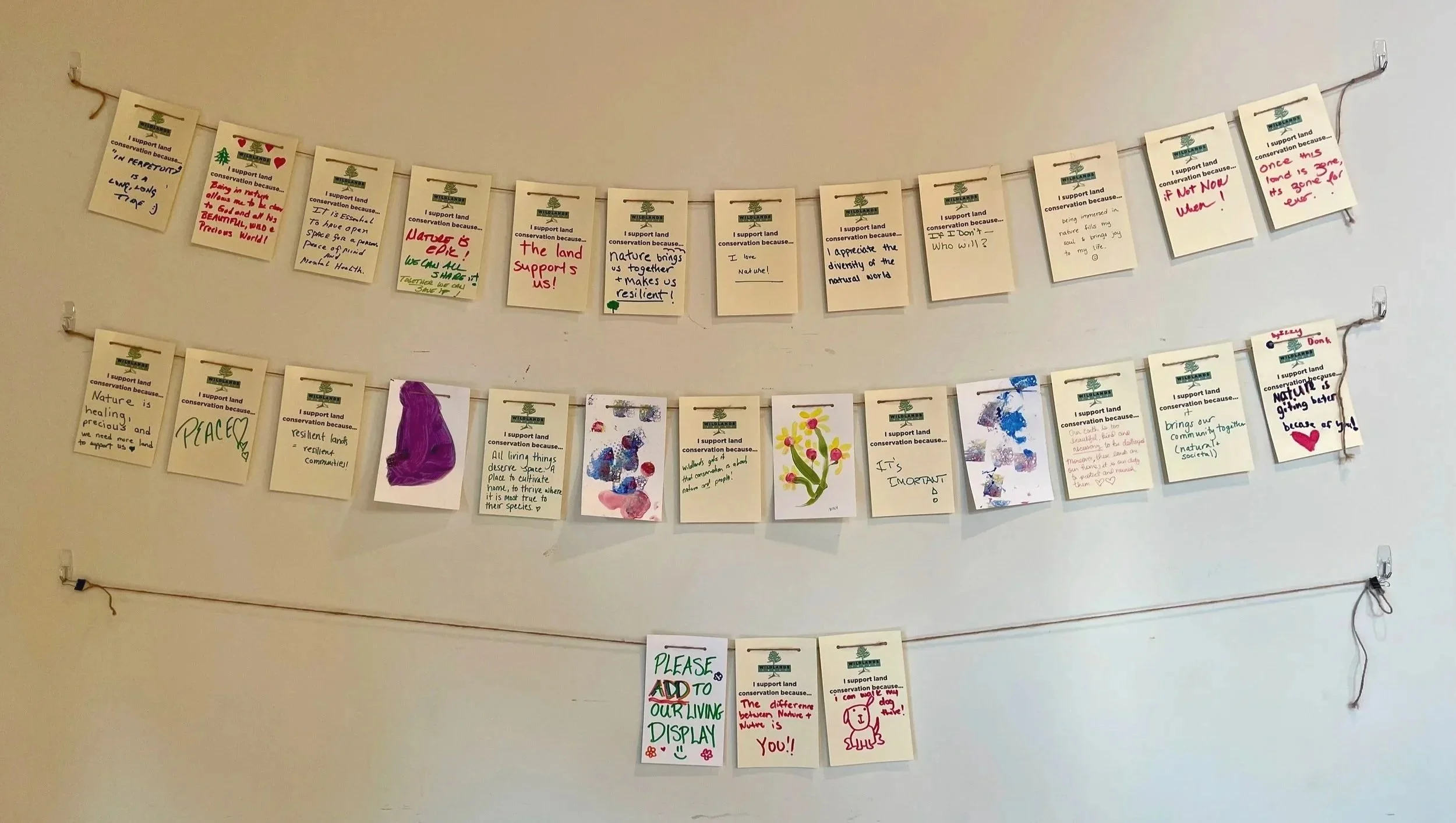
To better serve our community, we wanted to know why people donate their money, time, and passion to our mission. So, we asked. During the Solstice Celebration, a station inside the Community Conservation Barn invited attendees to decorate small banners by completing the statement, “I support land conservation because…” We strung up their responses on a wall inside the barn to create a living tapestry, symbolizing our community’s diverse motivations to realize our shared vision.
Explore some of these motivations in the photo gallery below. Click on each photo to view the full caption.
Why do you support land conservation? Tell us in the comments or add a banner to our tapestry the next time you visit Davis-Douglas Farm!


Thank you to all who support our mission to keep Southeastern Massachusetts a remarkable place to live, work, and play. Your generosity makes our work possible. Feeling inspired? Join our community at wildlandstrust.org/membership.
Green Team 2025: Brockton Youth Serve, Learn & Earn

A Green Team member builds a bench for the outdoor classroom at Raymond Elementary School in Brockton.
By Amy Burt, Programming Coordinator
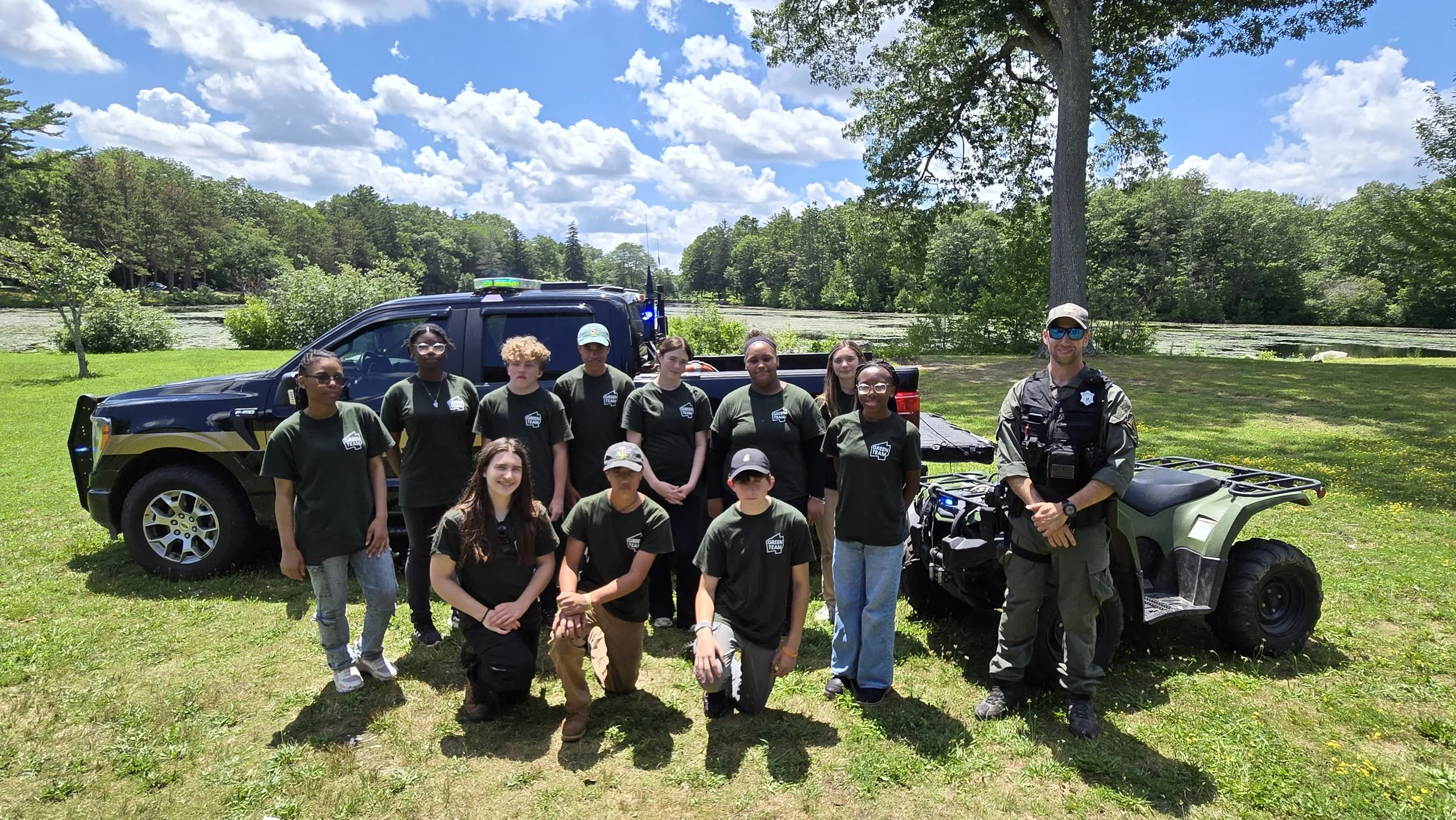
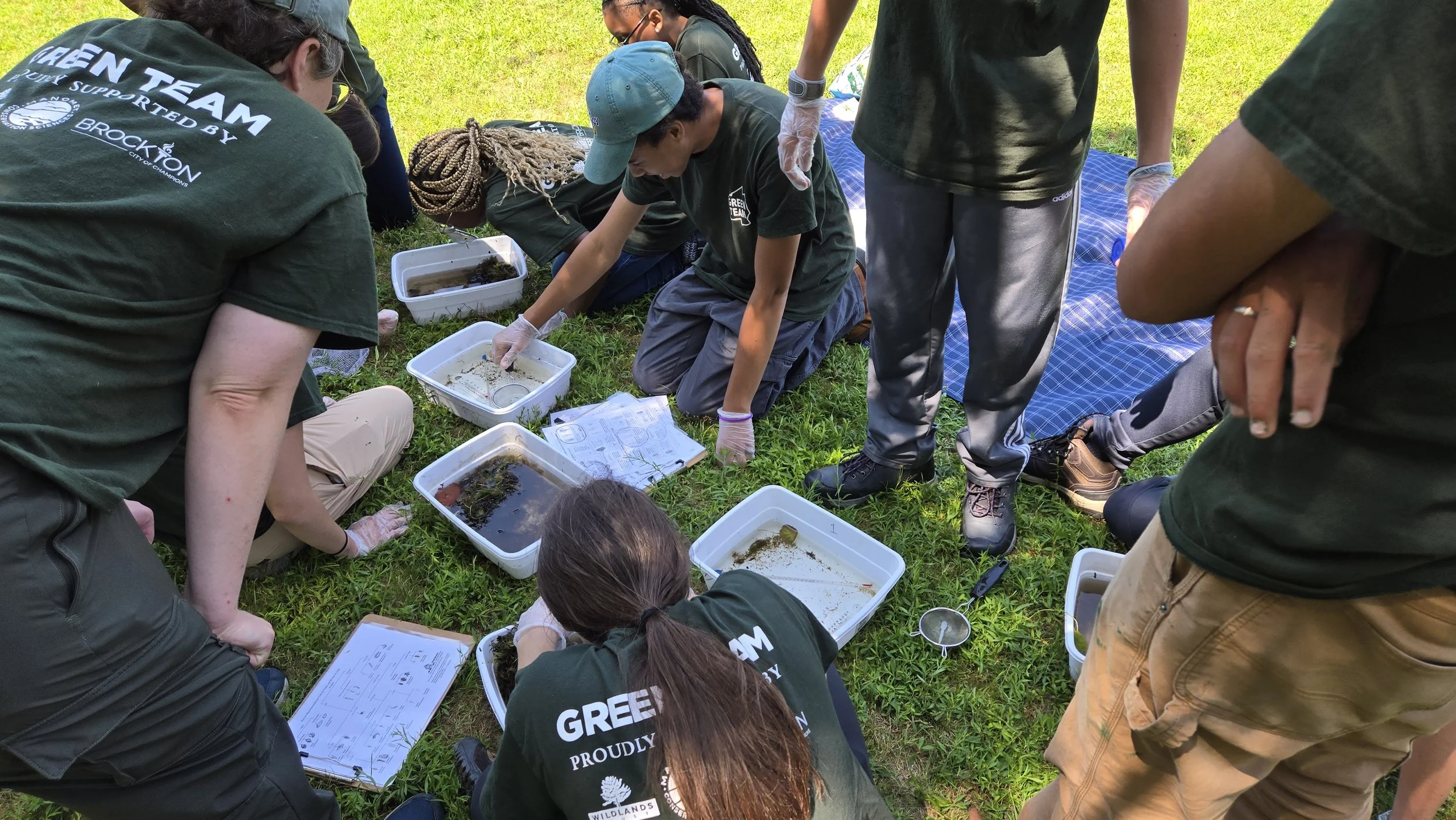
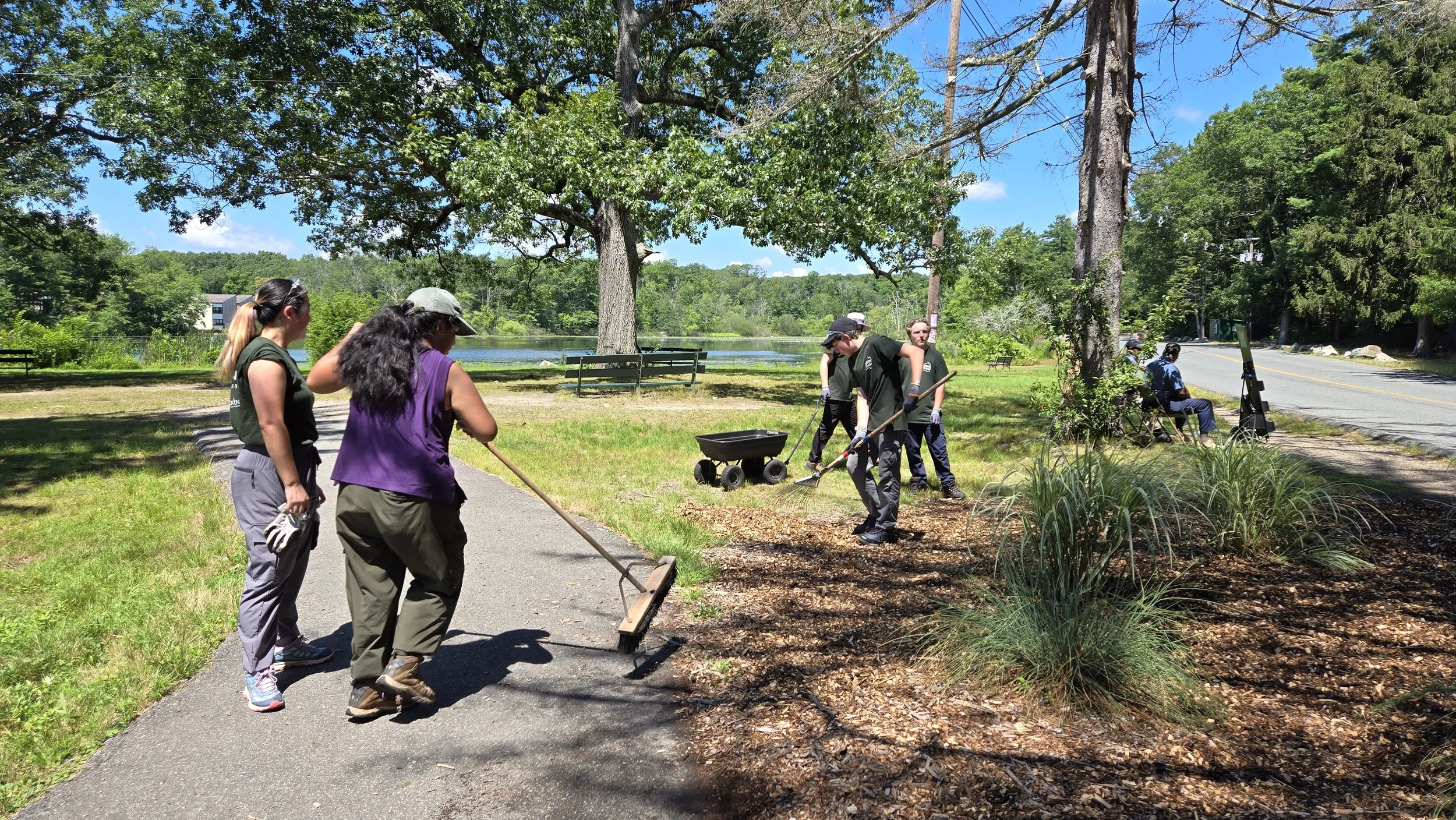
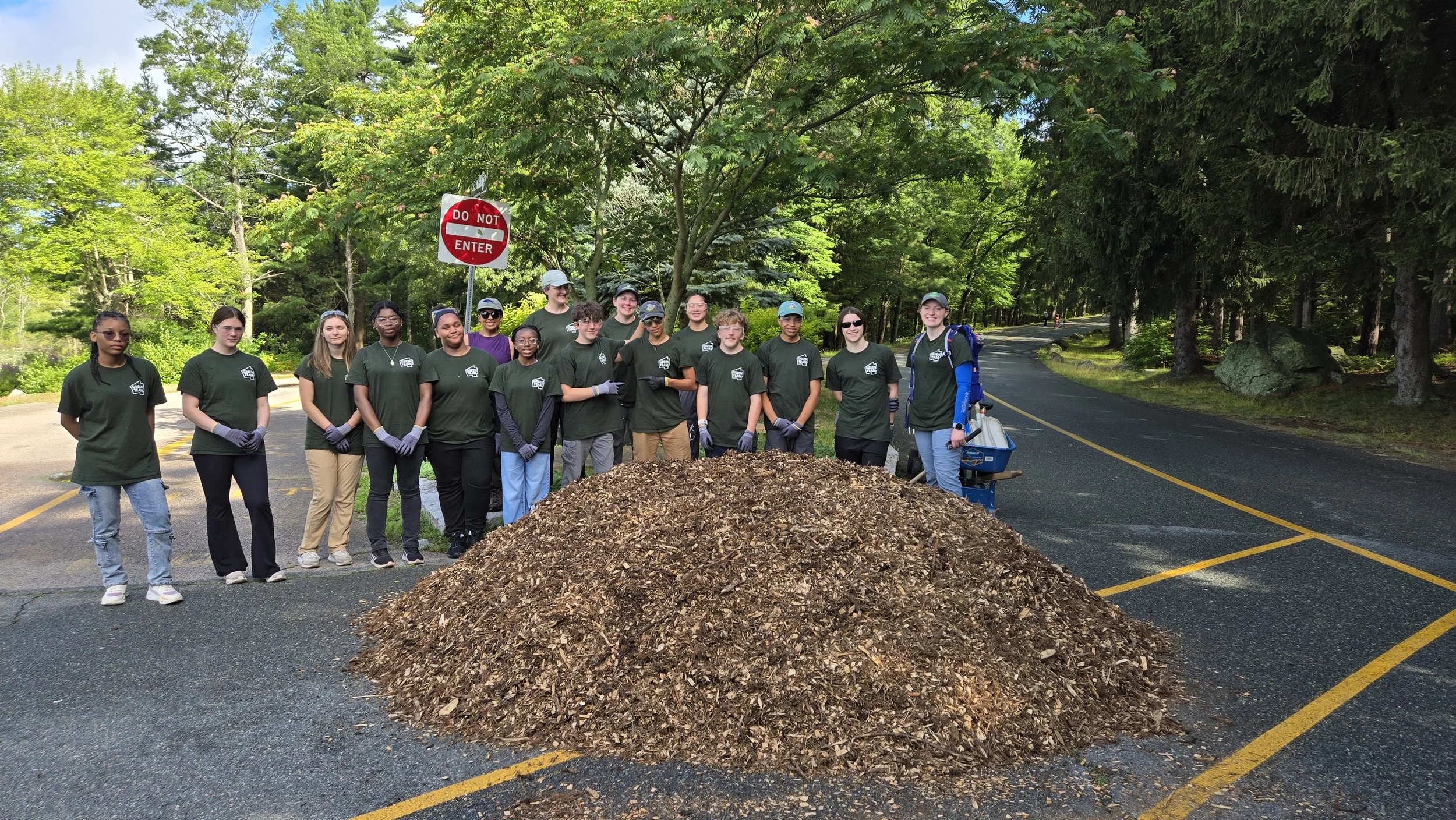
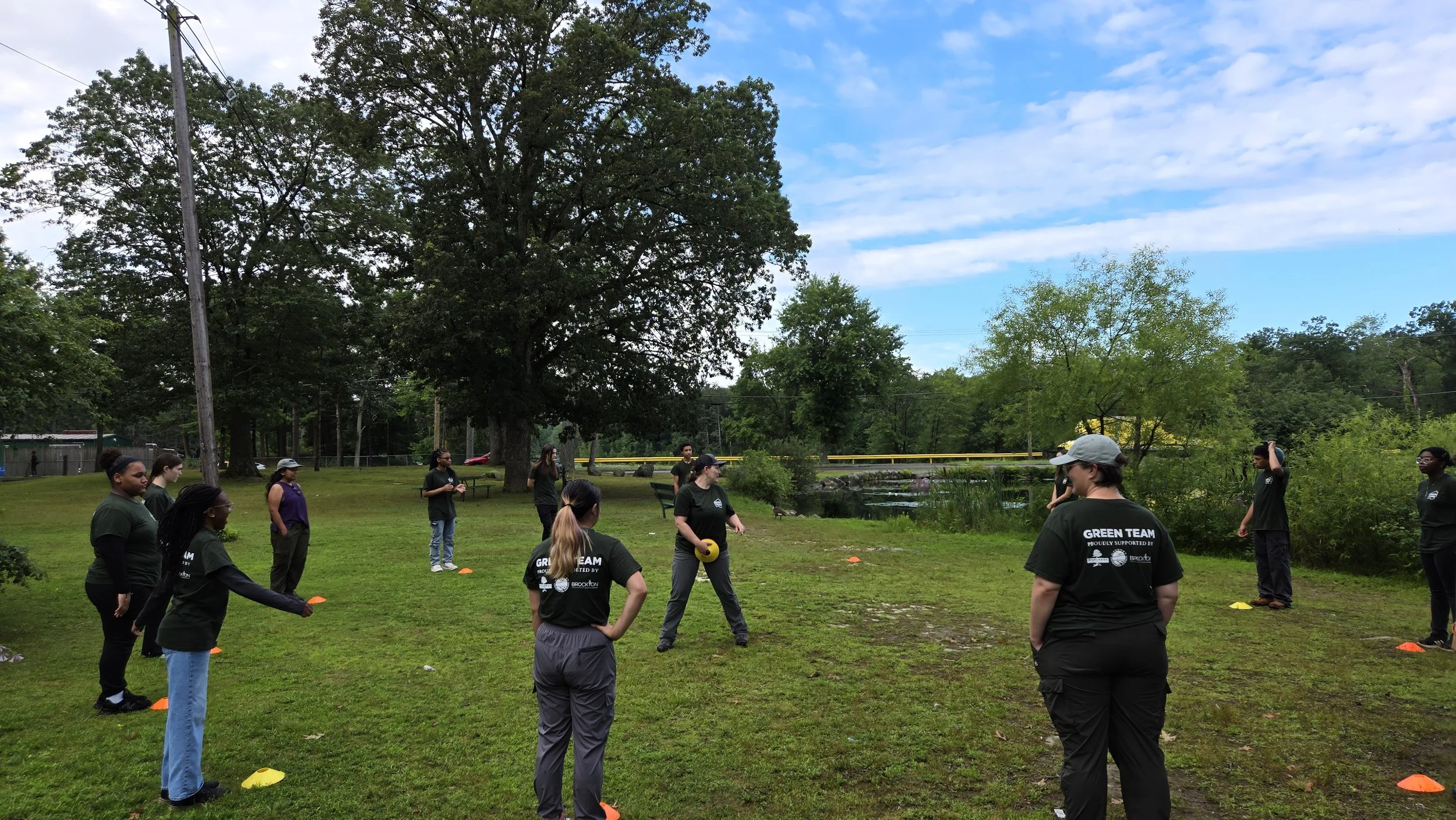
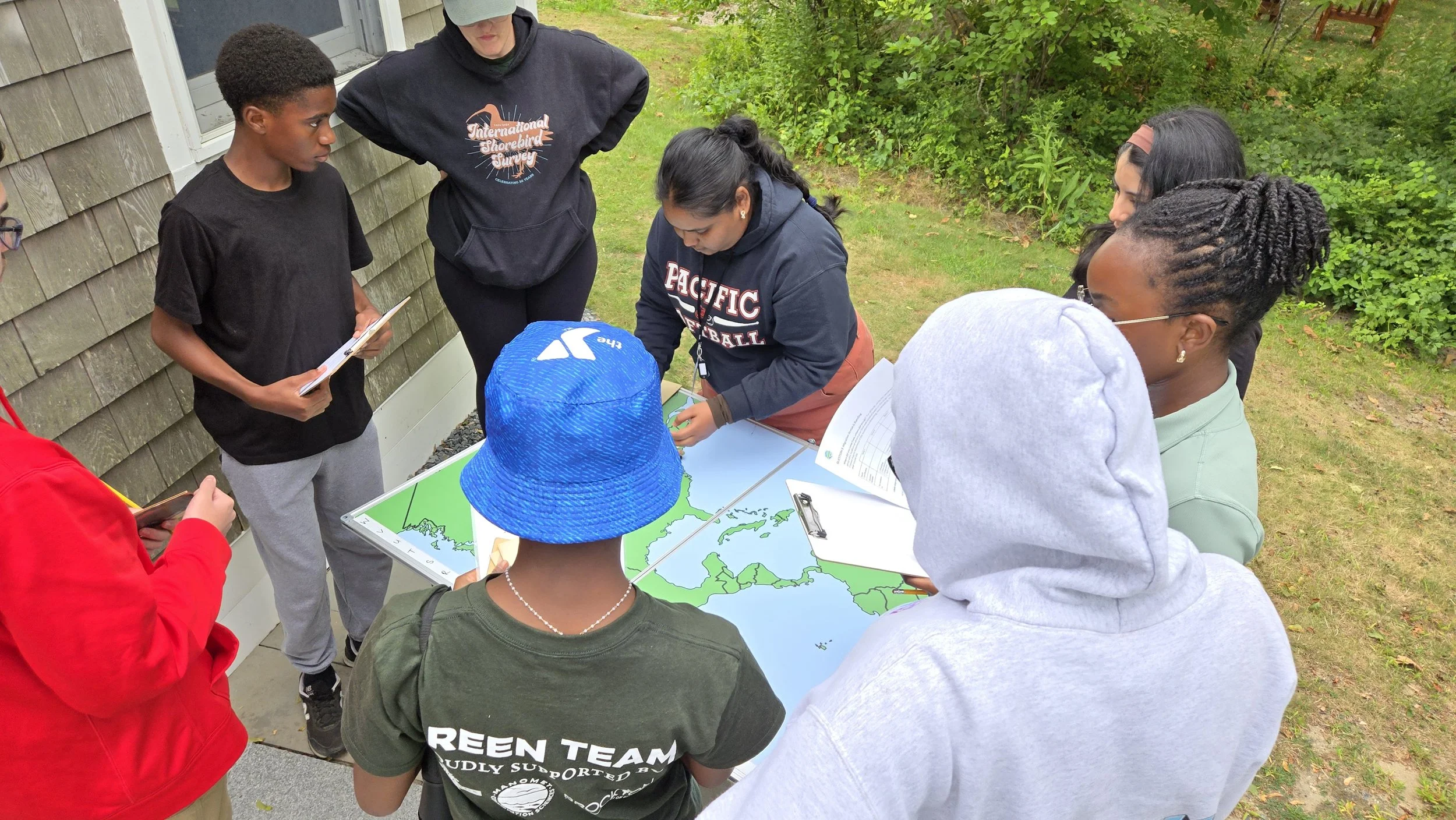
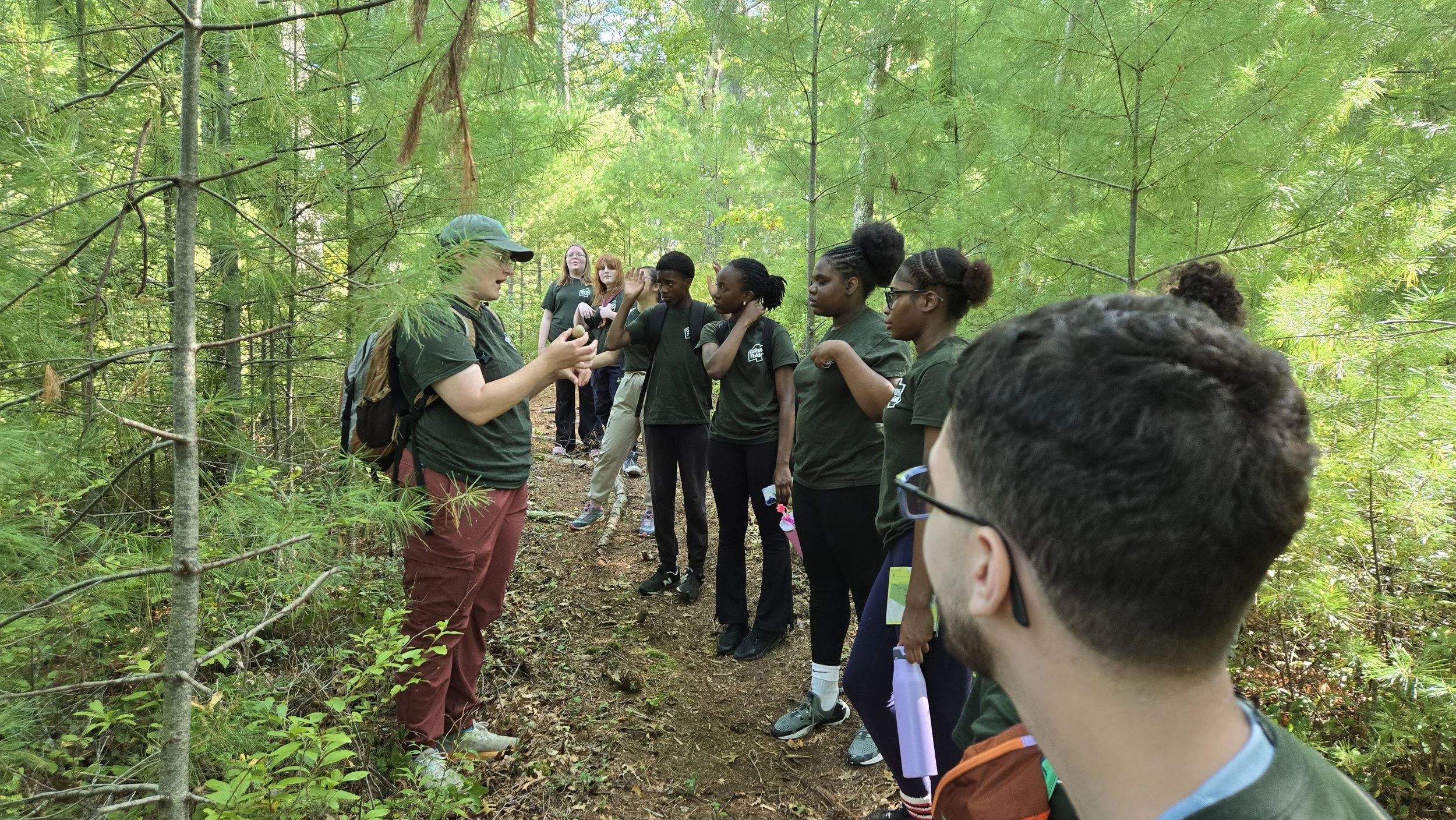
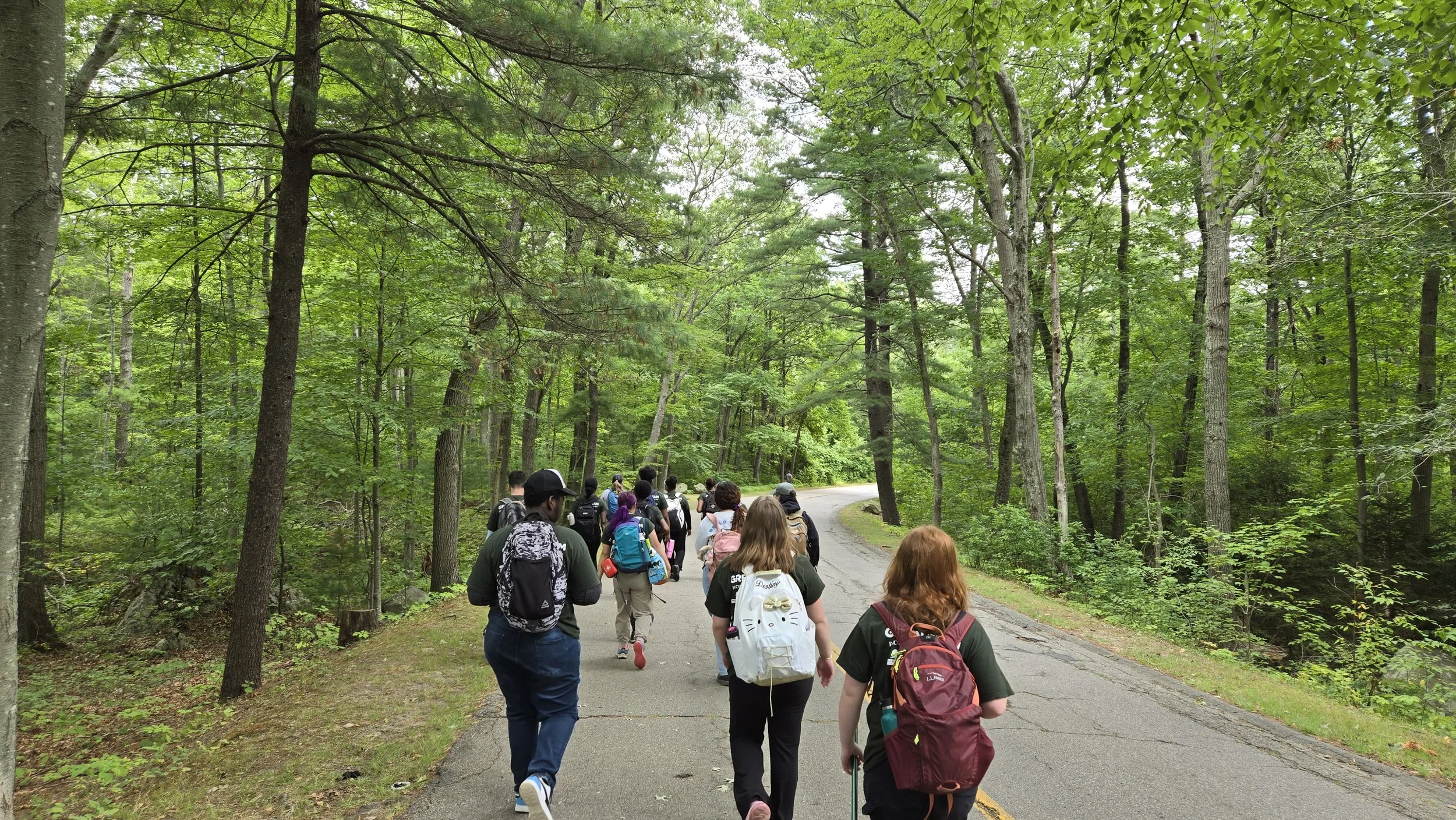
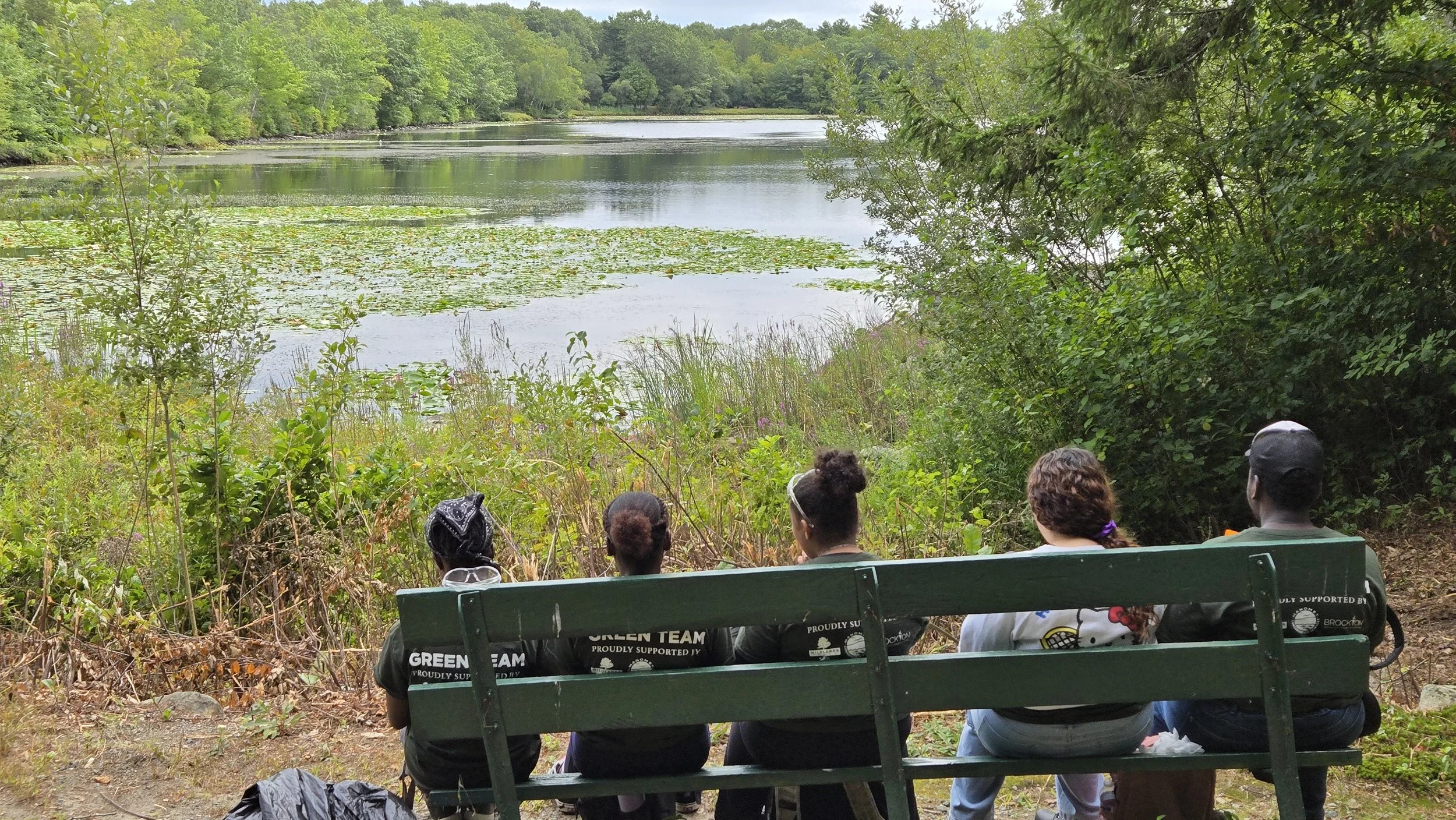
Green Team returned to Brockton for a fourth summer in 2025 to work on projects at D.W. Field Park and the surrounding area. Wildlands Trust and Manomet Conservation Sciences sponsor, design, and lead Green Team to engage Brockton-area high school students in conservation service-learning.
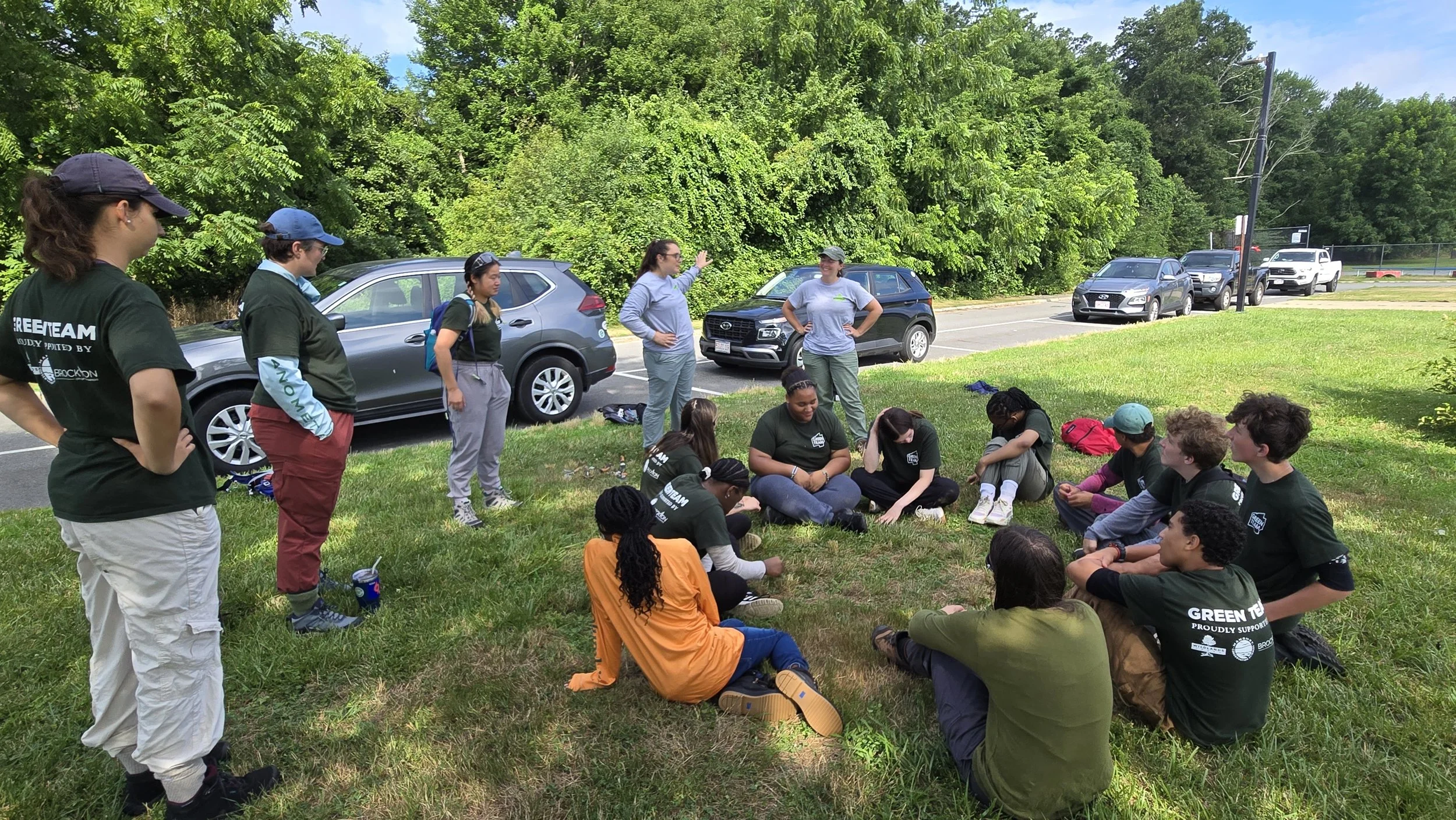
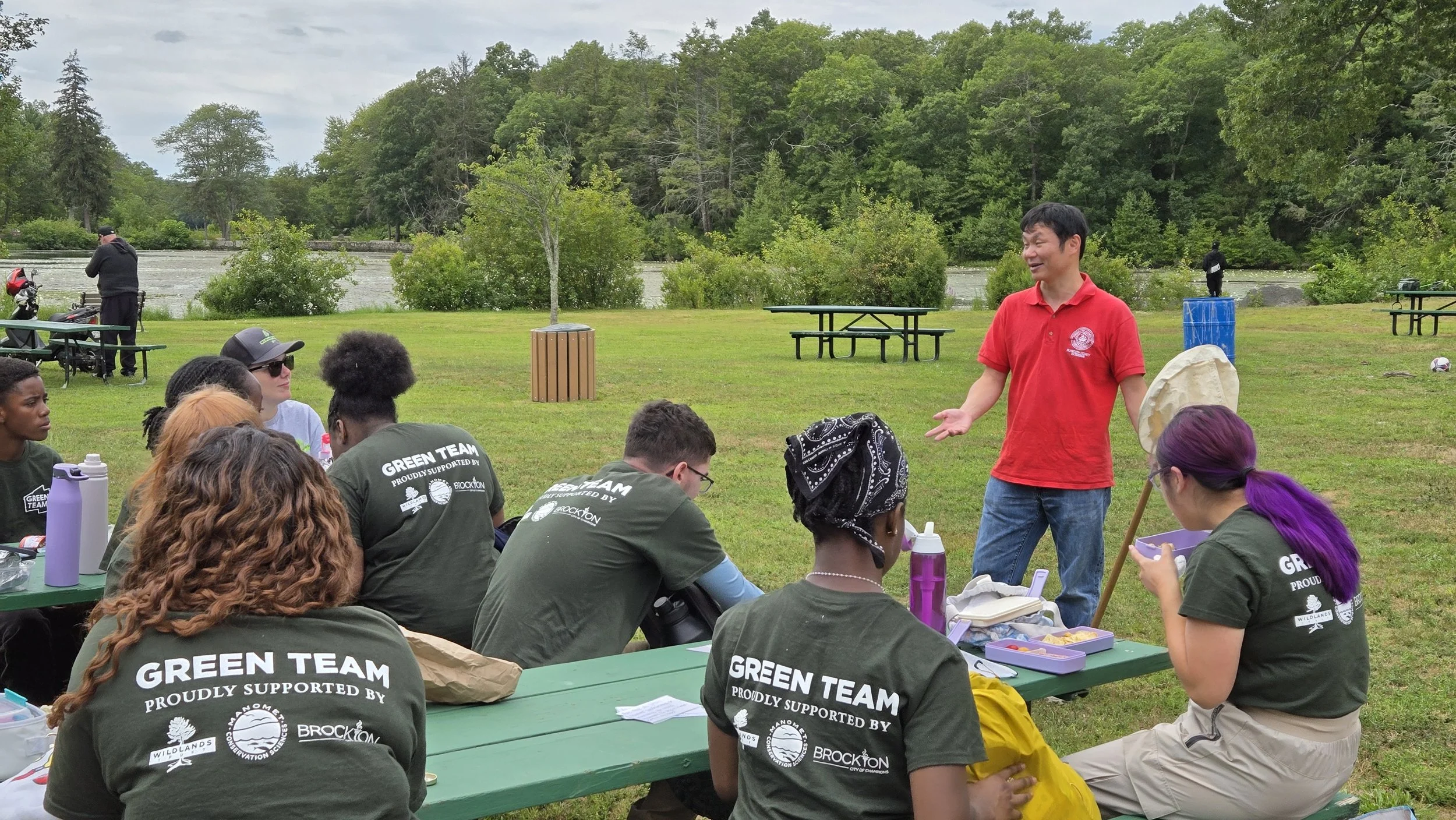
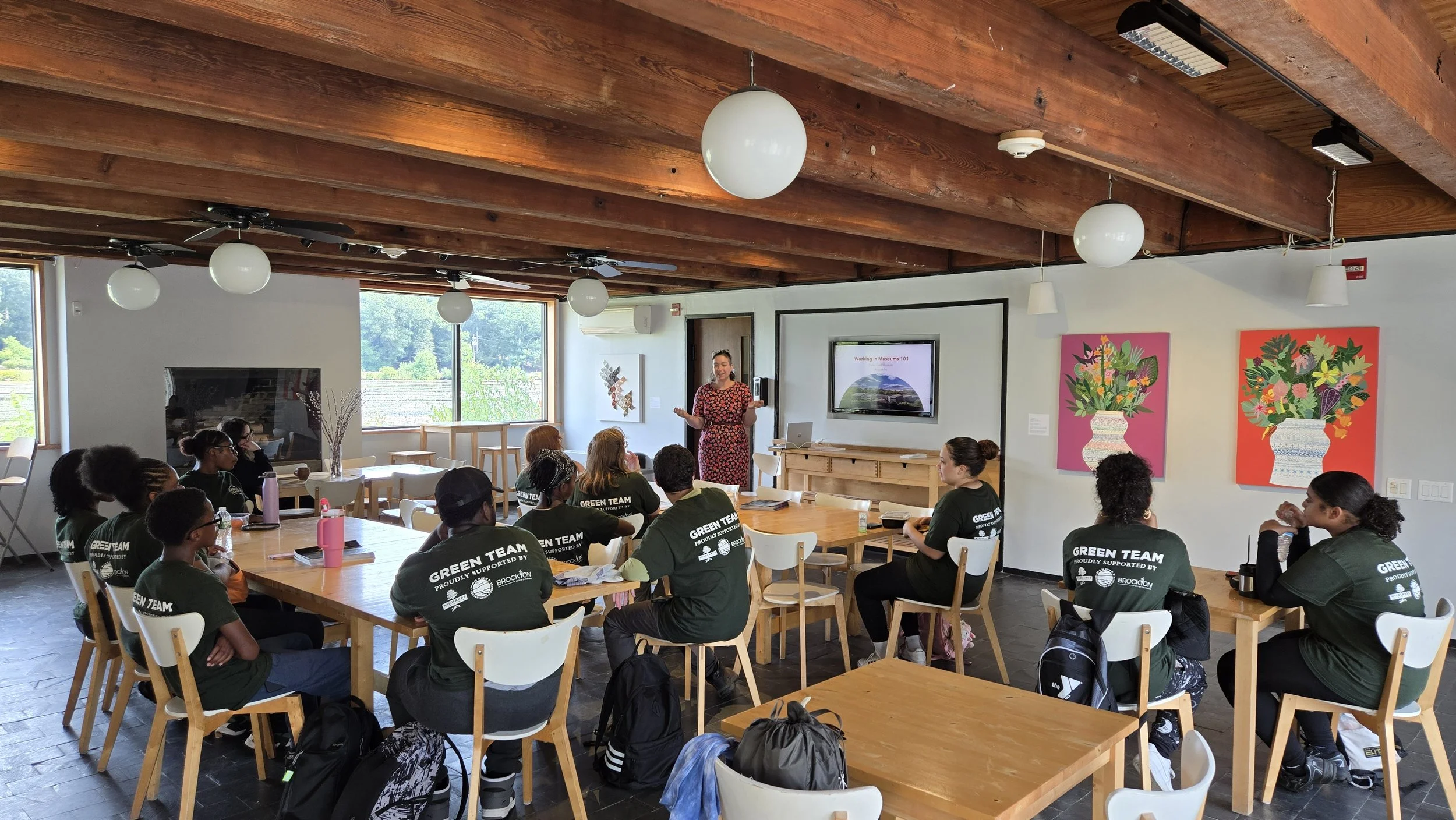
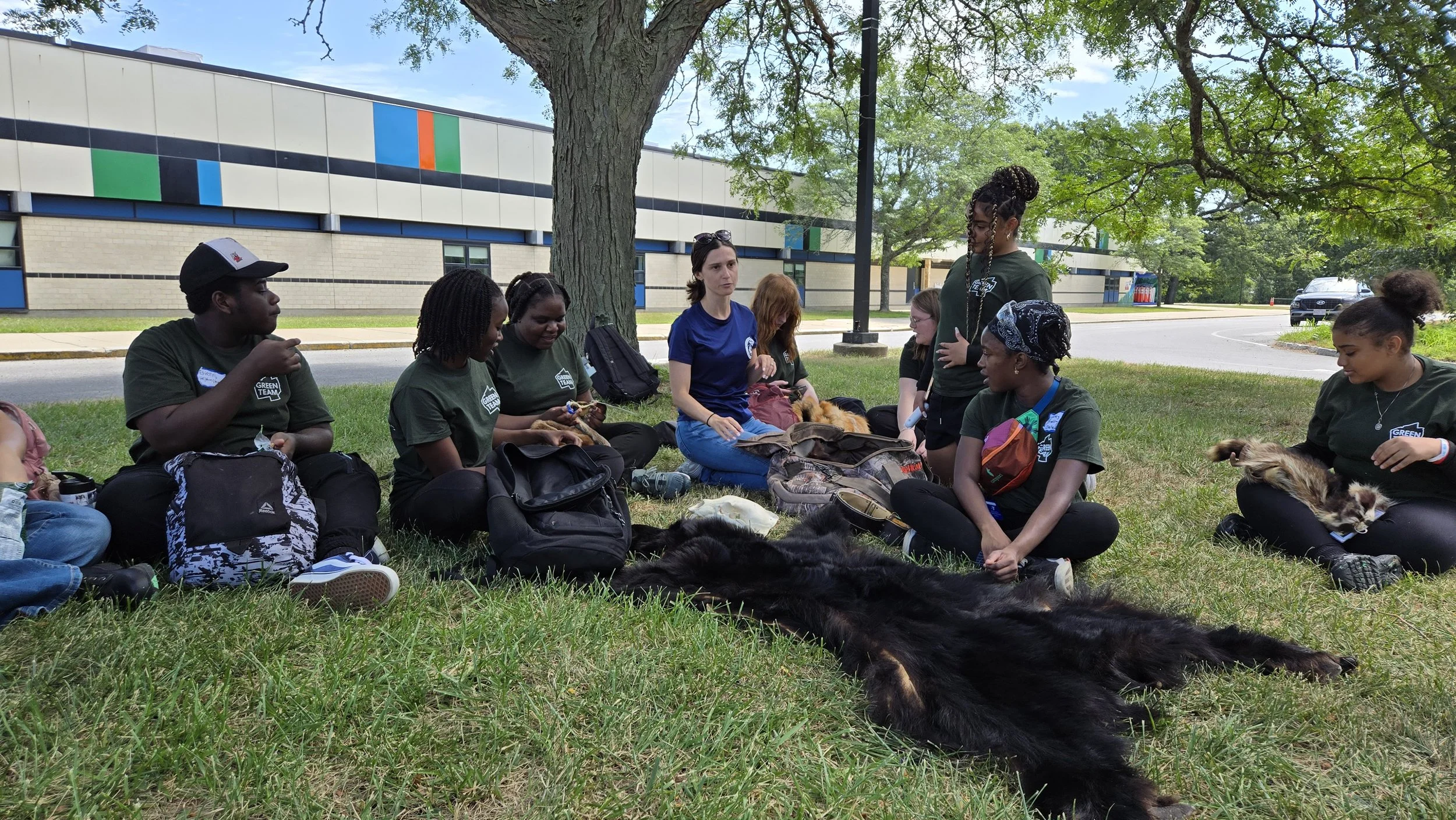
Green Team crewmembers acquire skills in environmental management while learning about the city’s natural resources. Daily discussions with local professionals expose them to diverse career opportunities. Participants earn a stipend of $70 per day.
This year’s program garnered greater interest than last year, with 42 students applying. We were able to accommodate more crewmembers this year by offering two sessions of Green Team, one in July and the other in August. In total, 23 teens participated.

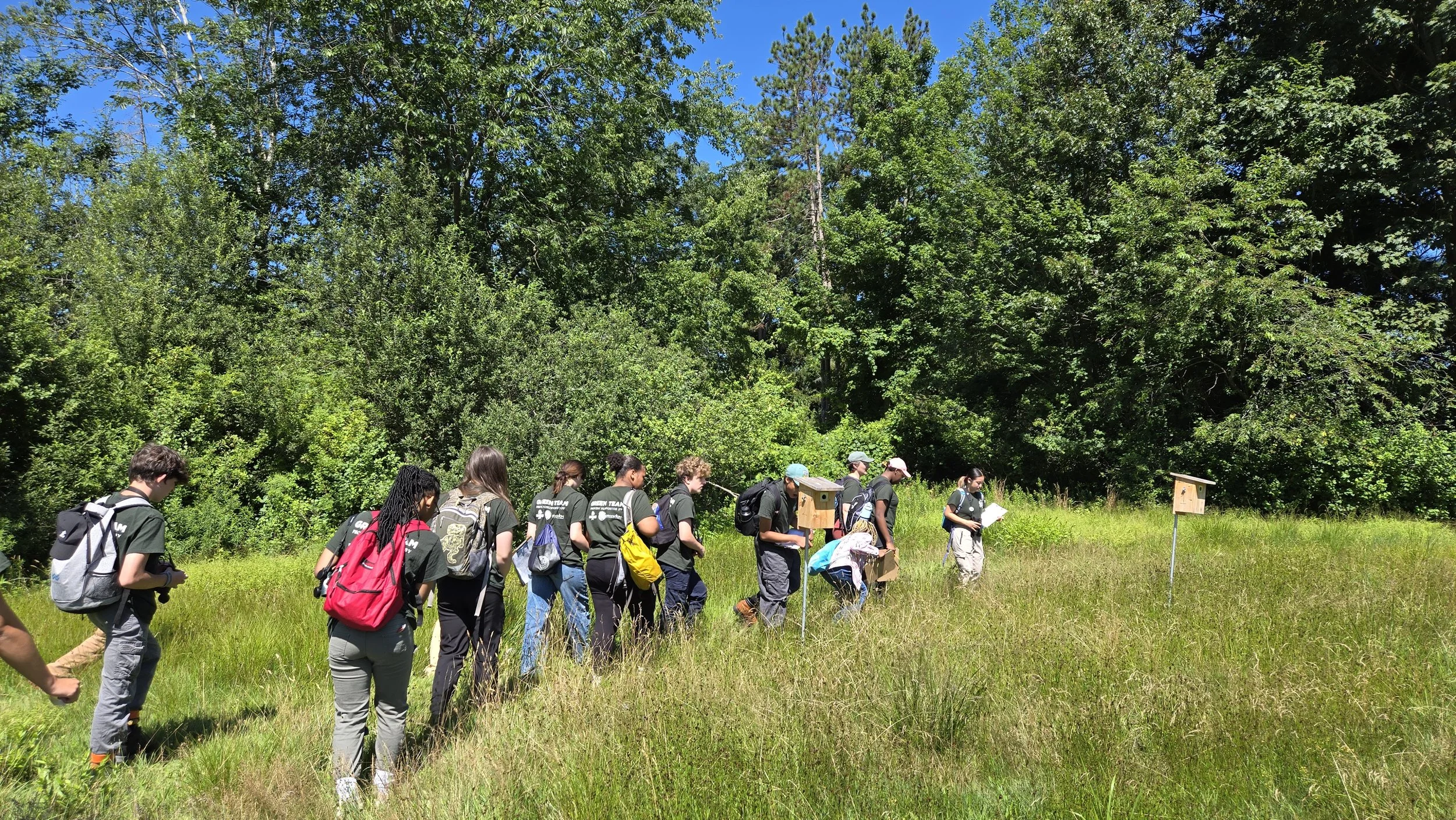
Green Team monitors birdboxes at D.W. Field Park in Brockton.
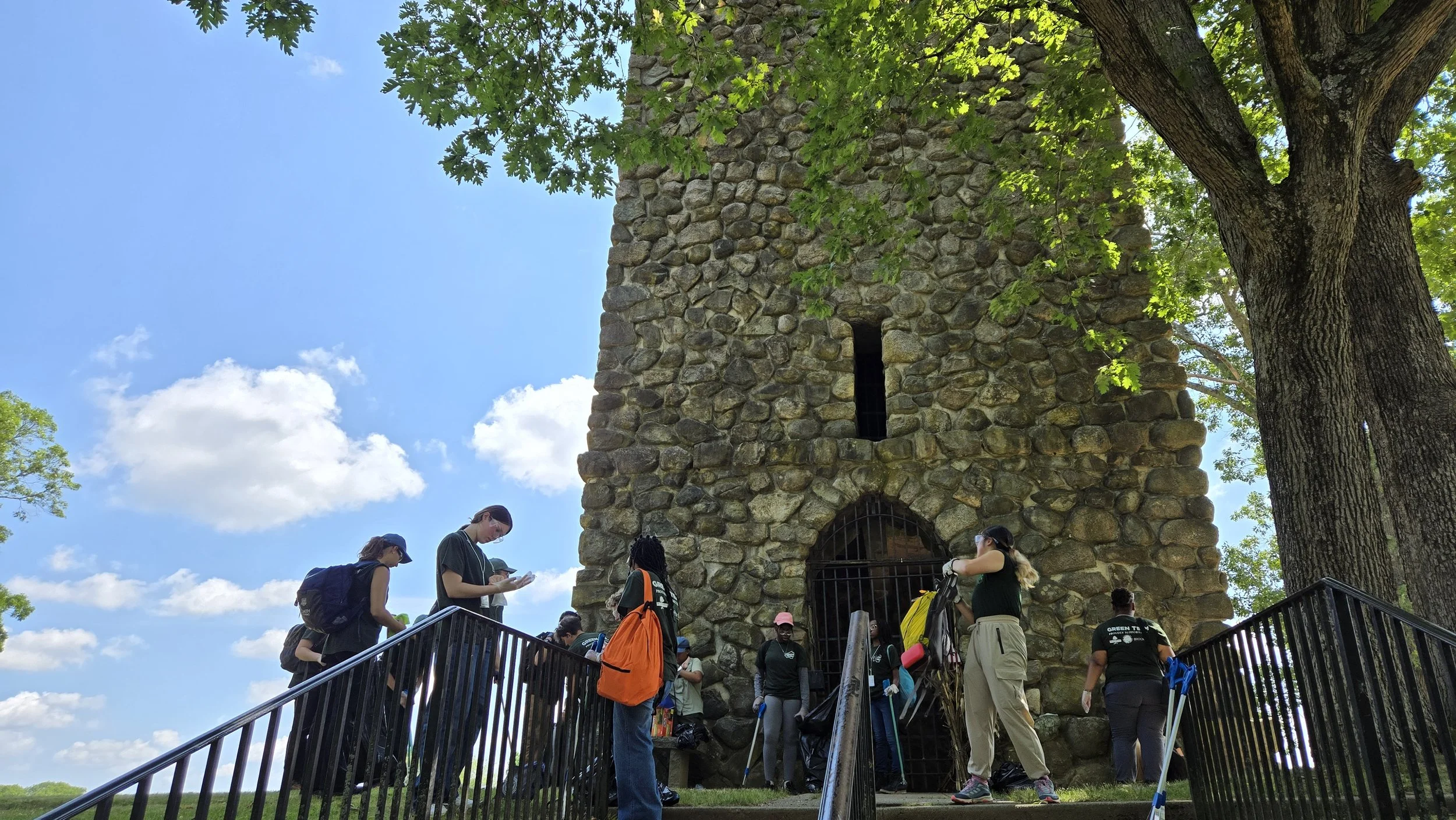
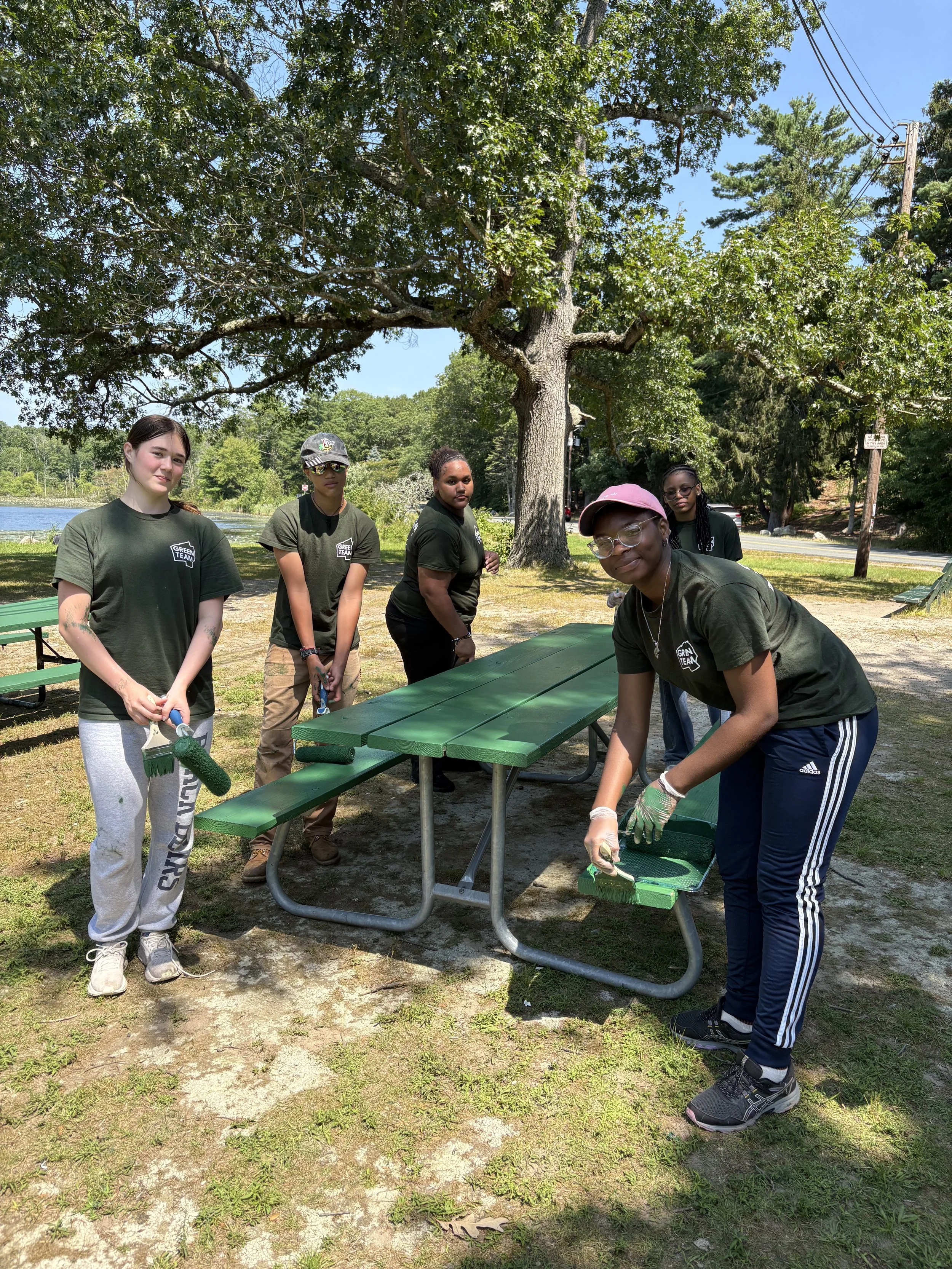
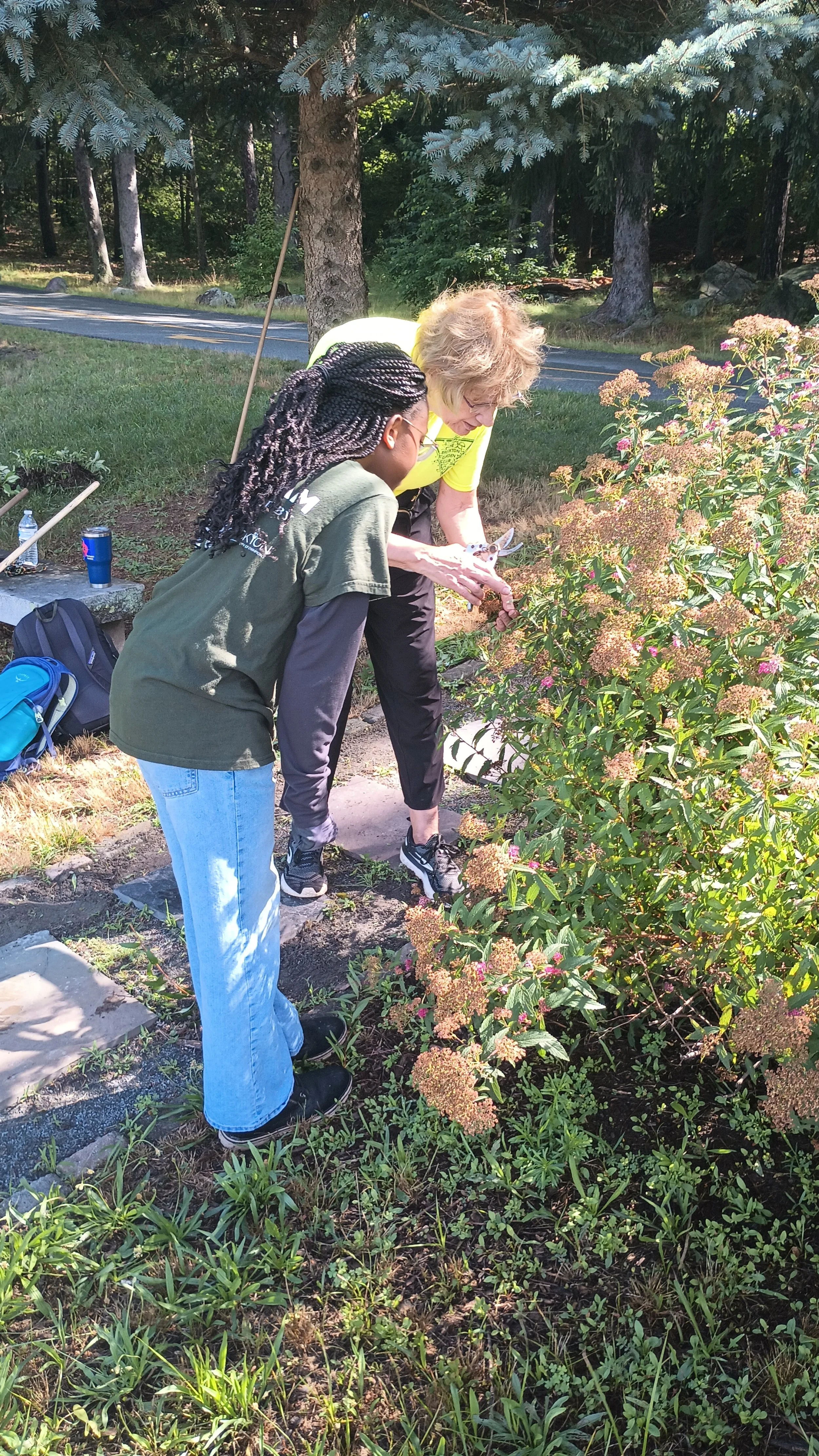
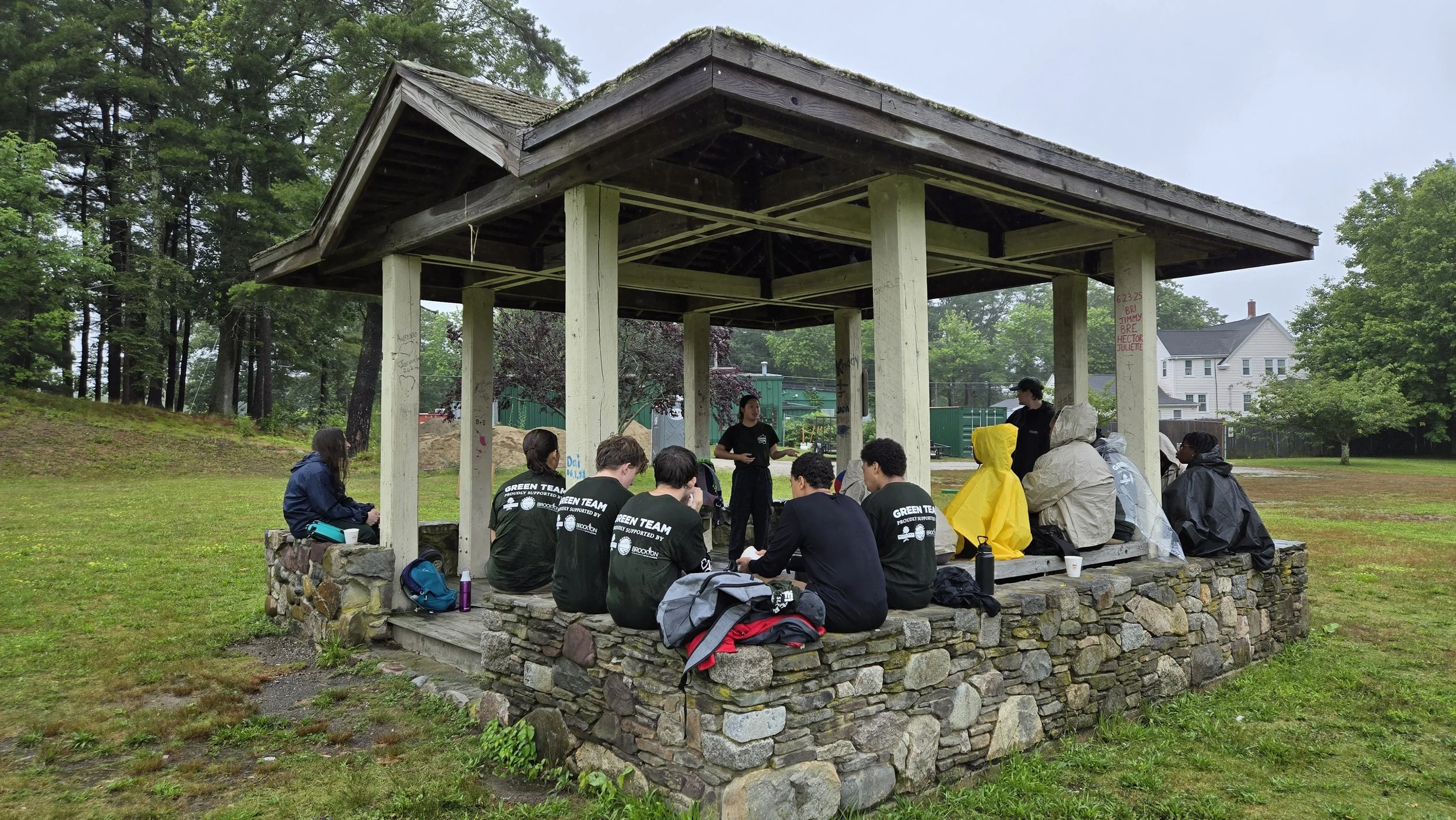
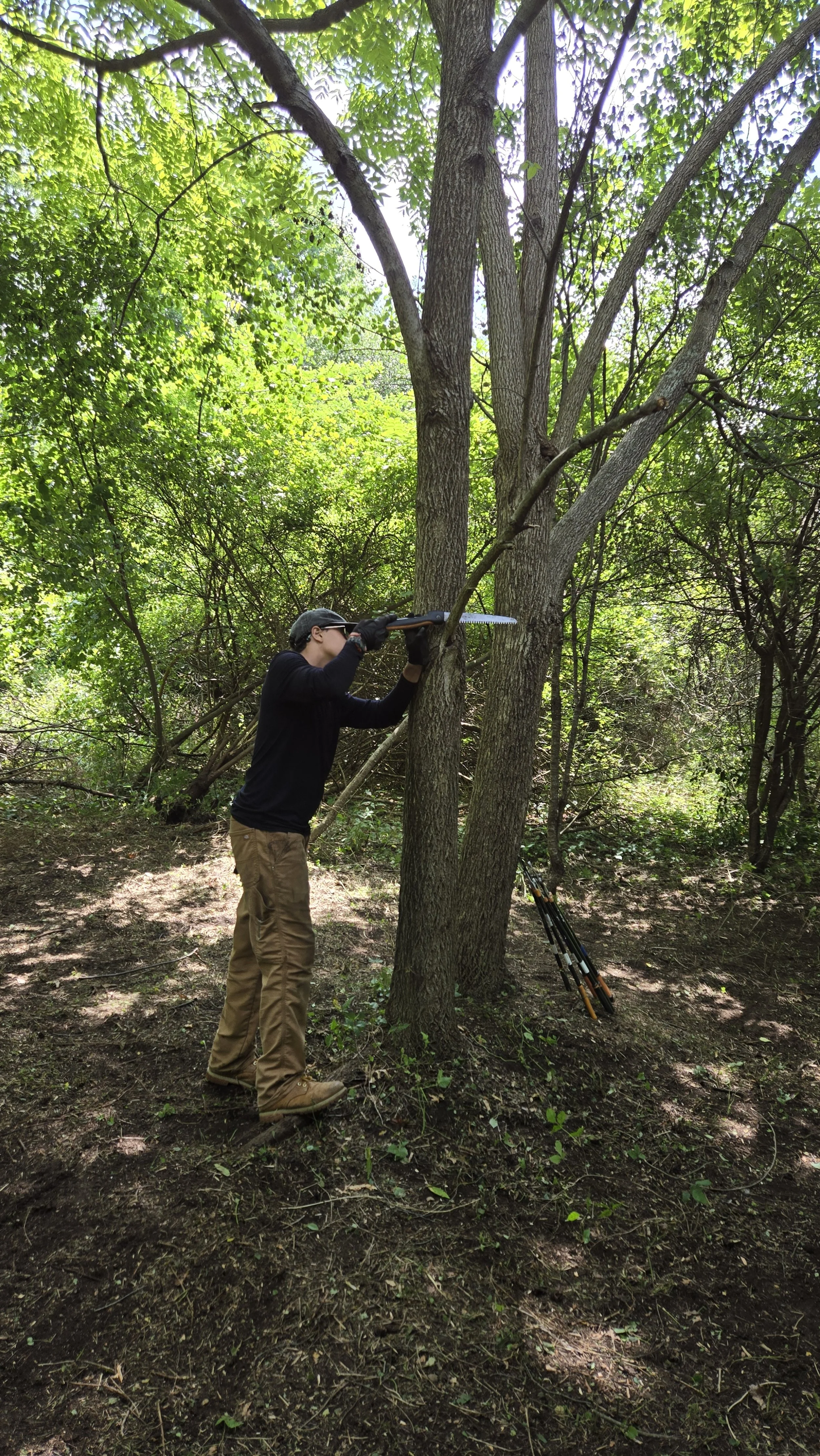
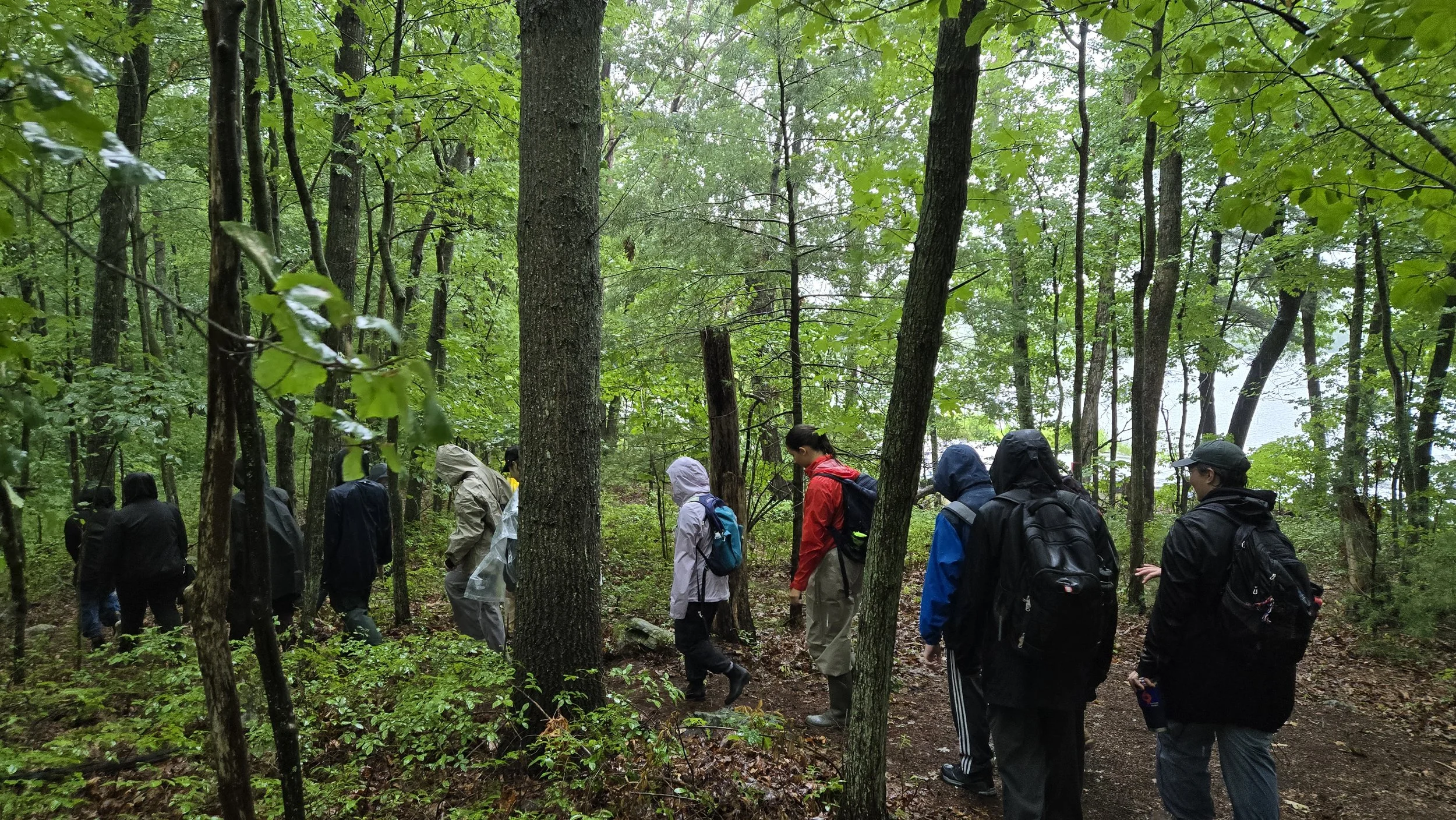
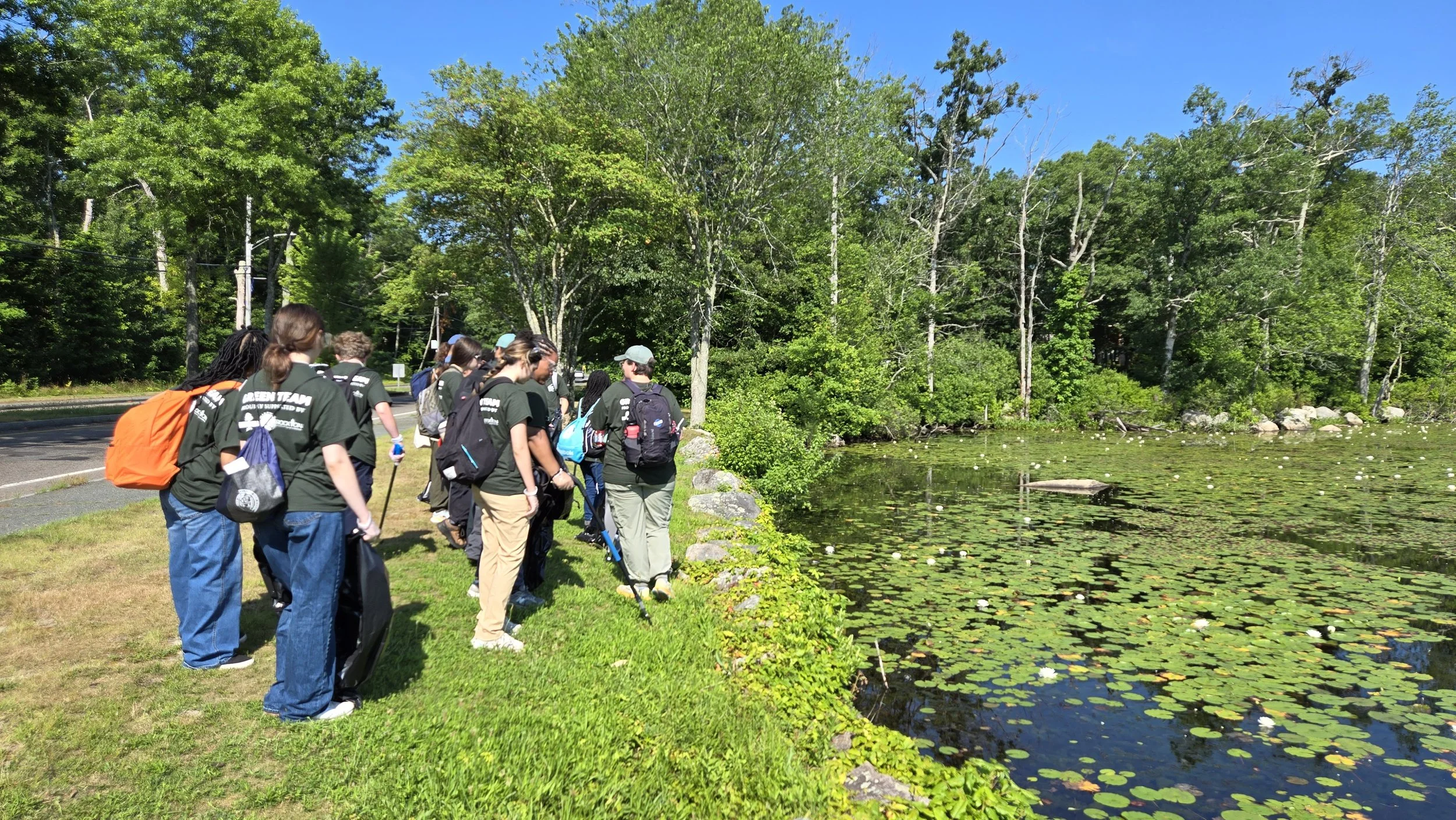
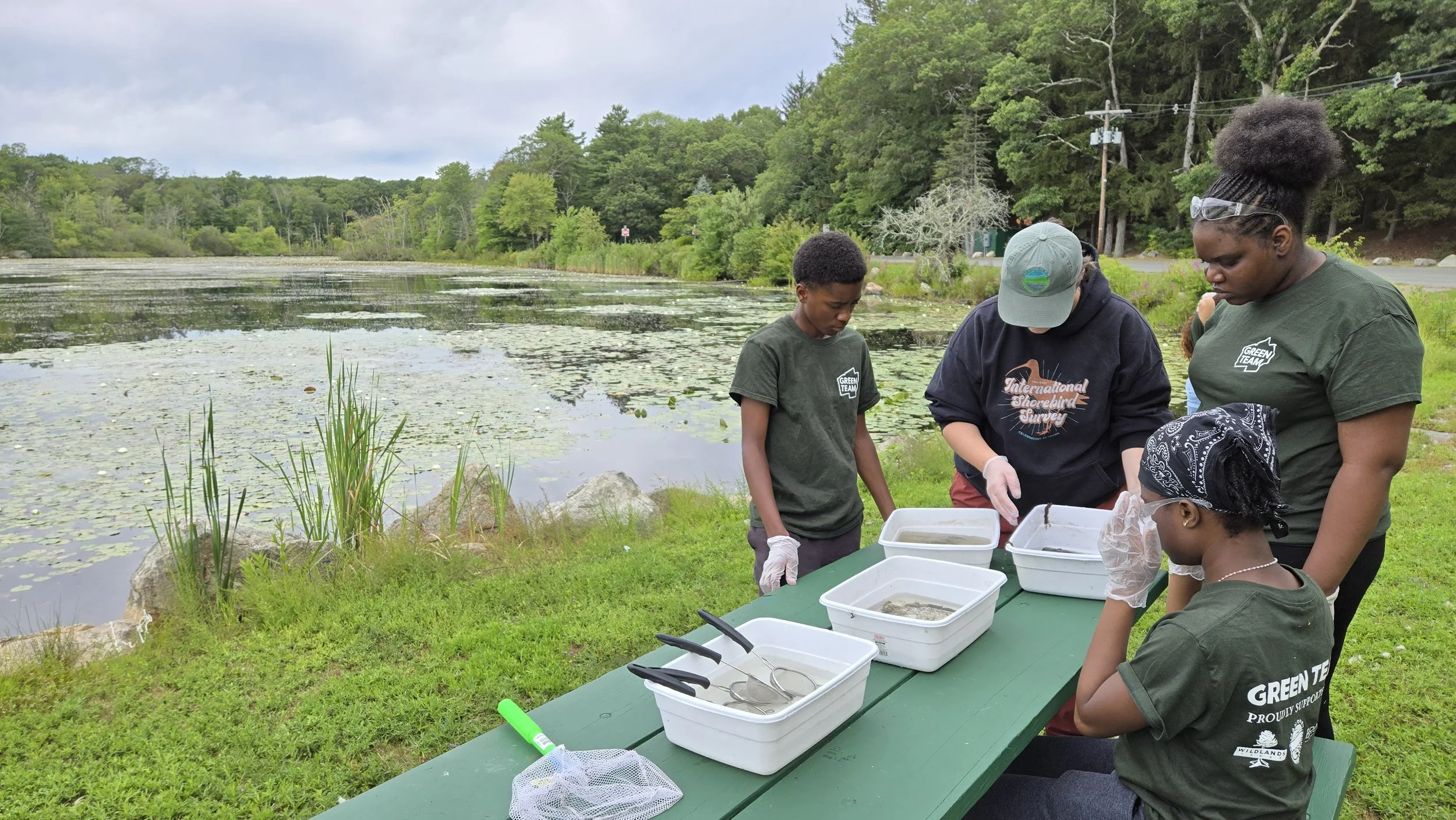
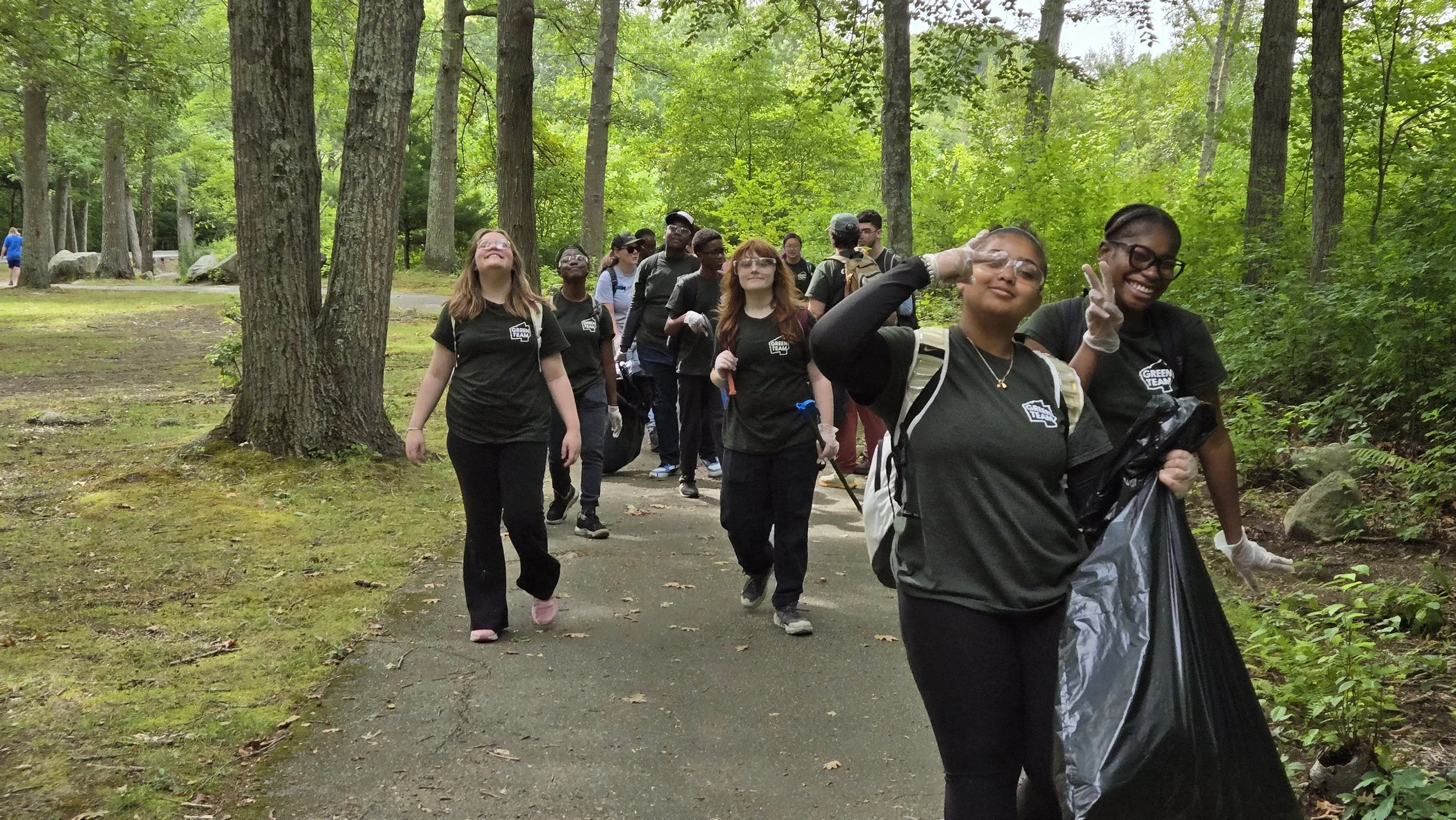
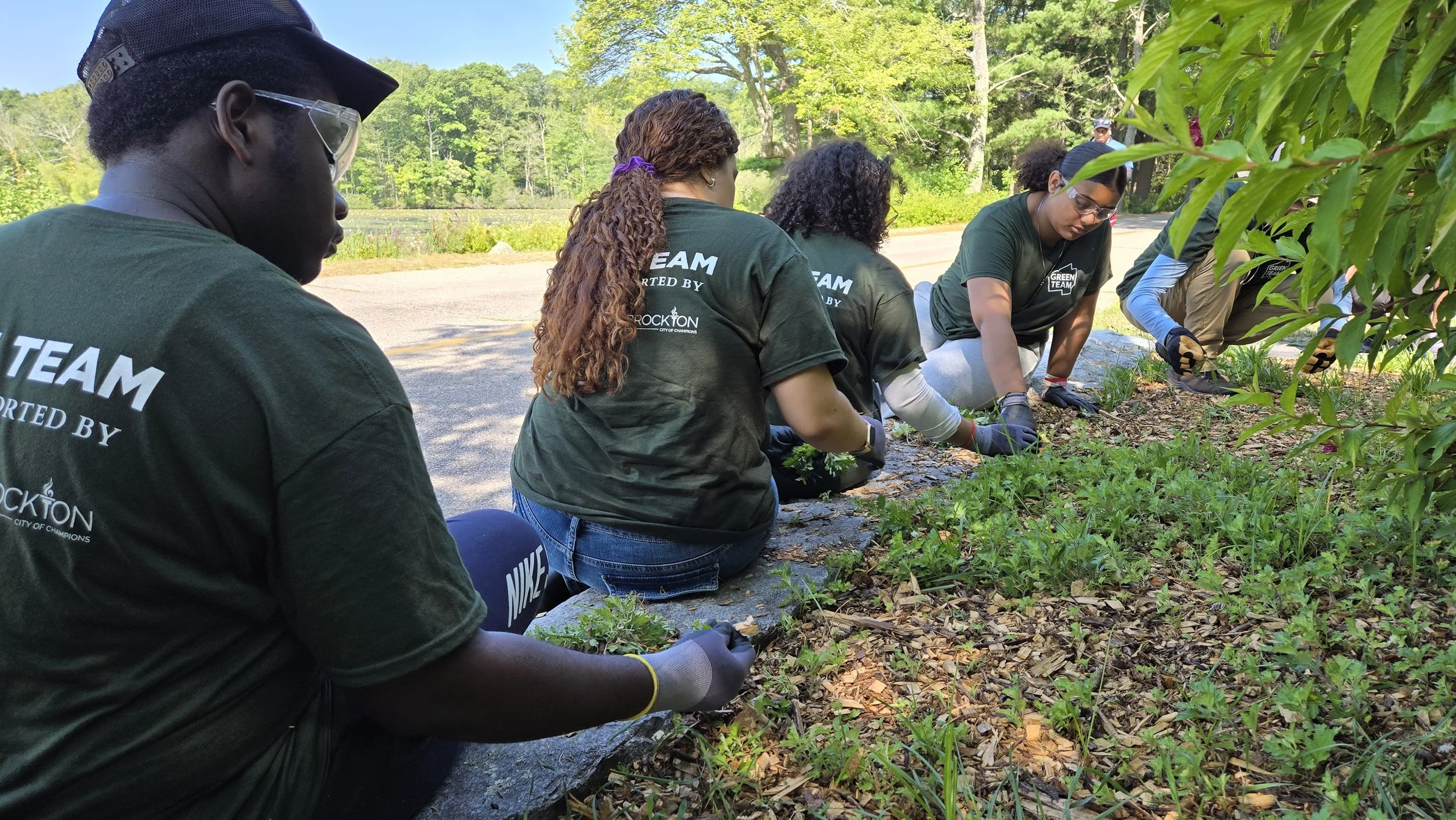
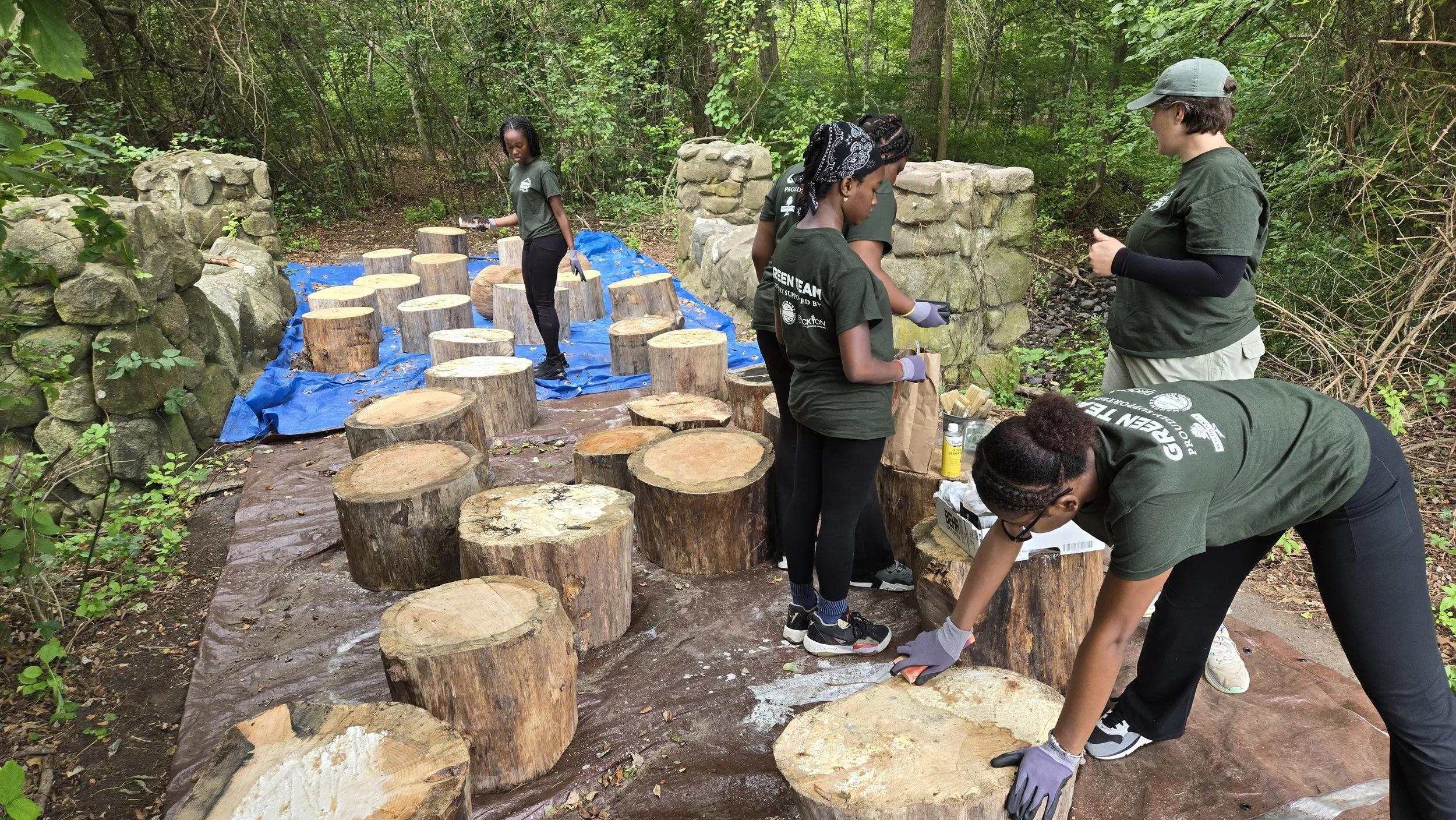
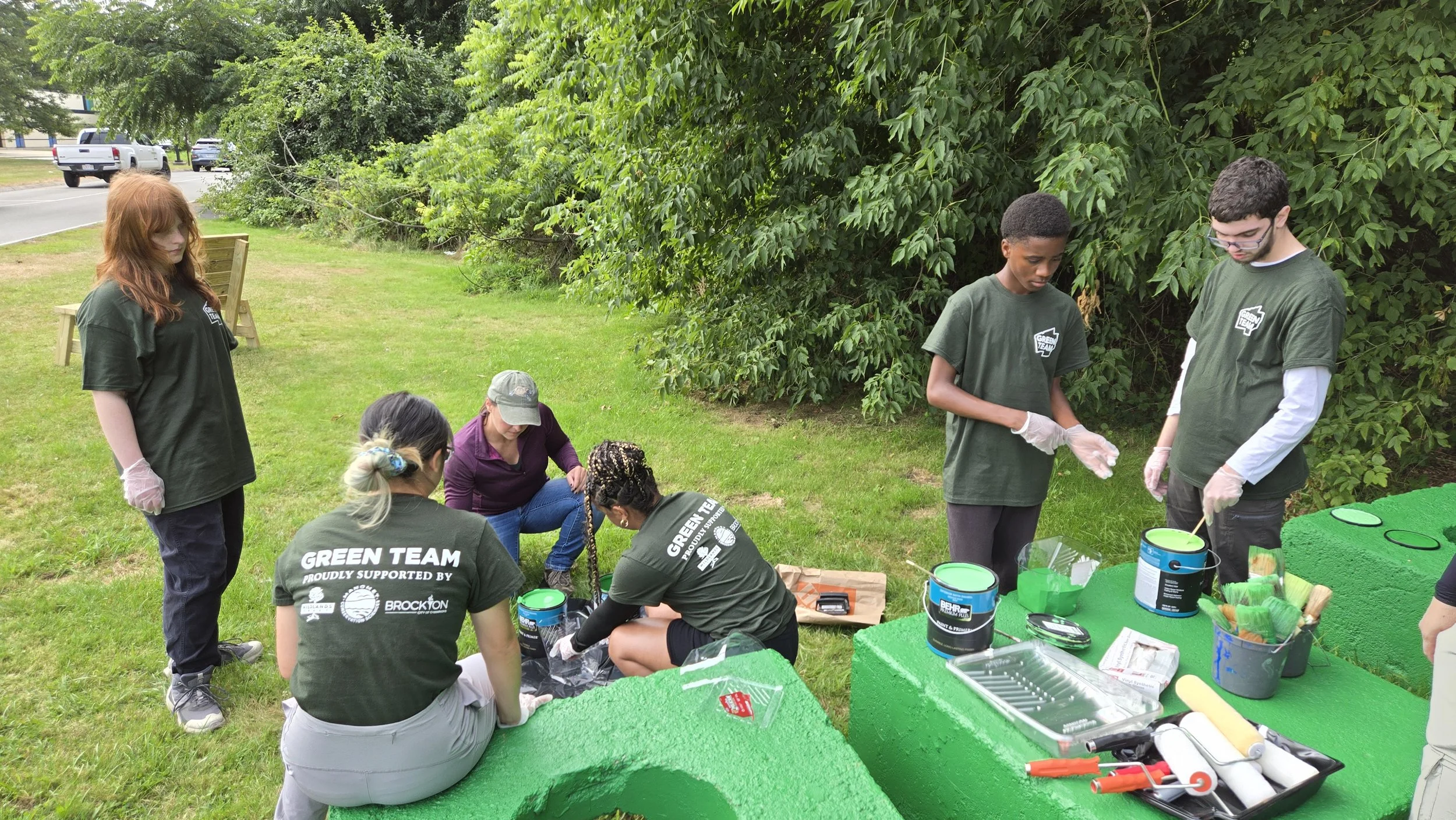
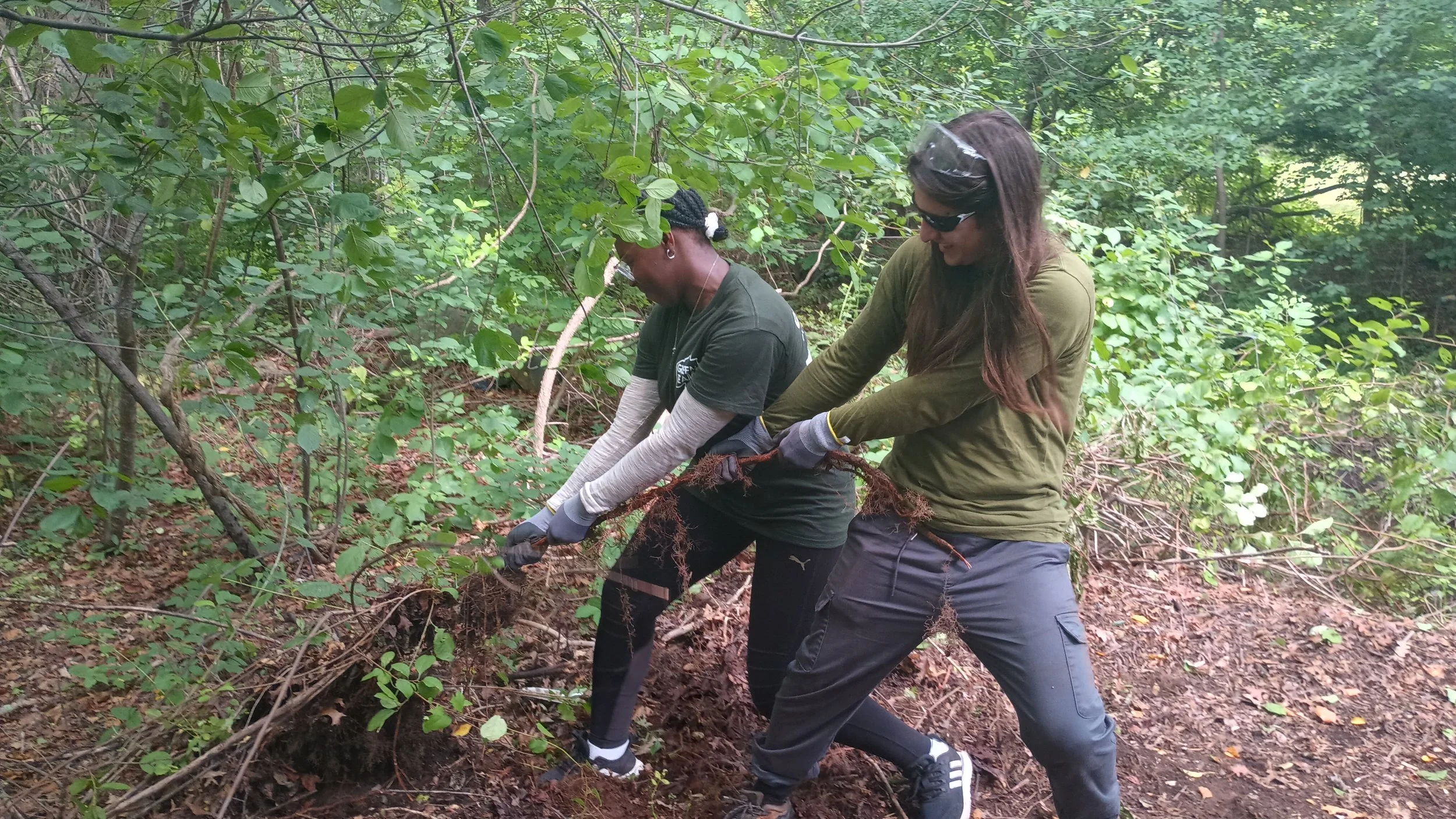
Crewmembers were hands-on every day, rain or shine. In addition to managing waste, painting picnic tables, collecting environmental data, and gardening at D.W. Field Park, the crew completed trail work at the new Fieldstone Preserve, helped build an outdoor classroom at Raymond Elementary School, and maintained the grounds at the Fuller Craft Museum.
We asked our teams what their favorite projects were and what they were most proud of accomplishing. There were a few themes:
Immediate gratification projects
Enhancing their outdoor skills through workdays and the campout
Team-building and making new friends

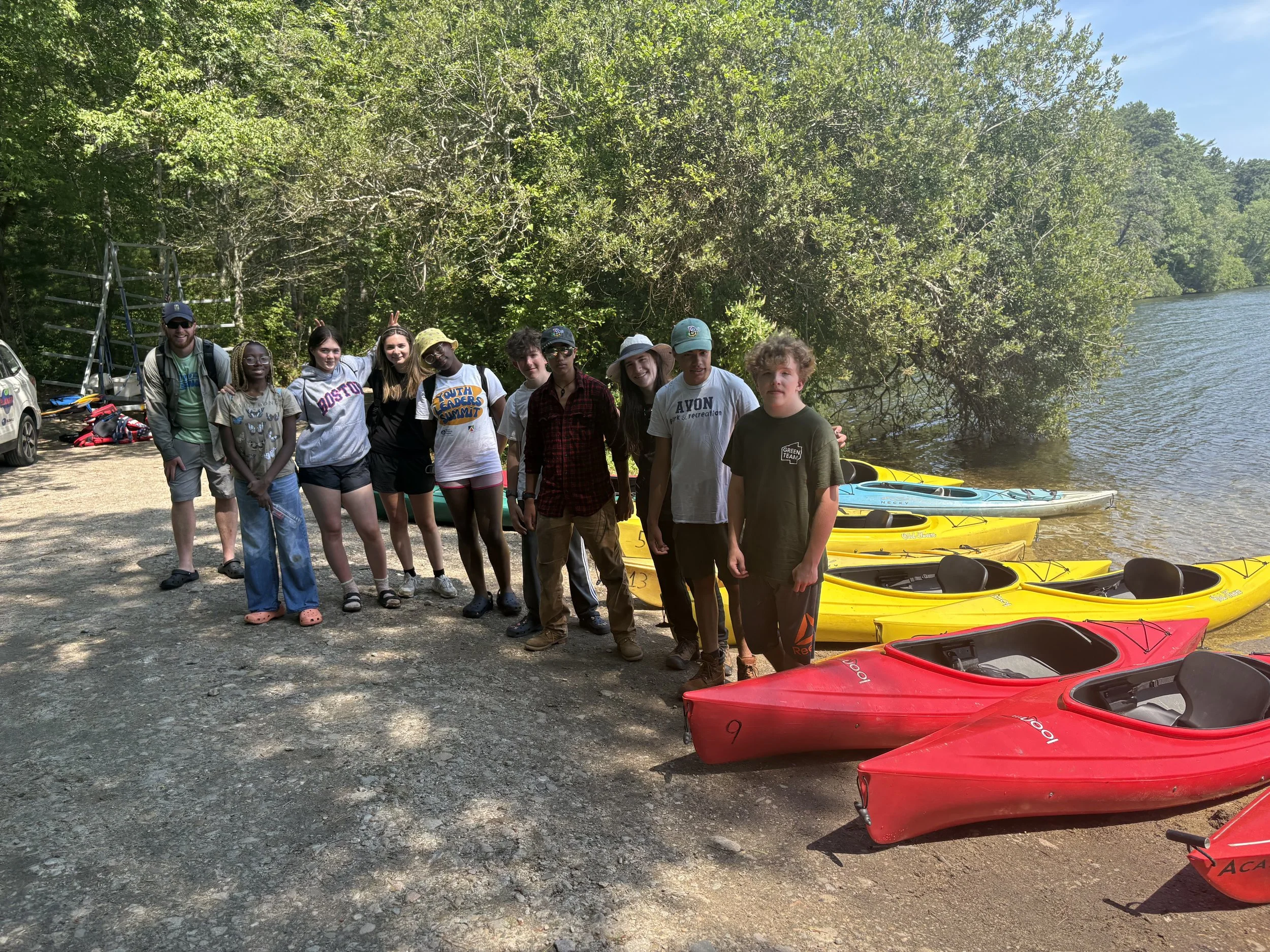
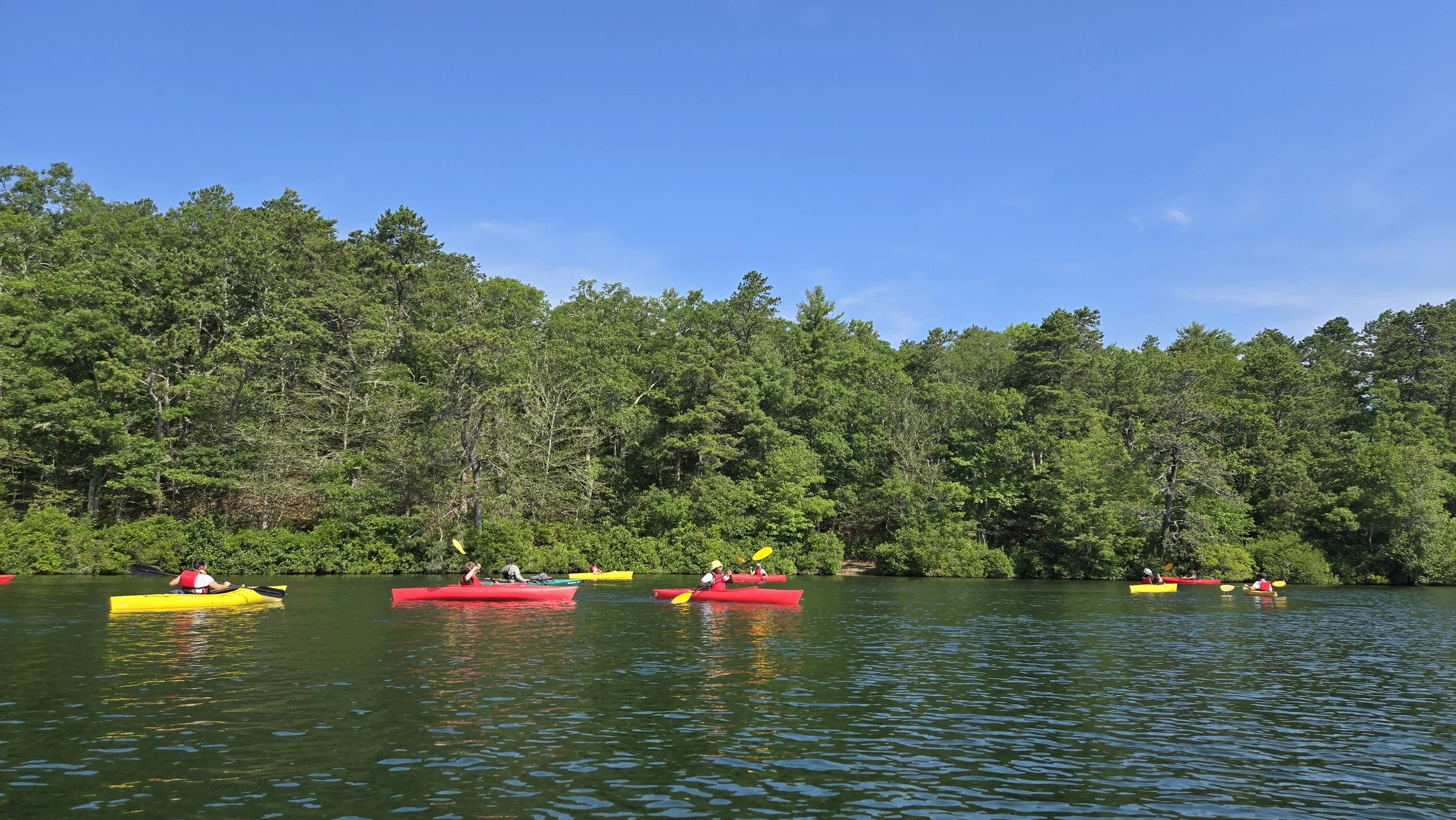
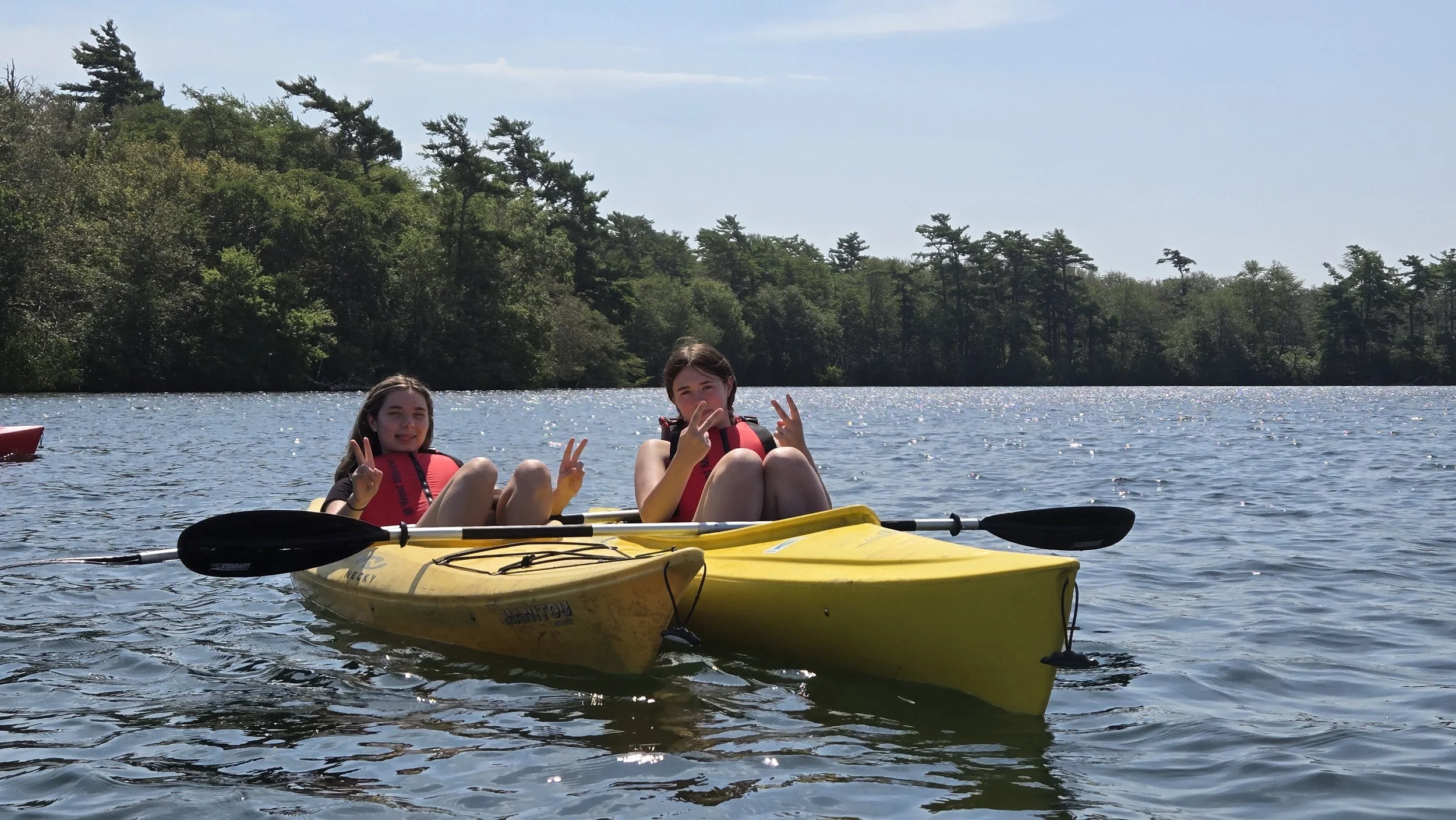
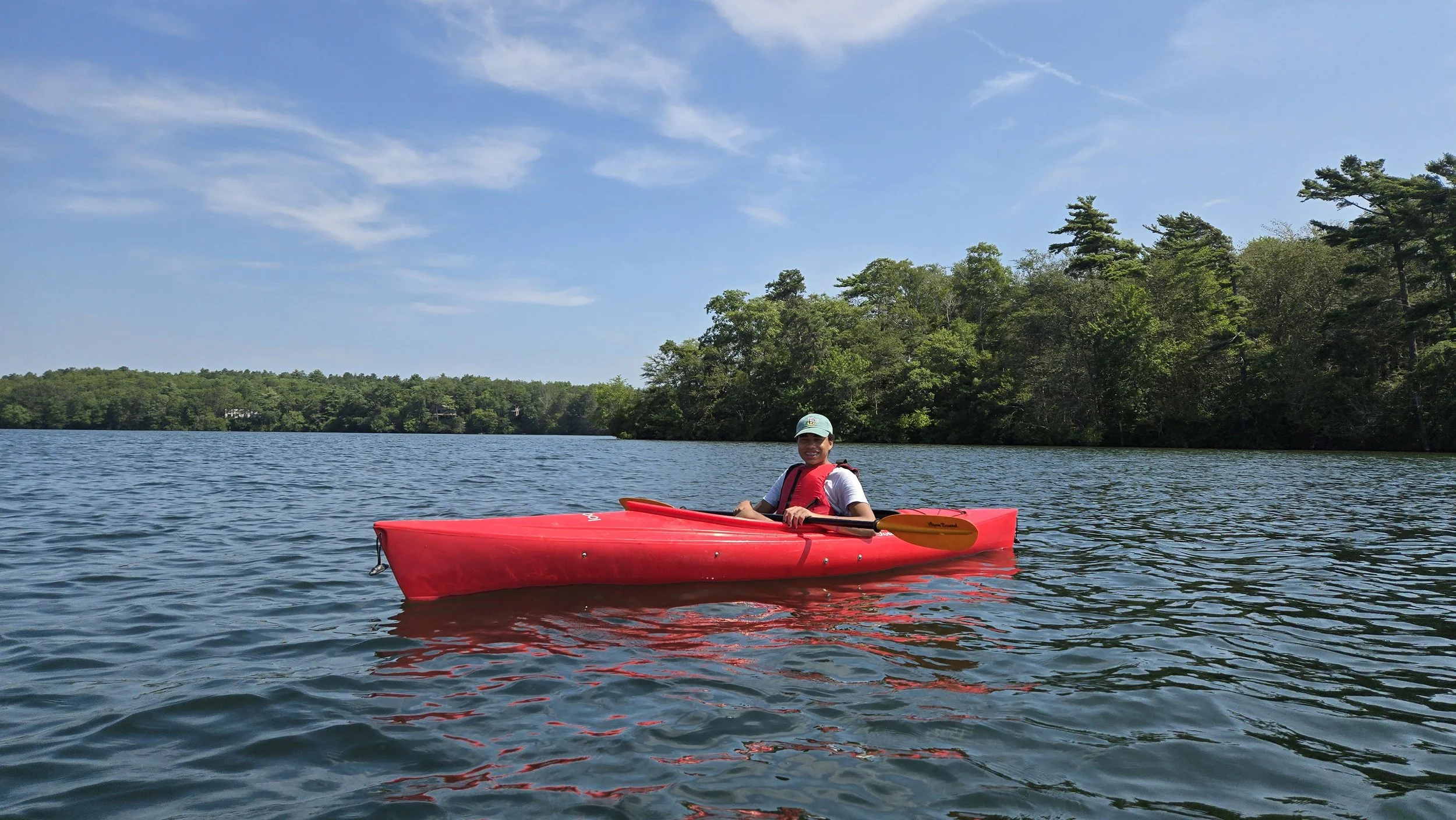
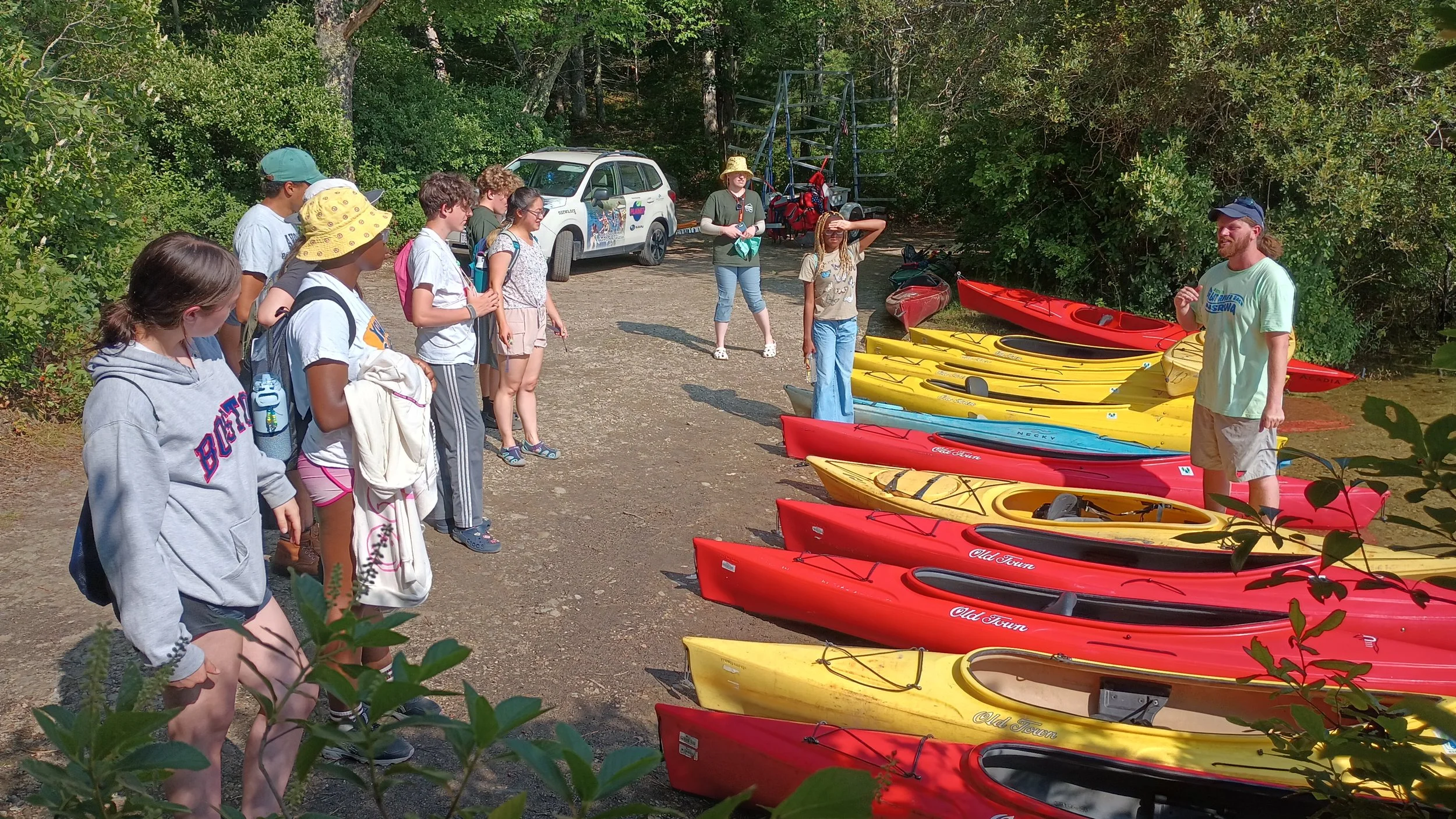
Green Team kayaks on Halfway Pond with the North and South Rivers Watershed Association.
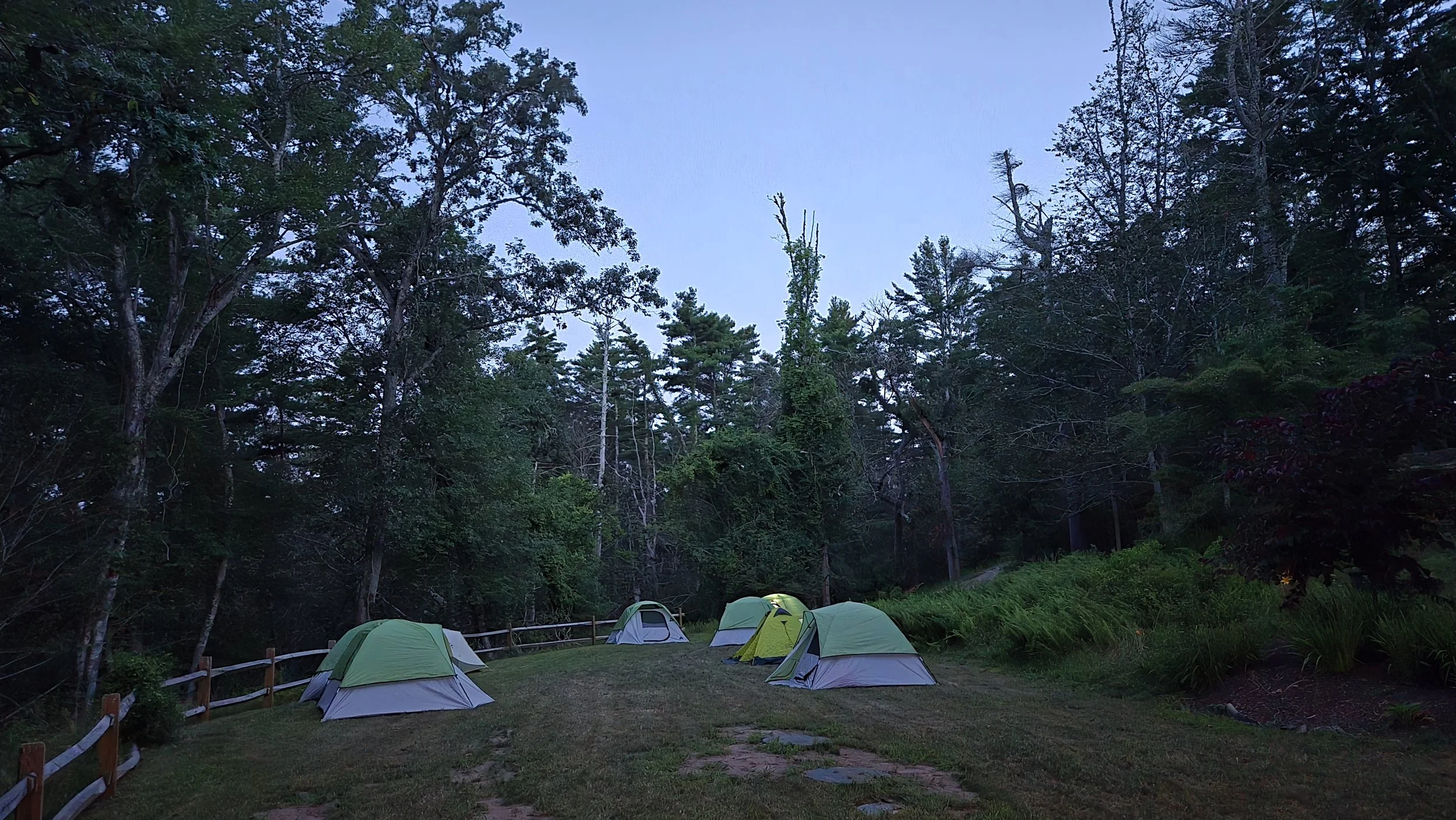
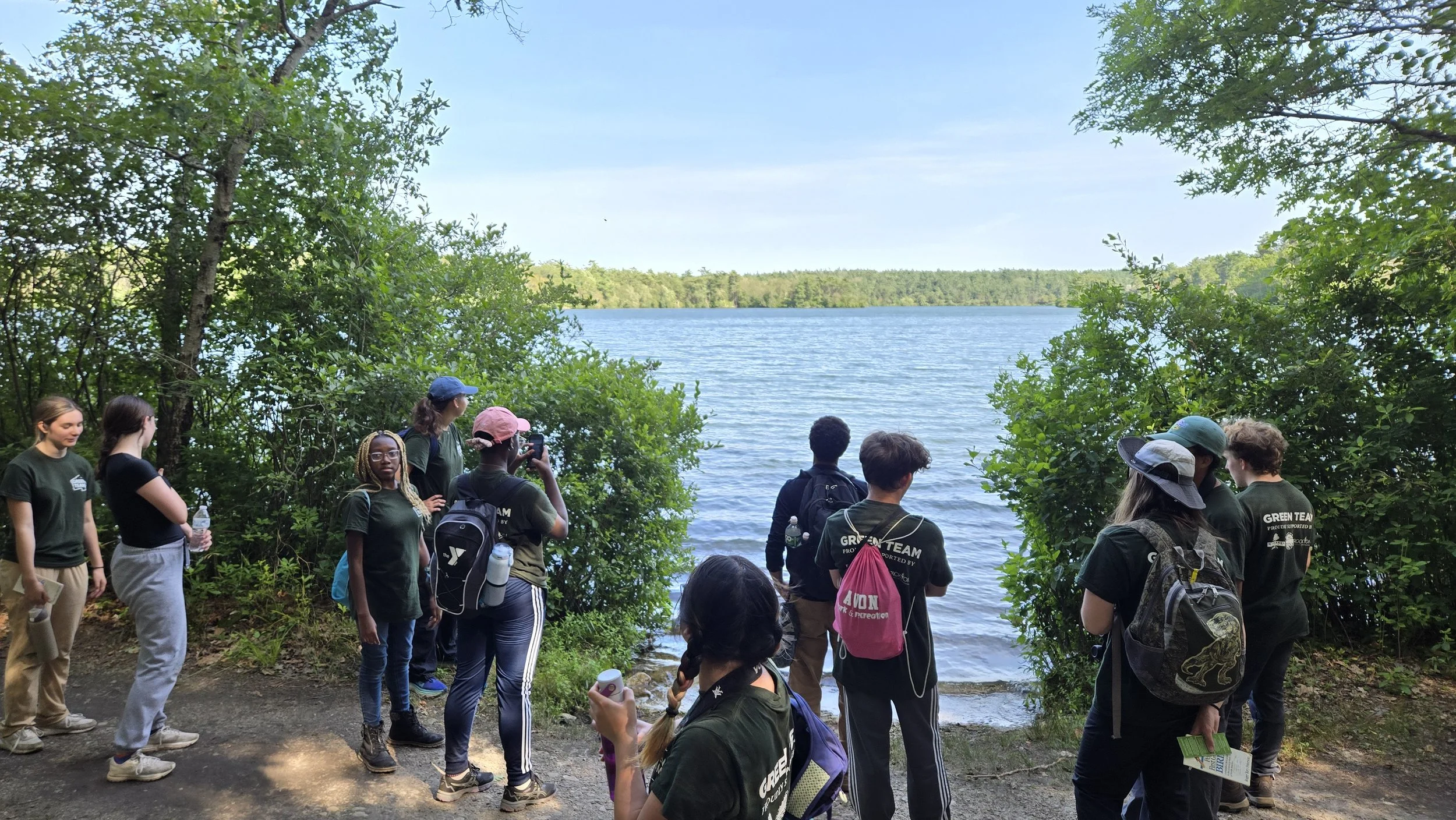
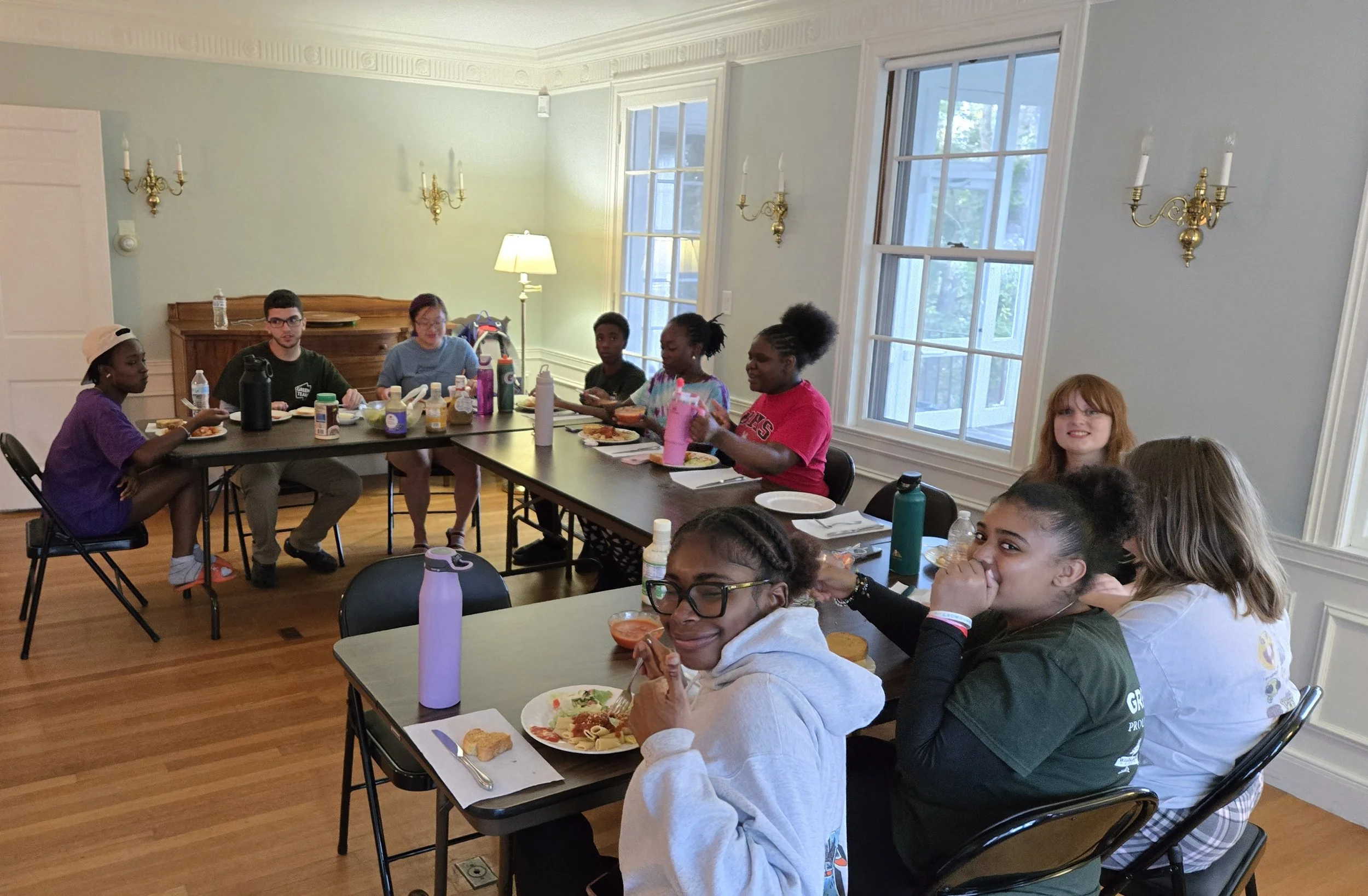
Each Green Team session culminated with an optional overnight campout at Wildlands’ Stewardship Training Center in Plymouth. Attendees explored the area, cooked meals, and camped in tents. Nighttime hikes and bat echolocation games introducing the concept of dark adaptation were a (low-light) highlight. The July crew spent a morning kayaking on Halfway Pond with the North and South Rivers Watershed Association. The August crew enjoyed an exclusive tour of the Trevor Lloyd-Evans Banding Lab at Manomet Conservation Sciences. Wildlands and Manomet co-hosted these campouts for the second year in a row, enriching Brockton youth’s outdoor experiences through Green Team.
According to a post-program survey, 100 percent of crewmembers felt that Green Team will have a positive impact on their future. The top benefits they reported included learning about new jobs, finding better pathways into the environmental field, getting outside more, and making new friends.

Green Team smiles after weed removal at D.W. Field Park in Brockton.
When asked how Green Team might have an impact on their future, crewmembers said…
“I think it has impacted my future because I am considering doing more field science and working with people instead of lab science.”
“It will inspire me to be more conscious with my environment.”
“It helped me feel more comfortable working in nature.”
“I always knew I wanted an environmental career, and this experience solidified my opinion on the topic.”
“Now I think it's easy to make friends.”
Click through the photo gallery below for more sights from Green Team 2025.
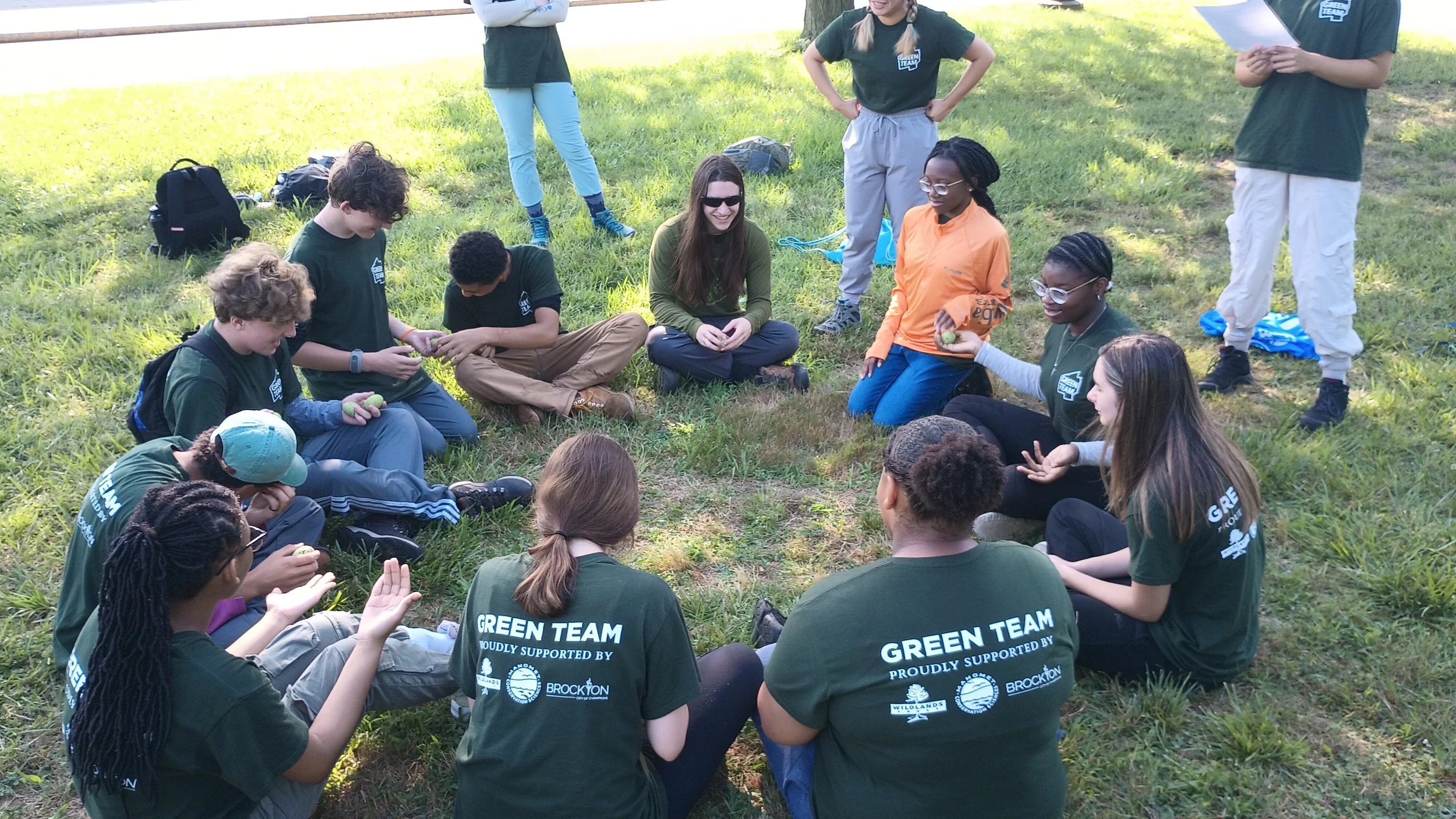
A special thanks to Tim Carpenter, the City of Brockton’s Superintendent of Parks, as well as the following organizations and individuals who volunteered their time to engage with Green Team this year:
Brockton Garden Club
Blake Dinius, Entomologist, Plymouth County Extension
Brian Taylor, North and South Rivers Watershed Association
Clark Delisle, Environmental Police Officer
Cam Connelly, Environmental Police Officer
Fuller Craft Museum, Brockton
Sean Kent, Arts & Nature Education Manager, Mass Audubon
Sarah Howdy, Education Coordinator, Mass Audubon
Mass Climate Corps, Mass Audubon
Meghan Crawford, Community Engagement Biologist, Mass Wildlife
Molly Jacobs, VP for Environmental Ed. and Outreach, Manomet
Trevor-Lloyd Evans Banding Lab, Manomet
Julia Beyer, Intern, Manomet
Camille Beckwith, Intern, Manomet
If you or a young person you know is interested in Green Team 2026, sign up for Wildlands E-News and the D.W. Field Park email list! If you are interested in sponsoring the 2026 team, please contact Amy Burt, Programming Coordinator, at aburt@wildlandstrust.org.
Welcome, Jason Risberg! (+ More Staff Updates)
Wildlands is ecstatic to welcome Jason Risberg to our team! As GIS Manager, Jason will help us protect, monitor, and promote our conservation lands through mapping and spatial analysis. Get to know Jason in the bio below.
Wildlands has also bid farewell to beloved staff members Sue Chamberlain and Zoë Smiarowski. Read on for reflections on Sue and Zoë’s diverse impacts and shared dedication to our mission.
Jason Risberg, GIS Manager

Jason Risberg
Wildlands Trust may seem like an unlikely destination for a 20-year Coast Guard veteran. But by following his fascination with maps, Jason Risberg has charted a surprisingly direct path between the two. As Wildlands’ GIS Manager, Jason leverages the power of geographic information systems to enhance all aspects of our work.
Born and raised in Minnesota, Jason fell in love with nature through family camping trips across the country. In his early 20s, Jason joined the Coast Guard, where he assisted with search and rescue, law enforcement, and port security. While stationed in Boston, he worked on an Aids to Navigation team, helping maintain buoys and lighthouses on the Massachusetts coast. Planning his next move after two decades of service, Jason discovered GIS. Trading nautical charts for trail maps, he found, is less of a leap than one might expect.
Jason explains GIS as a blend of cartography and data science. "If it’s something on the face of the Earth, GIS can be used to help explain it,” he said.
As such, Jason envisions a role for GIS in every aspect of Wildlands’ mission. Applications include maps and infographics to draw new audiences to our trails, spatial analyses to prioritize lands for protection, and invasive plant inventories to inform stewardship strategies.
Jason started taking GIS classes in the Coast Guard before enrolling at Salem State University. He completed his bachelor’s degree in cartography and GIS in 2023 and is set to complete his master’s degree this summer. Before Wildlands, Jason completed a GIS internship with Essex County Greenbelt.
“One of most important things we can do as society is to protect natural resources so generations to come will be able to enjoy these green spaces,” he said.
Jason is excited to move to Plymouth with his wife and explore new restaurants and natural areas with friends and family.
Sue Chamberlain, Donor Relations Manager
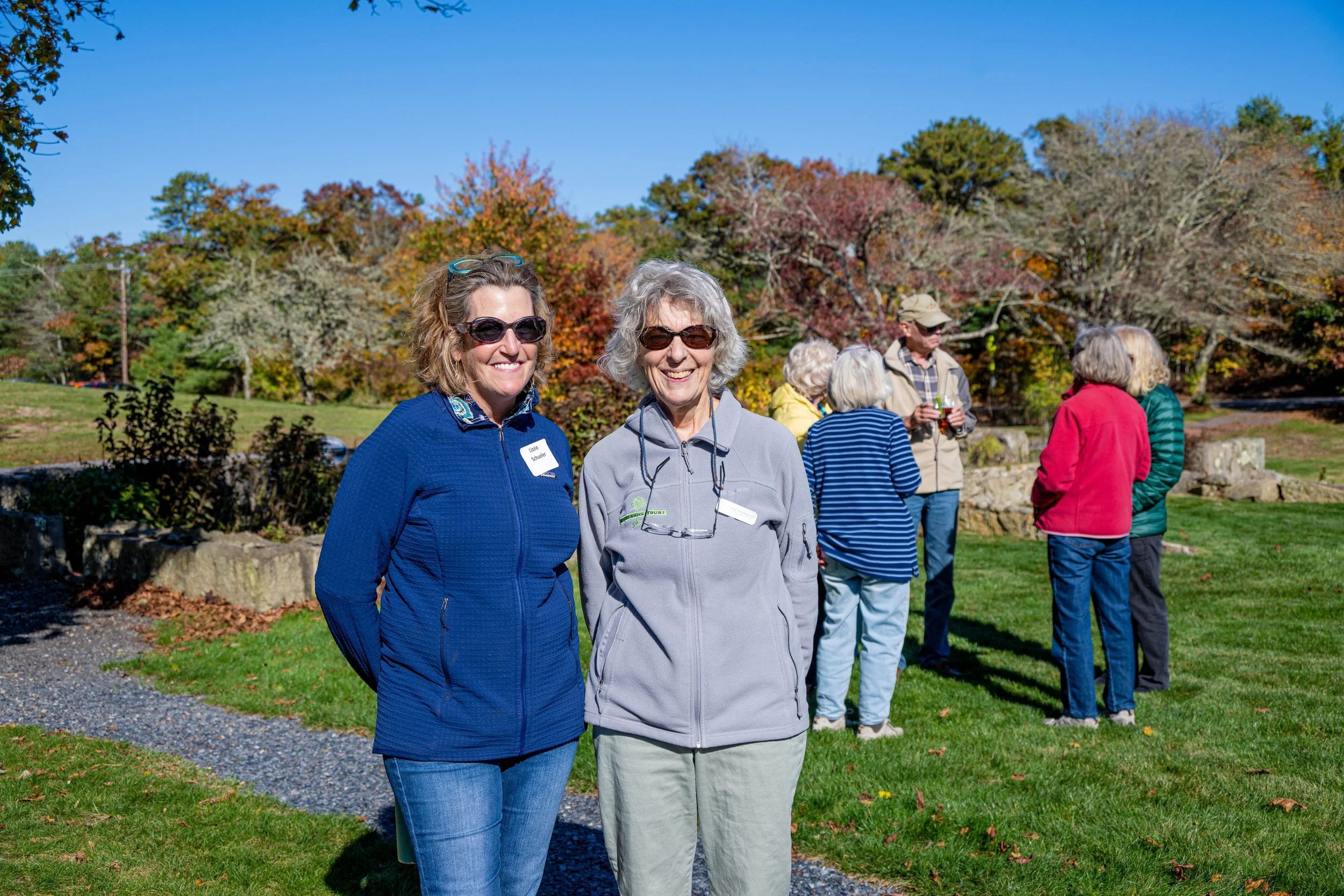
Sue Chamberlain (right) at a Leadership Council appreciation event in 2022. Photo by Ken Grille.
Sue Chamberlain served as Wildlands’ Donor Relations Manager for 12 years until her retirement in March. During her tenure, Sue forged and fostered relationships with generous individuals across the region, connecting our work with crucial support from the communities we serve.
“Sue is the consummate fundraising professional, and we were very fortunate to have her for the past 12 years,” said Wildlands President Karen Grey. “Sue ‘does’ fundraising; she doesn’t just talk about it. She is constantly meeting with people, drafting notes, or talking on the phone. She was beloved by the staff and donors alike and we will miss her. Sue’s many accomplishments include creating the Leadership Council for major donors (now almost 200 strong!) and establishing the Hathaway Legacy Partners for people making planned gifts to Wildlands Trust. Happy retirement, friend!”
"I have been so fortunate to work for such a good cause—saving land for future generations and helping ensure clean water, air, and beautiful vistas,” Sue said. “I have loved my time at Wildlands—seeing such growth of scope and range, getting to know wonderful donors and staff, and being part of the effort to preserve Southeastern Massachusetts. Many thanks to so many people who generously supported important land preservation and ambitious projects in places like Brockton. And, my thanks to an excellent staff and leadership team who made my job so much easier and fun. I miss everyone!"
Rob Kluin became Wildlands’ new Donor Relations Manager in May. Read his staff bio here.
Zoë Smiarowski, Stewardship Programs Manager

Zoë Smiarowski builds a bog board at Wyman North Fork Conservation Area in Bridgewater.
In July, Wildlands said goodbye to Zoë Smiarowski, who served as Stewardship Coordinator and then Stewardship Programs Manager for three impactful years. Zoë’s promotion came shortly into her time with Wildlands, when the fledgling Stewardship Training Center needed a day-to-day leader with a rare combination of stewardship and outreach skills. Zoë also helped transform Wildlands’ volunteer program, fostering a dedicated, enthusiastic, and loyal volunteer community through our ever-popular VolunTuesdays.
Zoë is now pursuing a master’s degree in plant biology through the University of Vermont’s Field Naturalist Program.
“I am so grateful for my time at Wildlands and for the opportunity to get to work with so many incredible colleagues, volunteers, and partners,” Zoë said. “I will certainly miss the community, but I’m confident that all the programs are in incredible hands. I look forward to cheering on the organization.”
In late July, over 40 Wildlands staff members, partners, and volunteers attended a farewell party for Zoë, a testament to her talent for building community around environmental stewardship.
Two recent hires are stepping up in her absence. Rebecca Cushing, who joined us in January, will spearhead Wildlands’ volunteer efforts as Stewardship & Volunteer Coordinator. Callahan Coughlin, who came aboard in February, will oversee STC programs as Stewardship & Training Coordinator.
We thank Sue and Zoë for their dedication to Wildlands’ mission and congratulate Jason, Rob, Rebecca, and Callahan on their exciting new positions!
Reacquaint yourself with our entire staff at wildlandstrust.org/staff.