


What’s New at Wildlands

90 Acres Protected on the Taunton River in Bridgewater
The upper Taunton River at Wyman North Fork Conservation Area in Bridgewater. Across the river is Perkins Bridgewater Preserve. Photo by Jerry Monkman.
By Scott MacFaden, Director of Land Protection
Note: The following land protection update first appeared in the Fall 2024 issue of Wildlands News, our biannual print newsletter. Receive early and exclusive Wildlands updates by becoming a member today at wildlandstrust.org/membership.
We are pleased to welcome the newest addition to our portfolio of protected lands along the Taunton River: 90 acres contained in two contiguous parcels along the upper Taunton River corridor in Bridgewater. The property has been named Perkins Bridgewater Preserve.
Located off Cherry Street, the newly acquired land includes 11 potential vernal pools and approximately one mile of frontage on the Taunton River. It is directly across the river from Wyman North Fork Conservation Area, 95 acres owned by Wildlands Trust and the Town of Bridgewater. Collectively, these properties comprise 186 acres—the largest expanse of protected lands along the upper Taunton River corridor above Cherry Street.
Perkins Bridgewater Preserve includes a network of woods roads that we will adapt into hiking trails.
Since 1995, Wildlands has afforded a high priority to protecting land along the Taunton River’s 44-mile mainstem and major tributaries. The river’s designation by Congress in 2009 as a National Wild and Scenic River was further affirmation of its ecological, recreational, and historical significance, and a validation of the efforts Wildlands and its conservation partners have extended toward protecting land along its banks.
With this latest acquisition, Wildlands has helped protect over 2,000 acres on the Taunton River and its tributaries.

Walt Munroe Conservation Area in Rehoboth.
Three Rehoboth CRs Completed
On the cusp of the autumnal equinox, we completed three Community Preservation Act (CPA) Conservation Restrictions (CRs) in Rehoboth. Since it adopted the CPA in April 2009, Rehoboth has been diligently working to use associated funds to acquire properties of high ecological importance.
The new CRs protect three such properties, totaling 130 acres.
The Walt Munroe Conservation Area CR protects 46 acres acquired by the Town in 2016. The area is notable for its two fields that the Town is working to restore; its extensive frontage along Rocky Run Brook, a Palmer River tributary; and its location within the Munwhagne Swamp complex, a several-hundred-acre area of contiguous open space in southeast Rehoboth that includes several rare natural communities. The property is named in honor of the late Walt Munroe, a seventh-generation Rehoboth resident who, in addition to protecting his own family farm with Wildlands, contributed significant time and effort to helping the Town protect open space.
The Grear Farm CR protects 32 acres acquired by the Town in 2022. The Grear Farm features extensive open fields with prime farmland soils, connects to an assemblage of open space in West Rehoboth along Route 44, and helps protect the water quality of the nearby East Branch of the Palmer River.
The Danforth Street CR protects 50 acres acquired by the Town in 2019. The Danforth Street property includes two potential vernal pools, a hiking trail through topographically diverse terrain, and connectivity with adjacent open space.
Two more Rehoboth CPA CRs are in the pipeline that will collectively protect an additional 54 acres. We look forward to advancing these projects and extend our appreciation to all those Town staff and volunteers who have worked to successfully implement the CPA’s open space dimension in Rehoboth.
Human History of Wildlands: Cow Tent Hill Preserve
Throughout this “Human History of Wildlands” series, I have discovered time after time that in Southeastern Massachusetts, a land does not have to be large to be full of history. Cow Tent Hill Preserve in Duxbury is my latest example. Within 32 acres, the preserve encompasses a tidal creek, Duck Hill River, salt- and freshwater marsh, and wooded upland in Duxbury's Millbrook neighborhood.
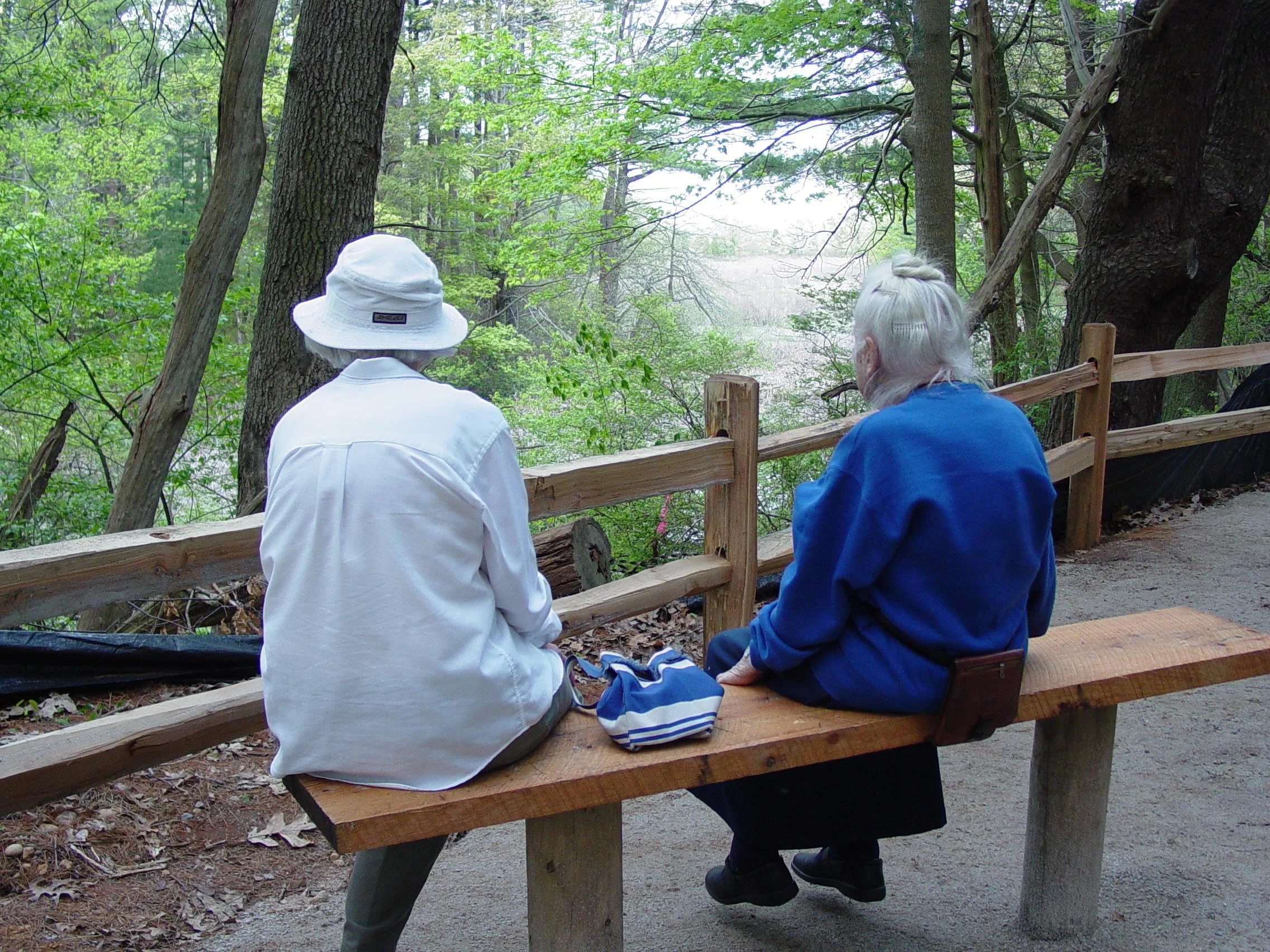
River overlook at Cow Tent Hill Preserve. Right: Helen Philbrick, who in 1994 donated Wildlands’ former headquarter property in Duxbury.
By Skip Stuck, Key Volunteer
Throughout this “Human History of Wildlands” series, I have discovered time after time that in Southeastern Massachusetts, a land does not have to be large to be full of history. Cow Tent Hill Preserve in Duxbury is my latest example. Within 32 acres, the preserve encompasses a tidal creek, Duck Hill River, salt- and freshwater marsh, and wooded upland in Duxbury's Millbrook neighborhood.
Early History
For over 10,000 years, Native peoples inhabited this area, drawn by opportunities for hunting, fishing, and shellfishing and access to nearby Duxbury Bay and trading routes like the North River. The Wampanoag Tribe, who lived in the area, called their home Mattakeesett, meaning "place of many fish." They, like other Native peoples living on the New England coast, thrived for many generations, as evidenced by the area’s 33 archeological sites recognized by the Massachusetts Historical Society. However, in the early 1600s, Natives came into contact with increasing numbers of European fishermen and trappers—and in turn with illnesses such as small pox, for which they had no immunity. Between 1600 and 1618, it is estimated that 80 to 90 percent of the local Native population died.
Consequently, when the Pilgrims arrived in 1620, they found relatively few Natives, but large areas of cleared fields ready for agriculture. It is said that Duxbury had as few as four Native families by 1620.
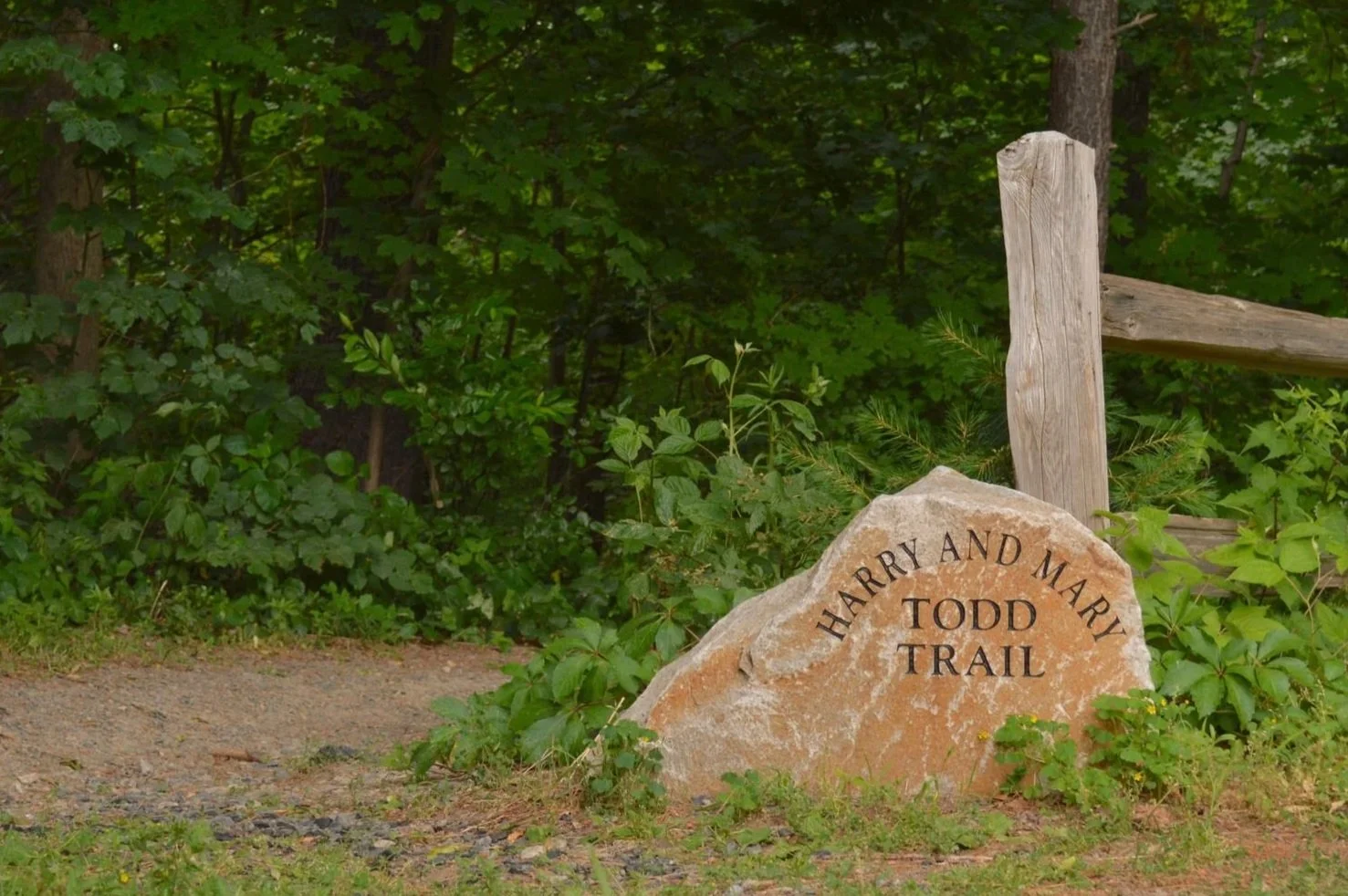
The Harry and Mary Todd Trail at Cow Tent Hill Preserve in Duxbury. Harry and Mary Todd also supported the protection of Willow Brook Farm in Pembroke, where another trail bears their name.
European Colonization
After a difficult start, many colonists followed the Mayflower to Plymouth Colony. Soon, the colony outgrew its original lands. In 1627, the contract with London investors that had funded the initial colonization expired, and leaders of the colony, such as William Brewster, Myles Standish, and John Alden, began allotting nearby lands to colonists. Brewster, Standish, and Alden all received lands in Duxbury. In 1639, Duxborrow (the town's original name) became the colony’s first incorporated town, after Plymouth. One of its early orders of business was to approve the construction of a grist mill on Stoney Brook. As the town grew, a fulling mill and textile mill were added. Stoney Brook became known as Millbrook, where a thriving village took root.
An aside here... Another early resident was Robert Mendame, who owned the land that became the site of the grist mill. His wife, Mary, is immortalized—unfortunately and perhaps unfairly—by an item in the Colony Court Records, which became Nathaniel Hawthorne's partial inspiration for The Scarlet Letter. It was recorded that Mary had a "dallyance" several "tymes with Tinsin, an Indian," and was to be "whipt at a carts tayle through the townes streets."
Others moved in after the initial Pilgrim settlers. One of note was Edouard BonPasse, an ancestor of the Bumpus family who bequeathed the Cow Tent Hill property to Wildlands Trust. Captain Benjamin Church also lived there in the years leading up the King Philip's War, where he became a renowned military leader.
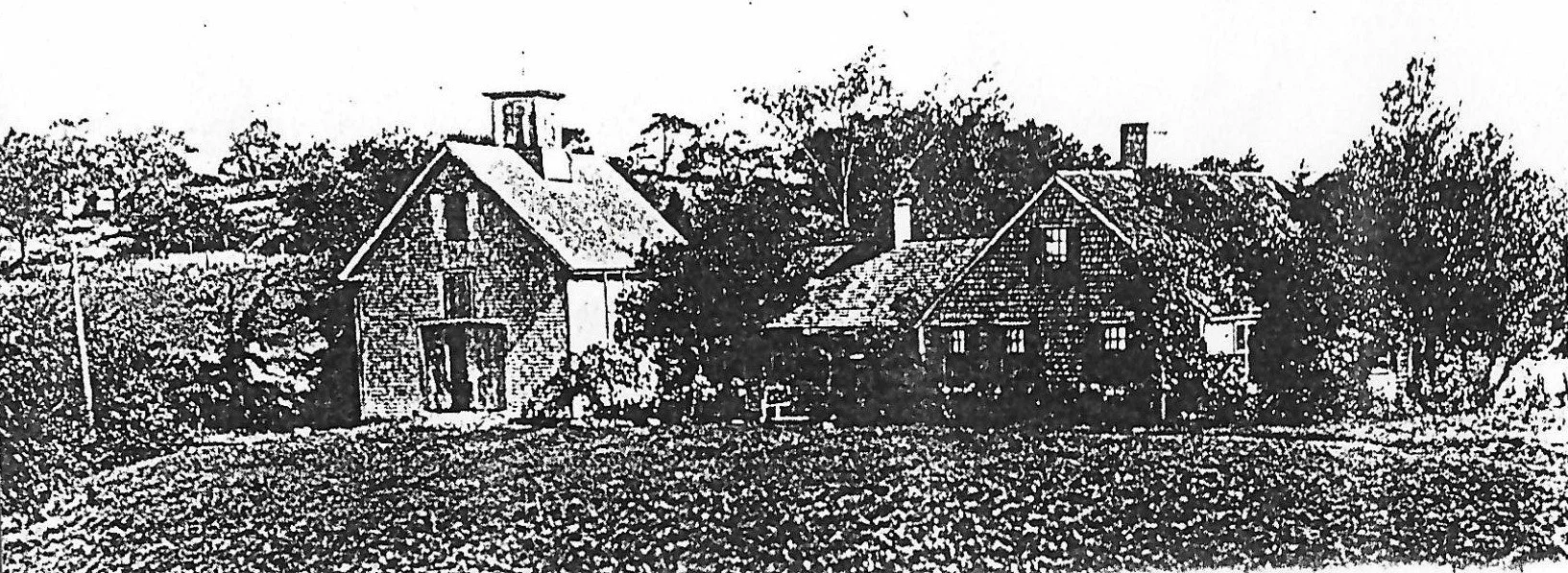
Crab Island House, built 1646. When Constant Southworth became the second owner of the Stoney Brook grist mill in the 1640s, he moved to this house, which was included in the purchase. Three generations of Southworths operated the grist mill. It was rebuilt it in 1746 and went out of business in the late 1800s with the arrival of the railroad in Duxbury. Constant Southworth was the son of Alice Carpenter Southworth, who married Plymouth Colony Governor William Bradford. Photo from Wentworth 1973 (see “Learn More”).
Post-Colonial Period
In the 18th and 19th centuries, industry flourished in Millbrook. Notable businesses included the Duxbury Woolen and Cotton Manufacturing Co. and the Ford Store, reputed to be the first department store in America. A rail line was also opened to transport these products to market. However, around 1900, the mills and businesses of Millbrook closed, unable to compete with the burgeoning textile manufacturing industry in Massachusetts' larger cities. But Duxbury's popularity as a vacation destination and residential community grew.
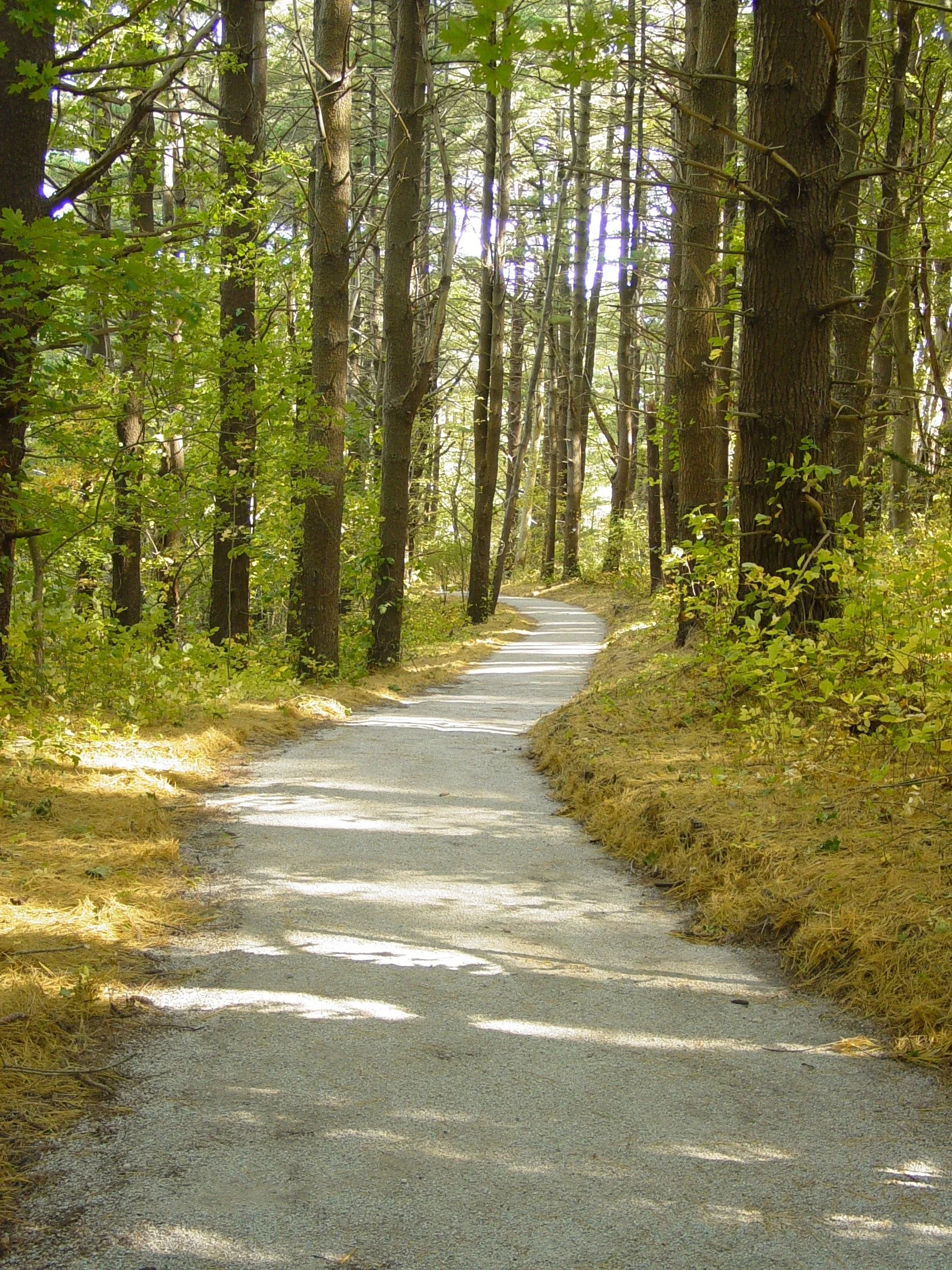
Cow Tent Hill Preserve.
What had once been called Stoney Brook and then Millbrook was then renamed to Duck Hill River. It returned more or less to the woods, fields, and marshes of 300 years earlier. The property became known as Cow Tent Hill because once it returned to pastureland, farmers would erect a canvas tent to provide shade for the grazing cattle during the heat of summer. As Duxbury became an upscale residential community, most farming also fell by the wayside. Yet the town strove to maintain its rural character, protecting over 3,000 acres of woods and marshland. In 1985, Wildlands Trust opened Cushman Preserve, donated by the granddaughter of Captain David Cushman, Jr., who had purchased the land from relatives of his wife, a direct descendant of John Alden. In 1999, Beatrice Bumpus bequeathed Cow Tent Hill Preserve to Wildlands.
A series of photographs of Cow Tent Hill from 500 years ago to the present would tell a story of stark landscape change. The area would have looked very different before and after 1620, when the Pilgrims first laid eyes on it. Fast-forward 150 years, and booming industry would have depicted a place transformed by people and time. Today, Cow Tent Hill has come close to full-circle, implying a pristine, uninterrupted past to the untrained eye. Yet human beings have always interacted with these wildlands.
We have not located these pictures, but that does not mean they do not exist. If you have photographic or any other evidence of Cow Tent Hill Preserve’s varied past, please reach out at communications@wildlandstrust.org.
We encourage you to visit the preserve for yourself. A property description and directions are available at our website: wildlandstrust.org/cow-tent-hill-preserve.
Learn More
If you would like to learn more about the human history of Millbrook's Cow Tent Hill Preserve, below are some of the resources that contributed to this piece:
The Settlement and Growth of Duxbury, 1628 to 1870, by Dorothy Wentworth, 1970.
A History of The Town of Duxbury, by Justin Winsor, 1849.
Wildlands Trust Cow Tent Hill Management Plan, 2011.
North and South Rivers Watershed Alliance: nsrwa.org
The Duxbury Rural and Historical Society: duxburyhistory.org
What Happens on a Meditation Hike?
By Betsy Hall, Volunteer Hike Leader
Betsy Hall is a longtime Wildlands Trust member and volunteer who leads Mindful Meditation, a monthly walk series that encourages new and experienced meditators to reconnect with nature. Visit wildlandstrust.org/events to view upcoming Mindful Meditation programs.
***
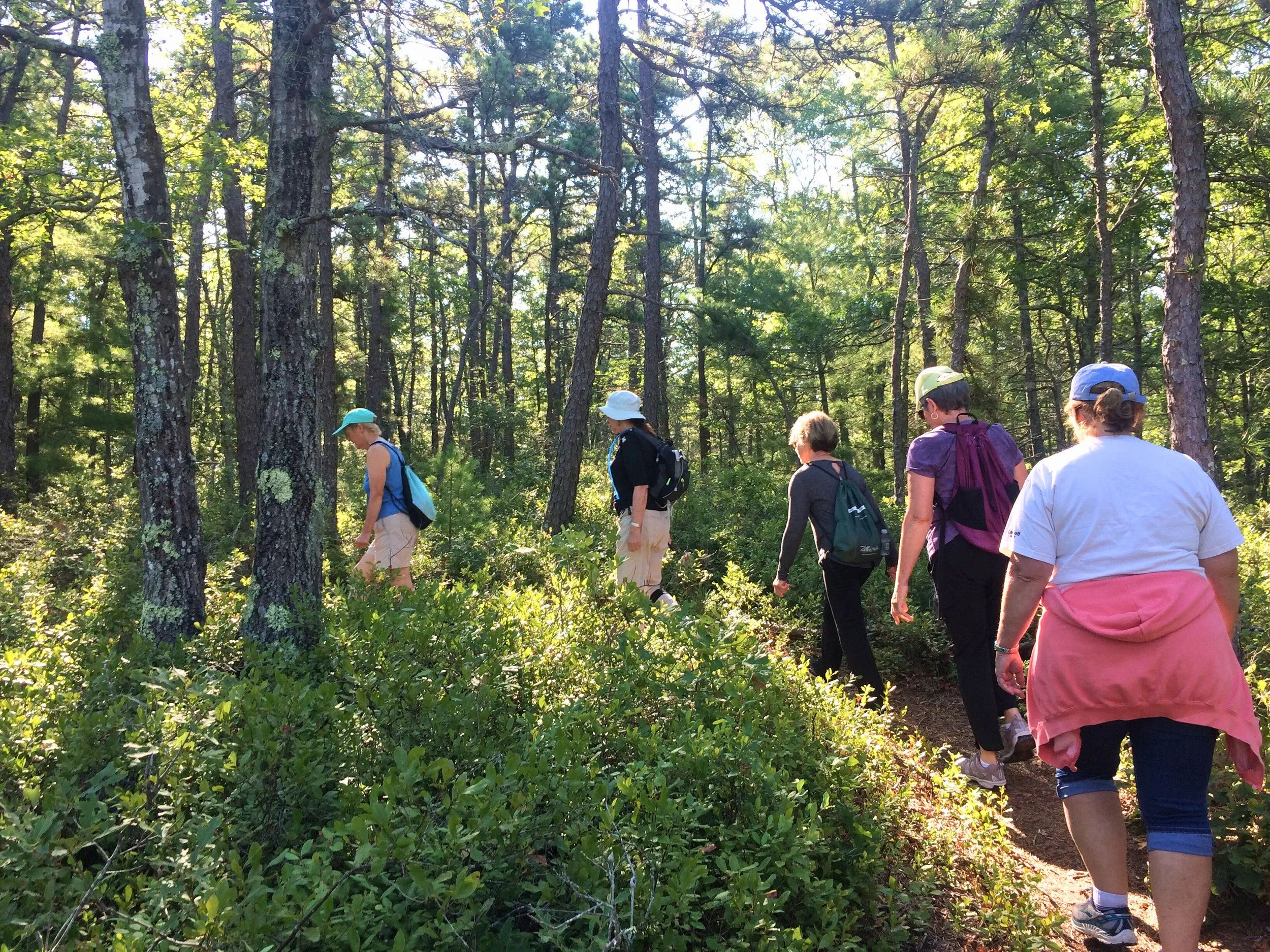
If you ever pass a group of silent men and women hiking on a forest trail, it is quite possible they are practicing awareness. A meditation hike uses silence (i.e. no talking) as a method for hikers to become more attuned to their inner and outer experience. In a safe group of five to 15 people, hikers have the opportunity to hear the wind rustling in the trees and birds calling out their distinctive cries. They notice the warmth of sun on their face or the chill of a cloudy day.
Hikers also have a chance to pay attention to their thoughts and feelings as they place each foot thoughtfully on the path. Acknowledging thoughts and feelings allows hikers to gently let distractions go as they return their awareness to their surroundings.
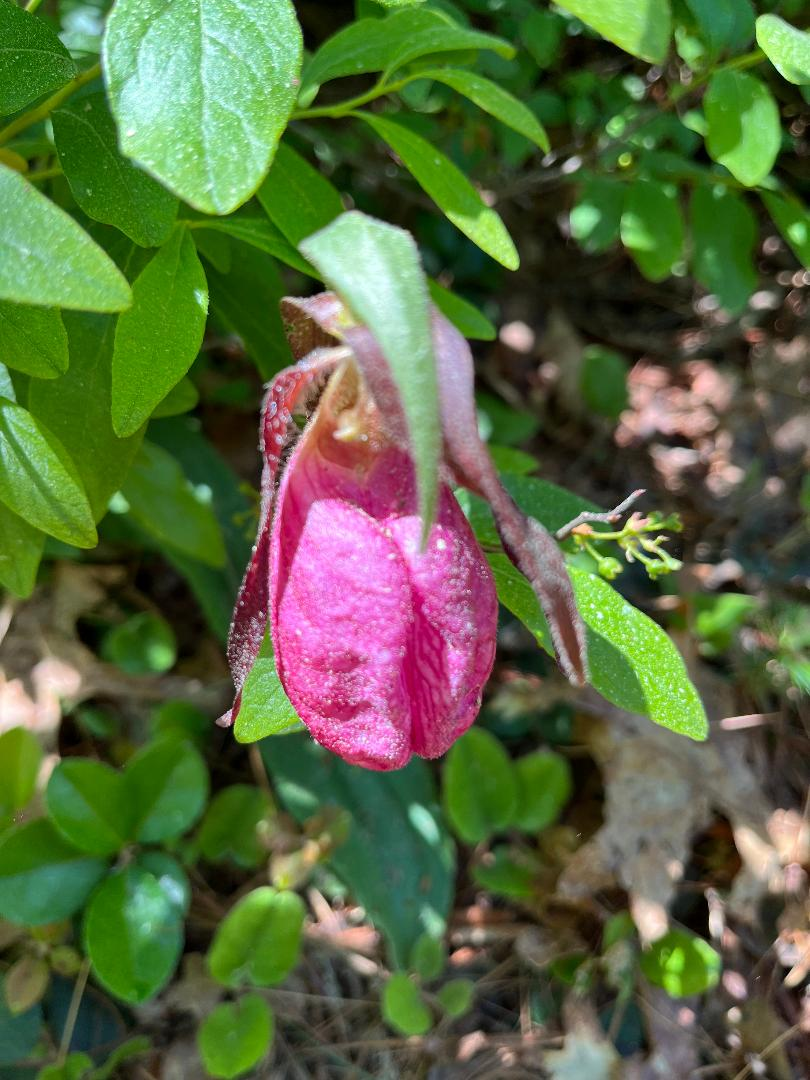
There are no rules except silence. Each person is an expert for themselves. The experience of each hiker is different. Plus, every meditation hike is different from previous hikes. Sometimes an eagle flies overhead; sometimes a seal pops up out of the water to say hello. Sometimes a ghost pipe or a lady slipper appears on the side of the trail. Each hiker responds inwardly in silence to these and many other forest wonders.
After we reach our destination, we have a chance to talk about any significant moments on the hike. Everyone is free to pass. Then we talk among ourselves on the return hike, connecting with old friends and making new ones.
***
About Betsy Hall
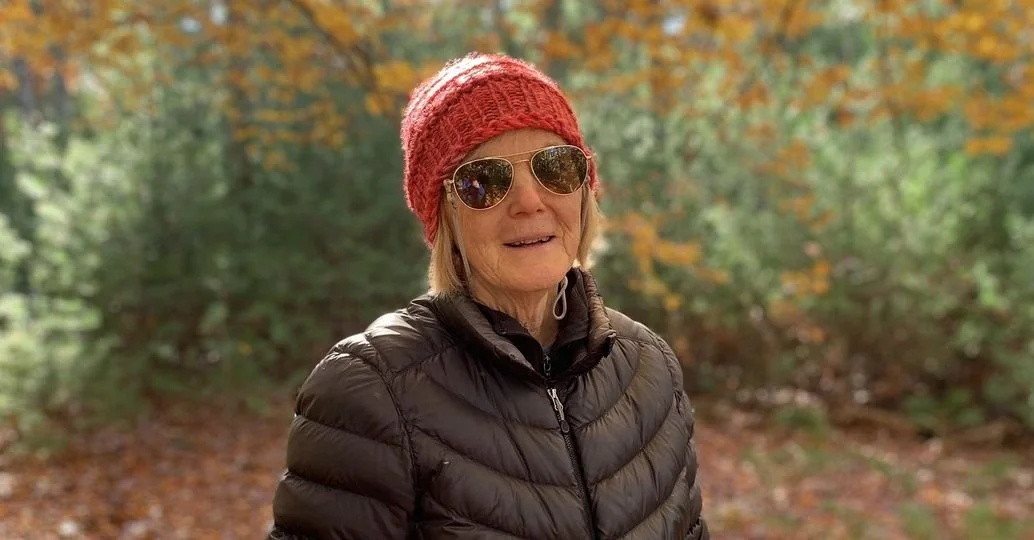
Betsy Hall is a meditation teacher with over 25 years of experience. She trained under renowned instructor Jose Silva, whose techniques have been studied by millions of people around the world. Betsy has also studied with Zen Masters, Buddhist teachers, and Christian leaders. She loves to lead hikes in the forest because she believes that nature is one of the greatest meditation teachers. Betsy gently leads her participants in the art of self-discovery and delight. Her career as a teacher and guidance counselor is an essential part of her foundation as a meditation guide.
Leadership Council Brunch Honors High-Impact Donors
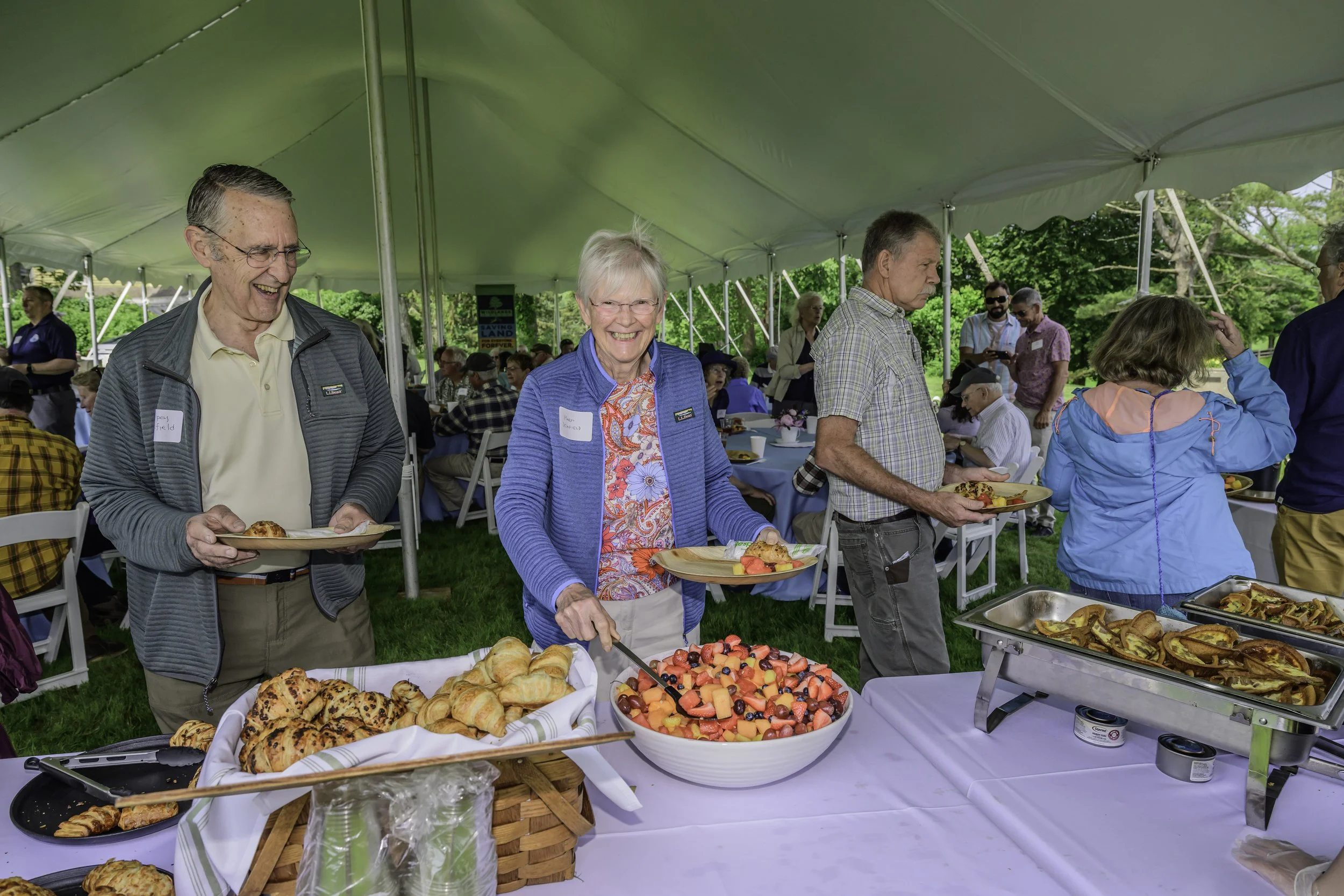
On June 13, Wildlands Trust honored its Leadership Council with a brunch at idyllic Whip’s Farm in Plymouth.
Leadership Council members provide upper-level donor support to Wildlands. With an annual gift totaling $500 or more, Leadership Council members help secure Wildlands’ status as a premier regional land trust in New England.
“The Leadership Council gathering at Whip’s Farm was a resounding success in all the ways we envisioned and hoped for,” said Donor Relations Manager Rob Kluin. “Foremost, we wanted the event to celebrate and showcase the circle of remarkable people who are supporting Wildlands Trust’s mission at the ‘leadership’ level of giving. Their consistent and generous support makes them integral partners in our work. The event’s setting at Whip’s Farm, with its spectacular views of lands permanently protected by Wildlands, cast an inspiring spotlight on what successful land conservation partnerships look like and how they benefit people and nature. In sharing words of gratitude under a tent filled with Leadership Council friends, Wildlands President Karen Grey highlighted Wildlands’ impacts and the timely need for its continued efforts. Growing the base of our most generous Leadership Council donors will be vital to keeping in step with that ever-growing demand.”
Click through the photo gallery below for more sights from the Leadership Council brunch. Photos by Ken Grille.


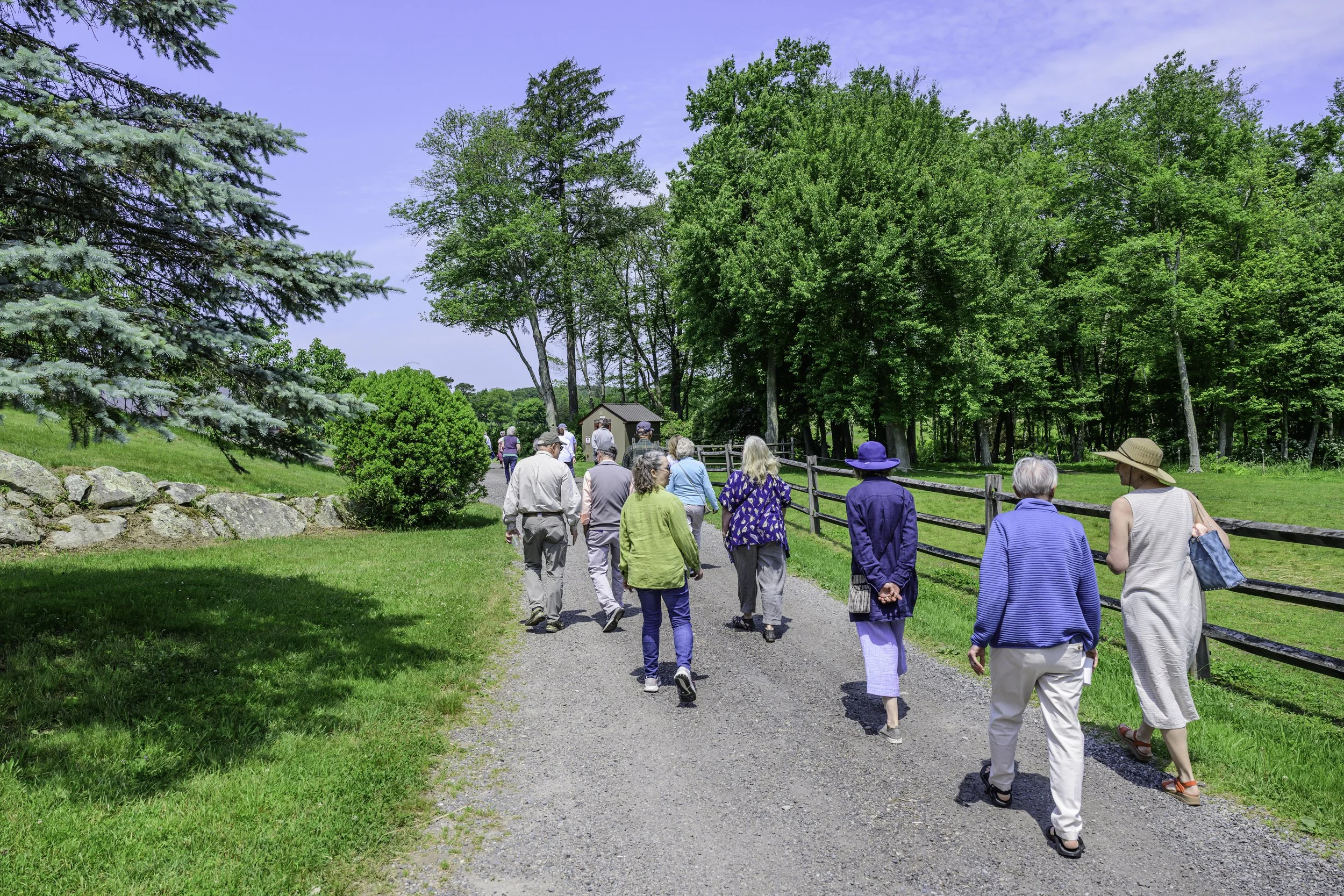


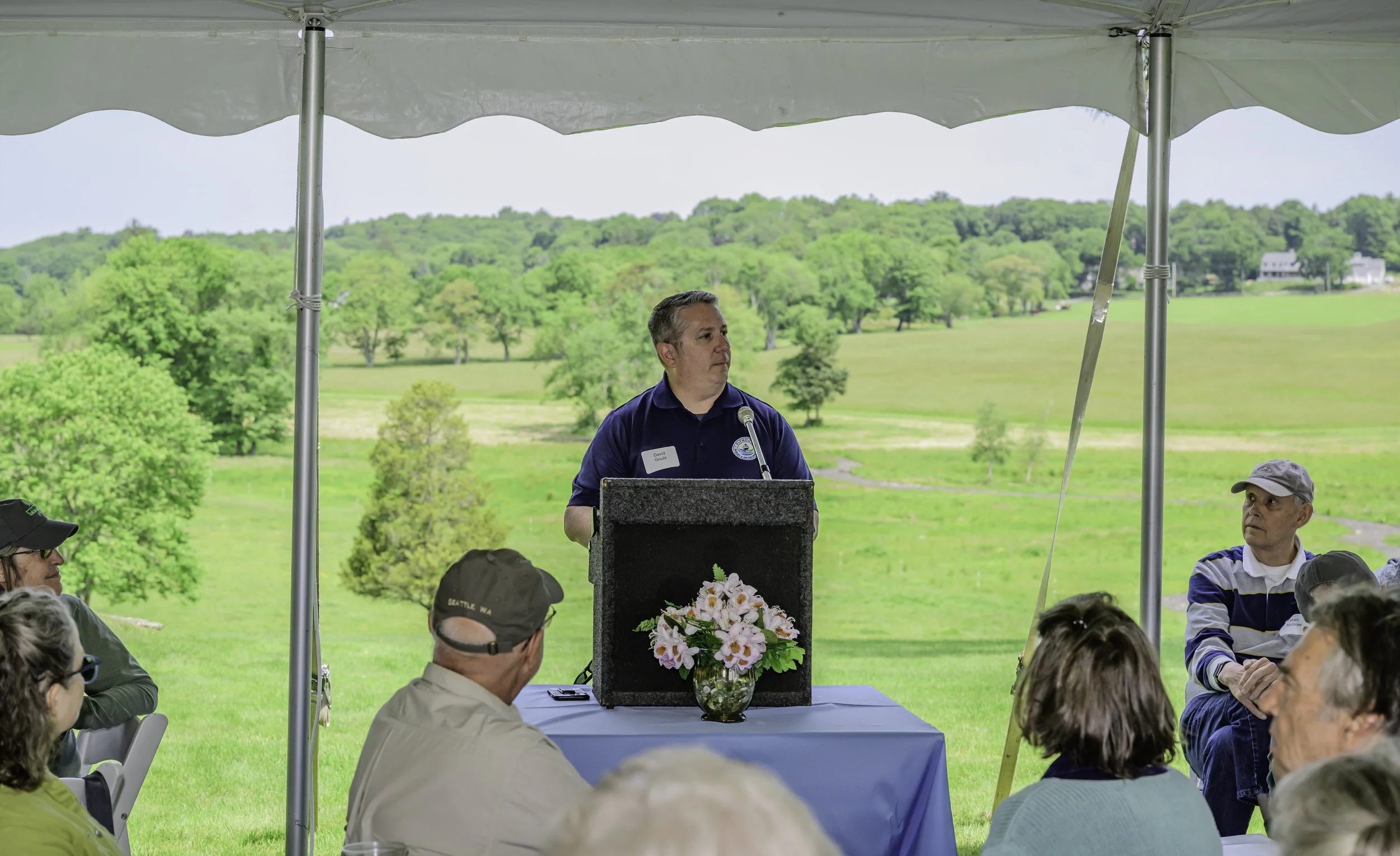


After a delicious brunch catered by Rye Tavern, attendees heard from local and regional conservation leaders about the work that the Leadership Council helps support. Wildlands Board Chair Sam Chapin introduced President Karen Grey, who spoke about the unique partnerships that Wildlands has fostered over the years by adopting a community-first mindset. David Gould, Director of the Town of Plymouth’s Department of Energy & Environment, corroborated Grey’s remarks, praising Wildlands as a holistic partner that makes big ideas possible.
To put a bow on a perfect day, many attendees joined Wildlands staff for a walk from Whip’s Farm to Eel River Preserve, Wildlands’ abutting riverside property.
To show its appreciation for Leadership Council members, Wildlands holds a supper at Davis-Douglas Farm each fall and a preserve tour each spring.
Thank you to all the members of the Leadership Council, who provide vital support to our work to protect and restore the natural beauty of Southeastern Massachusetts.
To join the Leadership Council, visit wildlandstrust.org/leadership-council or contact Donor Relations Manager Rob Kluin at rkluin@wildlandstrust.org or (774) 343-5121 ext. 113.

Solstice Celebration Unites Regional Conservation Community

Drumming with Pride at the Solstice Celebration.
On the longest day of the year, the future of Southeastern Massachusetts got a little bit brighter.
Our Solstice Celebration on June 21 was a resounding success, made possible by the dedication of our community and the generosity of our sponsors. Together, we raised nearly $8,000 for our work to save land, for everyone, forever. Above all, we strengthened regional support for land conservation through a day of unity and fun. About 150 attendees chose to spend the first sunny Saturday in weeks with us, making one thing clear: the lands, waters, and wildlife of Southeastern Massachusetts will be in good hands for many solstices to come.
Sunny skies set the perfect backdrop for our busy schedule of events. Local poet Tzynya Pinchback kicked off the day with a captivating poetry reading, introducing listeners to her work as our Writing the Land poet for D.W. Field Park in Brockton. Then, a performance from Drumming with Pride got community members bobbing their heads and tapping their feet on the Davis-Douglas Farm lawn. A guided hike took nature lovers to the Beech Tree Clearing across the road at Emery Preserve. At the craft zone, artists of all ages experimented with cyanotype photography, nature stamping, fairy houses, gnome homes, and chalk art on the Community Conservation Barn patio. Various raffle prizes enticed visitors inside the barn. There, visitors also designed appreciation banners, sharing their reasons for supporting land conservation. Throughout the day, Larry Nelson of 95.9 WATD hosted a live broadcast of the event, including interviews with Wildlands staff members. Food from the Filling Station food truck and drinks from Second Wind Brewing Company offered delicious lunch options for all.
Click through the photo gallery below for more sights from the Solstice Celebration.

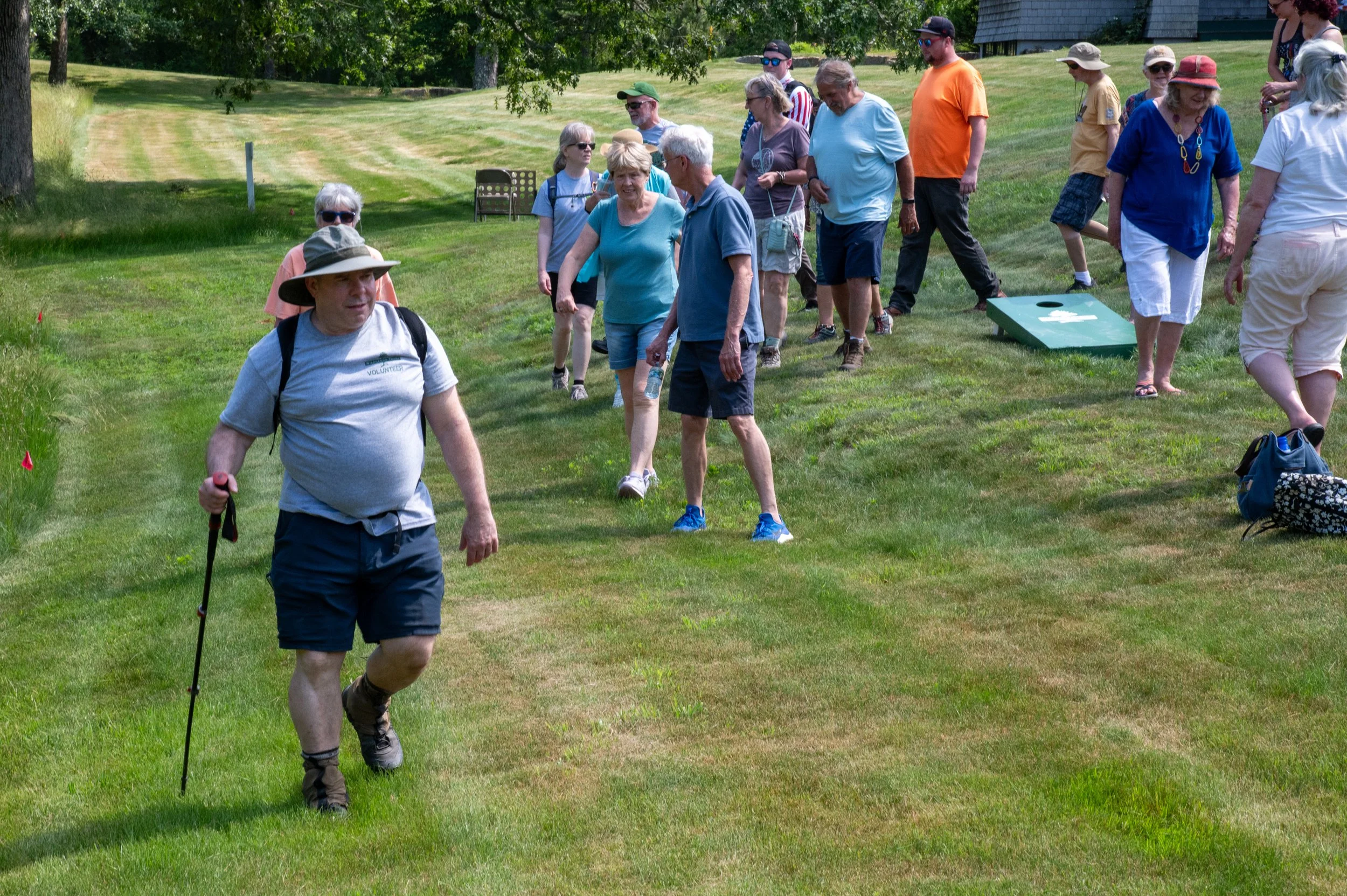


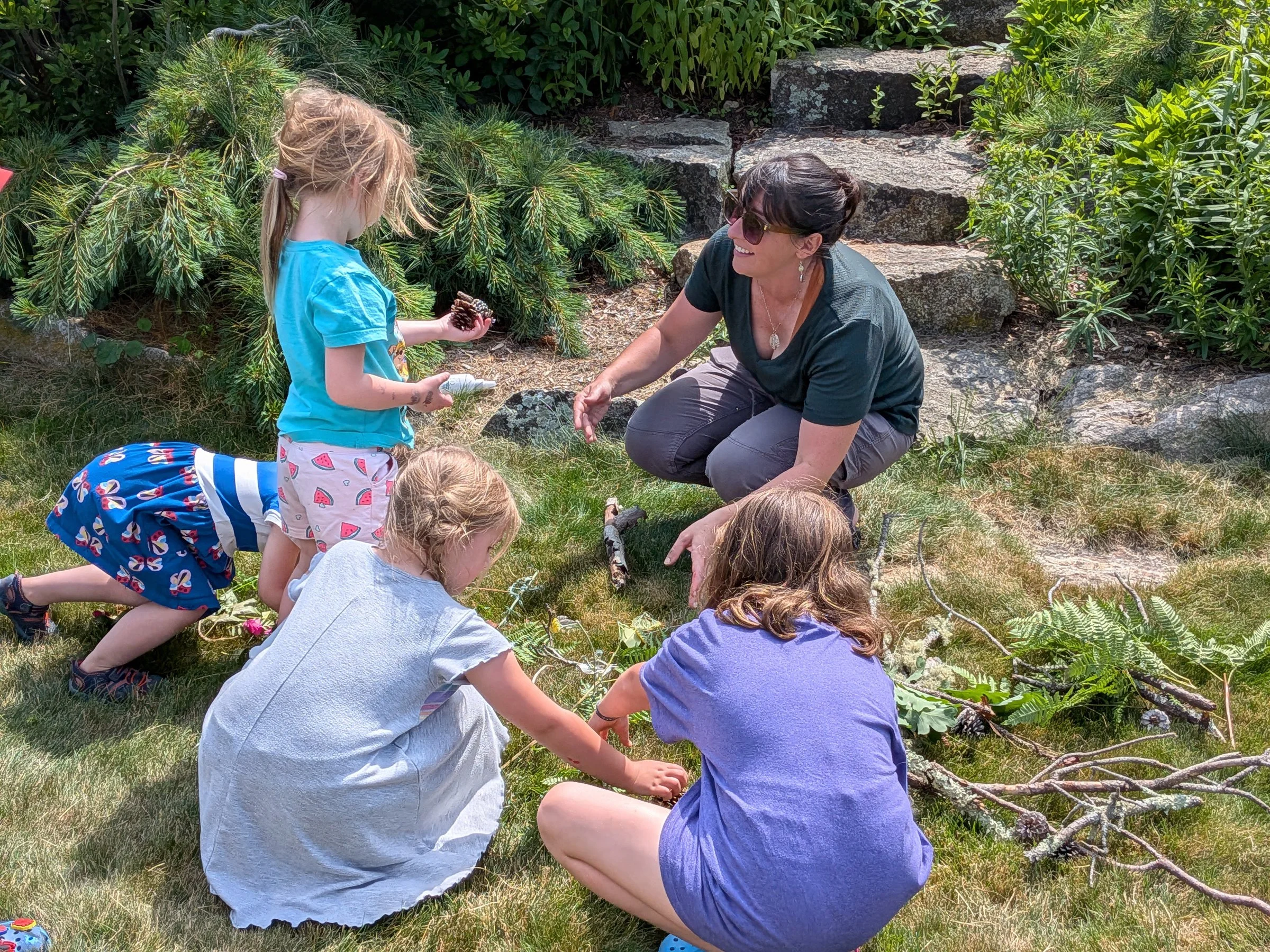


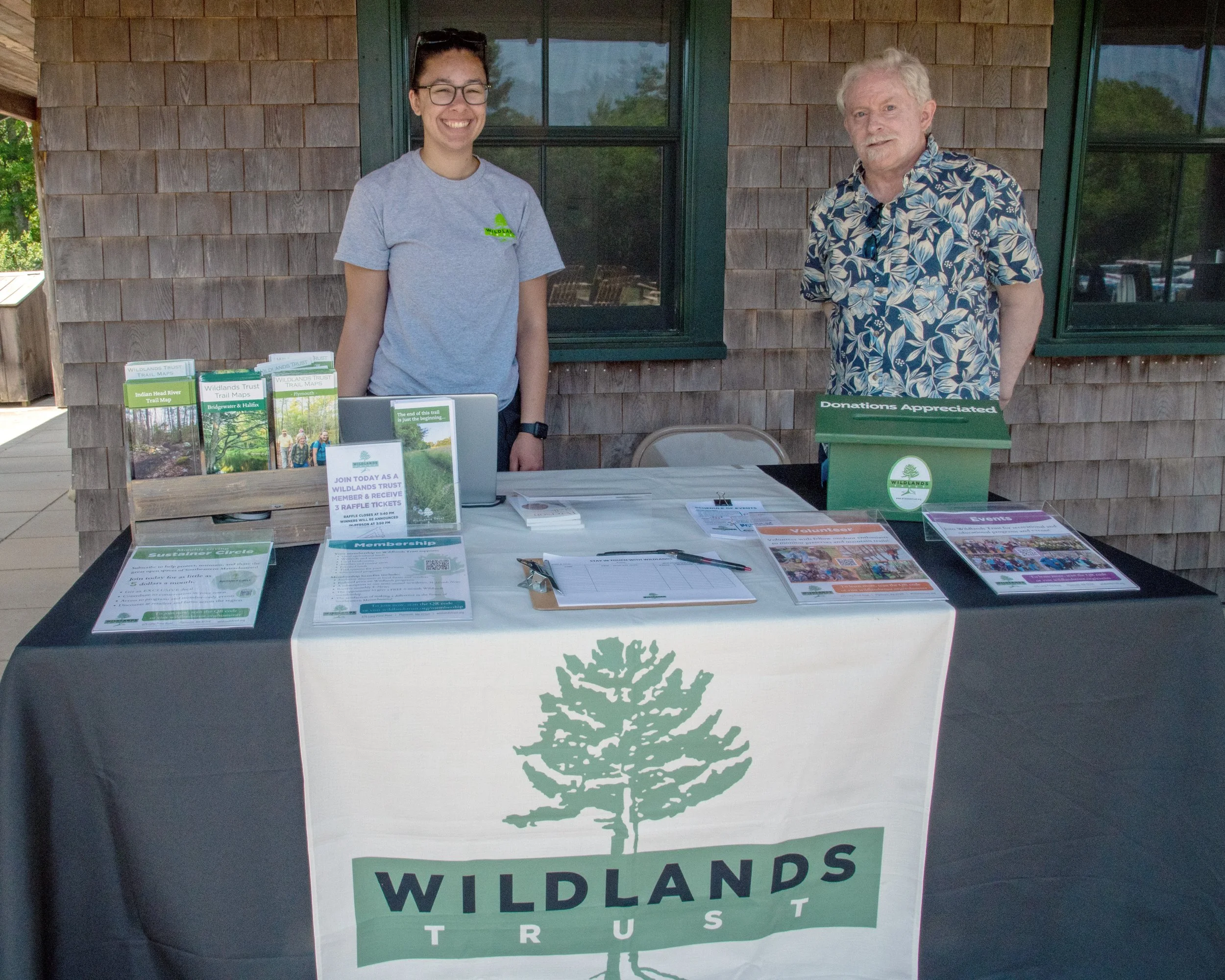


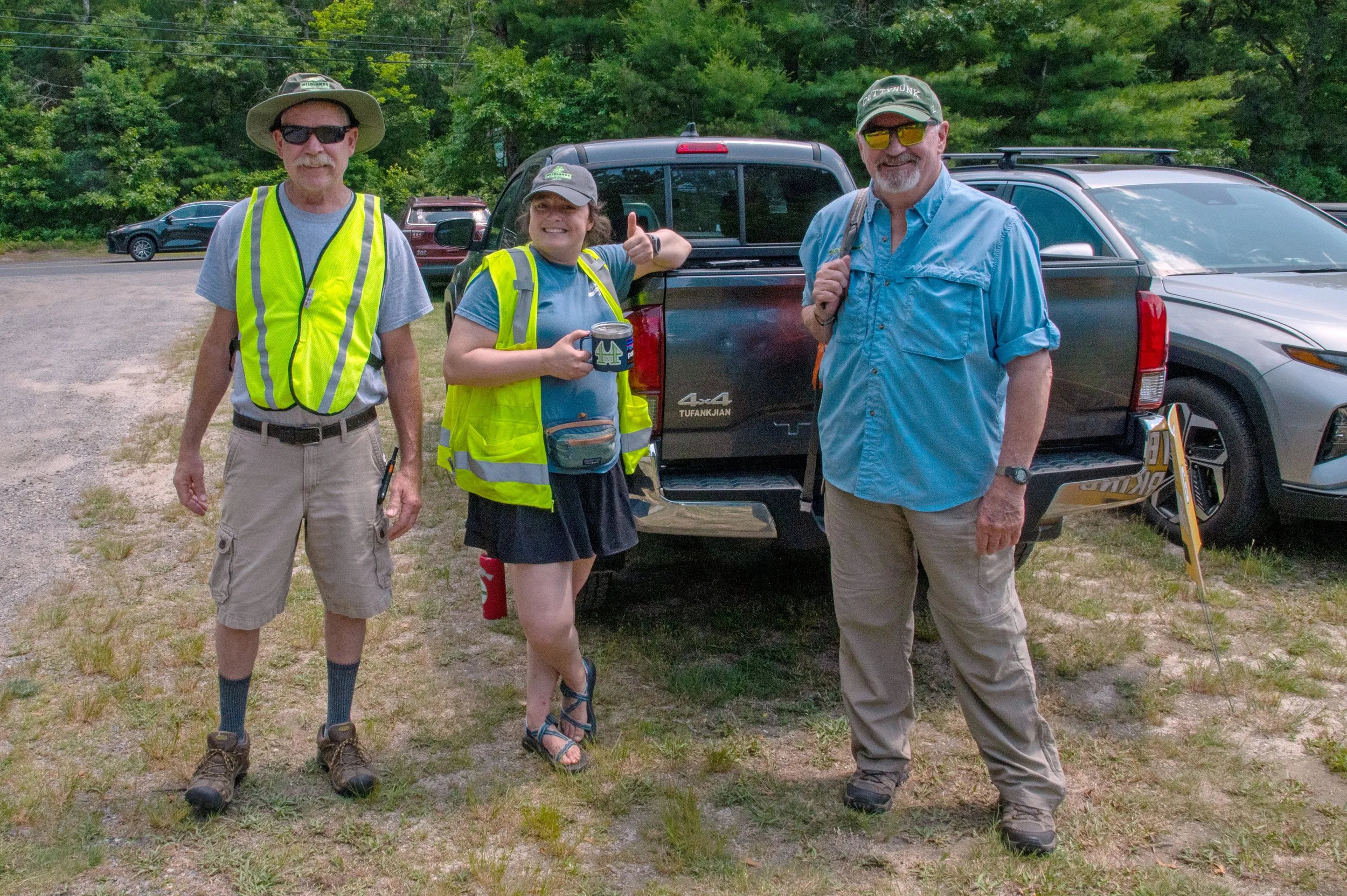


With the event, Wildlands hoped to unite existing members and welcome new members to our community. In addition to providing crucial financial support to our work, members demonstrate public buy-in to our work, helping us secure funding and partnerships to maximize our impact. Indeed, several new members joined Wildlands at the Solstice Celebration, helping us reach our spring membership drive goal! Thank you to all who lend their support to our mission. To become a member, visit wildlandstrust.org/membership.
Before the event, Wildlands President Karen Grey and Donor Relations Manager Rob Kluin spoke with WATD about the event, as well as about Wildlands Trust more generally and how people can support our work. Take a listen:
Thank you for making our Solstice Celebration an event we won’t soon forget!
We extend our sincere gratitude to the many local businesses that generously donated prizes to our raffles. Finally, a huge thank you to our event sponsors:
Presenting Sponsor
Tufankjian Honda of Plymouth
Supporting Sponsor
95.9 WATD
Tiny & Sons Auto Glass
Rockland Trust
Community Sponsors
Rotary Club of Plymouth, MA
Morrison’s Power Equipment
Friends
Merrill Engineers and Land Surveyors
Gary D. Richmond
Richmond’s Inc.