


What’s New at Wildlands
The Nature of Farming
How eco-conscious farms balance food production and environmental stewardship
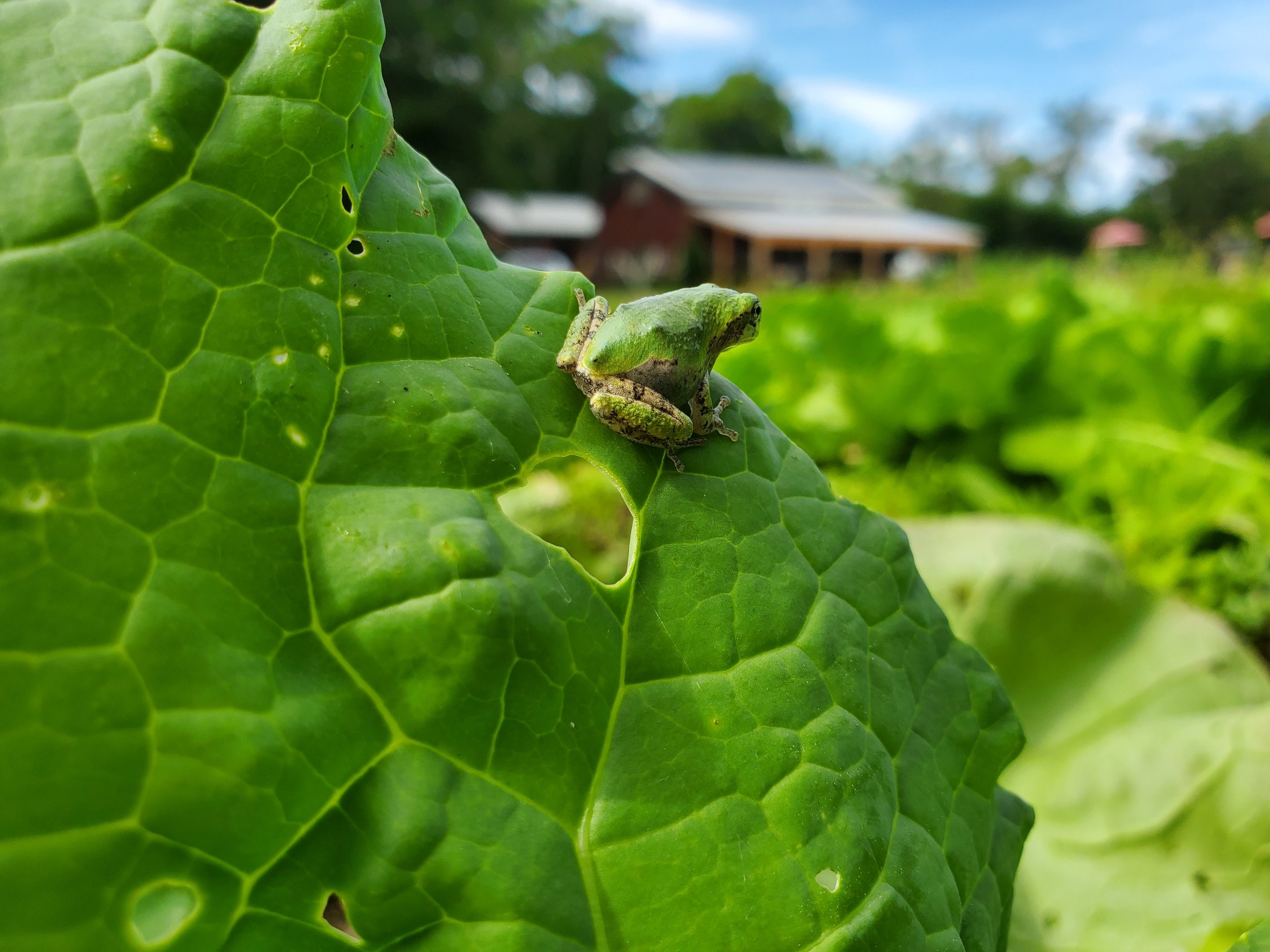
Eastern gray treefrog on sen-po-sai, an Asian green.
By Justin Cifello
Agriculture itself is not a distinctly human invention. Ants herd aphids and cultivate fungi. Beavers turn forests into wetlands full of their favorite plants. The line between artificial and natural is a blurry one. It is a philosophical conundrum I won’t be solving here, but which has given me much to ponder in my years as a both a farmer and naturalist.
This will be my 18th year of farming at Bay End Farm in Buzzards Bay, which abuts Wildlands Trust's Old Field Pond Preserve. We are an organic farm, but we still need to be aware of our impact on the local ecology. Even organic fertilizers run the risk of downstream effects like eutrophication, so they must be deployed carefully. More is not always better; overfeeding a crop can make it vulnerable to pests, and over-application of one element can prevent the plant from uptaking another. Yearly soil tests help us tailor the minimal blend of nutrients that will meet a given crop’s needs. The fertilizers themselves are largely agricultural byproducts, which release their nutrients slowly. Some are locally sourced, like fish emulsion from New Bedford, spent grain from breweries, and even seaweed from beach associations. [1]
We want the fertility we apply to stay in the soil. Bare earth is vulnerable to weathering, so we blanket empty fields in cover crops. These plants are never harvested; their sole job is to hold on to nutrients. By planting a mix of cover crops, a more complex network of roots can form, better shielding the soil against winter erosion. They give fungi and other microbes a place to live, keeping the soil community healthy. Cover crops also help prevent weeds from germinating. [2]
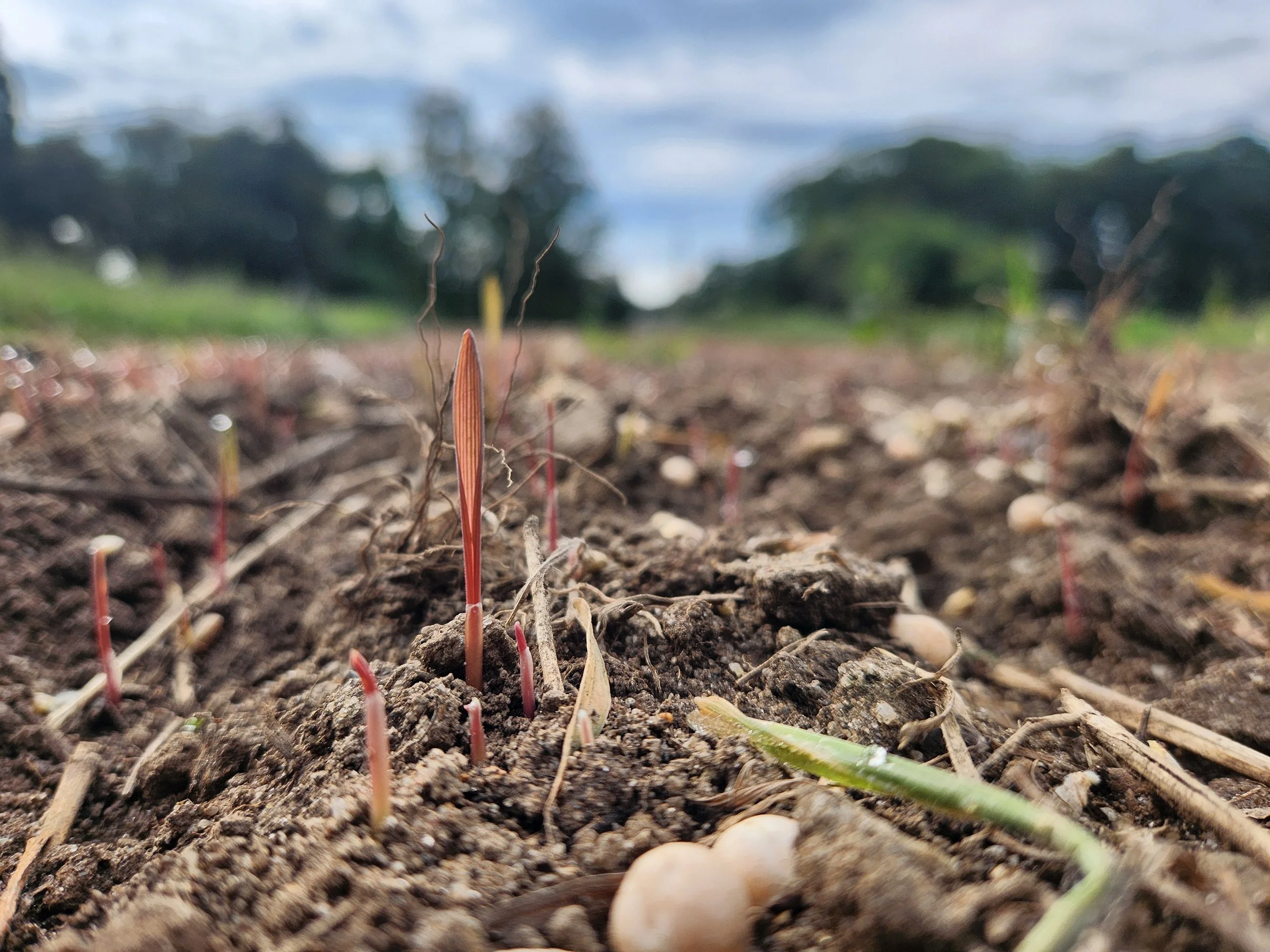
Winter rye germinates alongside field peas, both used as cover crops to protect the soil.
Soil depletion is also mitigated through crop rotation. By varying the crops we plant in each plot, we allow soil to maintain a balance of nutrients over time. The rotation includes leaving a field fallow for a season, so it can recover fertility and provide wildlife habitat. Crop rotation also prevents pests and diseases from establishing, as most are specialized to one family of vegetables. We grow different families of crops, as well as different varieties within each family. Diversity helps us not put all our eggs in one basket.
Despite our best preventative efforts, there will be pests. The pesticides available to organic farms are those that have been proven to break down quickly into safer compounds. Applied with a backpack sprayer, pesticides can be targeted carefully. We intentionally avoid applying pesticides during active times for pollinators, as well as windy or rainy days when spray may drift or run off. There are certainly more effective pest-eliminating products out there, but since we didn’t put all our eggs in one basket, we can accept some losses. [3]
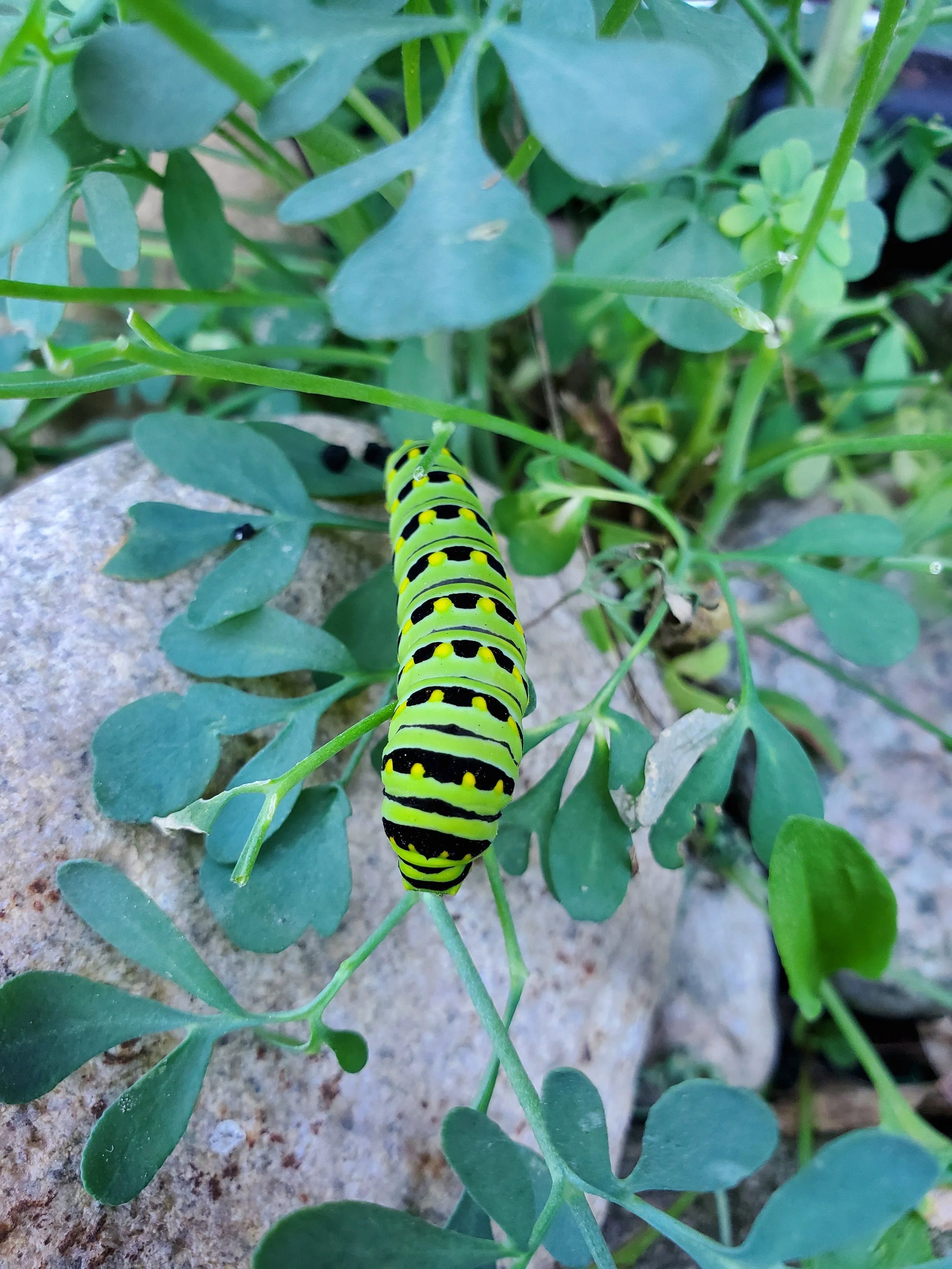
Swallowtail caterpillar on rue. Though they largely eat members of the carrot family, they rarely eat enough to be a problem. We don't eat the carrot greens, anyway.
Many farms maintain woodlots and fields that are never planted. As vital as forests are, grasslands are important, too. Abandoned farmland has largely regrown into forests or been developed, causing a decline in open habitat. These areas host a number of species, particularly ground-nesting birds. With full sunlight, they also support a suite of wildflowers, which in turn feed specialized insects and pollinators. The monarch butterfly is perhaps the most famous of these. While the adult can be seen feeding from any garden flower, the caterpillars can only survive on milkweed, which grows only in grassland habitats. [4]
Biodiversity is, of course, worth protecting for its own sake, but wildlife does a lot for us, too. Bumblebees, with their vibrating clumsiness, are fantastic tomato pollinators. Ladybugs and their otherworldly larvae are voracious aphid eaters. Highly specialized braconid wasps seek out tomato hornworms to feed their young. Wildlife encounters are also deeply fulfilling, from the mundane, daily sight of a handsome toad to the rare glimpse of a fisher. The bright orange of a spring peeper in the leafy greens is, to me, like a canary in the coalmine. I take comfort in seeing these creatures thrive—hopefully a sign that we have been good neighbors.
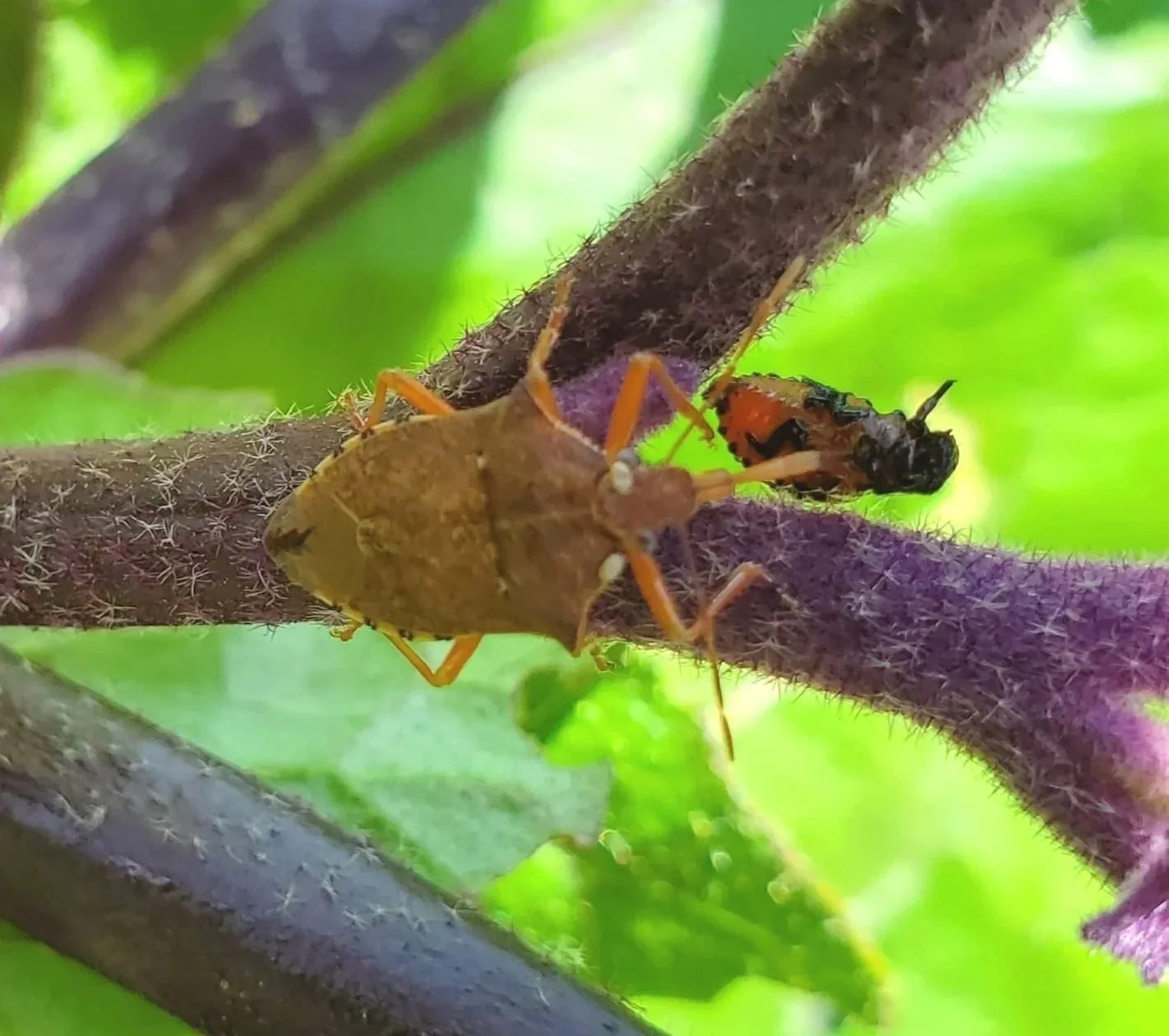
A soldier bug with its quarry, a potato beetle larva. We appreciate the assistance with one of our worst pests.
Further Reading:
1. Eutrophication: oceanservice.noaa.gov/facts/eutrophication.html
2. Cover Crops: sare.org/resources/cover-crops/
3. Organic Pesticides and Certification: npic.orst.edu/ingred/organic.html
4. Grassland Conservation: massaudubon.org/our-work/birds-wildlife/bird-conservation-research/grassland-birds
Local Lens: Q&A with Wildlife Photographer Peter Yekhtikian
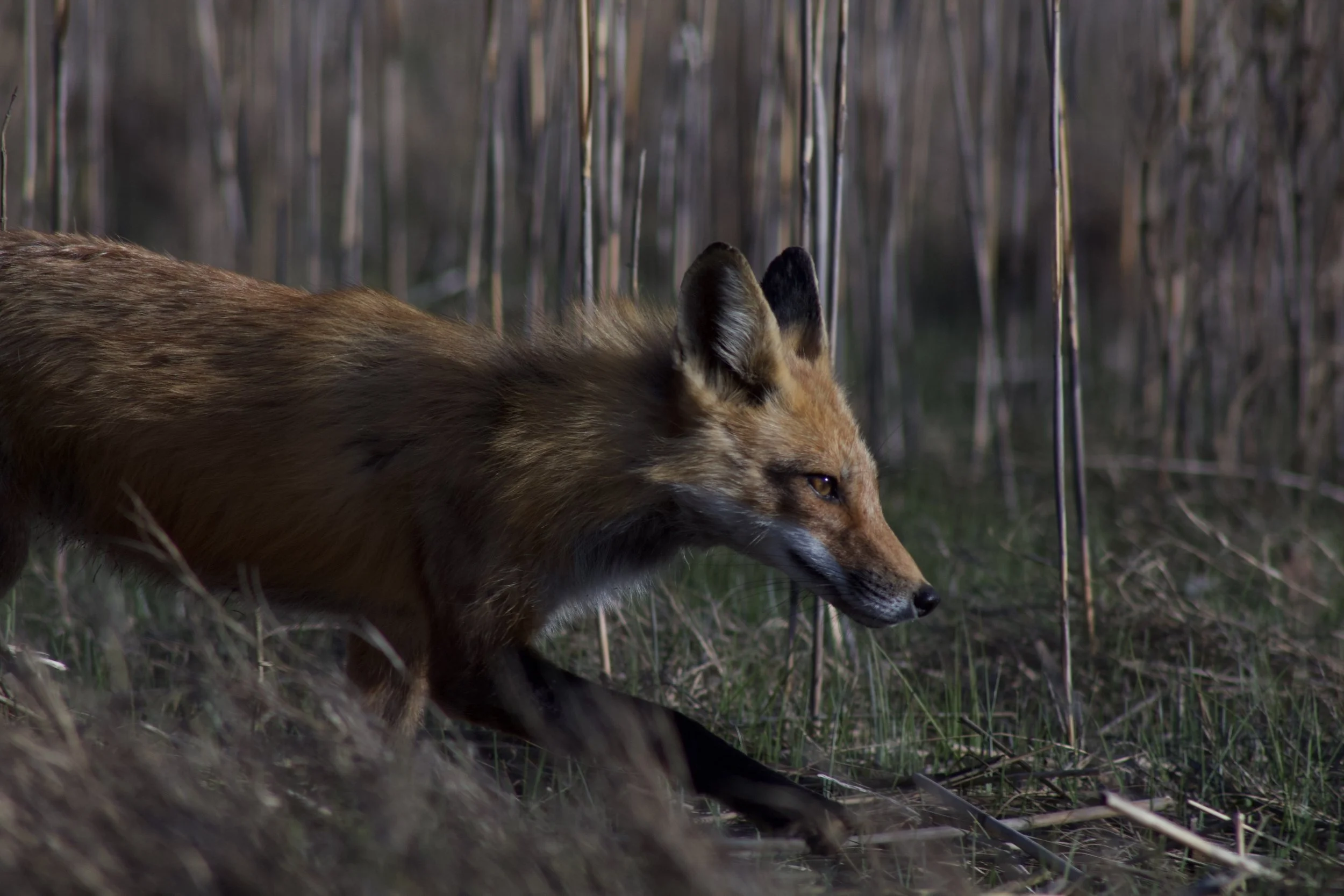
Red fox at The Nook Preserve in Kingston. Photo by Peter Yekhtikian.
By Thomas Patti, Communications Coordinator
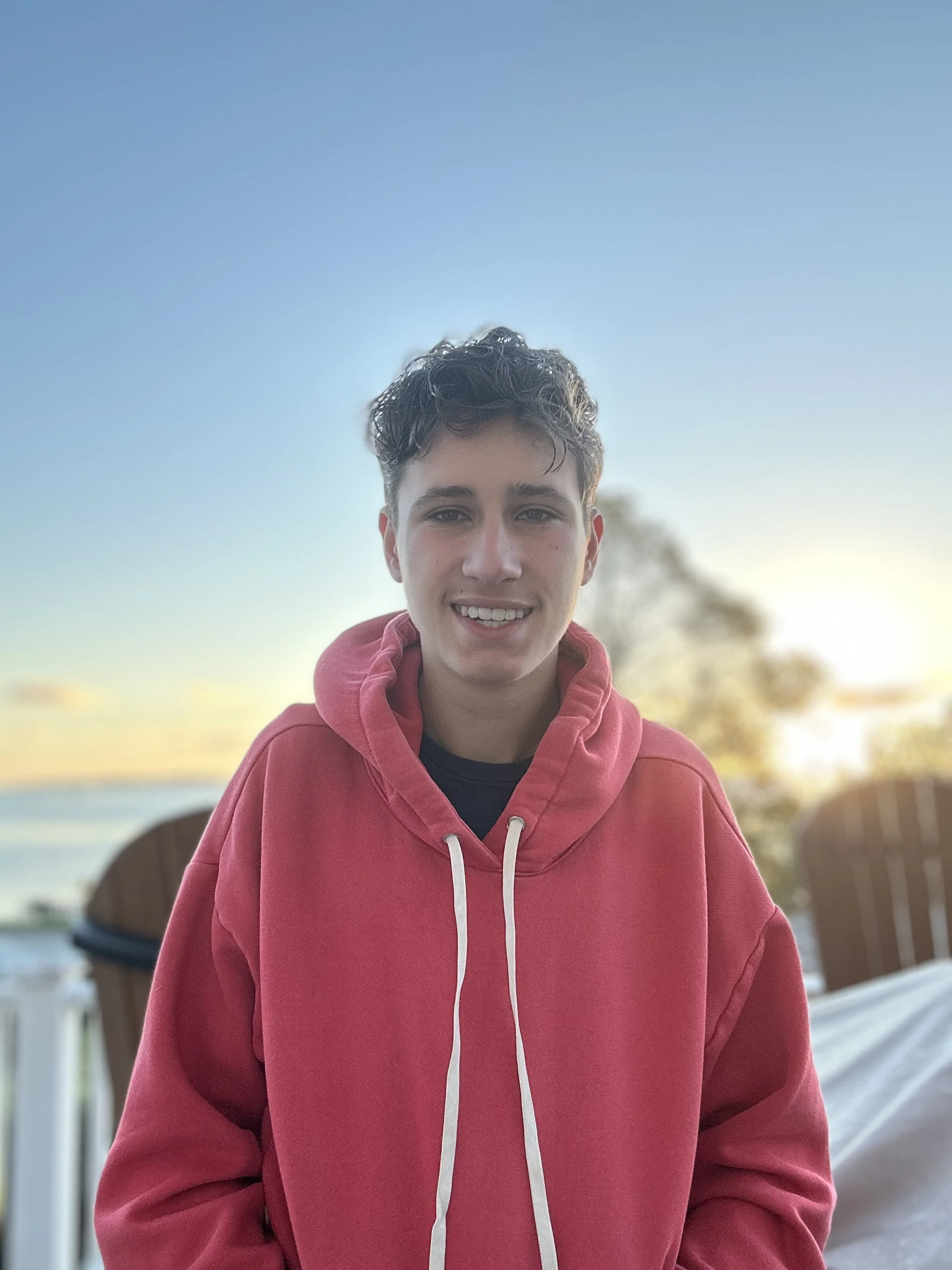
Peter Yekhtikian.
Many pursue wildlife photography as a retirement hobby. For Peter Yekhtikian of Kingston, it’s anything but. For starters, Peter is 16 years old, a junior at Rising Tide Charter Public School. Wildlife photography is also more than a hobby for Peter. Already, he has leveraged his keen observation skills and prodigious naturalist knowledge to spotlight and protect his local natural areas—including The Nook Preserve in Kingston, where he volunteers as a Wildlands Trust Adopt-a-Preserve trail monitor. I spoke with Peter about what spurred this passion and why everyone should spend more time on their neighborhood trails.
This conversation has been edited for length and clarity.
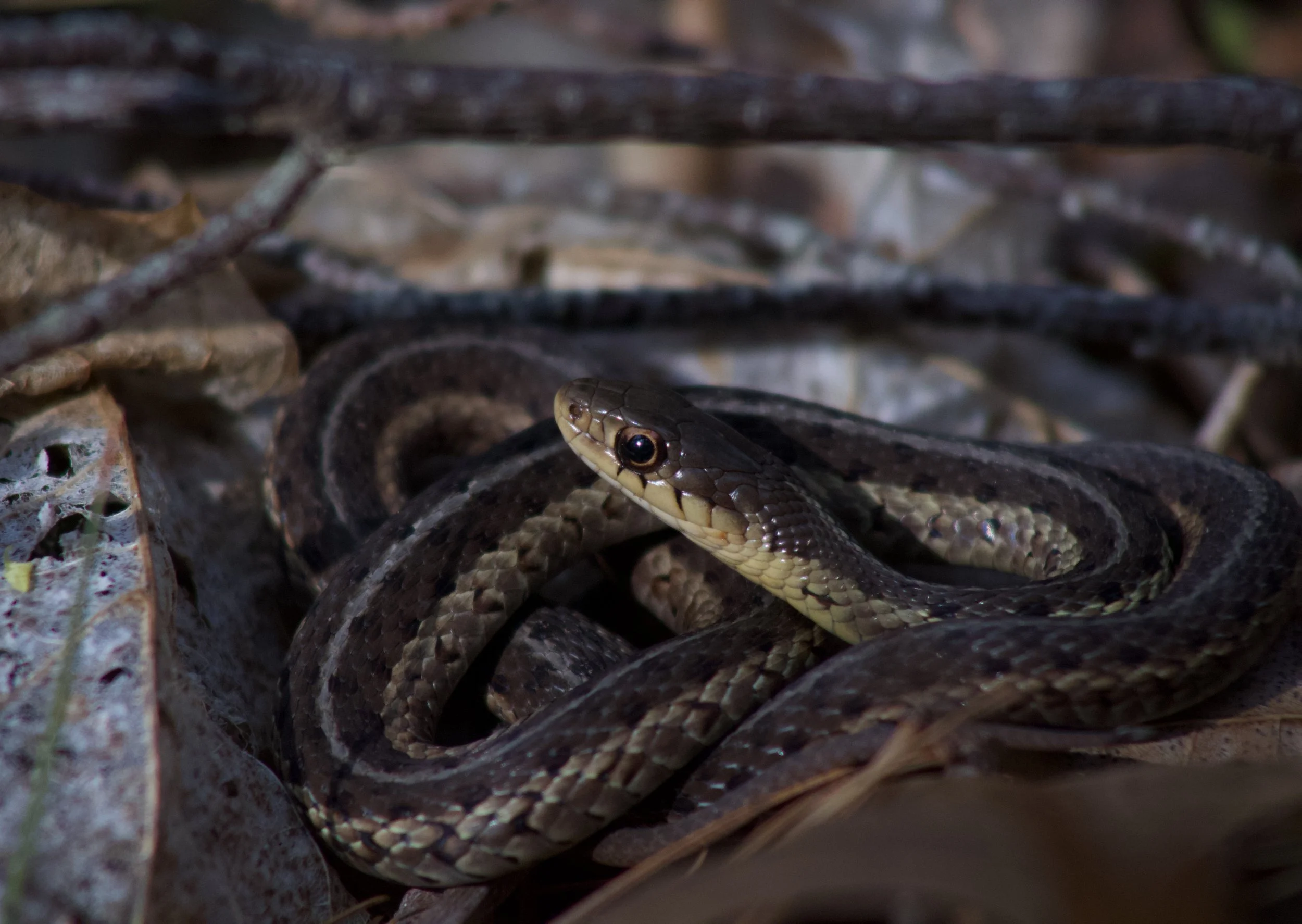
Eastern garter snake at The Nook Preserve in Kingston.
Thomas Patti: How did you get into wildlife observation and photography?
Peter Yekhtikian: I got into wildlife when I was about six. I loved watching Nat Geo documentaries and reading books about different animals.
When I was in fifth grade, we were watching the Bruins and heard screaming outside. We ended up figuring out where it was coming from and finding a fisher cat. It was crazy to see that in our neighborhood. That struck my interest in local wildlife.
Then, I got a camera for my birthday. One day, we had a Ring-necked Pheasant in our yard, and our little dog was chasing it. I was like, ‘Oh, this is really funny and cool. What if I try photography?’ And I just started taking photos of anything flying overhead.
From there, I got into using eBird so I could document some of the stuff I was seeing. I'd go out into our woods and take photos of anything I could find, and then I'd try to identify it and put it on [community science platforms] iNaturalist and eBird. It’s kind of like a game: how many species can I see today?
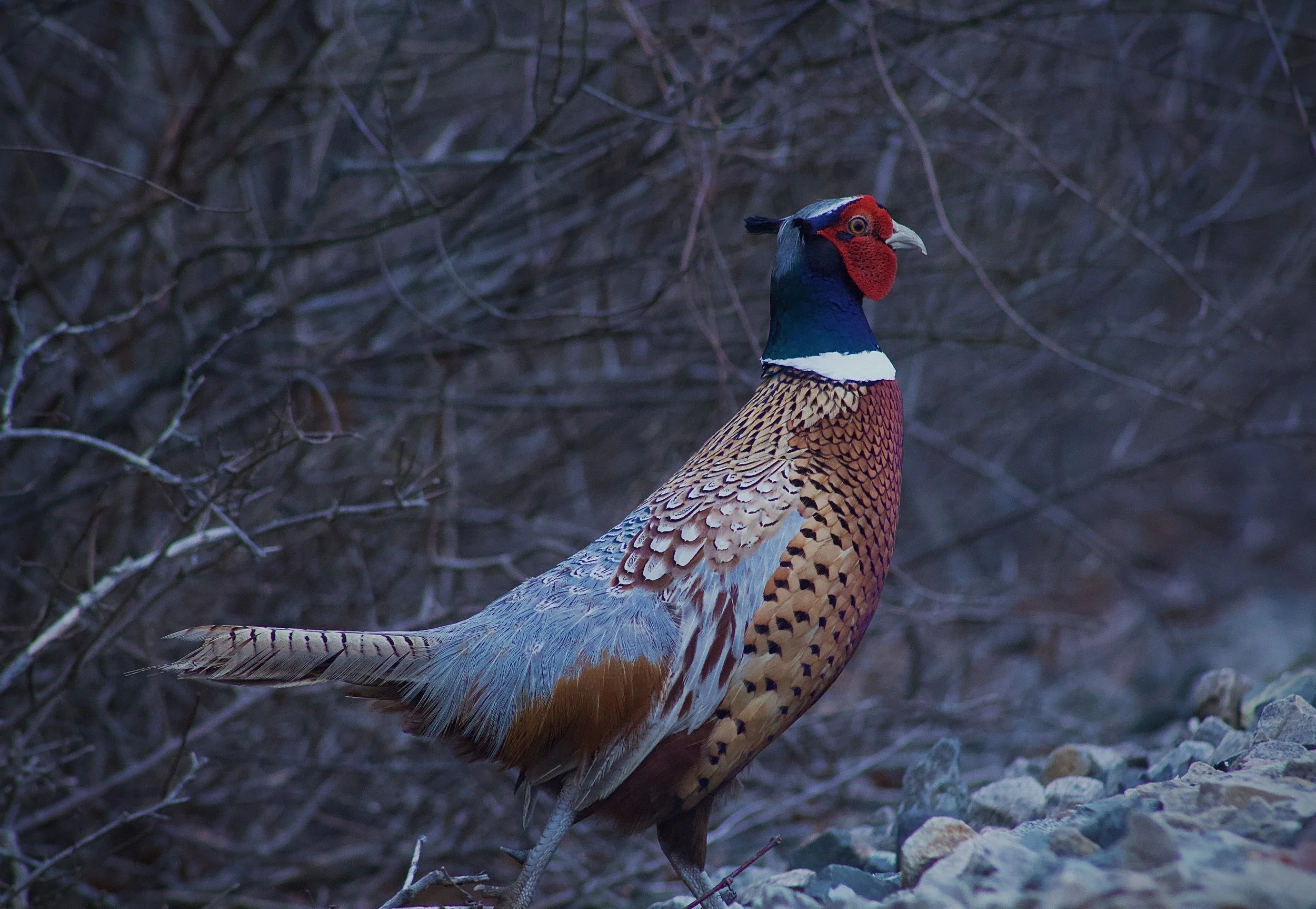
Ring-necked Pheasant in Rocky Nook, Kingston. Photo by Peter Yekhtikian.
You seem content documenting wildlife in your own backyard—often literally. Why is that?
Kingston is just as important as anywhere else. Because of all the habitats here—freshwater and saltwater marsh, the open bay, forest, wetlands, fields—we get species that other places don’t. I think my record was 73 species observed in one day. That was awesome.
I feel like Kingston is underrepresented in terms of wildlife data. If I can show people how much stuff we have here, it may inspire them to explore local preserves that aren’t appreciated enough. I’ve met people at The Nook who said they had never known about the preserve until they saw an eBird checklist I submitted. It feels really nice to know that what I’m doing is inspiring people to go to these places.
This summer, I interned with the Kingston Conservation Commission as a wildlife monitor. One day, I was checking the marsh in Rocky Nook, and I saw something fly out of the marsh. It was a sparrow, but it didn't fly like a Song Sparrow. It looked totally off. I was like, ‘Huh, what could this be?’ I ended up getting a photo, and I noticed a yellow streak on the eye. I was like, ‘Oh, wow. This is a Saltmarsh Sparrow.’ Mass Audubon’s most recent survey noted that Saltmarsh Sparrows had increased in population everywhere in Massachusetts except the South Shore, where there was no breeding activity at all. So, it was cool to see that they were breeding in our marshes. I don’t think anyone had ever checked, because no one really goes out there.
The Town of Kingston wanted to get a grant for adding more salt marsh hay into the marsh to attract Saltmarsh Sparrows. Now that we have evidence that they’re already breeding here, it’s going to be a lot easier to get that grant.
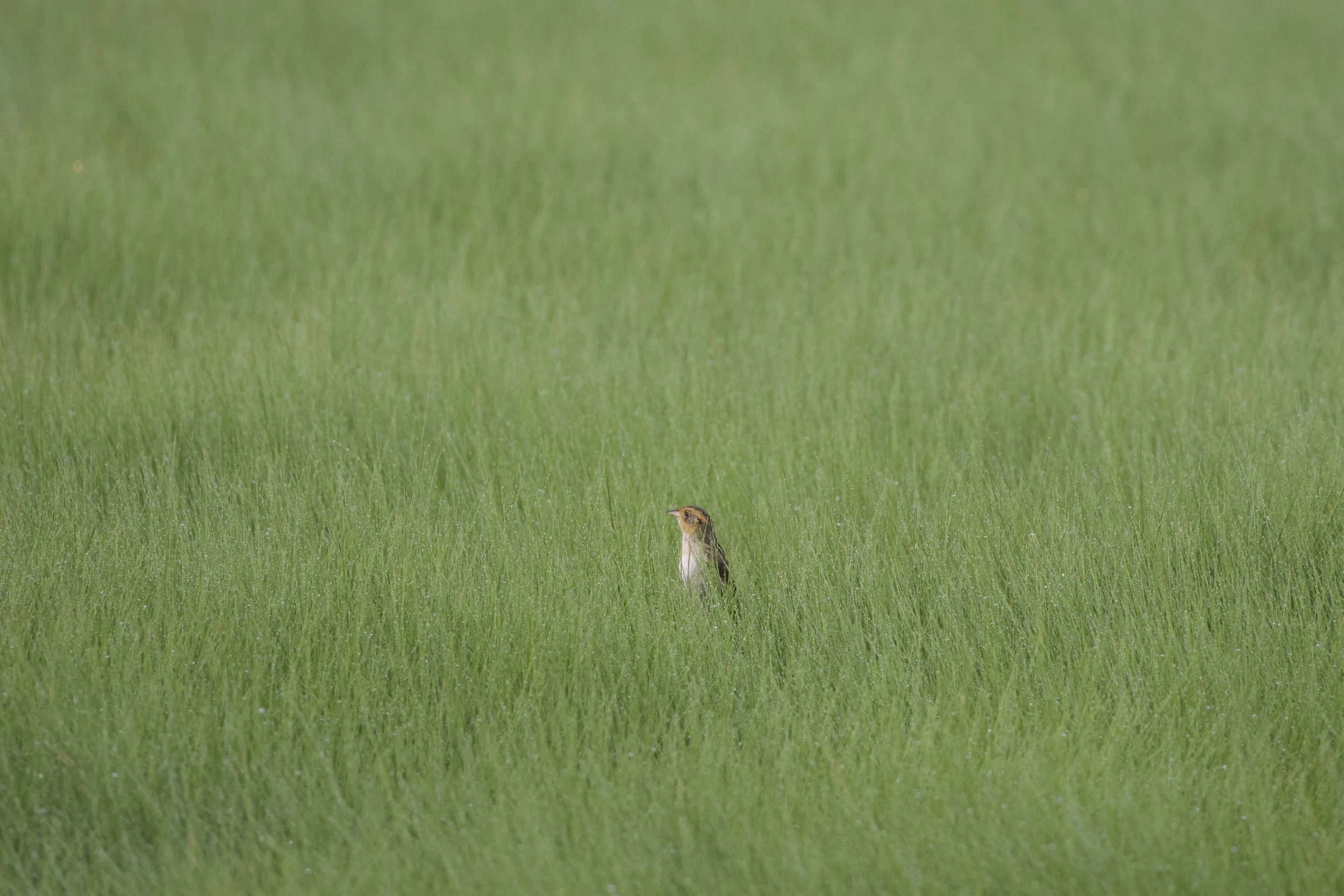
Saltmarsh Sparrow in Rocky Nook, Kingston. Photo by Peter Yekhtikian.
That is a great example of why communities should know and care about their local environment. What story do you hope to tell with your photos and videos?
The message is just to get outside and explore. Everyone should at least try to go into the woods. Just observe what’s around you. Everything is so fast-paced nowadays. Sometimes it’s nice to just slow down and get somewhere peaceful, where you’re not always on your phone, scrolling on TikTok or something.
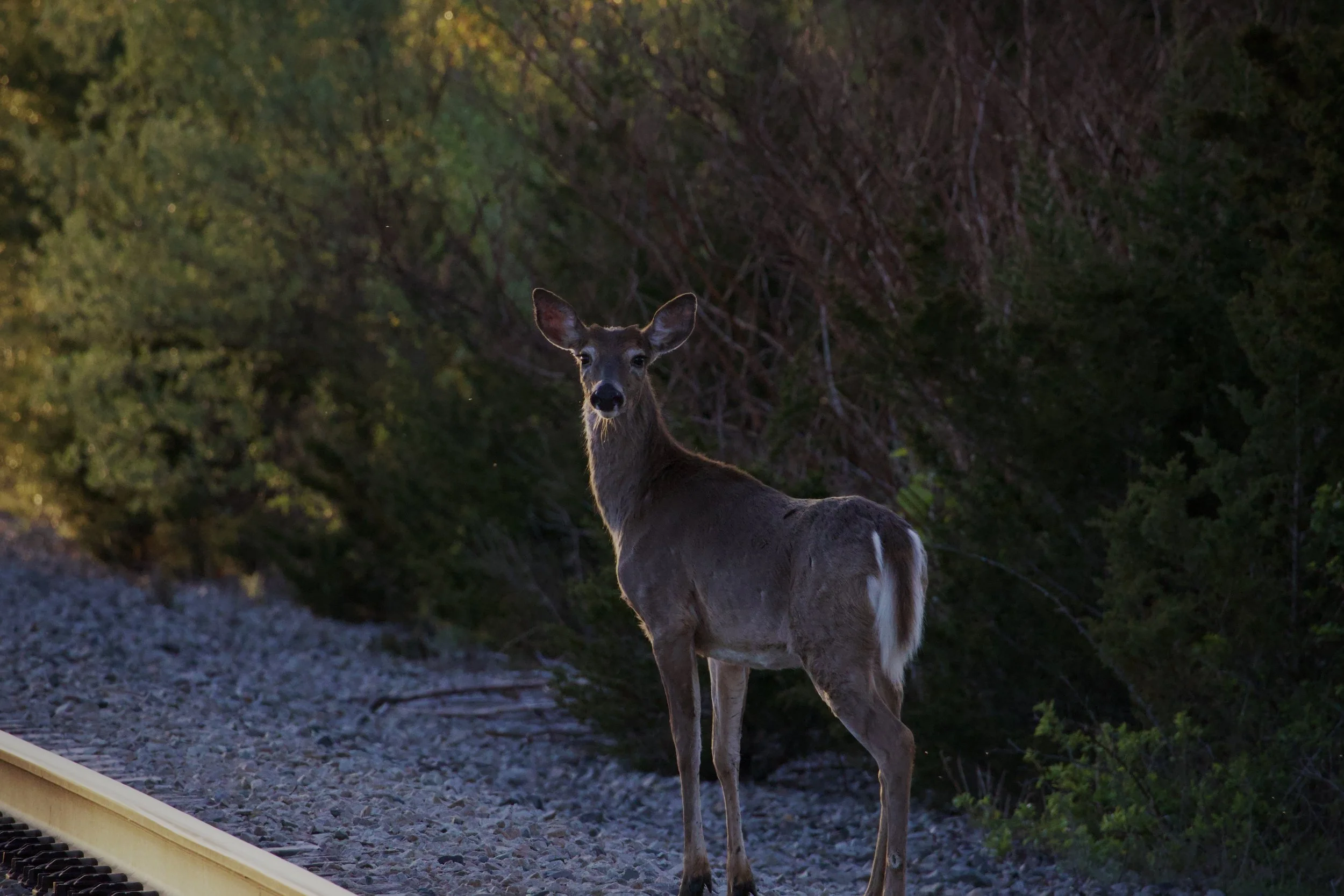
White-tailed deer in Rocky Nook, Kingston. Photo by Peter Yekhtikian.
You also serve as an Adopt-a-Preserve trail monitor. Why do you volunteer with Wildlands?
My dad is a member of Wildlands Trust. Last year, he got an email from Wildlands asking for volunteers at certain preserves, and one of them was The Nook. And it just kind of struck me that I already go there so much. Why not help out more officially with the organization?
I also went to Wildlands’ birdhouse building workshop at the Stewardship Training Center last spring. I really enjoyed it. Afterwards, my Uncle Ken and I wanted to build more birdhouses for Kingston. So, we met with the Town of Kingston’s Conservation Agent, Matt Penella, to decide where we should put them. That meeting led to my summer internship with the Town. So, Wildlands Trust is very connected to my conservation story.
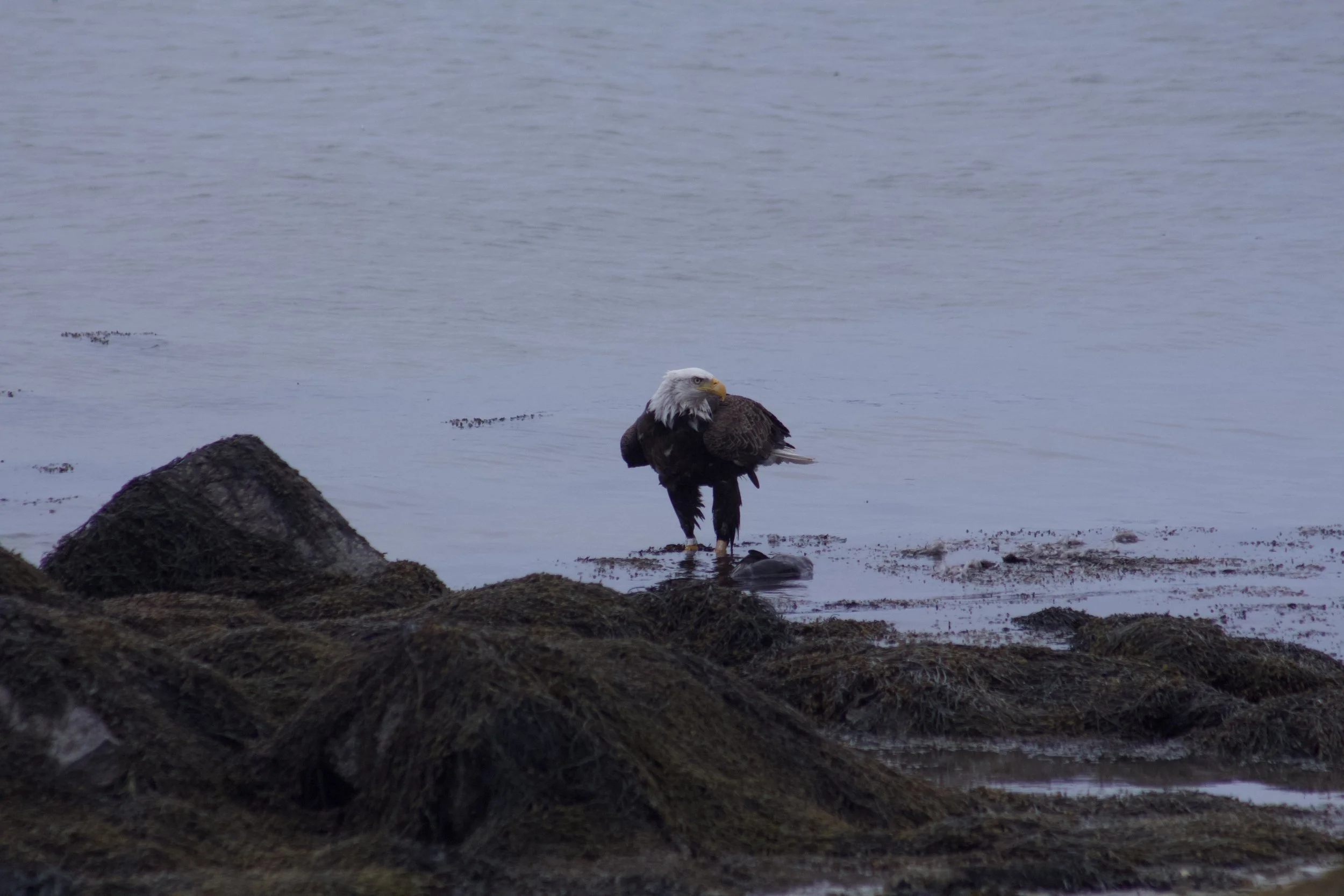
Bald Eagle in Rocky Nook, Kingston. Photo by Peter Yekhtikian.
Any other memorable wildlife experiences?
Last year, I was walking in the marshes, and I saw something that caught my eye. It was a fox running around the marshes. He was pretty far away, but then he kept getting closer and closer. I think he got within three feet of me, which was really, really, really cool to see. And he was almost playful with me. He was rolling around near me. It was just this wild animal, right next to me.
What’s next for you? Do you see a future in the conservation field?
I definitely want to do something revolving around conservation—either preserving nature or helping people work with it. I’m interested in going to college for environmental engineering.
In addition to photography, Peter captures video footage of Kingston wildlife using motion-activated trail cameras. Watch the video below for a compilation of Peter’s breathtaking work. View more on Peter’s YouTube channel, “Rocky Nook Trail Cameras.”