


What’s New at Wildlands
Tell a Better Story With Your Camera: Q&A with Photographer Drew Lederman
By Thomas Patti, Communications Coordinator
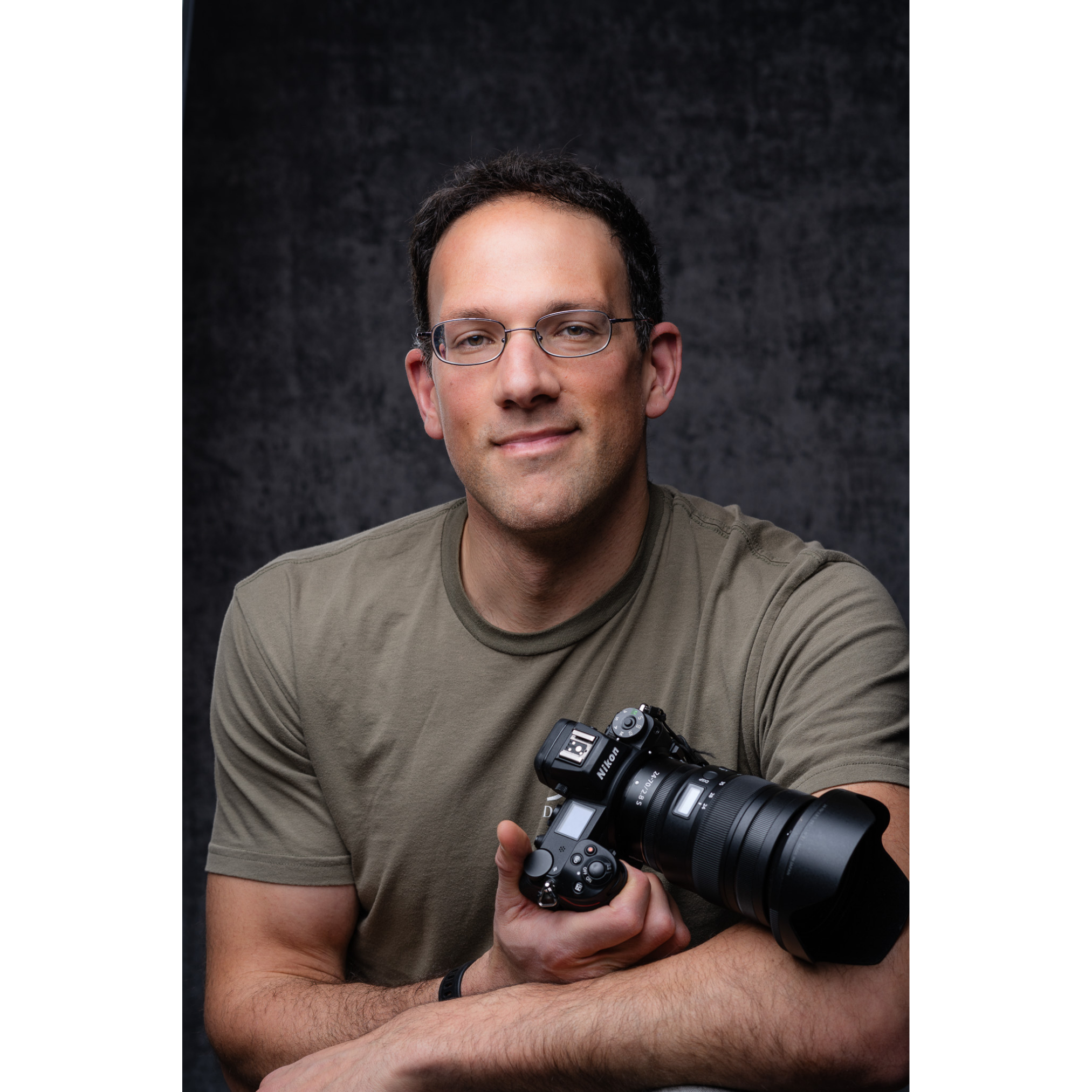
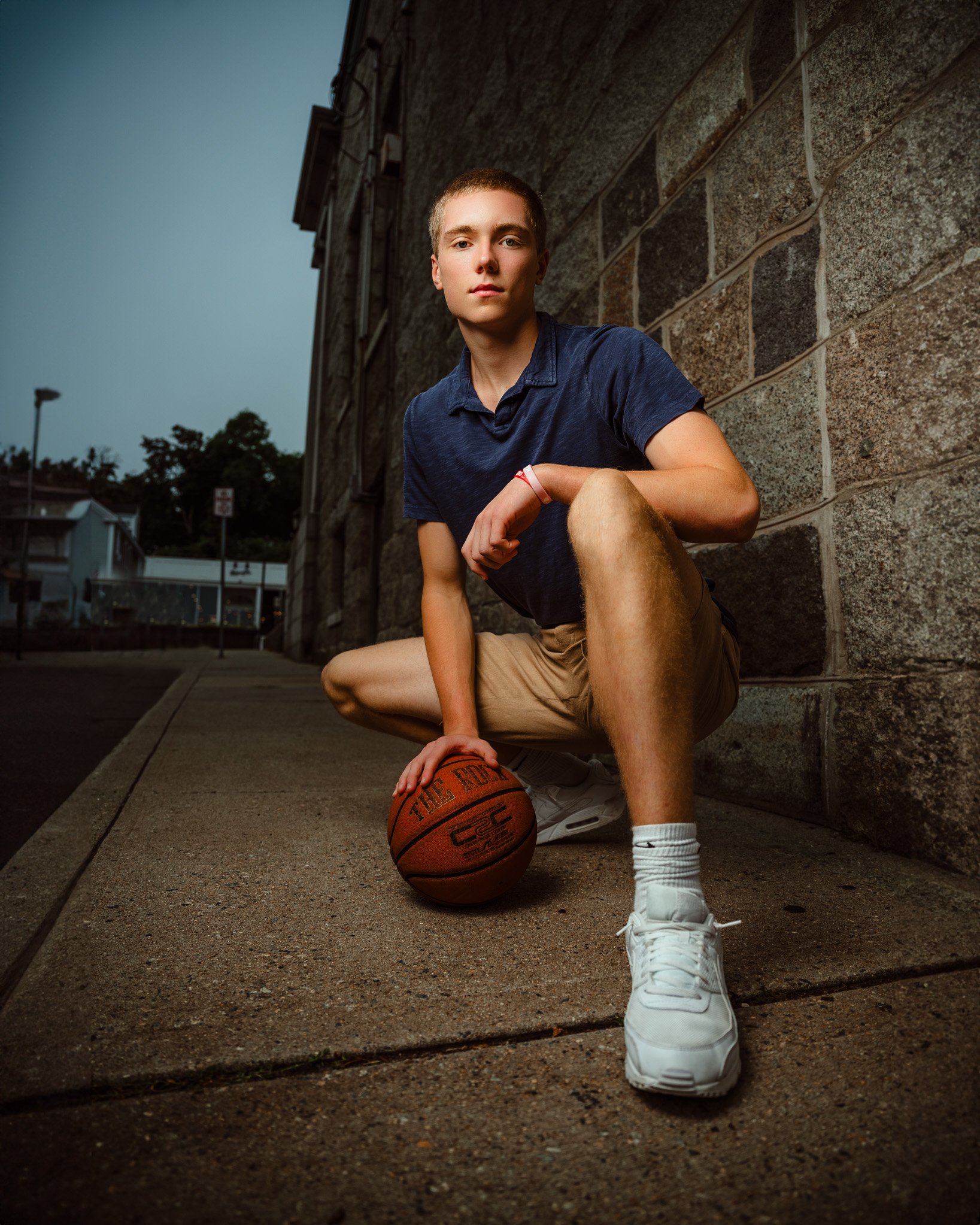
Photography is one of the most popular ways that people connect with nature. It is also one of the most important ways that Wildlands Trust generates public awareness and support for its work. For many years, photographer Drew Lederman has donated his time and talent to Wildlands, capturing breathtaking images of the people and places that define our region’s natural landscape.
Now, you can learn to do the same. Over four Thursdays from June 18 to July 9, Drew will lead “Outdoor Photography Essentials,” a hands-on class focused on honing your creative eye and capturing more compelling images. Click here to learn more and register for this program at Davis-Douglas Farm in Plymouth.
Drew’s photography studio offers a wide range of services, including weddings, family portraits, and professional headshots. But it all started with a desire to document his outdoor adventures. In anticipation of his class, I asked Drew to share his photography story—how it started, where it’s going, and why you should dust off the camera in your closet and take it down a trail.
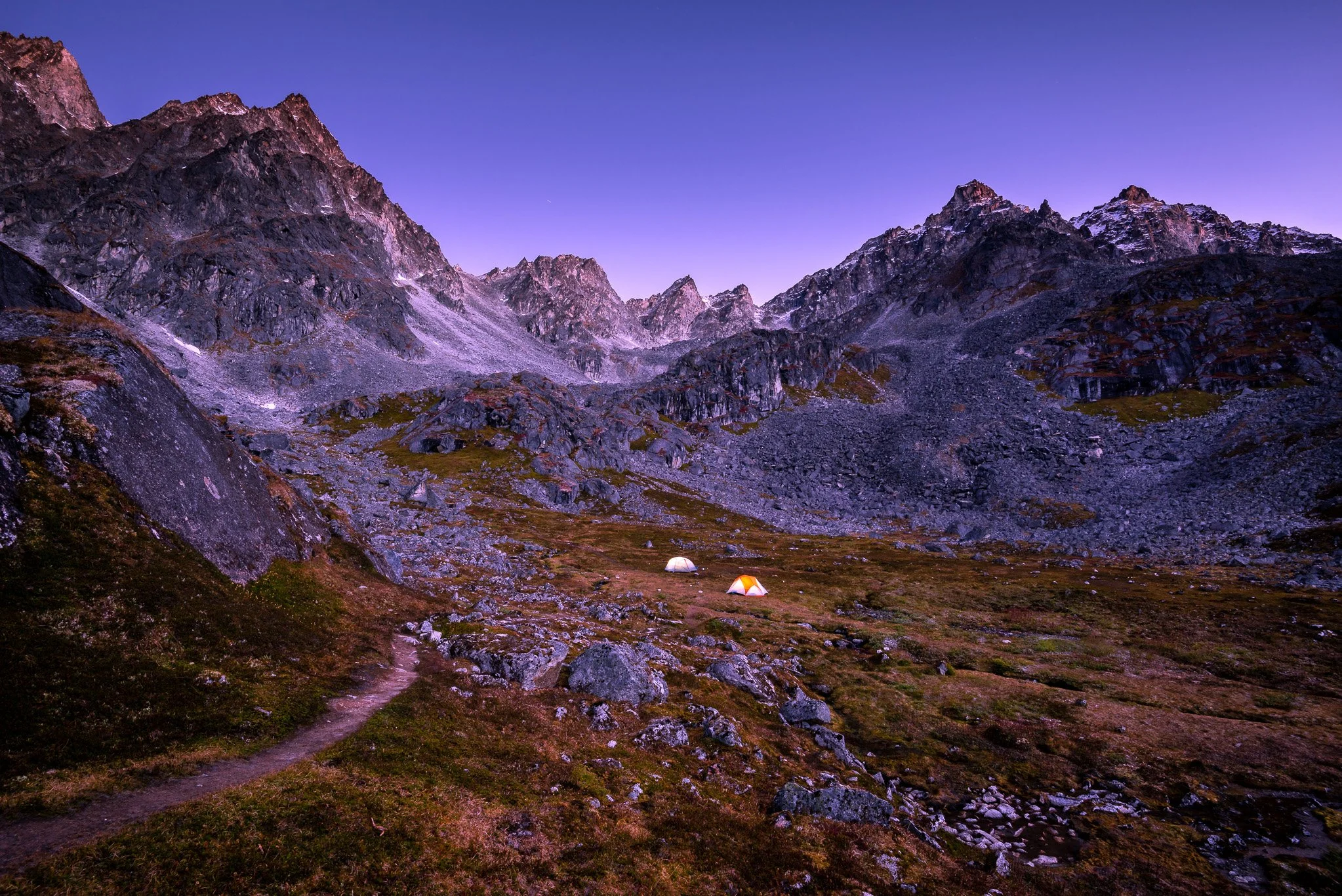
Photo by Drew Lederman.
TP: How did you get into photography?
DL: I've been interested in photography for most of my life, but I really got into it when I started backpacking and doing other outdoor adventures. I was just always in these really beautiful places, and I wanted to take photos of them. I wanted to show people where I was, what I was doing, and why I would wake up at two o'clock in the morning and hike to the top of a mountain to watch the sun come up. It's also meditative to look at a landscape and figure out what I want to focus on in that particular scene.
Over the years, my interest in photography morphed into all sorts of different jobs, where I built new skills and realized that I like photographing people, too. But documenting landscapes and nature is what really got me started.
You’ve donated your time and talent to Wildlands for years. Why?
Tucker Preserve is definitely my happy place on the South Shore. I actually grew up right down the street. Now, my wife and I really love nature, and we appreciate how important it is to keep natural spaces available and not have them all developed. When we got married, we decided that we wanted to use our wedding to give something back to Wildlands. We got a whole bunch of pamphlets and pictures and made a Wildlands Trust booth at our wedding so that people could donate to Wildlands if they wanted to. We also used a chunk of our wedding money that we had put aside for decorations and donated it to Wildlands instead.
Over the years, we have continued to grow our involvement in the Wildlands community. I've done staff headshots, photos of trail spaces, and classes. I’ve even photographed weddings for Wildlands staff members.
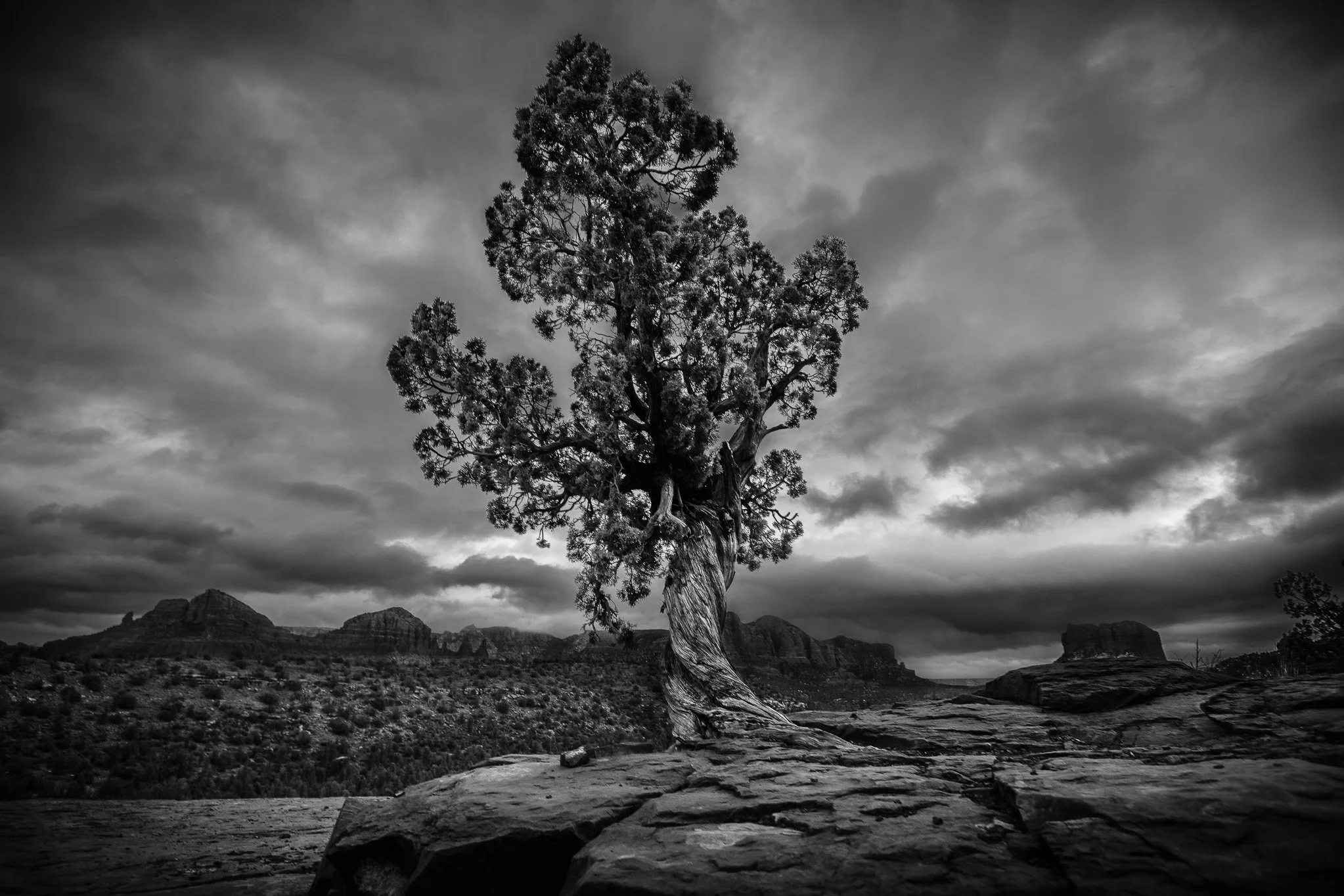
Photo by Drew Lederman.
Why should people try out photography? Why this class?
Photography helps you connect with nature a little bit more when you're out walking on trails. When you're a photographer on a trail, you're constantly looking at everything because you're scanning for interesting things to capture, rather than just breezing through the woods and not paying much attention. So, you learn how to slow down and appreciate the woods a little more.
Photography beginners tend to struggle with two things: the technical end of how their camera works, and how to create an image that's more pleasing to the eye. In a class like this, I teach people how to look at things differently, and how to really pick out what they want to take photos of so that they can tell a better story. It may seem really complicated at first, but once you learn how to use your camera, you never have to relearn it.
My goal is for people to come to each class, learn something new, and before the next class, go home and practice the things that we learned so that by the time the program is done, everyone can go off on their own and just continue to improve.
What message would you have for someone who doesn’t feel artistic enough to take this class?
There's no such thing as not being an artist. It doesn't matter what kind of photos you take or how good you are. If you're out there doing it and you're enjoying it, that's all that really matters. If I can help people get better at it and figure out some of the problems that they might be having, that’s great. Because when you're getting the results that you actually want, you're going to enjoy it more.
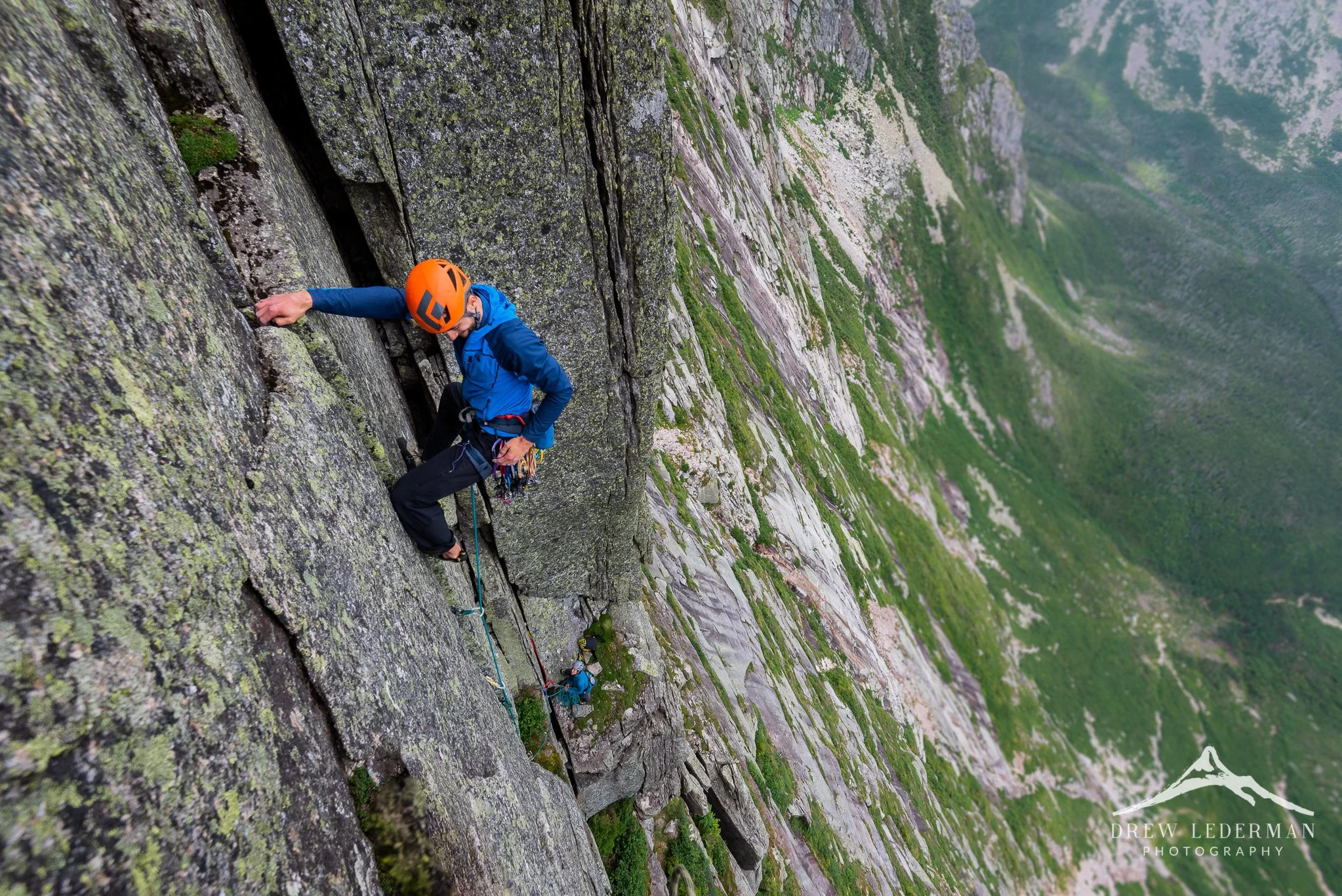
Photo by Drew Lederman.
How good of a camera do you really need to get started?
Someone once told me that the best camera is the one that you have on you. I think that says it all right there. It doesn't really matter what camera you have. Whether it's an iPhone, a point-and-shoot, or a $6,000 camera, they all kind of work the same way. There are advantages and disadvantages to each, but we can still do a lot of the same stuff, especially on the composition end. Figuring out how to create a more interesting photo can be done with anything.
Anything else for participants to know?
It'll be fun. I'm very big on hands-on learning. It's definitely not going to be a class where we just sit and look at PowerPoint slides. I want to explain something, and then I want you to go practice it. So, it's going to be a lot of actually using your camera.
***
Click here to learn more and register for “Outdoor Photography Essentials,” instructed by Drew Lederman.
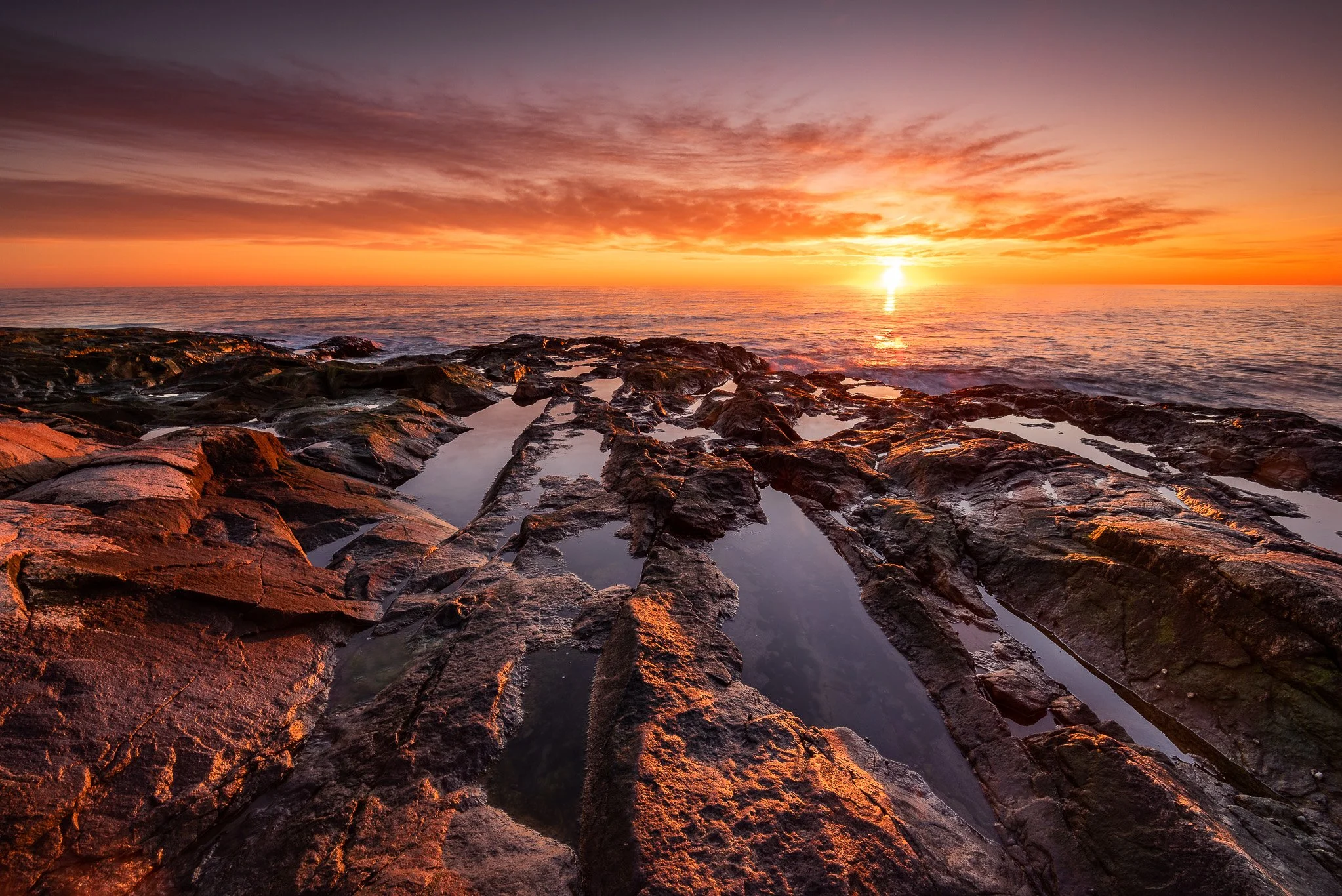
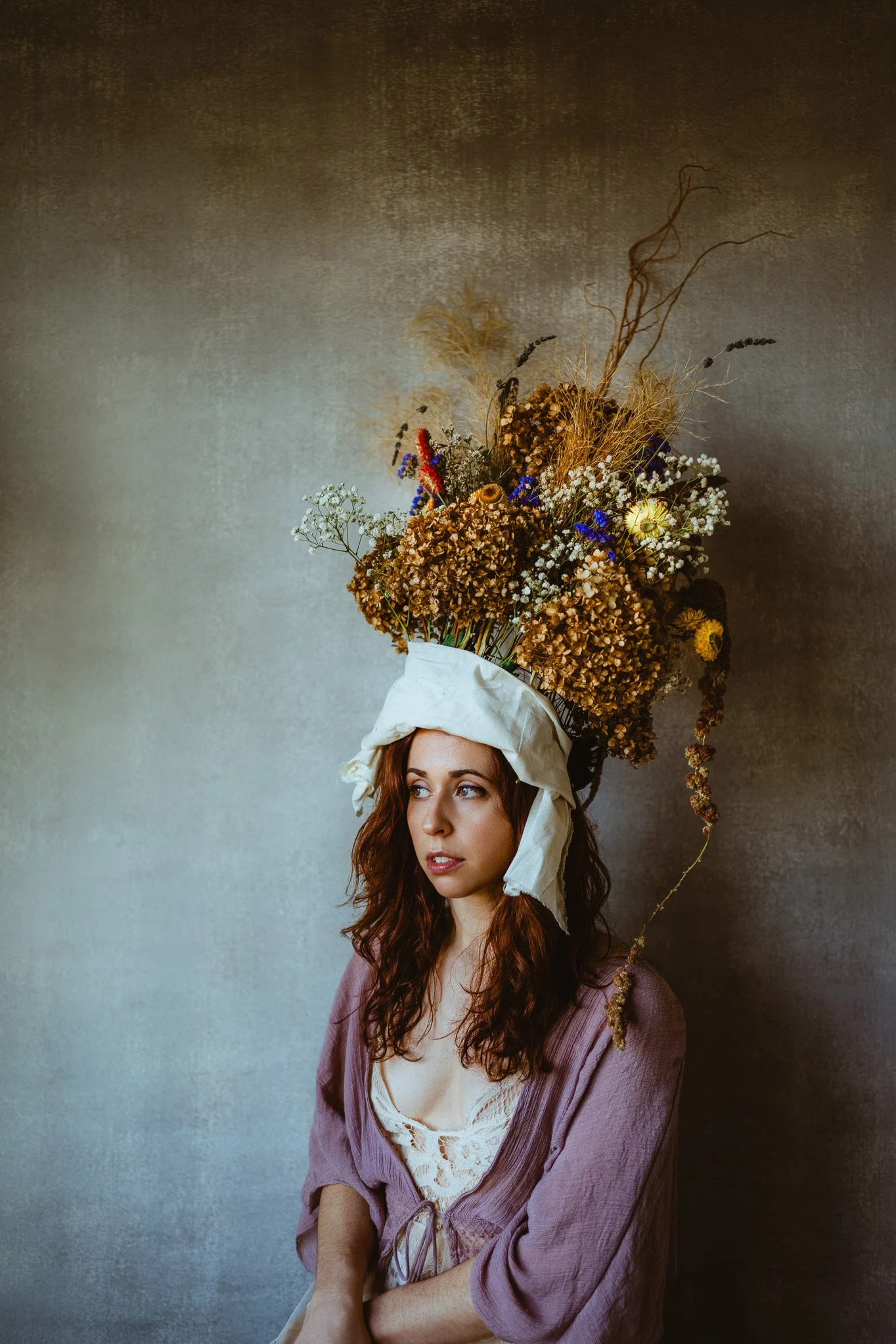
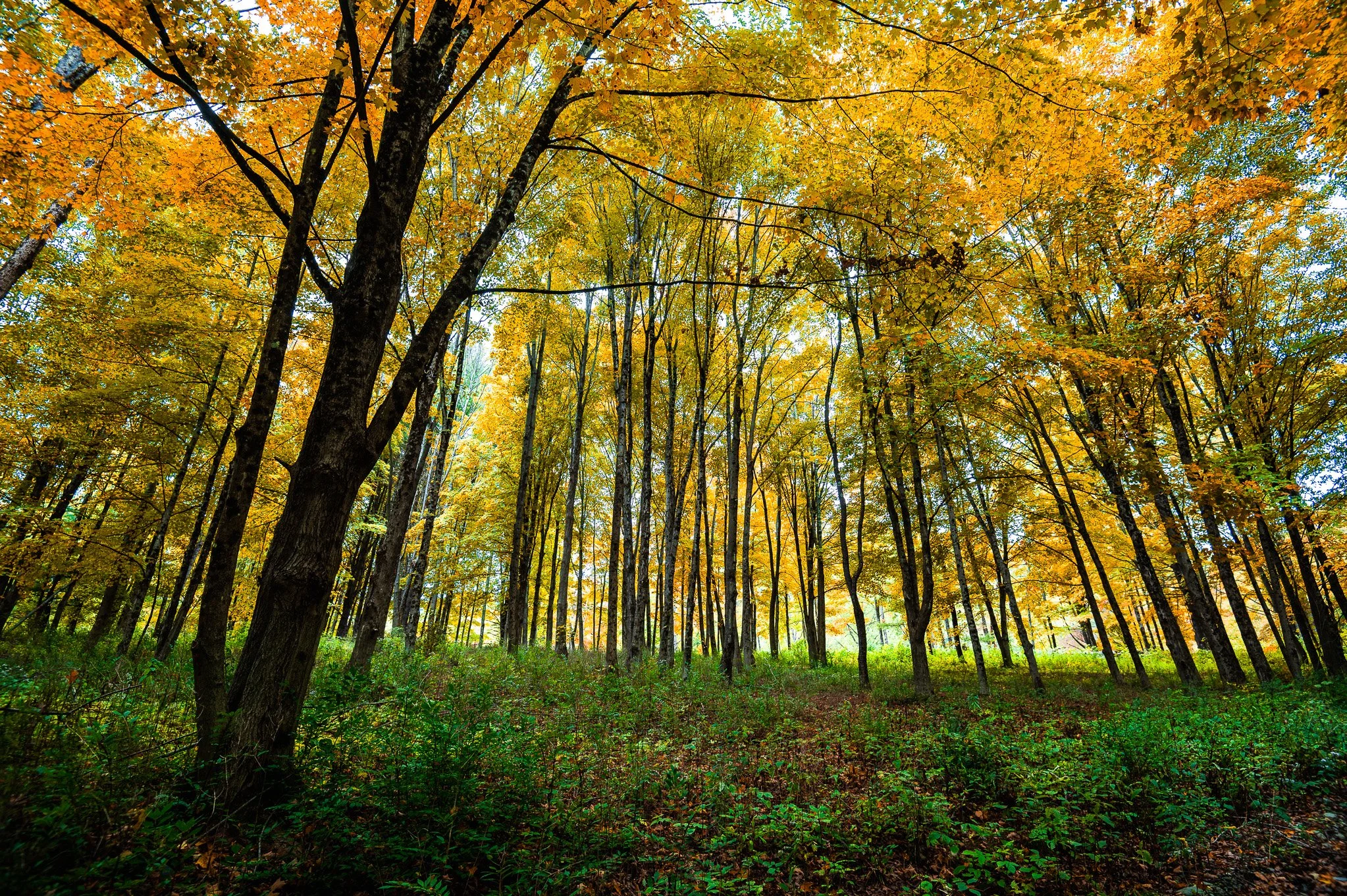
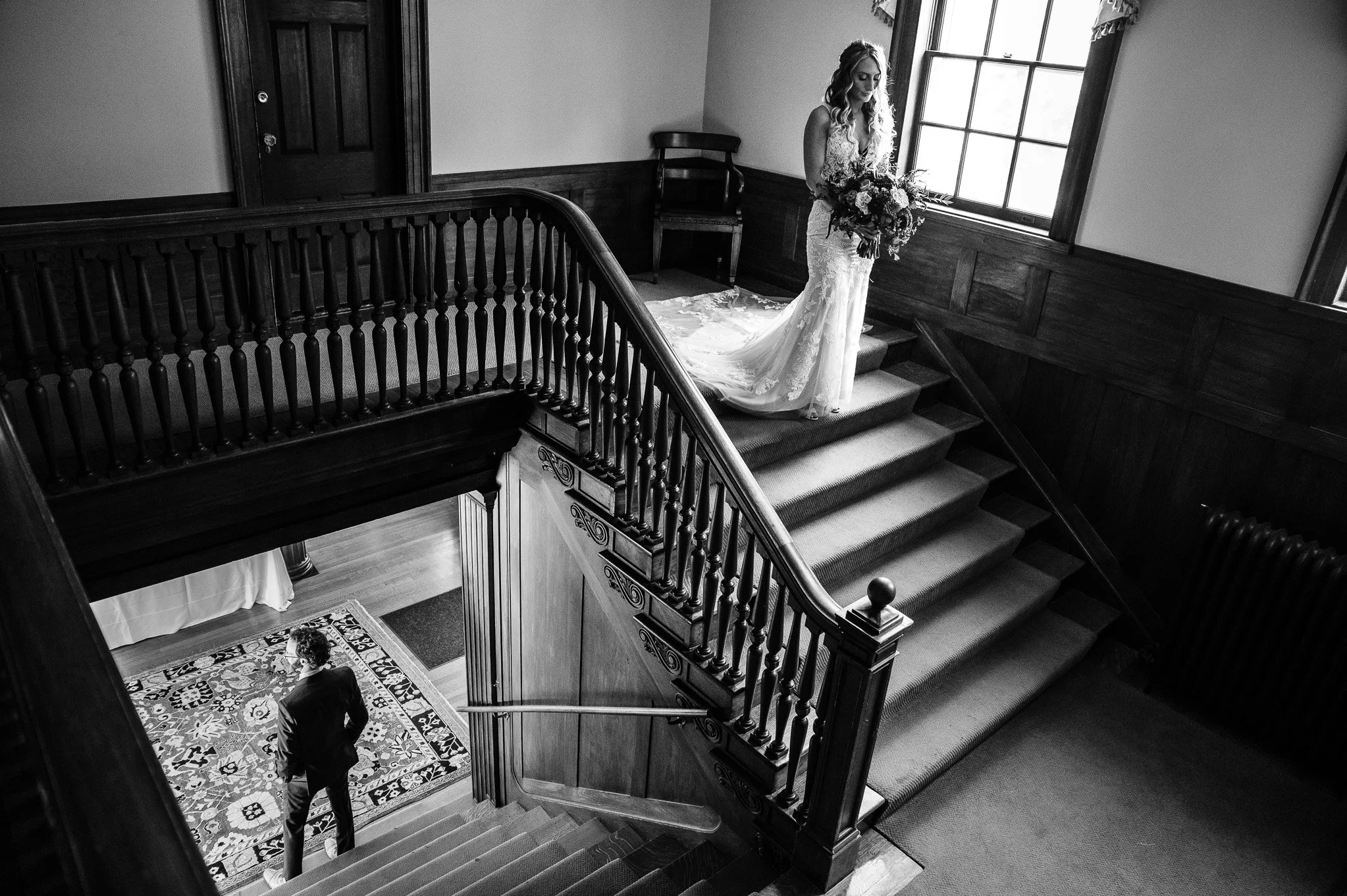
Scroll through the gallery below for more of Drew’s photos.
Local Lens: Q&A with Wildlife Photographer Peter Yekhtikian
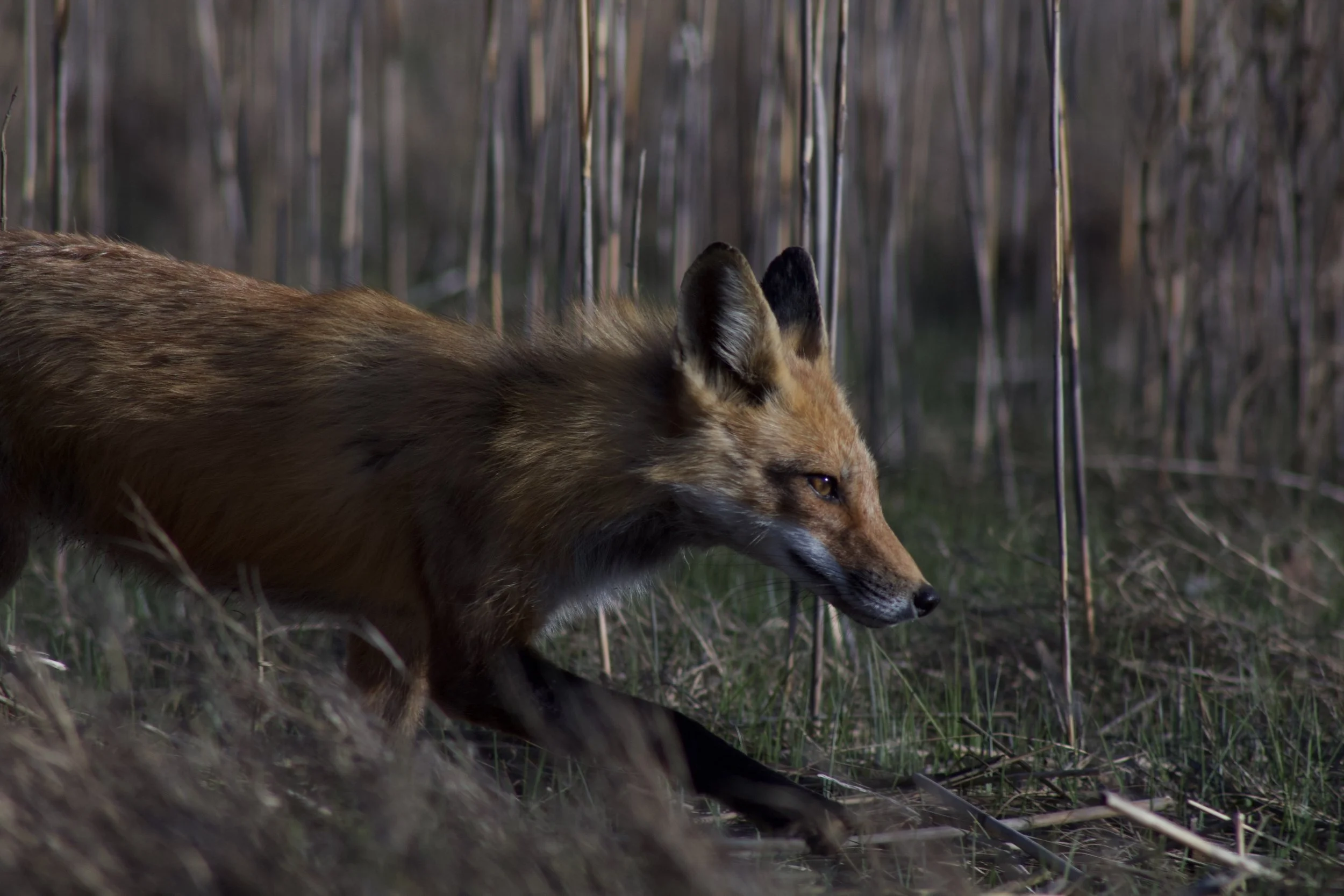
Red fox at The Nook Preserve in Kingston. Photo by Peter Yekhtikian.
By Thomas Patti, Communications Coordinator
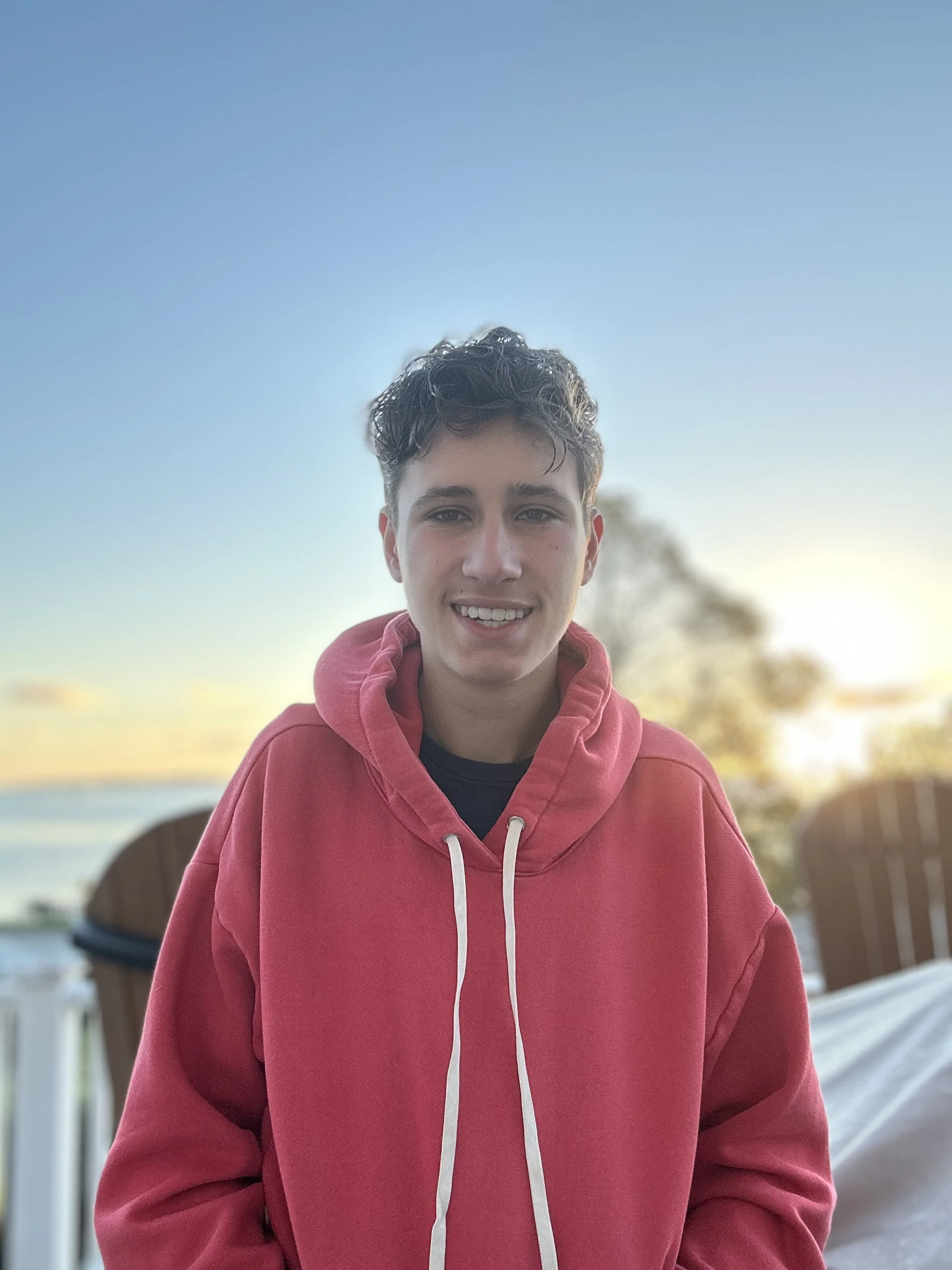
Peter Yekhtikian.
Many pursue wildlife photography as a retirement hobby. For Peter Yekhtikian of Kingston, it’s anything but. For starters, Peter is 16 years old, a junior at Rising Tide Charter Public School. Wildlife photography is also more than a hobby for Peter. Already, he has leveraged his keen observation skills and prodigious naturalist knowledge to spotlight and protect his local natural areas—including The Nook Preserve in Kingston, where he volunteers as a Wildlands Trust Adopt-a-Preserve trail monitor. I spoke with Peter about what spurred this passion and why everyone should spend more time on their neighborhood trails.
This conversation has been edited for length and clarity.
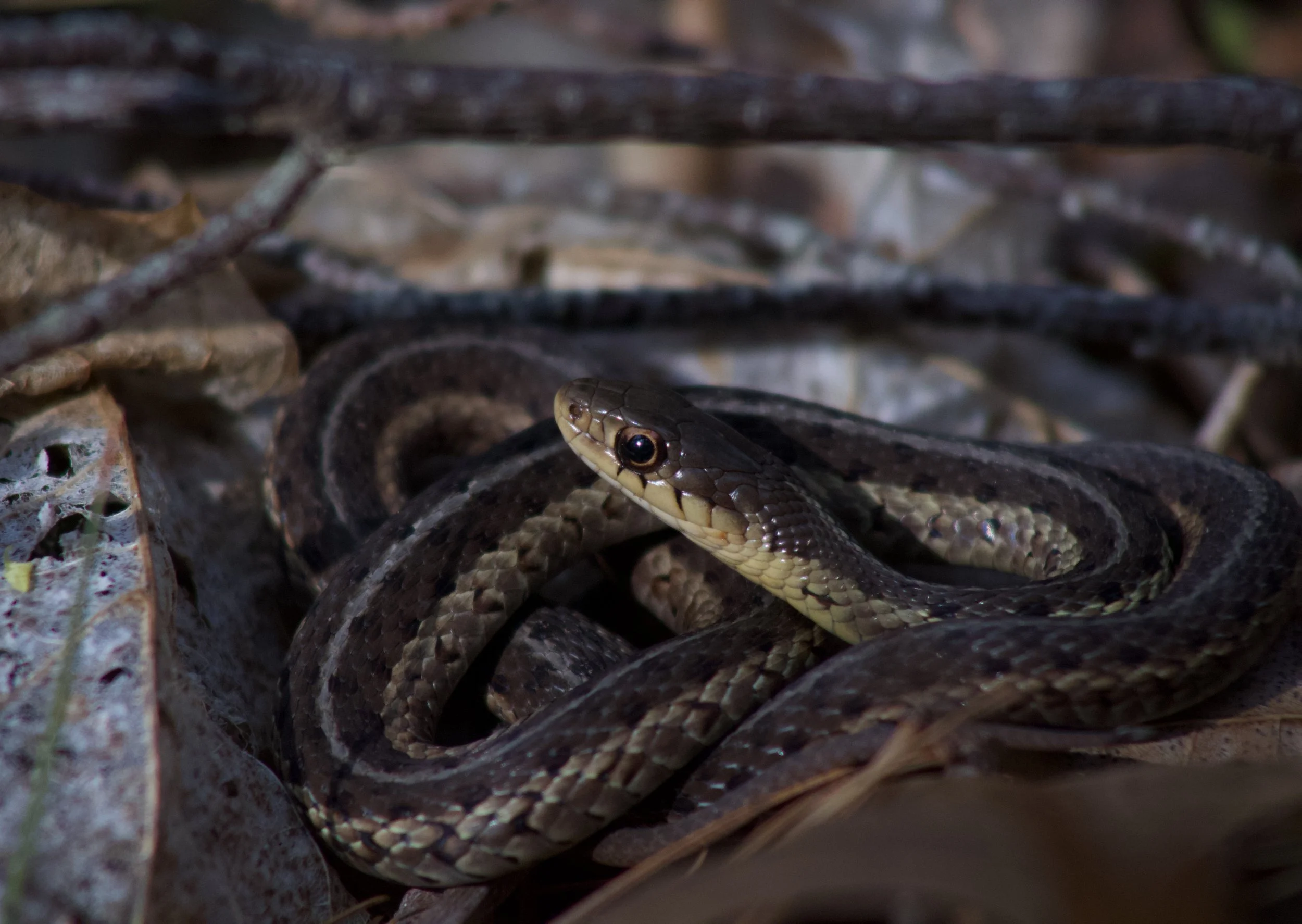
Eastern garter snake at The Nook Preserve in Kingston.
Thomas Patti: How did you get into wildlife observation and photography?
Peter Yekhtikian: I got into wildlife when I was about six. I loved watching Nat Geo documentaries and reading books about different animals.
When I was in fifth grade, we were watching the Bruins and heard screaming outside. We ended up figuring out where it was coming from and finding a fisher cat. It was crazy to see that in our neighborhood. That struck my interest in local wildlife.
Then, I got a camera for my birthday. One day, we had a Ring-necked Pheasant in our yard, and our little dog was chasing it. I was like, ‘Oh, this is really funny and cool. What if I try photography?’ And I just started taking photos of anything flying overhead.
From there, I got into using eBird so I could document some of the stuff I was seeing. I'd go out into our woods and take photos of anything I could find, and then I'd try to identify it and put it on [community science platforms] iNaturalist and eBird. It’s kind of like a game: how many species can I see today?
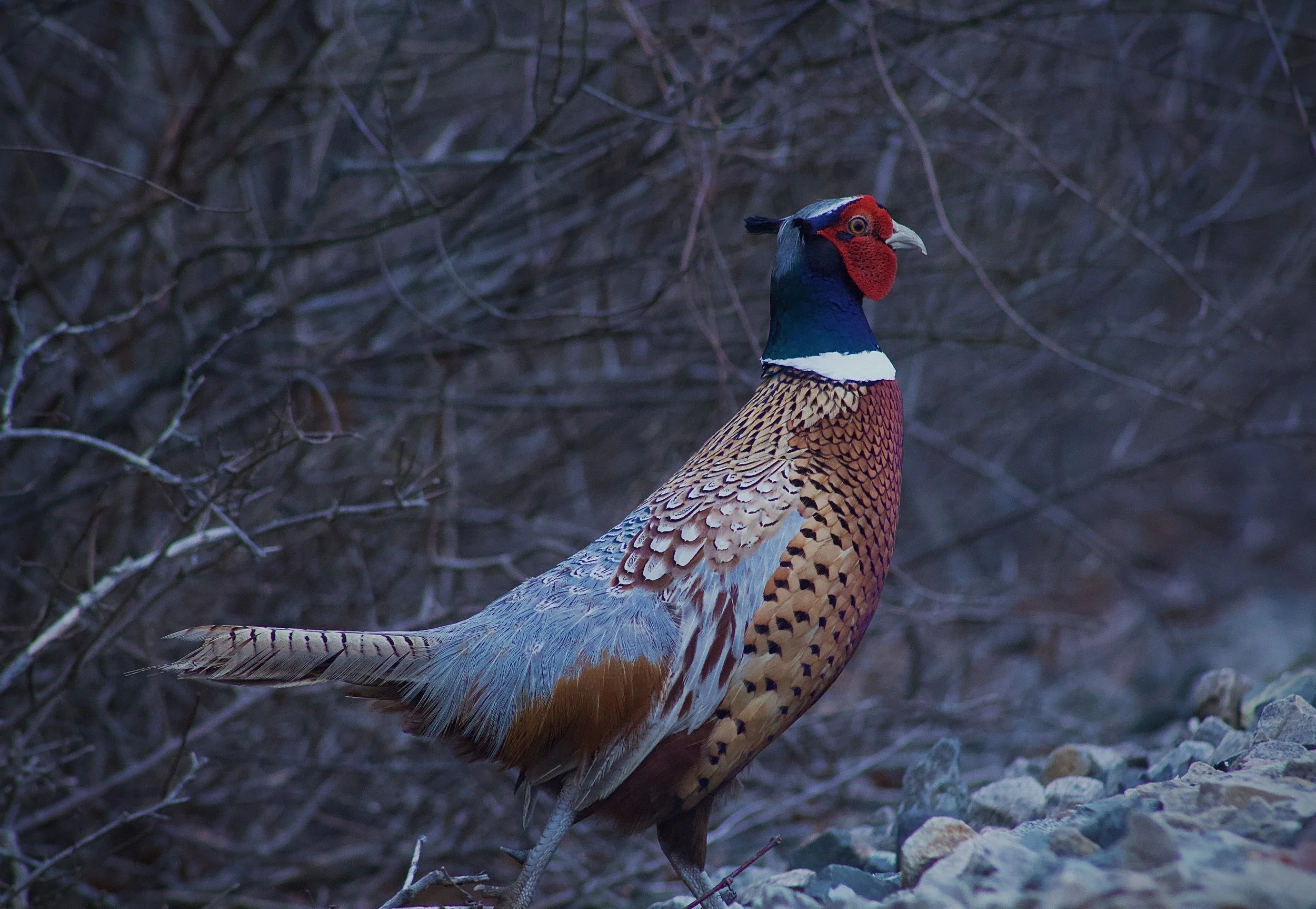
Ring-necked Pheasant in Rocky Nook, Kingston. Photo by Peter Yekhtikian.
You seem content documenting wildlife in your own backyard—often literally. Why is that?
Kingston is just as important as anywhere else. Because of all the habitats here—freshwater and saltwater marsh, the open bay, forest, wetlands, fields—we get species that other places don’t. I think my record was 73 species observed in one day. That was awesome.
I feel like Kingston is underrepresented in terms of wildlife data. If I can show people how much stuff we have here, it may inspire them to explore local preserves that aren’t appreciated enough. I’ve met people at The Nook who said they had never known about the preserve until they saw an eBird checklist I submitted. It feels really nice to know that what I’m doing is inspiring people to go to these places.
This summer, I interned with the Kingston Conservation Commission as a wildlife monitor. One day, I was checking the marsh in Rocky Nook, and I saw something fly out of the marsh. It was a sparrow, but it didn't fly like a Song Sparrow. It looked totally off. I was like, ‘Huh, what could this be?’ I ended up getting a photo, and I noticed a yellow streak on the eye. I was like, ‘Oh, wow. This is a Saltmarsh Sparrow.’ Mass Audubon’s most recent survey noted that Saltmarsh Sparrows had increased in population everywhere in Massachusetts except the South Shore, where there was no breeding activity at all. So, it was cool to see that they were breeding in our marshes. I don’t think anyone had ever checked, because no one really goes out there.
The Town of Kingston wanted to get a grant for adding more salt marsh hay into the marsh to attract Saltmarsh Sparrows. Now that we have evidence that they’re already breeding here, it’s going to be a lot easier to get that grant.
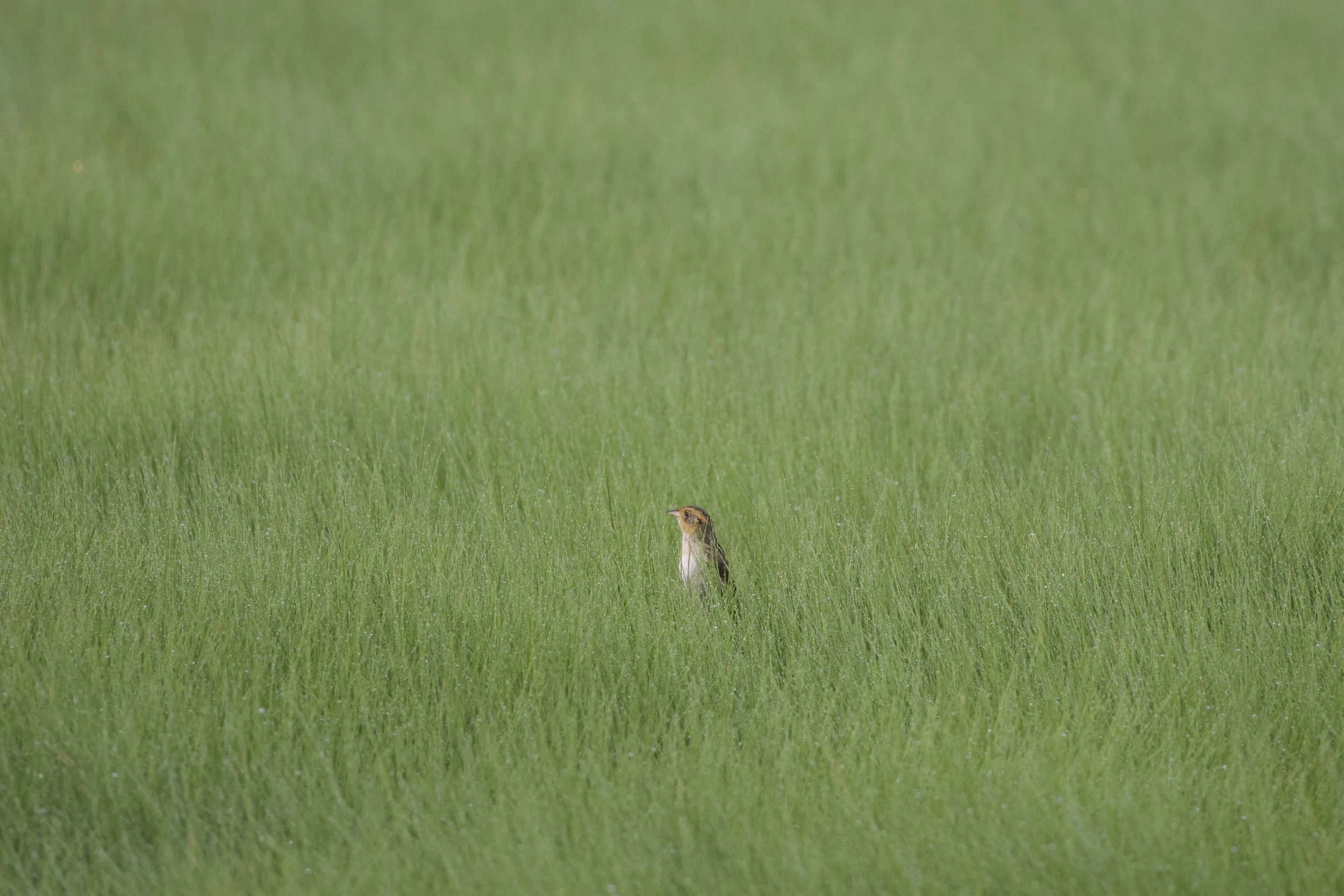
Saltmarsh Sparrow in Rocky Nook, Kingston. Photo by Peter Yekhtikian.
That is a great example of why communities should know and care about their local environment. What story do you hope to tell with your photos and videos?
The message is just to get outside and explore. Everyone should at least try to go into the woods. Just observe what’s around you. Everything is so fast-paced nowadays. Sometimes it’s nice to just slow down and get somewhere peaceful, where you’re not always on your phone, scrolling on TikTok or something.
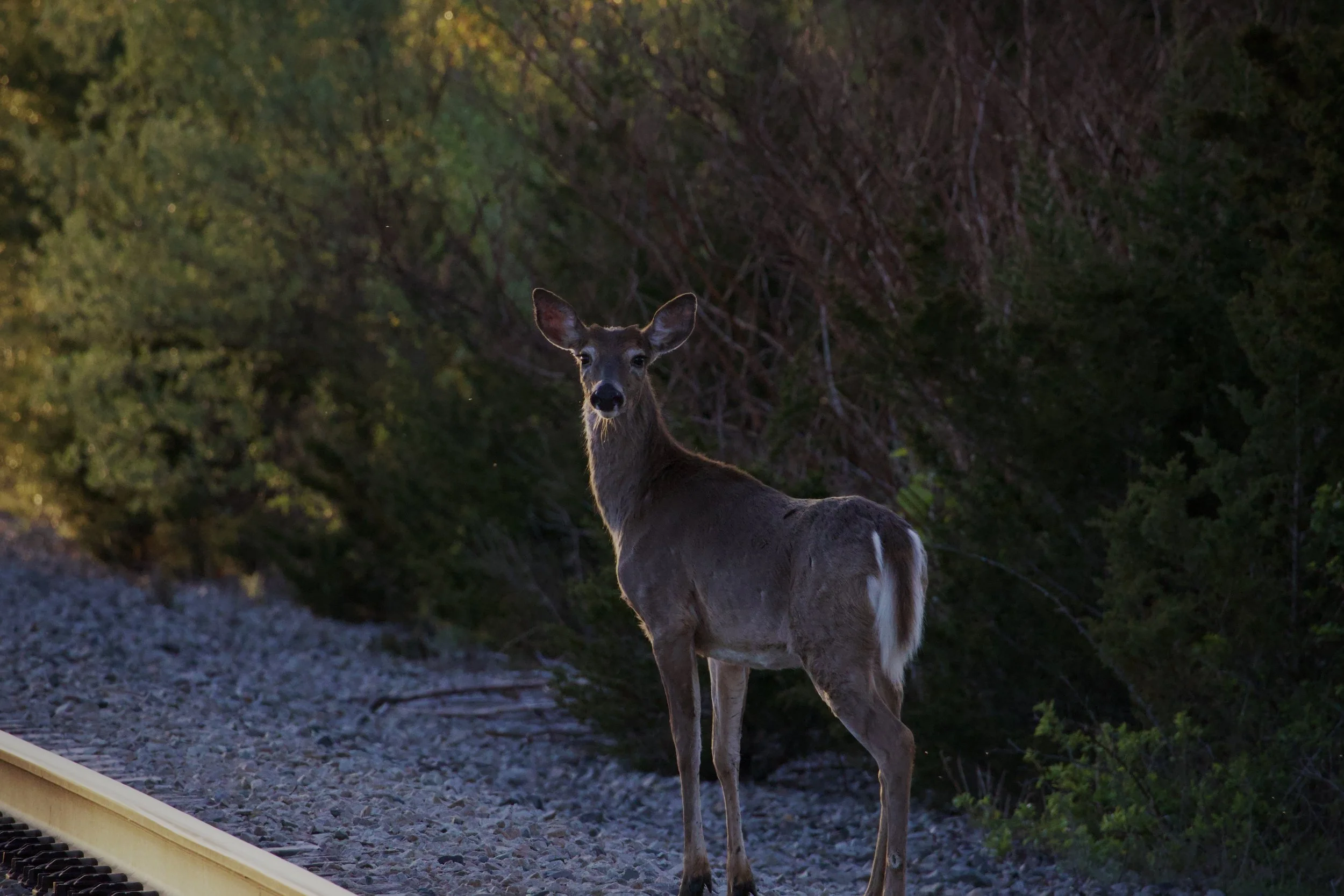
White-tailed deer in Rocky Nook, Kingston. Photo by Peter Yekhtikian.
You also serve as an Adopt-a-Preserve trail monitor. Why do you volunteer with Wildlands?
My dad is a member of Wildlands Trust. Last year, he got an email from Wildlands asking for volunteers at certain preserves, and one of them was The Nook. And it just kind of struck me that I already go there so much. Why not help out more officially with the organization?
I also went to Wildlands’ birdhouse building workshop at the Stewardship Training Center last spring. I really enjoyed it. Afterwards, my Uncle Ken and I wanted to build more birdhouses for Kingston. So, we met with the Town of Kingston’s Conservation Agent, Matt Penella, to decide where we should put them. That meeting led to my summer internship with the Town. So, Wildlands Trust is very connected to my conservation story.
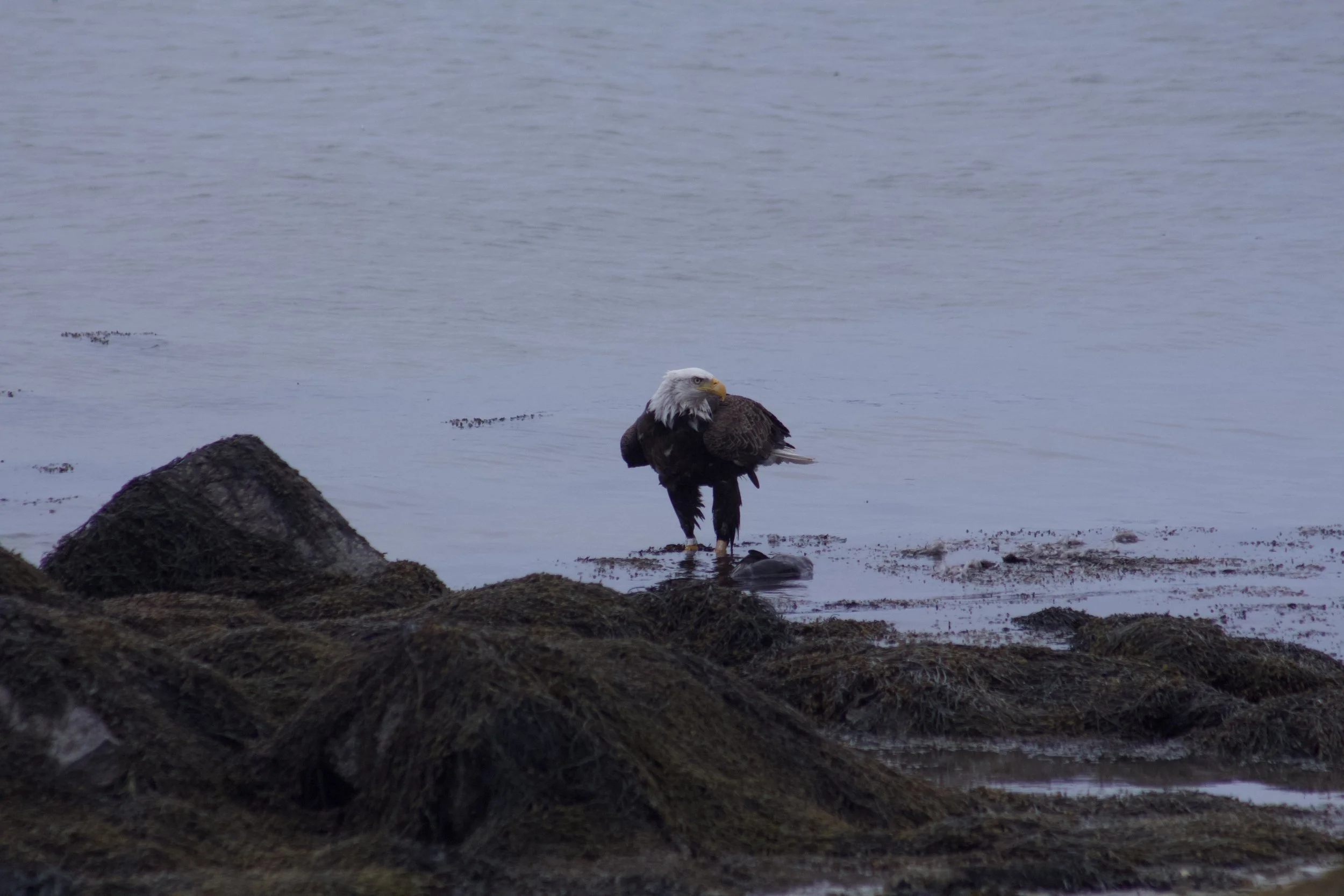
Bald Eagle in Rocky Nook, Kingston. Photo by Peter Yekhtikian.
Any other memorable wildlife experiences?
Last year, I was walking in the marshes, and I saw something that caught my eye. It was a fox running around the marshes. He was pretty far away, but then he kept getting closer and closer. I think he got within three feet of me, which was really, really, really cool to see. And he was almost playful with me. He was rolling around near me. It was just this wild animal, right next to me.
What’s next for you? Do you see a future in the conservation field?
I definitely want to do something revolving around conservation—either preserving nature or helping people work with it. I’m interested in going to college for environmental engineering.
In addition to photography, Peter captures video footage of Kingston wildlife using motion-activated trail cameras. Watch the video below for a compilation of Peter’s breathtaking work. View more on Peter’s YouTube channel, “Rocky Nook Trail Cameras.”