


What’s New at Wildlands
New GIS App Streamlines Adopt-a-Preserve Reporting
Plus: A Post-Snowstorm Trail Update
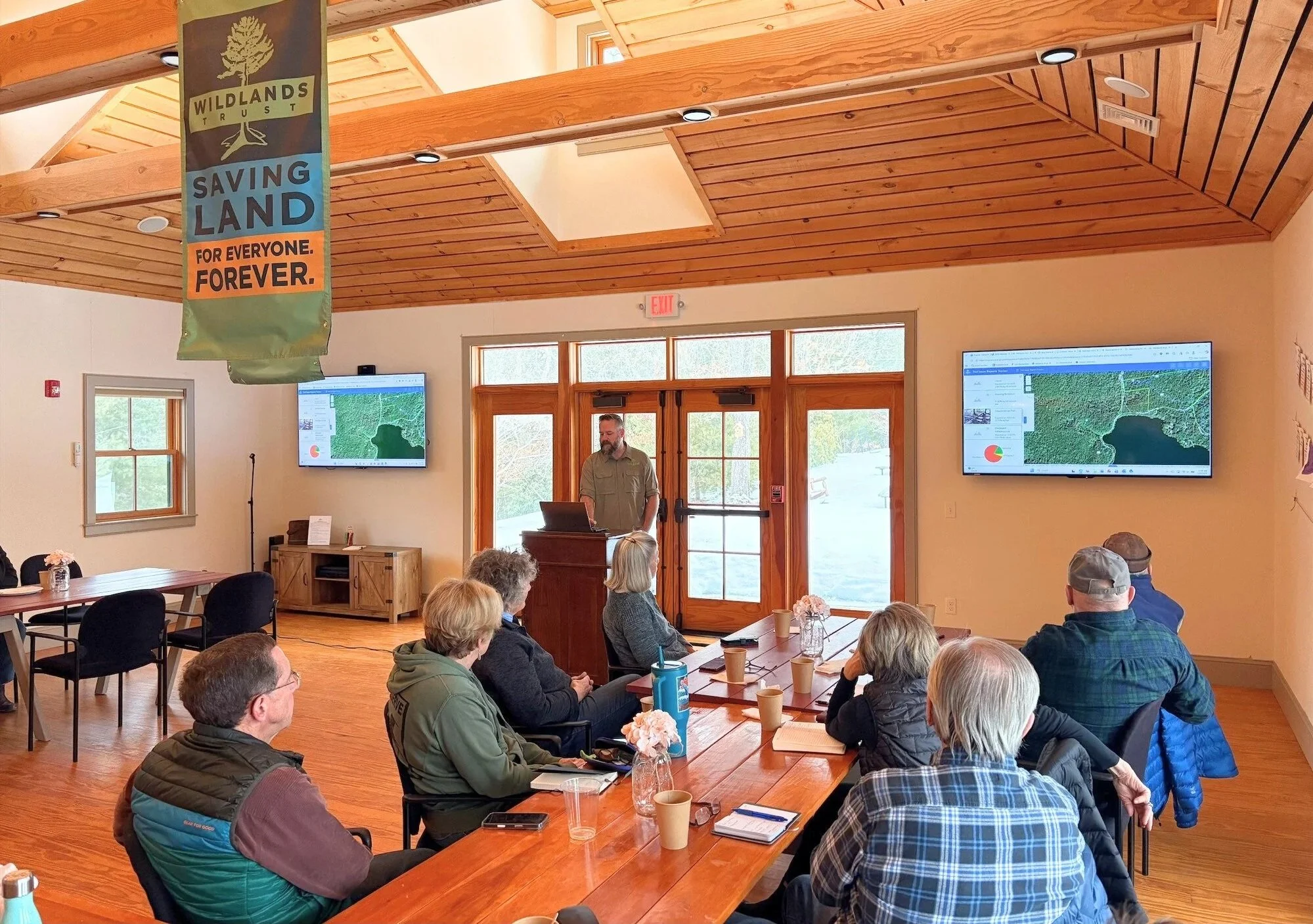
GIS Manager Jason Risberg demonstrates QuickCapture during the Volunteer Brunch & Learn on February 20.
Above all, Wildlands volunteers are driven by the promise of impact. In a survey last year, 91 percent of them identified the “satisfaction of giving back” as a primary motivation for their involvement. (Explore our full analysis in the Spring 2025 issue of Wildlands News.)
Thanks to a new trail monitoring tool, Adopt-a-Preserve volunteers can now give back more efficiently than ever before, amplifying their impact on the lands they love.
Wildlands’ Adopt-a-Preserve (AAP) program is one of many ways that volunteers make our work possible. By visiting their ‘adopted’ preserve once a month and reporting any issues (such as fallen trees, litter, and invasive plants) to our staff, AAP volunteers help us detect, prioritize, and resolve stewardship needs on lands across our service region.
Until now, AAP volunteers submitted their reports through an online form after their site visits. In addition to costing volunteers extra time, this approach cost our stewardship team extra legwork—literally and figuratively—to turn AAP reports into actionable insight. They would first have to manually transfer the reports into Wildlands’ digital mapping software. Then, since volunteers’ descriptions and photos of issues on the trails were not georeferenced (i.e., linked to an exact point on a map), our stewards would often find themselves wandering a preserve in search of the issue they had come to resolve.
Enter ArcGIS QuickCapture, a mobile app that allows volunteer trail monitors to digitally map their observations from the field. Wildlands demonstrated the new tool during a Volunteer Brunch & Learn on February 20 and a recorded Zoom presentation on March 4.
The upgrade was made possible by the addition of GIS Manager Jason Risberg to Wildlands’ staff. With increasing technological capacity, Wildlands can streamline its stewardship processes, for the benefit of the staff and volunteers who care for our trails—and therefore all who enjoy them, too.
“We always want our volunteers to know that their efforts have a meaningful impact on our work,” said Stewardship & Volunteer Coordinator Rebecca Cushing. “By inviting them to participate more directly in our GIS-powered processes, I hope that volunteers feel more connected and empowered by the crucial work they do for us.”
Fully implementing QuickCapture will take more education and time. The original AAP reporting form will remain active in the meantime.
If you are a current AAP volunteer with questions about QuickCapture or a prospective volunteer looking to get involved, we want to hear from you! Please contact Stewardship & Volunteer Coordinator Rebecca Cushing at rcushing@wildlandstrust.org or 774-343-5121 x 106.
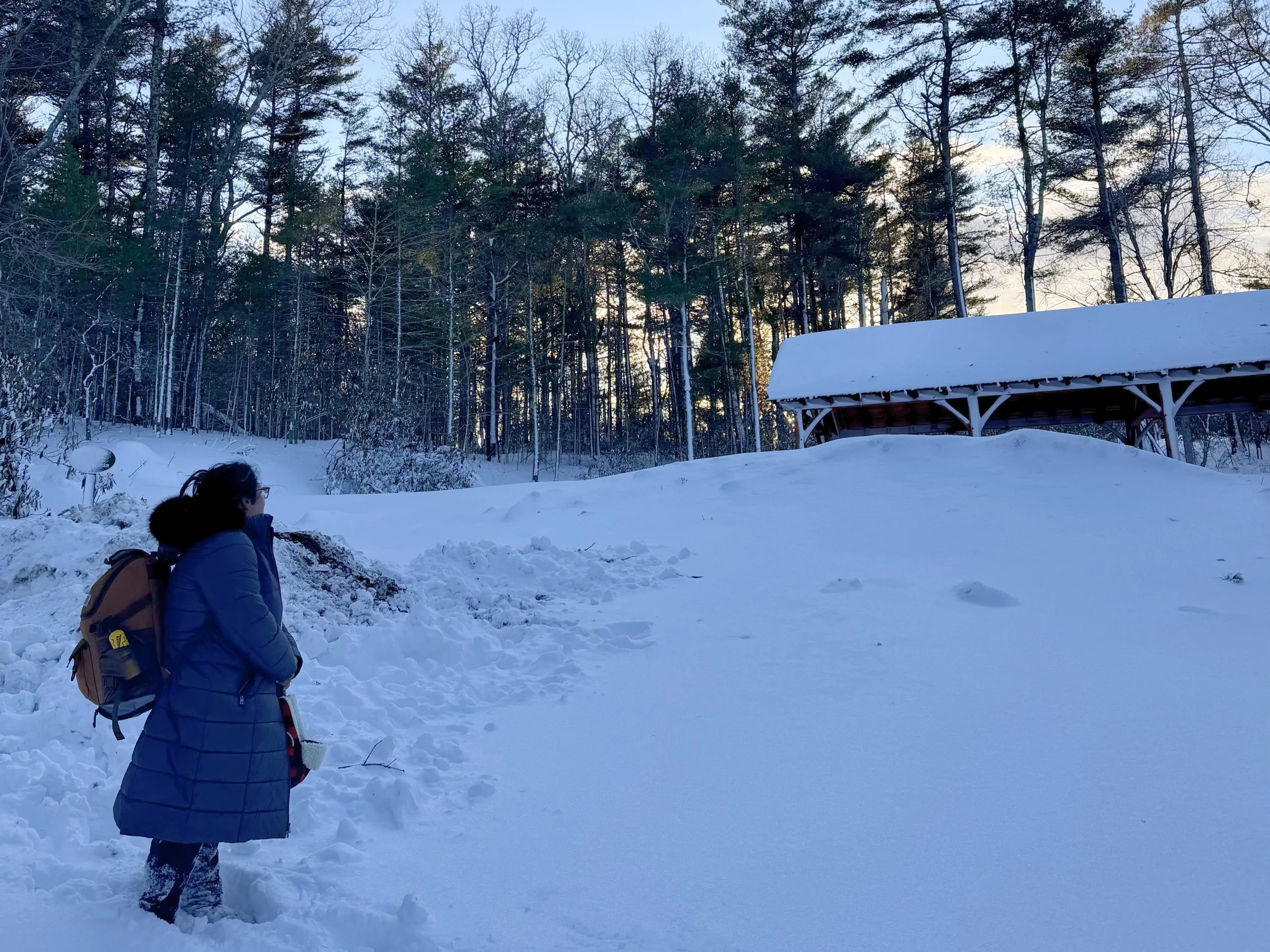
Trail Update
Wildlands’ stewardship staff and volunteers are working hard to restore access to our preserves after last month’s historic snowstorm. Despite the recent warm-up, trail conditions remain inconsistent—and potentially dangerous. Please exercise caution on Wildlands trails and report safety concerns to trails@wildlandstrust.org. (Or better yet, lend your eyes and ears to the lands you love as a Wildlands Adopt-a-Preserve volunteer!)
Local Lens: Q&A with Wildlife Photographer Peter Yekhtikian
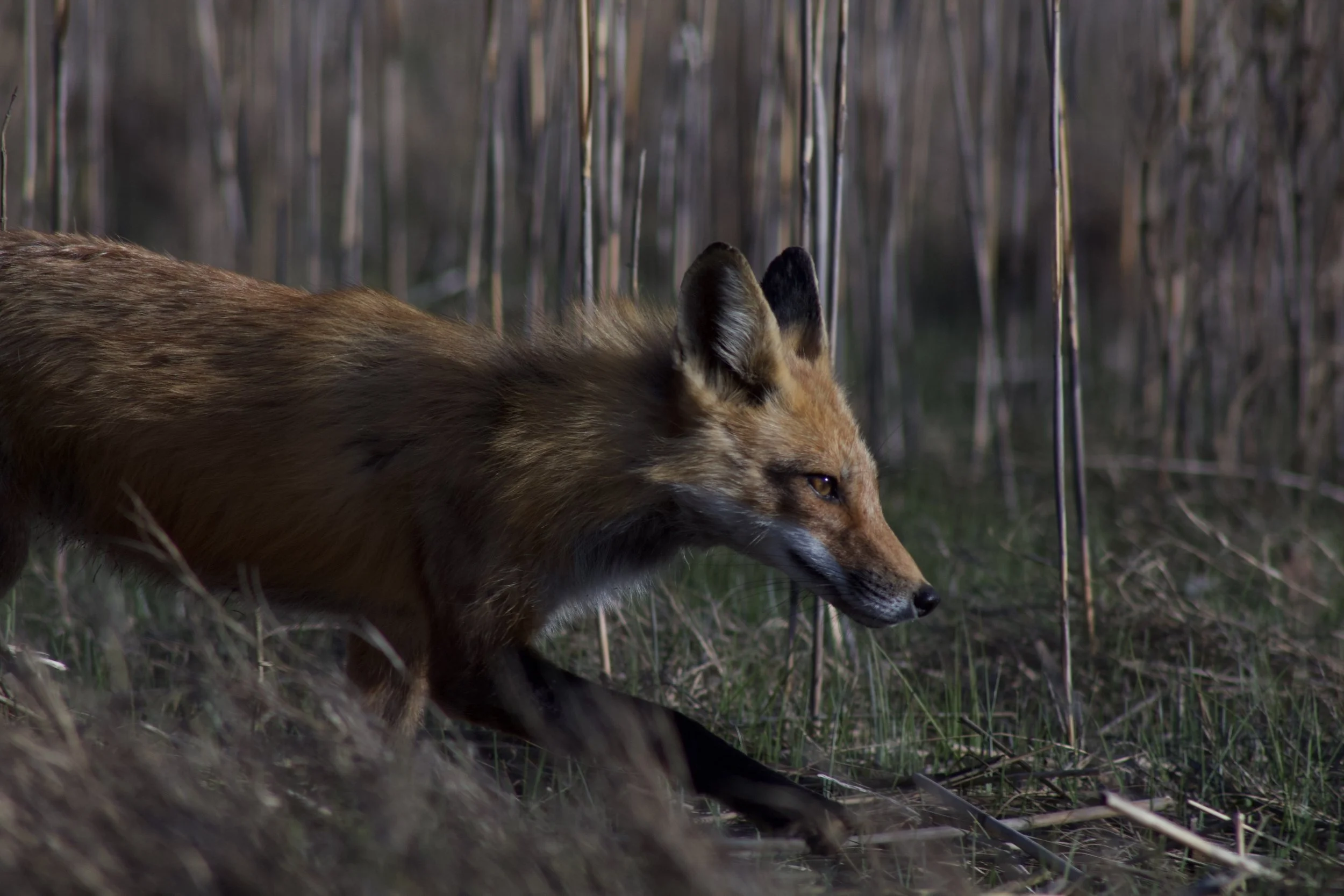
Red fox at The Nook Preserve in Kingston. Photo by Peter Yekhtikian.
By Thomas Patti, Communications Coordinator
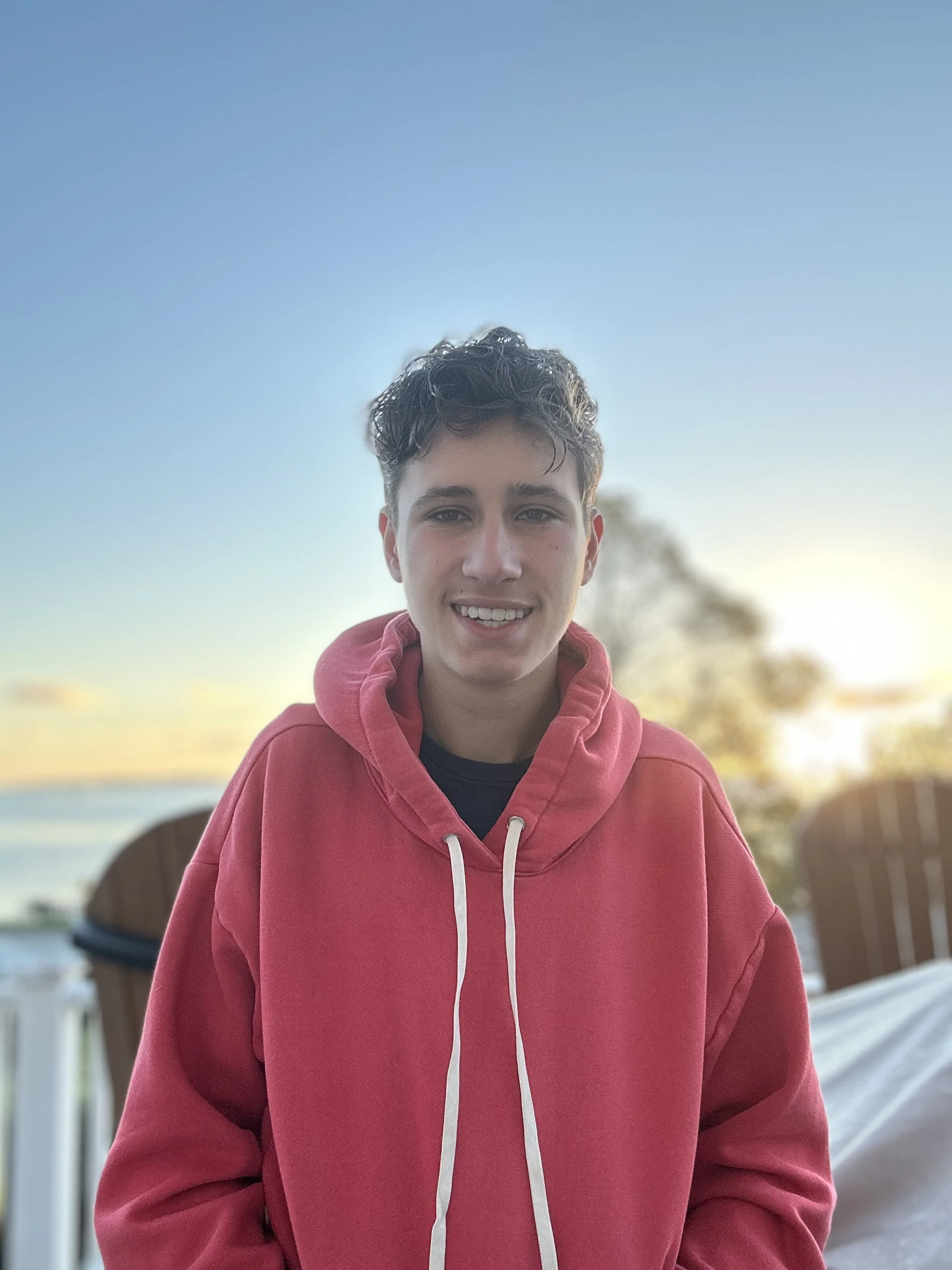
Peter Yekhtikian.
Many pursue wildlife photography as a retirement hobby. For Peter Yekhtikian of Kingston, it’s anything but. For starters, Peter is 16 years old, a junior at Rising Tide Charter Public School. Wildlife photography is also more than a hobby for Peter. Already, he has leveraged his keen observation skills and prodigious naturalist knowledge to spotlight and protect his local natural areas—including The Nook Preserve in Kingston, where he volunteers as a Wildlands Trust Adopt-a-Preserve trail monitor. I spoke with Peter about what spurred this passion and why everyone should spend more time on their neighborhood trails.
This conversation has been edited for length and clarity.
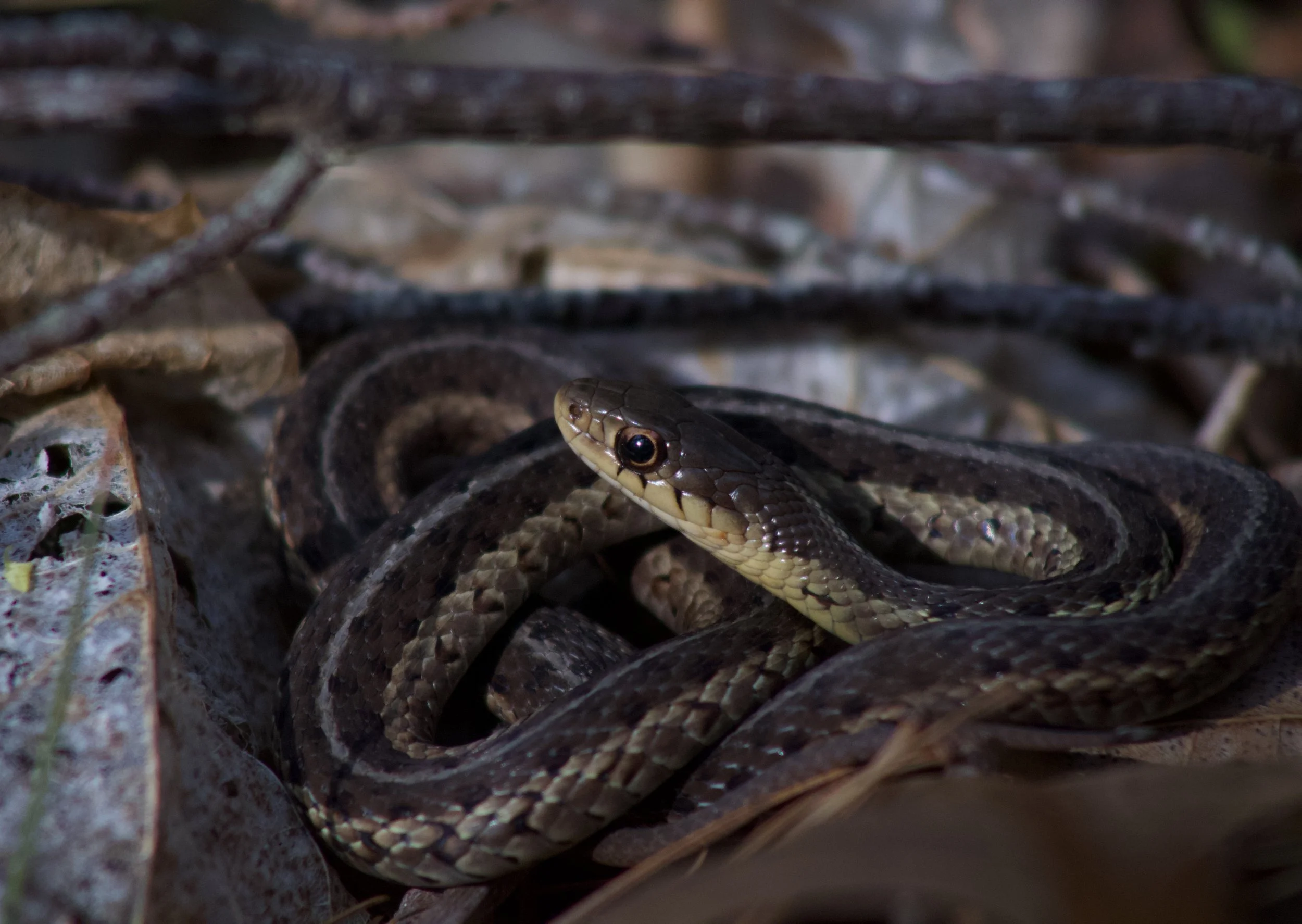
Eastern garter snake at The Nook Preserve in Kingston.
Thomas Patti: How did you get into wildlife observation and photography?
Peter Yekhtikian: I got into wildlife when I was about six. I loved watching Nat Geo documentaries and reading books about different animals.
When I was in fifth grade, we were watching the Bruins and heard screaming outside. We ended up figuring out where it was coming from and finding a fisher cat. It was crazy to see that in our neighborhood. That struck my interest in local wildlife.
Then, I got a camera for my birthday. One day, we had a Ring-necked Pheasant in our yard, and our little dog was chasing it. I was like, ‘Oh, this is really funny and cool. What if I try photography?’ And I just started taking photos of anything flying overhead.
From there, I got into using eBird so I could document some of the stuff I was seeing. I'd go out into our woods and take photos of anything I could find, and then I'd try to identify it and put it on [community science platforms] iNaturalist and eBird. It’s kind of like a game: how many species can I see today?
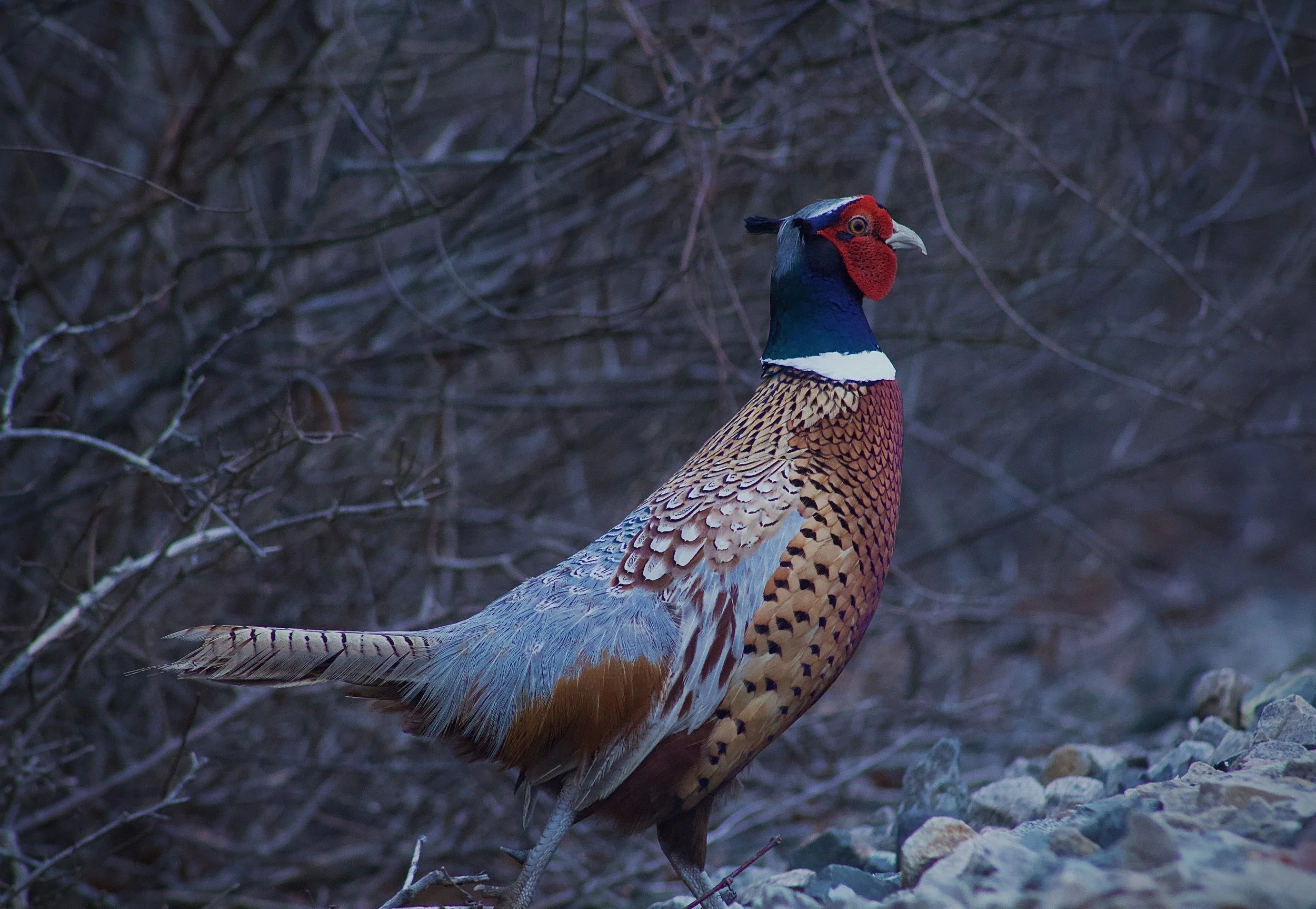
Ring-necked Pheasant in Rocky Nook, Kingston. Photo by Peter Yekhtikian.
You seem content documenting wildlife in your own backyard—often literally. Why is that?
Kingston is just as important as anywhere else. Because of all the habitats here—freshwater and saltwater marsh, the open bay, forest, wetlands, fields—we get species that other places don’t. I think my record was 73 species observed in one day. That was awesome.
I feel like Kingston is underrepresented in terms of wildlife data. If I can show people how much stuff we have here, it may inspire them to explore local preserves that aren’t appreciated enough. I’ve met people at The Nook who said they had never known about the preserve until they saw an eBird checklist I submitted. It feels really nice to know that what I’m doing is inspiring people to go to these places.
This summer, I interned with the Kingston Conservation Commission as a wildlife monitor. One day, I was checking the marsh in Rocky Nook, and I saw something fly out of the marsh. It was a sparrow, but it didn't fly like a Song Sparrow. It looked totally off. I was like, ‘Huh, what could this be?’ I ended up getting a photo, and I noticed a yellow streak on the eye. I was like, ‘Oh, wow. This is a Saltmarsh Sparrow.’ Mass Audubon’s most recent survey noted that Saltmarsh Sparrows had increased in population everywhere in Massachusetts except the South Shore, where there was no breeding activity at all. So, it was cool to see that they were breeding in our marshes. I don’t think anyone had ever checked, because no one really goes out there.
The Town of Kingston wanted to get a grant for adding more salt marsh hay into the marsh to attract Saltmarsh Sparrows. Now that we have evidence that they’re already breeding here, it’s going to be a lot easier to get that grant.
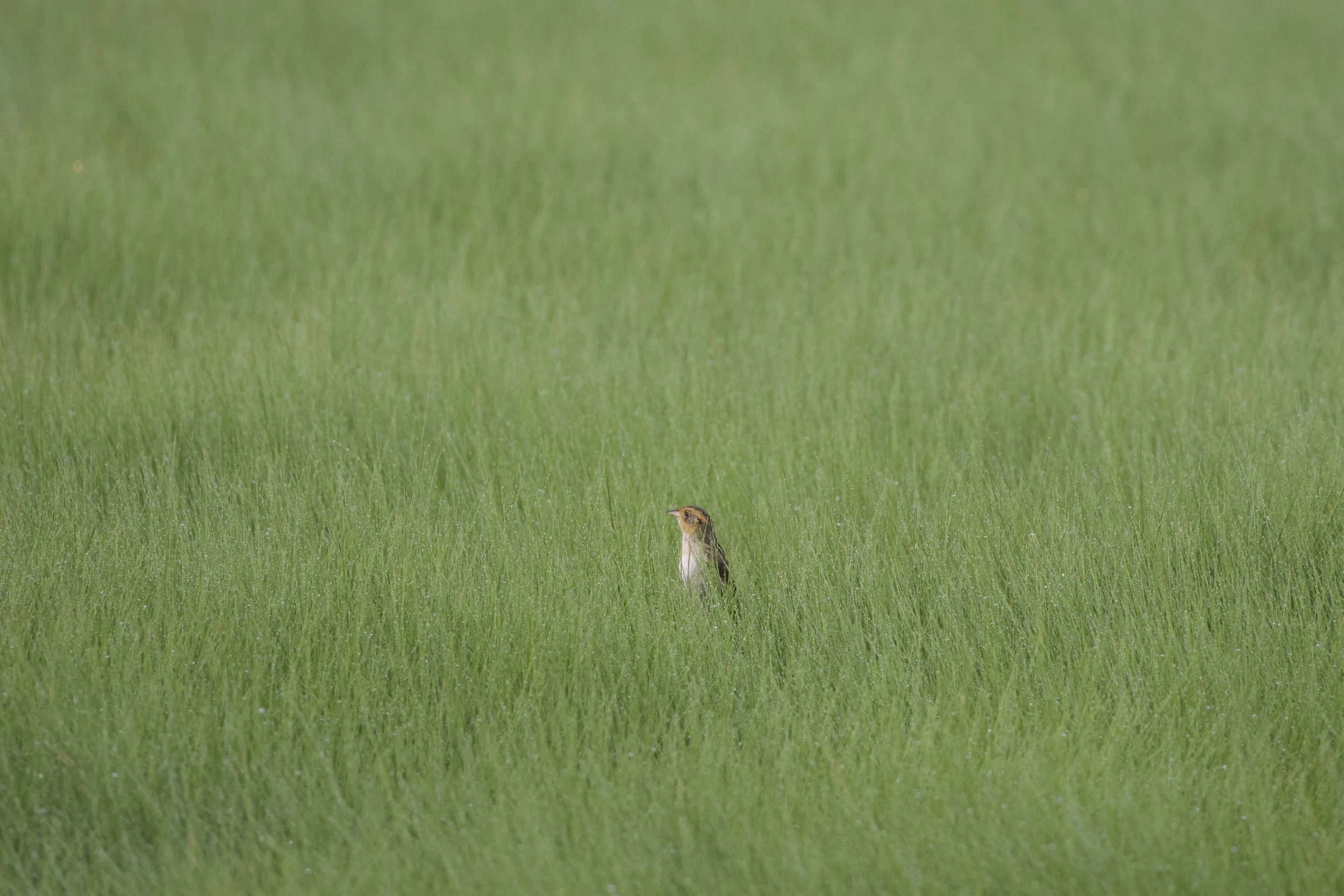
Saltmarsh Sparrow in Rocky Nook, Kingston. Photo by Peter Yekhtikian.
That is a great example of why communities should know and care about their local environment. What story do you hope to tell with your photos and videos?
The message is just to get outside and explore. Everyone should at least try to go into the woods. Just observe what’s around you. Everything is so fast-paced nowadays. Sometimes it’s nice to just slow down and get somewhere peaceful, where you’re not always on your phone, scrolling on TikTok or something.
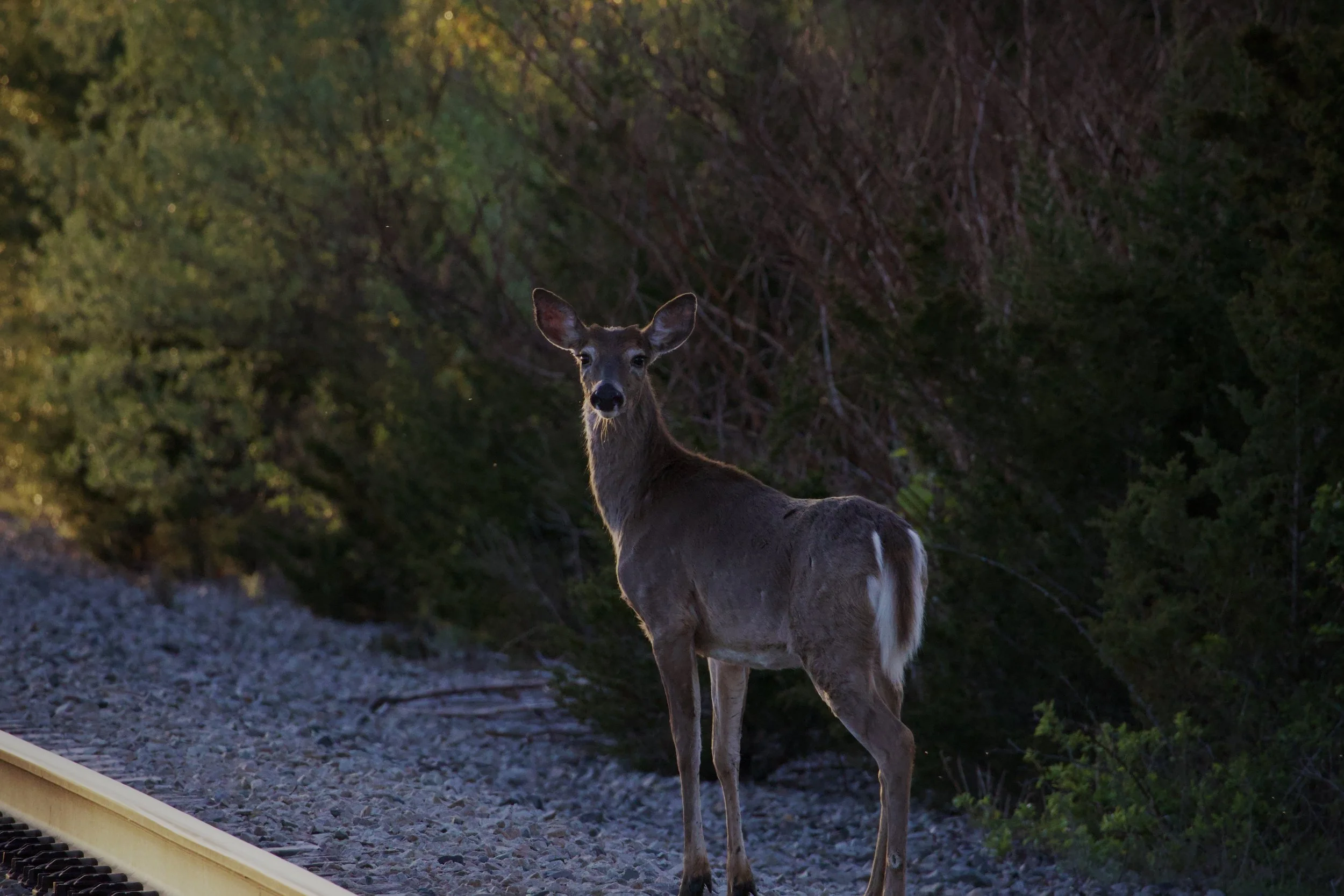
White-tailed deer in Rocky Nook, Kingston. Photo by Peter Yekhtikian.
You also serve as an Adopt-a-Preserve trail monitor. Why do you volunteer with Wildlands?
My dad is a member of Wildlands Trust. Last year, he got an email from Wildlands asking for volunteers at certain preserves, and one of them was The Nook. And it just kind of struck me that I already go there so much. Why not help out more officially with the organization?
I also went to Wildlands’ birdhouse building workshop at the Stewardship Training Center last spring. I really enjoyed it. Afterwards, my Uncle Ken and I wanted to build more birdhouses for Kingston. So, we met with the Town of Kingston’s Conservation Agent, Matt Penella, to decide where we should put them. That meeting led to my summer internship with the Town. So, Wildlands Trust is very connected to my conservation story.
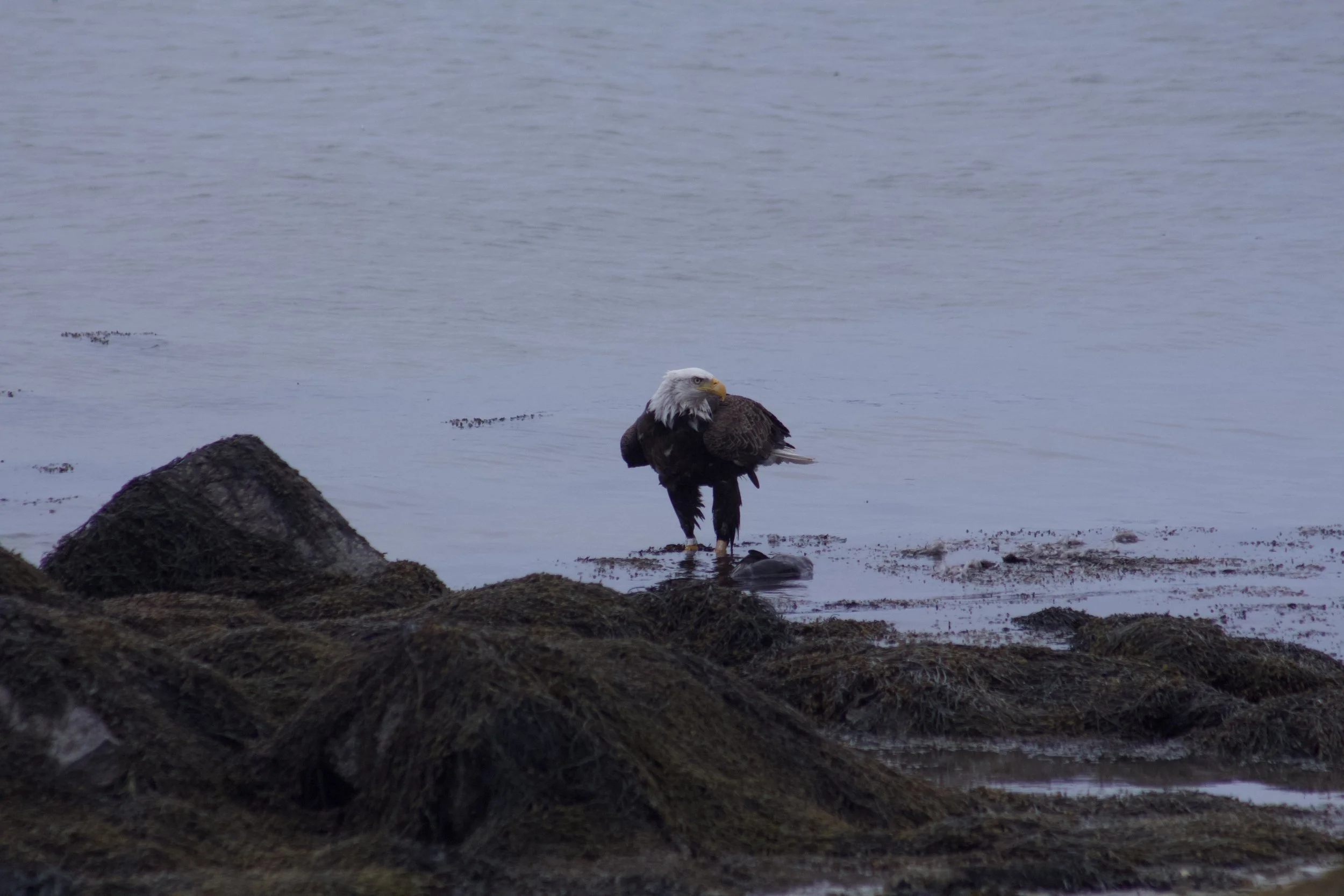
Bald Eagle in Rocky Nook, Kingston. Photo by Peter Yekhtikian.
Any other memorable wildlife experiences?
Last year, I was walking in the marshes, and I saw something that caught my eye. It was a fox running around the marshes. He was pretty far away, but then he kept getting closer and closer. I think he got within three feet of me, which was really, really, really cool to see. And he was almost playful with me. He was rolling around near me. It was just this wild animal, right next to me.
What’s next for you? Do you see a future in the conservation field?
I definitely want to do something revolving around conservation—either preserving nature or helping people work with it. I’m interested in going to college for environmental engineering.
In addition to photography, Peter captures video footage of Kingston wildlife using motion-activated trail cameras. Watch the video below for a compilation of Peter’s breathtaking work. View more on Peter’s YouTube channel, “Rocky Nook Trail Cameras.”
Adopt A Preserve: Help Us Help Your Favorite Conservation Lands!

Halfway Pond Conservation Area in Plymouth. Photo by Jerry Monkman.
By Zoë Smiarowski, Stewardship Programs Manager
Once a hiking trail is established, many may consider the job done. But few realize the consistent care required to keep a preserve beautiful and safe for people and wildlife. The Adopt-a-Preserve (AAP) program is one of the key ways that Wildlands can manage to maintain 14,000 acres of conservation land across the region with a stewardship staff of just three!
Volunteer trail monitoring through AAP peaked during COVID, as people sought ways to get outside and give back to the community during a time of uncertainty and isolation. Since then, the AAP volunteer base has steadily declined. But the benefits of adopting a preserve—for you and for local conservation lands—have never been greater!
What is AAP?
Adopt-a-Preserve is Wildlands’ flagship volunteer program, established to connect outdoor recreationists who may already be out walking our trails with a meaningful way to give back to their favorite (or even a newly discovered) preserve!
Here’s how it works:
Interested volunteers pick a preserve typically within a 15-minute drive of their home or work (or anywhere else they spend their time!). A Wildlands staff member or seasoned volunteer will meet you on site to go over the basics of monitoring and discuss a range of ways AAP volunteers can help with passive or active trail maintenance. Then, volunteers commit to sending in at least one report per month detailing what they observed and if they did any work on the trail. Afterwards, Wildlands staff reviews the report, assessing any pictures of downed trees, vandalism, or anything else that may have come up at the visit. The report enters the Wildlands database in the Landscape software to document observations on the property over time. Finally, if there are any issues to follow up on, Wildlands staff will plan a site visit to address them!

Cortelli II Preserve in Plymouth. Photo by Jerry Monkman.
Do AAP volunteers really make a difference?
Yes! Our stewardship staff is small, so your monthly visits can go a long way toward ensuring our preserves stay in good shape year-round. Even reports that let us know the preserve is in good shape help provide us with a frame of reference if problems do come up and can also help us prioritize tending to properties that haven’t had eyes on them as recently.
AAP participation might have declined since COVID, but the program still made a significant impact on our stewardship capacity in 2024: 57 AAP volunteers filed 272 reports, providing coverage for 8,300 acres of conservation land!
Okay, I’m in! How can I help?
You can make a difference at any preserve, but the following preserves are in particular need of volunteers’ watchful eyes:
Tucker Preserve/Indian Head River Trail (Pembroke)
Hoyt-Hall Preserve (Marshfield)
Great Neck Conservation Area (Wareham)
Willow Brook Farm (Pembroke)
The Nook (Kingston)
Phillips Farm (Marshfield)
Wyman North Fork Conservation Area (Bridgewater)
Crystal Spring Preserve (Plainville)
South Triangle Conservation Area (Plymouth)
Halfway Pond Conservation Area (Plymouth)
Emery Preserve (Plymouth)
Thank you for your consideration! To learn more, visit wildlandstrust.org/volunteer or contact Stewardship Programs Manager Zoë Smiarowski at volunteer@wildlandstrust.org.
Volunteer Spotlight: Cindy Letourneau
Recently, Land Steward Eamon Horrigan interviewed one of Wildlands’ Adopt-A-Preserve volunteers and outdoor enthusiast, Cindy Letourneau, to discuss Halfway Pond Conservation Area and her volunteer work at Wildlands:
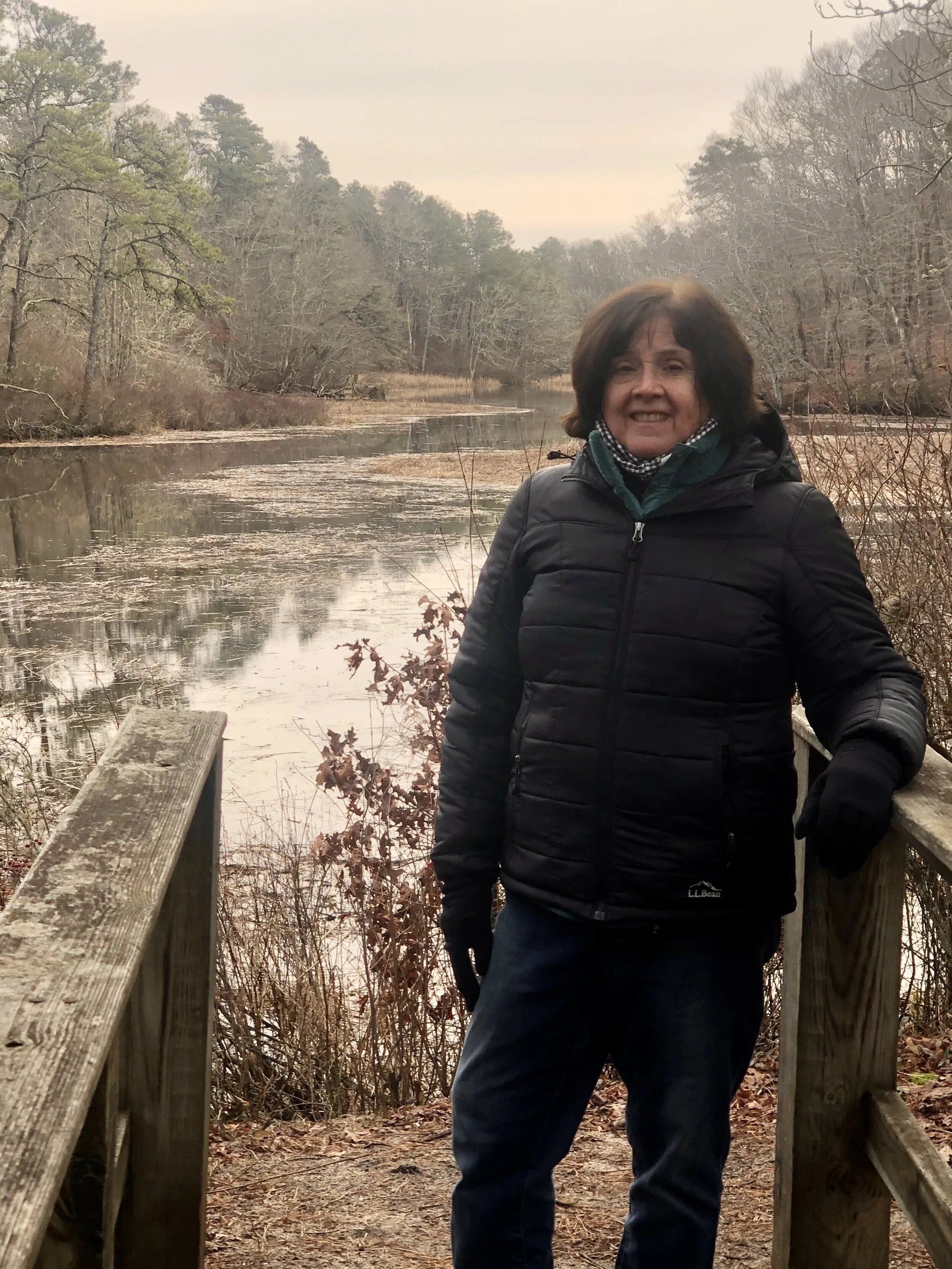
Cindy in front of the Mashpee River at Mashpee River Reservation.
When and how did you first learn about Wildlands Trust?
We moved to Plymouth in 2015 and I think we found out about Wildlands Trust through the local paper and became members. We first went out to a Wildlands property on a Post Feast Waddle with Malcolm. We have enjoyed that hike three times now, as have our grandchildren, who have also come twice. We definitely missed it this past year though.
How long have you been a part of Adopt-A-Preserve (AAP)?
I just started in July because the pandemic finally gave me the gift of time.
How did you discover Halfway Pond Conservation Area?
I discovered Whippoorwill and Blackmer Hill trails on my own but did not discover the Conant Storrow and Joe Brown trail sections until I walked them with Malcolm on March 15th.
How did you discover the AAP program?
I was informed about the program by Betsy Hall, another AAP volunteer at Halfway Pond. She noticed that I came out to the trails a lot and then proceeded to tell me about the program.
What is your favorite thing to do while out on monitoring visits?
I love to pay attention to everything around me. I spend my time looking for wildlife and taking in my surroundings.
What are some highlights for you along the Halfway Pond trail loop?
Big Point is my favorite part of the trail because you get a panoramic view of the whole pond. It makes you feel like you are the only person in the world. I come across it right at the beginning of my hikes usually.
What have been your favorite wildlife sightings at Halfway Pond?
One of my favorite wildlife sightings has been a fox that crossed right in front of me on the trail. I have also had several close encounters with deer. I’ve seen a bald eagle over the pond from Mast Road but not while on the actual trail loop. I’ve seen evidence of coyotes too but never actually seen one. Blue herons and turtles are also some nice sightings I see along the pond. I have also frequently seen and taken pictures of a pair of swans that I was very excited to see with seven cygnets one time. I had to take a lot more pictures on that occasion. I also love to take pictures of the lady slippers that come up in May.
What is the most memorable experience you have had while at a Wildlands property?
I remember walking out to the large European beech at Emery Preserve West on a Post Feast Waddle as being a special memory. Other than that, the aforementioned wildlife sightings are memorable experiences.
What is your favorite thing about AAP?
It feels rewarding to clean up the trails and see the difference day-to-day in having clear trails. It’s also nice to not have deadlines when you go out to the trails and have the freedom to visit them when you want. Additionally, during quarantine times, walking the trails is a good connection to the outside world because it creates an opportunity to bump into people. For example, one time in early summer, I encountered and spoke with a couple, which ended in an invitation to go kayaking with their group the following week. On other occasions, I have encountered people who have been able to share history of the area, as well as their favorite spots for wildlife sightings.

Enjoying the winter weather while snowshoeing in the Berkshires.
Do you have a favorite time of the year to visit Halfway Pond?
I love wintertime because you can see everything from the trail without foliage blocking your view. Also, there are no mosquitoes and you don’t sweat during the winter. Spring is also great because you get to see everything in bloom, the turtles are out, as are the vernal pools. Fall is also beautiful of course. I really like the trails all year round, apart from 95 degree summer days.
Do you have a favorite Wildlands property to walk outside of Halfway Pond?
I mostly just walk the trails at Halfway Pond, but I have been to Emery Preserve several times because it is conveniently right here in Plymouth.
Outside of Wildlands’ properties, are there any nature preserves in the region that you like to visit?
Some of the other regional properties I have enjoyed are:
Kingston: Muddy Pond (New England Wilderness Trust)
Mashpee: Mashpee River Reservation (The Trustees of Reservations)
Plymouth: Black Cat Preserve (Town of Plymouth), Hio Hill (Town of Plymouth), Center Hill (Town of Plymouth)
Rochester: East Over Reservation (The Trustees of Reservations)
Sandwich: Lowell Holly (The Trustees of Reservations), Talbot’s Point (Town of Sandwich)
Wildlands’ Volunteer Spotlight Series showcases the interests and experiences of Wildlands’ dedicated volunteers. If you’d like more information on volunteering with Wildlands, please visit our volunteer page or contact us directly.
New Trail Configuration at Pudding Hill
Volunteers help create 0.4-mile connector trail at Pudding Hill Reservation in Marshfield.
By Stewardship Manager Erik Boyer

Mike Arsenault assists stewardship staff with raking debris from the trail.
This past September, with the help of nine Adopt-a-Preserve (AAP) volunteers, a new .4-mile trail was created at Pudding Hill Reservation in Marshfield. This project was the vision of AAP volunteer Dodie Frank who has been a steward at Pudding Hill for the past two years.
I met Dodie out at the preserve on a muggy, July morning to bushwhack and flag a new trail from the neighborhood trail entrance off Old Ocean Street to a dead-end trail on the west side of the property. We chose a route that consisted of rolling hills, old stone walls and thick stands of white pine saplings. This new connector turns the .5-mile cross-shaped trail into a 1.1-mile loop with varied topography. Over the course of three days in September, we cut through thick brush, established a rough trail tread, and then regraded sections of the trail to make for easier hiking. We then blazed the path and ensured it was ready for the first guided hike held at the property in mid-October.
Now, thanks to the hard work of many, a visit to Pudding Hill provides for a challenging, wooded, 30-minute hike on the north side of the property and a leisurely, short stroll through a meadow to an overlook spot on Chandlers Pond. I would like to give a special shout out to Dodie for her efforts and to Mike Arsenault, Stephen Connolly, Rob MacDonald, Janine Anderson, Bill Vickstrom, Roger Janson, Marilynn Atterbury and Kevin Walsh for helping out.