


What’s New at Wildlands
Human History of Wildlands: Cow Tent Hill Preserve
Throughout this “Human History of Wildlands” series, I have discovered time after time that in Southeastern Massachusetts, a land does not have to be large to be full of history. Cow Tent Hill Preserve in Duxbury is my latest example. Within 32 acres, the preserve encompasses a tidal creek, Duck Hill River, salt- and freshwater marsh, and wooded upland in Duxbury's Millbrook neighborhood.
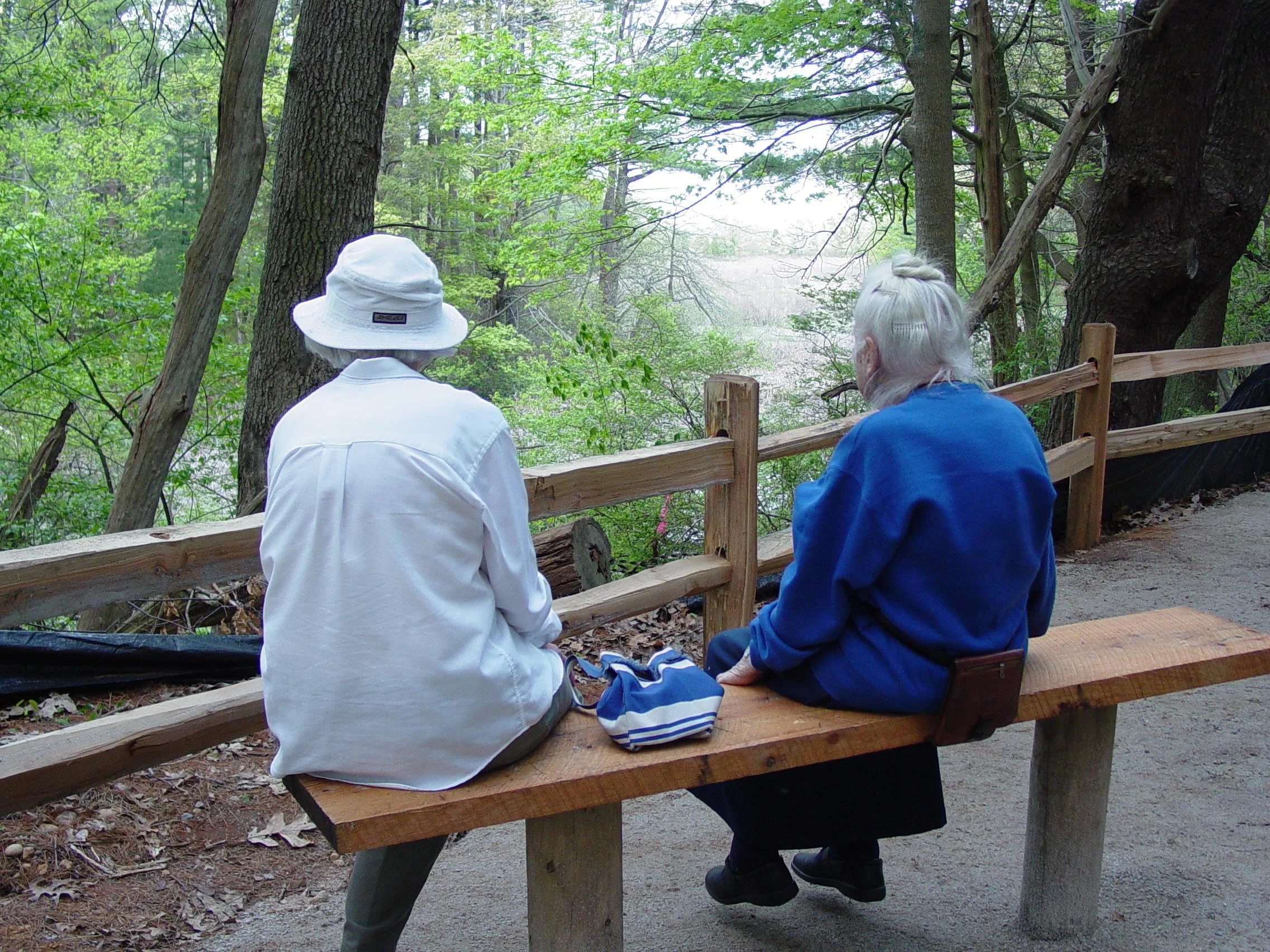
River overlook at Cow Tent Hill Preserve. Right: Helen Philbrick, who in 1994 donated Wildlands’ former headquarter property in Duxbury.
By Skip Stuck, Key Volunteer
Throughout this “Human History of Wildlands” series, I have discovered time after time that in Southeastern Massachusetts, a land does not have to be large to be full of history. Cow Tent Hill Preserve in Duxbury is my latest example. Within 32 acres, the preserve encompasses a tidal creek, Duck Hill River, salt- and freshwater marsh, and wooded upland in Duxbury's Millbrook neighborhood.
Early History
For over 10,000 years, Native peoples inhabited this area, drawn by opportunities for hunting, fishing, and shellfishing and access to nearby Duxbury Bay and trading routes like the North River. The Wampanoag Tribe, who lived in the area, called their home Mattakeesett, meaning "place of many fish." They, like other Native peoples living on the New England coast, thrived for many generations, as evidenced by the area’s 33 archeological sites recognized by the Massachusetts Historical Society. However, in the early 1600s, Natives came into contact with increasing numbers of European fishermen and trappers—and in turn with illnesses such as small pox, for which they had no immunity. Between 1600 and 1618, it is estimated that 80 to 90 percent of the local Native population died.
Consequently, when the Pilgrims arrived in 1620, they found relatively few Natives, but large areas of cleared fields ready for agriculture. It is said that Duxbury had as few as four Native families by 1620.
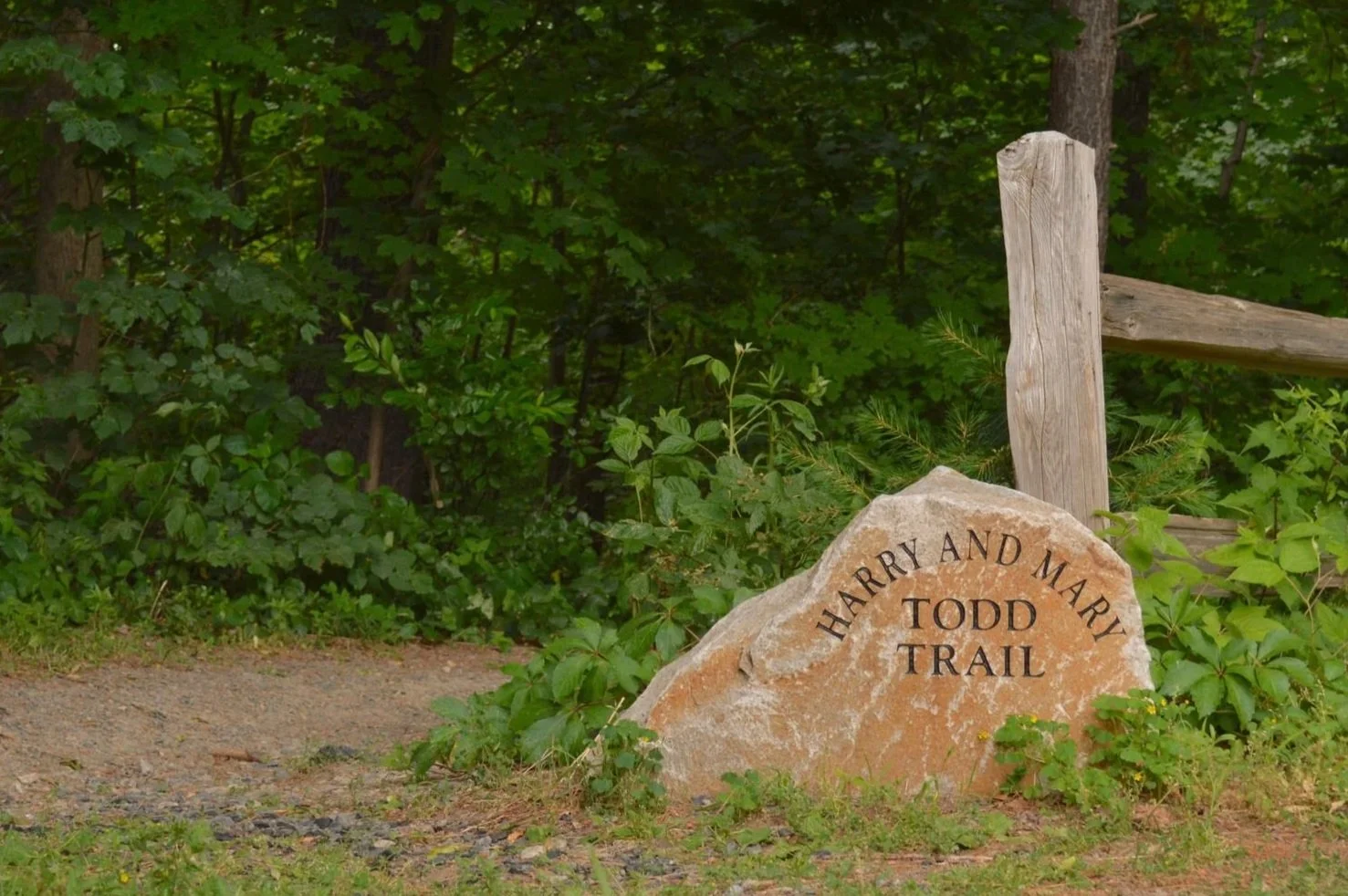
The Harry and Mary Todd Trail at Cow Tent Hill Preserve in Duxbury. Harry and Mary Todd also supported the protection of Willow Brook Farm in Pembroke, where another trail bears their name.
European Colonization
After a difficult start, many colonists followed the Mayflower to Plymouth Colony. Soon, the colony outgrew its original lands. In 1627, the contract with London investors that had funded the initial colonization expired, and leaders of the colony, such as William Brewster, Myles Standish, and John Alden, began allotting nearby lands to colonists. Brewster, Standish, and Alden all received lands in Duxbury. In 1639, Duxborrow (the town's original name) became the colony’s first incorporated town, after Plymouth. One of its early orders of business was to approve the construction of a grist mill on Stoney Brook. As the town grew, a fulling mill and textile mill were added. Stoney Brook became known as Millbrook, where a thriving village took root.
An aside here... Another early resident was Robert Mendame, who owned the land that became the site of the grist mill. His wife, Mary, is immortalized—unfortunately and perhaps unfairly—by an item in the Colony Court Records, which became Nathaniel Hawthorne's partial inspiration for The Scarlet Letter. It was recorded that Mary had a "dallyance" several "tymes with Tinsin, an Indian," and was to be "whipt at a carts tayle through the townes streets."
Others moved in after the initial Pilgrim settlers. One of note was Edouard BonPasse, an ancestor of the Bumpus family who bequeathed the Cow Tent Hill property to Wildlands Trust. Captain Benjamin Church also lived there in the years leading up the King Philip's War, where he became a renowned military leader.
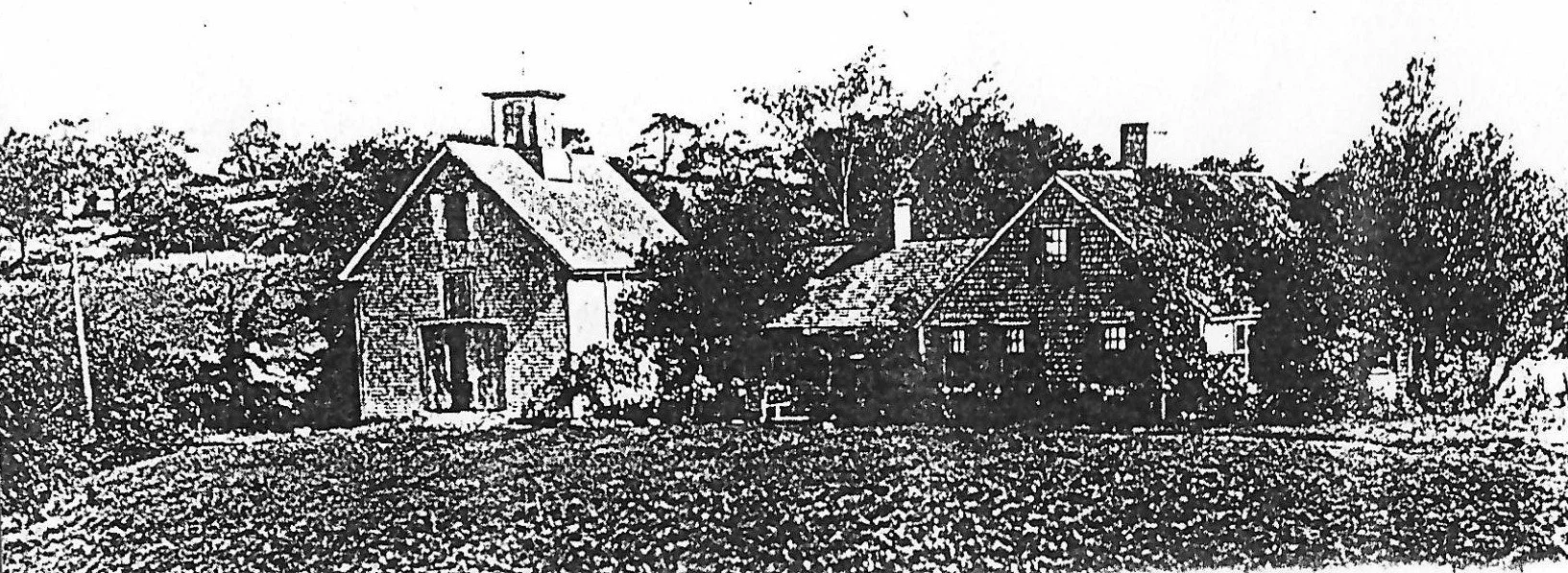
Crab Island House, built 1646. When Constant Southworth became the second owner of the Stoney Brook grist mill in the 1640s, he moved to this house, which was included in the purchase. Three generations of Southworths operated the grist mill. It was rebuilt it in 1746 and went out of business in the late 1800s with the arrival of the railroad in Duxbury. Constant Southworth was the son of Alice Carpenter Southworth, who married Plymouth Colony Governor William Bradford. Photo from Wentworth 1973 (see “Learn More”).
Post-Colonial Period
In the 18th and 19th centuries, industry flourished in Millbrook. Notable businesses included the Duxbury Woolen and Cotton Manufacturing Co. and the Ford Store, reputed to be the first department store in America. A rail line was also opened to transport these products to market. However, around 1900, the mills and businesses of Millbrook closed, unable to compete with the burgeoning textile manufacturing industry in Massachusetts' larger cities. But Duxbury's popularity as a vacation destination and residential community grew.
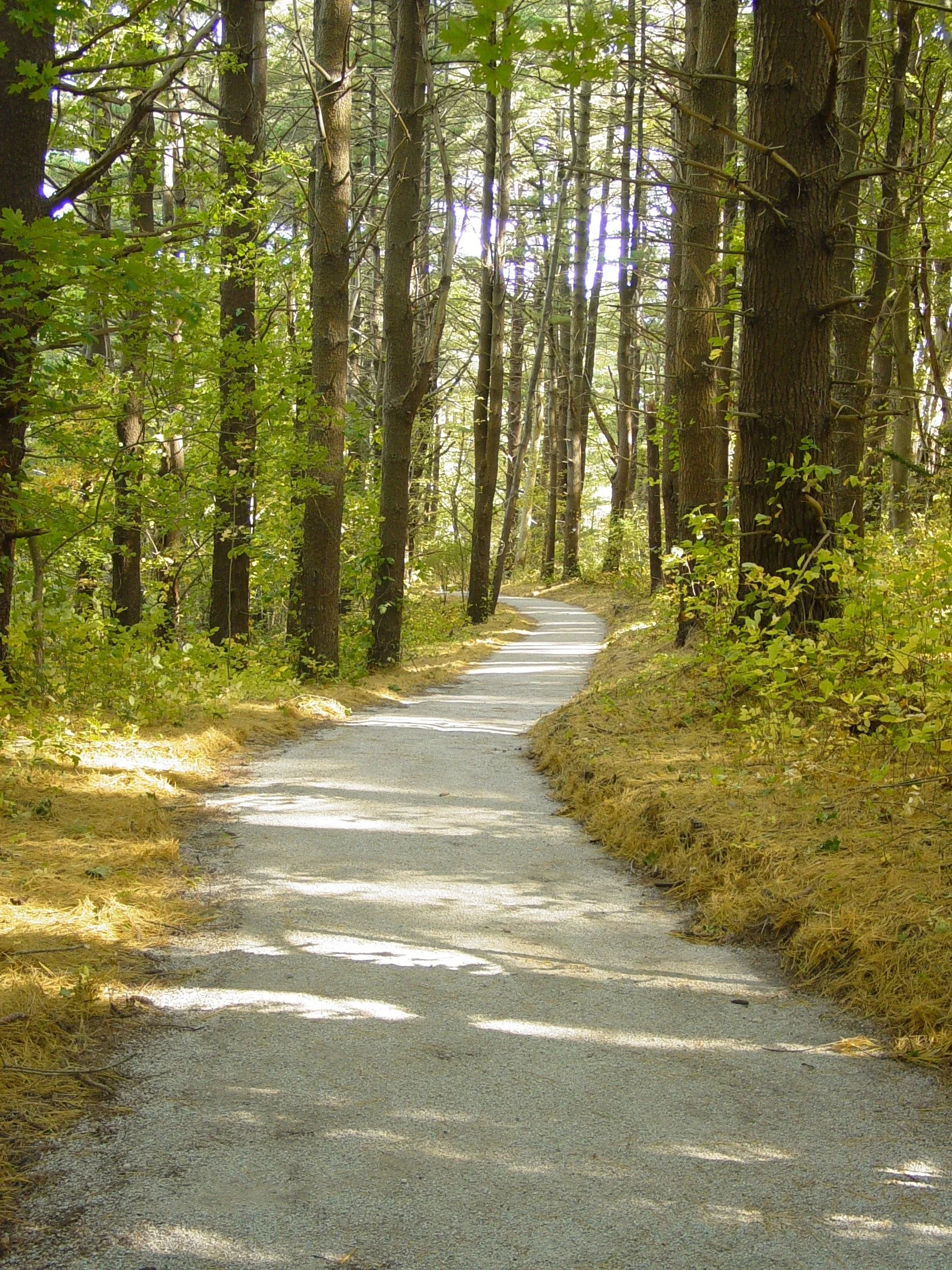
Cow Tent Hill Preserve.
What had once been called Stoney Brook and then Millbrook was then renamed to Duck Hill River. It returned more or less to the woods, fields, and marshes of 300 years earlier. The property became known as Cow Tent Hill because once it returned to pastureland, farmers would erect a canvas tent to provide shade for the grazing cattle during the heat of summer. As Duxbury became an upscale residential community, most farming also fell by the wayside. Yet the town strove to maintain its rural character, protecting over 3,000 acres of woods and marshland. In 1985, Wildlands Trust opened Cushman Preserve, donated by the granddaughter of Captain David Cushman, Jr., who had purchased the land from relatives of his wife, a direct descendant of John Alden. In 1999, Beatrice Bumpus bequeathed Cow Tent Hill Preserve to Wildlands.
A series of photographs of Cow Tent Hill from 500 years ago to the present would tell a story of stark landscape change. The area would have looked very different before and after 1620, when the Pilgrims first laid eyes on it. Fast-forward 150 years, and booming industry would have depicted a place transformed by people and time. Today, Cow Tent Hill has come close to full-circle, implying a pristine, uninterrupted past to the untrained eye. Yet human beings have always interacted with these wildlands.
We have not located these pictures, but that does not mean they do not exist. If you have photographic or any other evidence of Cow Tent Hill Preserve’s varied past, please reach out at communications@wildlandstrust.org.
We encourage you to visit the preserve for yourself. A property description and directions are available at our website: wildlandstrust.org/cow-tent-hill-preserve.
Learn More
If you would like to learn more about the human history of Millbrook's Cow Tent Hill Preserve, below are some of the resources that contributed to this piece:
The Settlement and Growth of Duxbury, 1628 to 1870, by Dorothy Wentworth, 1970.
A History of The Town of Duxbury, by Justin Winsor, 1849.
Wildlands Trust Cow Tent Hill Management Plan, 2011.
North and South Rivers Watershed Alliance: nsrwa.org
The Duxbury Rural and Historical Society: duxburyhistory.org
What Happens on a Meditation Hike?
By Betsy Hall, Volunteer Hike Leader
Betsy Hall is a longtime Wildlands Trust member and volunteer who leads Mindful Meditation, a monthly walk series that encourages new and experienced meditators to reconnect with nature. Visit wildlandstrust.org/events to view upcoming Mindful Meditation programs.
***
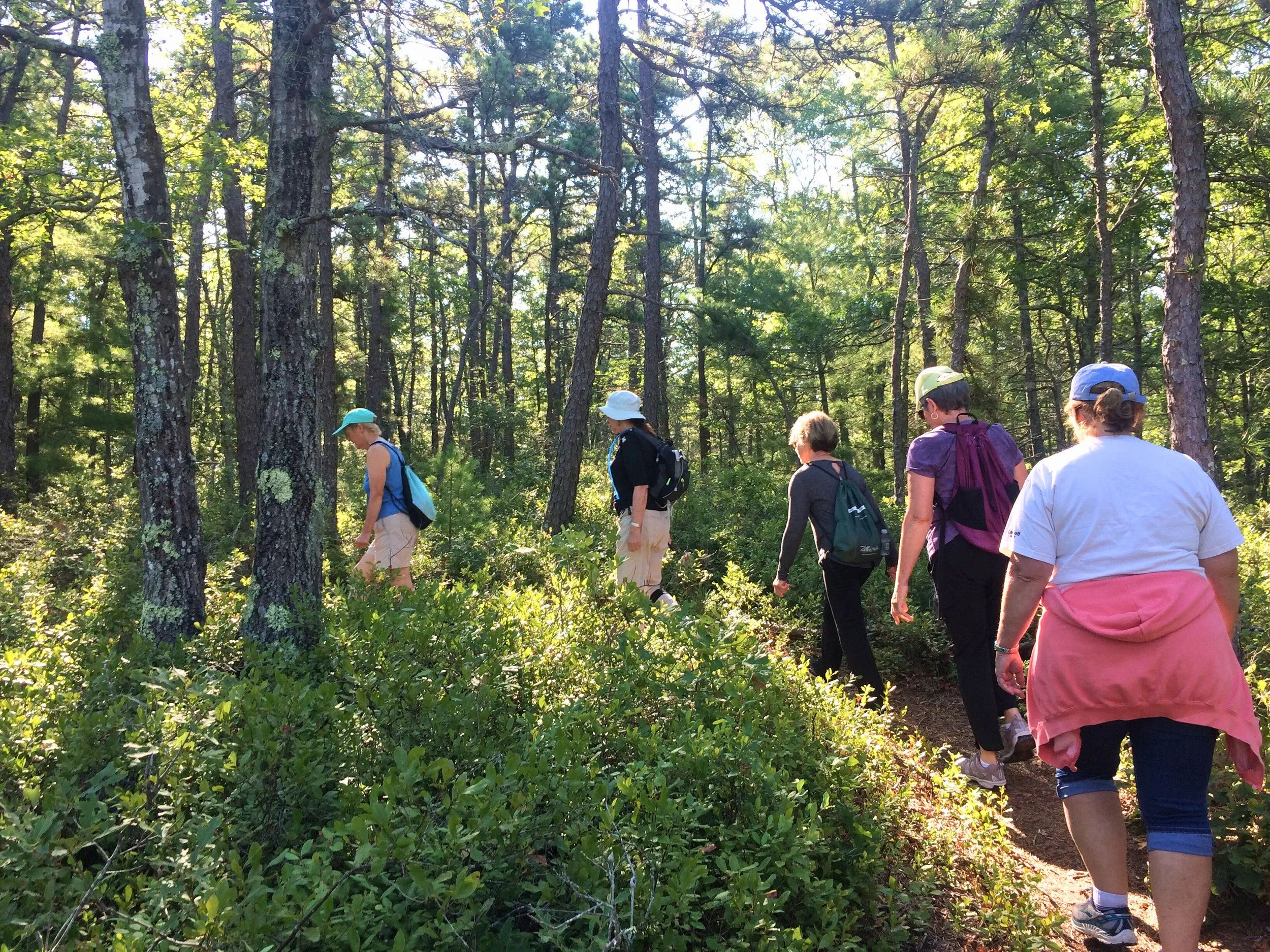
If you ever pass a group of silent men and women hiking on a forest trail, it is quite possible they are practicing awareness. A meditation hike uses silence (i.e. no talking) as a method for hikers to become more attuned to their inner and outer experience. In a safe group of five to 15 people, hikers have the opportunity to hear the wind rustling in the trees and birds calling out their distinctive cries. They notice the warmth of sun on their face or the chill of a cloudy day.
Hikers also have a chance to pay attention to their thoughts and feelings as they place each foot thoughtfully on the path. Acknowledging thoughts and feelings allows hikers to gently let distractions go as they return their awareness to their surroundings.
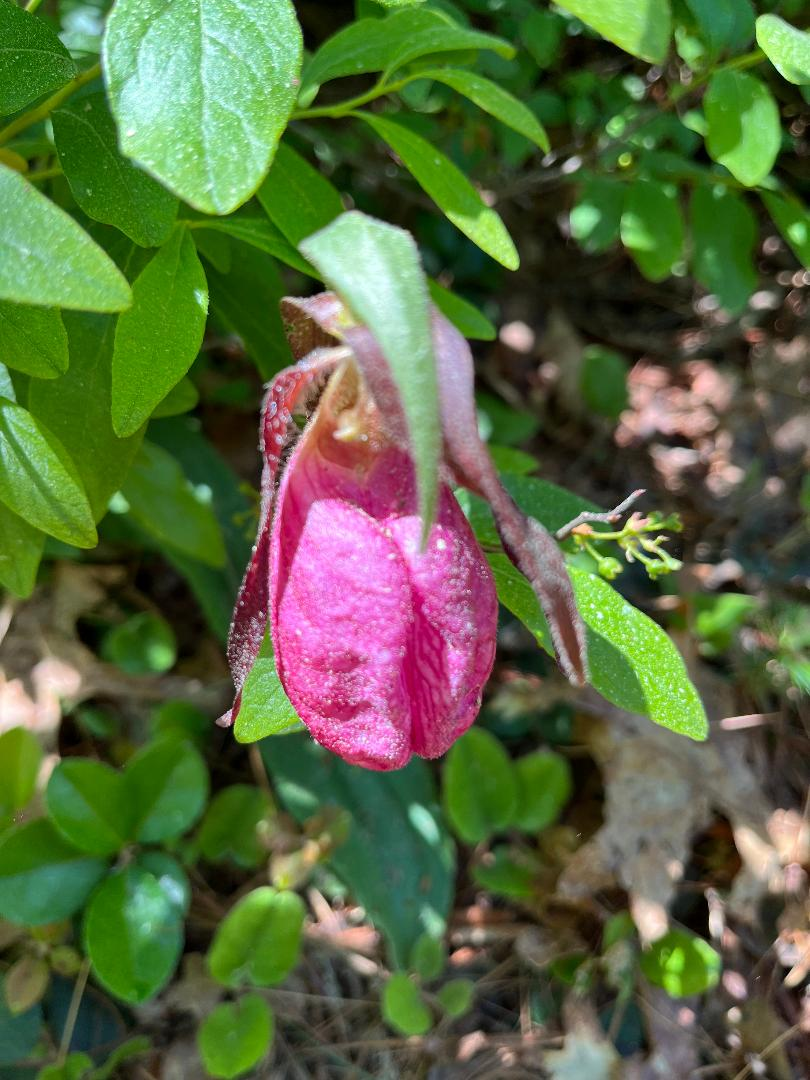
There are no rules except silence. Each person is an expert for themselves. The experience of each hiker is different. Plus, every meditation hike is different from previous hikes. Sometimes an eagle flies overhead; sometimes a seal pops up out of the water to say hello. Sometimes a ghost pipe or a lady slipper appears on the side of the trail. Each hiker responds inwardly in silence to these and many other forest wonders.
After we reach our destination, we have a chance to talk about any significant moments on the hike. Everyone is free to pass. Then we talk among ourselves on the return hike, connecting with old friends and making new ones.
***
About Betsy Hall
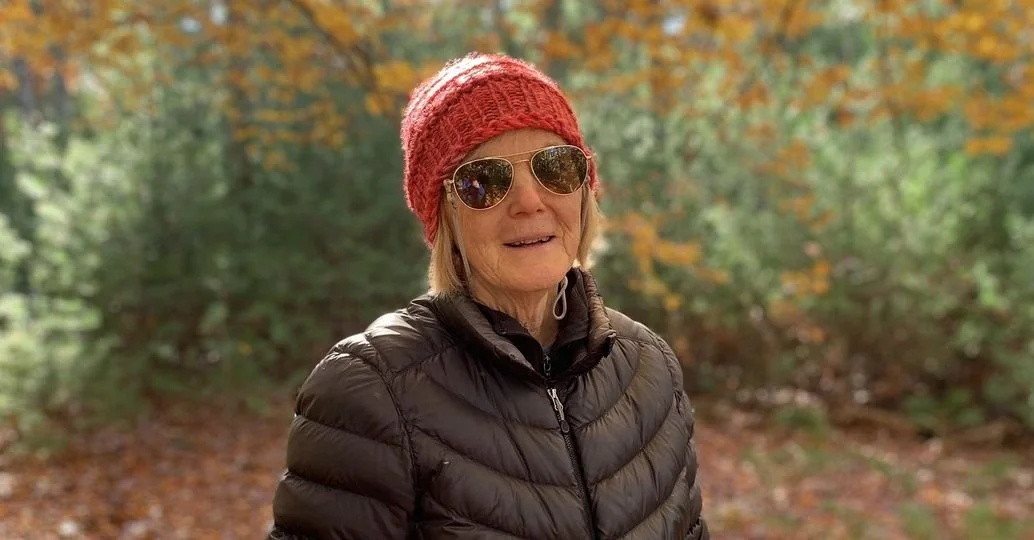
Betsy Hall is a meditation teacher with over 25 years of experience. She trained under renowned instructor Jose Silva, whose techniques have been studied by millions of people around the world. Betsy has also studied with Zen Masters, Buddhist teachers, and Christian leaders. She loves to lead hikes in the forest because she believes that nature is one of the greatest meditation teachers. Betsy gently leads her participants in the art of self-discovery and delight. Her career as a teacher and guidance counselor is an essential part of her foundation as a meditation guide.
Leadership Council Brunch Honors High-Impact Donors
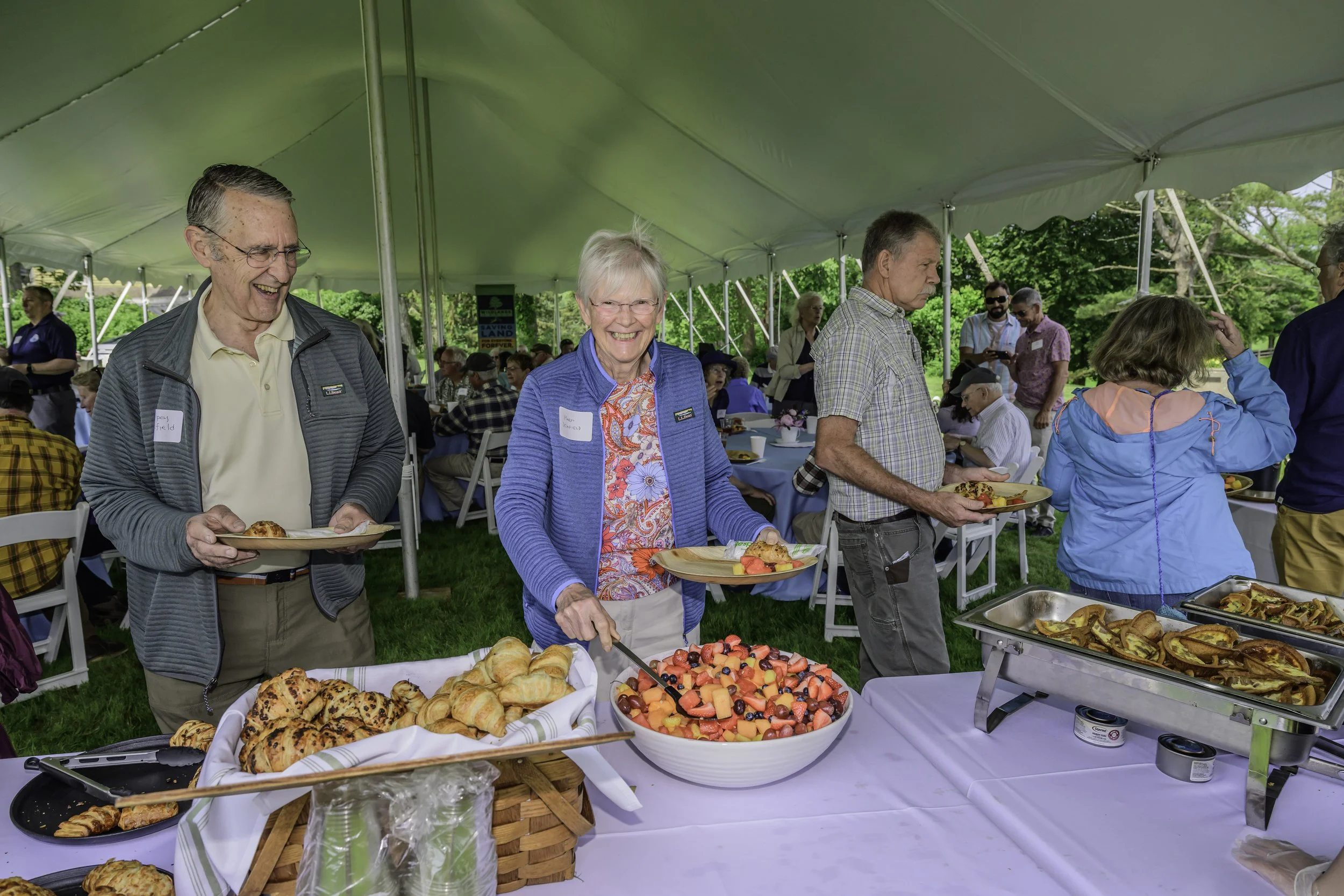
On June 13, Wildlands Trust honored its Leadership Council with a brunch at idyllic Whip’s Farm in Plymouth.
Leadership Council members provide upper-level donor support to Wildlands. With an annual gift totaling $500 or more, Leadership Council members help secure Wildlands’ status as a premier regional land trust in New England.
“The Leadership Council gathering at Whip’s Farm was a resounding success in all the ways we envisioned and hoped for,” said Donor Relations Manager Rob Kluin. “Foremost, we wanted the event to celebrate and showcase the circle of remarkable people who are supporting Wildlands Trust’s mission at the ‘leadership’ level of giving. Their consistent and generous support makes them integral partners in our work. The event’s setting at Whip’s Farm, with its spectacular views of lands permanently protected by Wildlands, cast an inspiring spotlight on what successful land conservation partnerships look like and how they benefit people and nature. In sharing words of gratitude under a tent filled with Leadership Council friends, Wildlands President Karen Grey highlighted Wildlands’ impacts and the timely need for its continued efforts. Growing the base of our most generous Leadership Council donors will be vital to keeping in step with that ever-growing demand.”
Click through the photo gallery below for more sights from the Leadership Council brunch. Photos by Ken Grille.


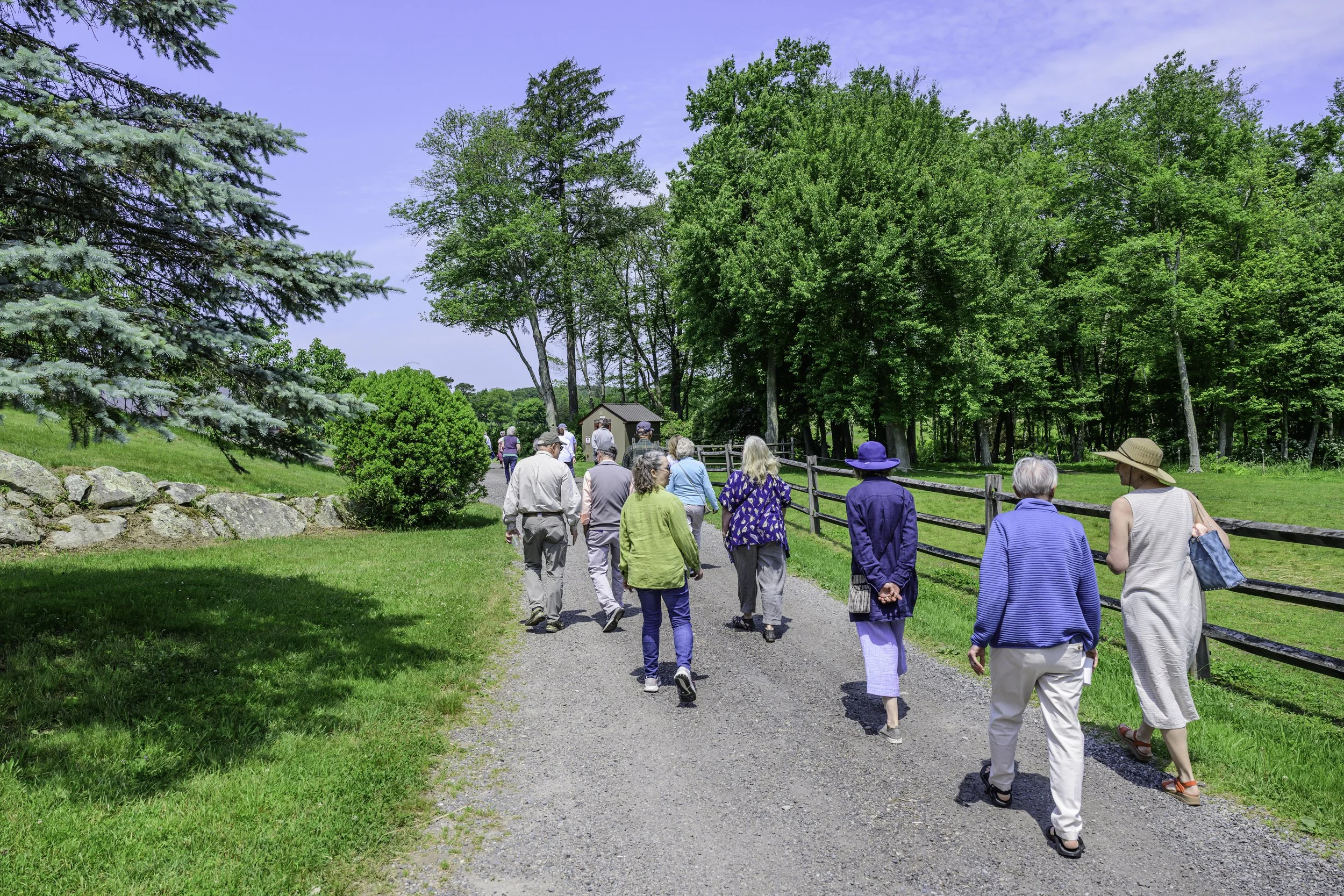


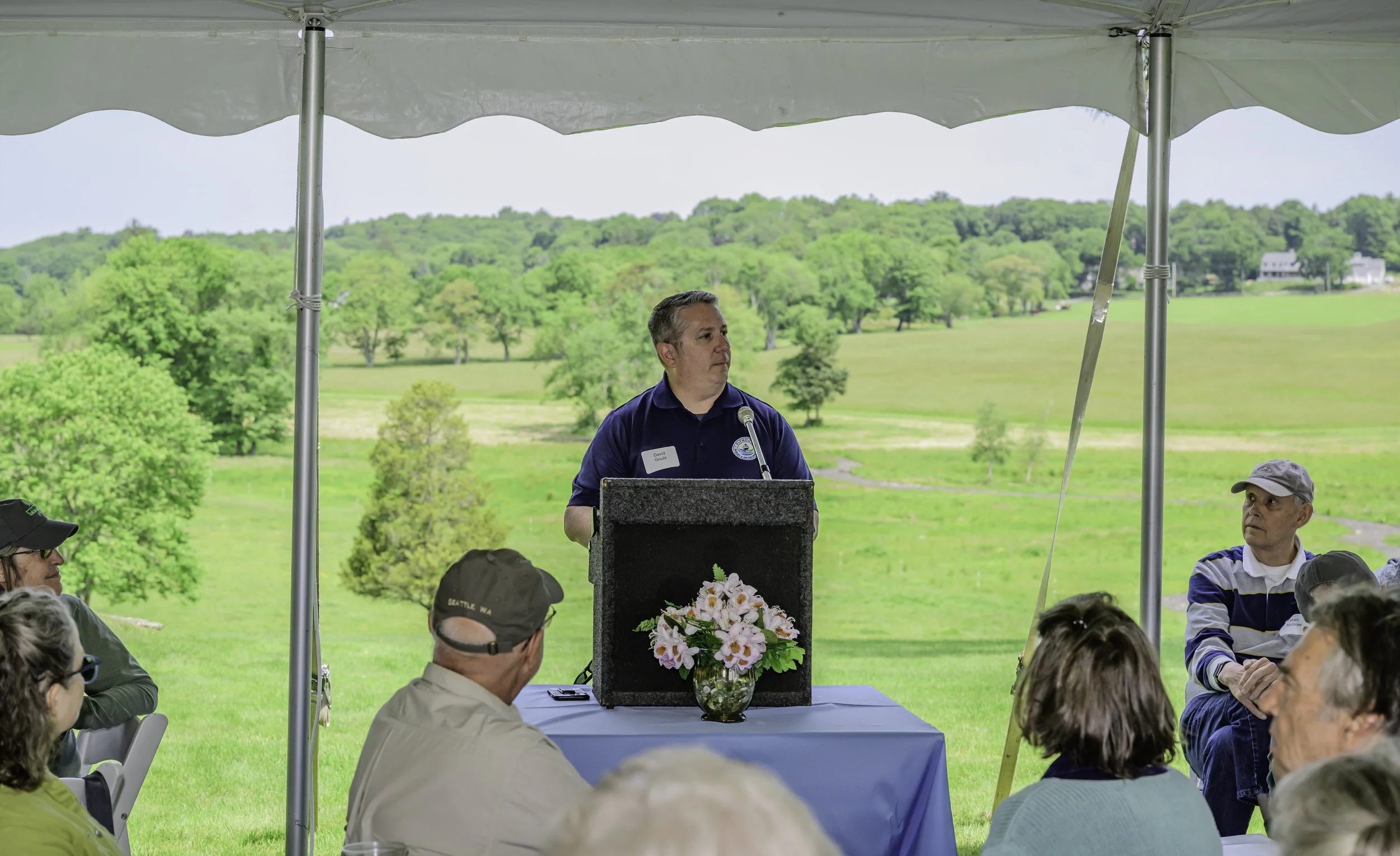


After a delicious brunch catered by Rye Tavern, attendees heard from local and regional conservation leaders about the work that the Leadership Council helps support. Wildlands Board Chair Sam Chapin introduced President Karen Grey, who spoke about the unique partnerships that Wildlands has fostered over the years by adopting a community-first mindset. David Gould, Director of the Town of Plymouth’s Department of Energy & Environment, corroborated Grey’s remarks, praising Wildlands as a holistic partner that makes big ideas possible.
To put a bow on a perfect day, many attendees joined Wildlands staff for a walk from Whip’s Farm to Eel River Preserve, Wildlands’ abutting riverside property.
To show its appreciation for Leadership Council members, Wildlands holds a supper at Davis-Douglas Farm each fall and a preserve tour each spring.
Thank you to all the members of the Leadership Council, who provide vital support to our work to protect and restore the natural beauty of Southeastern Massachusetts.
To join the Leadership Council, visit wildlandstrust.org/leadership-council or contact Donor Relations Manager Rob Kluin at rkluin@wildlandstrust.org or (774) 343-5121 ext. 113.

Solstice Celebration Unites Regional Conservation Community

Drumming with Pride at the Solstice Celebration.
On the longest day of the year, the future of Southeastern Massachusetts got a little bit brighter.
Our Solstice Celebration on June 21 was a resounding success, made possible by the dedication of our community and the generosity of our sponsors. Together, we raised nearly $8,000 for our work to save land, for everyone, forever. Above all, we strengthened regional support for land conservation through a day of unity and fun. About 150 attendees chose to spend the first sunny Saturday in weeks with us, making one thing clear: the lands, waters, and wildlife of Southeastern Massachusetts will be in good hands for many solstices to come.
Sunny skies set the perfect backdrop for our busy schedule of events. Local poet Tzynya Pinchback kicked off the day with a captivating poetry reading, introducing listeners to her work as our Writing the Land poet for D.W. Field Park in Brockton. Then, a performance from Drumming with Pride got community members bobbing their heads and tapping their feet on the Davis-Douglas Farm lawn. A guided hike took nature lovers to the Beech Tree Clearing across the road at Emery Preserve. At the craft zone, artists of all ages experimented with cyanotype photography, nature stamping, fairy houses, gnome homes, and chalk art on the Community Conservation Barn patio. Various raffle prizes enticed visitors inside the barn. There, visitors also designed appreciation banners, sharing their reasons for supporting land conservation. Throughout the day, Larry Nelson of 95.9 WATD hosted a live broadcast of the event, including interviews with Wildlands staff members. Food from the Filling Station food truck and drinks from Second Wind Brewing Company offered delicious lunch options for all.
Click through the photo gallery below for more sights from the Solstice Celebration.

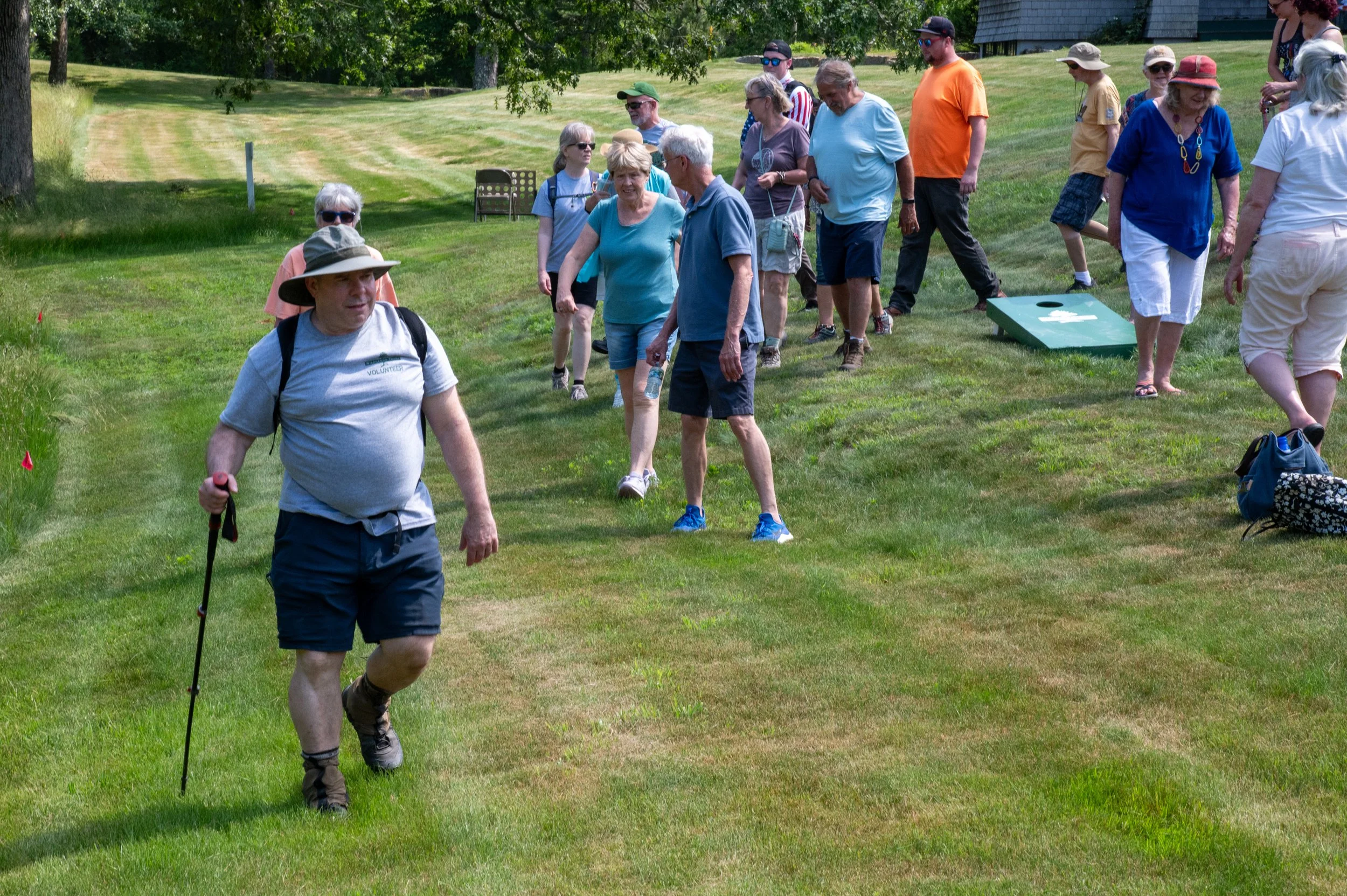


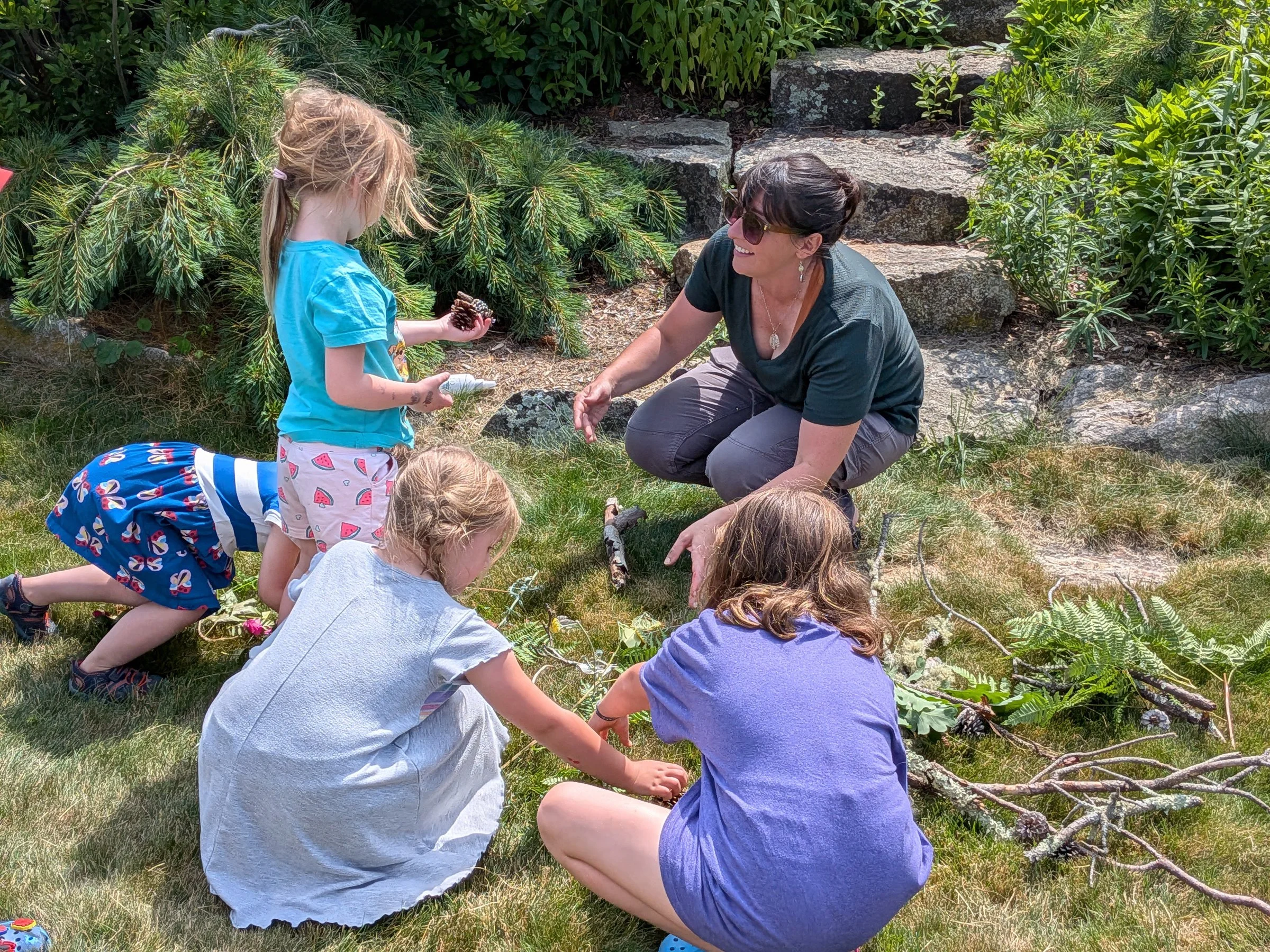


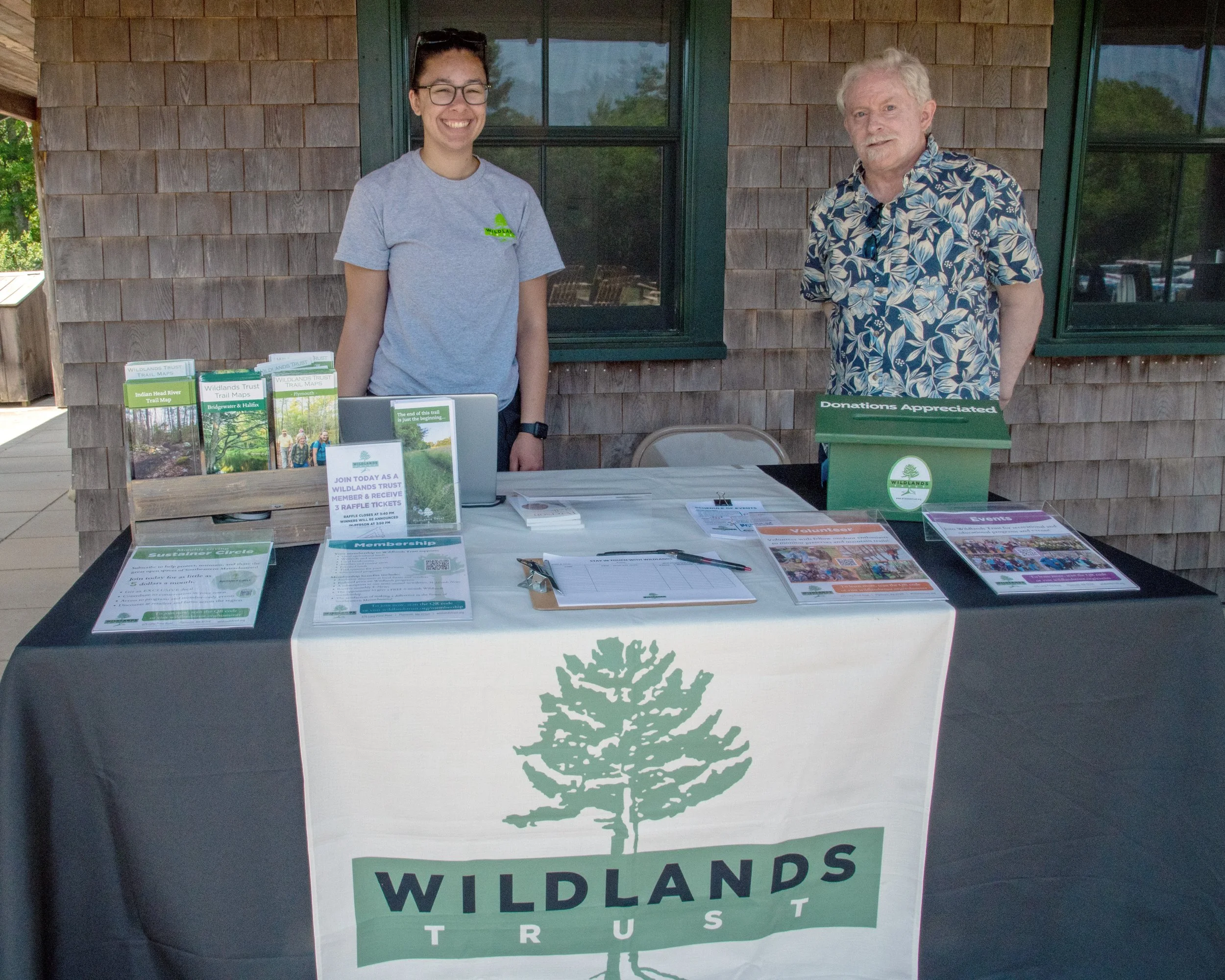


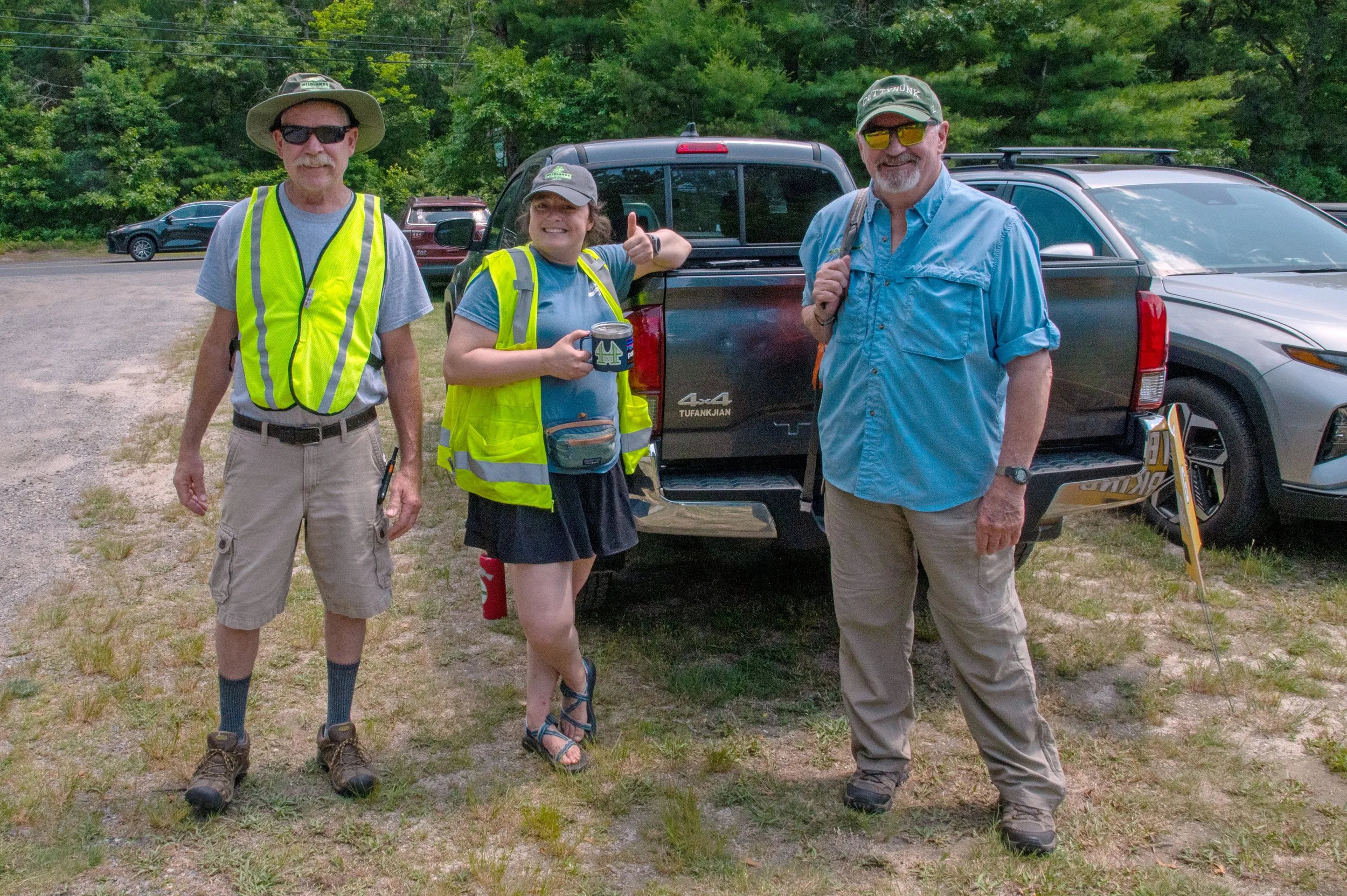


With the event, Wildlands hoped to unite existing members and welcome new members to our community. In addition to providing crucial financial support to our work, members demonstrate public buy-in to our work, helping us secure funding and partnerships to maximize our impact. Indeed, several new members joined Wildlands at the Solstice Celebration, helping us reach our spring membership drive goal! Thank you to all who lend their support to our mission. To become a member, visit wildlandstrust.org/membership.
Before the event, Wildlands President Karen Grey and Donor Relations Manager Rob Kluin spoke with WATD about the event, as well as about Wildlands Trust more generally and how people can support our work. Take a listen:
Thank you for making our Solstice Celebration an event we won’t soon forget!
We extend our sincere gratitude to the many local businesses that generously donated prizes to our raffles. Finally, a huge thank you to our event sponsors:
Presenting Sponsor
Tufankjian Honda of Plymouth
Supporting Sponsor
95.9 WATD
Tiny & Sons Auto Glass
Rockland Trust
Community Sponsors
Rotary Club of Plymouth, MA
Morrison’s Power Equipment
Friends
Merrill Engineers and Land Surveyors
Gary D. Richmond
Richmond’s Inc.
Human History of Wildlands: Brockton Preserves
Many wonder why Wildlands would invest so much time and effort in the state's sixth-largest city of over 105,000 residents. President Karen Grey asserts that land conservation is an important goal anywhere, and perhaps even more so in a city where natural and recreational resources are limited.
To help a city reconnect with its long-lost natural resources, we first need to understand its history. How have humans altered the landscape over time? What exactly has been lost? Only by knowing an area’s past can we begin to repair its future.

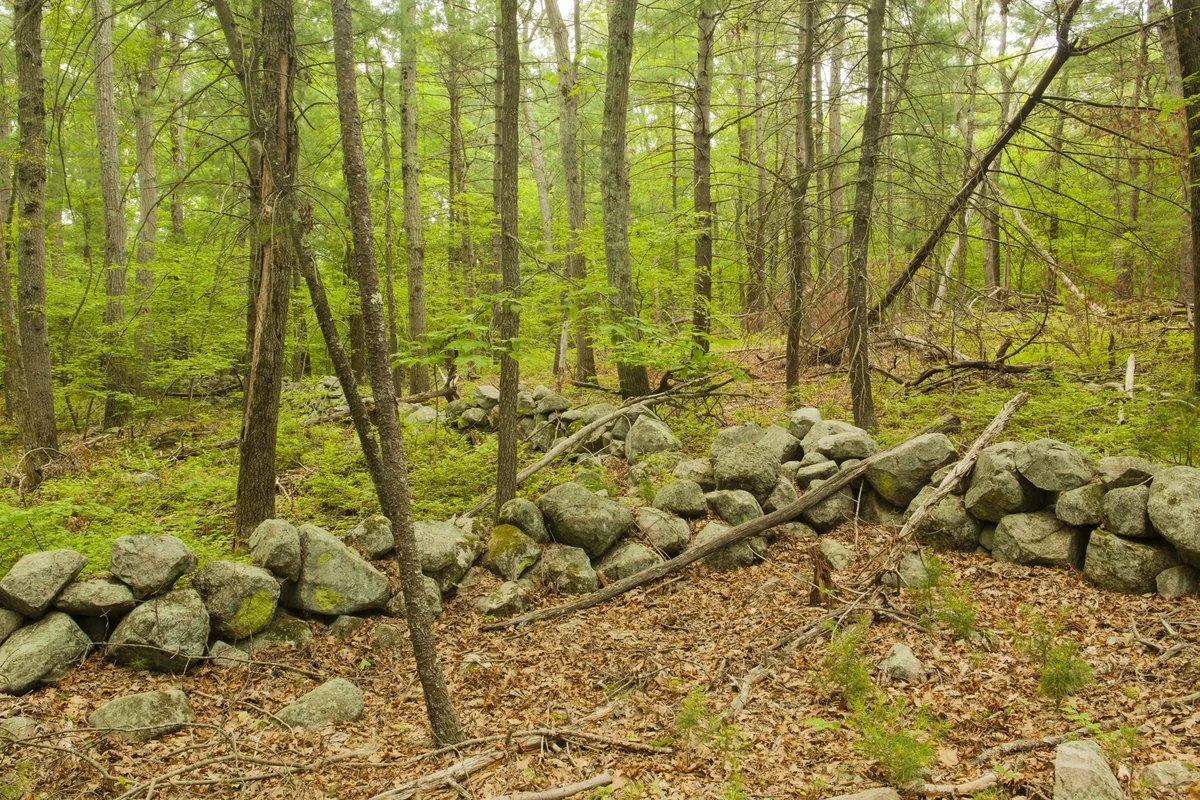
Stone walls traverse the woods at Brockton Audubon Preserve. Photo by Jerry Monkman.
By Skip Stuck, Key Volunteer
Back in 2018, Wildlands Trust President Karen Grey addressed an audience of land conservation professionals, town conservation commission members, and volunteers at the Southeastern Massachusetts Land Trust Convocation. Though Karen spoke broadly about Wildlands’ land protection, stewardship, and education initiatives, most of the audience’s questions and comments came when Karen described Wildlands’ activities in the city of Brockton. It was clear that many listeners were surprised that Wildlands would invest so much time and effort in the state's sixth-largest city of over 105,000 residents. Karen asserted that land conservation is an important goal anywhere, and perhaps even more so in a city where natural and recreational resources are limited.
To help a city reconnect with its long-lost natural resources, we first need to understand its history. How have humans altered the landscape over time? What exactly has been lost? Only by knowing an area’s past can we begin to repair its future.
Wildlands is lucky enough to work with someone who has witnessed Brockton’s history firsthand, who can share local stories that might otherwise have been forgotten. Since 2020, Frank Moore has protected his 20-acre farm and forest property in East Bridgewater through a Conservation Restriction (CR) with Wildlands. But in the 1930s and ‘40s, Mr. Moore spent his childhood in Brockton, where the lands of present-day Stone Farm Conservation Area and Brockton Audubon Preserve served as his “playgrounds.” In April 2024, Wildlands Land Protection Assistant Tess Goldmann and Communications Coordinator Thomas Patti visited Mr. Moore at his East Bridgewater home to hear his many stories from growing up on these lands. Mr. Moore’s encyclopedic knowledge of the area was crucial to my research for this piece.*
If you, like Mr. Moore, have oral, written, or photographic accounts to share pertaining to the natural or cultural history of Southeastern Massachusetts, we would love to hear from you. What may seem to you like trivial stories might be pivotal to our understanding of the places we strive to protect—and to our very ability to protect them.
Please contact Communications Coordinator Thomas Patti at tpatti@wildlandstrust.org to share your stories.
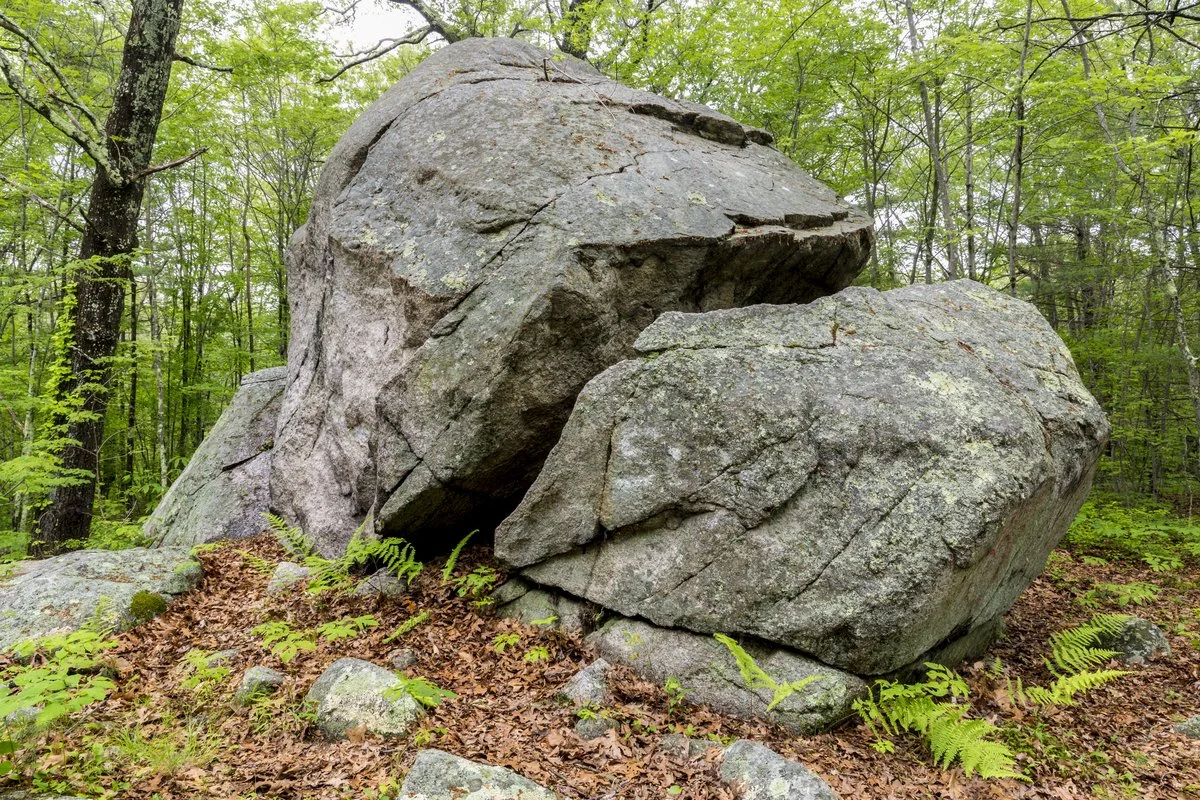
Glacial erratic at Brockton Audubon Preserve. Photo by Jerry Monkman.
Brockton’s Beginnings
Brockton lies within the Taunton River Watershed, the history of which I explored this spring. The area has a 10,000-plus-year history of habitation by native peoples, most recently members of the Wampanoag Tribe. Their population thrived, creating one of the most densely populated areas of local native settlement. According to the Wampanoag Tribe, the areas that now includes Brockton Audubon Preserve and Stone Farm Conservation Area also had religious significance, as evidenced by the rearrangement of some of the many glacial erratic boulders into formations that align with astronomical events, such as the daily and annual path of the sun through the sky.
However, in the early 1600s, exposure to disease brought by European trappers and fishermen—even before the 1620 arrival of the Pilgrims—decimated the local population by as much as 80 percent.
Then Plymouth Colony was founded, and within 20 years it had out-grown its initial settlement. In 1649, Massasoit, sachem of the Wampanoag Tribe, sold the land then known as Saughtucket to Myles Standish. It was renamed to Bridgewater, and again to North Bridgewater in 1821. The area thrived as a farming and forestry community until the mid-1800s. During the years leading up to the Civil War, the area was a well-known stop on the Underground Railroad, helping runaway slaves reach safety in New England and Canada.
But rapid change was coming. The end of the Civil War accelerated the westward migration of farmers out of New England. The Industrial Revolution was taking over, and farmers were soon replaced by immigrants from Europe and beyond, drawn by jobs in the burgeoning textile and shoemaking industries. The rapidly growing town was reincorporated as a city in 1881 and given its current name of Brockton in 1884. Interestingly, the name came from Sir Isaac Brock, a British officer in the War of 1812, who had no connection whatsoever to the town. Who'd figure?
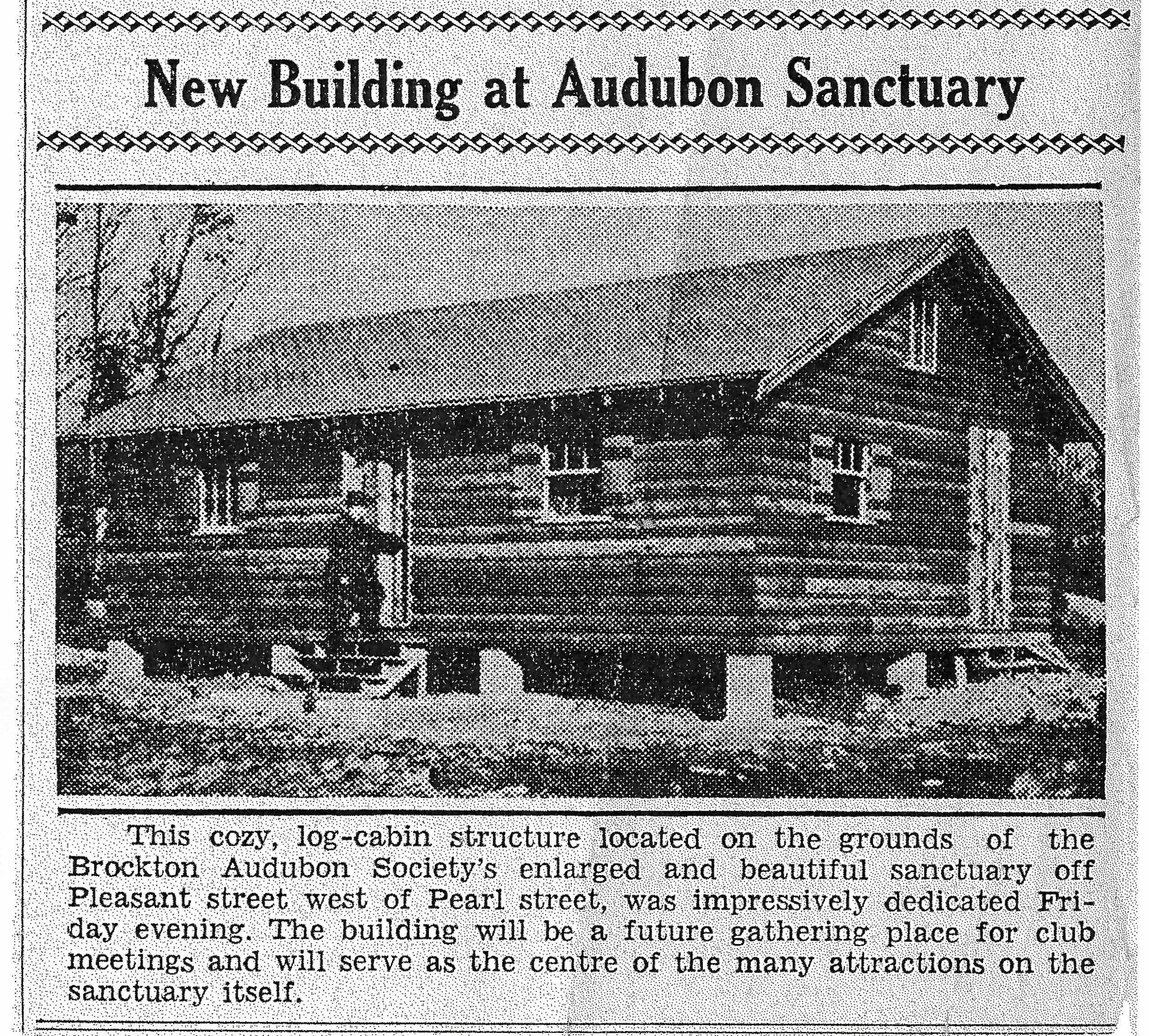
From the Brockton Daily Enterprise, April 3, 1937. “With the near completion of improvements to the new sanctuary, located off Pleasant street, the Brockton Society has one of the finest wild-life conservation areas in this section of Massachusetts. … [It] contains a diversified terrain suitable for a variety of birds and plants.” Clipping courtesy of Frank Moore.
Progress Spurs Preservation
Brockton was headed for the big time. In 1883, it gained the first municipal AC electrical power system in the world, with the first switch pulled by none other than Thomas Edison. By 1900, over one-third of Brockton’s male population was employed in the shoe industry. Growth was changing the character of Brockton. Land was developed for industry, and housing was rapidly replacing the wetlands, farms, and fields of 50 years earlier.
Wildlands Trust was not the first organization to recognize the need for environmental protection and education in Brockton. In 1919, Amelia Brown and 88 others came together to found the Brockton Audubon Society, with a mission to save wooded areas and the wildlife within them. In 1921, the Society purchased 23 acres from Martin Packard to create the first Brockton Audubon Preserve. In 1937, they added 39 acres and built a log cabin-style building known as the Clubhouse to use as a headquarters and a site for picnics and special events. In the following years, the Society, under the leadership of Brockton tree warden Rufus Carr, obtained additional parcels to bring the preserve to its current 128 acres. For many years, the land provided a beautiful and popular resource for the community. However, as the founding Society members grew older, its membership shrank, and caring for the property grew difficult. In 2011, the remaining members voted to donate the land to Wildlands Trust to ensure its permanent protection.
Adjacent to the Brockton Audubon Preserve was a City-owned tract of 105 acres known as Stone Farm Conservation Area. Over the years, this land witnessed many changes, as well. At various times, it has been a pasture, a timber plantation (until the 1938 hurricane leveled all of the pines), a horse farm, and an ice pond with an ice house. It has been the site of a Brockton police firing range and a city dump. Each successive use eventually faded into the woods and wetlands we see today. In 2018, the City of Brockton, while retaining land ownership, contracted Wildlands Trust to undertake the management of the property through Wildlands’ Community Stewardship Program. Wildlands staff completed new and restored trails in 2019, reopening the farm to the public.
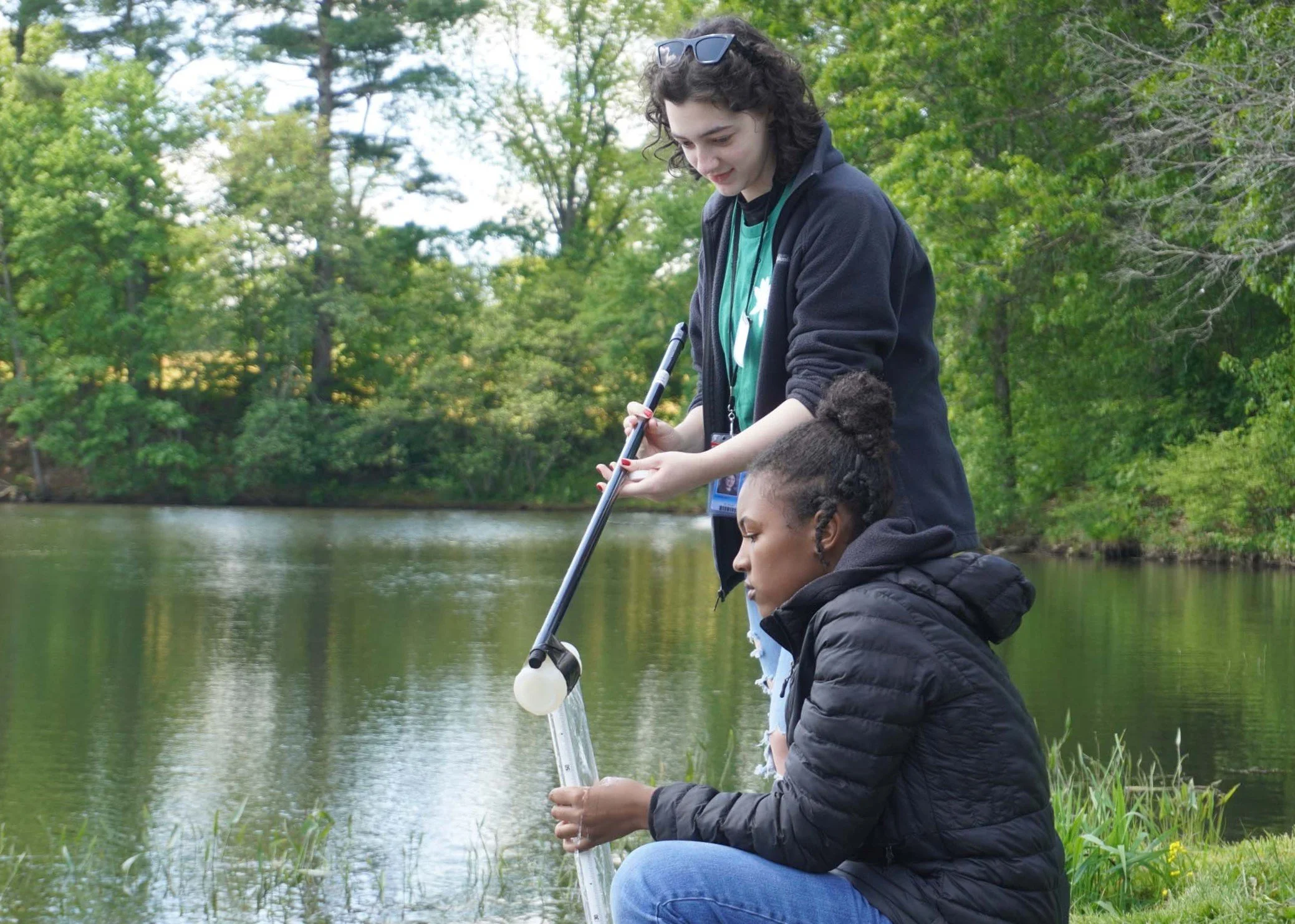
Brockton High School Envirothon Team members test water quality during the 2023 Massachusetts Envirothon competition.
A Bright Future
Not done yet, Wildlands continues to work closely with the City in other areas. Through the D.W. Field Park Initiative, Wildlands has spearheaded ecological and recreational improvements in Brockton's largest and most popular open space asset. Wildlands is also working with Manomet Conservation Sciences on a NOAA grant to build outdoor classrooms at three Brockton elementary schools. Furthermore, Wildlands co-leads both the Brockton High School Envirothon Team and Green Team to engage Brockton-are youth in environmental education, stewardship, and community service.
Which brings us back to where we started. Karen Grey's message in that 2018 presentation was simple. Whether Wildlands is acquiring an urban preserve, providing resources and expertise to help a city reach its environmental goals, or advancing public education and youth development to foster long-term commitment to environmental protection, all of these initiatives flow from the same mission that drives the organization’s work elsewhere in the region. In many more affluent areas, Wildlands’ goal is to preserve the natural beauty that remains—to keep woods as woods and fields as fields. But in less fortunate areas, the time for preservation is long gone. Instead of turning its back on these communities, Wildlands proactively and holistically supports them, returning pistol ranges and dumping grounds to their historic natural conditions and helping future generations take pride and action to protect their local environment. Thus, the Wildlands mission is just as relevant in a city as it is anywhere.
Learn More
I encourage you to visit Brockton Audubon Preserve and Stone Farm Conservation Area to search for evidence of this history on the landscape. Please also explore the following sources, which I consulted for this piece:
Brockton Historical Society: brocktonhistoricalsociety.org
Wildlands Trust Baseline Documentation Report, Brockton Audubon Preserve
Brockton Public Library: brocktonpubliclibrary.org
History of Brockton, Plymouth County, Massachusetts 1656–1894. Bradford Kingman. Library of Congress.
Interview with Frank Moore. April 23, 2024. Conducted by Tess Goldmann and Thomas Patti.
* We are saddened to share that Frank Moore passed away last month at the age of 92. We extend our deepest sympathies to his loved ones, and our gratitude to Frank and his wife Rosemary for welcoming us into their home last year. Read Frank’s obituary here.