


What’s New at Wildlands
Human History of Wildlands: Tucker Preserve and the Indian Head River Trail
It's a cliché that a picture is worth a thousand words. In the last installment of the “Human History of Wildlands” series on Stewart/Person Preserve in Kingston, I was disappointed that despite a great deal of written information, I could find few pictures to illustrate the changes that people brought to the property. In this installment, pictures will help tell a story that words alone could not.

The Indian Head River in Hanover. To the left: the Waterman Tack Factory and breached dam. To the right: Tucker Preserve. Photo by Rob MacDonald.
By Skip Stuck and Rob MacDonald, Key Volunteers
It's a cliché that a picture is worth a thousand words. In the last installment of the “Human History of Wildlands” series on Stewart/Person Preserve in Kingston, I was disappointed that despite a great deal of written information, I could find few pictures to illustrate the changes that people brought to the property. In this installment, pictures will help tell a story that words alone could not.
Wildland Trust's Tucker Preserve consists of 78 acres of forested hills and riverside in Pembroke, part of the larger, 325-acre Indian Head River Trail (IHRT) extending into Hanson and Hanover, as well. It lies very close to Wildlands' Willow Brook Farm.
Known as the Wampanoag Canoe Passage, the Indian Head and North Rivers connecting with the Taunton River watershed and eventually Narraganset Bay was a 70-mile super-highway used by native peoples for thousands of years. As a result, Tucker Preserve shares much of its pre-colonial history with Willow Brook Farm.
As Europeans arrived in the 1600s, they quickly realized the value of these rivers, not only for transportation and trade, but as a source of energy to propel burgeoning industry. Here lies the main reason why these scenes...


Photos by Rob MacDonald.
...became these scenes:


The story begins with the first mention of the property in 1632, when the Massachusetts Bay Colony governor, John Winthrop, crossed the Indian Head River at Ludden's Ford (also known as Luddam's Ford, now the site of the Elm Street bridge).
Initially, settlers farmed the land. Although it was good for livestock grazing, much of it was too rocky to produce grains and vegetables. So, they relied on the river for its abundant runs of fish (including alewives and shad for food and fertilizer) and on the surrounding forests for fuel and building materials.

Plaque at Luddam’s Ford. Photo by Rob MacDonald.
The river soon drew the settlers’ attention as a power source, with the first mention of a water-powered sawmill in 1693. Thus it began. In the 18th and 19th centuries, unlike at neighboring Willow Brook Farm, people in the Tucker Preserve area looked not to agriculture but to industry, on a scale that dramatically and irrevocably altered the landscape. The saw and grist mills were joined by an iron furnace in 1702, Smith's fulling mill (to clean and thicken wool fiber) in 1726, the Waterman and Perry tack factories in 1830, and others.
In the late 18th century, the Curtis Iron Works grew as well, supplying the needs of farming and shipbuilding. A local story relates that the factory produced the anchors for the USS Constitution. However, a factory in Hanover makes the same claim, neither town ceding the honor. By the 19th century, industry was fully in control of the area, with the Clapp Rubber Works a major employer, followed later by National Fireworks. Soon, these industries became busy enough to warrant a railroad connection known as the Hanover Branch Railway. The woods were thus transformed into a significant industrial area.

Hanover Branch Railway. The Indian Head River Trail runs along the same rail bed today. The building on the right is the Waterman Tack Factory, and the pond was formed by the dam behind Waterman, which breached in the 1938 hurricane.
So much industry sharing such a small area for two centuries came with inevitable consequences. By the early 1900s, industry in the area peaked. Afterwards, factories were closed, abandoned, and razed, and dams were breached and removed. The area returned to woodlands. Crumbling, overgrown foundations are still visible today as a reminder of the land’s industrial past. Less visible, yet even longer lasting, is the pollution remaining in the area’s soils, especially at the river bottom. Each successive industry thus left its signature on the landscape. In the 1980s, the area surrounding and downstream of the fireworks factory was identified as a potential Superfund site, and a major concern for mercury pollution.

Dam at State Street, prioritized for removal by the North and South Rivers Watershed Association’s Indian Head River Restoration Project. Photo by Rob MacDonald.
The good news is that federal, state, and local stakeholders have come together to start reversing the damage. In 1993, Sidney and Harold M. Tucker donated the Tucker Preserve property to Wildlands Trust. Together with groups like the North and South River Watershed Association, the Mattakeeset Massachuset (also known as Massachuseuk) tribe, and state and federal agencies, Wildlands helped form the Indian Head River Coalition, which created the Indian Head River Trail, a 6-mile trail network through the attractive woodlands and river you see today.
In June 2021, another coalition working to improve the Indian Head River area, the Fireworks Site Joint Defense Group, presented its report to the Executive Office of Energy and Environmental Affairs, outlining their recommendations for remediation planning. Discussions are ongoing.
Future work notwithstanding, Tucker Preserve and the IHRT now present a reasonable facsimile of its pre-industrial beauty. As you can see, however, a quick look back in time reveals a more complicated history. Without the foresight, generosity, and collaboration of concerned individuals and groups, this serene and stunning landscape could have looked very different. Figuratively and literally, its alternative outcome lies just below the surface.

Photo by Rob MacDonald.
Learn more
To learn more, visit the Tucker Preserve property description here, or visit the preserve yourself.
Also, stay informed on the Indian Head River recovery efforts via the North and South Rivers Watershed Association website:
Please also view the Town of Hanover and Pembroke Historical Society websites:
Thanks to Rob MacDonald for many of the photographs used in this piece. To see more, visit his photography website here.
Welcome (Back), Seasonal Land Stewards!
Every summer, caring for our trails becomes a mightier task, as vegetation and visitation peak. Our Seasonal Land Stewards help Wildlands meet these increased demands on our lands, all while gaining invaluable skills for a conservation career.
According to the position description, Seasonal Land Stewards “perform tasks related to the day-to-day management and maintenance of conservation lands throughout 55 cities and towns in Southeastern Massachusetts.” Tasks include brush-clearing and mowing of trails, upkeep of fencing, boardwalks, and signage, and parking lot clean-up.
This year, our seasonal staff comprises new and familiar faces. Read on to learn more about these exciting additions to the Wildlands family. And be sure to say hello when you encounter them out on the trails!
Marina Smiarowski

We are grateful to welcome back Marina for her second summer as a Seasonal Land Steward. Since she last worked on our trails, Marina completed her first year at SUNY College of Environmental Science and Forestry, where she plans on majoring in chemistry. Growing up, Marina was involved with her local land trust in Branford, Connecticut, sparking her desire to pursue a career in conservation. Before Wildlands, Marina interned with the Stewart B. McKinney US Fish & Wildlife Service unit in Connecticut.
Pat Collett

Pat is a new face around the Wildlands office, but he is no stranger to our trails. Having grown up in Hanson, just down the road from the Indian Head River, Pat has been exploring natural areas across the South Shore for as long as he can remember. These experiences have shaped his passion for protecting the local environment. This fall, Pat will enter his junior year at the University of Maine, where he is studying environmental science. As a Seasonal Land Steward, Pat enjoys being outside every day, working with his hands to make environmental improvements that he can see and take pride in. In his free time, Pat enjoys fishing.
Spring Open House Ends Our 50th Year in Sun & Style

On Saturday, June 8, Wildlands closed out our 50th anniversary year the same way we started it—in deep gratitude for the people who support our work.
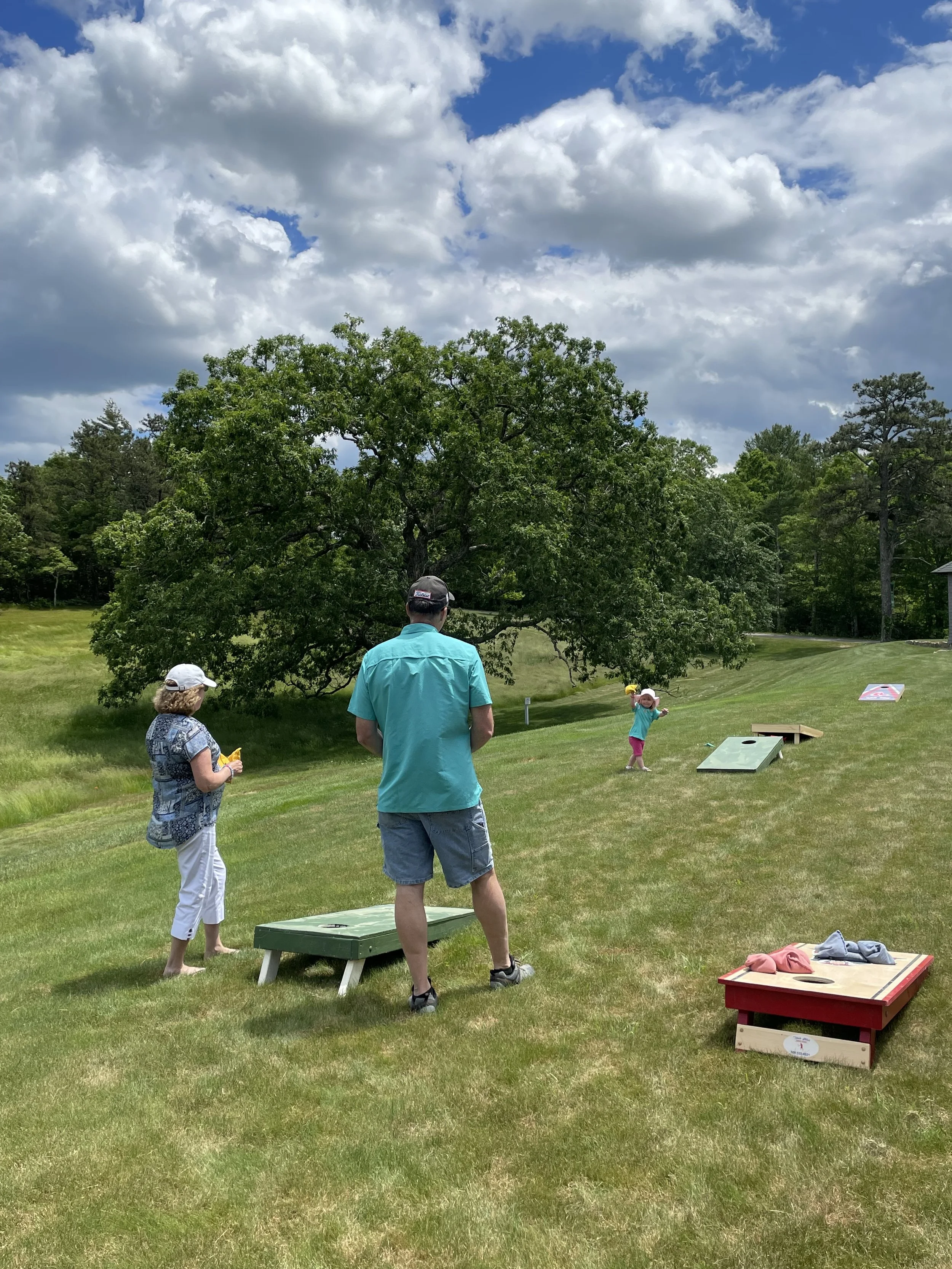
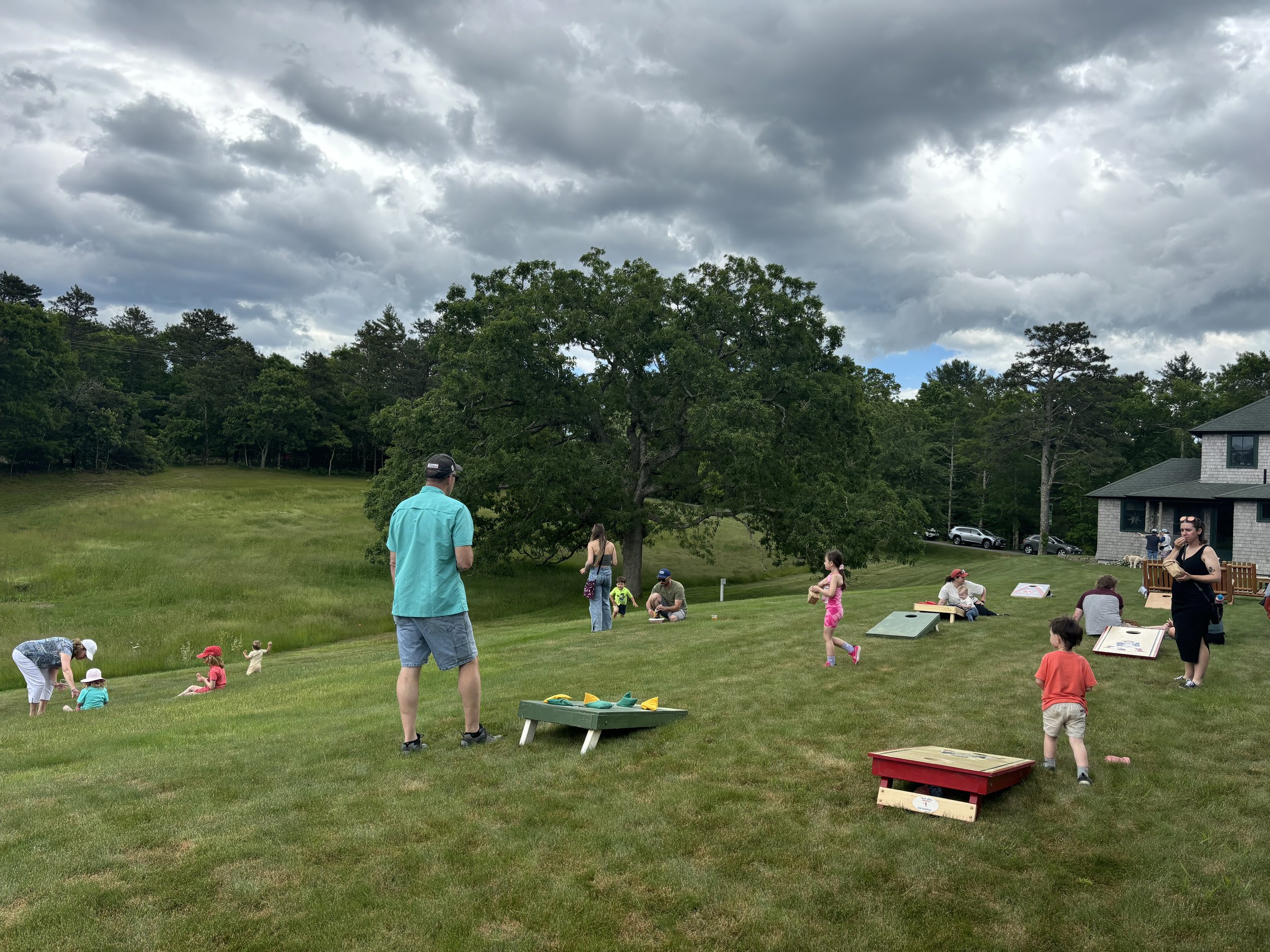
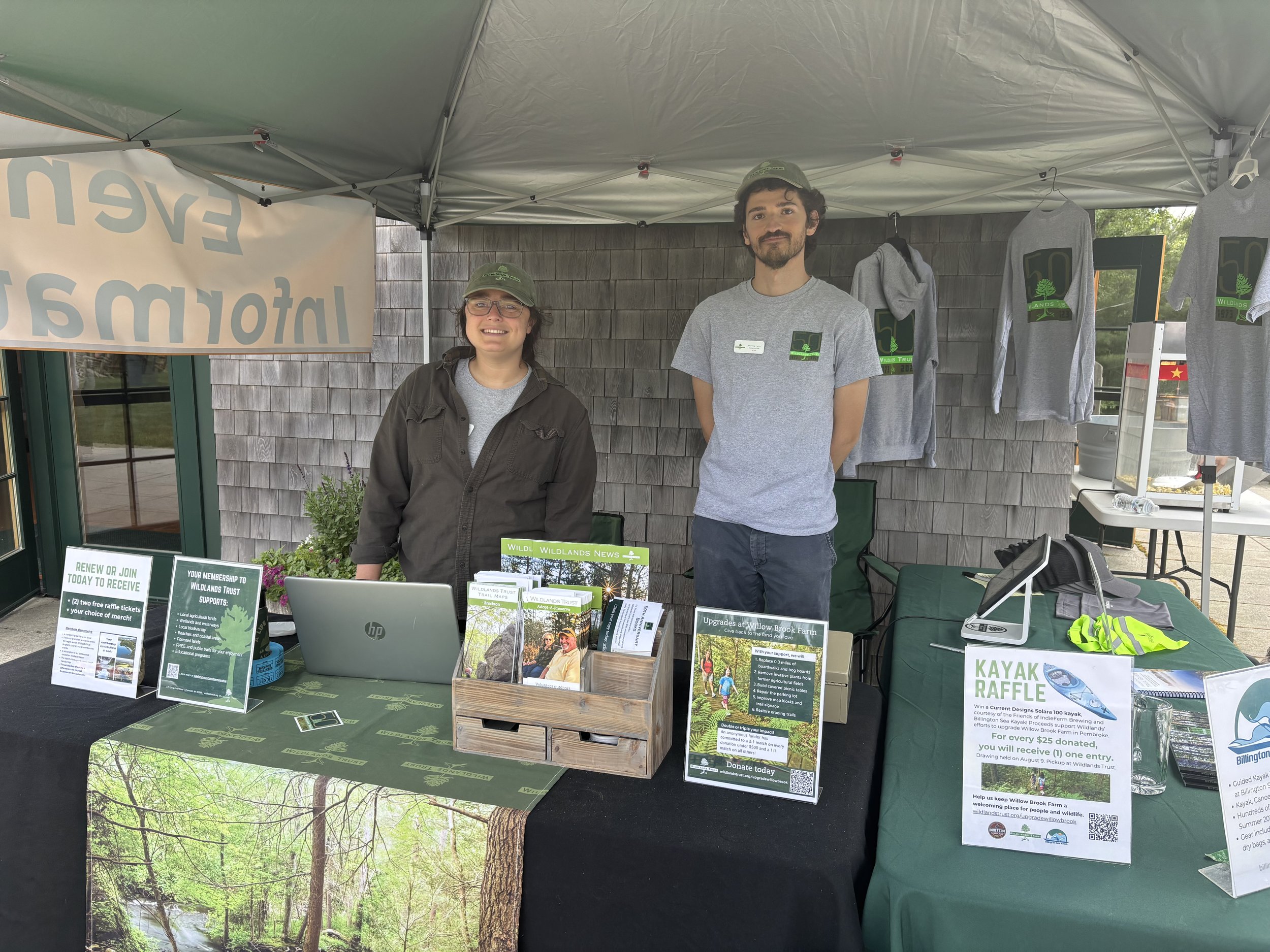
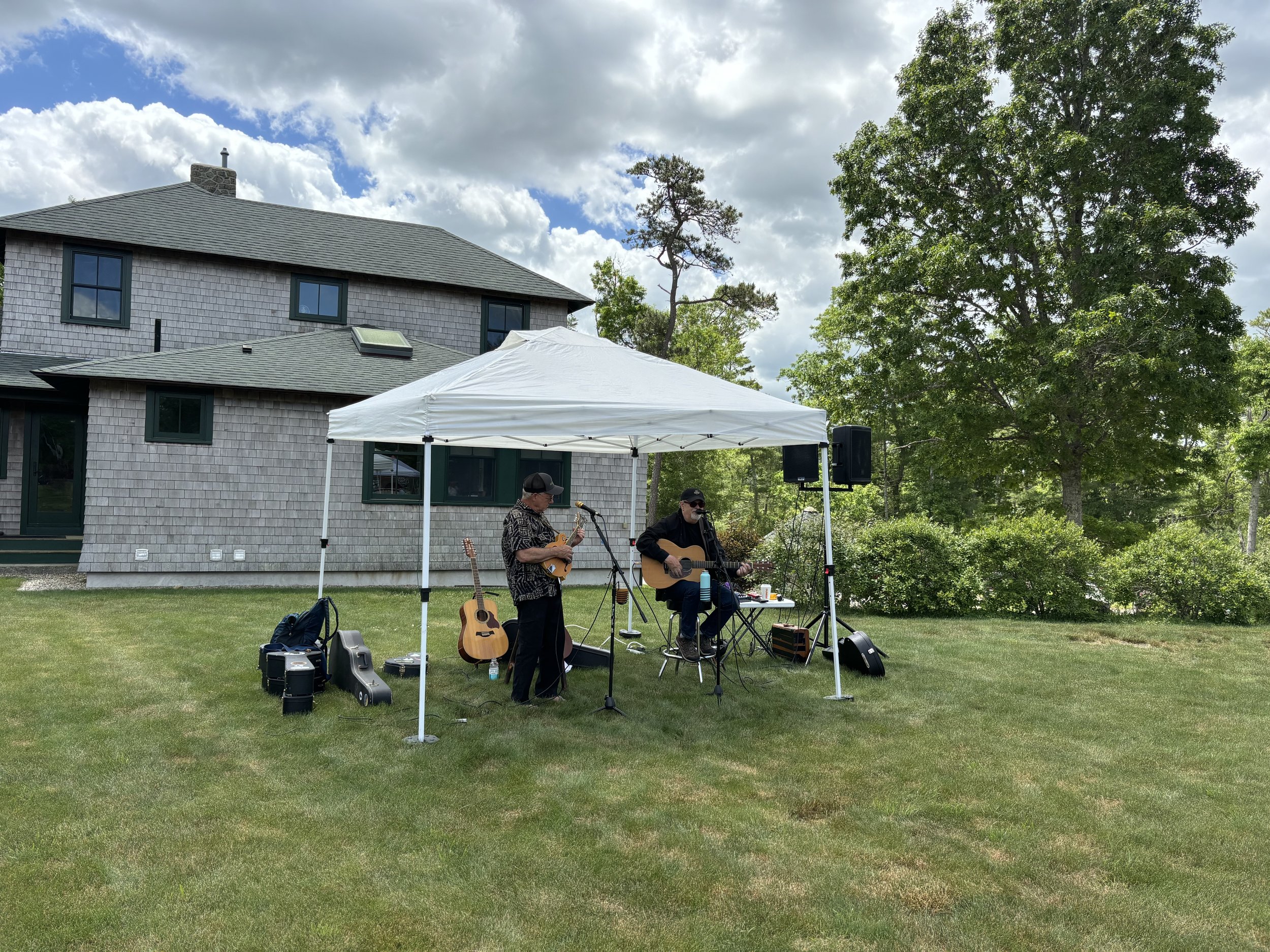
Our Spring Open House drew almost 150 friends and neighbors to our headquarters at Davis-Douglas Farm. Farm-to-table Brazilian food from Gnarly Vines Farm, local beer and kombucha from IndieFerm Brewing, live music by the Butch McCarthy and Bob Calderara Duo, guided hikes at Emery Preserve, and kids’ nature crafts were among the highlights of this public celebration of springtime in Southeastern Massachusetts, and of the conservation lands and leaders that make our region special.
“It is always a special time when we can bring new and longtime members of the Wildlands community together,” said Programming Coordinator Max Phelps. “Our Open House was a big success, thanks in large part to our wonderful volunteers, who safely parked cars and led two hikes in Emery Preserve.”
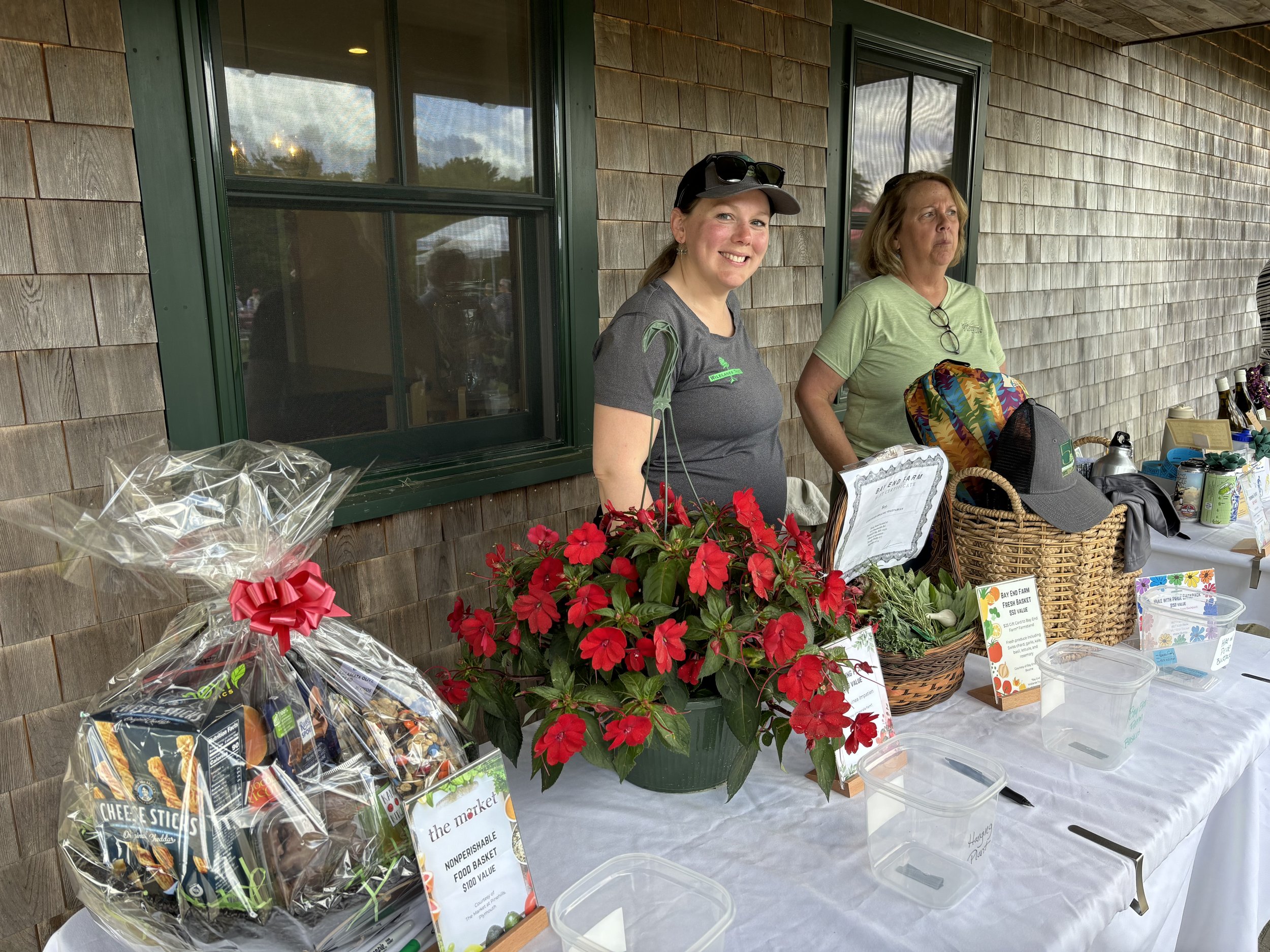
The event also featured 12 raffles featuring prizes generously donated by farms and retailers across the region. We debuted our grand prize of a Current Designs Solara 100 kayak, courtesy of Billingston Sea Kayak and the Friends of IndieFerm. Kayak raffle entries will be accepted until the drawing on August 9. All raffle proceeds directly support our restoration campaign at Willow Brook Farm.
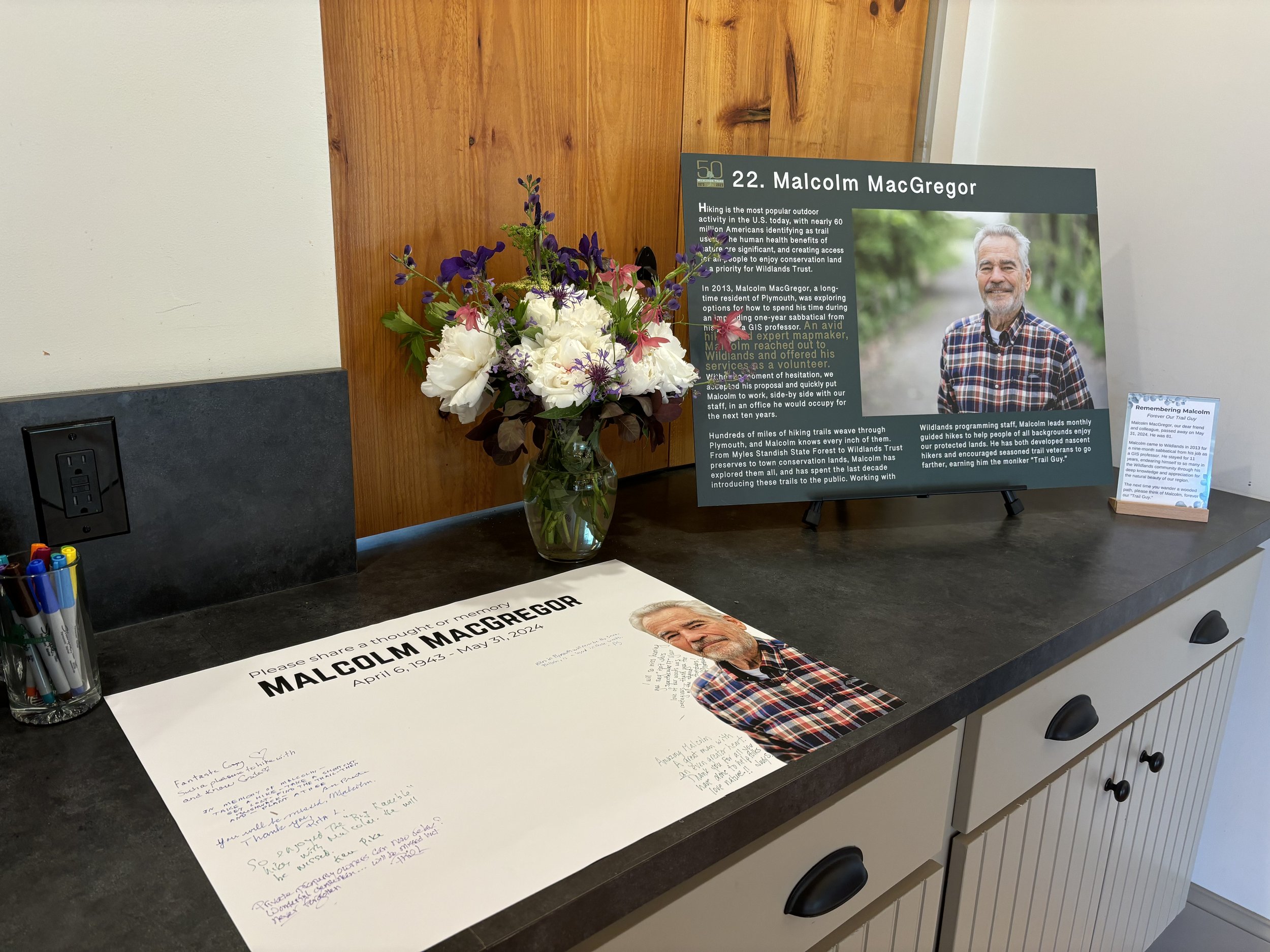
While most of the fun took place outside on this sunny spring day, inside the Conservation Barn lay our “50 Remarkable Years, 50 Remarkable People” photo gallery, featuring the faces and stories of some of the key contributors to our mission over the last half-century. Set apart from the rest of the honorees and adorned with flowers was the display of Malcolm MacGregor, our longtime “Trail Guy” who passed away last month. Visitors seized the opportunity to write their fond memories of Malcolm on a poster to be presented to his family.
On behalf of the Wildlands community, thank you for making this celebration—and our entire 50th anniversary year—a moment we will never forget. We cannot wait for the next 50 years, turning your continued support into more of the places you love.
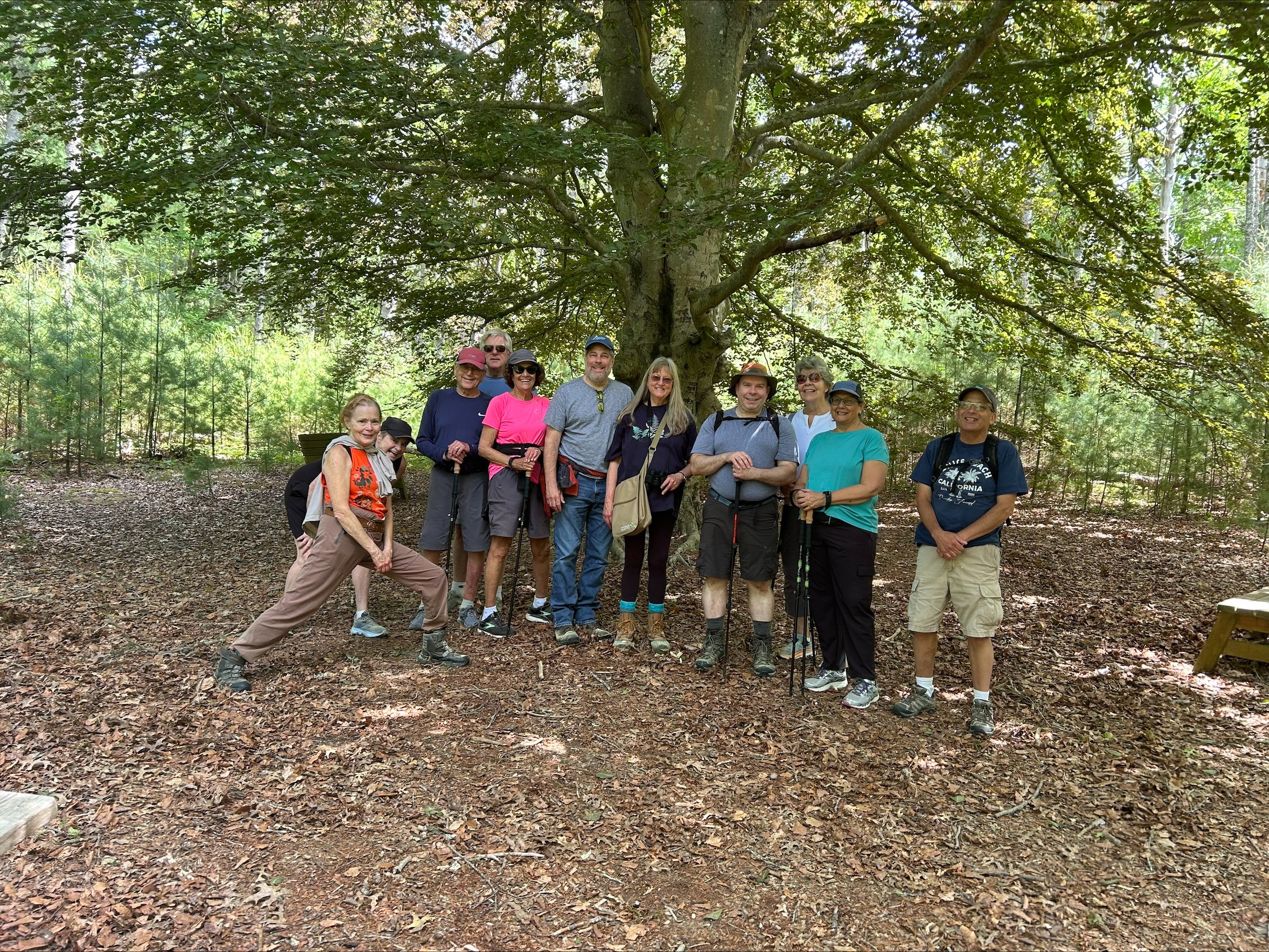
Click through the gallery below for photos from our Spring Open House.







Brockton Gives a Hoot About Conservation

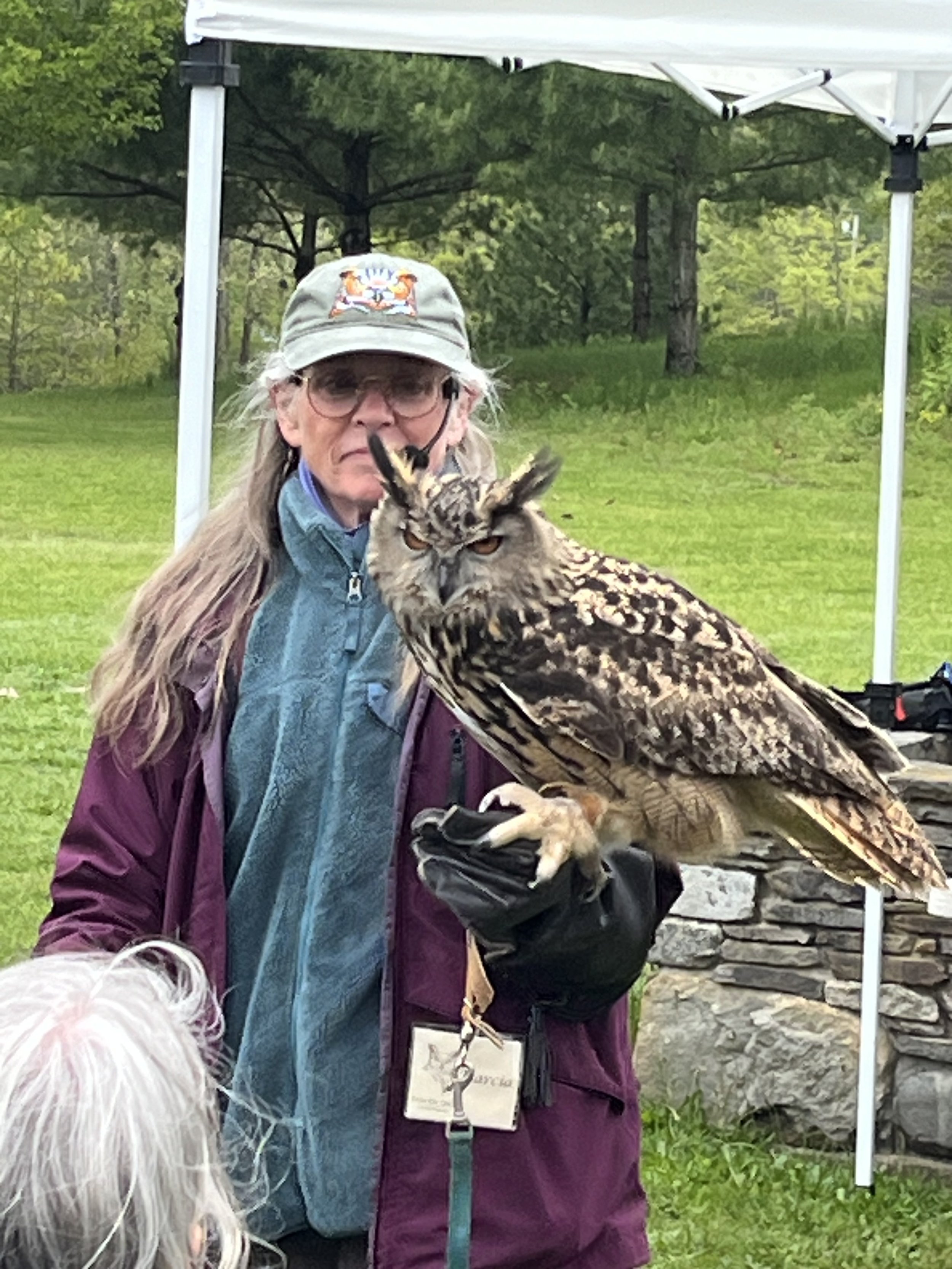
Barred owl, presented by Eyes on Owls at Give a Hoot About the Park on May 19. Photo by Janet Trask.
The verdict is in. Brockton gives a hoot about local conservation!
An eventful month has left no doubt that this city of over 100,000 residents in northwestern Plymouth County is invested in the protection and stewardship of its natural spaces.
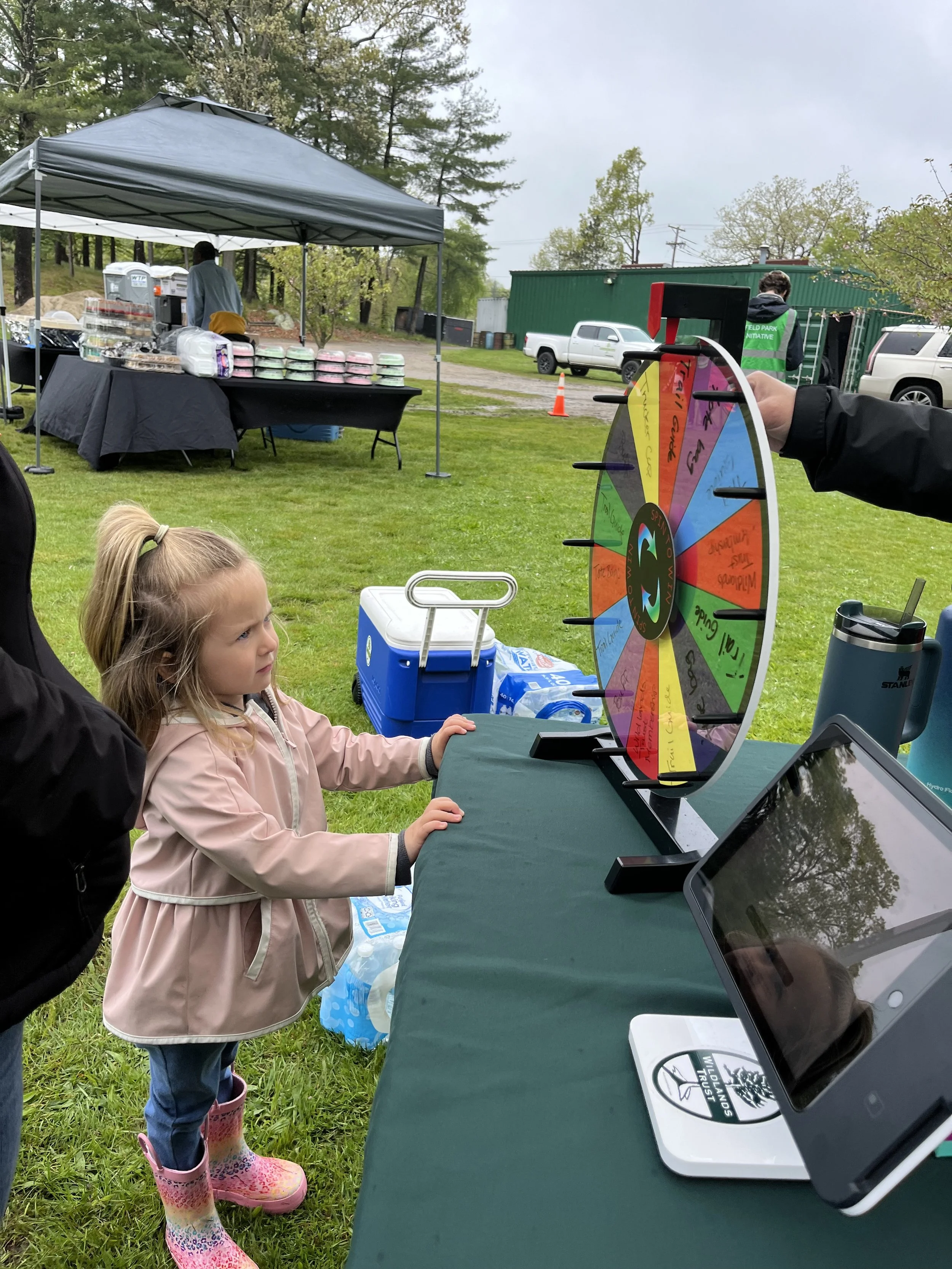
On Sunday, May 19, our Give a Hoot About the Park event attracted nearly 200 people to D.W. Field Park, a 700-acre urban oasis in Brockton and Avon. Despite considerable rain, friends and neighbors of all ages flocked to see live owls, presented by Eyes on Owls. Free lunch, catered by Lady C&J Soulfood, rewarded those who braved the inclement weather!
About a dozen community groups joined us, as well, offering information about how the public can get involved in local conservation efforts.
“This event put local environmental stewardship on display and continued our efforts to build community at D.W. Field Park,” said Wildlands Chief of Staff Rachel Bruce. “The success of Give a Hoot was largely due to the collaborative efforts of our partners at Old Colony Planning Council, the D.W. Field Park Association, the Town of Avon, and the City of Brockton. The dedicated folks of the D.W. Field Park Initiative will continue to work to provide opportunities and resources for this community, who show up to support the park time and time again!”



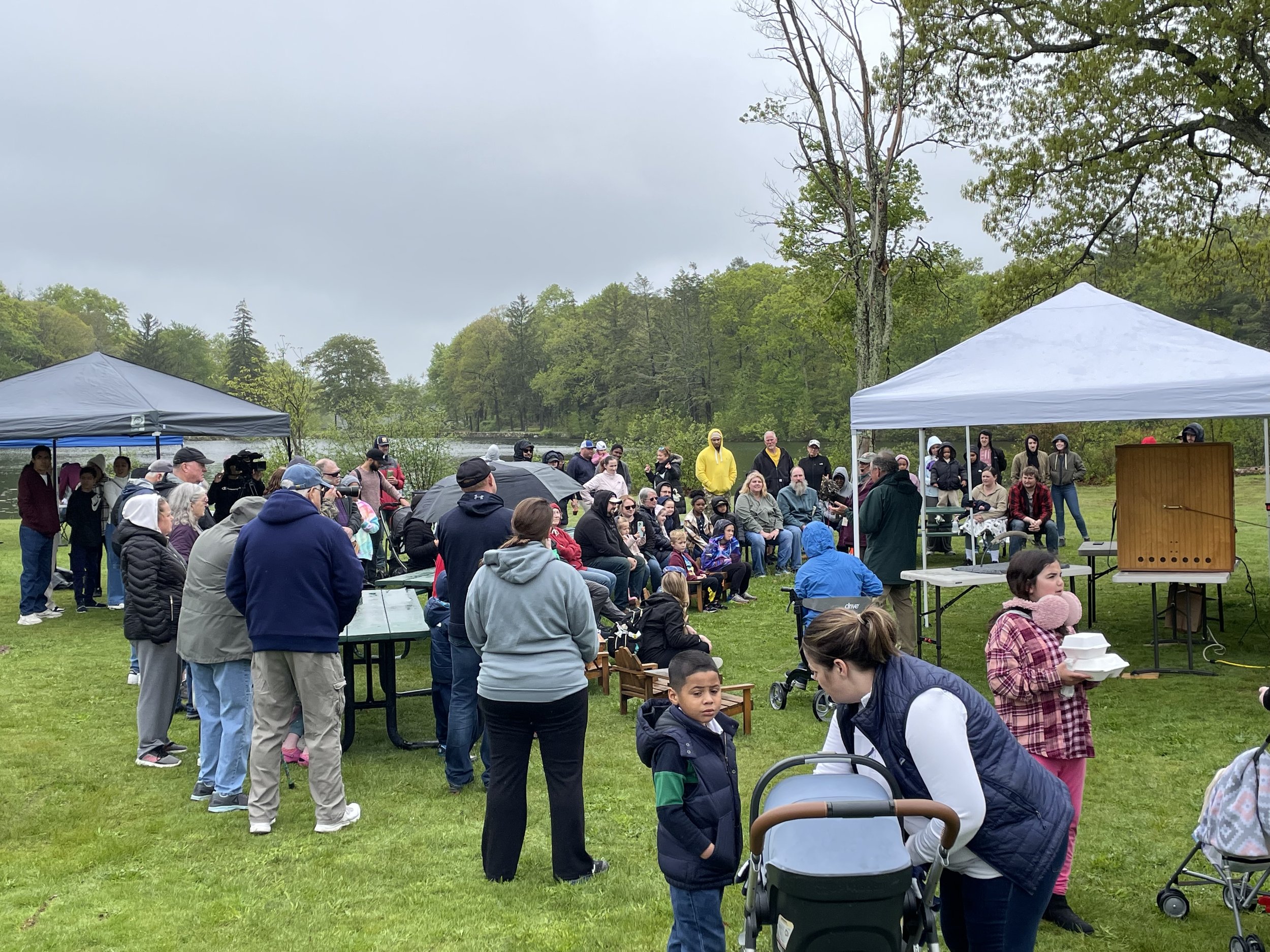


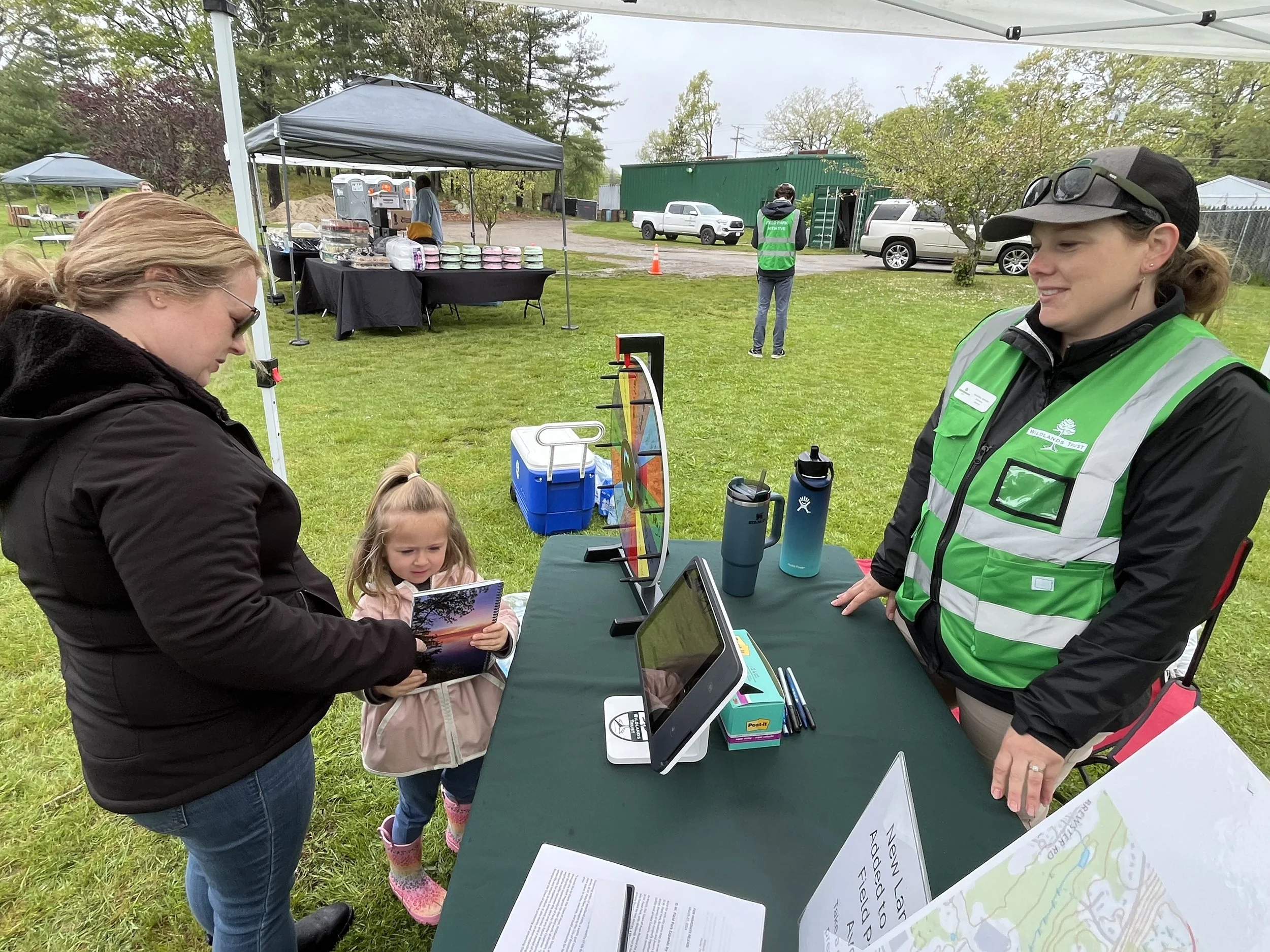


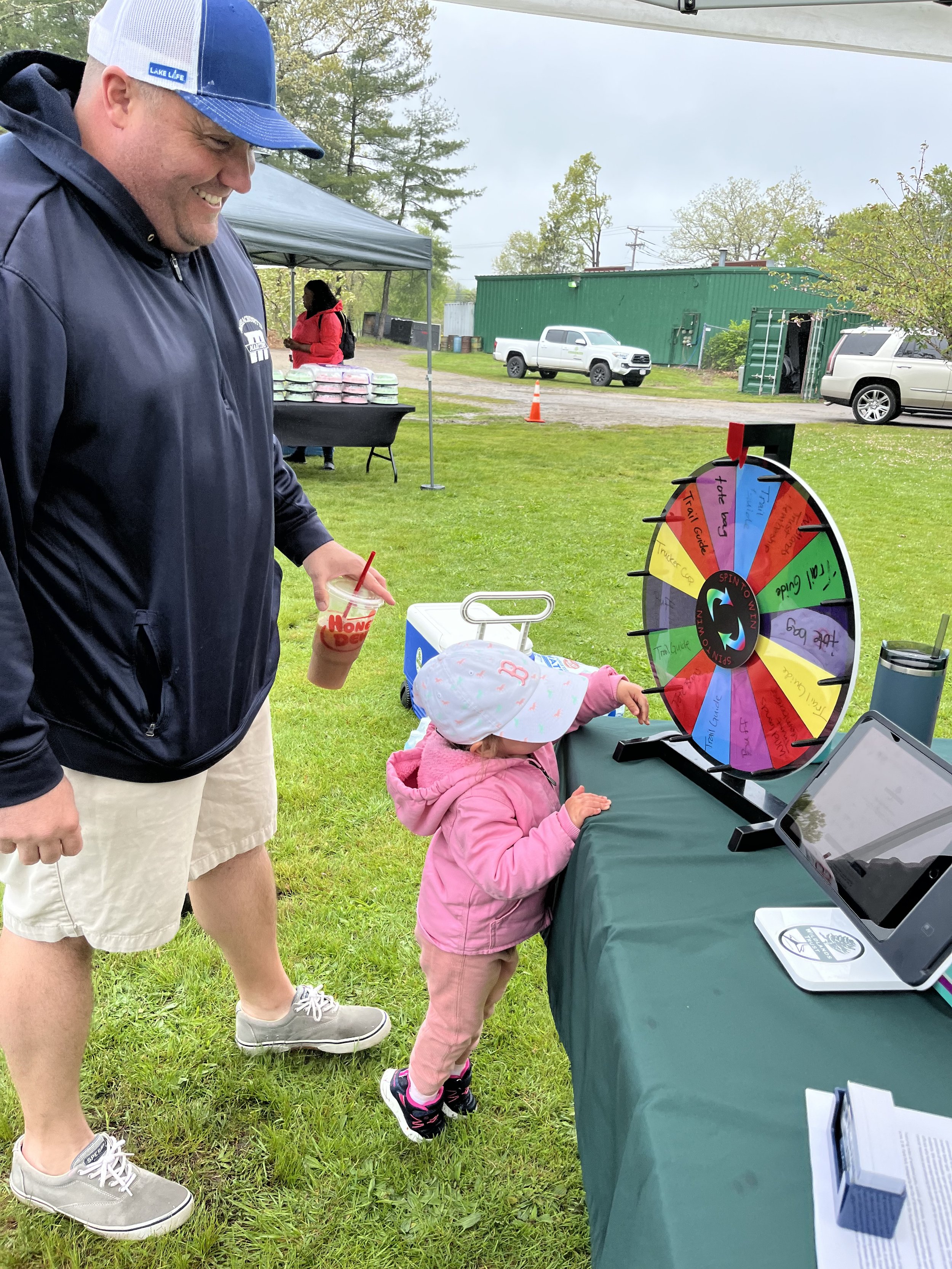


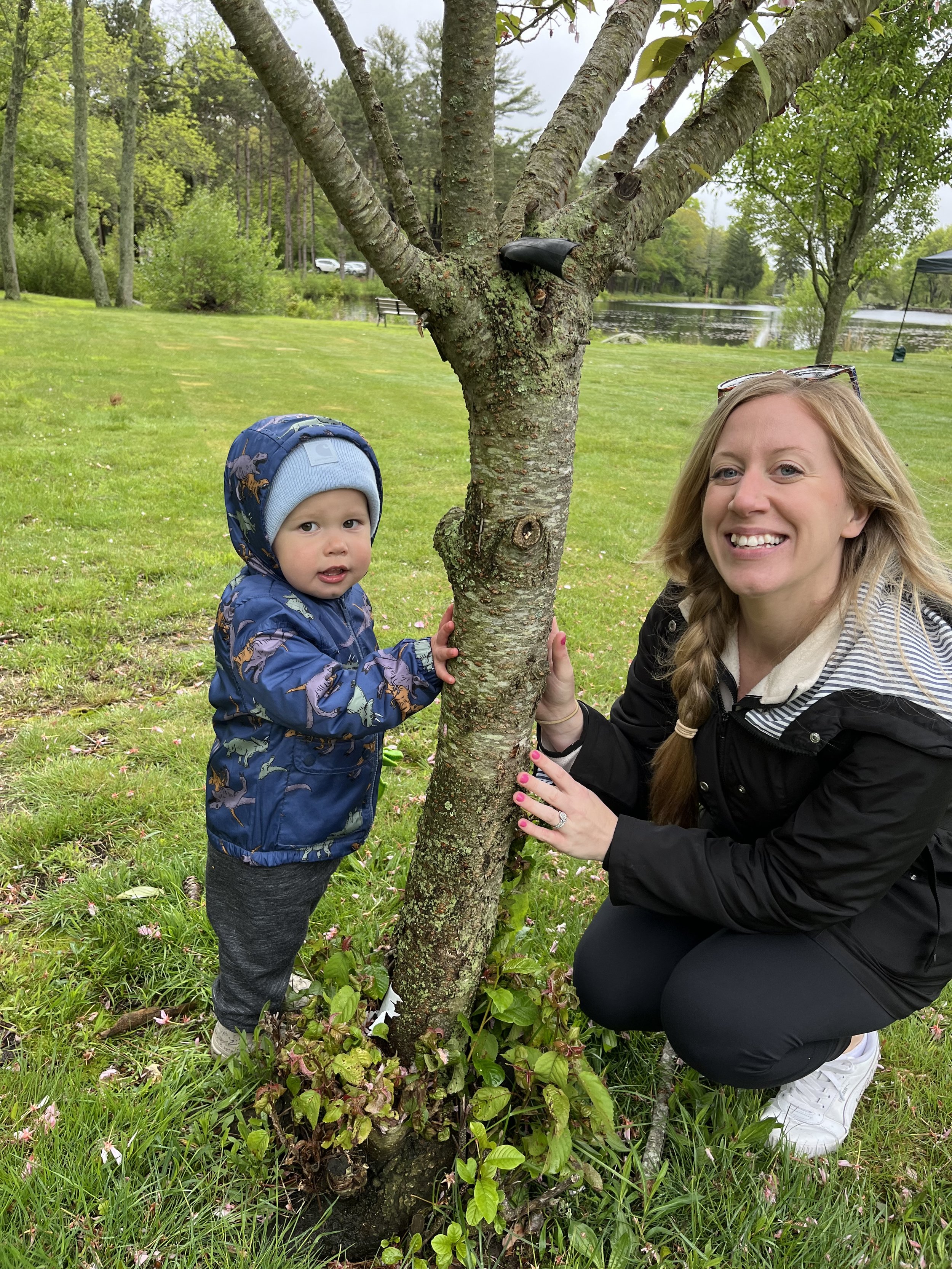
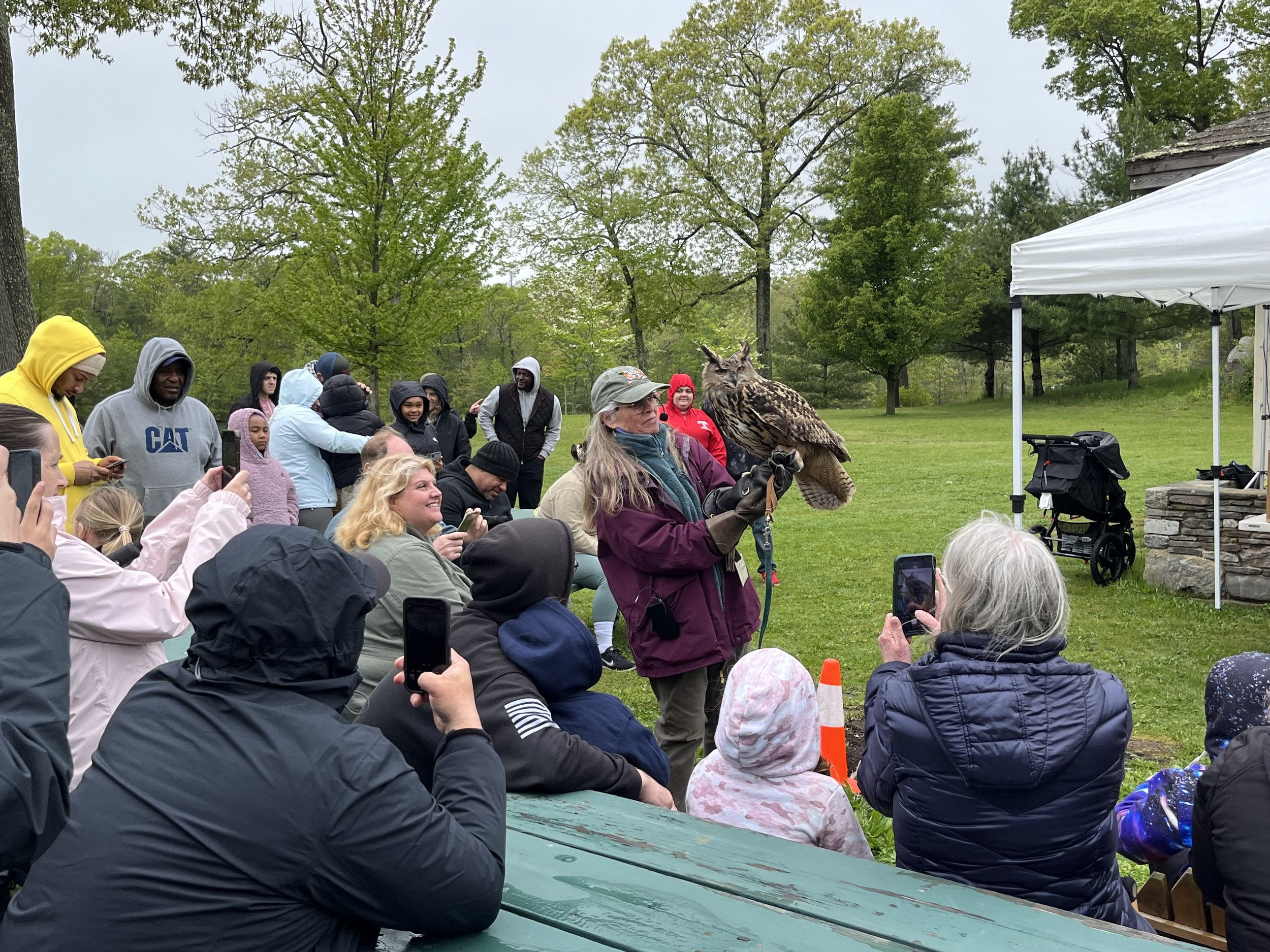

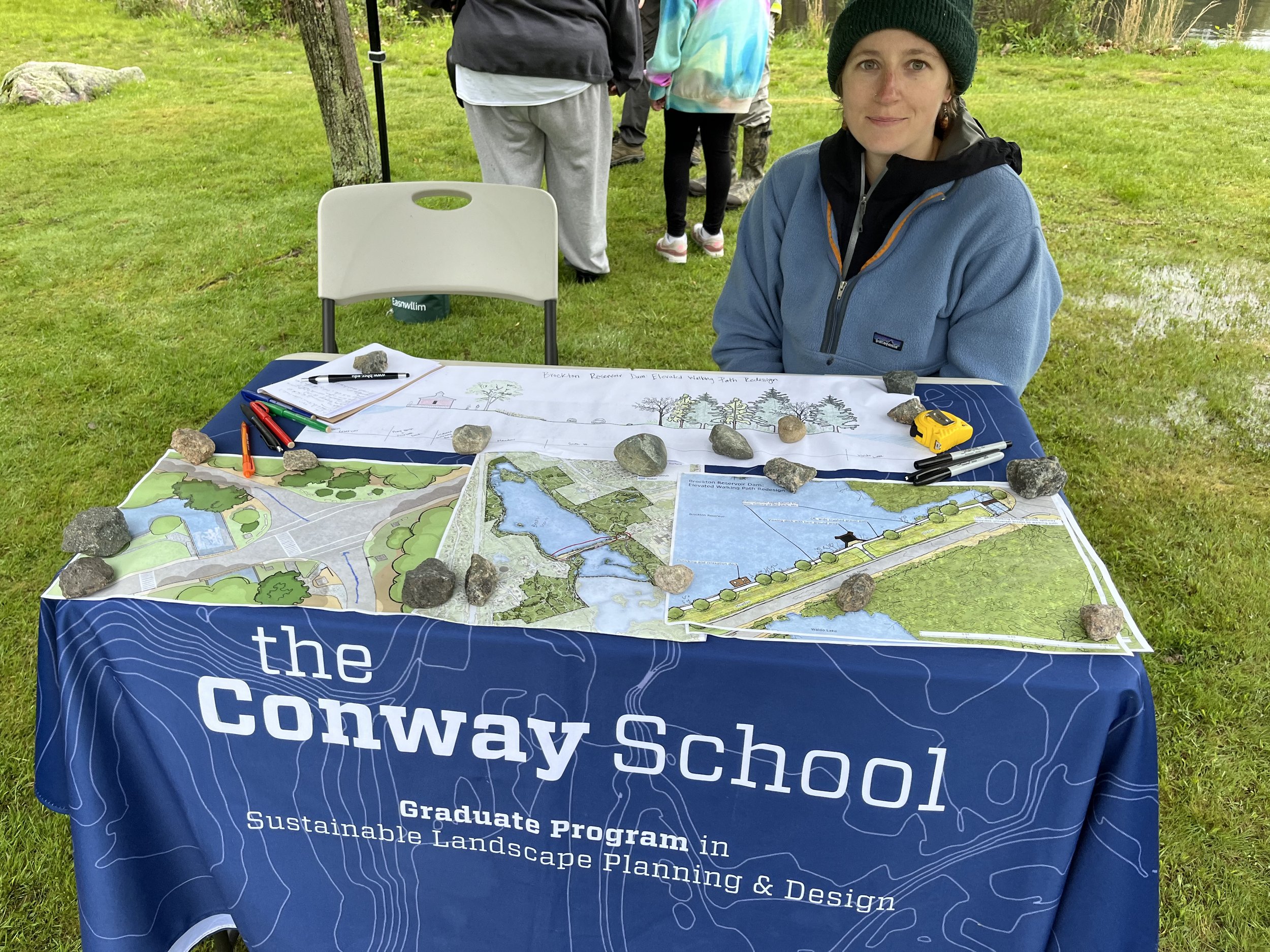
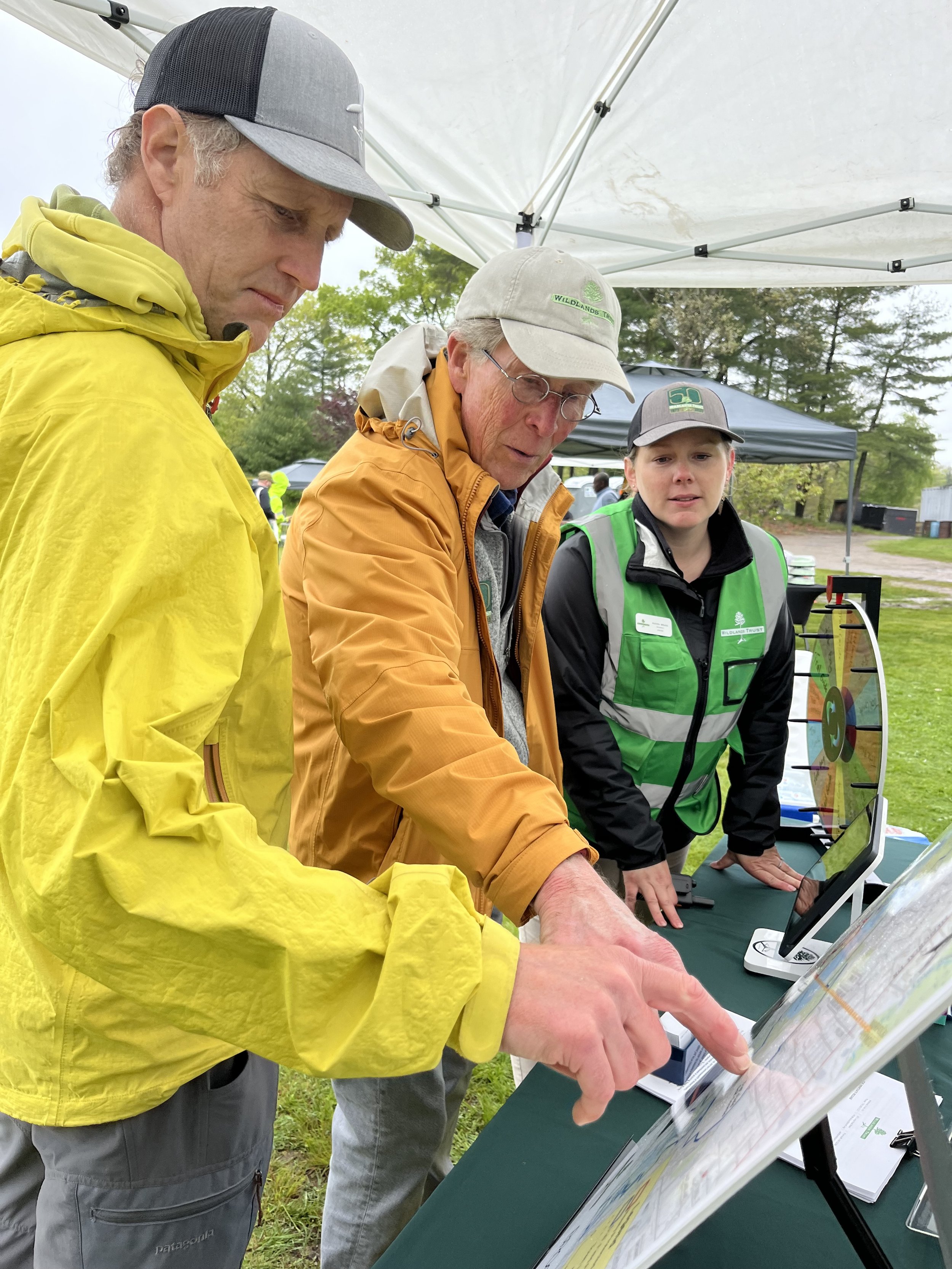

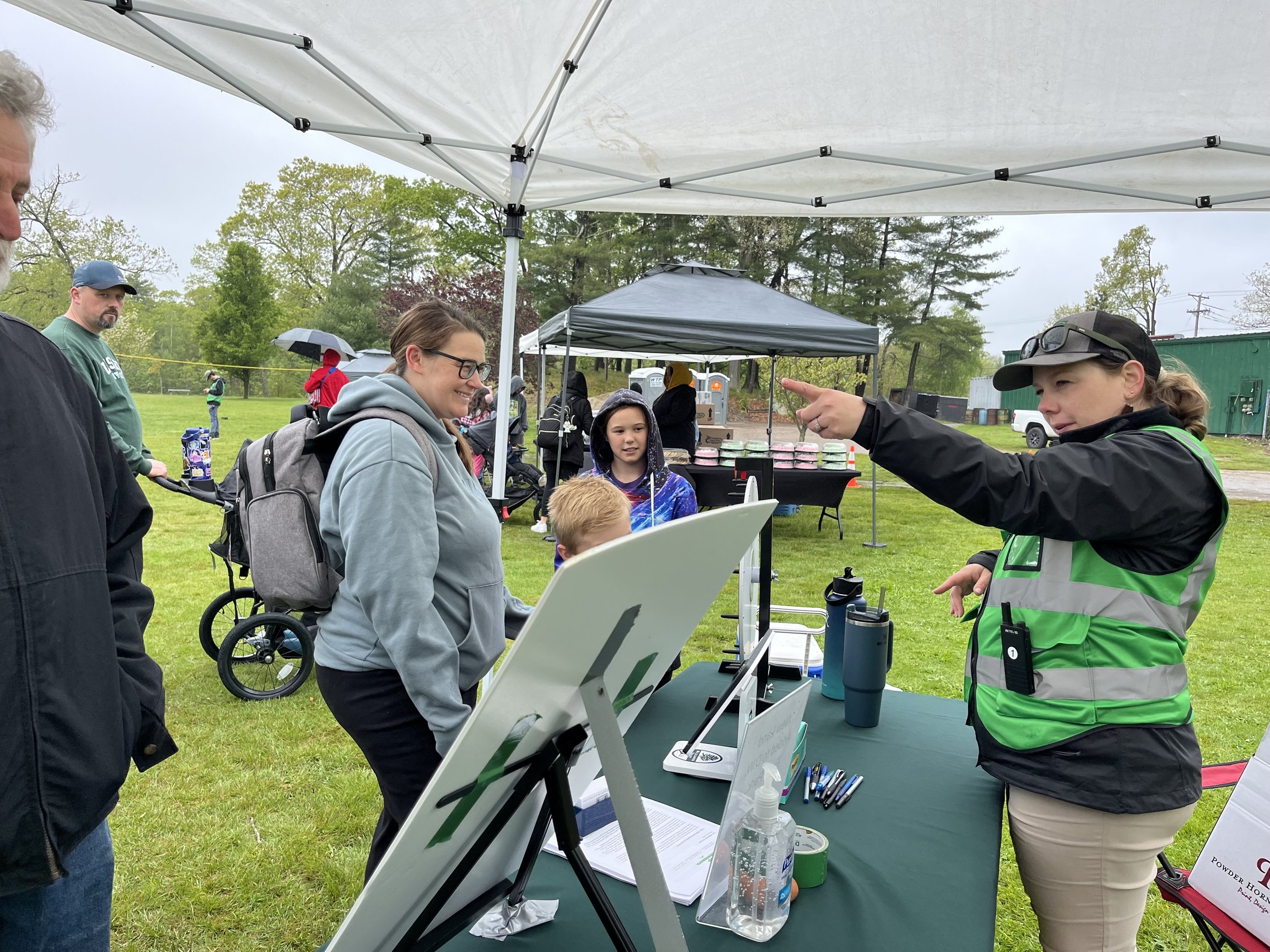


The public celebration, as well as the Town of Avon’s recent acquisition of 30 woodland acres abutting D.W. Field Park, were partially funded by the Massachusetts Municipal Vulnerability Preparedness grant program.
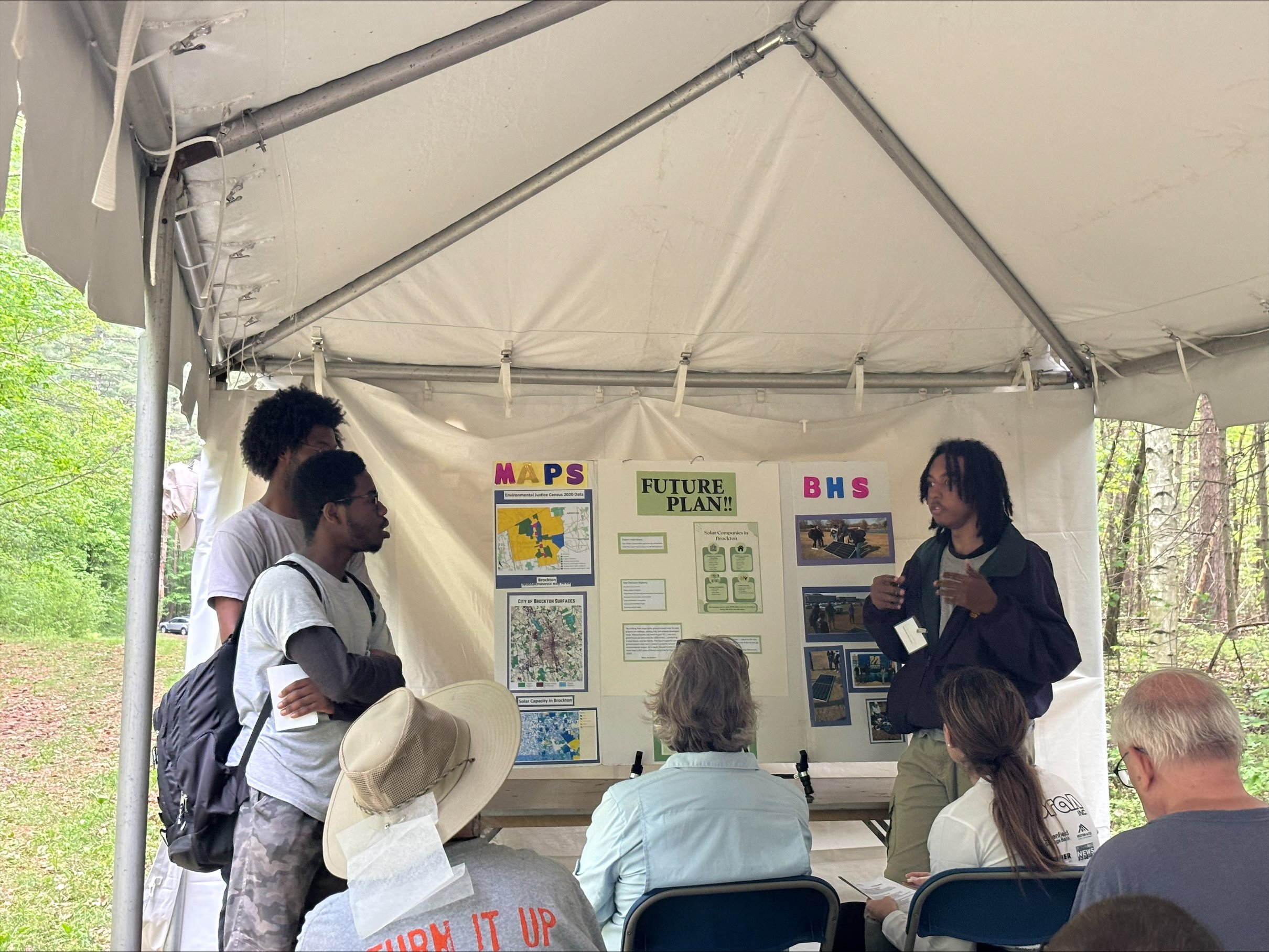
Less than a week later, a determined group of students from Brockton High School ventured to Wachusett Reservoir to demonstrate that the future of our region’s natural resources is in capable hands. On May 23, the Brockton High School Envirothon team competed at the 2024 Massachusetts Envirothon, putting their environmental knowledge, skills, and leadership to the test. The students rose to the occasion, placing in the top five in two categories, Wildlife and Current Issue, where this year, students presented on Clean Energy for a Sustainable Future.
“Our Envirothon team this year was almost entirely new to the competition,” said Programming Coordinator Max Phelps, who co-coached this year’s team. “It was wonderful to see their growth in knowledge and confidence over the school year culminate in amazing presentations. I can’t wait to see what they accomplish in the future.”
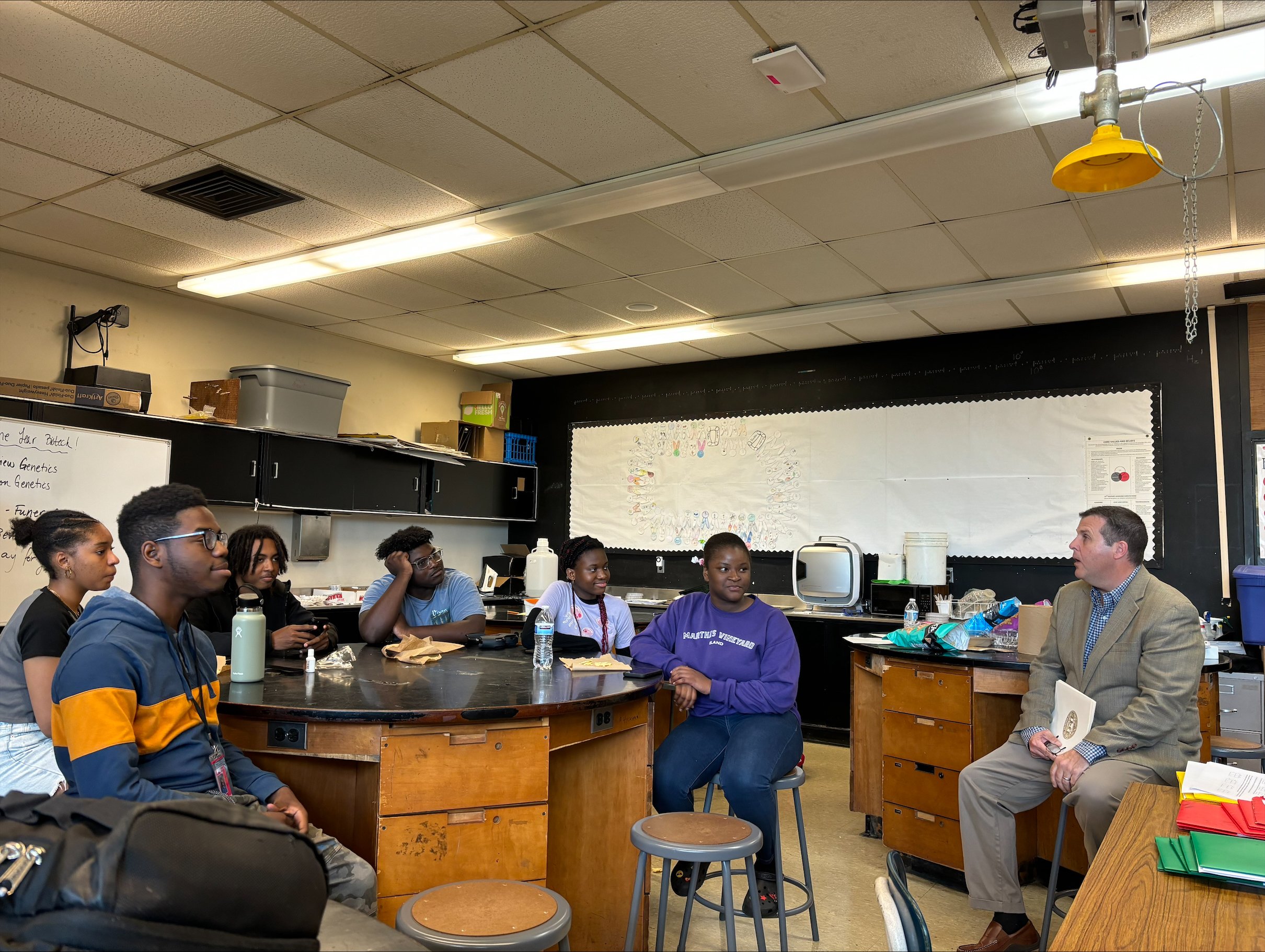
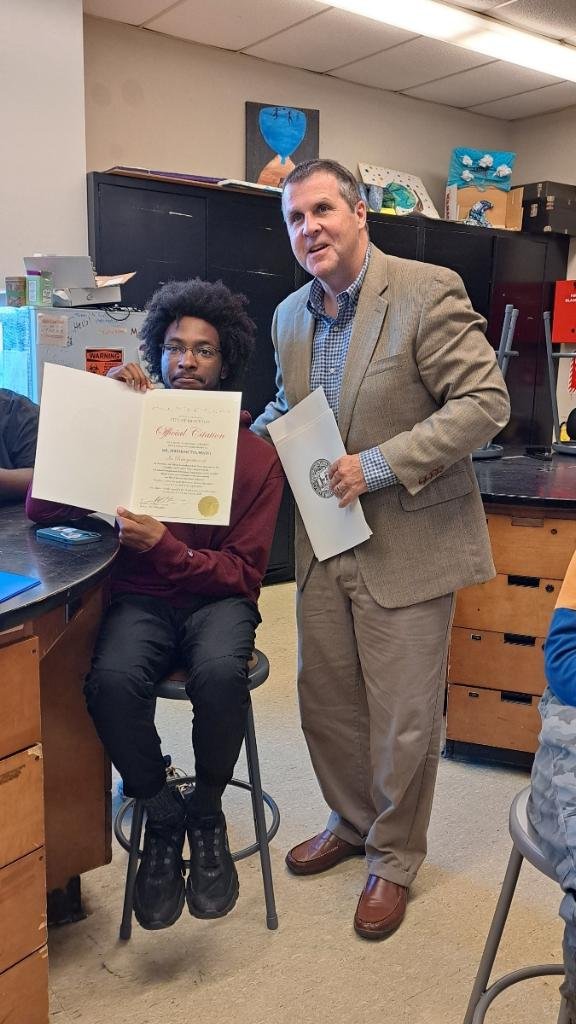
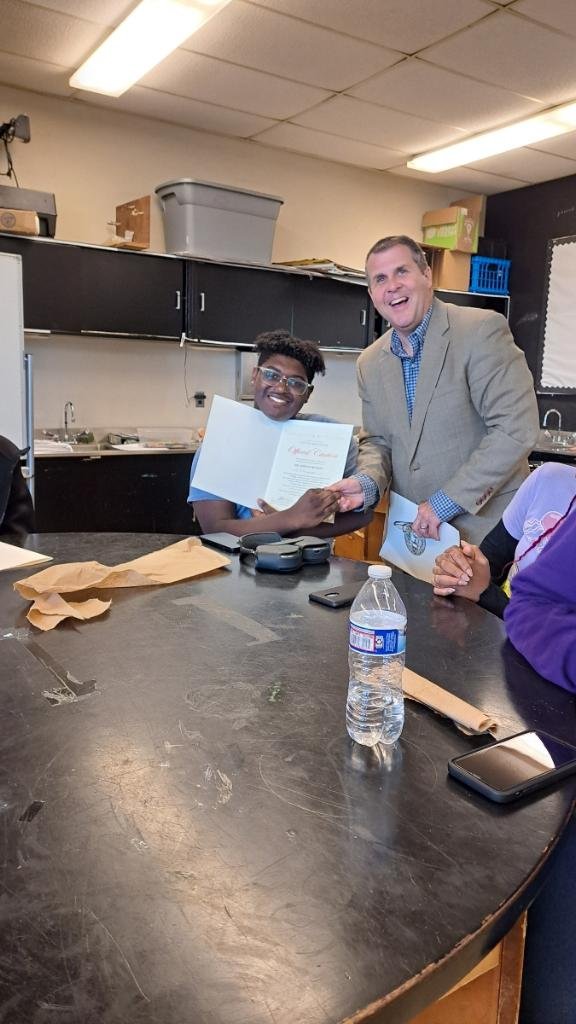
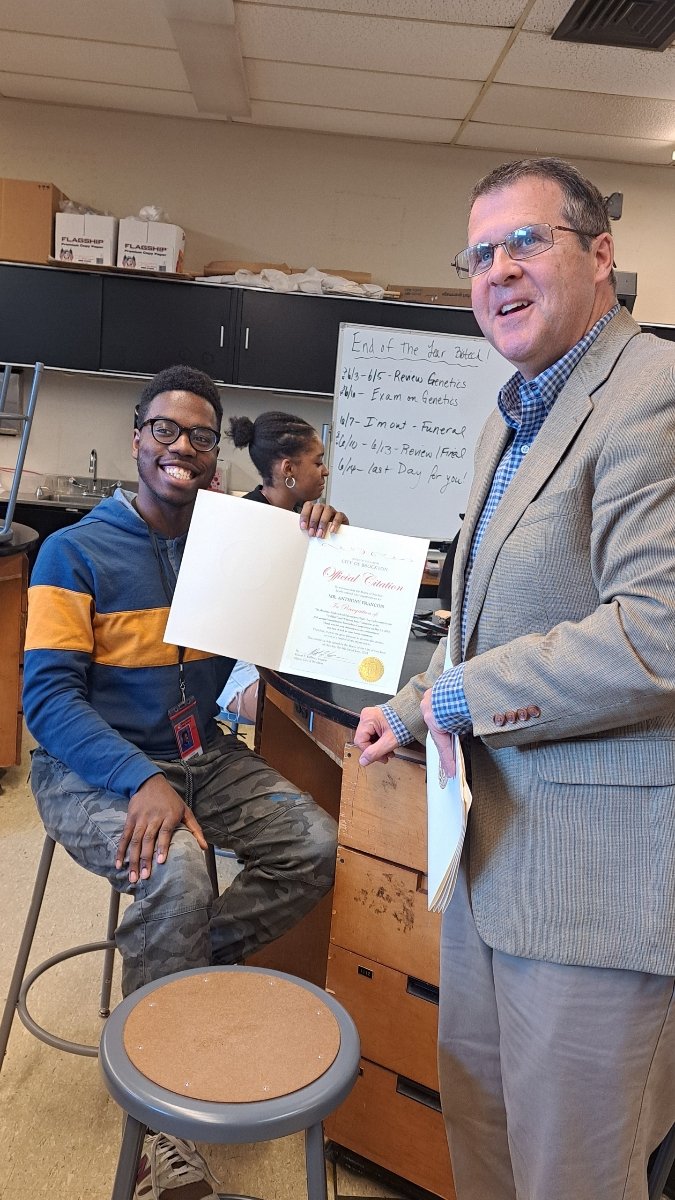
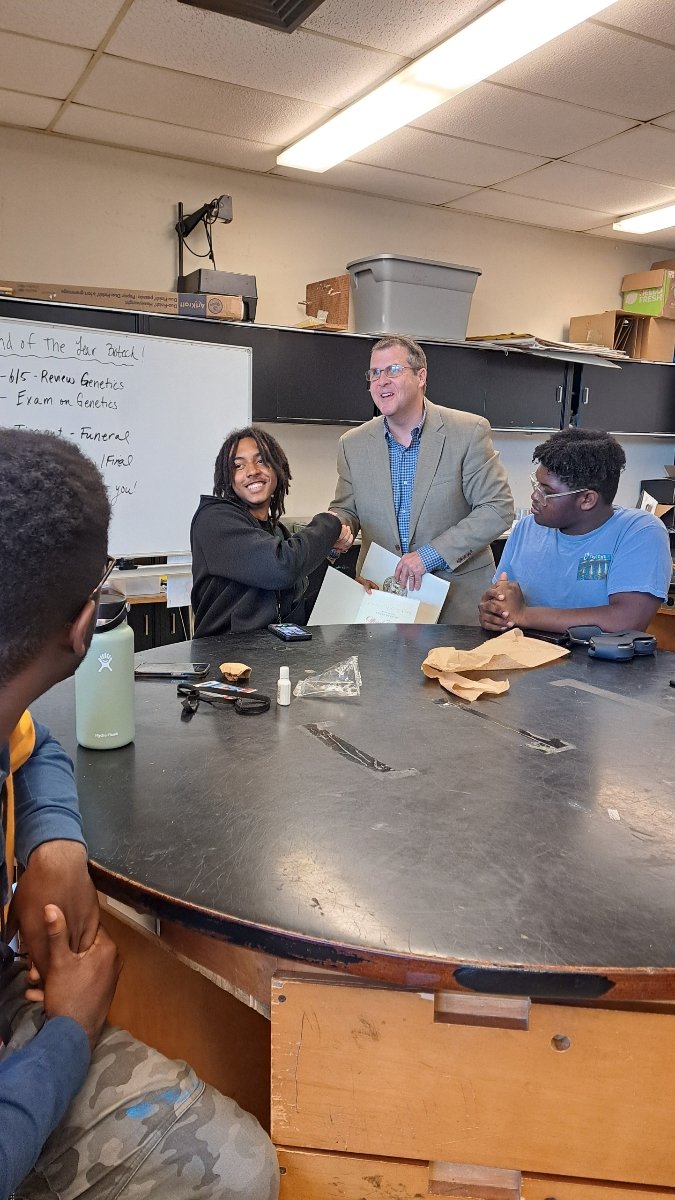
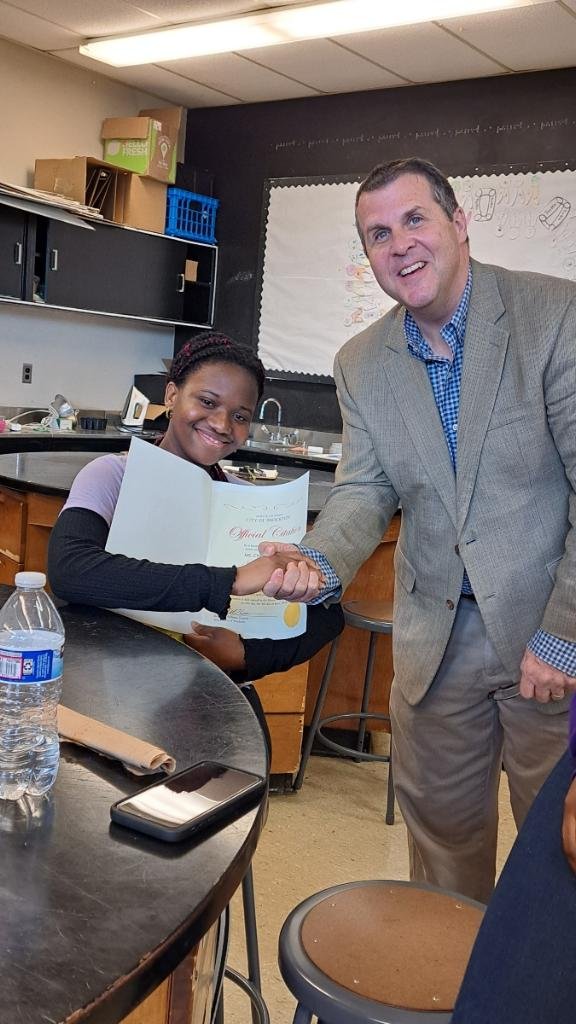
On June 4, the Envirothon team received citations from the Brockton Mayor’s Office in recognition of their excellence at the state competition. Thank you, Mayor Sullivan and the City of Brockton, for celebrating these passionate young leaders!
Wildlands has co-coached and sponsored the Brockton High School Envirothon team since 2015, with Manomet co-coaching since 2021. Learn more here.




Our work in Brockton continues! For updates about our D.W. Field Park Initiative, visit dwfpi.org.
Remembering Malcolm MacGregor

Wildlands Trust fondly remembers Malcolm MacGregor, who passed away on May 31, 2024. He was 81.
Following the heartbreaking news, President Karen Grey shared the following with the Wildlands family:
Malcolm came to Wildlands for a nine-month sabbatical and stayed 11 years, endearing himself to so many of us during that time. Wildlands benefitted from Malcolm’s skills, which were vast and deep. He helped us with GIS mapping, led hikes, took on woodworking projects, and most importantly, helped us navigate Plymouth town hall politics. Malcolm served on the Plymouth planning board for many, many years and was one of those rare individuals who earned the respect of everyone, even those who didn’t agree with him.
We will remember Malcolm as a healthy and vibrant person, hiking 50-ish miles a week, and helping in any way he could to advance the Wildlands mission.
Please get out for a hike and think of Malcolm, forever our “Trail Guy.”
Hear also from Francis Mand, Vice President of the Southeastern Massachusetts Pine Barren Alliance, about his longtime partner in Plymouth conservation:
Along with dozens of hand-made ornaments on the town's holiday tree that represented local non-profits, there were also nearly a hundred images of the individual volunteers who give their time and effort to those organizations including—if you looked closely—one with the image of Malcolm MacGregor.
Malcolm was elected to numerous terms on the Planning Board, was an important contributor to the work of the Wildlands Trust, and was a tireless advocate for the establishment of hiking trails throughout Plymouth.
In the past 20 years or so Malcolm probably spent more time in the woods than out of it. Whenever I drove down Long Pond Road, or down Bourne Road, his yellow Miata was often there, peeking out of the woods—though he was nowhere to be seen.
He didn't need any encouragement, or company, to 'take a walk,' but oftentimes he led friends down trails that you had to 'believe' were there, because you couldn't often see the path he seemed to be following.
It wasn't actually 'bushwhacking,' maybe more akin to 'trail blazing,' so if you went with him you had to have faith he knew where he was going.
He did. He does.
Malcolm is free to roam at will now, and undoubtedly we will be hearing his footfall as long as Plymouth can preserve the wild places he loved so well.
Walk on, Malcolm: we'll try to keep up.
Malcolm’s full obituary can be found in the Plymouth Independent here.
A letter to the editor by Anatol Zuckerman recounted his friend’s early understanding of the incompatibility of status-quo development planning with the rising threat of climate change: read it here.
Above: we interviewed Malcolm in July 2023 as part of our 50 Remarkable Years, 50 Remarkable People series. You can view his entry in our anniversary book here.
Finally, learn more about Malcolm’s time with Wildlands in his staff bio:
Malcolm MacGregor is affectionately known as “The Trail Guy” here at Wildlands. Retired from a lifelong career at Massachusetts Maritime Academy, he now spends much of his time doing what he loves most—hiking. On average, Malcolm gets out on the trails about 3-4 times a week, covering a total of 20-25 miles! He has more experience than most with the wooded trails in his hometown of Plymouth, MA, and he frequently shares his local knowledge (and continues to find and explore new routes) on the group hikes that he regularly leads. One of his favorite places to spend the day is in the woods of Plymouth’s Pine Hills, but Malcolm’s also happy when working on GIS mapping.
Malcolm is dedicated to using his experience and knowledge to understand and anticipate the local impacts of global climate change. He was drawn to Wildlands because he believes that the protection of land, particularly forest land, is critical. He points out that while forests help to control the amount of carbon dioxide in the air everywhere, they are of particular significance in Plymouth, where vast tree cover currently protects invaluable, extensive groundwater resources. But, if you were to ask Malcolm directly about how he came to do GIS mapping here at Wildlands, he’d probably offer a more humble response, like, “Wildlands needed it, and I could do it.”
Throughout his life, Malcolm has had an extensive public service career. He recently retired as the chair of the Plymouth Planning Board, where he served for 35 years. In total, he has spent 50 years in Plymouth’s Town government, including positions on the Conservation Commission and as the Chairman of the Board of Health. While serving the Town of Plymouth, Malcolm also established a noteworthy career in higher education. In his tenure at Massachusetts Maritime Academy, Malcolm began as a professor of math and physics, but later shifted his primary instructional focus to GIS mapping for the degree programs in Emergency Management and Marine Safety and Environmental Protection that he created at the school. An academic by nature, Malcolm holds degrees from Worcester Polytechnic Institute and the University of Connecticut, and conducted post-doctoral research at both the Naval Research Laboratory, in Washington D.C., and the University of Chicago.
We miss Malcolm dearly and express our profound condolences to all of his friends, family, and admirers, who surely numbered in the thousands across Plymouth and beyond.
Please leave your memories of our beloved “Trail Guy” in the comments below.