


What’s New at Wildlands
Poison Ivy Be Gone
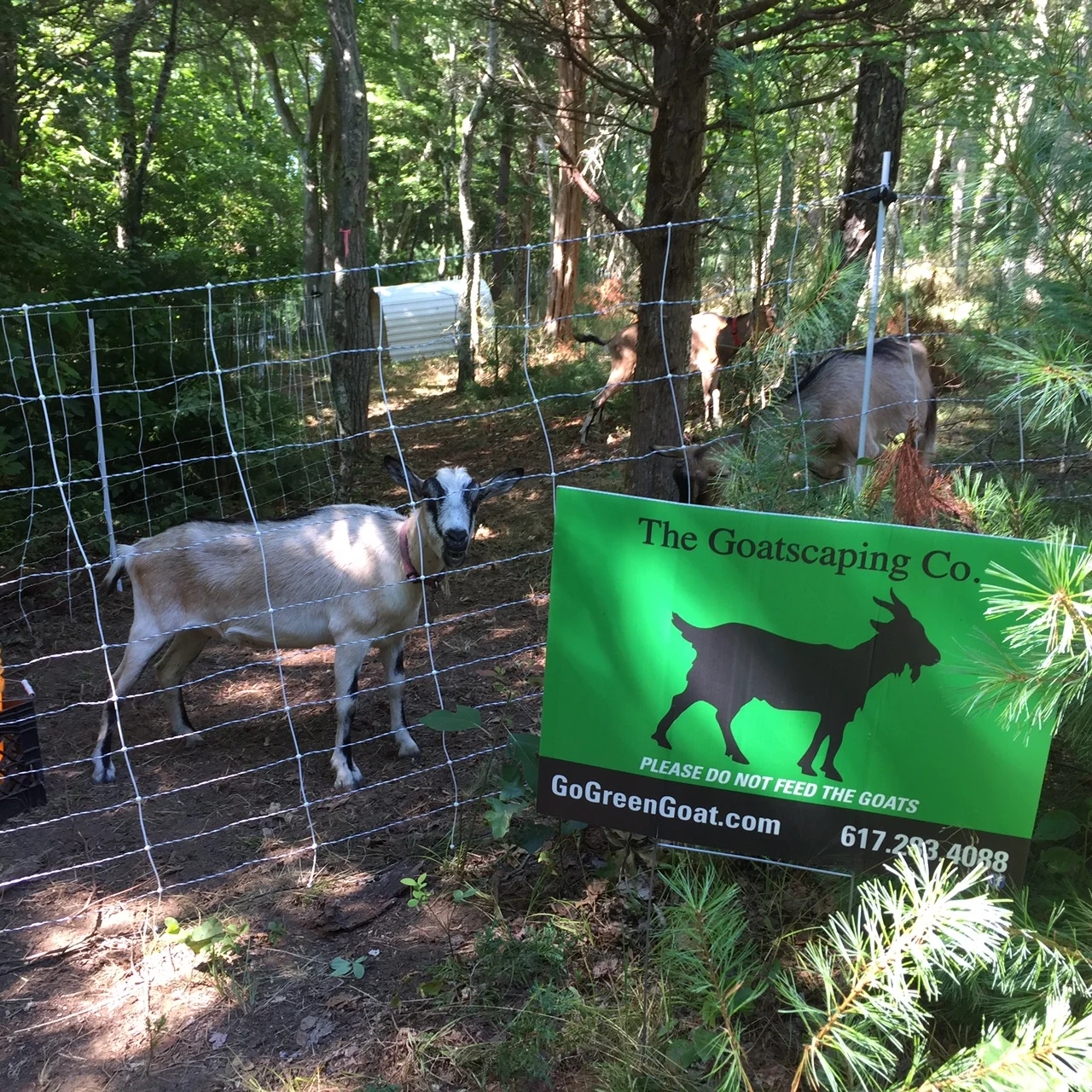
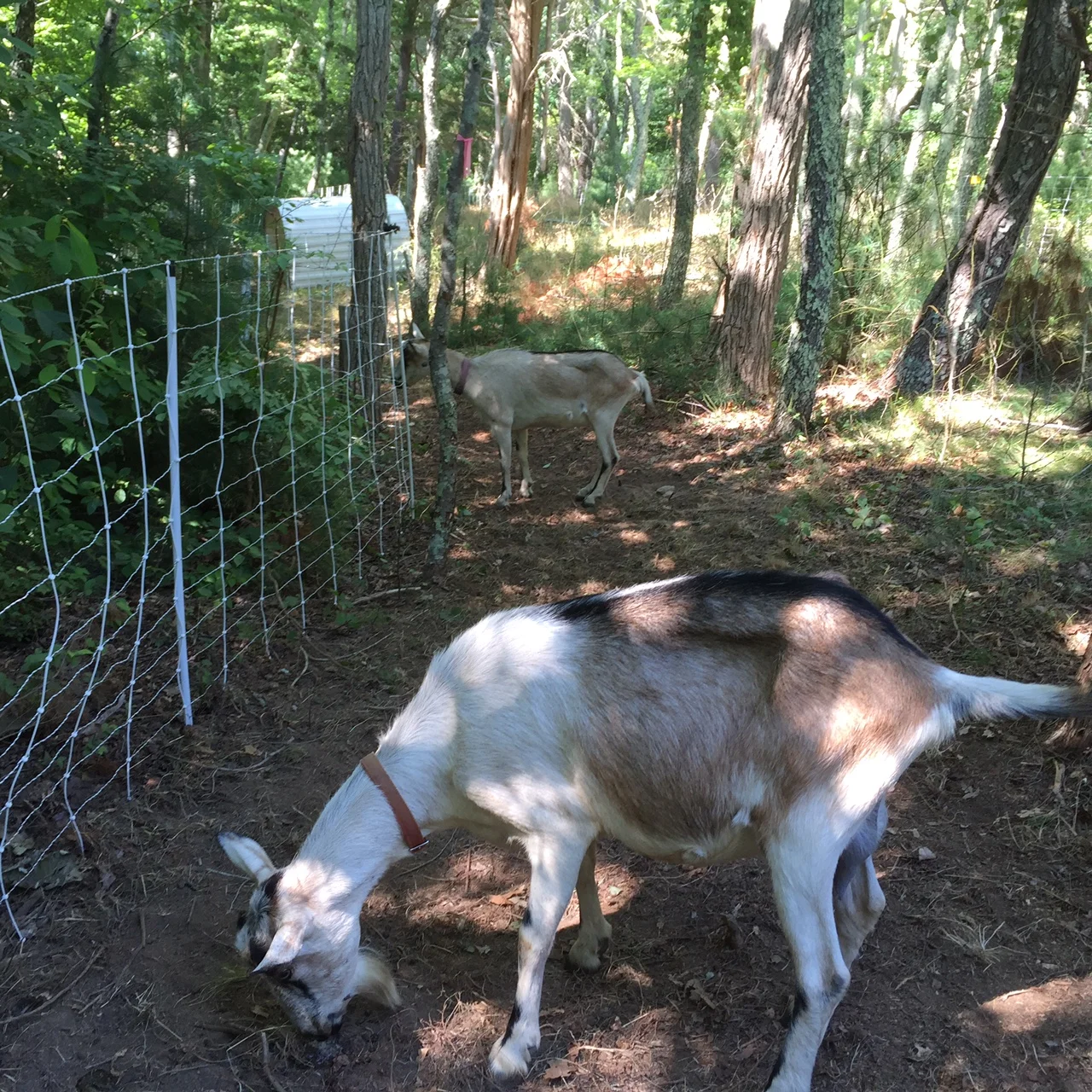
While trail clearing this spring in efforts to open up the Hoyt-Hall Preserve in Marshfield to public recreation (stay tuned for official opening announcement – Fall 2016!) Wildlands Trust noticed that heavy patches of the nuisance poison ivy occur along portions of the trail system. Wildlands Trust decided to try a no-chemical treatment with GoGreenGoat to eradicate the poison ivy.
For one week, four goats did a great job browsing down all things green along the walking trail. The Trust will be monitoring the regrowth of the woody nuisance ivy over the next few growing seasons. We will likely reenlist the services of the goats in future projects across Wildlands Trust properties in southeastern Massachusetts.

Trust "Green Team" Gets Outdoors
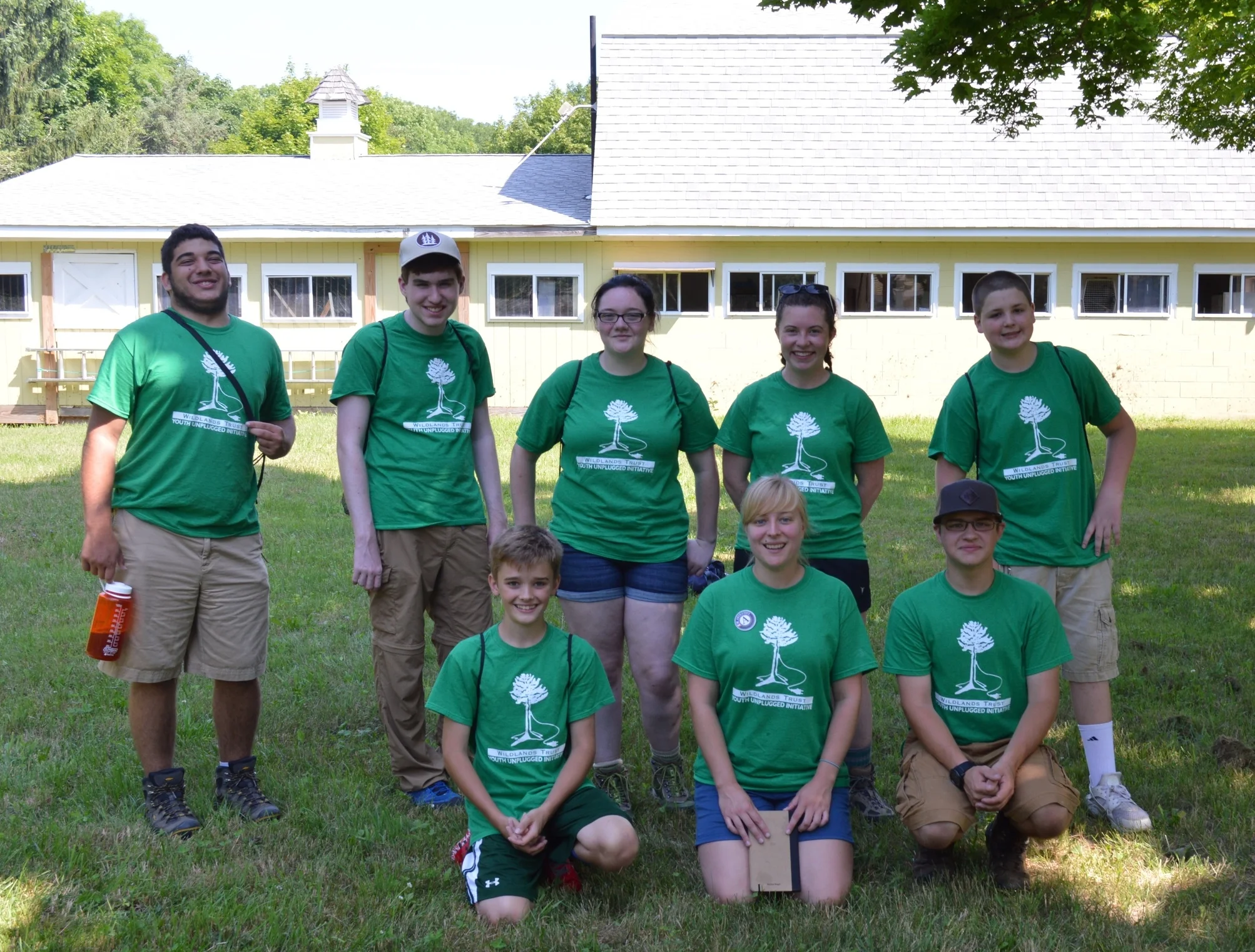
Seven local students completed Wildlands Trust 2016 Green Team this summer. Despite being in the midst of a July heat wave, Green Team members spent two weeks learning about an array of topics in the environmental field from local professionals and volunteering with them as well. Some of the highlights included:
Constructing Bluebird boxes for Cape Wildlife Center in Barnstable and learning about wildlife rehabilitation from Lynn Miller.
A birding walk and workshop with Brian Harrington at our Great River Preserve, followed by trail maintenance throughout Great River.
A beach cleanup at Center Hill Preserve in Plymouth.
Constructing a trail at the Halfway Pond preserve to connect to Myles Standish State Park trails.
Learning about organic growing from Kofi Ingersoll of Bay End Farm in Bourne and harvesting garlic.
Wildlands Trust’s Green Team provides job training for high school students interested in natural resource work. Under the supervision of Wildlands Trust Staff, students undertake trail maintenance and construction, wildlife nesting box construction, beach cleanups, and invasive species removal and farming projects. Students who complete the program receive a stipend for their efforts.
Trust Assumes Stewardship of Plymouth Farmland
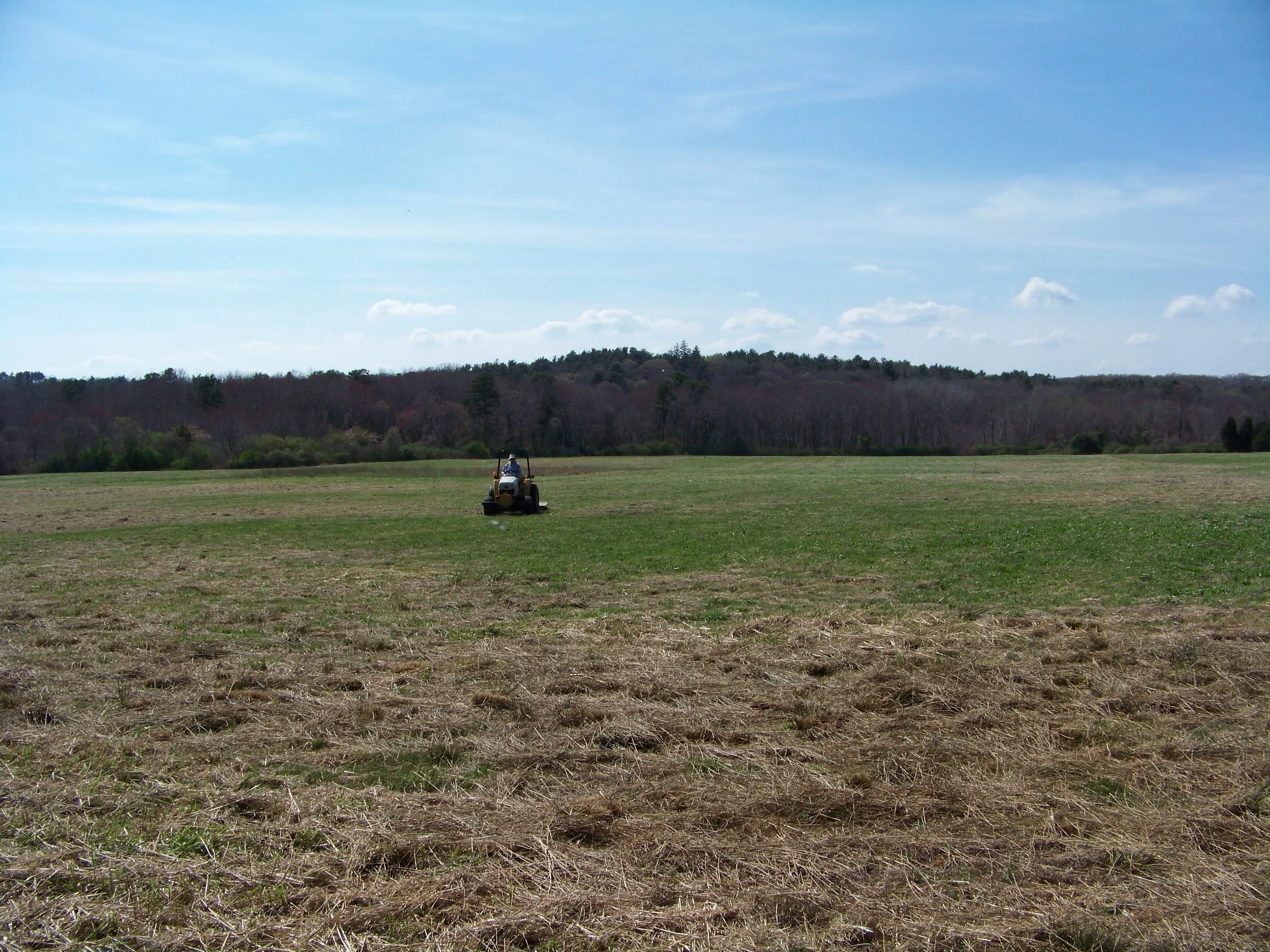
On July 13, the Trust accepted a transfer of 58 acres in the Chiltonville section of Plymouth from the Eel River Watershed Association. Colloquially known as the Whipple Farm or less commonly the Eel River Fields, the property includes open fields, extensive frontage on the Eel River, and pastoral views that provide a striking contrast to Plymouth’s more common landscape features such as ponds, pine barrens, and coastline.
The land is under an Agricultural Preservation Restriction that ensures it will always be used for some type of agricultural activity. Presently, Manomet farmer Jen Friedrich grows vegetables on a portion of the land, and another local farmer harvests hay several times during the year.
With its rolling hills, expansive fields, and historic homes, Chiltonville is one of Plymouth’s most scenic enclaves. The Trust has long had holdings in Chiltonville with the Eel River and Withington Preserves, but this new acquisition joins with these nearby preserves to significantly expand our presence in the area.
While cranberry farming is the most dominant type of agricultural endeavor in Plymouth, the Eel River Fields will always provide fertile ground for a wide range of “terrestrial” farming opportunities. We look forward to working with Farmer Jen and others to explore the possibilities for maximizing the property’s agricultural potential.
Thanks to Mettie Whipple and the Eel River Watershed Association for entrusting this distinctive component of Plymouth’s landscape to the Trust.
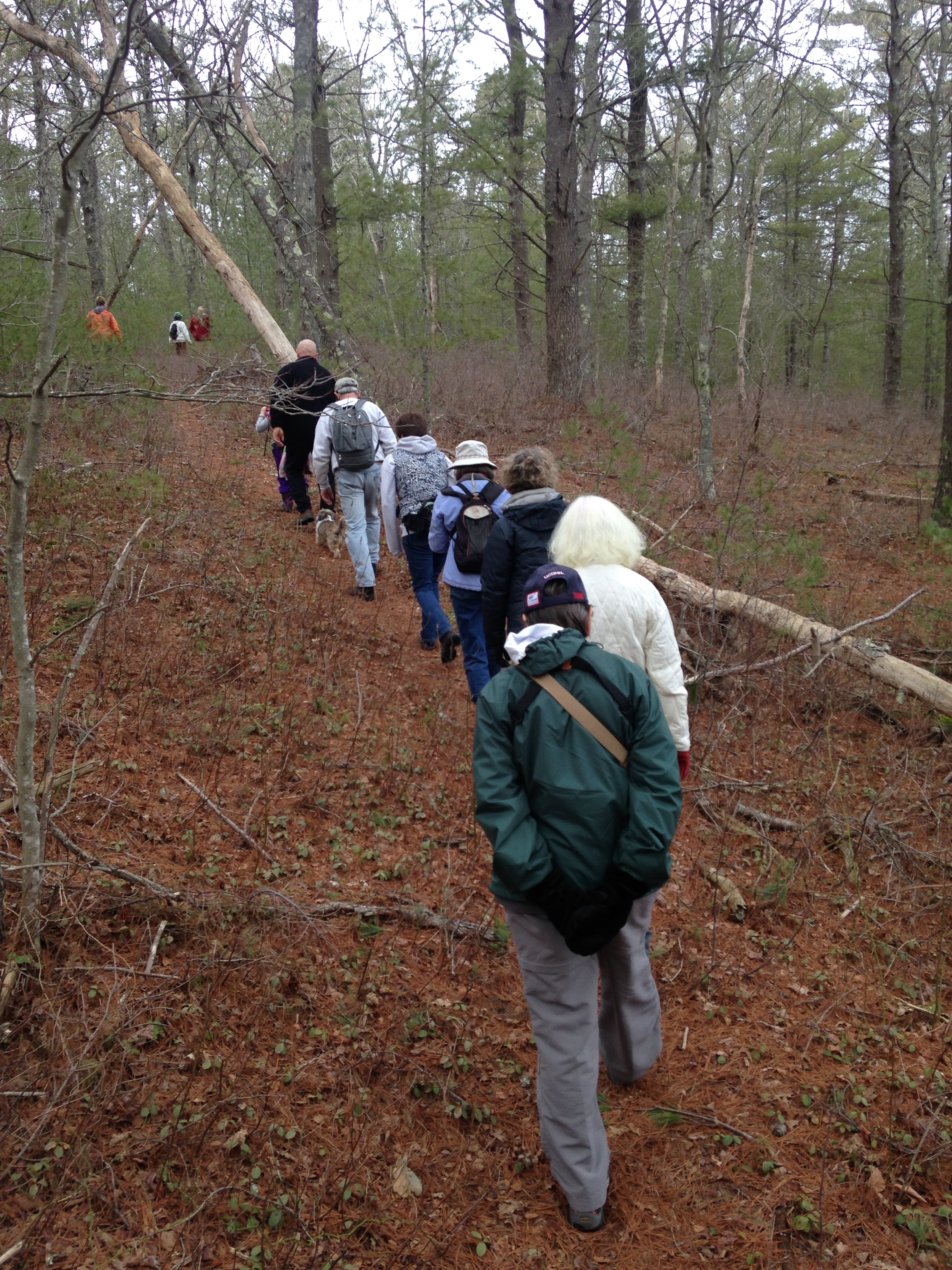
What Hiking Does To The Brain Is Pretty Amazing
By Michael W. Pirrone
The great outdoors might just be greater than you think. There are plenty of us who love to spend as many hours of the day outdoors as we can, and hiking is obviously quite healthy for the body, but few of us ever give a lot of thought to how hiking could benefit our mental health as well. It turns out that hiking might just be your ticket to a brand-new brain, whether you’re passionate about the outdoors, or just force yourself to take a stroll around your local park.
Recent studies about the effects of hiking and nature have been directed at understanding just how this recreational activity affects both the physiological and mental aspects of our brains. One of the main reasons for this glut of research is because we’re spending so much less time outdoors, overall. The average American child now spends half as much time outside as compared to only 20 years ago. HALF. Only 6% of children will play outside on their own in a typical week. Conversely, kids are now spending almost 8 hours per day watching television, playing video games, or using a computer, tablet, or phone for recreational purposes. That number actually jumps up to 10 hours if you count doing two things at once! Overall, Americans now spend 93% of their time inside a building or vehicle.
So, what does this mean for human beings? Well, unless we get a little more proactive about embracing fresh air and dirt under our feet, the prognosis is pretty grim. The bright side is, as with all great medicine, when it comes to the outdoors, a little goes a long way.
Nature really does clear your head.
According to a study published last July in Proceedings of the National Academy of Sciences, a 90-minute walk through a natural environment had a huge positive impact on participants. In a survey taken afterwards, those people who took the natural walk showed far lower levels of brooding, or obsessive worry. The control group who spent that 90 minutes walking through a city reported no such difference. Not only that, but the scientists went a step further and did brain scans of the subjects. They found that there was decreased blood flow to the subgenual prefrontal cortex. What in the world does that mean? Well, increased blood flow to this region of the brain is associated with bad moods. Everything from feeling sad about something, to worrying, to major depression seem to be tied to this brain region. Hiking deactivates it.
Unplugging makes you more creative.
Psychologists Ruth Ann Atchley and David L. Strayer found in their 2012 study that after a four-day-long hike in the wilderness, with no access to technology, participants scored a whopping 50% higher on a test known as RAT, or Remote Associates Test. It’s a simple way of measuring the creative potential in people. A series of three words are given, for instance, “same, tennis, and head.” The test-taker has to find a fourth word that connects the first three. In this case, the answer is “match.” A 50% increase is a huge leap up in performance by research standards. Problem-solving skills like this are thought to originate in the same area of the brain that we also use for selective attention and threat detection, meaning our ability to think creatively is being overwhelmed by the constant stimulus of digital, indoor living.
Hiking boosts your focus.
We mentioned selective attention in the previous section but this is bigger than that. Anyone who has ADHD or has raised a child who has been diagnosed with the disorder can tell you, it’s a daily struggle to maintain grades, work performance, even relationships with friends and family. Medication can help alleviate the symptoms, but often ADHD persists into adulthood and that daily habit of popping stimulants can take its toll on your health and your wallet. Well, what about a good hike? A 2004 study came to the pretty obvious conclusion that getting outdoors and doing something active can reduce the symptoms of ADHD. More than that, it can do so for anyone, regardless of age, health, or other characteristics that can change the effect of medication.
Charge your mind’s batteries with a hike.
Hiking is a pretty solid aerobic exercise that burns around 400-700 calories per hour. This is great on its own, but aerobic exercise also has a really positive effect on your brain: it improves your memory. It’s even being studied as a way to help seniors fight off dementia, because it doesn’t just increase your ability to store information, it also reduces memory loss. Outdoor activity has also been shown to improve grades, so it’s a pretty solid choice all around for juicing your grey matter.
Feel better about yourself, from your sweaty head down to your muddy boots.
According to a 2010 report in the Journal of Environmental Science and Technology, even getting out into nature for five minutes at a stretch is enough to give your self-esteem a substantial upgrade. Spending the entire day outdoors results in a second jump upwards! Walking near water seemed to have the biggest effect, so when planning your next hike, be sure to seek out a location with some great streams, rivers, or lakes.
Is hiking the solution to all of life’s woes? Probably not. But what science is showing is that it’s actually a pretty solid candidate for making everyone’s lives a lot better, with very little input. If you already hike, good for you! If you’d like to start, find yourself a sturdy, comfortable pair of shoes or boots and head to a website like EveryTrail, which can help you find your way to the nearest nature.
Be sure to SHARE this story with your friends and family!
To find a Wildlands Trust trail visit our trail page
This article was oroginally published April 11, 2016 on Wimp.com
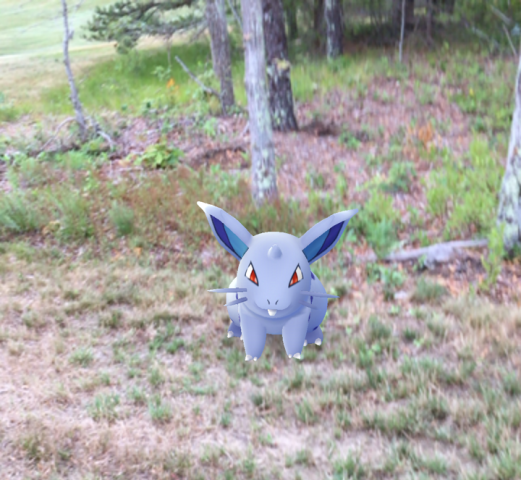
Do you know Pokemon Go??
Well, Wildlands Trust is now part of the hottest new game in the WORLD!!! Pokemon Go!
Our water tower at 675 Long Pond Road in Plymouth is a Pokestop
In simple terms, Pokémon Go uses your phone’s GPS and clock to detect where and when you are in the game and make Pokémon “appear” around you (on your phone screen) so you can go and catch them. As you move around, different and more types of Pokémon will appear depending on where you are and what time it is. The idea is to encourage you to travel around the real world to catch Pokémon in the game. (This combination of a game and the real world interacting is known as “augmented reality.”)
To find out more, go to the Pokemon Go website at http://pokemongo.nianticlabs.com/en/