


What’s New at Wildlands
Wildlands Bids Farewell to Erik Boyer, Max Phelps

By Thomas Patti, Communications Coordinator
As in any ecosystem, change is constant at Wildlands. But this summer, two staff departures will leave big hiking boots to fill in our regional conservation community.
Erik Boyer departs Wildlands this week after nearly 10 years spearheading our stewardship operations. As Director of Stewardship, Erik has worked to advance the biological health of our conservation lands, building relationships with countless partners and volunteers along the way. Erik will now return to the Town of Dennis, where he worked as a conservation intern and natural resource officer before joining Wildlands. This time, he will add the title of Conservation Agent.
“Erik Boyer has meant a lot to Wildlands Trust over the past decade, so it is not a small thing that he has decided to take a new position with the Town of Dennis,” said Wildlands President Karen Grey. “Erik built the stewardship program. He became the first full-time, year-round stewardship employee in 2015. Over the years, he led the upgrade of our fee properties, a system for ensuring monitoring and enforcement on our Conservation Restriction lands, and the upstart of the Community Stewardship Program and the Adopt-A-Preserve program. He accomplished a tremendous amount of work for us, and we are forever grateful. In addition to being a great employee, Erik is a wonderful colleague, always leading with kindness and a willingness to help. He is respected by our partners and volunteers his time to help our field, serving on the Plymouth Trails Committee, Historic O’Neil Farm Board of Directors, and the Massachusetts Recreational Trail Advisory Board.”


Photo gallery: earlier this month, Wildlands staff, partners, and volunteers celebrated Erik’s decade of service over pizza and drinks at IndieFerm Brewing in Plymouth.
The universal respect Erik has earned throughout the regional conservation community was on full display earlier this month, when Wildlands staff, partners, and volunteers celebrated Erik over pizza and drinks at IndieFerm Brewing in Plymouth. On behalf of Wildlands, President Karen Grey gifted Erik an Osprey carry-on pack. Erik also received a photo of Tucker Preserve, framed and signed by Wildlands staff and friends, and a signed photo of our three Key Volunteers, Marilynn Atterbury, Skip Stuck, and Rob MacDonald.
“I’ve deeply valued serving Southeastern Massachusetts over the last decade,” Erik said. “The most meaningful aspect of my work has been fostering relationships with volunteers, municipalities, and other partners who share the mission of protecting our natural resources and building community around them. I’d like to thank the greater Wildlands community for their generous collaboration on this important work.”

Max Phelps demonstrates D.W. Field Park waste pick-up data entry to Green Team in summer 2023.
Wildlands is also bidding farewell to Max Phelps, who is moving to Philadelphia in September after serving as our Programming Coordinator since June 2023. In their time with Wildlands, Max coordinated Wildlands staff and volunteers to spread awareness and appreciation of conservation lands across Southeastern Massachusetts through guided hikes, meditations, lectures, and more. They also orchestrated our 50th Anniversary Celebration and Spring Open House, two major events with many moving parts. Finally, they served as the face of Wildlands’ youth programming in Brockton, leading the Brockton High School Envirothon team during the school year and Green Team and Climate Crew over the summers.
“Max jumped into a busy 50th anniversary year when they started at Wildlands,” said Wildlands Chief of Staff Rachel Bruce. “Their positive attitude and friendly demeanor helped them tackle big projects and build our adult and youth programming community over the past year. They’ve done a fantastic job, and we can’t wait to see what they do next!”

Max leads a group of Brockton youth on a hike at Halfway Pond Conservation Area in Plymouth.
“I am so thankful for my time at Wildlands, where I’ve been able to grow and learn so much thanks to my amazing coworkers and our wonderful volunteers,” Max said. “I’m most proud of my work with youth in Brockton, coaching the Envirothon team at Brockton High School and leading our summer service-learning programs, Green Team and Climate Crew. I’m excited to keep tabs on all the great work Wildlands will continue to do in Brockton and across Southeastern Massachusetts.”
Wildlands thanks Erik and Max for their dedication and enthusiasm for our work. Please be sure to say thank you and farewell when you see them on the trails and in the community!
Welcome (Back), Seasonal Land Stewards!
Every summer, caring for our trails becomes a mightier task, as vegetation and visitation peak. Our Seasonal Land Stewards help Wildlands meet these increased demands on our lands, all while gaining invaluable skills for a conservation career.
According to the position description, Seasonal Land Stewards “perform tasks related to the day-to-day management and maintenance of conservation lands throughout 55 cities and towns in Southeastern Massachusetts.” Tasks include brush-clearing and mowing of trails, upkeep of fencing, boardwalks, and signage, and parking lot clean-up.
This year, our seasonal staff comprises new and familiar faces. Read on to learn more about these exciting additions to the Wildlands family. And be sure to say hello when you encounter them out on the trails!
Marina Smiarowski

We are grateful to welcome back Marina for her second summer as a Seasonal Land Steward. Since she last worked on our trails, Marina completed her first year at SUNY College of Environmental Science and Forestry, where she plans on majoring in chemistry. Growing up, Marina was involved with her local land trust in Branford, Connecticut, sparking her desire to pursue a career in conservation. Before Wildlands, Marina interned with the Stewart B. McKinney US Fish & Wildlife Service unit in Connecticut.
Pat Collett

Pat is a new face around the Wildlands office, but he is no stranger to our trails. Having grown up in Hanson, just down the road from the Indian Head River, Pat has been exploring natural areas across the South Shore for as long as he can remember. These experiences have shaped his passion for protecting the local environment. This fall, Pat will enter his junior year at the University of Maine, where he is studying environmental science. As a Seasonal Land Steward, Pat enjoys being outside every day, working with his hands to make environmental improvements that he can see and take pride in. In his free time, Pat enjoys fishing.
Spring Open House Ends Our 50th Year in Sun & Style

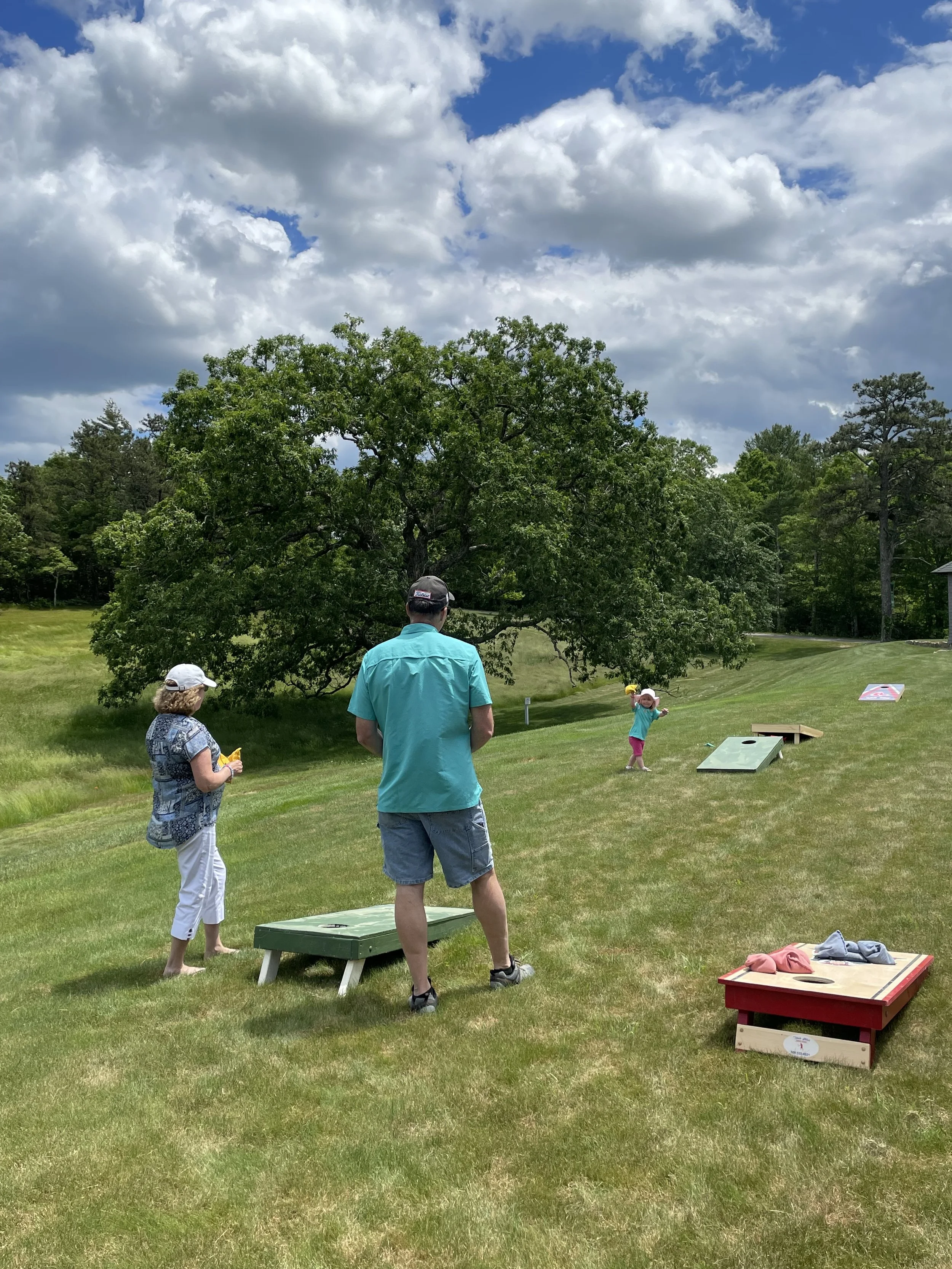
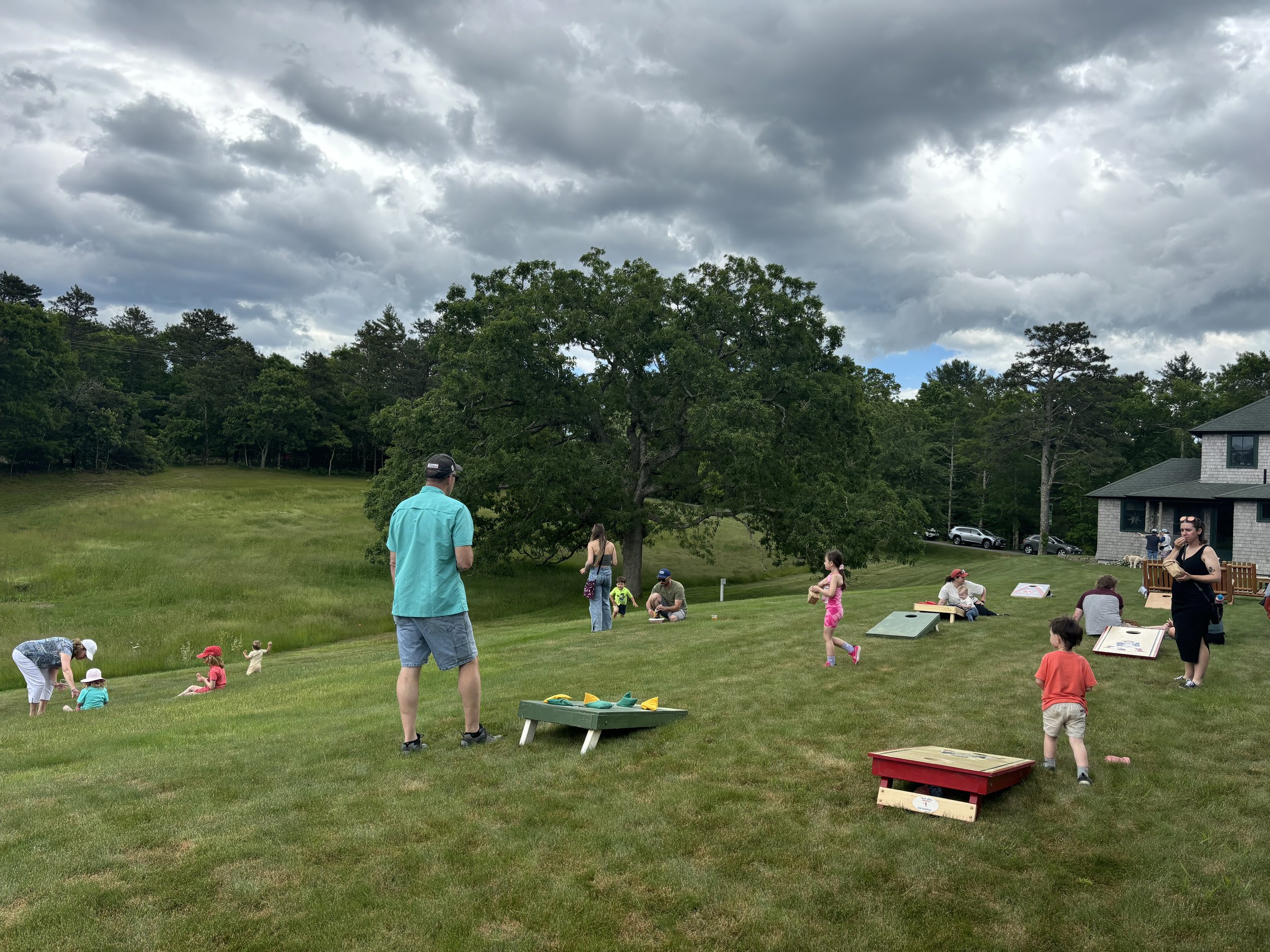
On Saturday, June 8, Wildlands closed out our 50th anniversary year the same way we started it—in deep gratitude for the people who support our work.
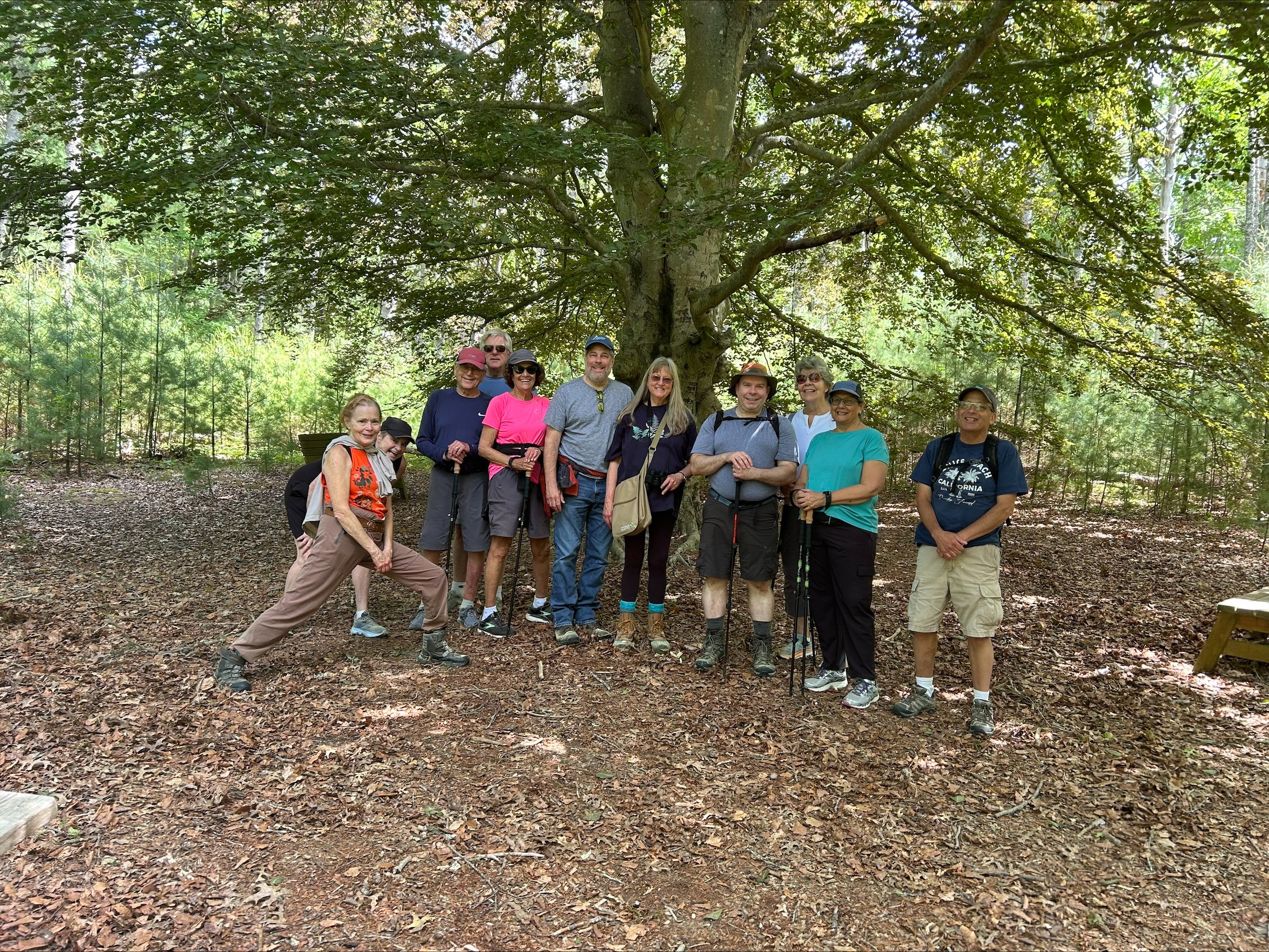
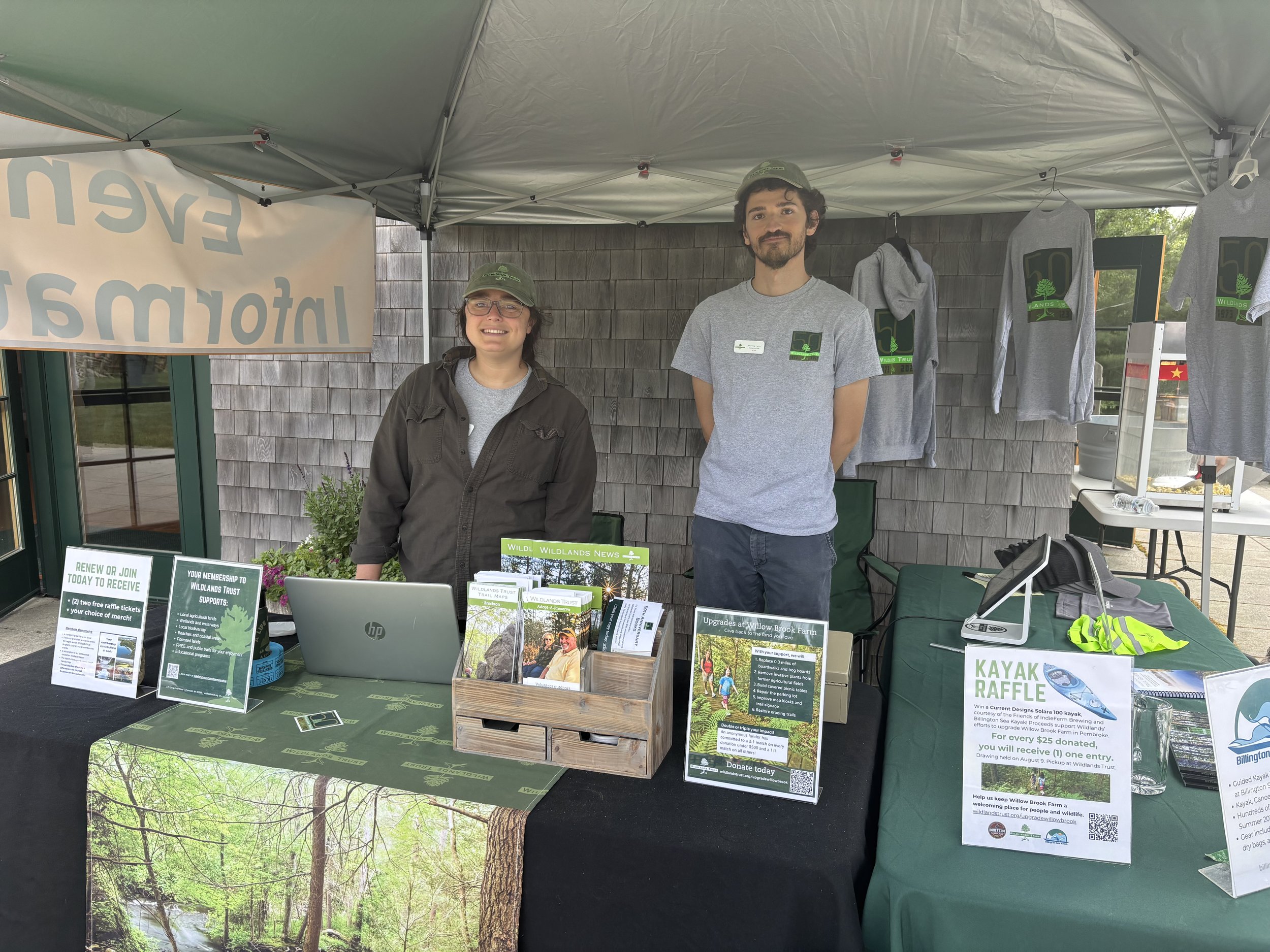
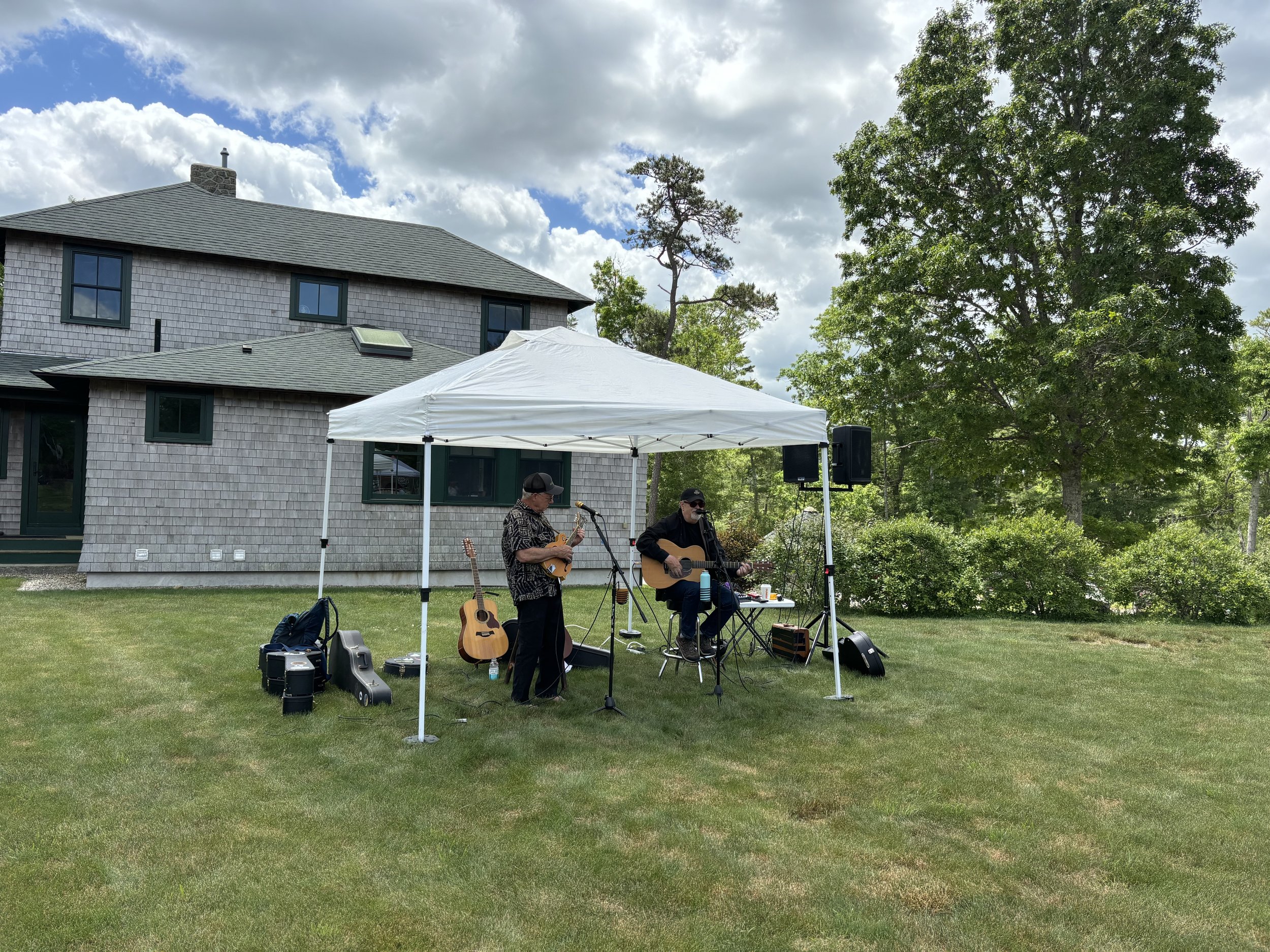
Our Spring Open House drew almost 150 friends and neighbors to our headquarters at Davis-Douglas Farm. Farm-to-table Brazilian food from Gnarly Vines Farm, local beer and kombucha from IndieFerm Brewing, live music by the Butch McCarthy and Bob Calderara Duo, guided hikes at Emery Preserve, and kids’ nature crafts were among the highlights of this public celebration of springtime in Southeastern Massachusetts, and of the conservation lands and leaders that make our region special.
“It is always a special time when we can bring new and longtime members of the Wildlands community together,” said Programming Coordinator Max Phelps. “Our Open House was a big success, thanks in large part to our wonderful volunteers, who safely parked cars and led two hikes in Emery Preserve.”
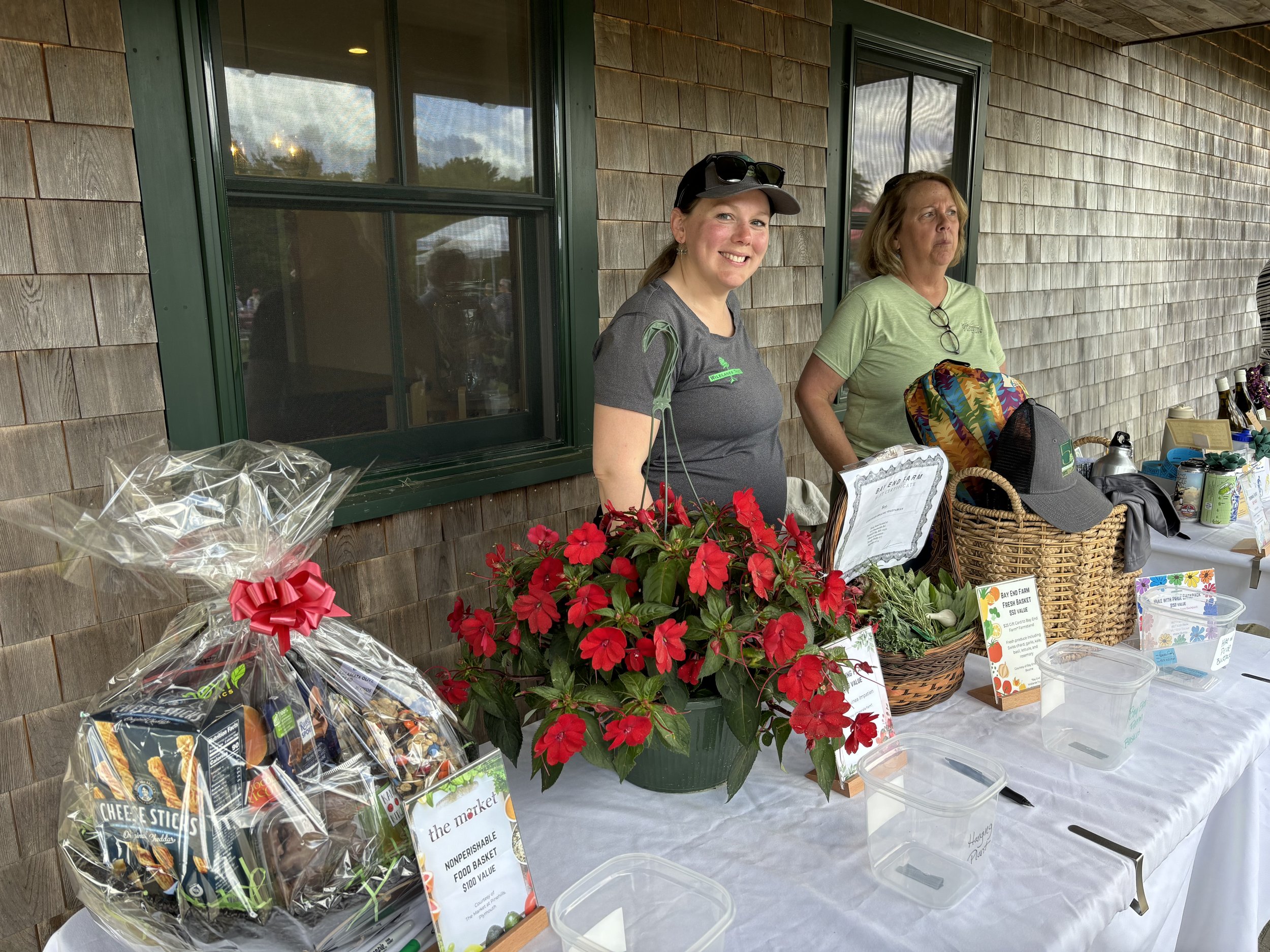
The event also featured 12 raffles featuring prizes generously donated by farms and retailers across the region. We debuted our grand prize of a Current Designs Solara 100 kayak, courtesy of Billingston Sea Kayak and the Friends of IndieFerm. Kayak raffle entries will be accepted until the drawing on August 9. All raffle proceeds directly support our restoration campaign at Willow Brook Farm.
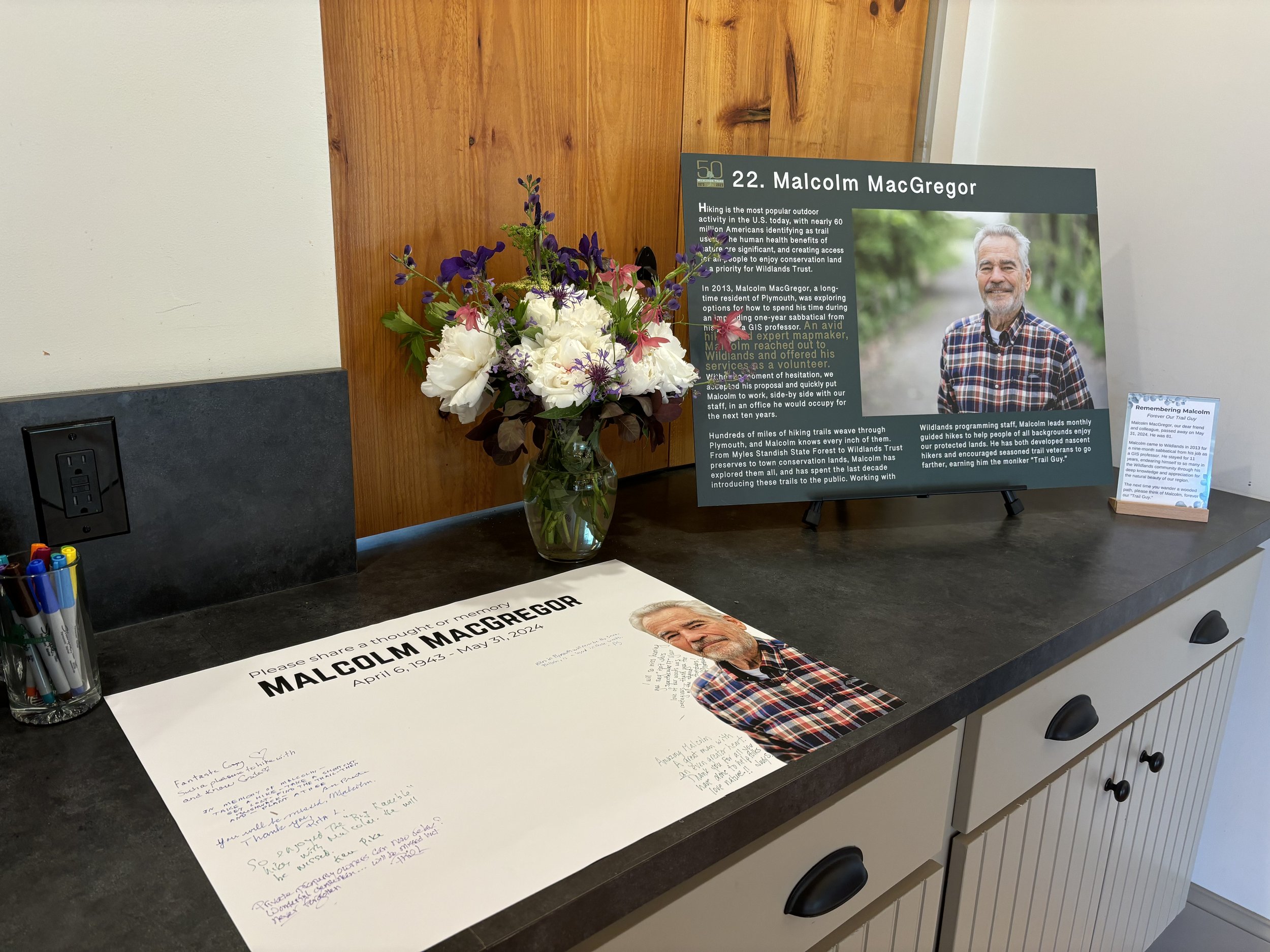
While most of the fun took place outside on this sunny spring day, inside the Conservation Barn lay our “50 Remarkable Years, 50 Remarkable People” photo gallery, featuring the faces and stories of some of the key contributors to our mission over the last half-century. Set apart from the rest of the honorees and adorned with flowers was the display of Malcolm MacGregor, our longtime “Trail Guy” who passed away last month. Visitors seized the opportunity to write their fond memories of Malcolm on a poster to be presented to his family.
On behalf of the Wildlands community, thank you for making this celebration—and our entire 50th anniversary year—a moment we will never forget. We cannot wait for the next 50 years, turning your continued support into more of the places you love.
Click through the gallery below for photos from our Spring Open House.







Conferences Send Wildlands Across State and Country

From left: Communications Coordinator Thomas Patti, Key Volunteer Skip Stuck, Land Protection Assistant Tess Goldmann, Membership & Digital Media Coordinator Kyla Isakson, and Programming Coordinator Max Phelps at the Wildlands table at the Massachusetts Land Conservation Conference in Amherst, MA.
In late March, Wildlands Trust staff and volunteers ventured far and wide to learn new and improved ways to advance our mission in Southeastern Massachusetts. Two conferences—one in Georgia and the other in western Mass—left our team inspired and empowered to elevate our service to the people and places of our region. Read on to learn more about both.
---
Sustainable Trails Conference – Lake Lanier Islands, Georgia
By Erik Boyer, Director of Field Operations
From March 19 to 21, Stewardship Operations Manager Owen Grey, Stewardship Programs Manager Zoë Smiarowski, and I attended the Sustainable Trails Conference on Lake Lanier Islands, Georgia. Since a focus of this year’s conference was on building diverse trail communities, we thought it would be a great opportunity to learn from stewardship practitioners across the country and world about their past successes and failures as we ramp up our own community-building efforts here in Southeastern Massachusetts, including volunteer programming at the Stewardship Training Center.
Several workshops left us with valuable insight to apply to our work moving forward. Jordan Sellers of the Blue Ridge Conservancy spoke about the benefits of surveying the plant and animal life along prospective trail corridors and incorporating the findings into subsequent trail design. This method seemed like a promising way to balance recreation and habitat values on conservation lands, always a priority at Wildlands.
In another illuminating session, Stephen Kasacek and Michael Smith of the Outdoor Sport Institute presented a dynamic partnership working to build a trails culture in rural Maine. Raising awareness and resources for public outdoor recreation comes with unique challenges in rural communities, and their holistic approach offered some exciting solutions.
Then, Peter Jensen of Peter S. Jensen & Associates, LLC shared a few creative renovation options for trails degraded by extreme overuse. For example, covering roots and rocks along the trail can both improve accessibility and reduce erosion caused by visitors moving around the obstacle.
A final roundtable discussion explored opportunities to minimize conflicts on multiuse trails, such as those between hikers and mountain bikers. Improving visibility around tight turns, for instance, can help trail users spot and avoid potential collisions. On the other hand, tight turns can also serve to slow mountain bikers down, keeping bikers and pedestrians safe.
All of these sessions, not to mention the many informal conversations we had with land stewards from around the world, left us with plenty to think about on our long trip back to Plymouth and still today. A key takeaway: as Wildlands extends its reach beyond our traditional coverage area and into more rural and urban communities, we must go outside of our comfort zone to engage new audiences in our work. After all, a trail system is only as effective as its host community is aware, enthusiastic, and invested in its success. We look forward to applying both the technical and social lessons of the conference to our mission of connecting more people with the mental, physical, and spiritual benefits of outdoor recreation.

Director of Field Operations Erik Boyer and Stewardship Operations Manager Owen Grey at Slow Pour Brewing in Lawrenceville, Georgia.
Massachusetts Land Conservation Conference – Amherst, Massachusetts
Meanwhile, Wildlands staff members Max Phelps, Kyla Isakson, Tess Goldmann, and Thomas Patti, along with key volunteer Skip Stuck, ventured to Amherst, Massachusetts, for the annual Massachusetts Land Conservation Conference, hosted by the Massachusetts Land Trust Coalition. The night before the conference, the Wildlands staff members joined the Early Career Conservation Network at MacLeish Field Station in Whately, where interdisciplinary artist Gina Siepel presented their project “To Understand a Tree” and field station manager Paul Wetzel gave a tour of the grounds, featuring an American chestnut tree orchard.
At the conference itself, the Wildlands team learned about such diverse topics as planned giving, farmland protection tools, creating antiracist land trusts, and watershed-scale collaboration to advance climate resilience. We left no stone unturned!
The highlight of the conference was the keynote address by Darren Ranco, PhD, a citizen of the Penobscot Nation, Professor of Anthropology, Chair of Native American Programs, and Faculty Fellow at the Mitchell Center for Sustainability Solutions at the University of Maine. Dr. Ranco’s presentation, “Centering Indigenous Peoples and Nations in Land Protection and Conservation: Wabanaki Possibilities,” explored his work with the Wabanaki Commission on Land and Stewardship. By moving at the speed of trust, Dr. Ranco said, land trusts and Indigenous people can restore their relationships with each other and with the lands they mutually cherish.
All the while, we spread the word about our Stewardship Training Center among fellow conservationists from across the state at our Wildlands table.
It was another great year at the Massachusetts Land Conservation Conference! We look forward to continuing to support and attend this important opportunity for the state land conservation community to exchange stories and ideas for the benefit of our shared missions.
Upgrades at Willow Brook Farm: Support Our Work
Support us today so that Willow Brook Farm can continue to support us tomorrow.

For all that nature gives us—clean air and water, improved mental and physical health, diverse wildlife habitat, protection from heat waves and floods—it asks for little in return. When it does need our help, can it count on the Wildlands community?
Few places anywhere pack the same wealth of cultural and natural resources into a suburban setting as Willow Brook Farm, a Wildlands Trust showcase preserve in Pembroke. Comprising 167 wild acres just 30 miles south of Boston, Willow Brook Farm epitomizes the globally rare ecological diversity of the Herring Brook Valley. Each year, over 20,000 people explore Willow Brook’s field, forest, and wetland habitats to learn about the human and natural communities that have come and gone from the region.
“Willow Brook Farm is a special place,” said Wildlands President Karen Grey. “Whether you come here to walk your dog, go for a run, listen to the birds, or simply escape the stresses of daily life, Willow Brook has something for everyone.”
After 27 years serving the people and wildlife of Southeastern Massachusetts, Willow Brook Farm needs upgrades to bolster its safety and value for future generations. Tasks include replacing Willow Brook’s 400 yards of boardwalk, building three covered picnic tables, expanding wayfinding amenities, restoring historic meadow habitat, and improving the parking lot.
Unfortunately, improving public amenities in frequently flooded environments isn’t cheap: we estimate the restoration to cost $60,000.
“For many years, Wildlands staff and volunteers have made repairs at Willow Brook in a piecemeal way,” said Stewardship Operations Manager Owen Grey. “We’re now at the point where proactively addressing the underlying issue—natural decay of aging infrastructure—will save us significant time and resources in the long run. It also gives us an opportunity to improve and expand Willow Brook’s built infrastructure to match its natural beauty.”

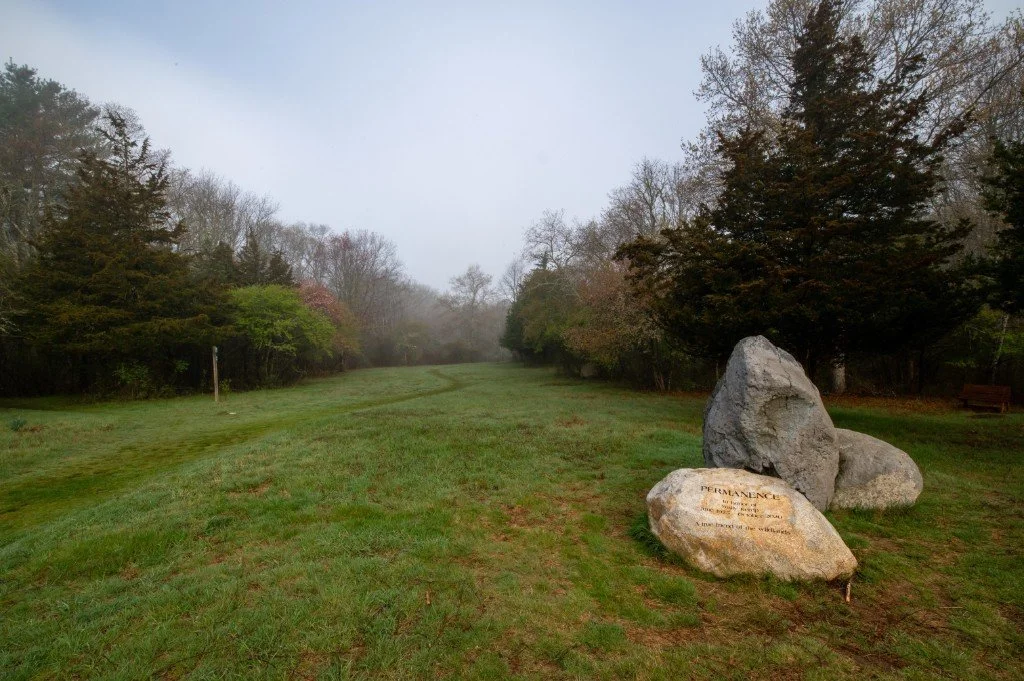

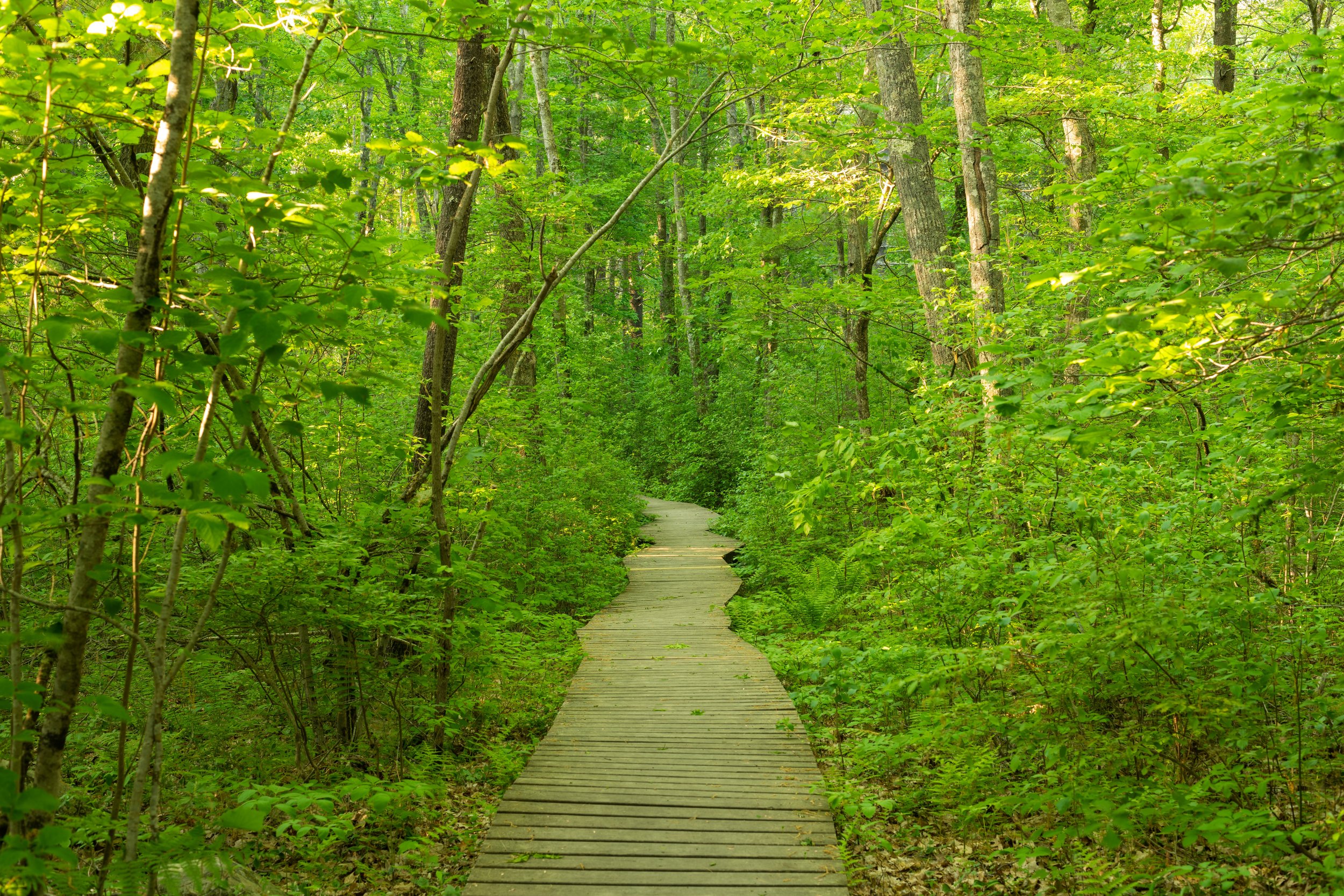


If you love Willow Brook Farm, we need your help! Wildlands Trust is seeking $20,000 in public donations to support this effort. An anonymous funder has agreed to a 2:1 match on every donation under $500 and a 1:1 match on all others, up to $40,000. That means you can triple your impact: a $50 donation will give us $150 to secure the future of this beloved preserve.
“This campaign is an opportunity for the local and regional community to come together over a shared interest in nature,” President Karen Grey concluded. “When places like Willow Brook thrive, we all thrive. I hope you will consider supporting this work.”
To donate, visit wildlandstrust.org/upgradewillowbrook. We also accept checks, stocks, and donor-advised funds.
Multiply your impact by sharing this campaign with your friends, family, and neighbors! Sign up for our E-News and follow us on Facebook and Instagram for updates and opportunities to get involved as our work at Willow Brook Farm continues.