


What’s New at Wildlands

Fall Fest Vendor Spotlight: Moon Gate Garden
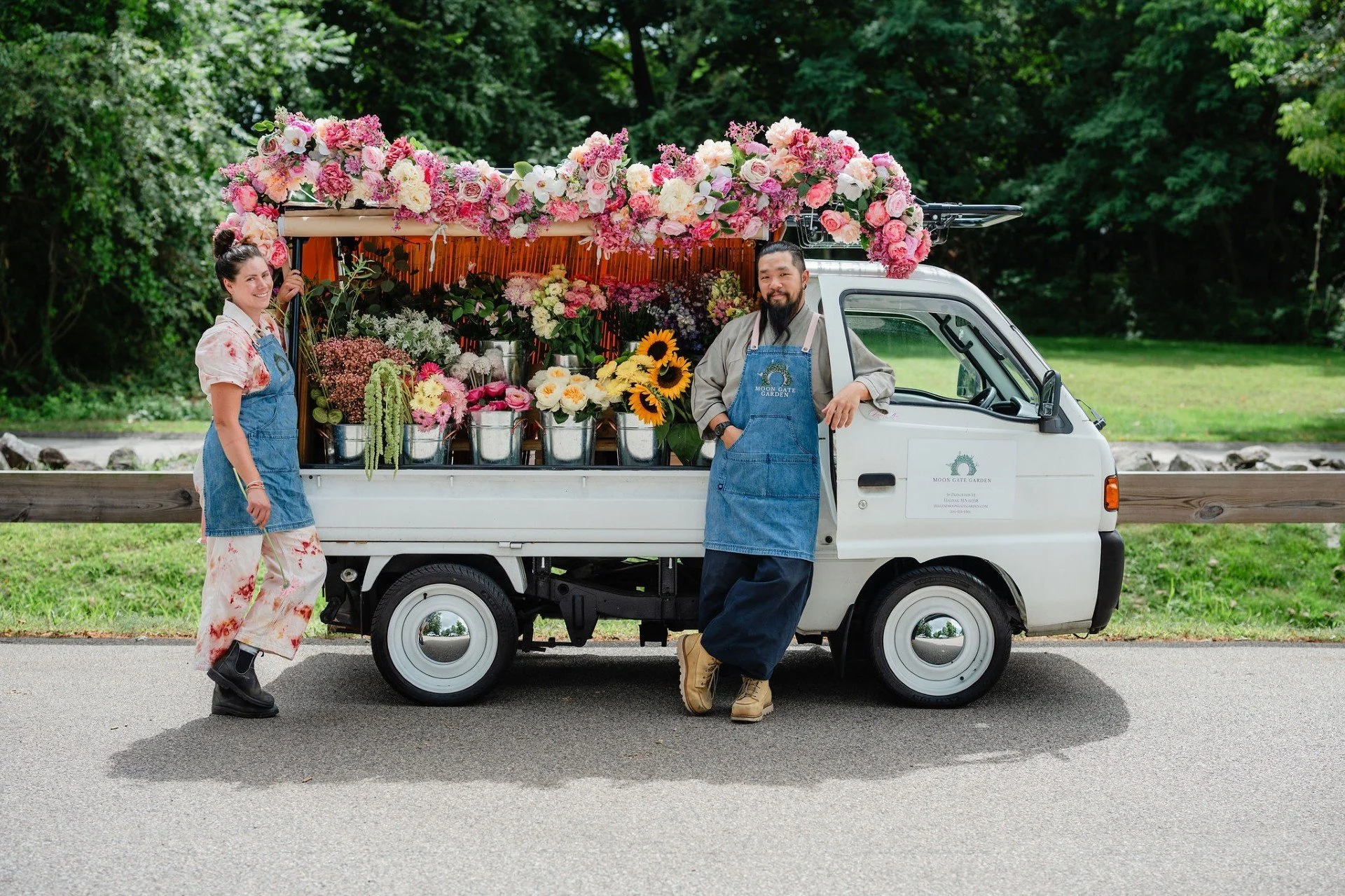
Enjoy iced coffee and tea and make your own flower bouquets with Moon Gate Garden’s mobile floral cafe at Wildlands Trust's Fall Fest!
Moon Gate Garden is a local, South Shore-based business dedicated to bringing joy and enchantment to our community. By combining their love of flowers with a desire to spread joy, Moon Gate Garden offers unique experiences with their flower truck and mobile cafe, including pop-ups, workshops, and catering for private events.
When asked about the inspiration for their mobile floral cafe, owner Lydia Thein said, “I wanted to create a place where flowers, coffee, and creativity could come together—something that felt less like a traditional flower shop and more like an experience. The truck lets us bring that little world with us, whether we’re at a farm, a market, or a special event, and create a place where people want to slow down, make something beautiful, and stay awhile.”
Wildlands Trust invites you to Fall Fest on Saturday, October 3, from 12 - 4 PM, hosted outside at Davis-Douglas Farm in Plymouth. This event is free, open to all, and rain or shine! Join Wildlands as we celebrate our growing community and our commitment to saving land for everyone, forever.
Tell a Better Story With Your Camera: Q&A with Photographer Drew Lederman
By Thomas Patti, Communications Coordinator
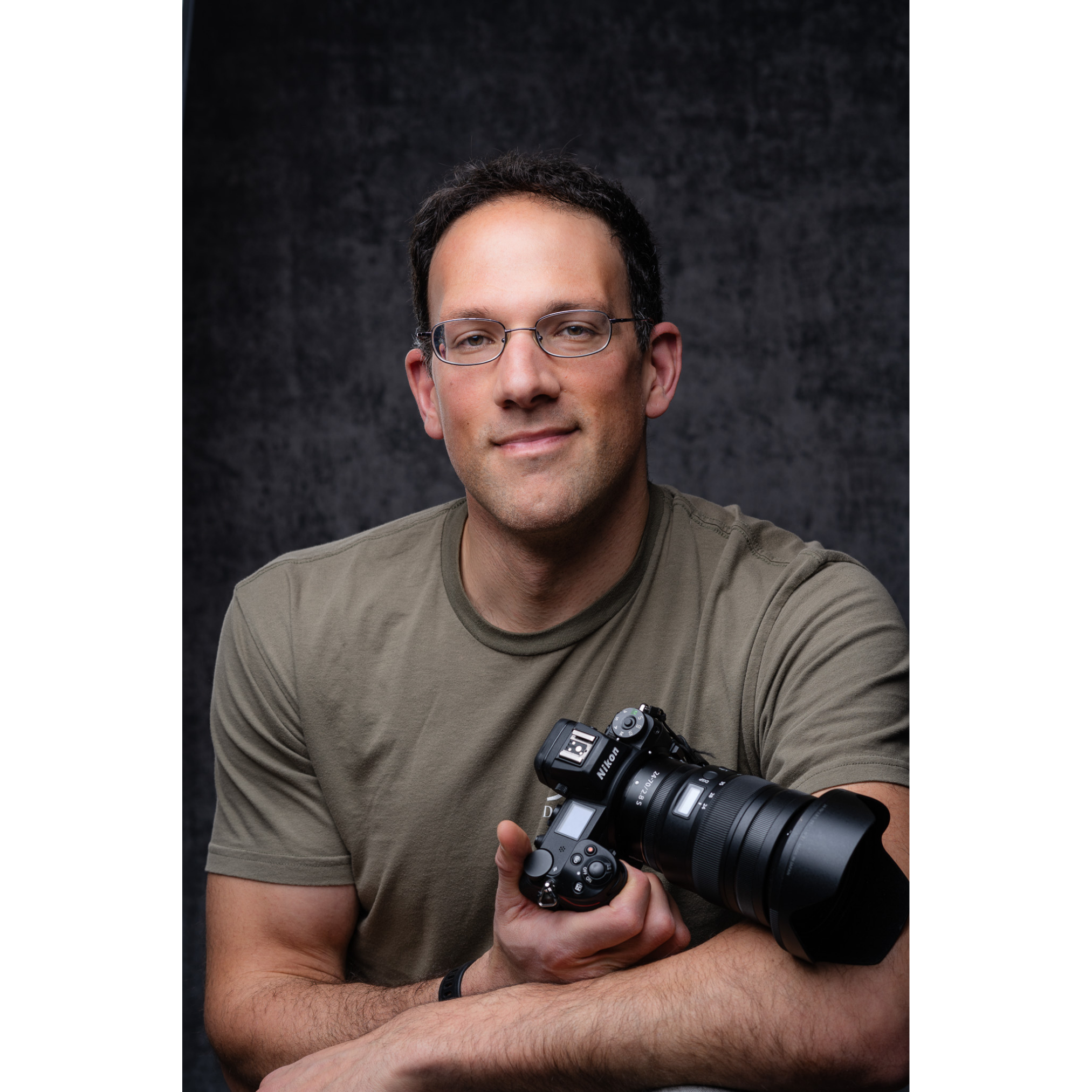
Photography is one of the most popular ways that people connect with nature. It is also one of the most important ways that Wildlands Trust generates public awareness and support for its work. For many years, photographer Drew Lederman has donated his time and talent to Wildlands, capturing breathtaking images of the people and places that define our region’s natural landscape.
Now, you can learn to do the same. Over four Thursdays from June 18 to July 9, Drew will lead “Outdoor Photography Essentials,” a hands-on class focused on honing your creative eye and capturing more compelling images. Click here to learn more and register for this program at Davis-Douglas Farm in Plymouth.
Drew’s photography studio offers a wide range of services, including weddings, family portraits, and professional headshots. But it all started with a desire to document his outdoor adventures. In anticipation of his class, I asked Drew to share his photography story—how it started, where it’s going, and why you should dust off the camera in your closet and take it down a trail.
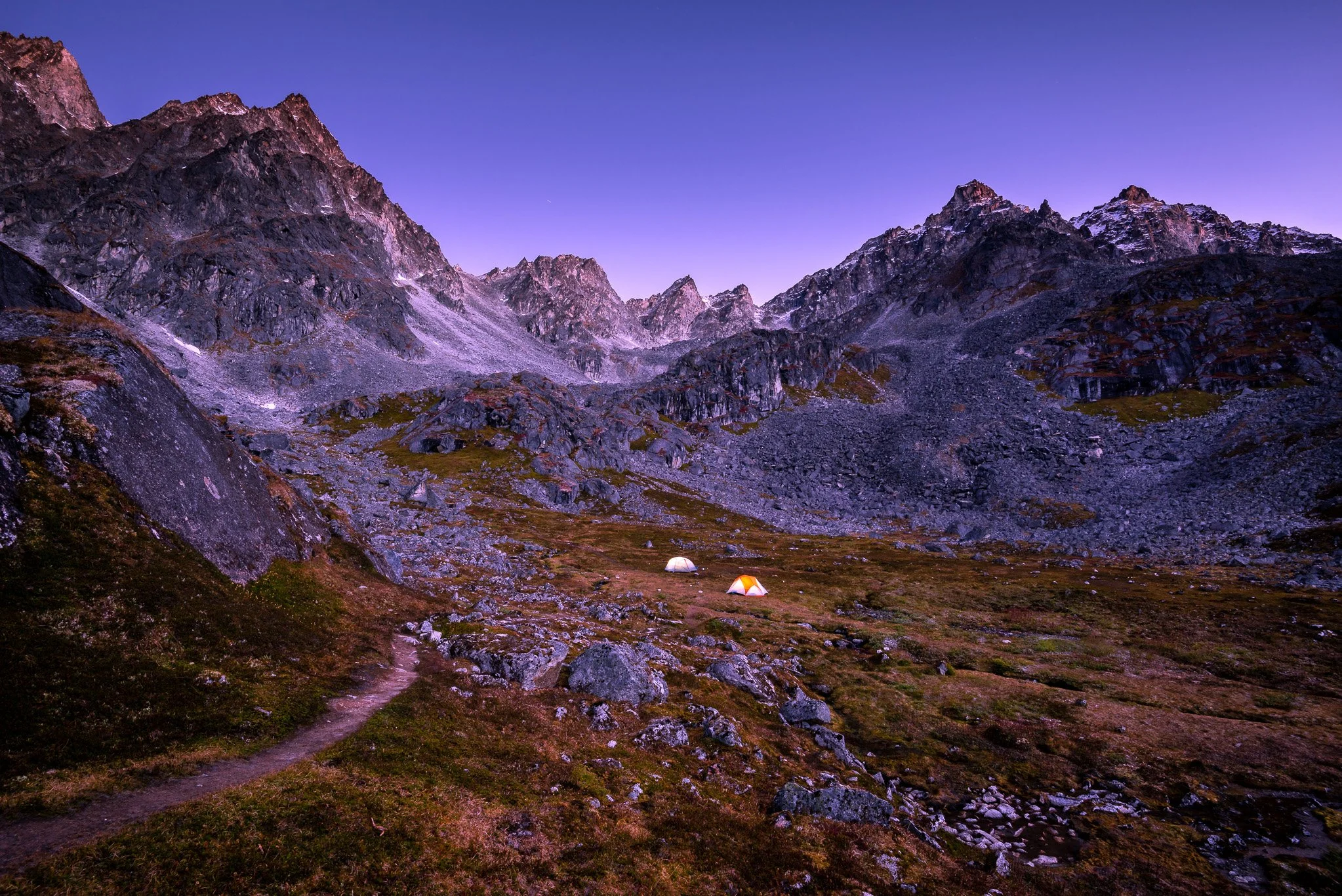
Photo by Drew Lederman.
TP: How did you get into photography?
DL: I've been interested in photography for most of my life, but I really got into it when I started backpacking and doing other outdoor adventures. I was just always in these really beautiful places, and I wanted to take photos of them. I wanted to show people where I was, what I was doing, and why I would wake up at two o'clock in the morning and hike to the top of a mountain to watch the sun come up. It's also meditative to look at a landscape and figure out what I want to focus on in that particular scene.
Over the years, my interest in photography morphed into all sorts of different jobs, where I built new skills and realized that I like photographing people, too. But documenting landscapes and nature is what really got me started.
You’ve donated your time and talent to Wildlands for years. Why?
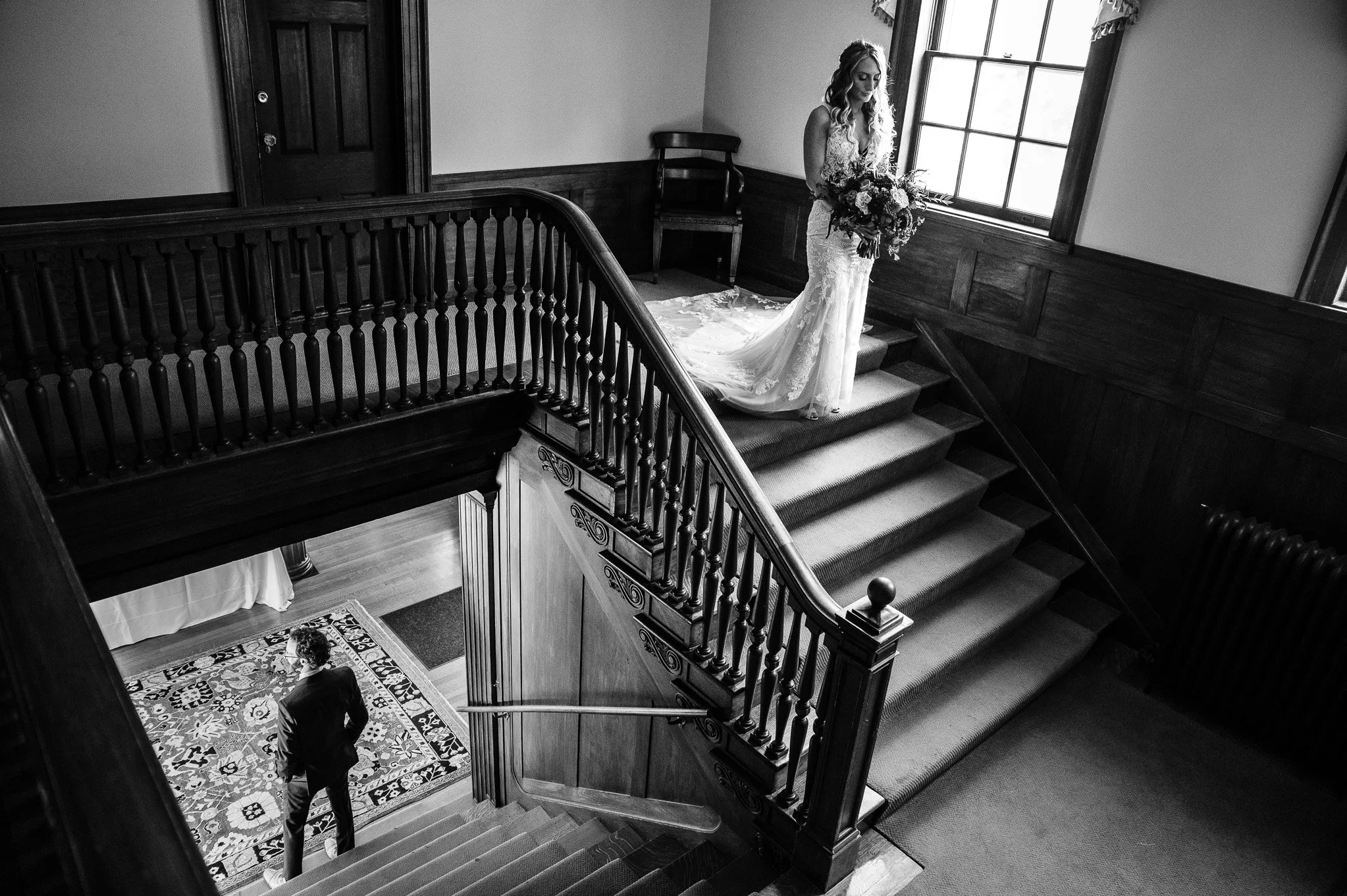
Tucker Preserve is definitely my happy place on the South Shore. I actually grew up right down the street. Now, my wife and I really love nature, and we appreciate how important it is to keep natural spaces available and not have them all developed. When we got married, we decided that we wanted to use our wedding to give something back to Wildlands. We got a whole bunch of pamphlets and pictures and made a Wildlands Trust booth at our wedding so that people could donate to Wildlands if they wanted to. We also used a chunk of our wedding money that we had put aside for decorations and donated it to Wildlands instead.
Over the years, we have continued to grow our involvement in the Wildlands community. I've done staff headshots, photos of trail spaces, and classes. I’ve even photographed weddings for Wildlands staff members.
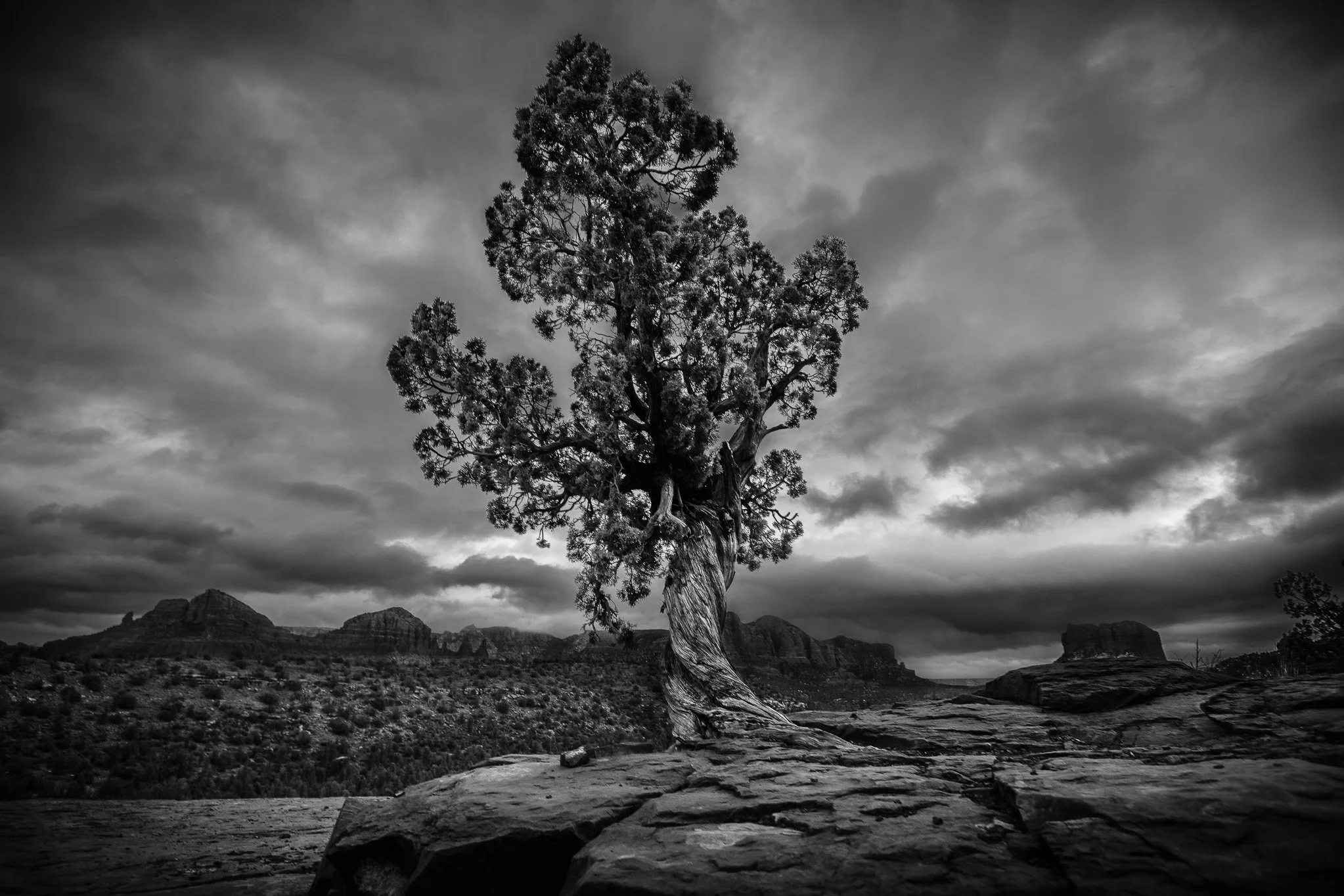
Photo by Drew Lederman.
Why should people try out photography? Why this class?
Photography helps you connect with nature a little bit more when you're out walking on trails. When you're a photographer on a trail, you're constantly looking at everything because you're scanning for interesting things to capture, rather than just breezing through the woods and not paying much attention. So, you learn how to slow down and appreciate the woods a little more.
Photography beginners tend to struggle with two things: the technical end of how their camera works, and how to create an image that's more pleasing to the eye. In a class like this, I teach people how to look at things differently, and how to really pick out what they want to take photos of so that they can tell a better story. It may seem really complicated at first, but once you learn how to use your camera, you never have to relearn it.
My goal is for people to come to each class, learn something new, and before the next class, go home and practice the things that we learned so that by the time the program is done, everyone can go off on their own and just continue to improve.
What message would you have for someone who doesn’t feel artistic enough to take this class?
There's no such thing as not being an artist. It doesn't matter what kind of photos you take or how good you are. If you're out there doing it and you're enjoying it, that's all that really matters. If I can help people get better at it and figure out some of the problems that they might be having, that’s great. Because when you're getting the results that you actually want, you're going to enjoy it more.
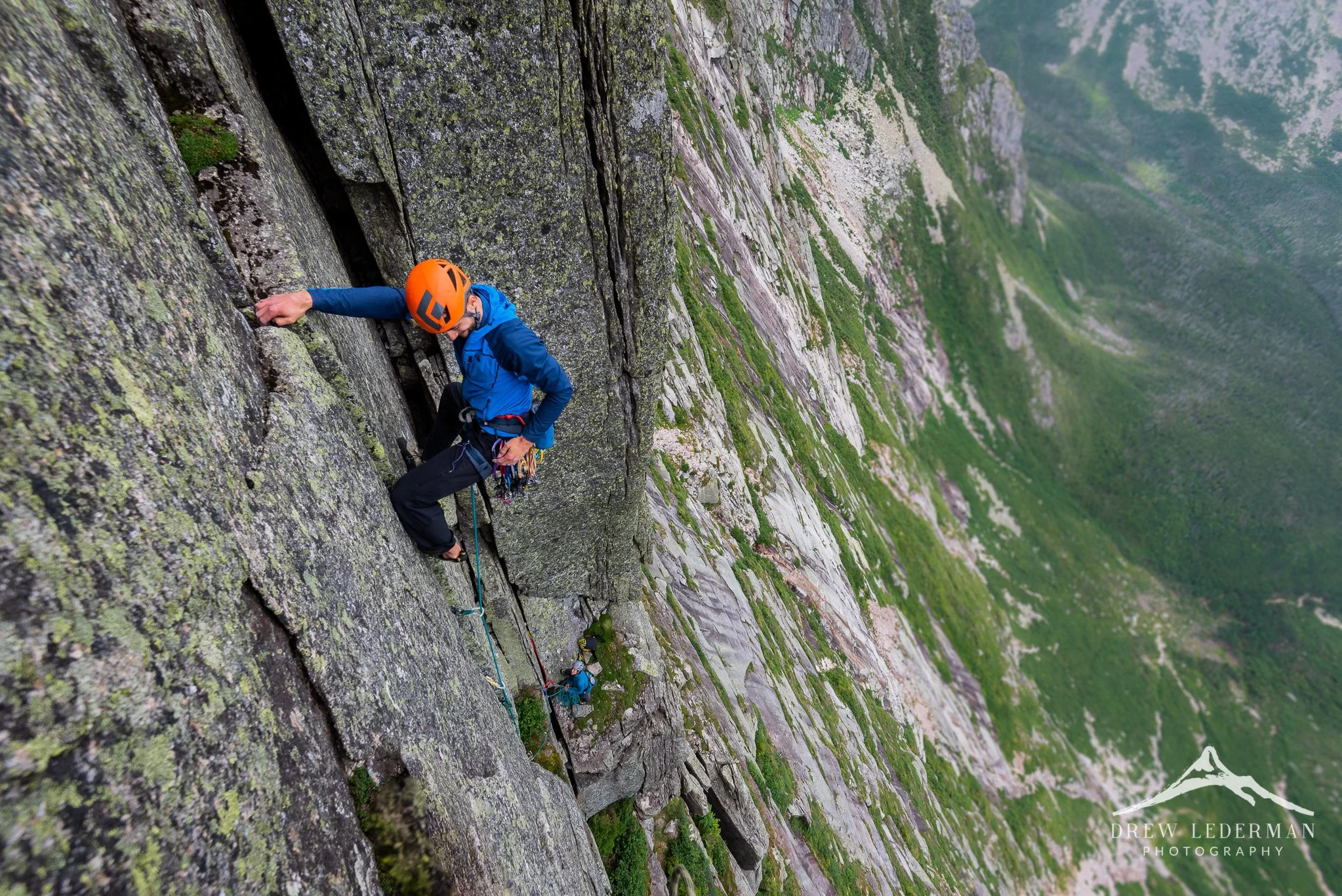
Photo by Drew Lederman.
How good of a camera do you really need to get started?
Someone once told me that the best camera is the one that you have on you. I think that says it all right there. It doesn't really matter what camera you have. Whether it's an iPhone, a point-and-shoot, or a $6,000 camera, they all kind of work the same way. There are advantages and disadvantages to each, but we can still do a lot of the same stuff, especially on the composition end. Figuring out how to create a more interesting photo can be done with anything.
Anything else for participants to know?
It'll be fun. I'm very big on hands-on learning. It's definitely not going to be a class where we just sit and look at PowerPoint slides. I want to explain something, and then I want you to go practice it. So, it's going to be a lot of actually using your camera.
***
Click here to learn more and register for “Outdoor Photography Essentials,” instructed by Drew Lederman.
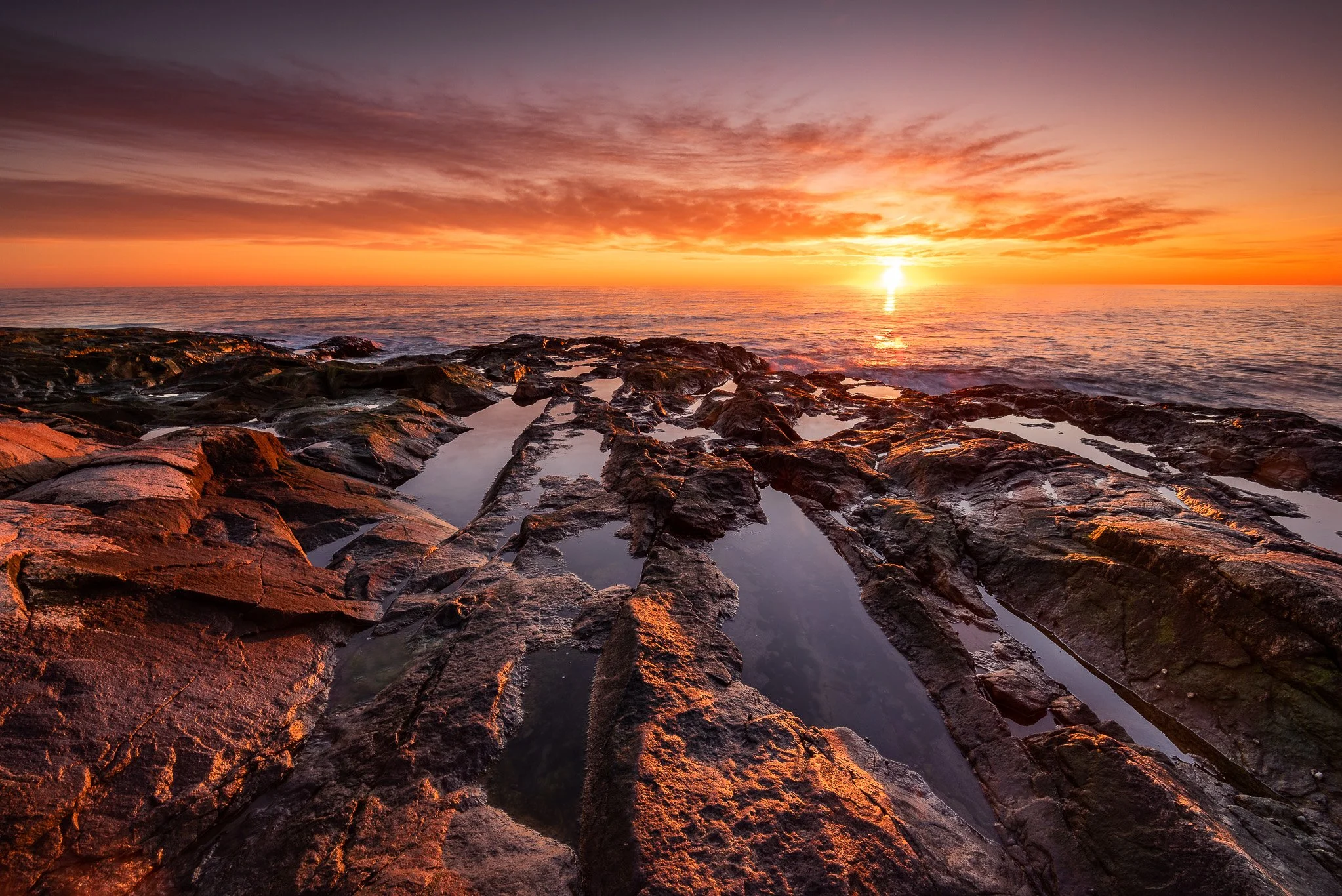
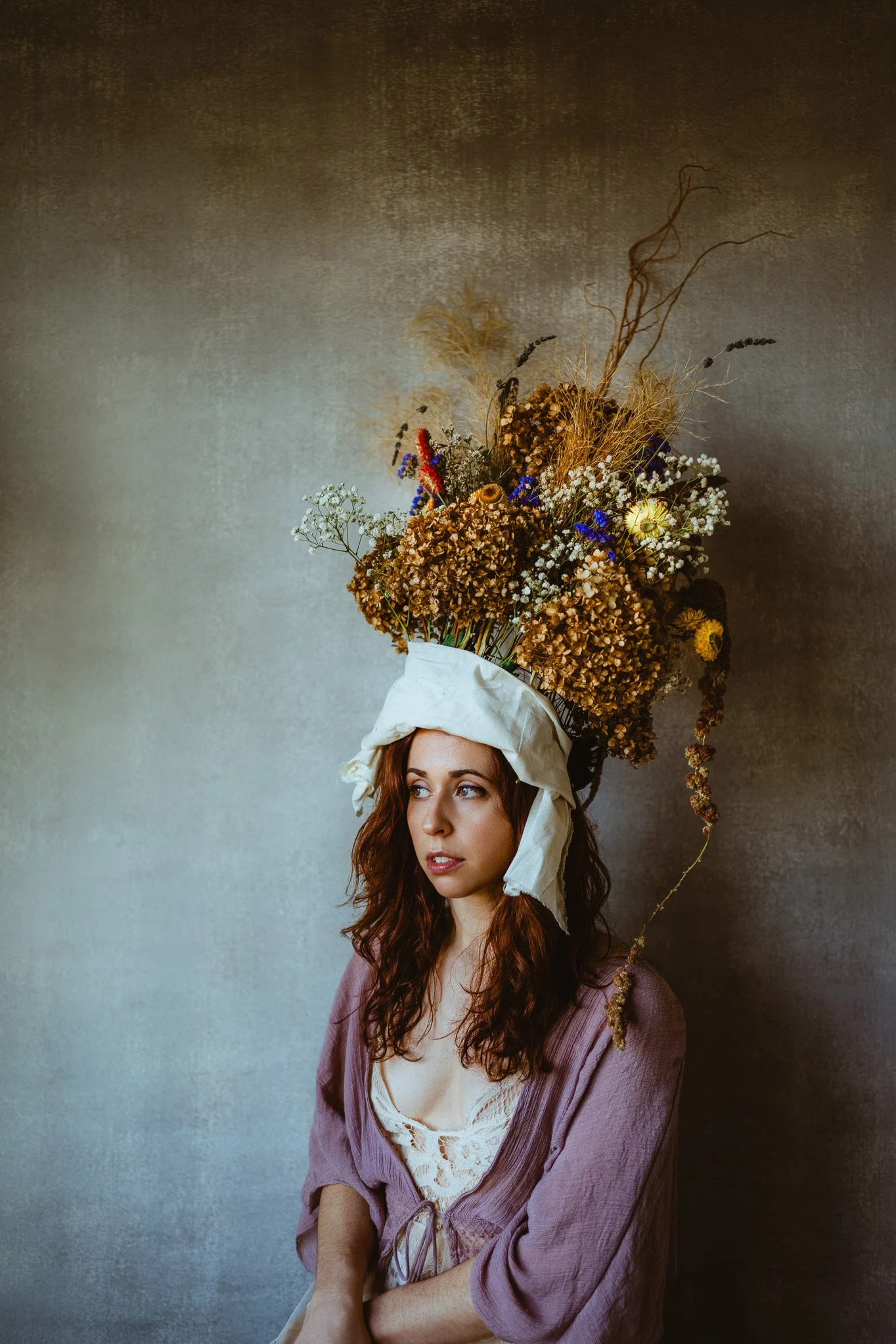
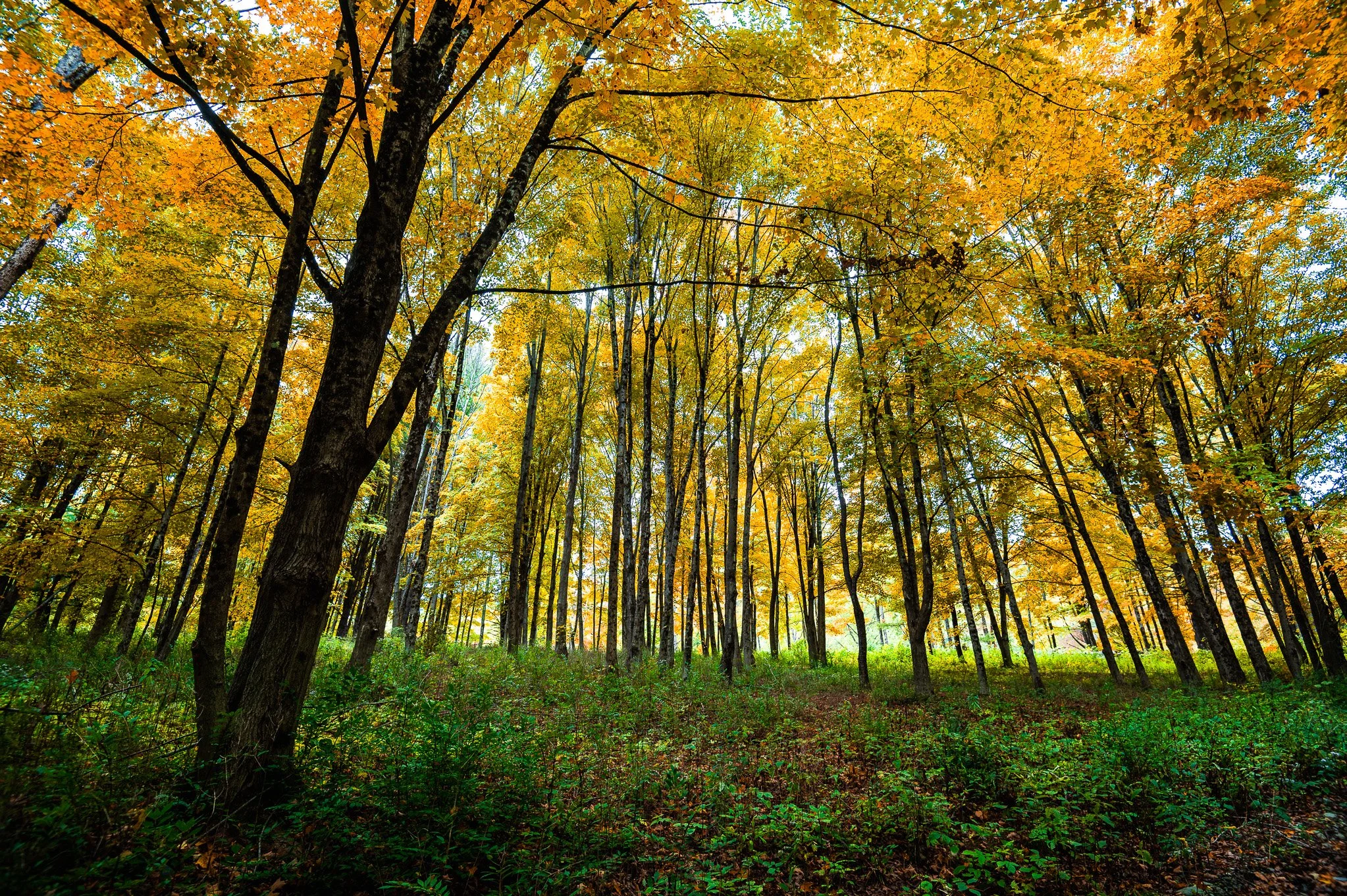
Scroll through the gallery below for more of Drew’s photos.

Doing vs. Being: Q&A with Yoga & Dance Teacher Grace Junek
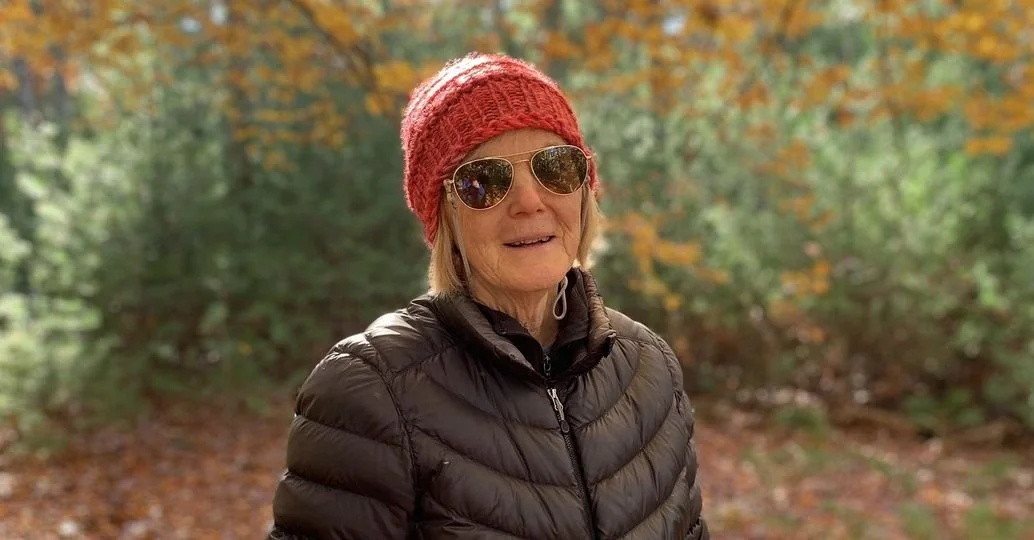
Grace Junek.
By Thomas Patti, Communications Coordinator
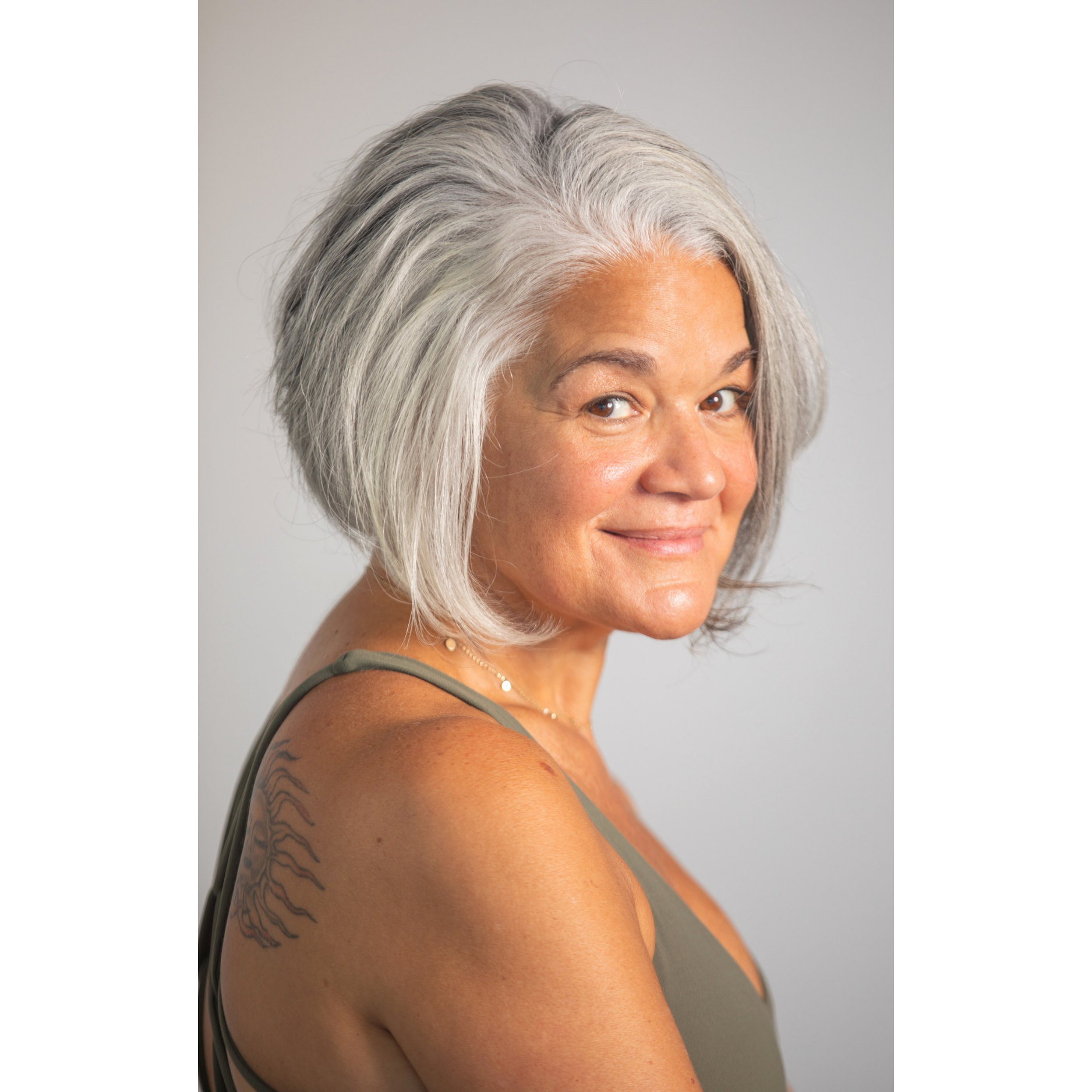
Grace Junek is a yoga and dance teacher with 15 years of experience. Through group, one-on-one, and online programs, Grace aspires “to help make the world a better place by inspiring joy, supporting healing, and empowering self-awareness.” Learn more about Grace and her business, Be Inspired with Grace, at beinspiredwithgrace.com.
Grace led popular yoga classes at Wildlands Trust before the COVID-19 pandemic brought our programs to a halt in 2020. Now, she is back, offering two programs in our Community Conservation Barn at Davis-Douglas Farm: Yoga for WellBeing every Wednesday in February and March and Sole to Soul Movement across three Sundays in March. Learn more and register for Grace’s upcoming programs here.
Earlier this month, I spoke with Grace about her inspiration behind these programs, the benefits of yoga and dance, and the connection between mindful movement and nature.
TP: You have two programs coming up at Wildlands, Yoga for WellBeing and Sole to Soul Movement. Can you tell me a bit about those?
GJ: For Yoga for WellBeing, I wanted to create a class that feels comprehensive—one that addresses the body, mind, and spirit. The mind piece might begin with a short reflection. The physical aspect focuses on keeping the body strong, flexible, and balanced. And spiritually, it can be as simple as connecting with the breath and allowing that to become a doorway to connecting more deeply with yourself.
Sole to Soul Movement is really an extension of what I’ve been doing for the past 15 years. I’ve been teaching Latin dance, which is a high-energy style that draws from many genres within the Latin music world. It’s super fun. At the same time, there has always been a therapeutic element to the work. Somatic movement is incredibly beneficial for the body in so many ways. Sole to Soul is a pilot class focused on turning emotion into motion—processing feelings without words or thoughts. I’m really excited about it.
Who is the ideal audience for these programs?
Anyone who is truly serious about self-care. I’ve been doing this work for a long time and have taught everyone from teens to people in their 80s. While most participants have been female, there have also been many males over the years. Ultimately, it’s about self-care.
One of my favorite quotes is, “Self-care is about giving the world the best of you instead of what’s left of you.” That really captures what I’m trying to offer through this work.
What are the benefits of yoga and dance?
I consider both yoga and dance to be meditative practices. When you’re practicing them, they naturally bring you into the present moment. There’s no tomorrow, no timeline, no yesterday—just right now. They help you connect with yourself in the moment.
There’s an important balance between doing and being. So much of life is constant, relentless doing, and these practices invite presence and awareness. My hope is always that the mindfulness cultivated in class extends into other areas of your life. And it does.

Sunrise Yoga with Grace Junek.
Why are you partnering with Wildlands? How does your work connect to nature?
Nature is truly the cornerstone of human wellbeing. I deeply admire the work that Wildlands Trust does. Being able to get out into nature allows us to reset, disconnect, and gain perspective—to remember that we are part of something much bigger than ourselves. That awareness plays a central role in wellbeing.
There is also a powerful synergy between nature and meditative practices. It’s not just about understanding that connection intellectually, but feeling it and living it through experience.
There’s also a healing aspect to nature. When I use the word “healing,” I’m not just referring to recovery from illness. I’m also talking about healing from the stresses of everyday life. That’s the kind of healing nature so beautifully supports.
Who are you? How did you arrive at this work?
My heritage is Brazilian Portuguese, so music and dance have been part of my life since I was born. I came to yoga in my 30s. For me, dance saved my life, and yoga healed it.
I was a clothing designer for more than 25 years while raising three children. In my 40s, I reached a point where that career became too demanding, and I made the decision to walk away. I naturally returned to dance and yoga—not professionally at first, but for my own healing, balance, and well-being. From there, I realized I could take two of my greatest passions and turn them into my life’s work. When I saw how deeply these practices impacted others, the work began to expand organically.
This is not a hobby—it’s my life’s work. I truly believe this is how I can help make the world a better place. When individuals become healthier from the inside out, that wellbeing naturally ripples outward to others.
What can people expect from you when they attend their first class?
Over the years, the feedback I receive most often is that my work is inspirational.
There are three core values at the heart of everything I do. The first is quality. When people come to my classes, there is a level of quality that is never compromised. I deeply respect that people are carving time out of their busy lives, and I want them to leave feeling glad that they came.
The second is compassion. I’ve always believed that yoga and dance meet you exactly where you are. There is no competition—not even with yourself. I emphasize acceptance and non-judgment, whether you’re a seasoned practitioner or a complete beginner. In my dance classes, I always say there’s no such thing as a mistake—only unexpected solos. If you’re having fun, you’re doing it right.
The third core value is service. That’s what I’m here to do—to serve others as fully and authentically as I can.
What Happens on a Meditation Hike?
By Betsy Hall, Volunteer Hike Leader
Betsy Hall is a longtime Wildlands Trust member and volunteer who leads Mindful Meditation, a monthly walk series that encourages new and experienced meditators to reconnect with nature. Visit wildlandstrust.org/events to view upcoming Mindful Meditation programs.
***
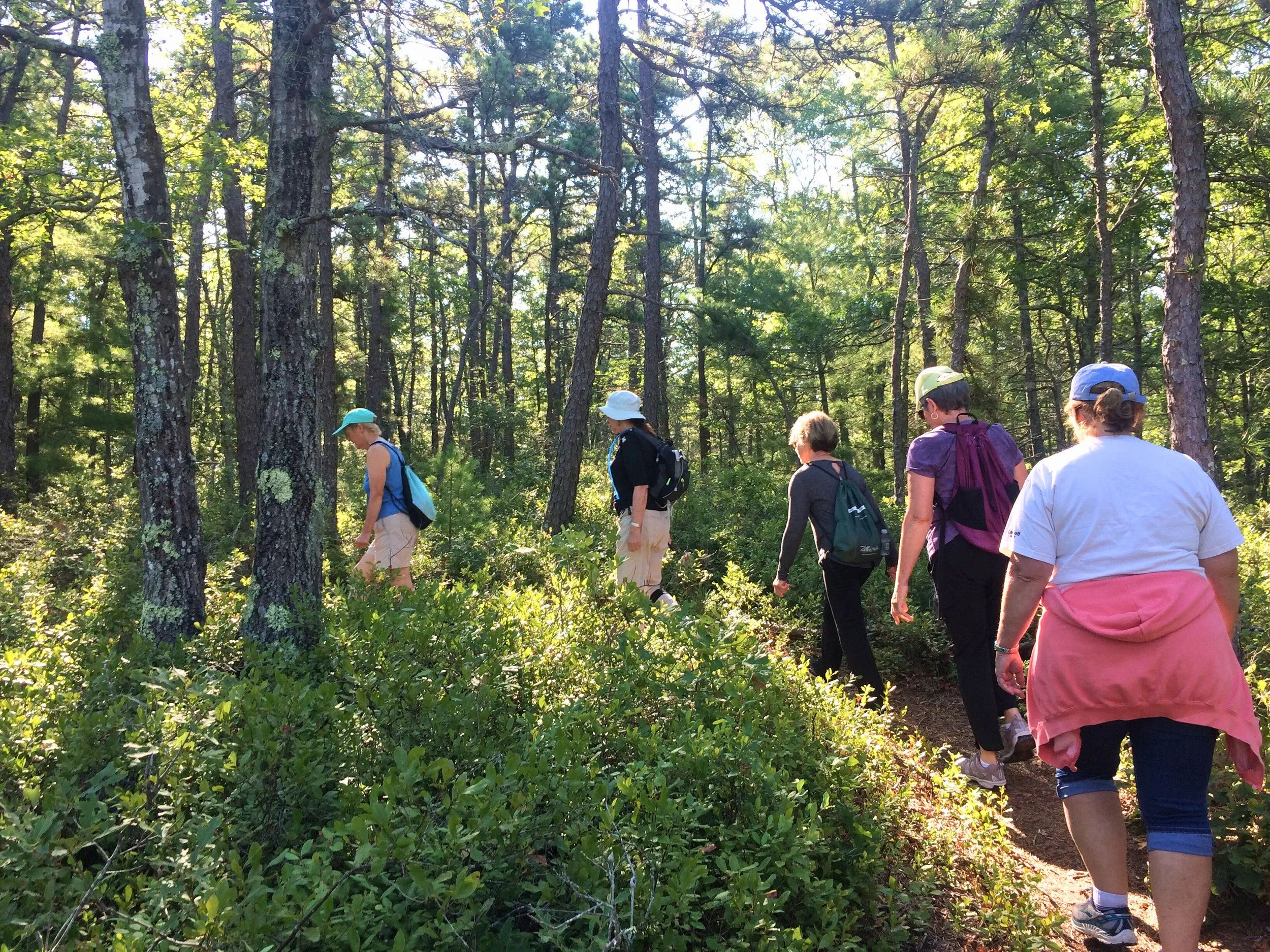
If you ever pass a group of silent men and women hiking on a forest trail, it is quite possible they are practicing awareness. A meditation hike uses silence (i.e. no talking) as a method for hikers to become more attuned to their inner and outer experience. In a safe group of five to 15 people, hikers have the opportunity to hear the wind rustling in the trees and birds calling out their distinctive cries. They notice the warmth of sun on their face or the chill of a cloudy day.
Hikers also have a chance to pay attention to their thoughts and feelings as they place each foot thoughtfully on the path. Acknowledging thoughts and feelings allows hikers to gently let distractions go as they return their awareness to their surroundings.
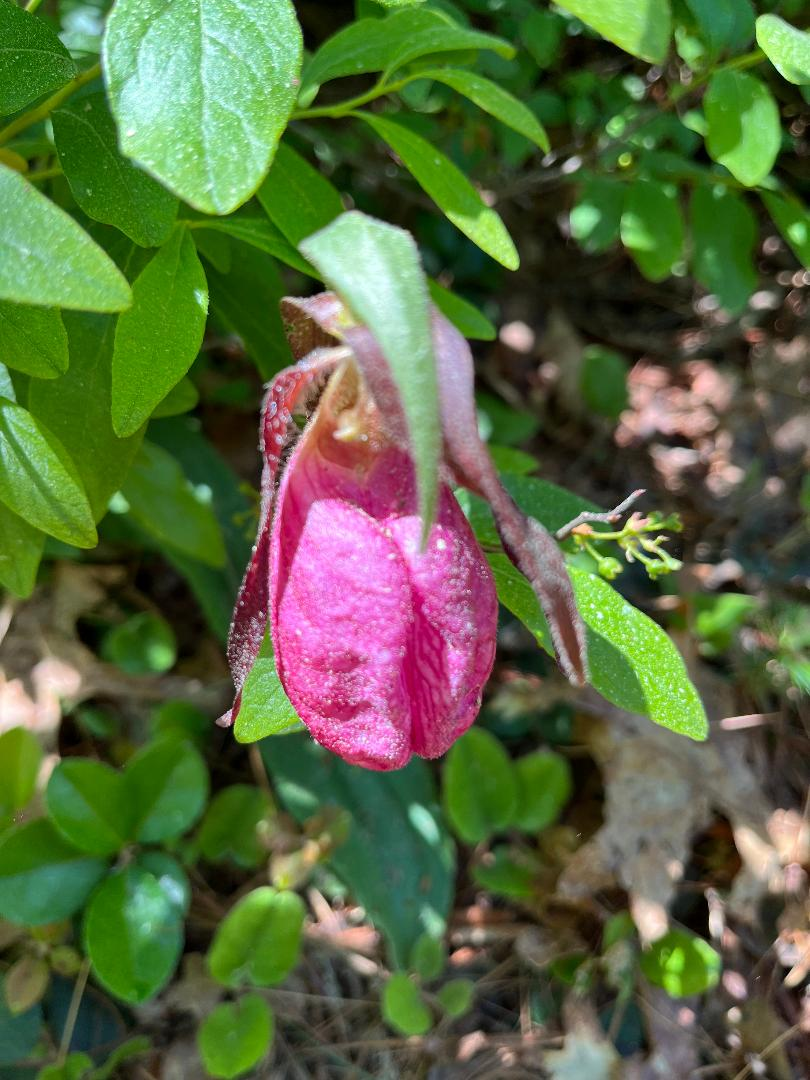
There are no rules except silence. Each person is an expert for themselves. The experience of each hiker is different. Plus, every meditation hike is different from previous hikes. Sometimes an eagle flies overhead; sometimes a seal pops up out of the water to say hello. Sometimes a ghost pipe or a lady slipper appears on the side of the trail. Each hiker responds inwardly in silence to these and many other forest wonders.
After we reach our destination, we have a chance to talk about any significant moments on the hike. Everyone is free to pass. Then we talk among ourselves on the return hike, connecting with old friends and making new ones.
***
About Betsy Hall
Betsy Hall is a meditation teacher with over 25 years of experience. She trained under renowned instructor Jose Silva, whose techniques have been studied by millions of people around the world. Betsy has also studied with Zen Masters, Buddhist teachers, and Christian leaders. She loves to lead hikes in the forest because she believes that nature is one of the greatest meditation teachers. Betsy gently leads her participants in the art of self-discovery and delight. Her career as a teacher and guidance counselor is an essential part of her foundation as a meditation guide.
Wildlands Shows Its Love for Wareham at Community Event
Read Time: 2 min
By Amy Markarian, Senior Copywriter
The coastal town of Wareham, home to Wildlands’ Great Neck Conservation Area, offers an array of outdoor recreational opportunities for both residents and visitors. So, when Wildlands Trust was invited to partner with the Wareham Land Trust, Mass Audubon, and Buzzards Bay Coalition’s Onset Bay Center to host a full day of free outdoor activities highlighting the area’s various opportunities to enjoy nature and support the environment, we were thrilled to accept!
Funded in part by grants from the Wareham Cultural Council and Plymouth Cultural Council (two local agencies supported by the State's Mass Cultural Council), “Wild for Wareham” took place on May 7, at Buzzard’s Bay Coalition’s Onset Bay Center.
Wildlands’ Programming and Outreach Manager, Claire Johnston, collaborated with staff from the event’s partner organizations, planning a day packed with activities. Among the offerings were: an intertidal beach exploration; programs about navigation, whales, insects, osprey, and coastal waterbirds; a salt marsh exploration; and a kayaking adventure. Wildlands hosted two programs at Great Neck Conservation Area—an invasive plant identification and removal workshop, and a nature weaving exploration activity. Participants brought home potted native plants, a children’s book, and assorted fun swag from the various organizations tabling at the event.
The depth and variety of knowledge within the Wareham community--in the fields of land protection, wildlife conservation, and environmental protection--was on full display at the Wild for Wareham event, and the opportunities for interesting outdoor explorations were plentiful! Wildlands Trust was thrilled to be a partner in this event, and hope that it was the first of many to come!


