


What’s New at Wildlands
Brockton High Students Compete at MA Envirothon Competition
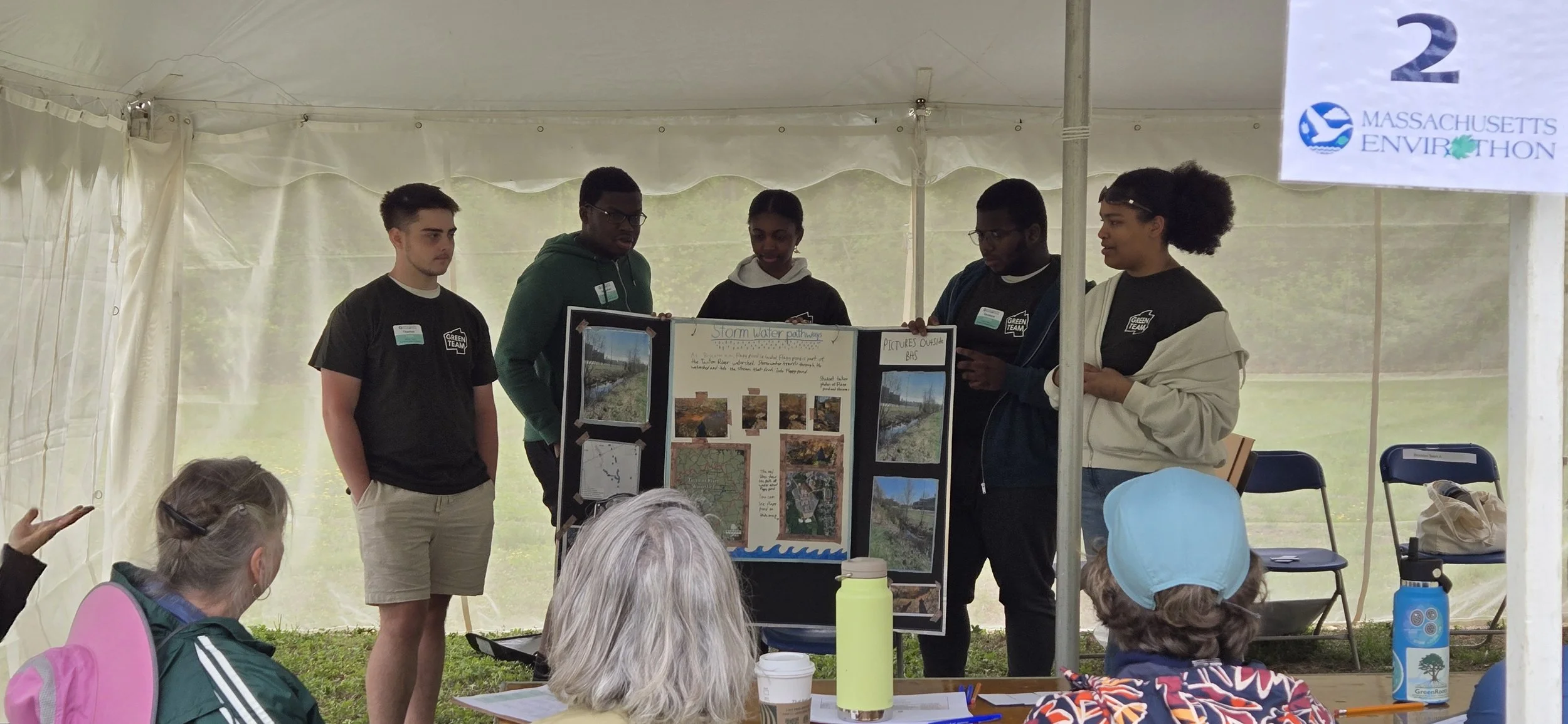
Brockton High Envirothon Team presenting their Current Issue research at the Competition in Hopkinton.
On Thursday, May 21, five Brockton High School students put their natural resources knowledge to the (hands-on, collaborative) test at the 2026 Massachusetts Envirothon. Congratulations to all the students for making their Brockton and Wildlands Trust communities proud!
Thirty teams representing 23 high schools across the state converged at Hopkinton State Park in Hopkinton for this year’s competition. Each team was tested in five environmental areas: Forest, Wildlife, Water, Soil, and Current Issue. This year’s current issue, Living Sponge Communities, called on each team to present actionable ideas to transform Massachusetts into a model for sustainable stormwater management. Our team mapped the City of Brockton’s impervious surfaces, identified areas of point and nonpoint source pollution, and proposed infrastructure and community-based solutions.
Wildlands Trust has coached and sponsored the Brockton High School Envirothon team since 2015. Amy Burt, Wildlands’ Programming Coordinator, coaches the team alongside Brockton High School biology teacher Melissa Kelly and Manomet Conservation Sciences’ Science Educator Lily Green.
Congratulations again to the Brockton High School students on an impressive showing, including a fourth-place tie in Wildlife! Additional kudos to the seniors, who joined the team this year and were able to compete before graduation!
To learn more about Wildlands Trust’s Brockton High School Envirothon initiative, visit wildlandstrust.org/envirothon.
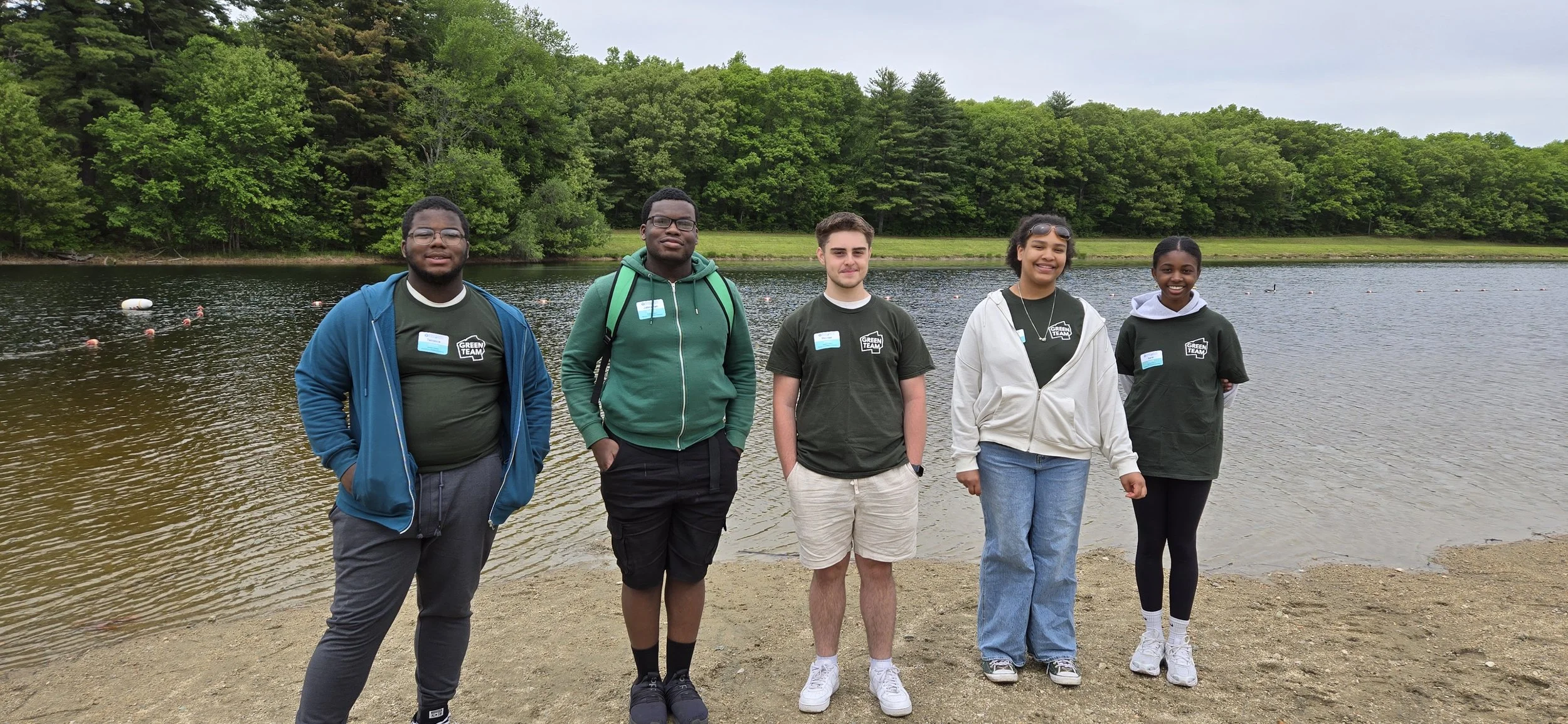
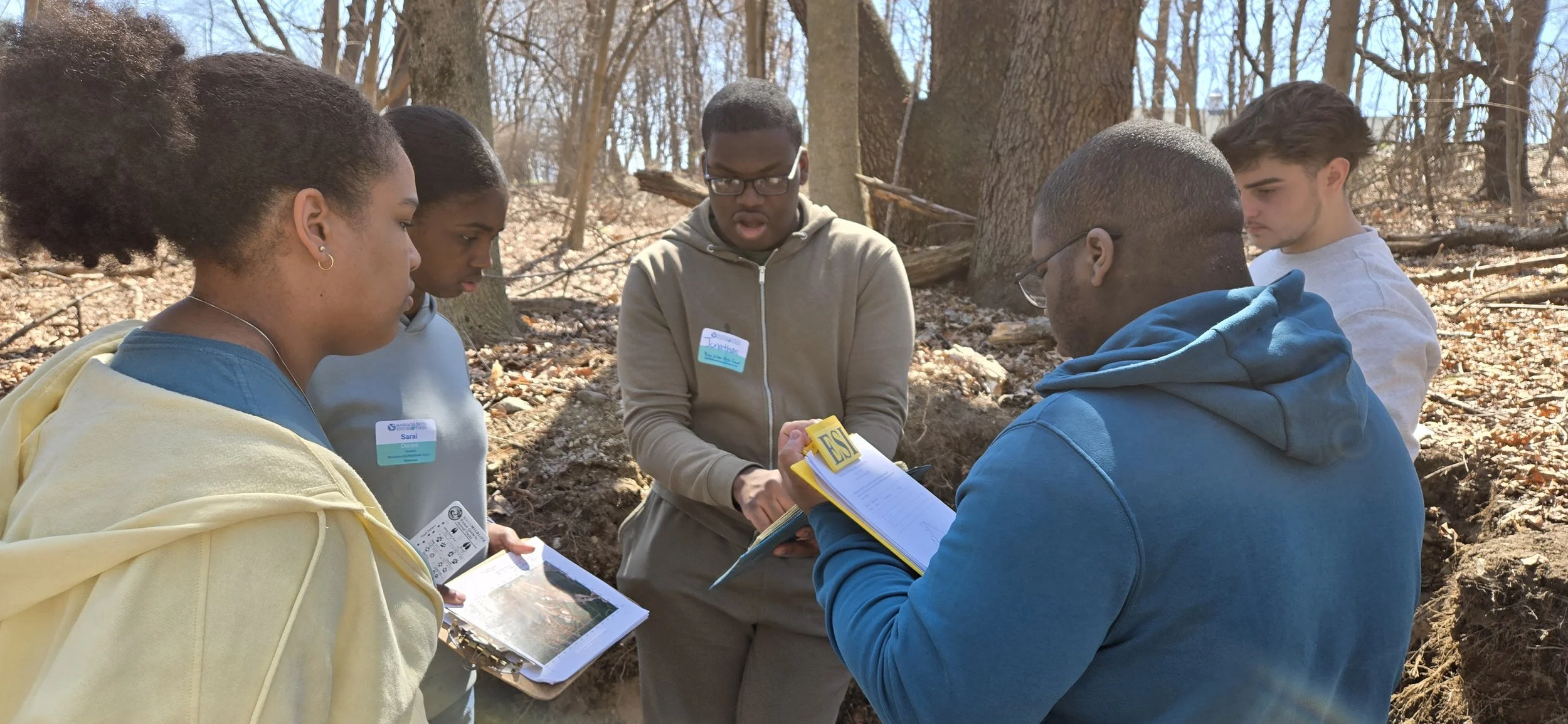
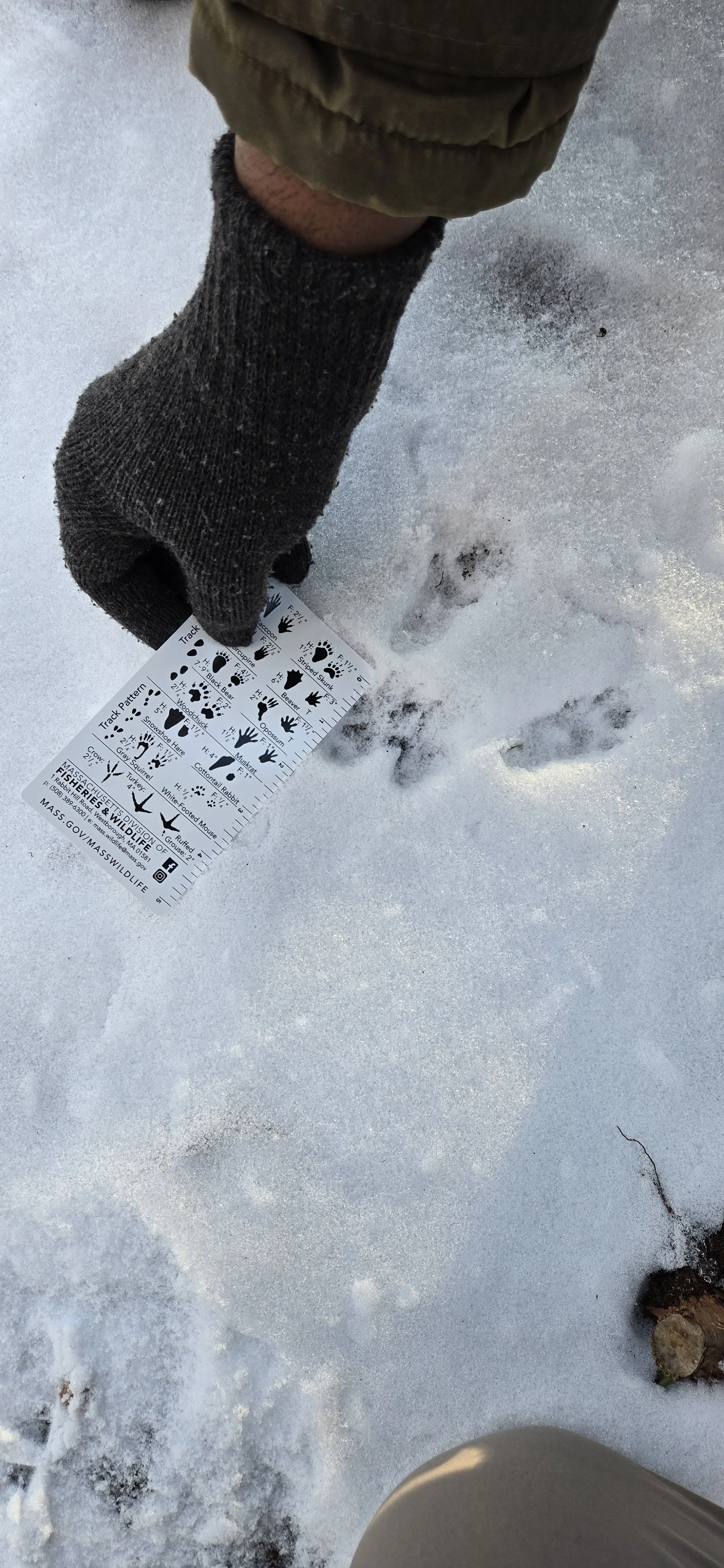
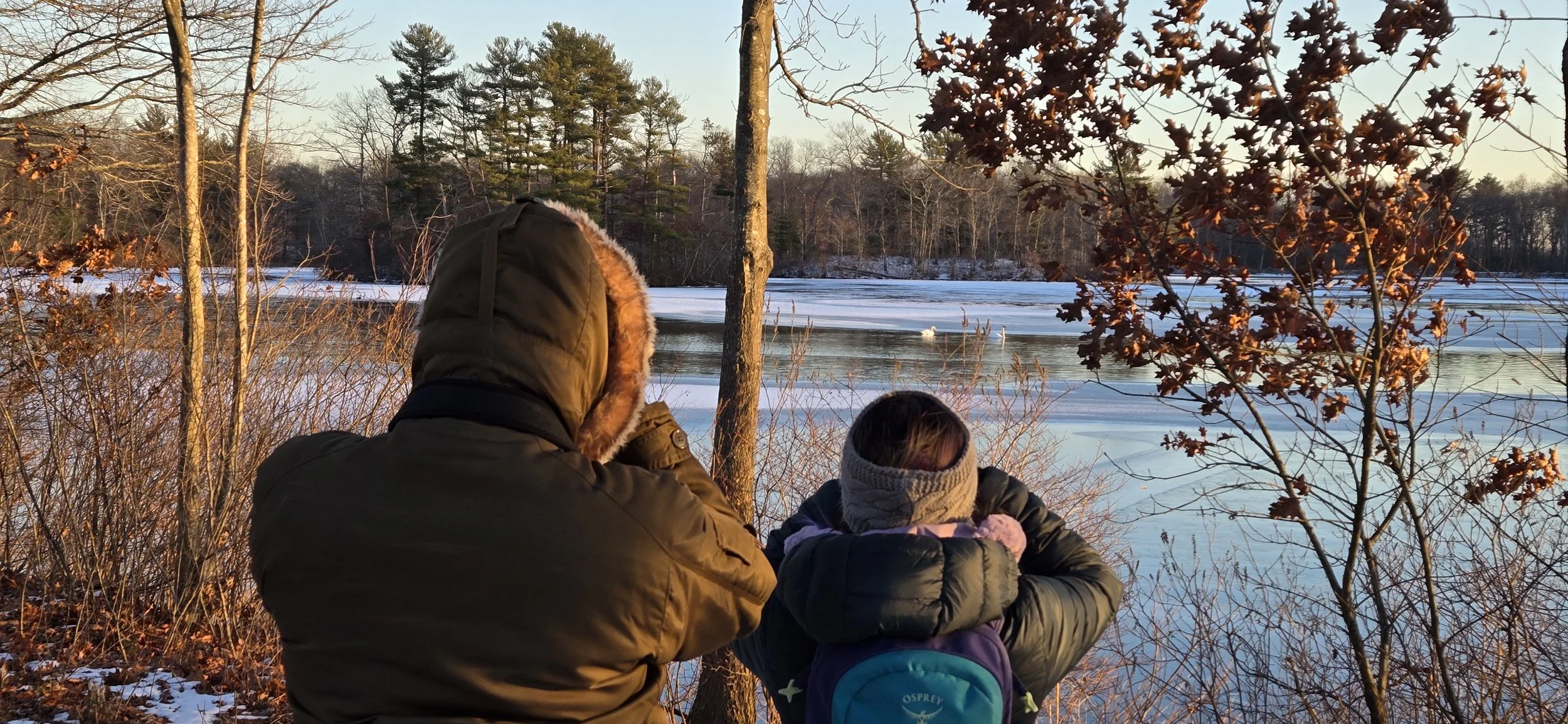
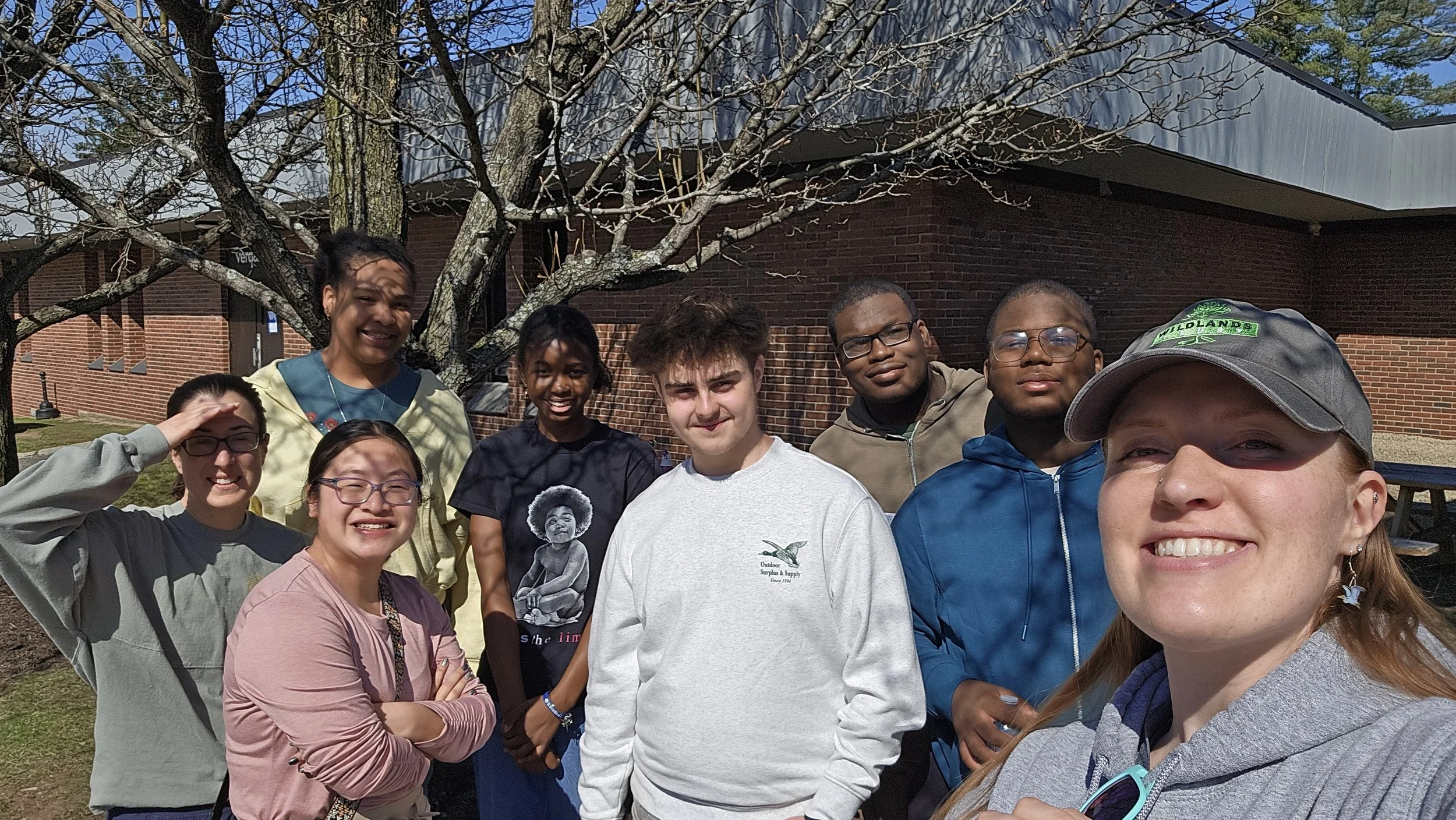
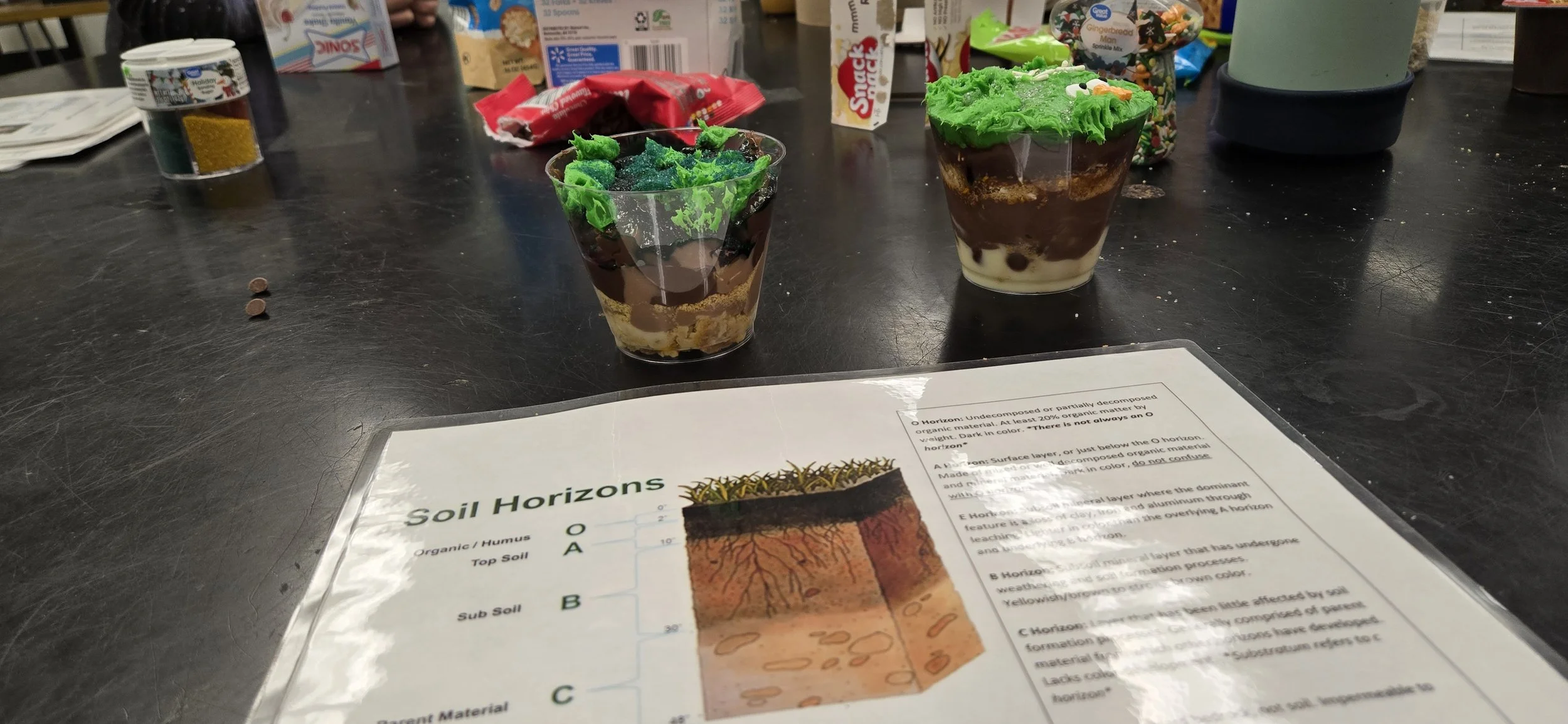
Click through the slideshow below to see more photos from the 2026 competition, and our year together as the Brockton Outdoor Club.
Fieldstone Preserve Gives Avon & Brockton Residents New Place to Enjoy Nature
Grand Opening Gathers Public Officials, Nonprofit Leaders, Residents to Celebrate New & Future Projects at D.W. Field Park

Town of Avon Select Board Member Shannon Coffey cuts the ceremonial ribbon to open Fieldstone Preserve.
For Immediate Release
Contact: Rachel Bruce, 774-343-5121 x101, rbruce@wildlandstrust.org
Avon — A new conservation area is expanding public access to nature in one of Massachusetts’ densest urban landscapes. On November 20, the Fieldstone Preserve grand opening brought together government officials, nonprofit leaders, and nature enthusiasts from Avon, Brockton, and beyond to celebrate a new woodland trail adjacent to D.W. Field Park—and the innovative partnership that made the project possible.
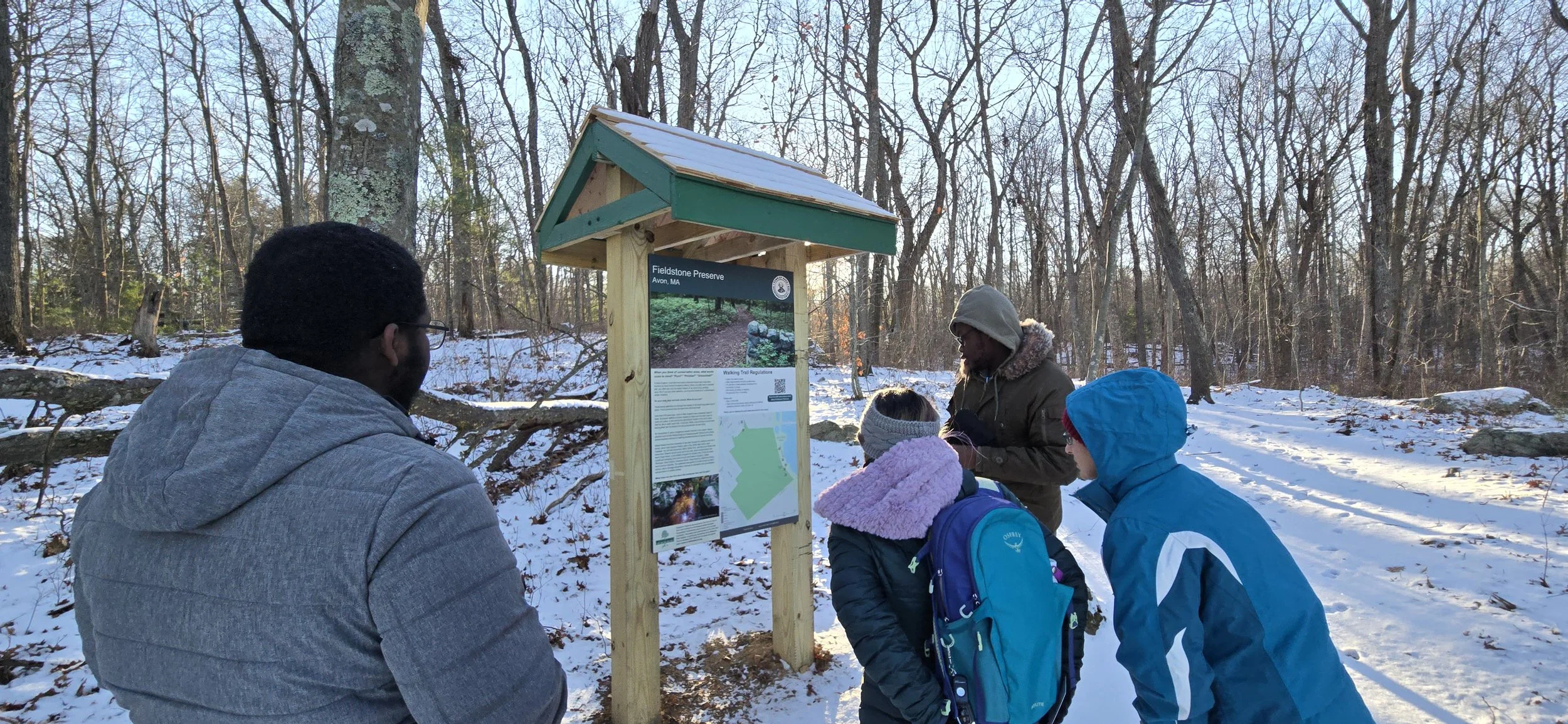
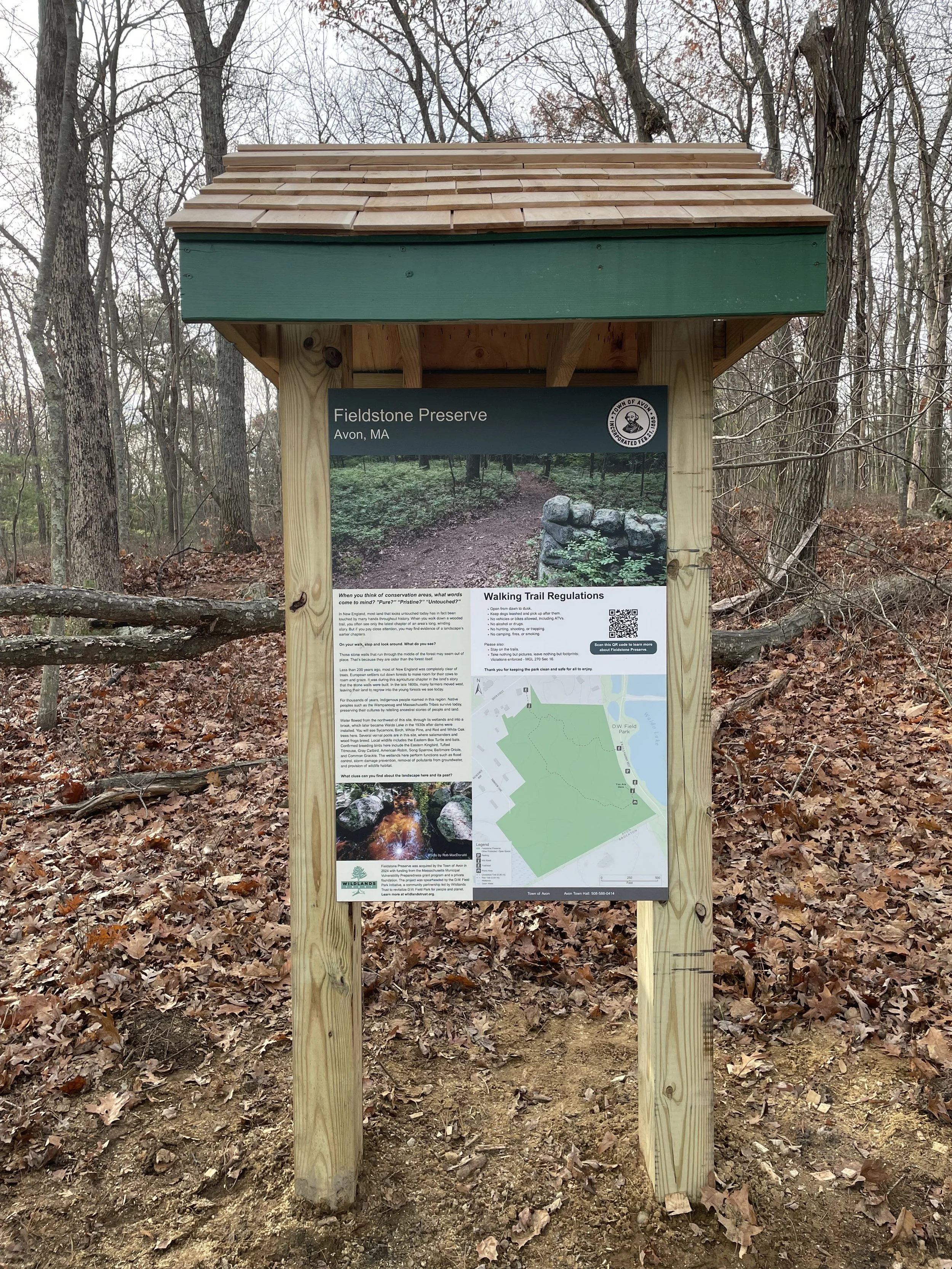
Fieldstone Preserve permanently protects 30 acres of undeveloped land beside D.W. Field Park, a 700-acre natural oasis serving Brockton and Avon’s 115,000 residents. The preserve’s 0.7-mile trail system includes three entrances, two on D.W. Field Parkway and one off South Street in Avon. Parking is available within D.W. Field Park at the lot west of Waldo Lake. A kiosk at the southernmost park-side trailhead features a trail map, safety guidelines, and information about the area’s natural and cultural history.
The Town of Avon purchased the forested parcel in March 2024. Funding came from the Massachusetts Municipal Vulnerability Preparedness (MVP) program and a private foundation via Wildlands Trust. Over 200 donations from residents across Southeastern Massachusetts unlocked the foundation’s contributions in December 2023.
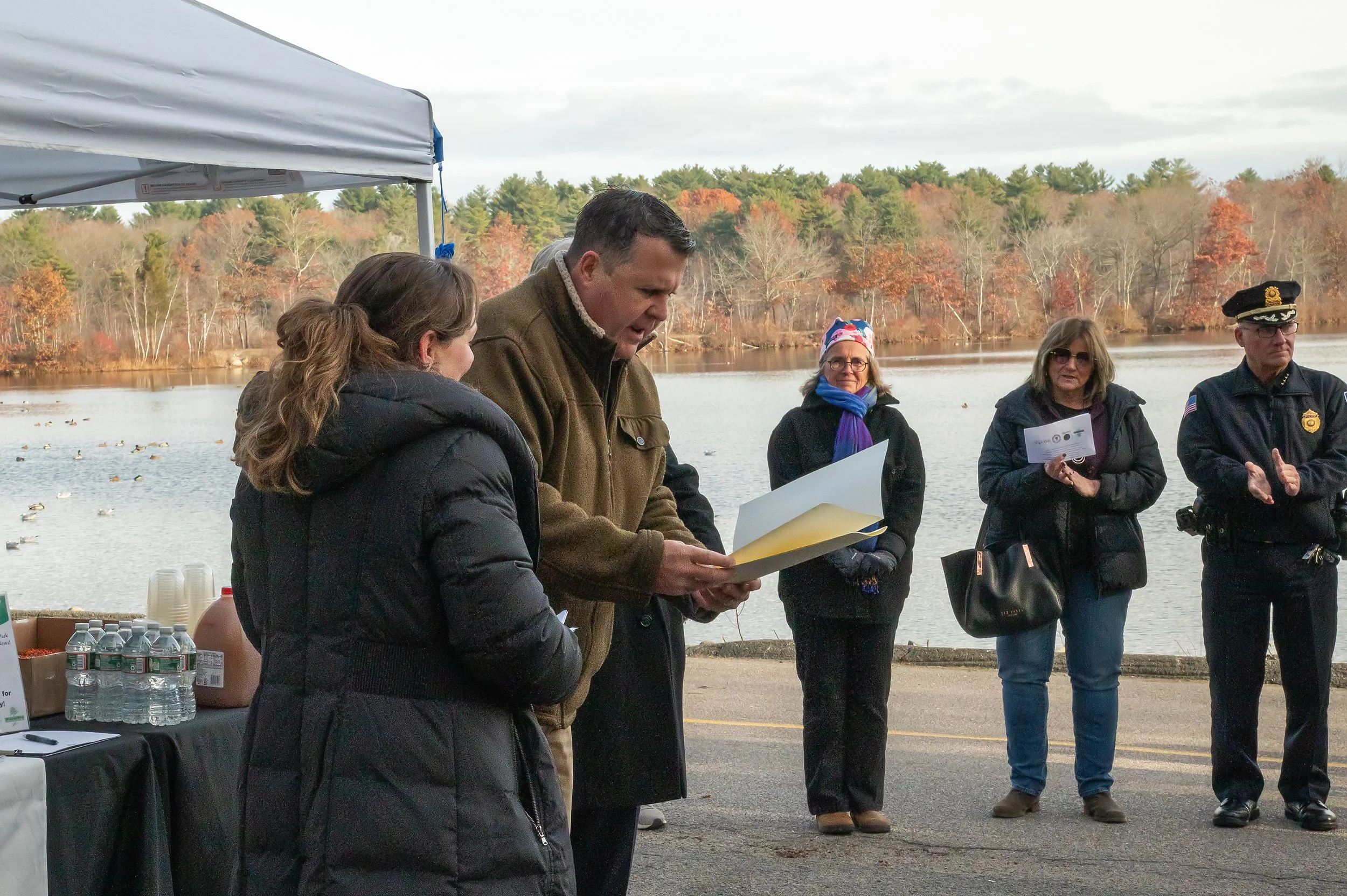
Brockton Mayor Robert Sullivan presents Wildlands Trust with a mayoral citation for its leadership in creating Fieldstone Preserve.
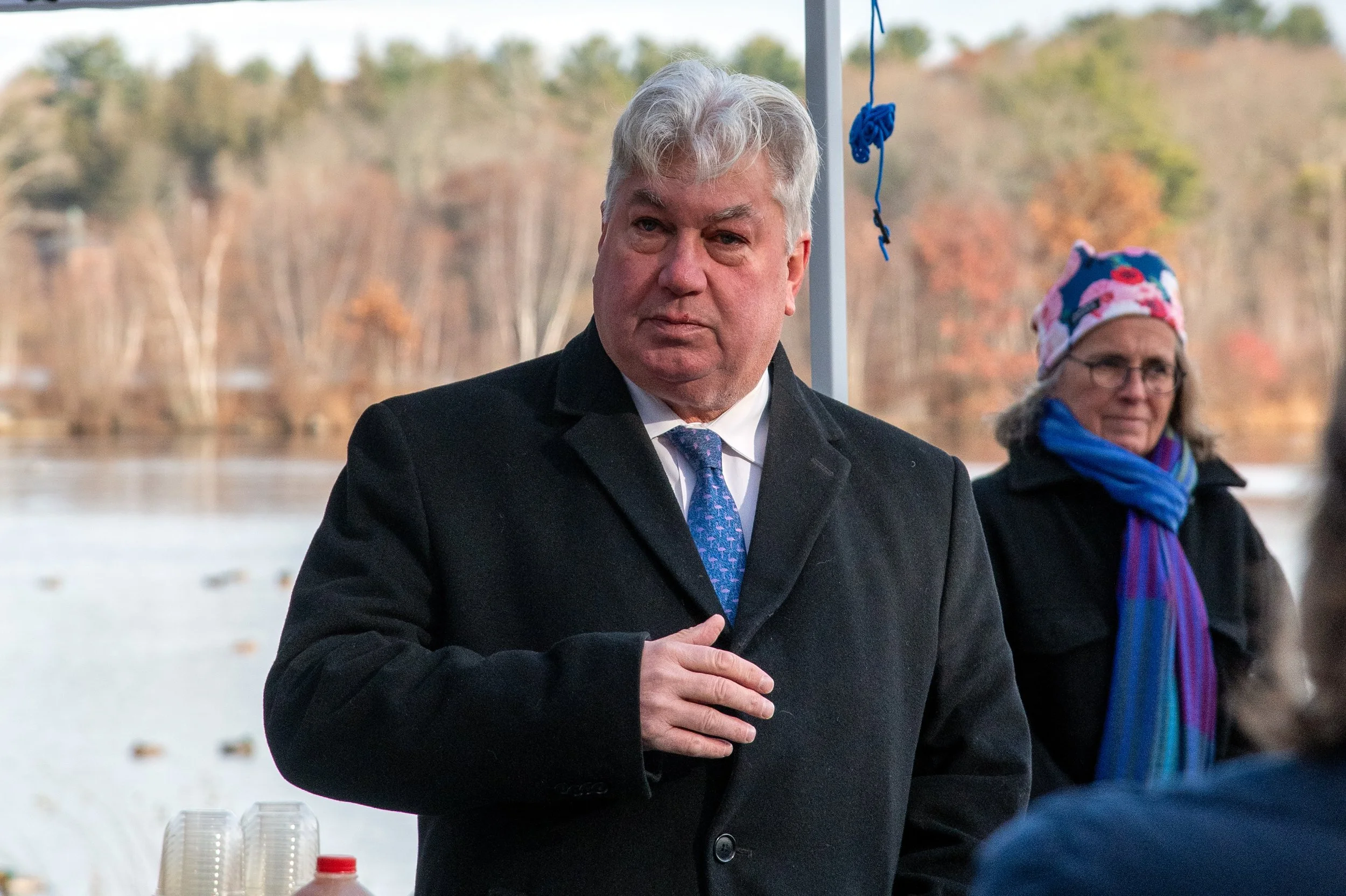
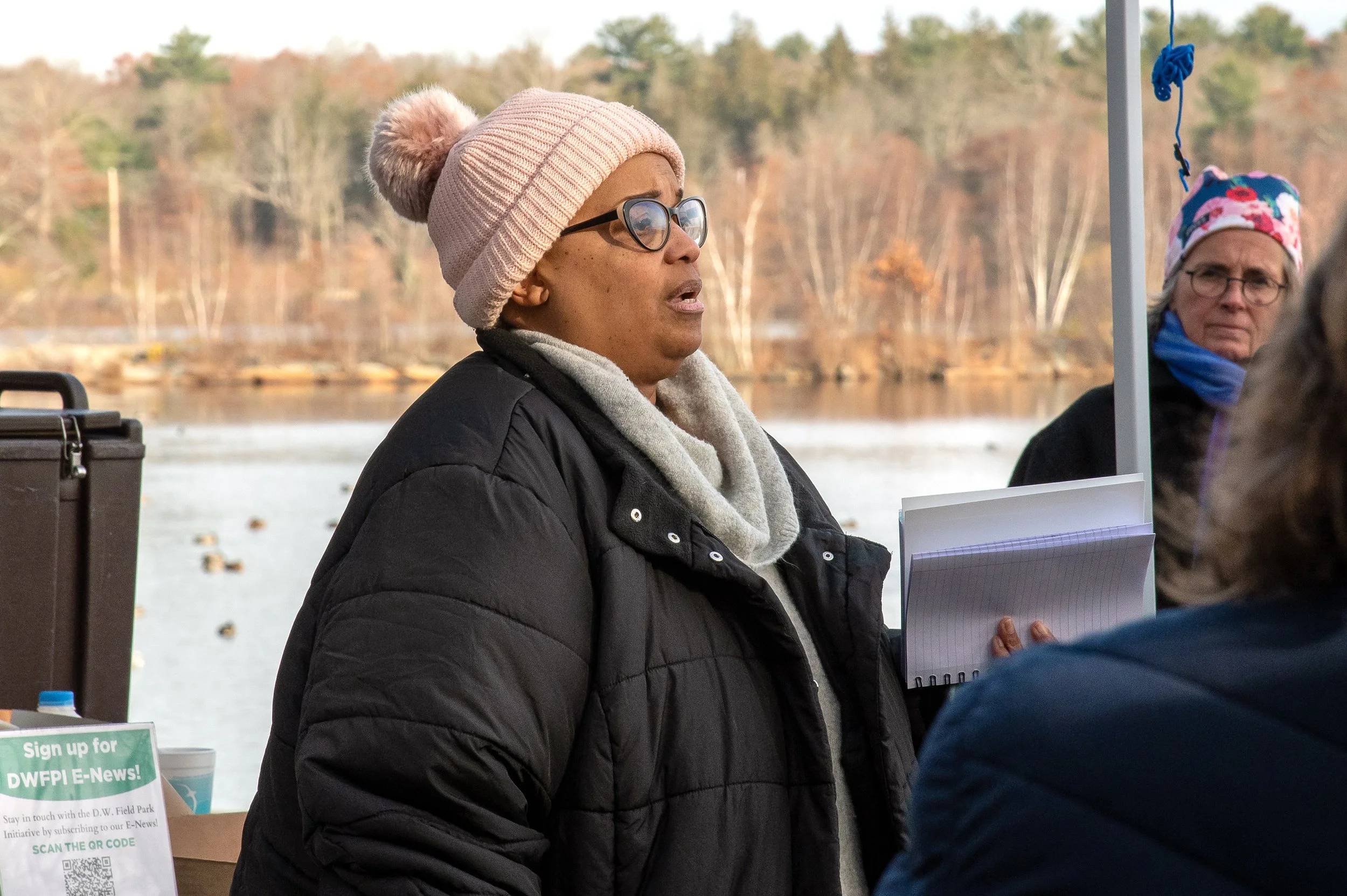
Speakers at the grand opening included City of Brockton Mayor Robert Sullivan, Massachusetts Senator Michael Brady, Town of Avon Select Board Member Shannon Coffey, Brockton City Councilor Shirley Asack, Wildlands Trust President Karen Grey, Old Colony Planning Council Executive Director Mary Waldron, and MVP Coordinator Carolyn Norkiewicz. Plymouth-based poet Tzynya Pinchback also read a poem inspired by D.W. Field Park through the Writing the Land initiative.
“As a lifelong Brocktonian who used to fish here, feed the ducks here, play golf here, and sled here as a kid, this is a great day for the City of Brockton and for the Town of Avon,” said Mayor Sullivan. “All of us have a shared vision for an unbelievable D.W. Field Park. To be able to add to this is just a wonderful endeavor.” Mayor Sullivan presented citations to Wildlands Trust and the Town of Avon for their project leadership.
“We couldn't have done this without the Edwards family,” Selectwoman Coffey said of the property’s sellers. “People who come to walk these trails for years to come will be following in the Edwards’ footsteps of stewardship and love for this community.”
“I'm constantly impressed by the collaboration of Wildlands Trust with Old Colony Planning Council, the Town of Avon, and the Brockton Garden Club,” said City Councilor Asack. “They are constantly here in the park, preserving our beautiful nature for our kids and for our community. I look forward to our continued collaboration with Wildlands Trust and to the amazing projects they have coming in the future.”
Click here to watch the full ceremony, courtesy of Avon Community Access & Media.
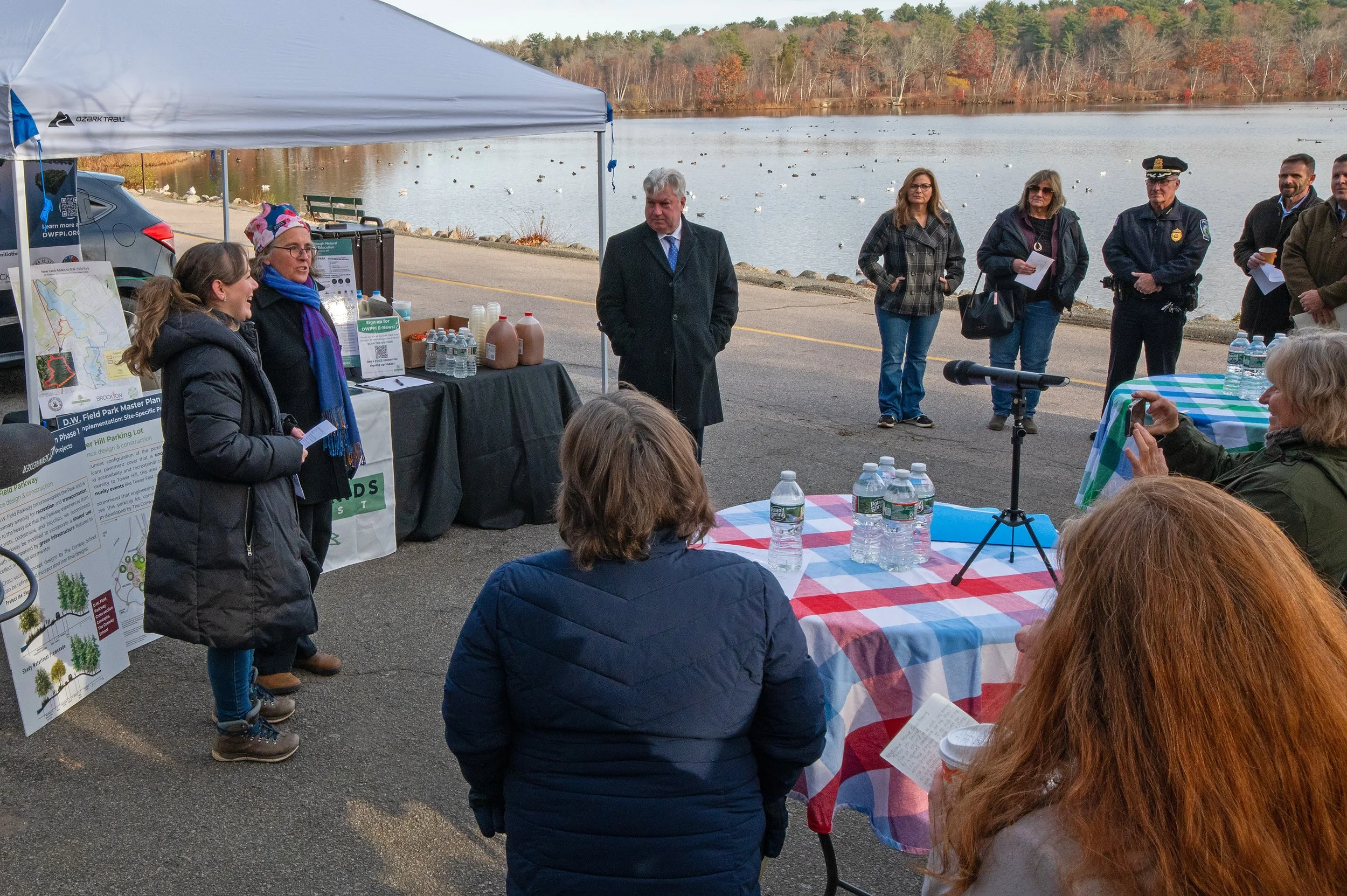
Wildlands Trust Chief of Staff Rachel Bruce and President Karen Grey thank project partners at the Fieldstone Preserve grand opening.
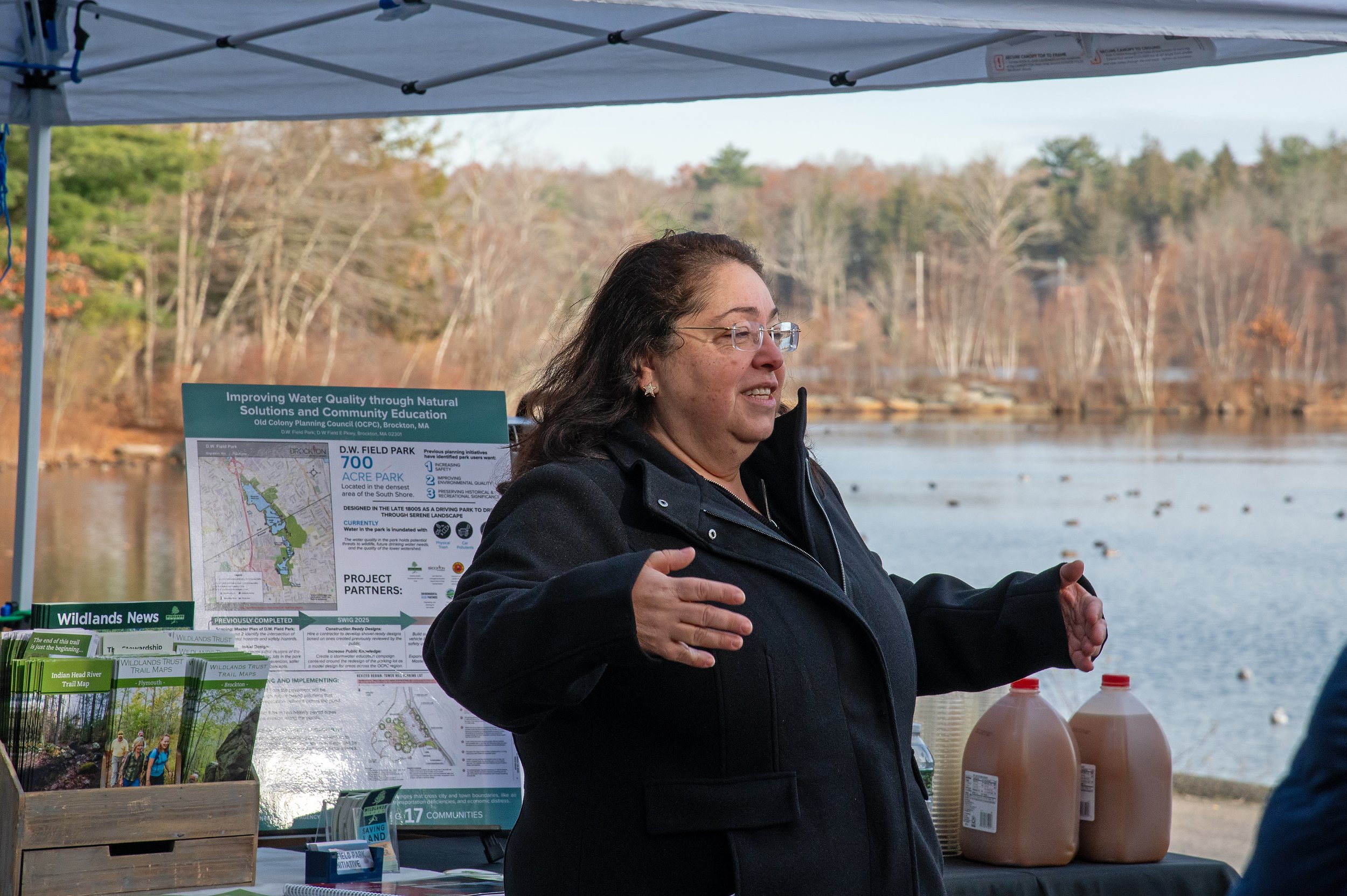
At the ceremony, Wildlands Trust Chief of Staff Rachel Bruce announced the award of $1.4 million in total funding for upcoming improvement projects at D.W. Field Park, including $860,000 from the MVP program for a shovel-ready roadway redesign; $425,000 from the state’s Parkland Acquisitions and Renovations for Communities (PARC) Program for the renovation of the Tower Hill parking area; and $100,000 from the EPA’s SNEP Watershed Implementation Grants (SWIG) for a stormwater management site. These projects will advance the mission of the D.W. Field Park Initiative, a collaboration launched by Wildlands Trust in 2022 to revitalize the park for people and planet.
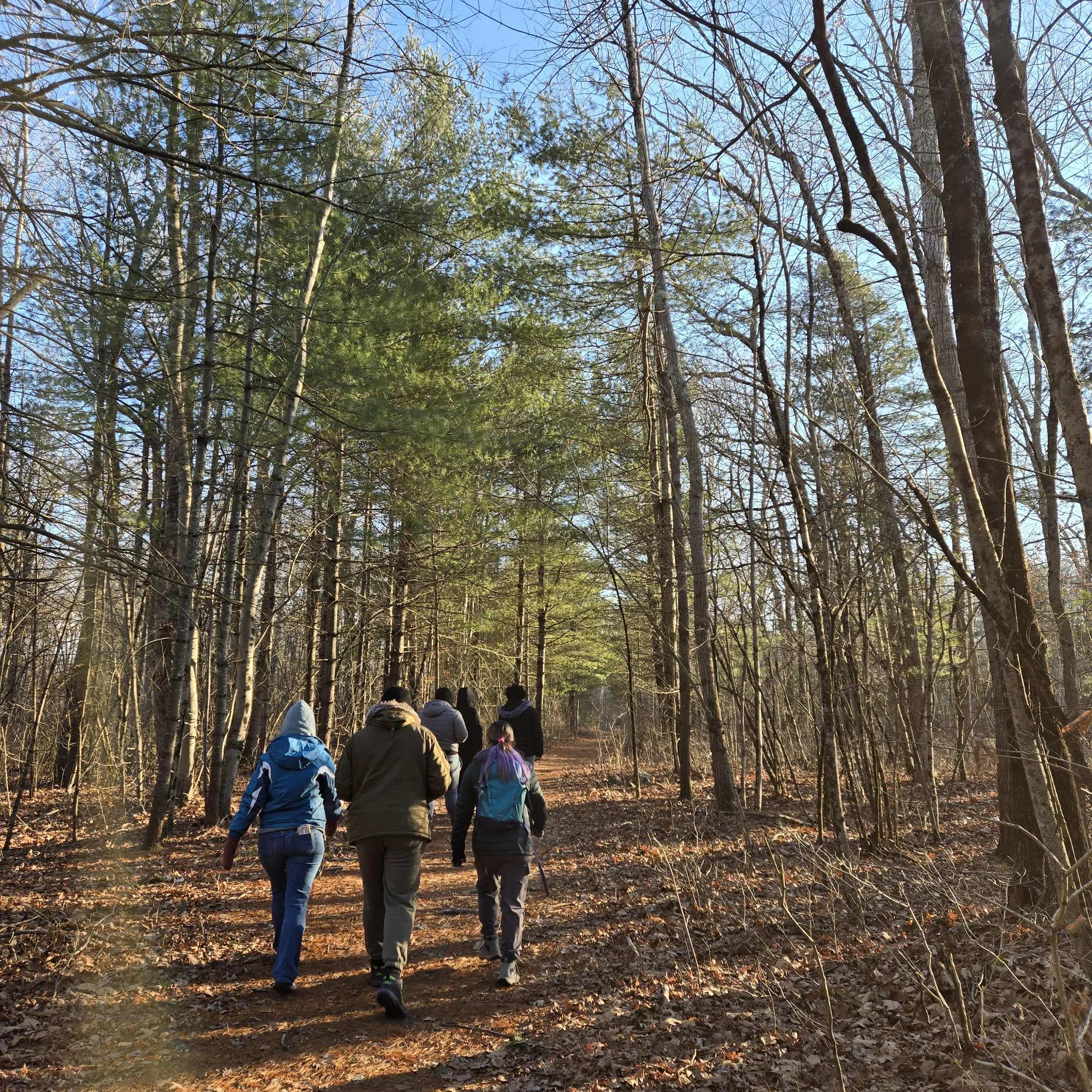
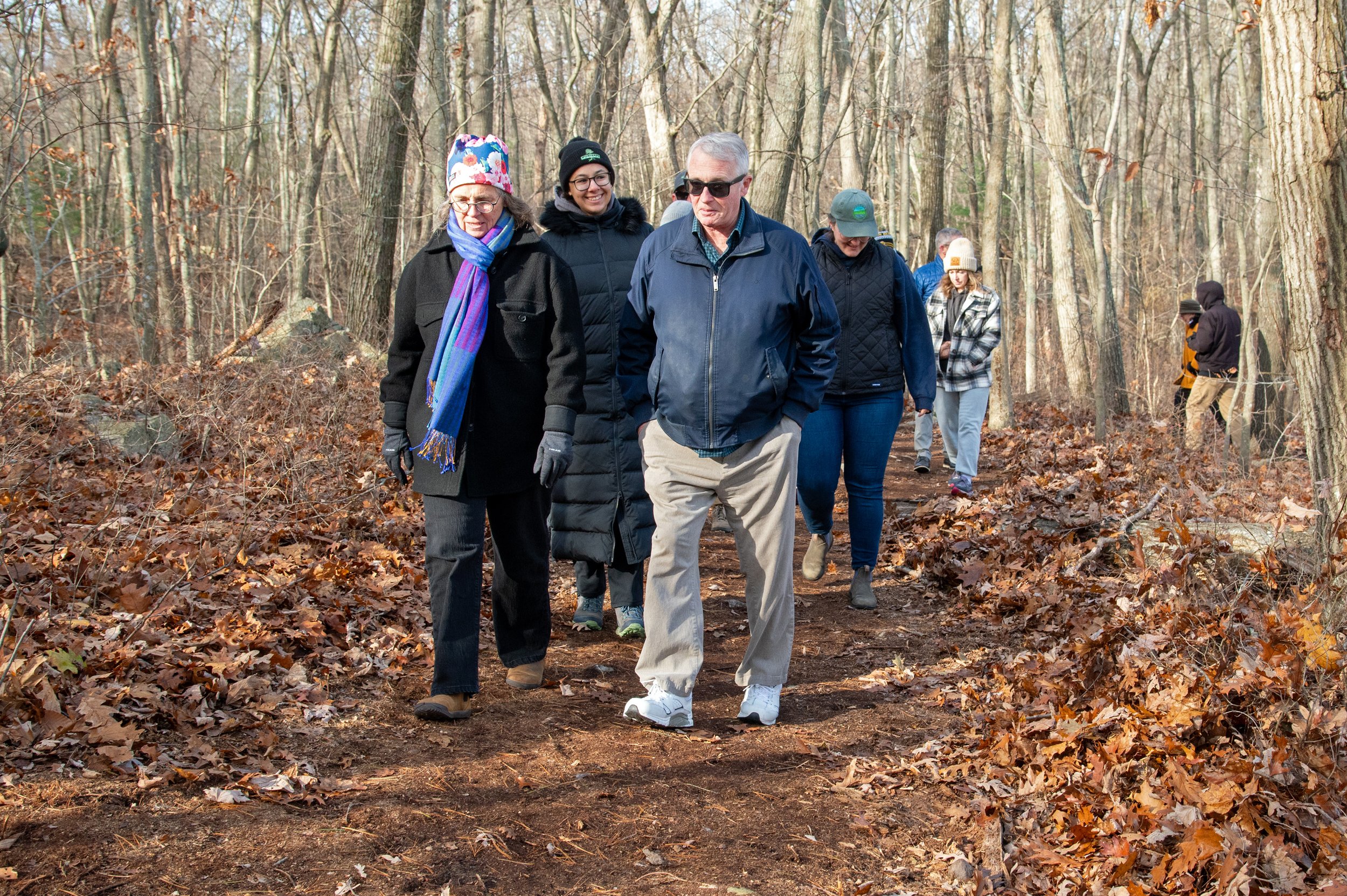
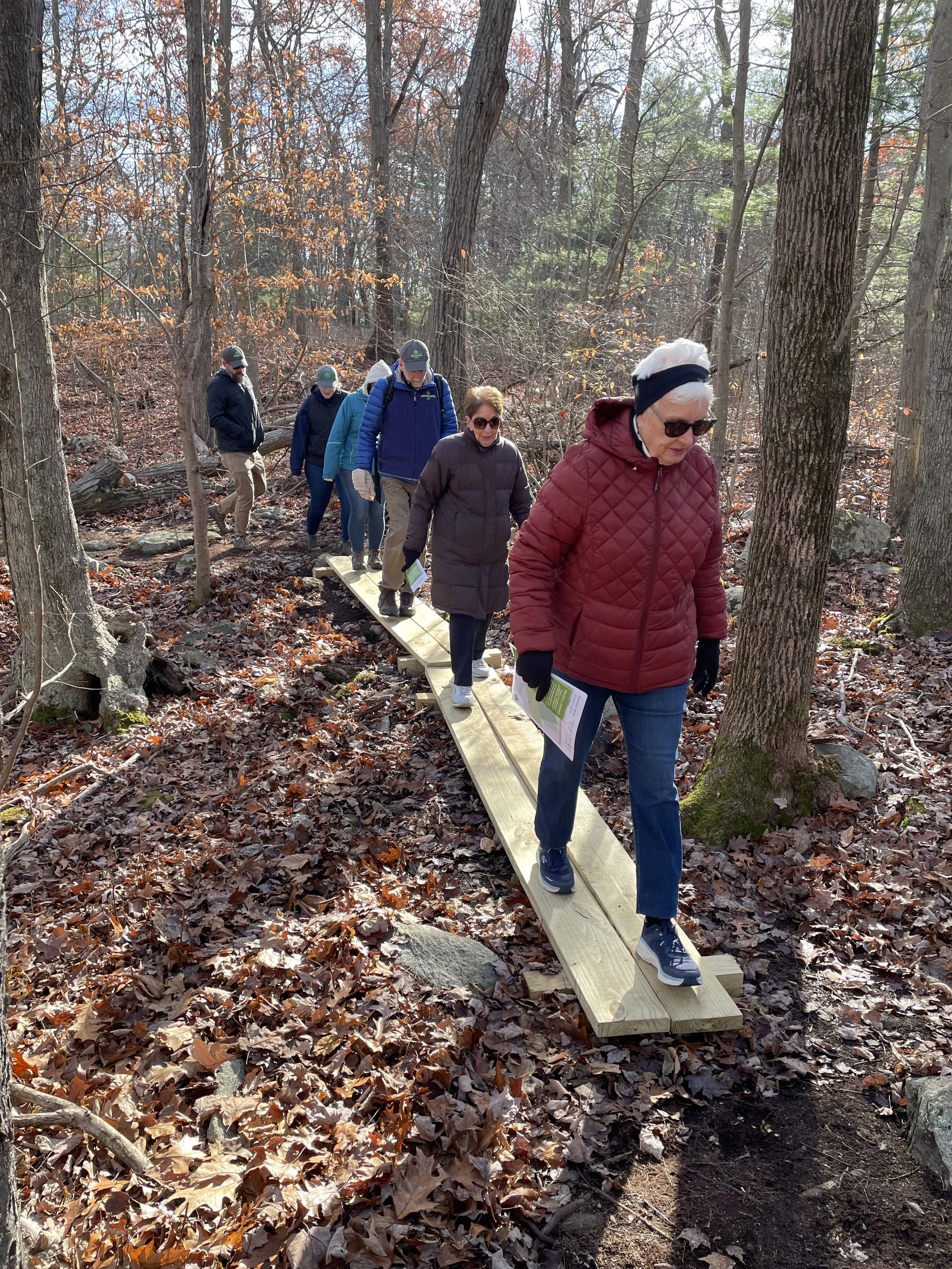
After the remarks, Selectwoman Coffey cut a ceremonial ribbon to officially open Fieldstone Preserve to the public. A public hike of the new trail ensued, guided by Wildlands Trust staff.
“D.W. Field Park already delivers so many benefits to people and wildlife,” said Wildlands Trust President Karen Grey. “We knew that the best way to expand these benefits was simply to expand the park. But in an urban environment, finding new land to protect is a tall order. We are grateful for the generosity of the Edwards family and the collaboration of the D.W. Field Park Initiative, which made this project possible.”
###
Wildlands Trust works throughout Southeastern Massachusetts to permanently protect native habitats, farmland, and lands of high ecologic and scenic value that serve to keep our communities healthy and our residents connected to the natural world. Founded in 1973, Wildlands Trust has protected more than 14,000 acres of vital lands across 59 cities and towns. For more information, visit wildlandstrust.org.
The D.W. Field Park Initiative aims to revitalize D.W. Field Park by improving recreational opportunities, accessibility, environmental health, and climate resiliency in Brockton and Avon’s largest public open space. Wildlands Trust launched the Initiative in 2022. Partners include the City of Brockton, Town of Avon, Old Colony Planning Council, D.W. Field Park Association, Environmental Partners, Manomet Conservation Sciences, Conway School, and Fuller Craft Museum. For more information, visit dwfieldparkinitiative.org.
Giving Tuesday: Support Our Brockton Youth Programs

UPDATE: Thanks to your generosity, we have raised $2,200 for our Brockton youth programs. There’s still time to help us meet our $5,000 goal! In addition to your annual giving, please consider supporting this campaign to build the next generation of environmental leaders.
There are so many causes worthy of your attention this Giving Tuesday and holiday season. Many charities give prospective donors one of two options: drive meaningful change today or make a lasting impact for the future. At Wildlands Trust, we ask: why not both?
By design, our work delivers both immediate and long-term benefits to the people and wildlife of Southeastern Massachusetts. We only invest in solutions that endure across landscapes and generations because we simply cannot afford to lose progress toward our vision of a healthy, beautiful, diverse, equitable, and resilient region for all.
Land protection is our highest-profile example of this strategy. But to truly realize and sustain our vision, we must always have people with the knowledge, skills, and passion to steward and advocate for our shared natural spaces. We can ensure this by providing youth with opportunities to explore nature early and often.
For over 10 years, Wildlands Trust has cultivated the next generation of local conservation leaders by engaging Brockton-area youth in community service and environmental learning. The Brockton High School Outdoor Club, formerly known as the Envirothon Team, is an after-school program that inspires students to explore nature and solve environmental problems together. In the summer, Brockton-area teens can pursue their interest in conservation through Green Team, a paid service-learning program primarily at D.W. Field Park. Both programs are co-led by Wildlands and Manomet Conservation Sciences. (Click here for a Green Team 2025 recap.)
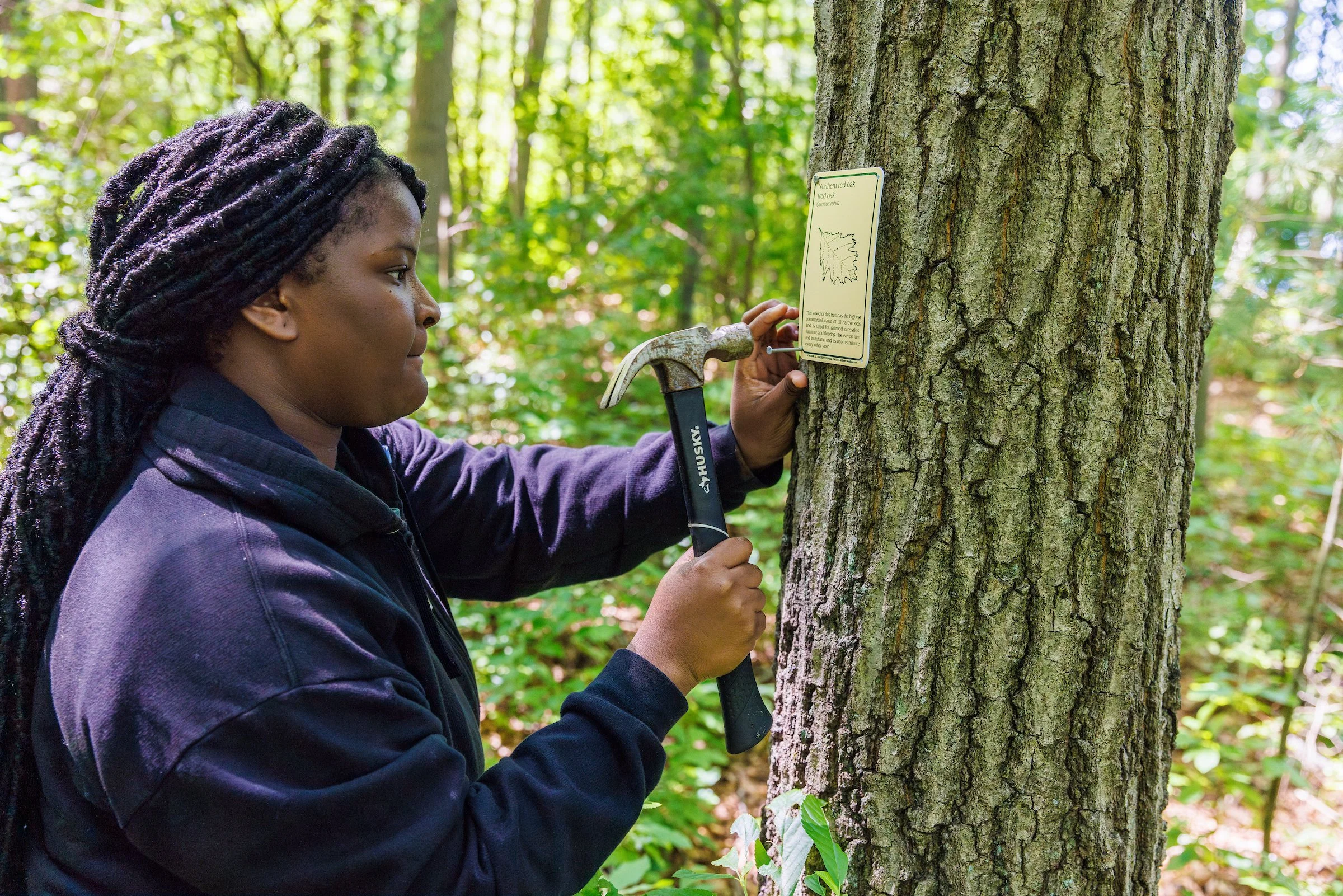
The impact of these programs is best told by the participants themselves. In a post-program survey, this summer’s Green Team members shared how the experience provided them with an immediate sense of accomplishment and an enduring sense of purpose:
“It had a big influence on what I wanted to do. It made me want to pursue a career in something involving the outdoors.”
“I was most proud of making my community cleaner and better for others. Hopefully it sets an example for others around me.”
“I learned to be brave, resilient, and a bit more outgoing.”
This Giving Tuesday, please consider donating in support of our Brockton youth programs. Our goal is to raise $5,000. Together, we can expand our investment in the next generation of environmental leaders, for the benefit of us all.
D.W. Field Park Initiative Awarded State MVP Grant
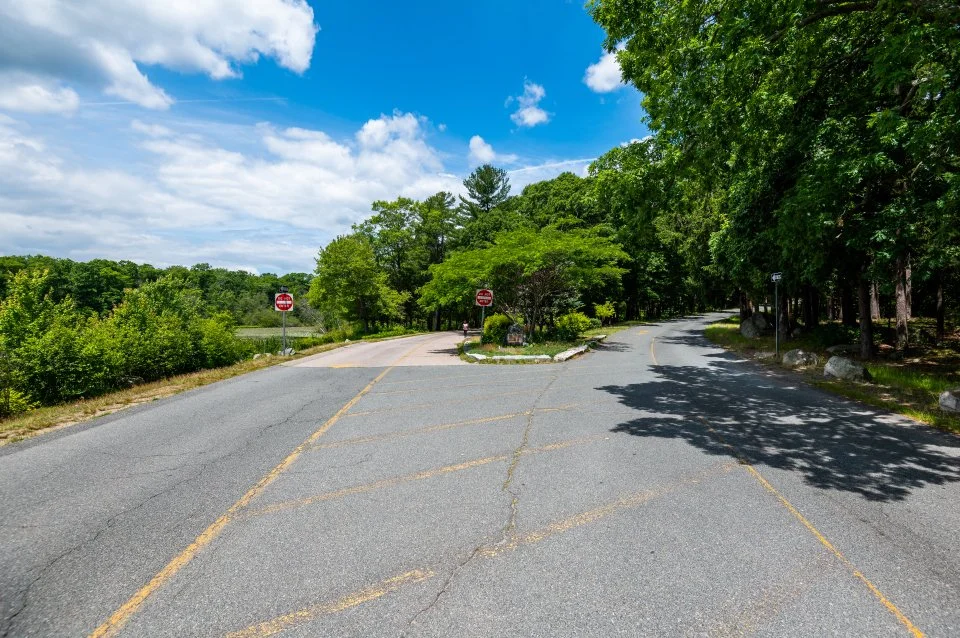
D.W Field Park in Brockton and Avon.
By Sam Butcher, D.W. Field Park Initiative Project Coordinator
On October 9, Lieutenant Governor Kim Driscoll and Undersecretary of Decarbonization and Resilience Katherine Antos announced the award of nearly $30 million in Massachusetts Municipal Vulnerability Preparedness (MVP) grants. Nearly $860,000 of these funds were awarded to the City of Brockton to promote climate resilience at D.W. Field Park. The award represents a significant step forward for the D.W. Field Park Initiative, which Wildlands Trust has led since 2022. Work under this grant will advance recommendations of the D.W. Field Park Master Plan, which Wildlands authored in 2024 in partnership with many stakeholders, including the City.
Rachel Bruce, Wildlands’ Chief of Staff and a lead author of the plan, is pleased with the progress. “The Master Plan generated a long list of improvement projects, requiring a lot of time, effort and money,” she said. “We’re grateful to the MVP program for funding the first major project since the plan’s release last year and look forward to continuing to work with the City of Brockton and our Initiative partners.”
D.W. Field Park, owned by the City of Brockton, spans over 700 acres and includes seven ponds and six miles of multiuse trails. It provides access to nature for over 200,000 residents. Projects outlined in the Master Plan range from redesigning the roadway to increasing accessibility for all residents. Projects will lead to safer roadways, greater recreation and trail access, and improved environmental conditions. Specifically, this MVP grant will fund the redesign of D.W. Field Parkway, which circumnavigates the park, with nature-based solutions to stormwater management. As climate change brings more frequent and intense storms to the park, increased stormwater runoff poses a risk to the health of the park’s ponds and lakes. Work will include land surveying, permitting, and construction-ready design plans.

Existing infrastructure empties stormwater from D.W. Field Parkway directly into open water bodies in the park.
“This is a big step forward for the Initiative,” Rachel Bruce added. “The Parkway is integral to both the user experience and environmental health of the park, and we have the opportunity to create a design that serves both needs. The community has repeatedly told us to fix the road, so that’s what we’re doing first.”
This award marks the second MVP grant for the D.W. Field Park Initiative. In 2023, the Town of Avon earned $1.5 million to purchase Fieldstone Preserve, 30 woodland acres adjacent to D.W. Field Park. New trails at Fieldstone Preserve will be introduced later this fall.
Read the press release from the Healey-Driscoll Administration here. Learn more about the D.W. Field Park Initiative and sign up for email updates here.
Green Team 2025: Brockton Youth Serve, Learn & Earn

A Green Team member builds a bench for the outdoor classroom at Raymond Elementary School in Brockton.
By Amy Burt, Programming Coordinator
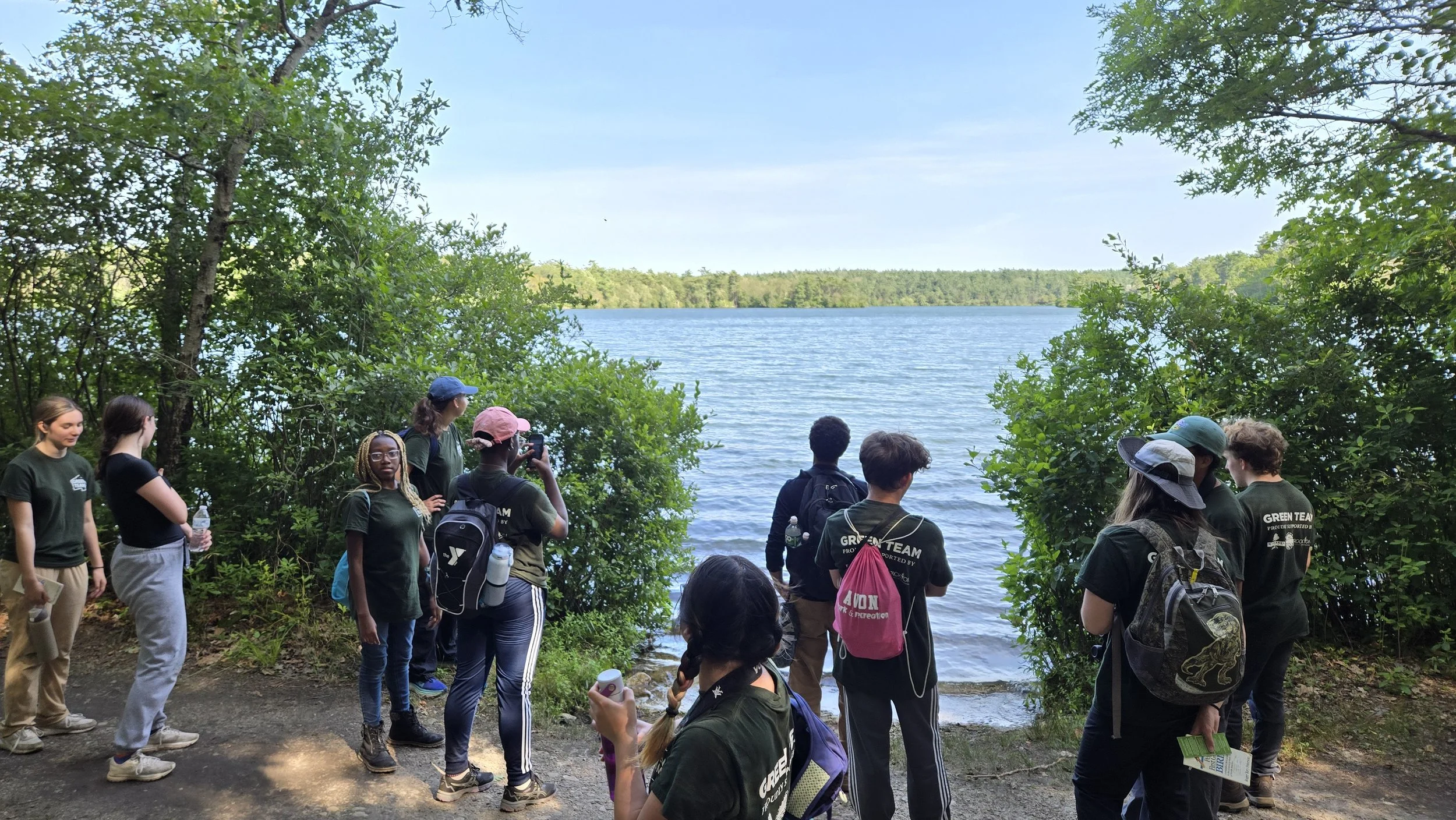
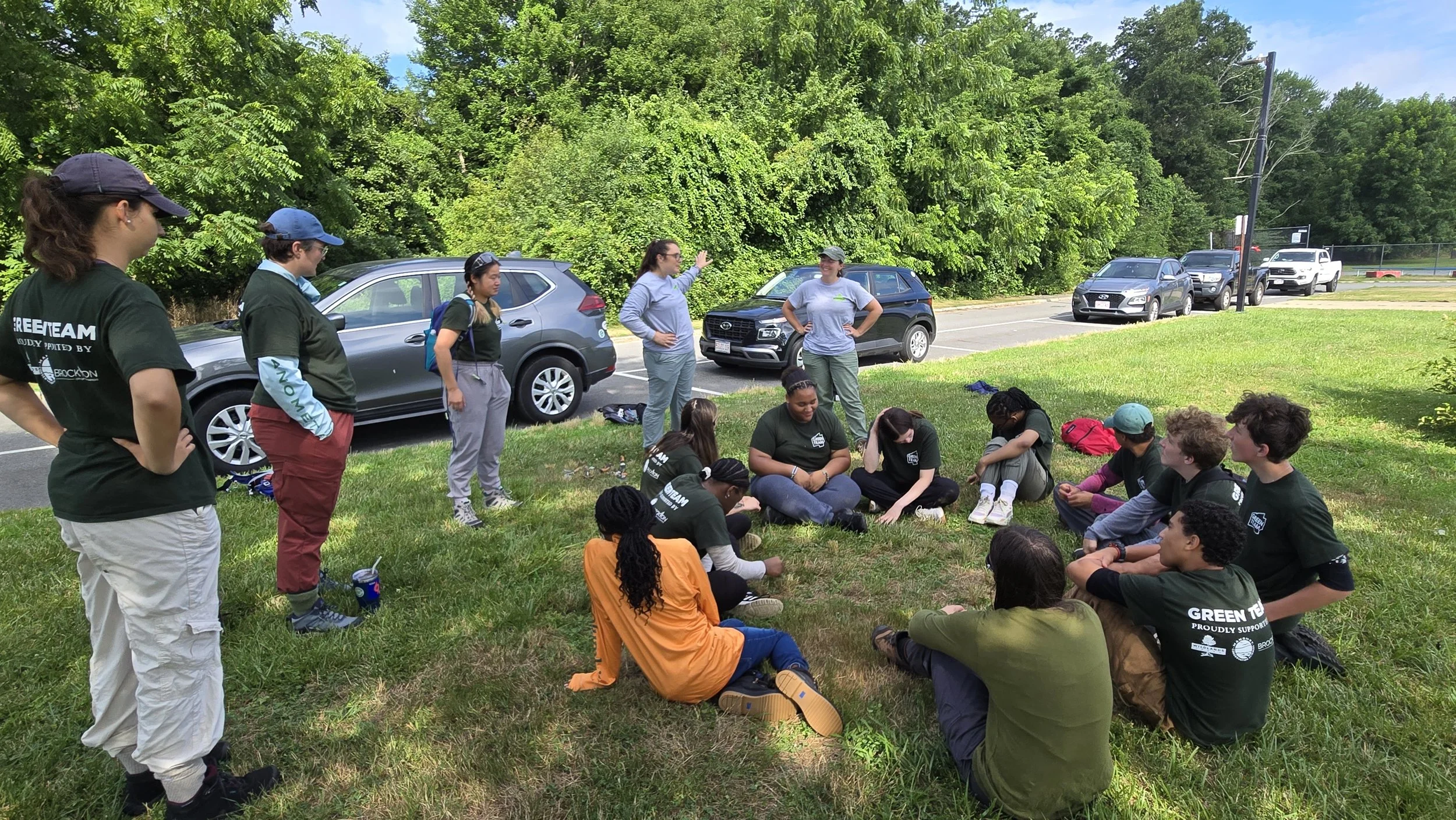
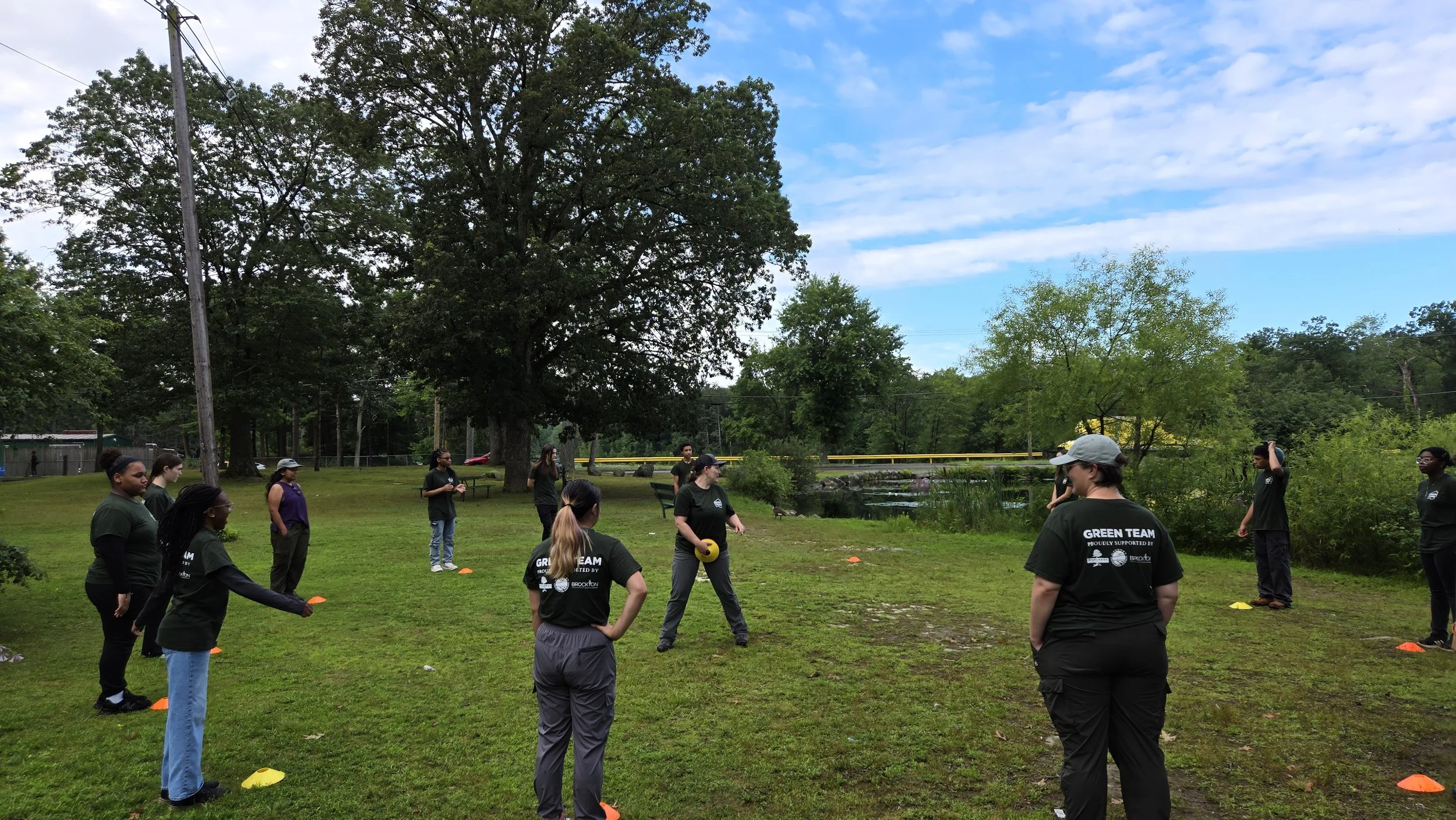
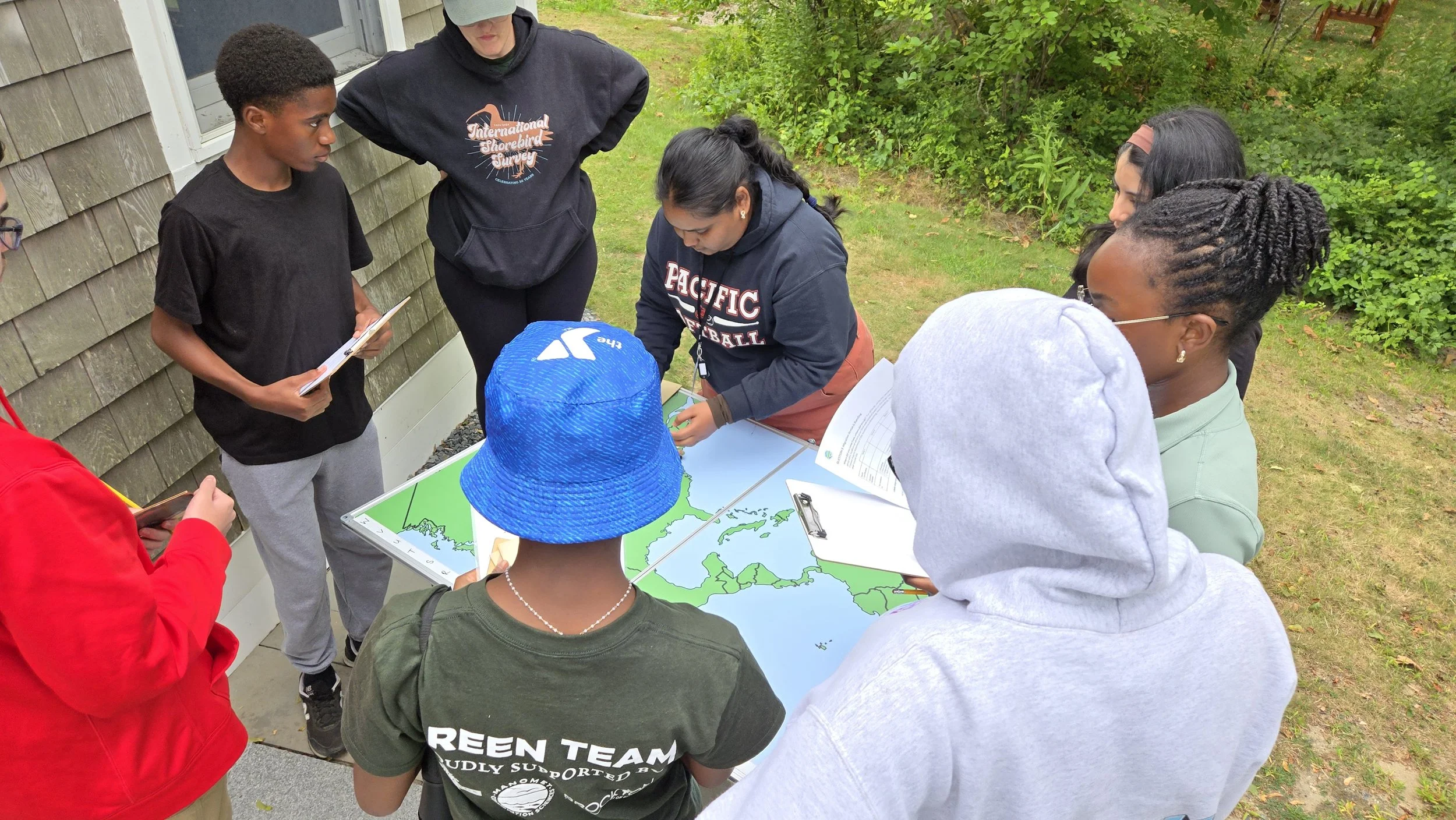
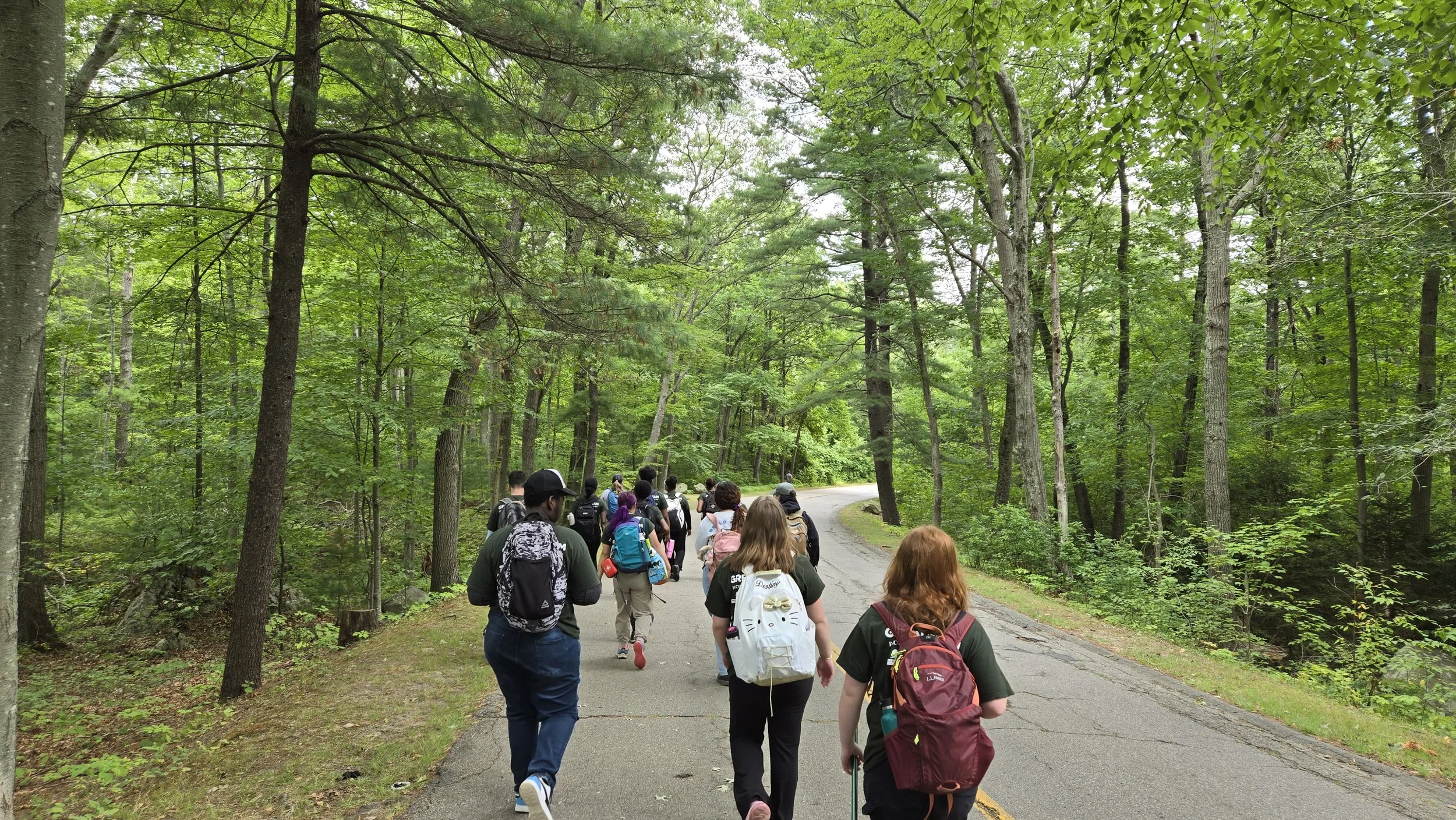
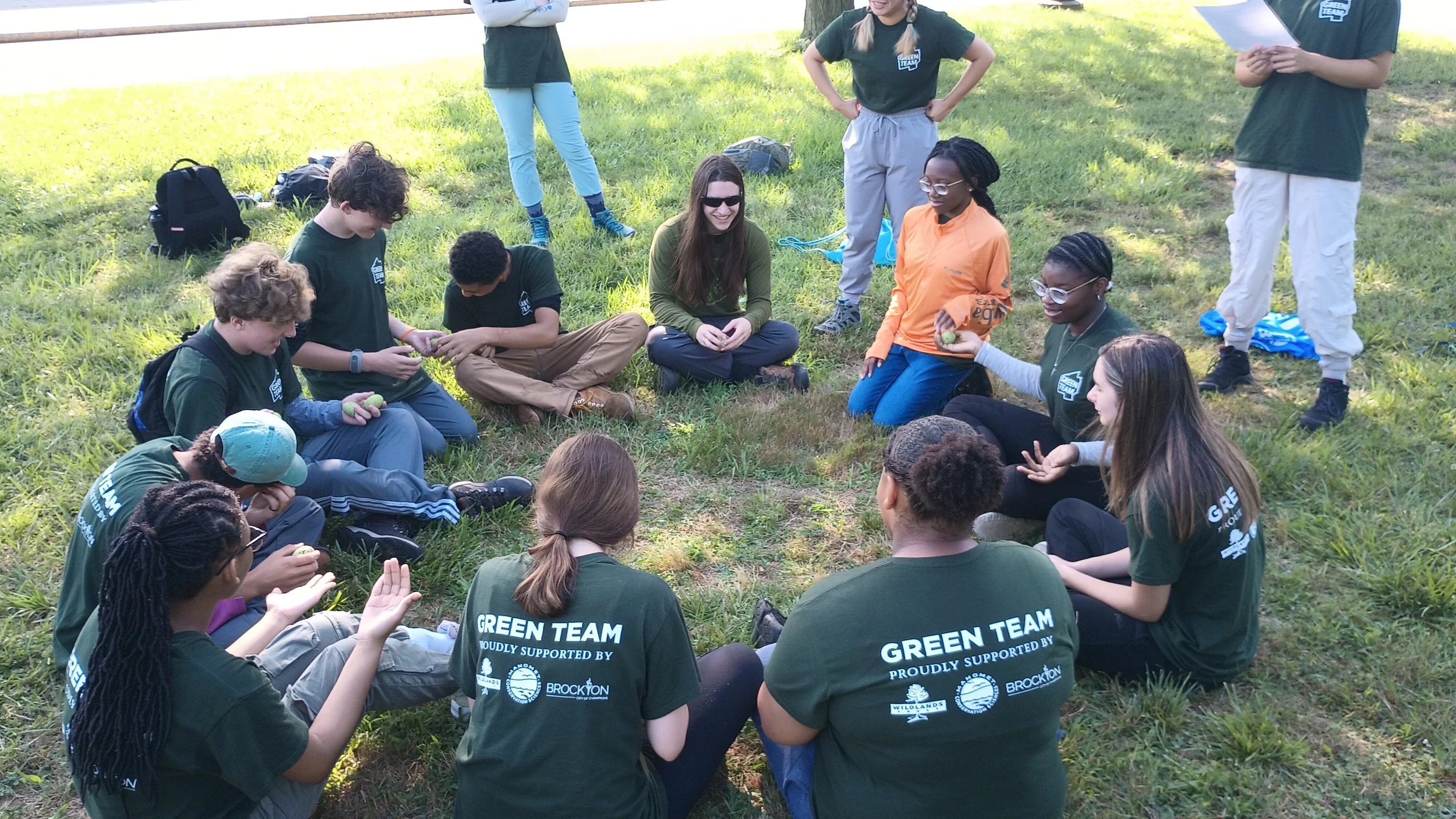
Green Team returned to Brockton for a fourth summer in 2025 to work on projects at D.W. Field Park and the surrounding area. Wildlands Trust and Manomet Conservation Sciences sponsor, design, and lead Green Team to engage Brockton-area high school students in conservation service-learning.
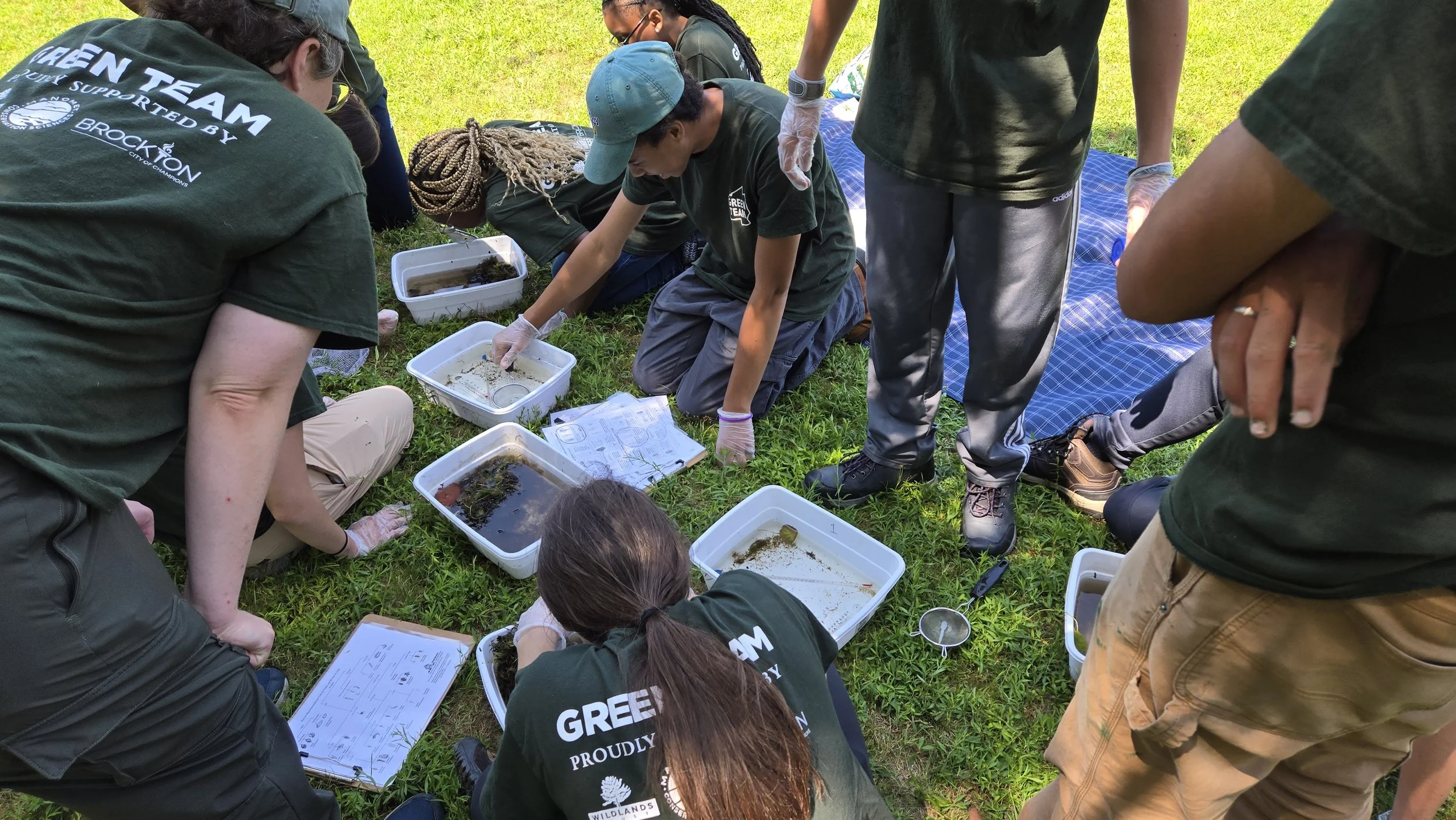
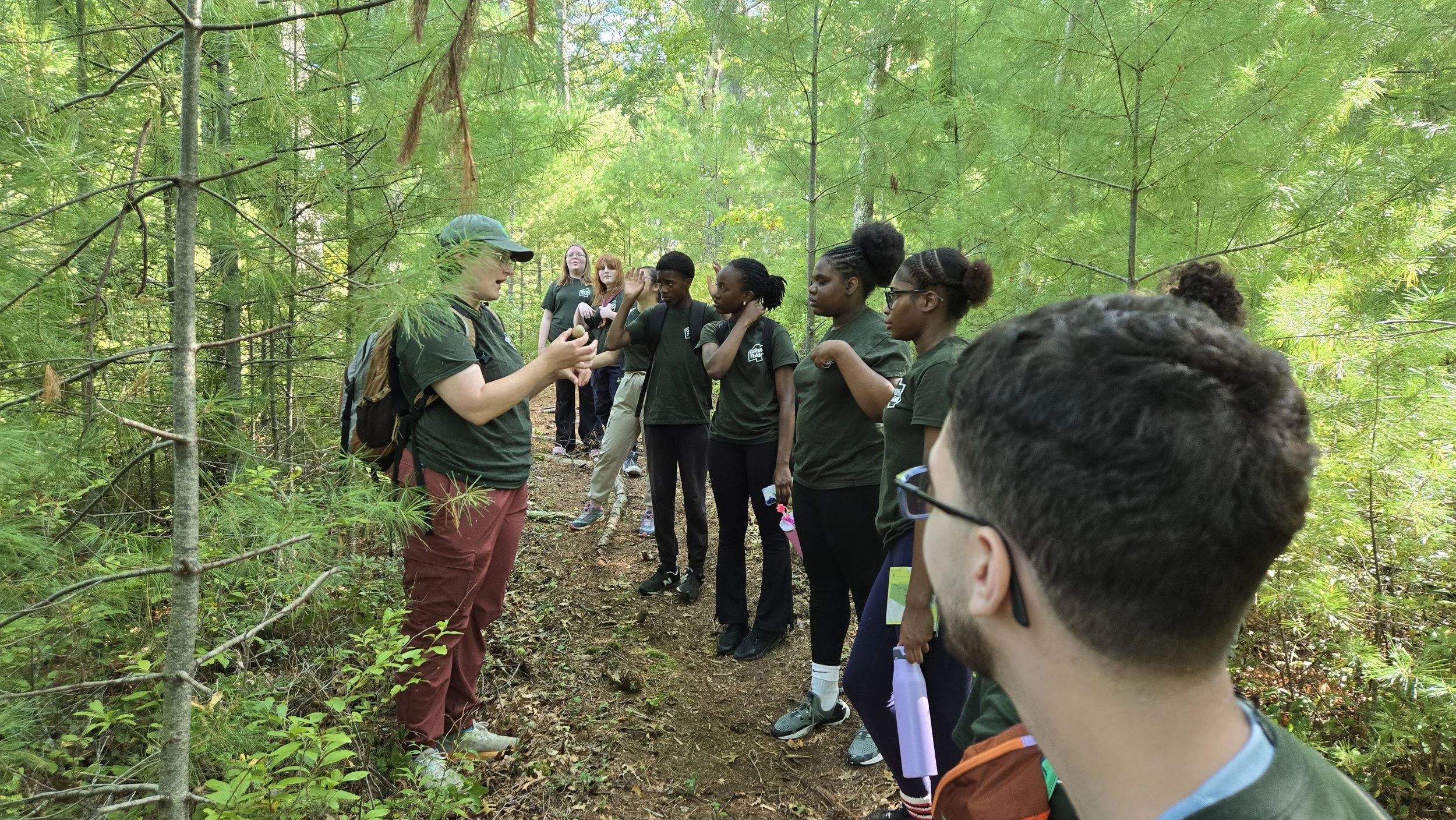
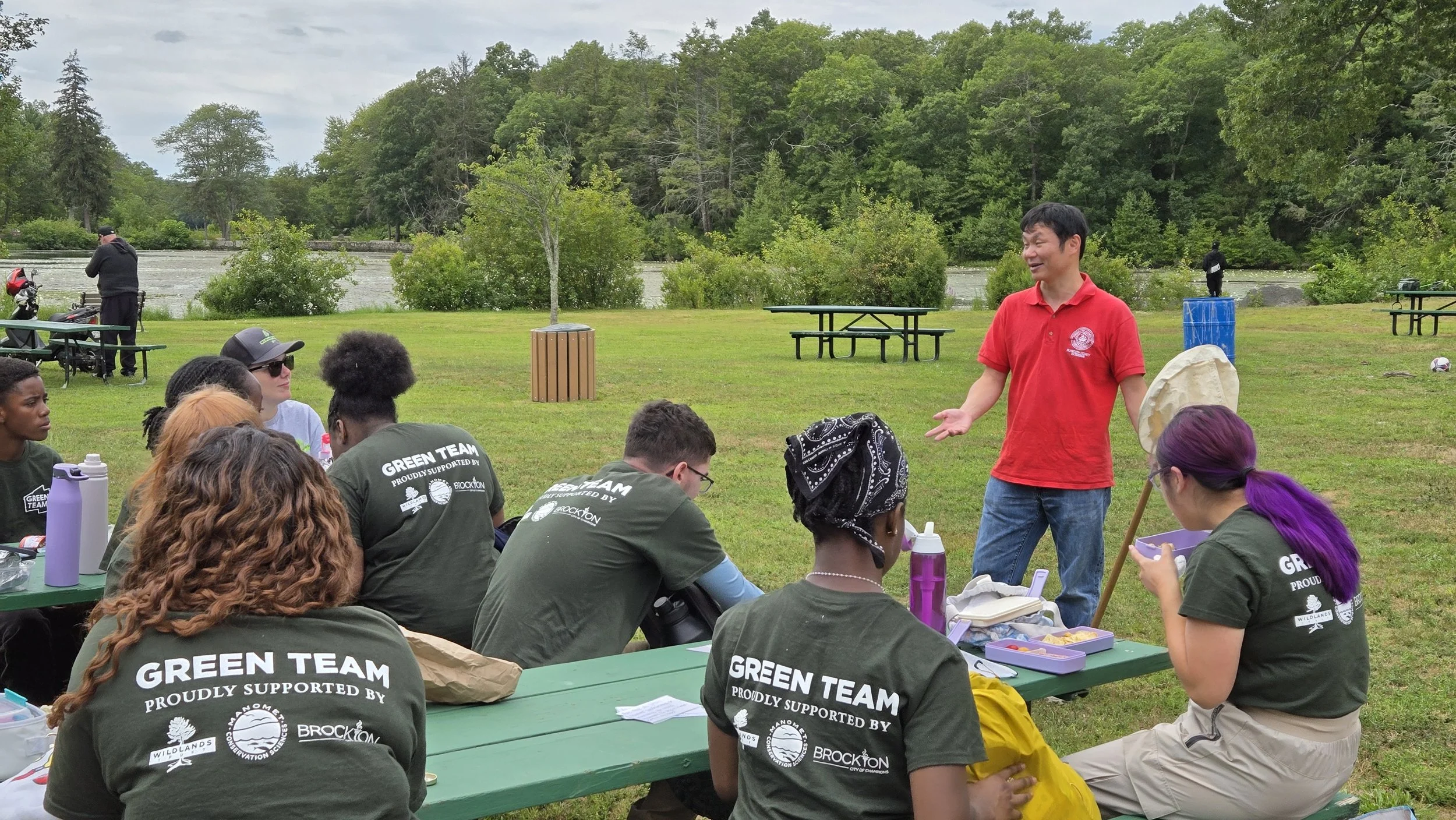
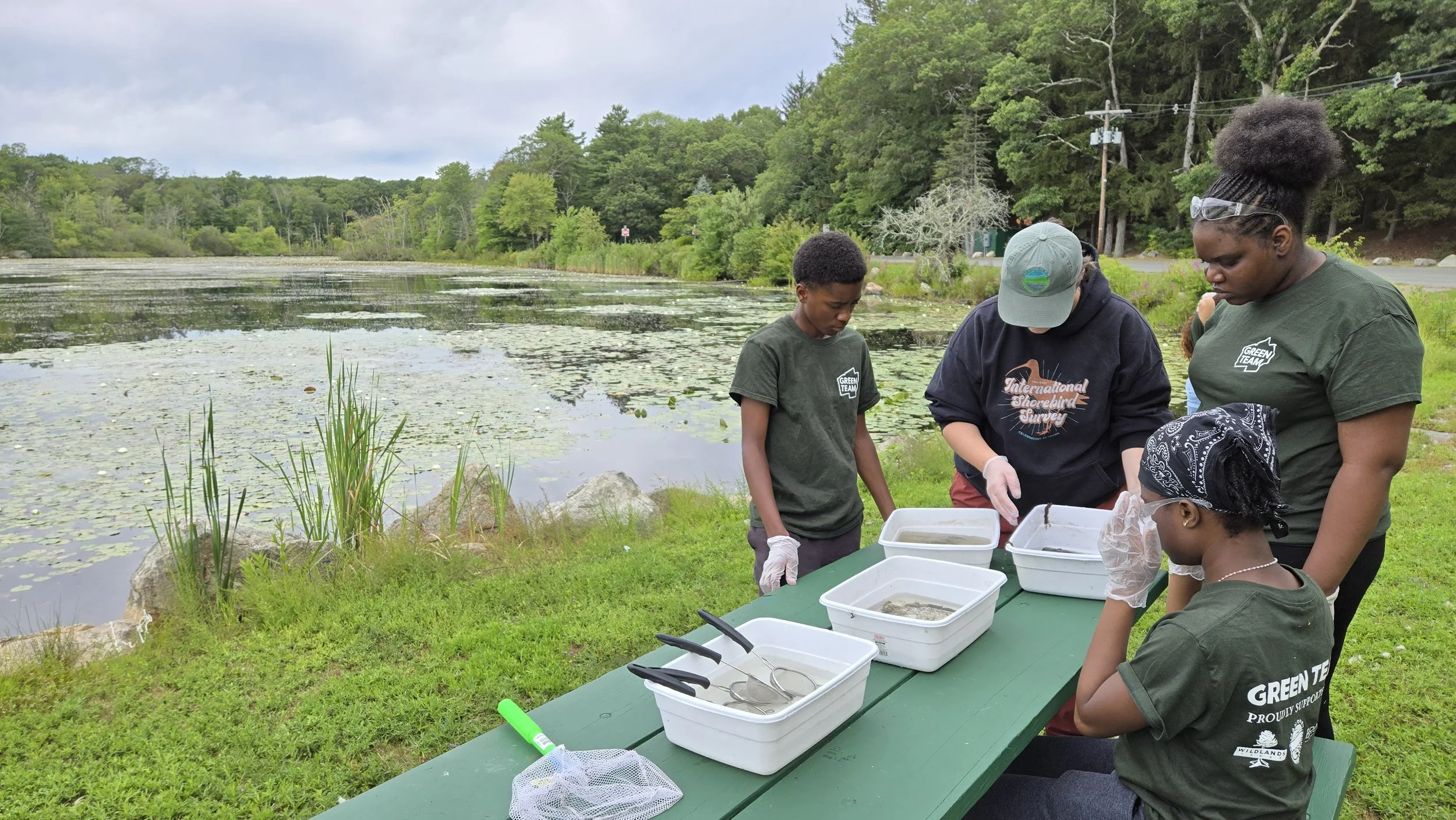
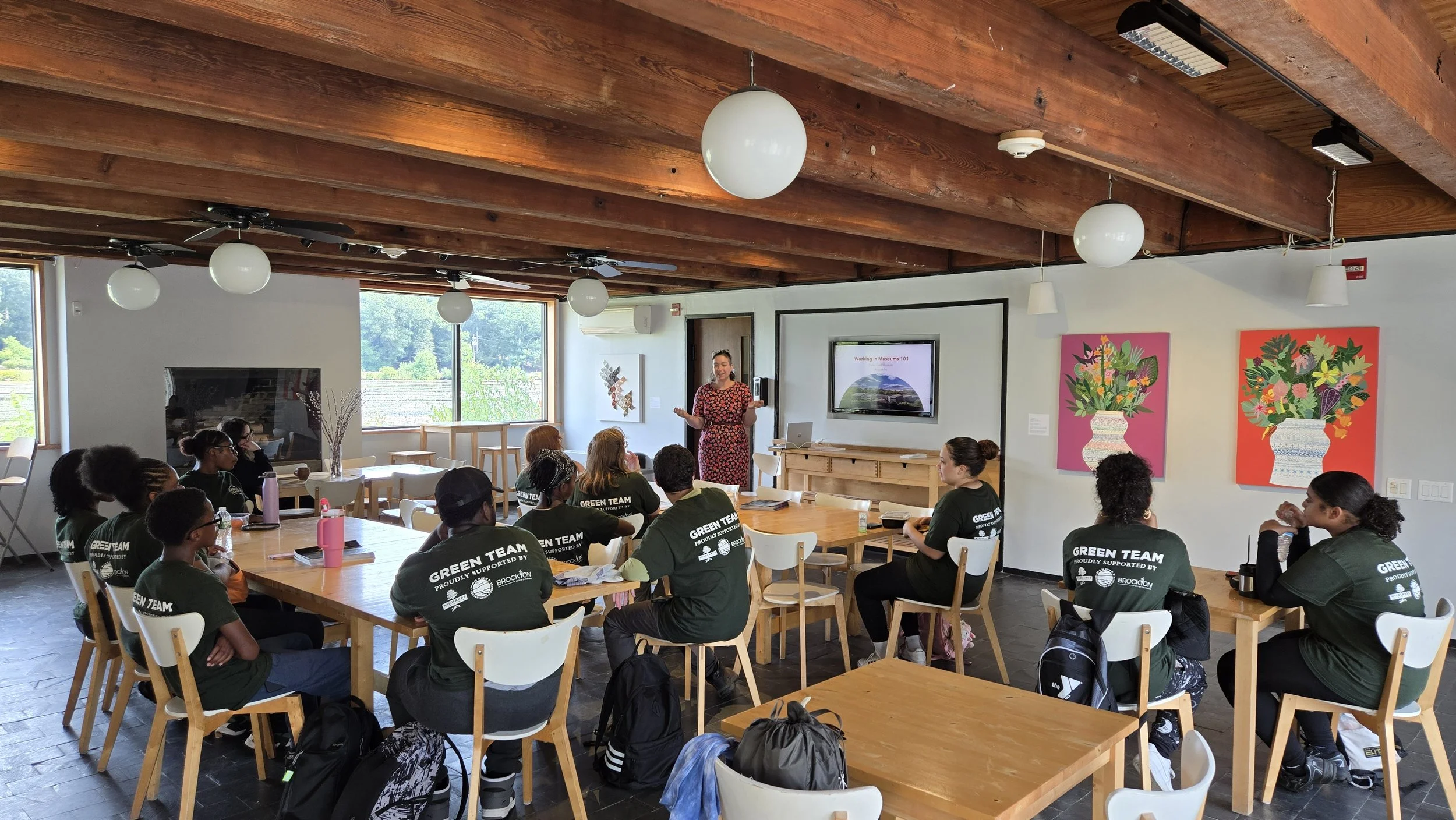
Green Team crewmembers acquire skills in environmental management while learning about the city’s natural resources. Daily discussions with local professionals expose them to diverse career opportunities. Participants earn a stipend of $70 per day.
This year’s program garnered greater interest than last year, with 42 students applying. We were able to accommodate more crewmembers this year by offering two sessions of Green Team, one in July and the other in August. In total, 23 teens participated.

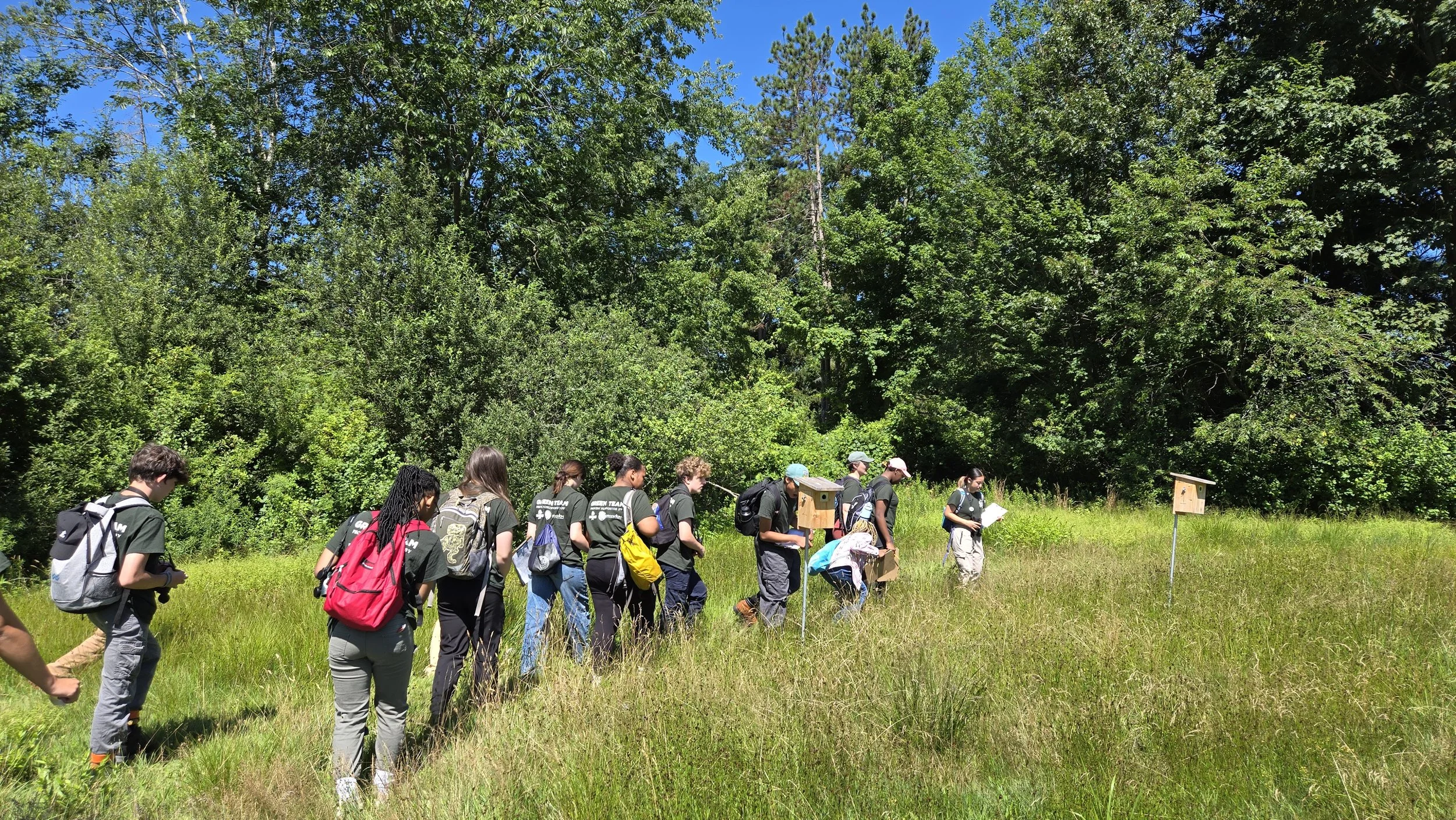
Green Team monitors birdboxes at D.W. Field Park in Brockton.
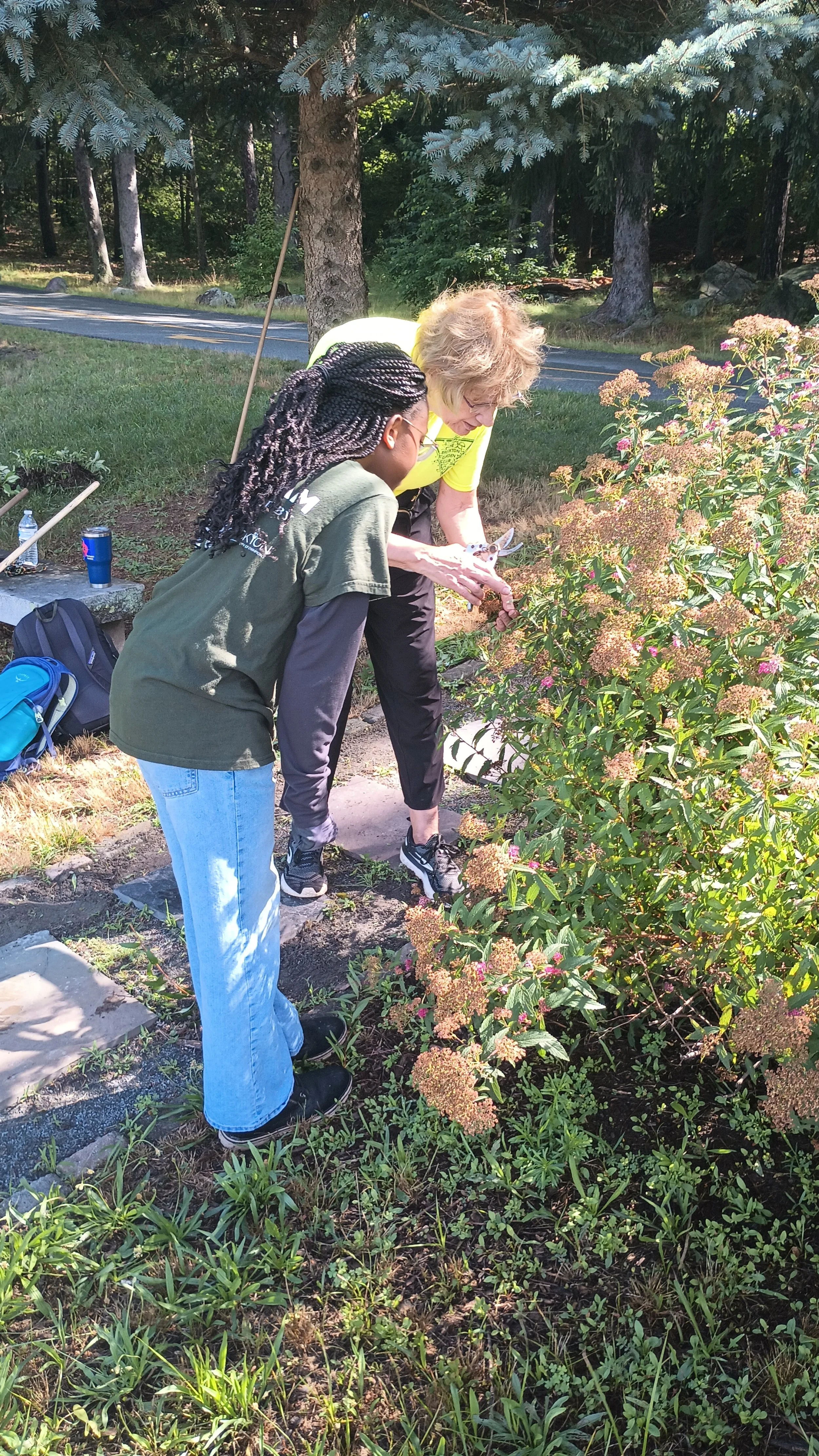
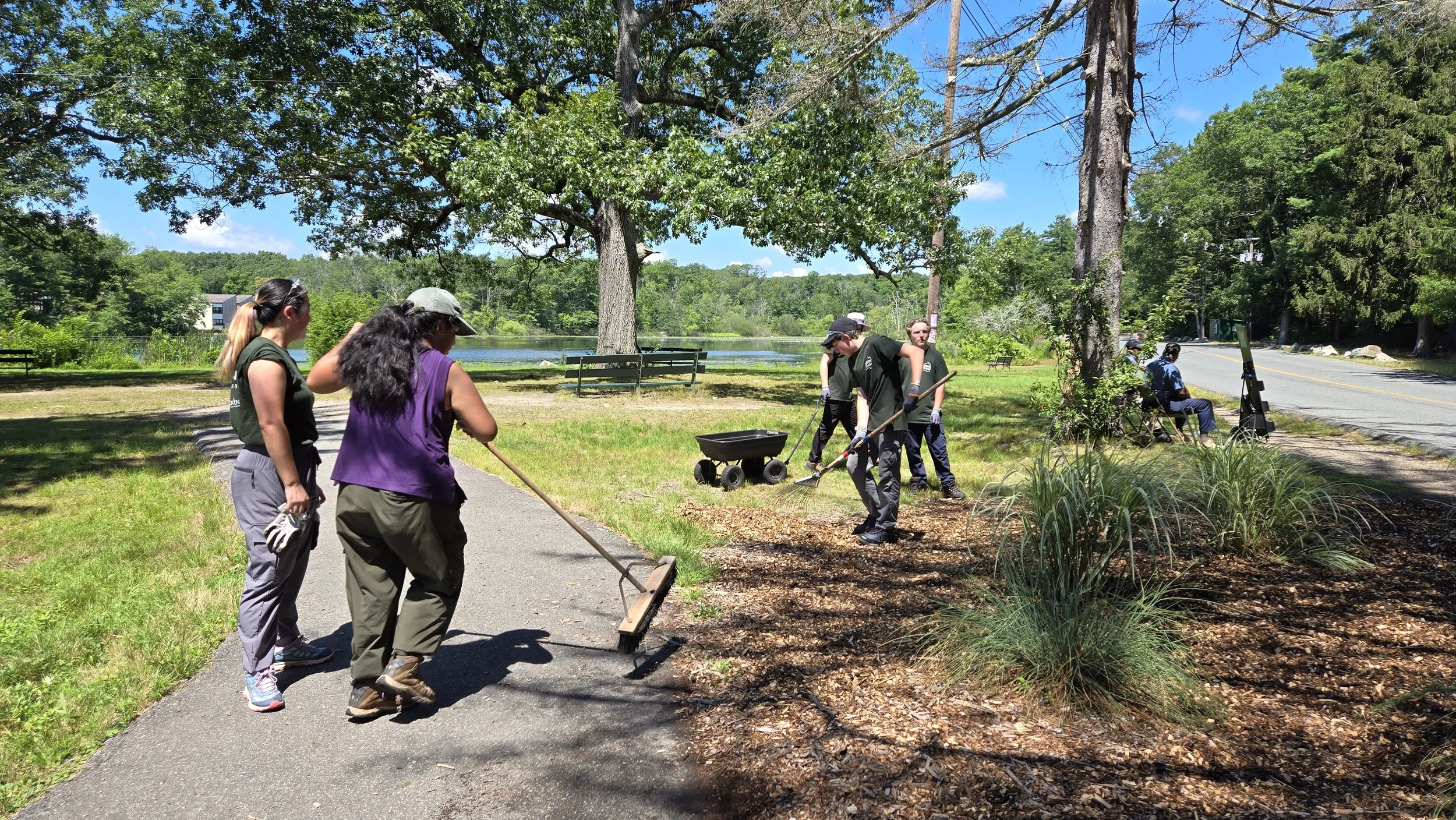
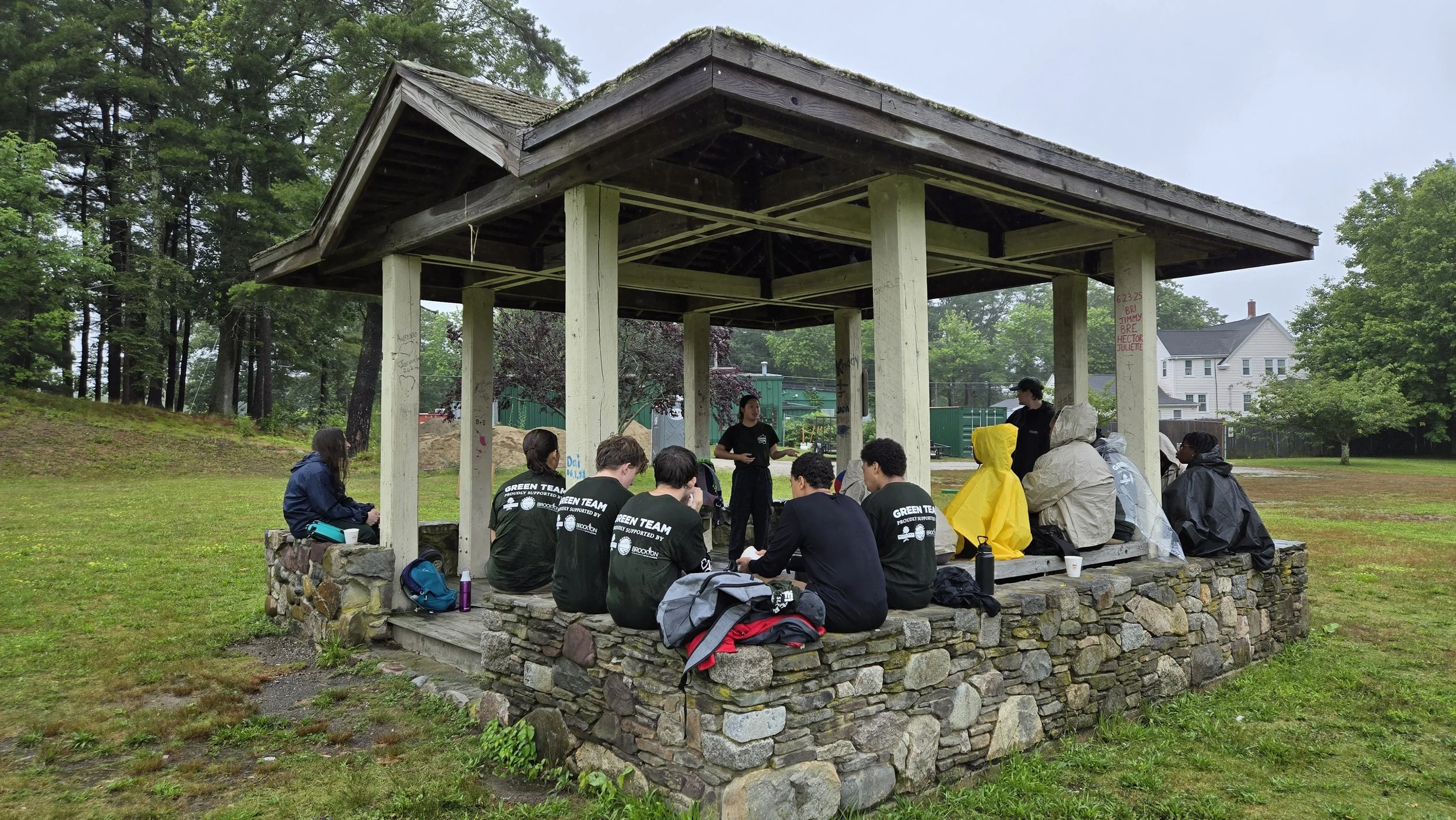
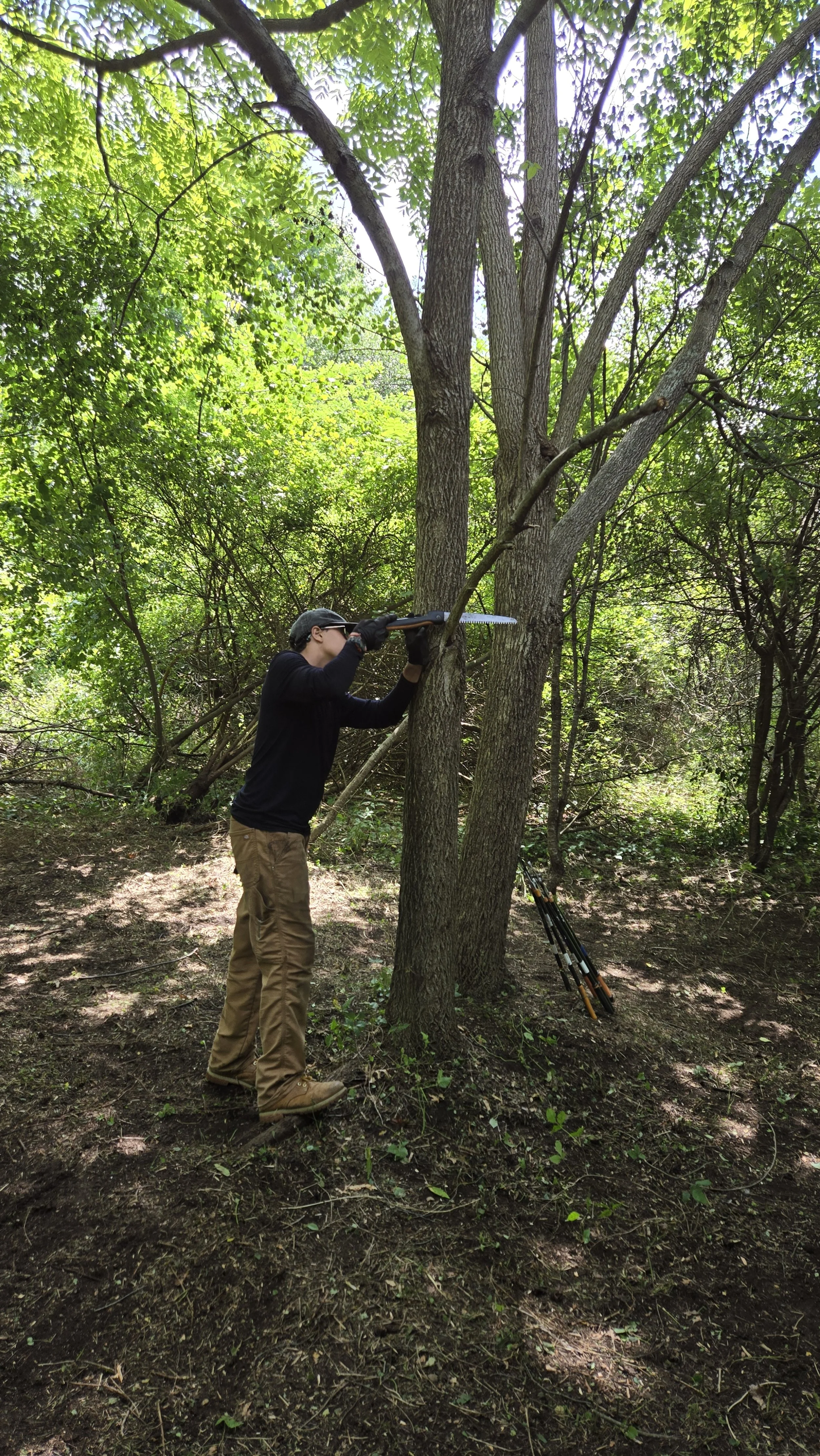
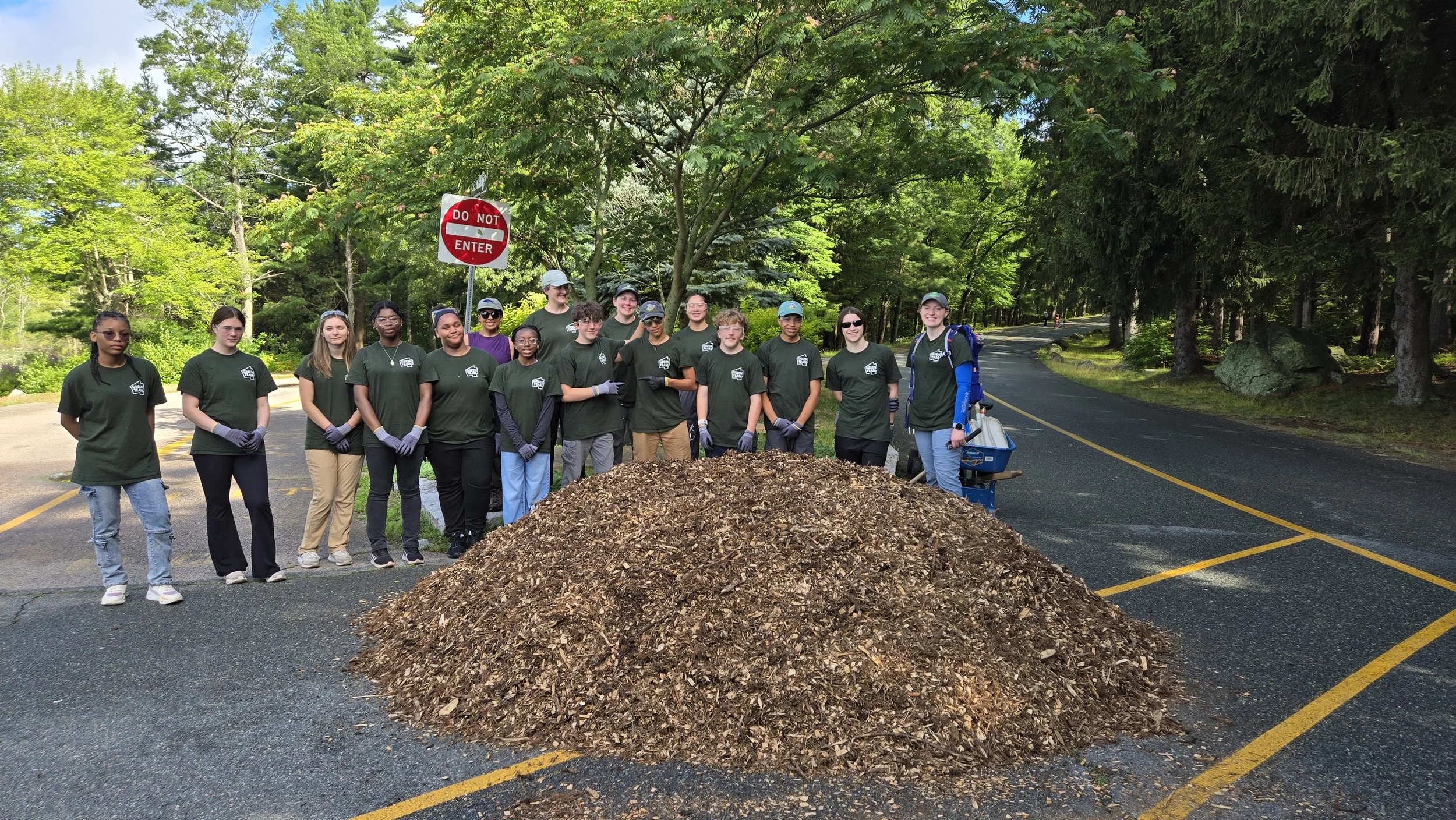
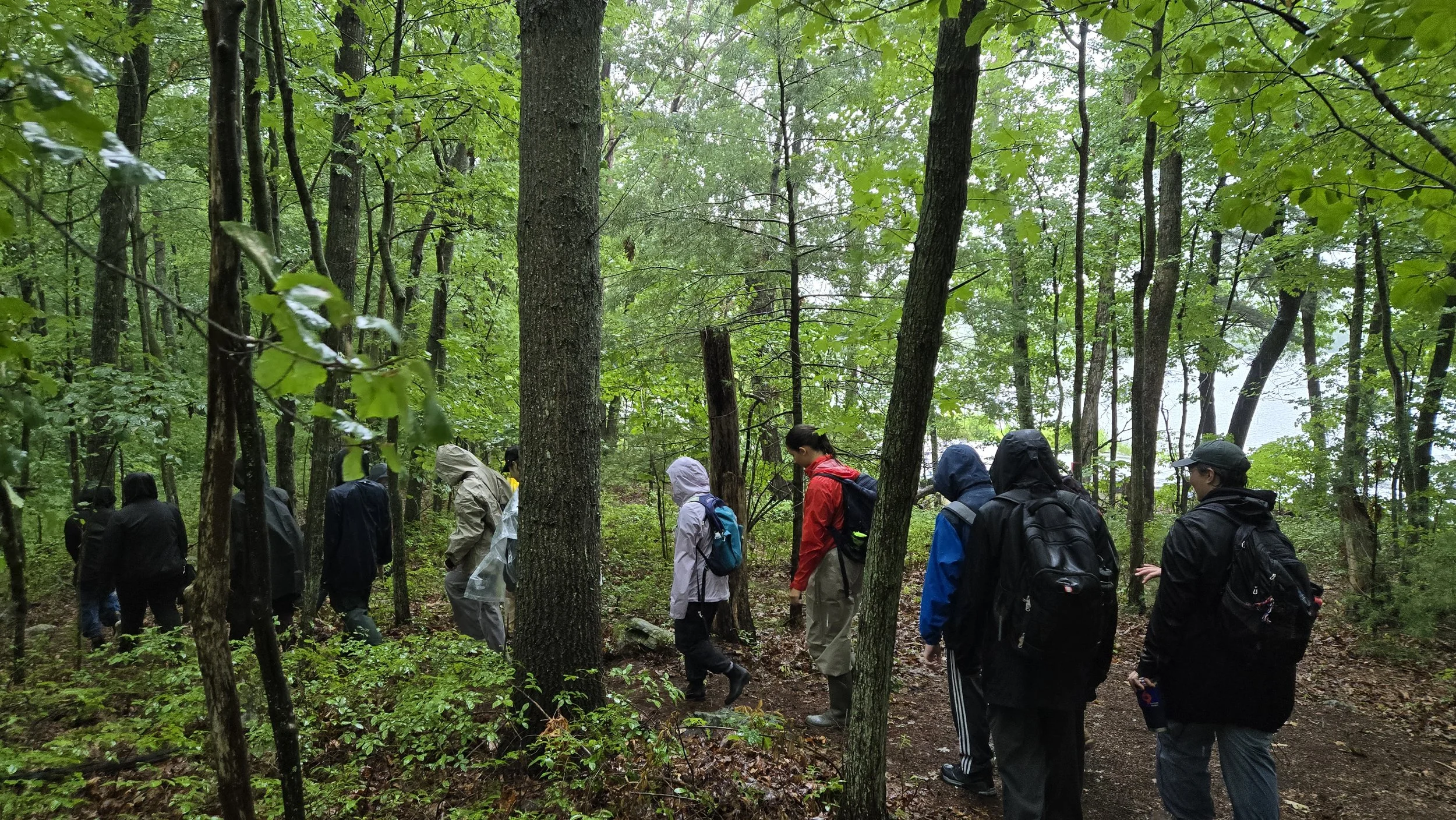
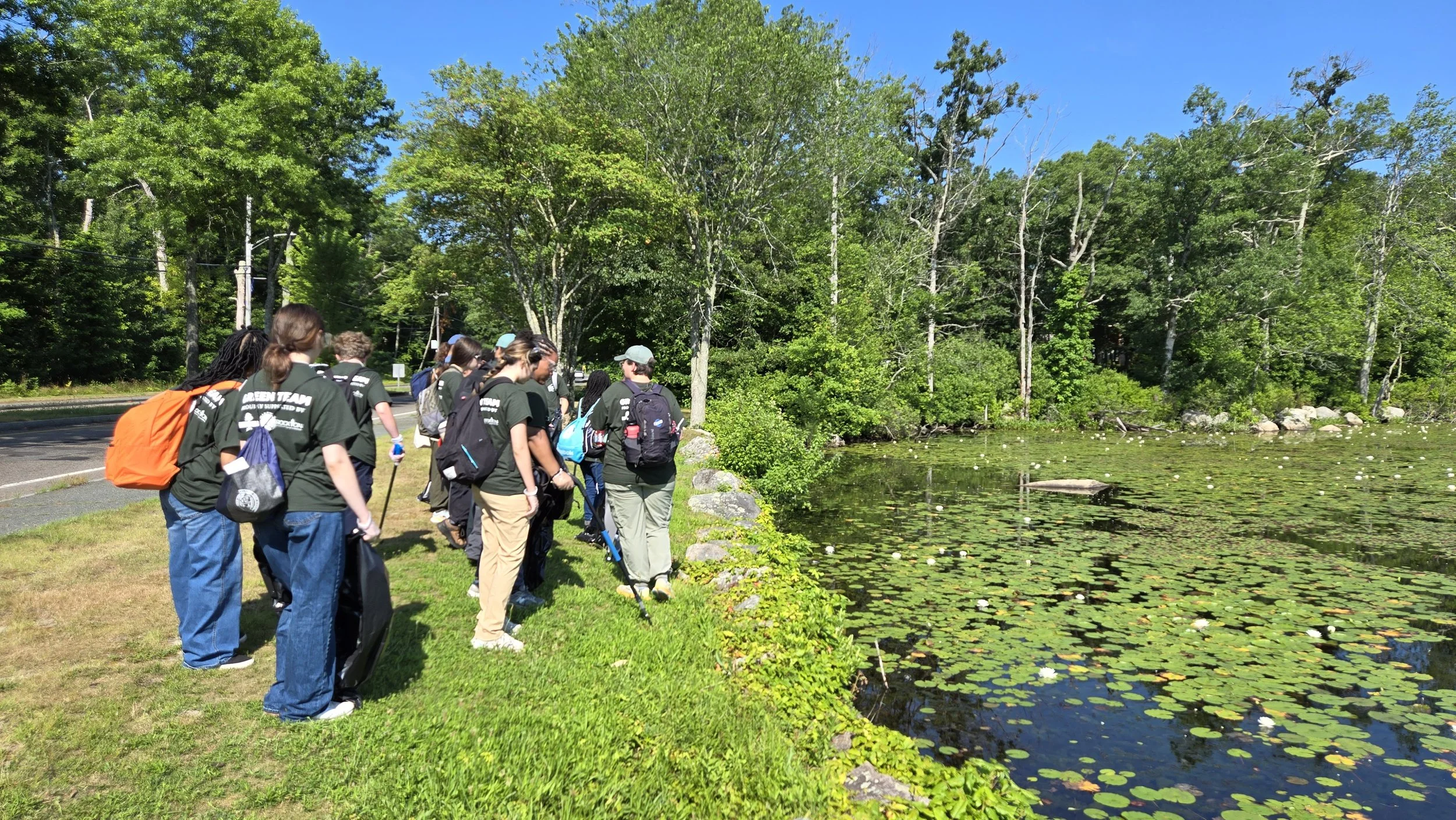
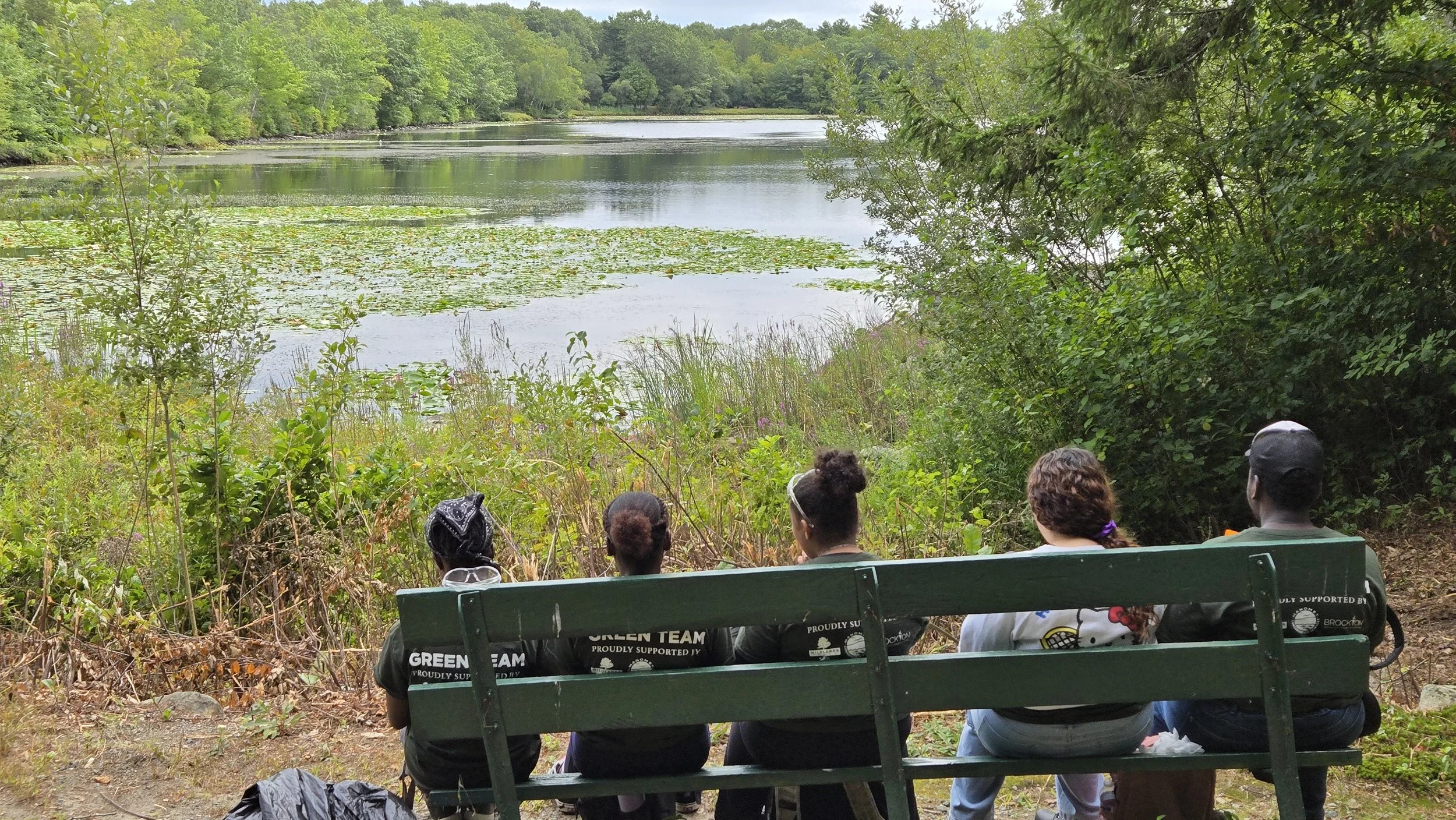
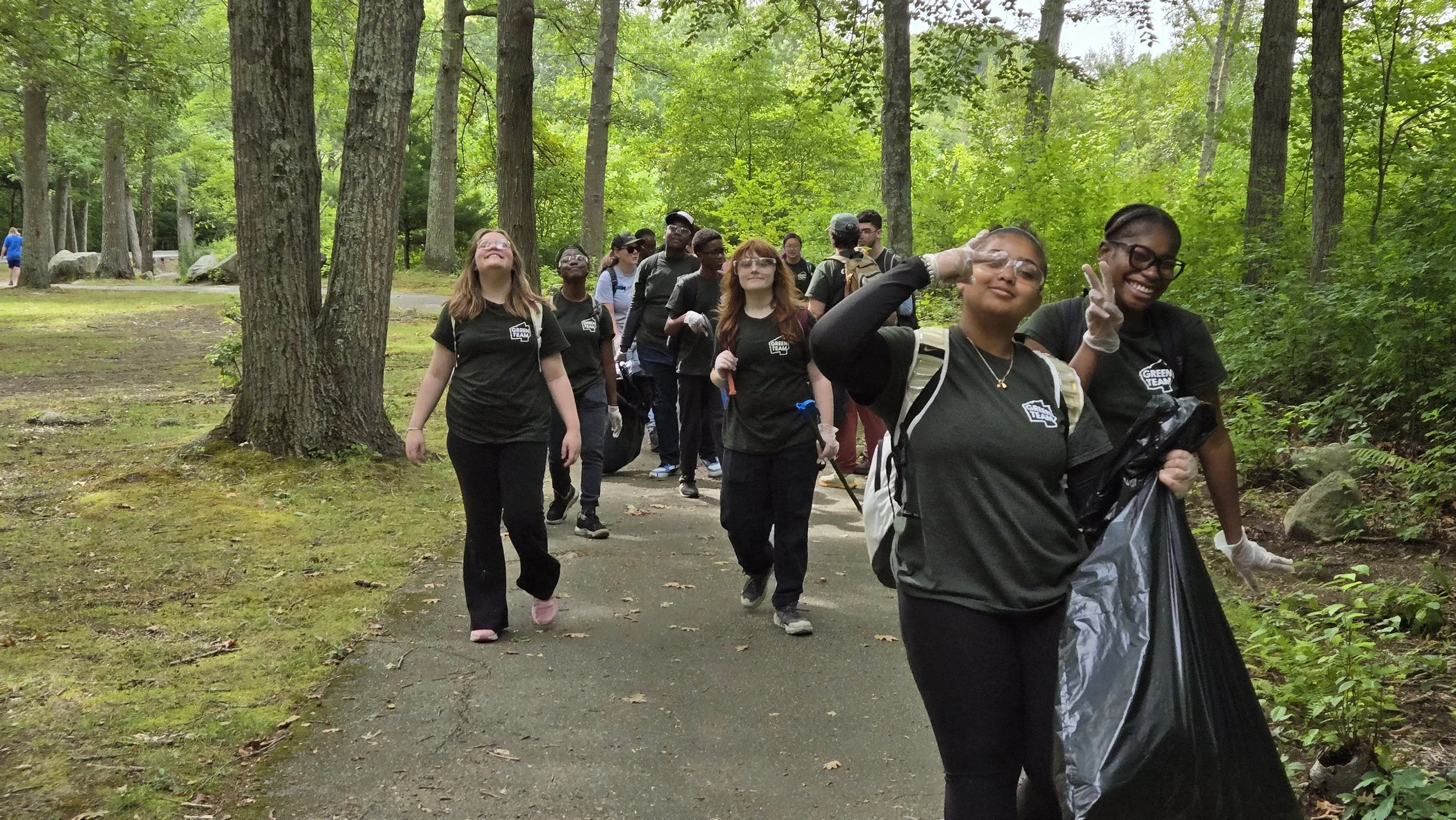
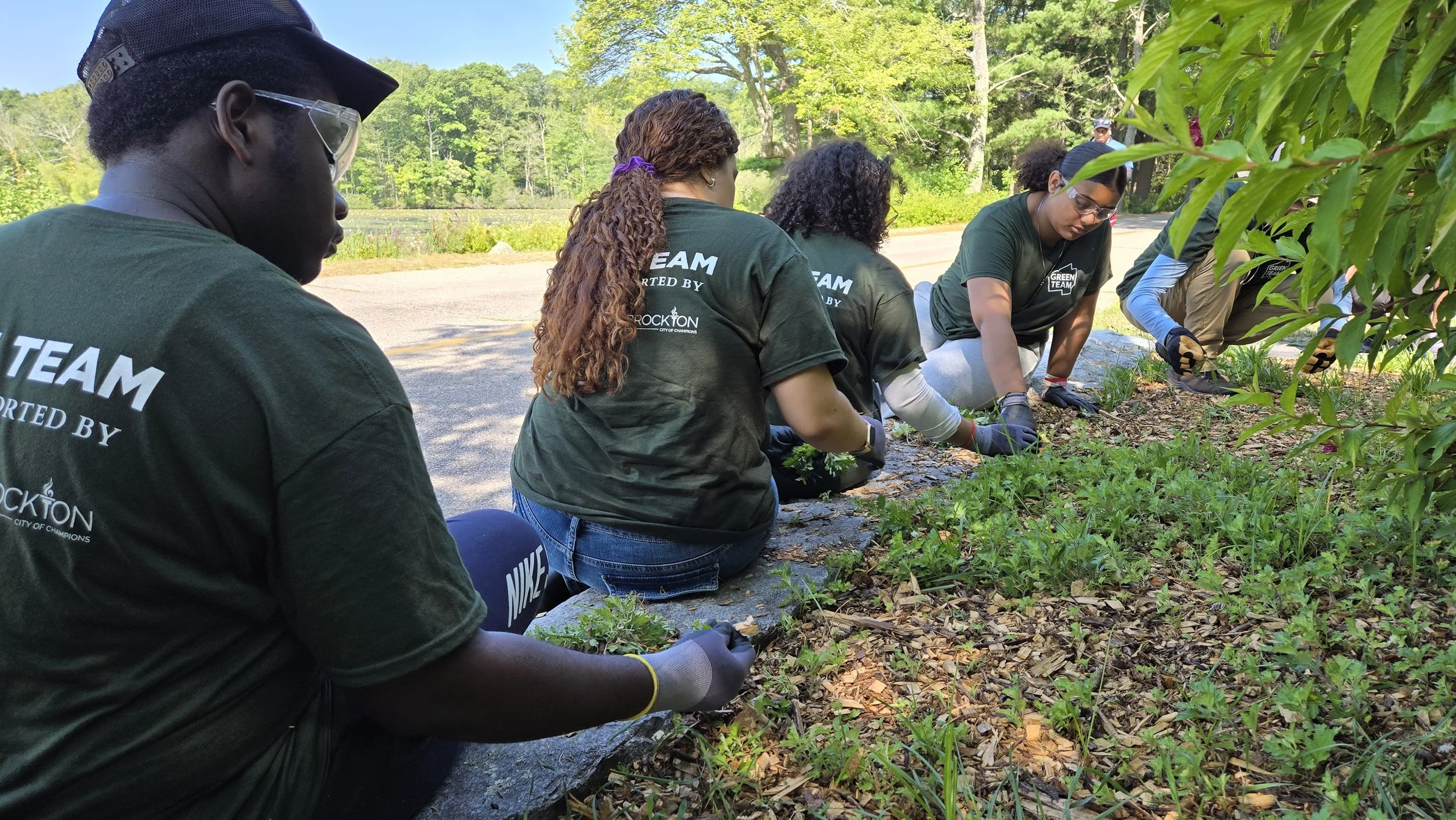
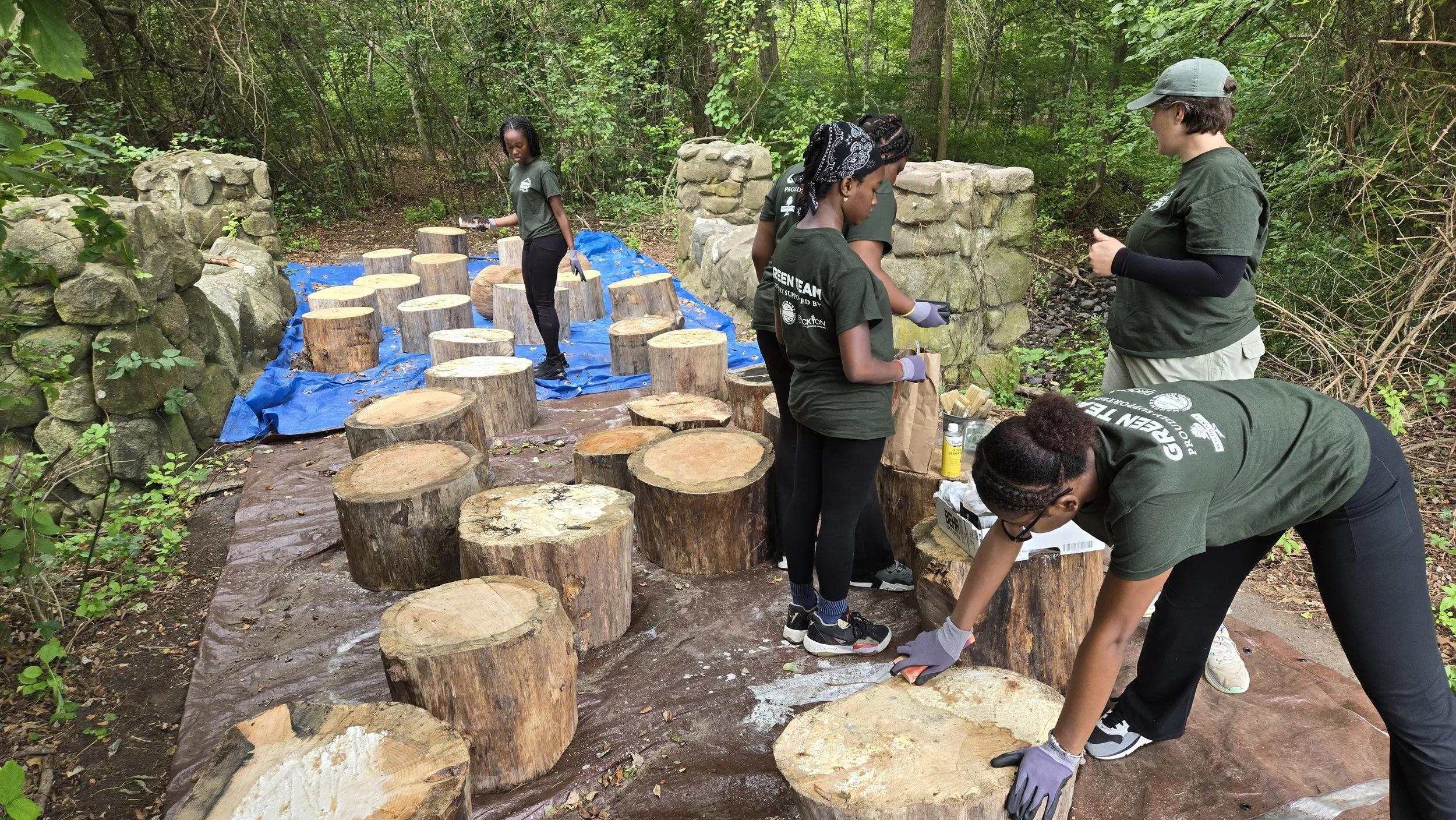
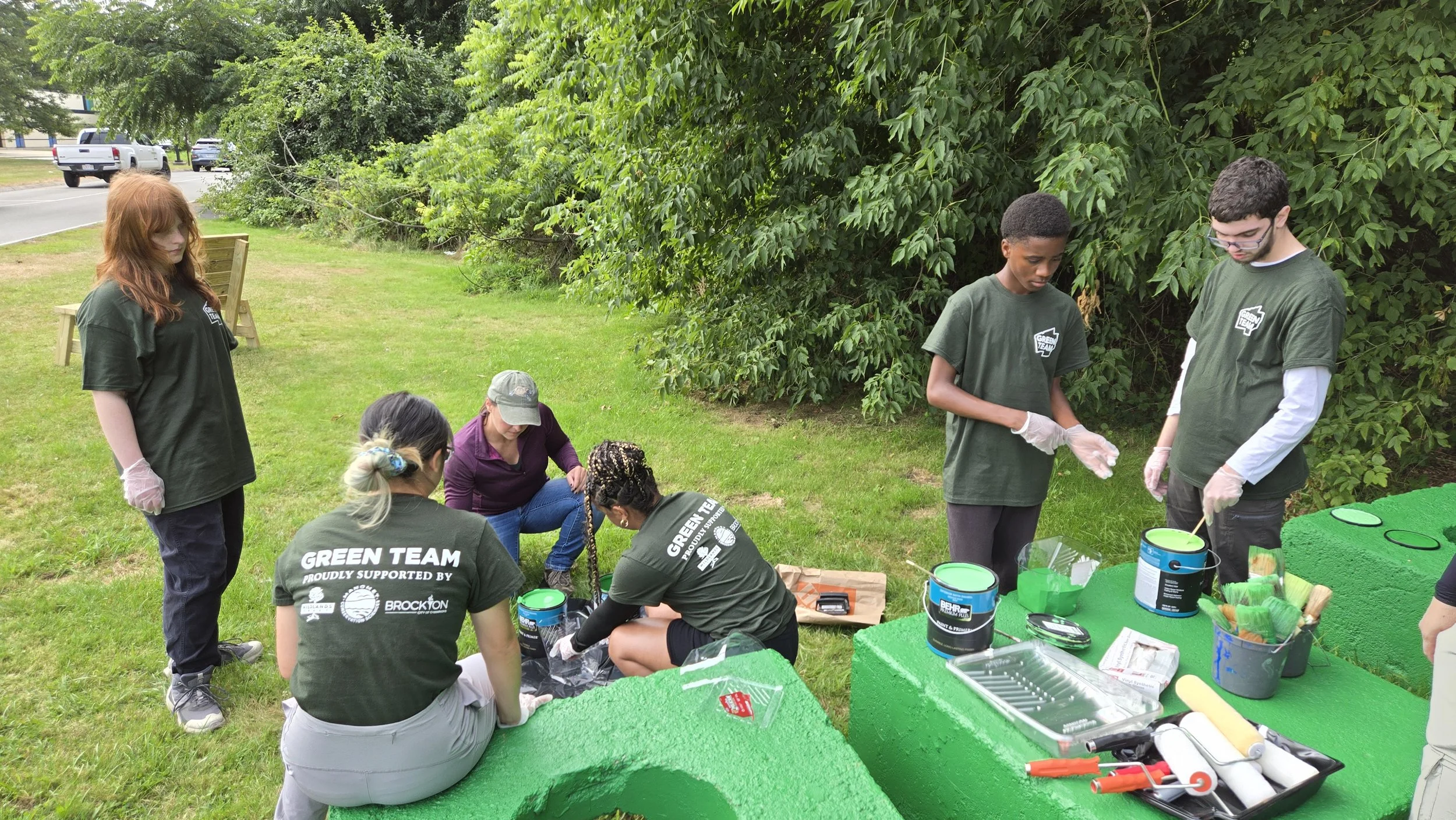
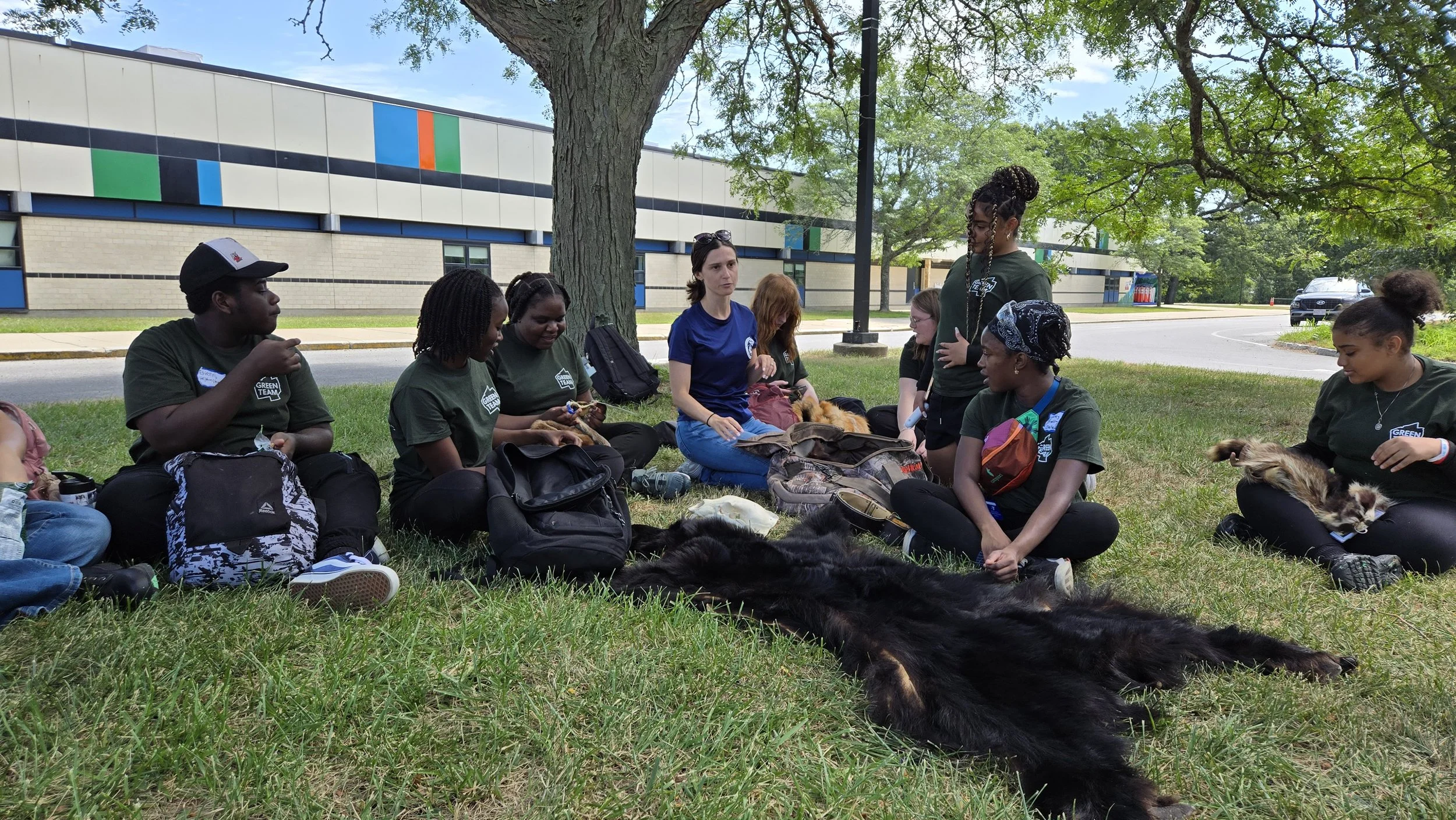
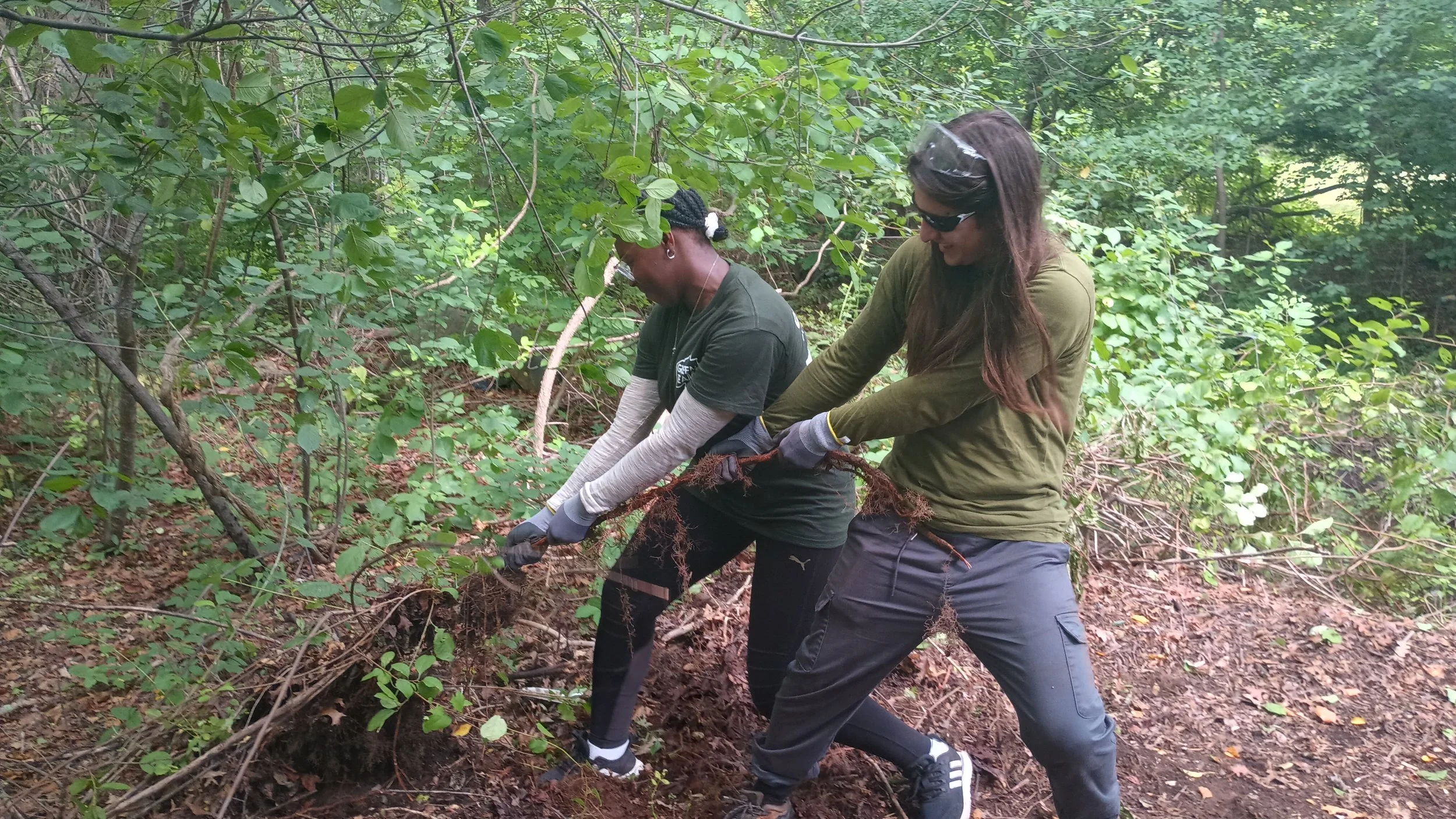
Crewmembers were hands-on every day, rain or shine. In addition to managing waste, painting picnic tables, collecting environmental data, and gardening at D.W. Field Park, the crew completed trail work at the new Fieldstone Preserve, helped build an outdoor classroom at Raymond Elementary School, and maintained the grounds at the Fuller Craft Museum.
We asked our teams what their favorite projects were and what they were most proud of accomplishing. There were a few themes:
Immediate gratification projects
Enhancing their outdoor skills through workdays and the campout
Team-building and making new friends

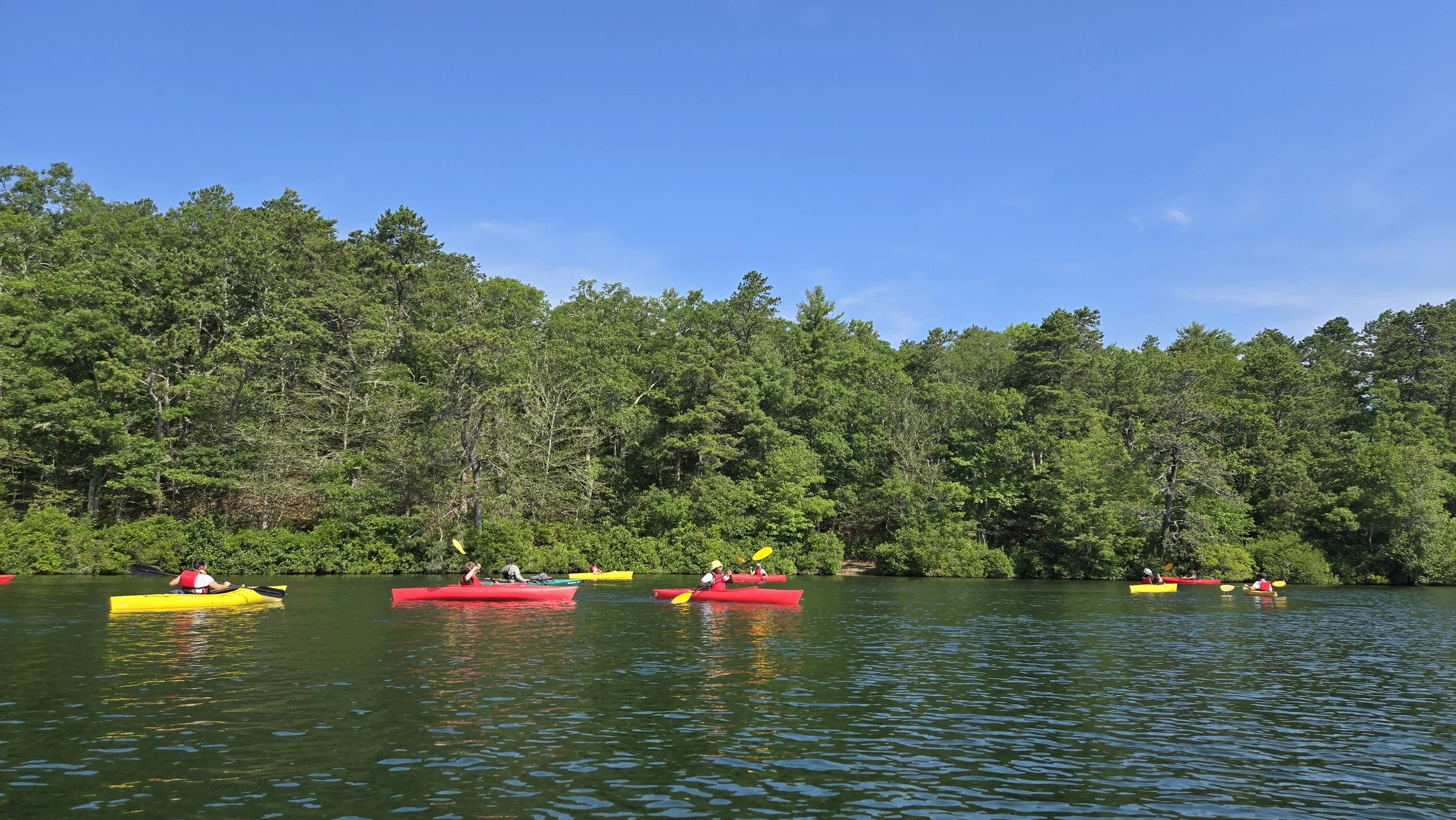
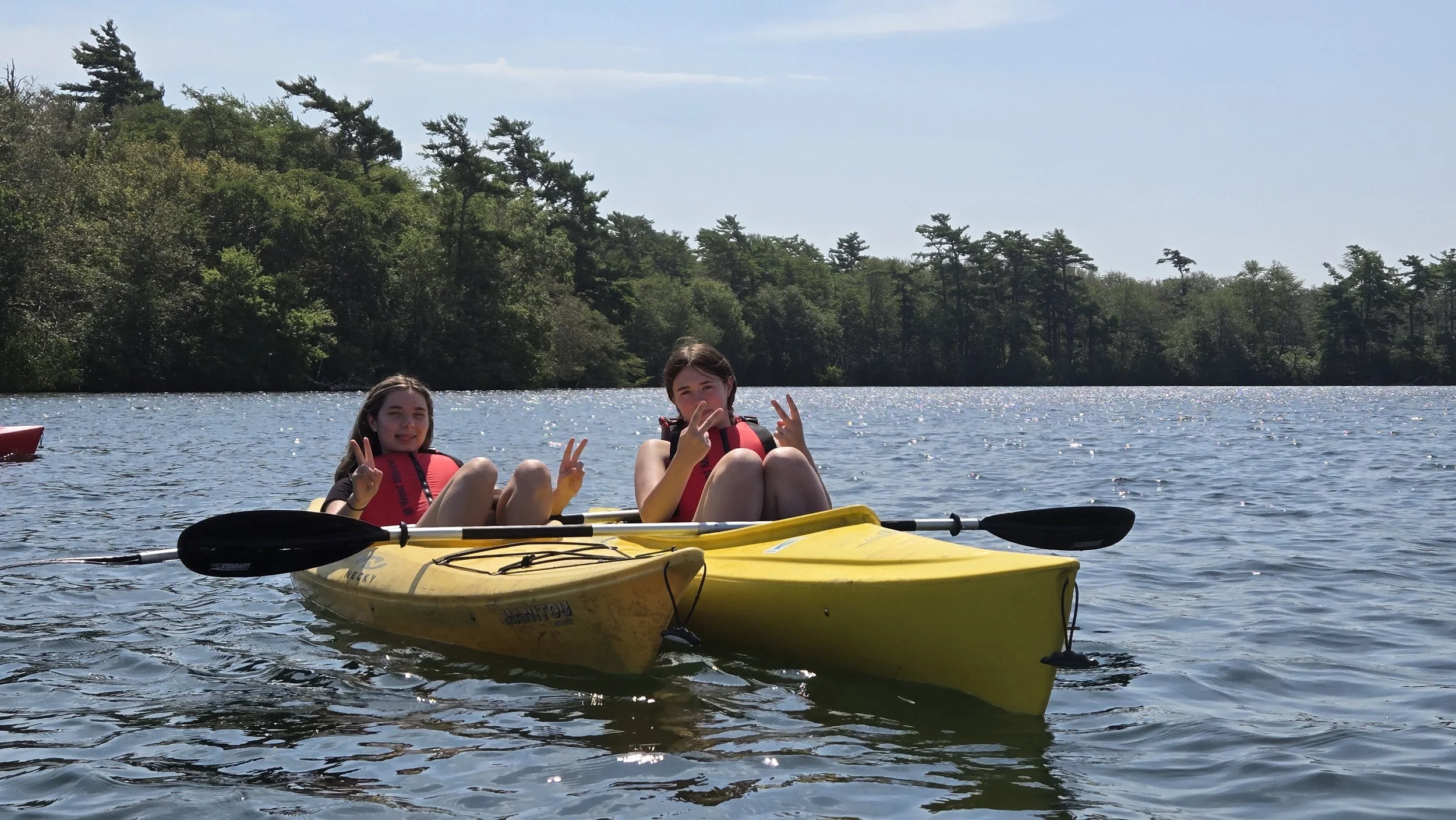
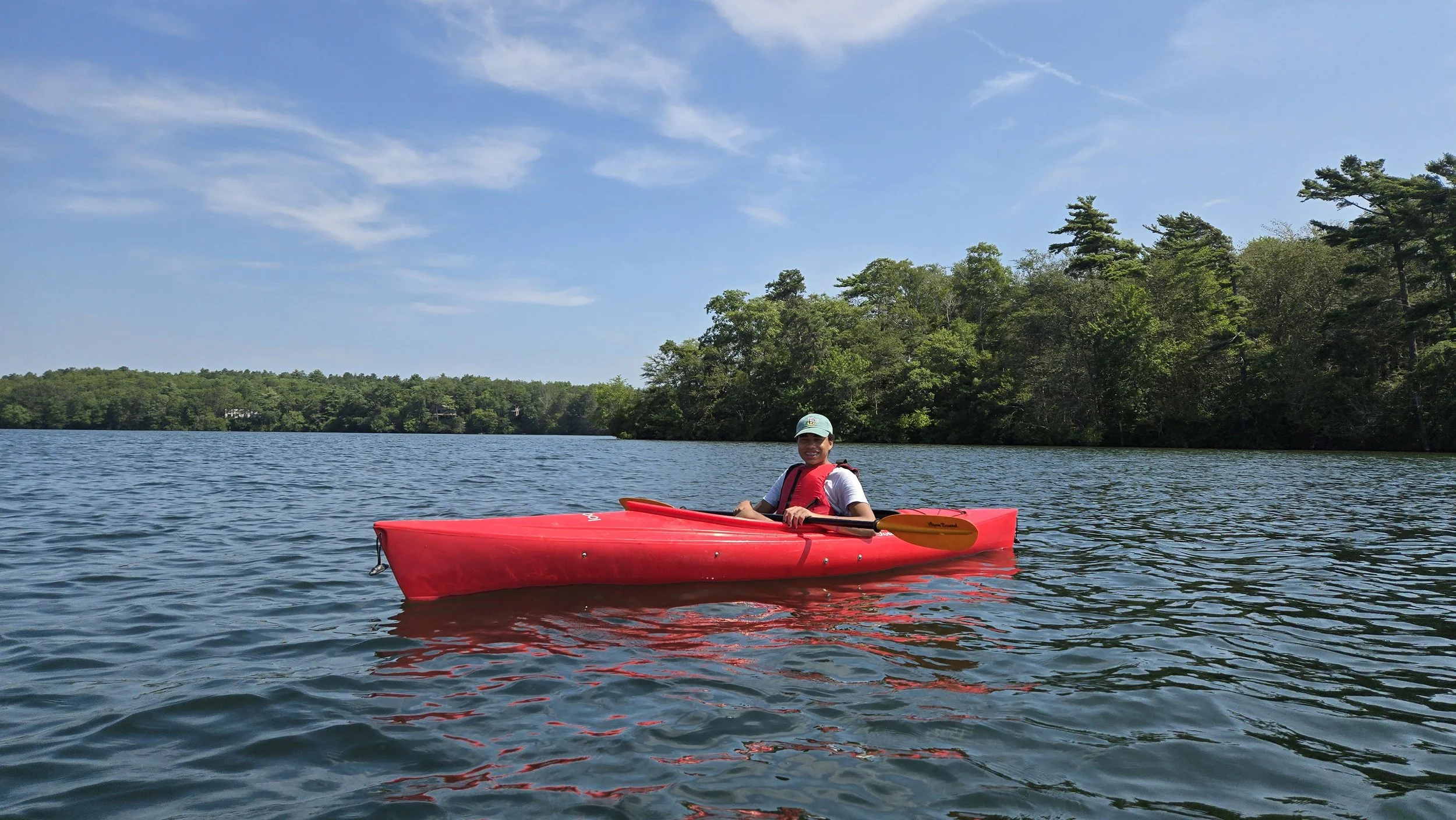
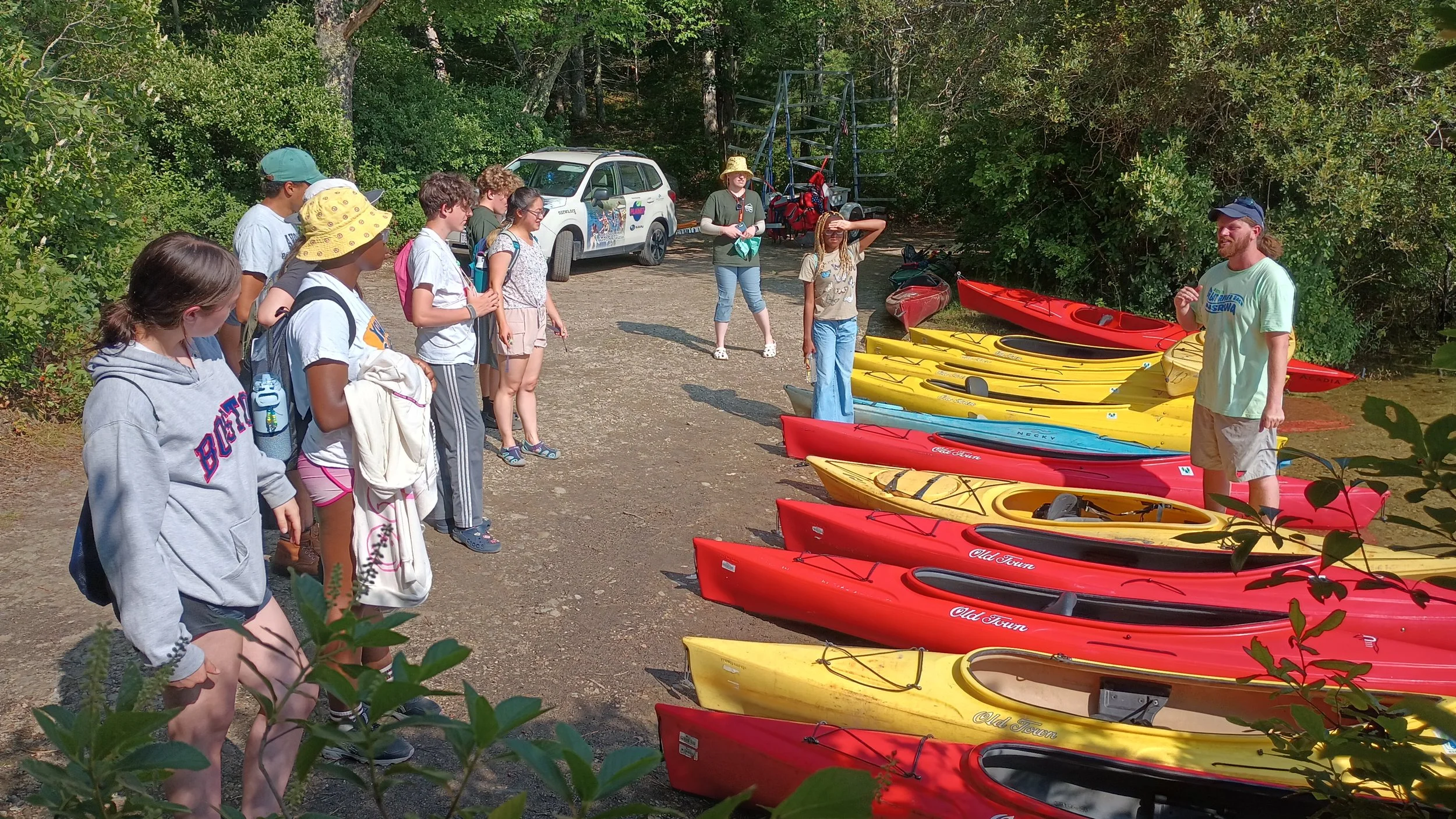
Green Team kayaks on Halfway Pond with the North and South Rivers Watershed Association.
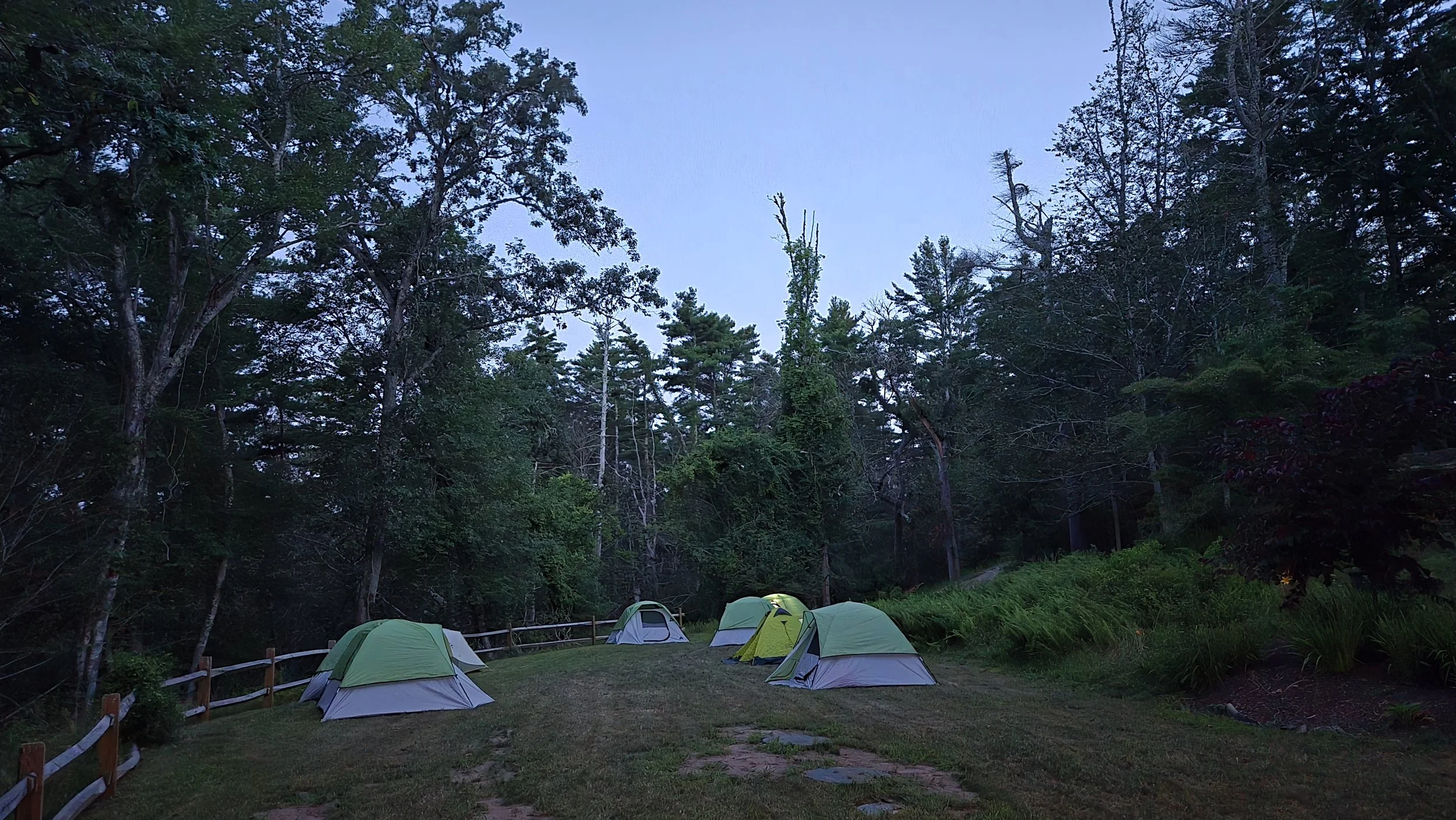
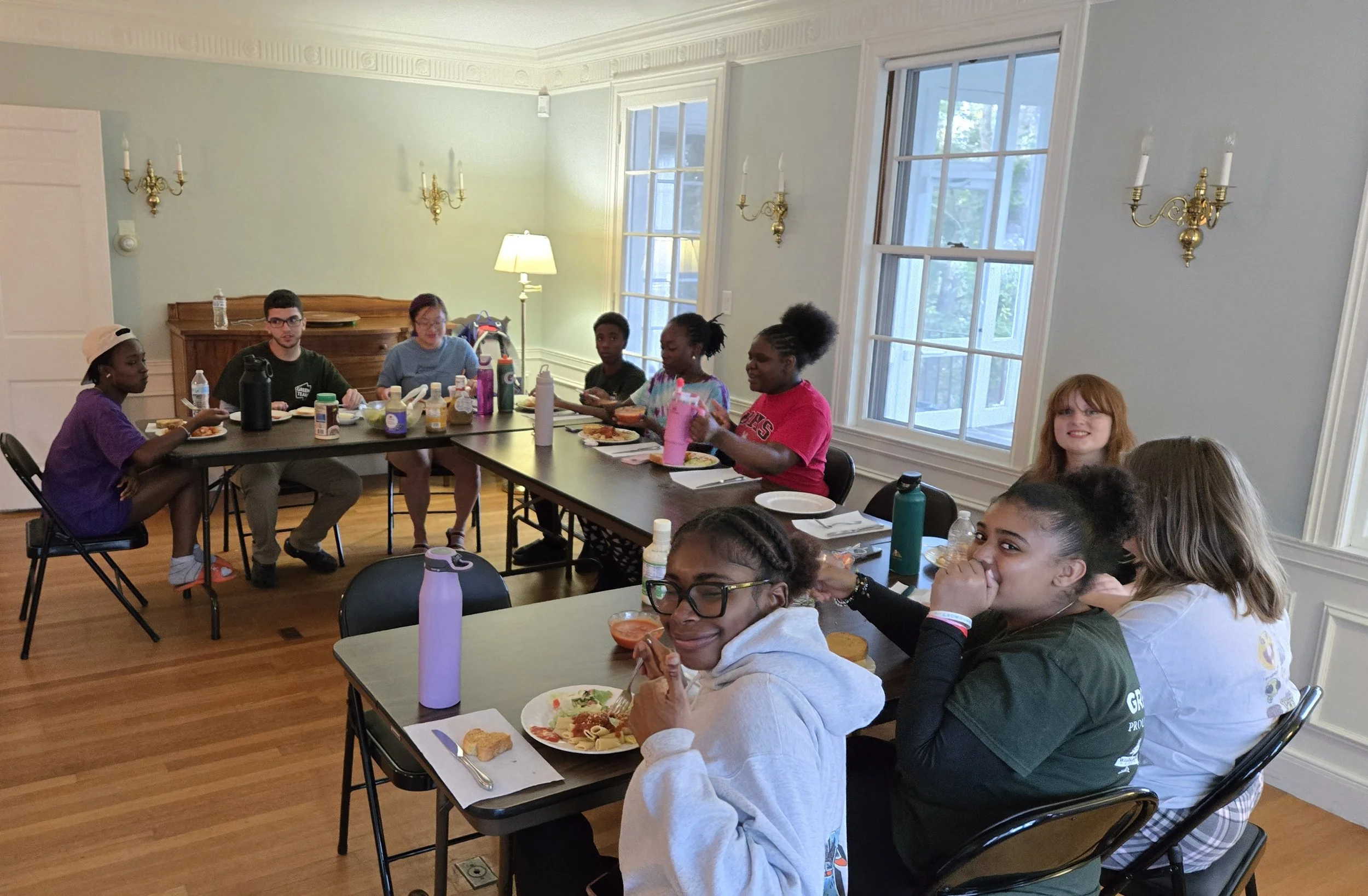
Each Green Team session culminated with an optional overnight campout at Wildlands’ Stewardship Training Center in Plymouth. Attendees explored the area, cooked meals, and camped in tents. Nighttime hikes and bat echolocation games introducing the concept of dark adaptation were a (low-light) highlight. The July crew spent a morning kayaking on Halfway Pond with the North and South Rivers Watershed Association. The August crew enjoyed an exclusive tour of the Trevor Lloyd-Evans Banding Lab at Manomet Conservation Sciences. Wildlands and Manomet co-hosted these campouts for the second year in a row, enriching Brockton youth’s outdoor experiences through Green Team.
According to a post-program survey, 100 percent of crewmembers felt that Green Team will have a positive impact on their future. The top benefits they reported included learning about new jobs, finding better pathways into the environmental field, getting outside more, and making new friends.

Green Team smiles after weed removal at D.W. Field Park in Brockton.
When asked how Green Team might have an impact on their future, crewmembers said…
“I think it has impacted my future because I am considering doing more field science and working with people instead of lab science.”
“It will inspire me to be more conscious with my environment.”
“It helped me feel more comfortable working in nature.”
“I always knew I wanted an environmental career, and this experience solidified my opinion on the topic.”
“Now I think it's easy to make friends.”
Click through the photo gallery below for more sights from Green Team 2025.
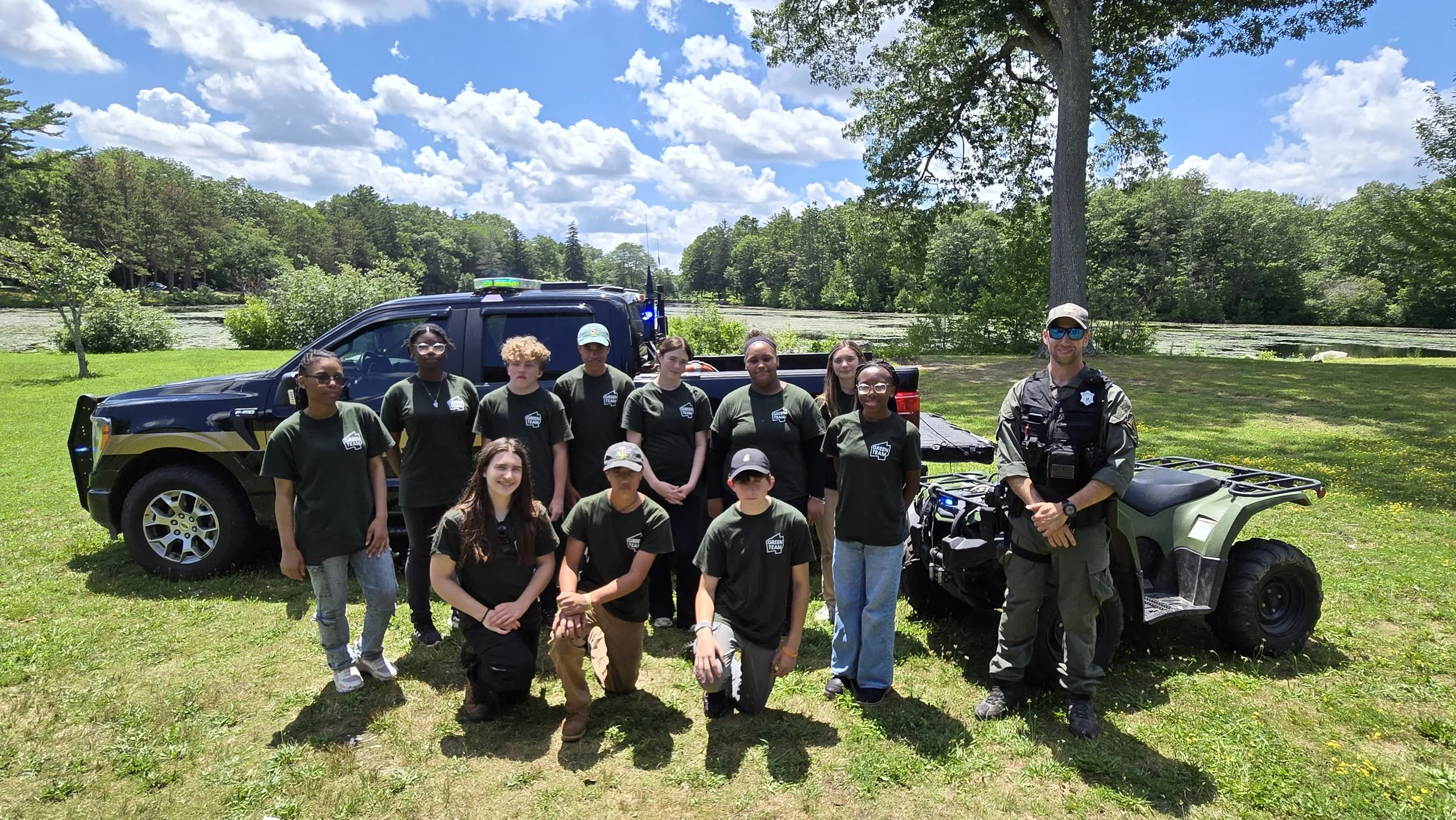
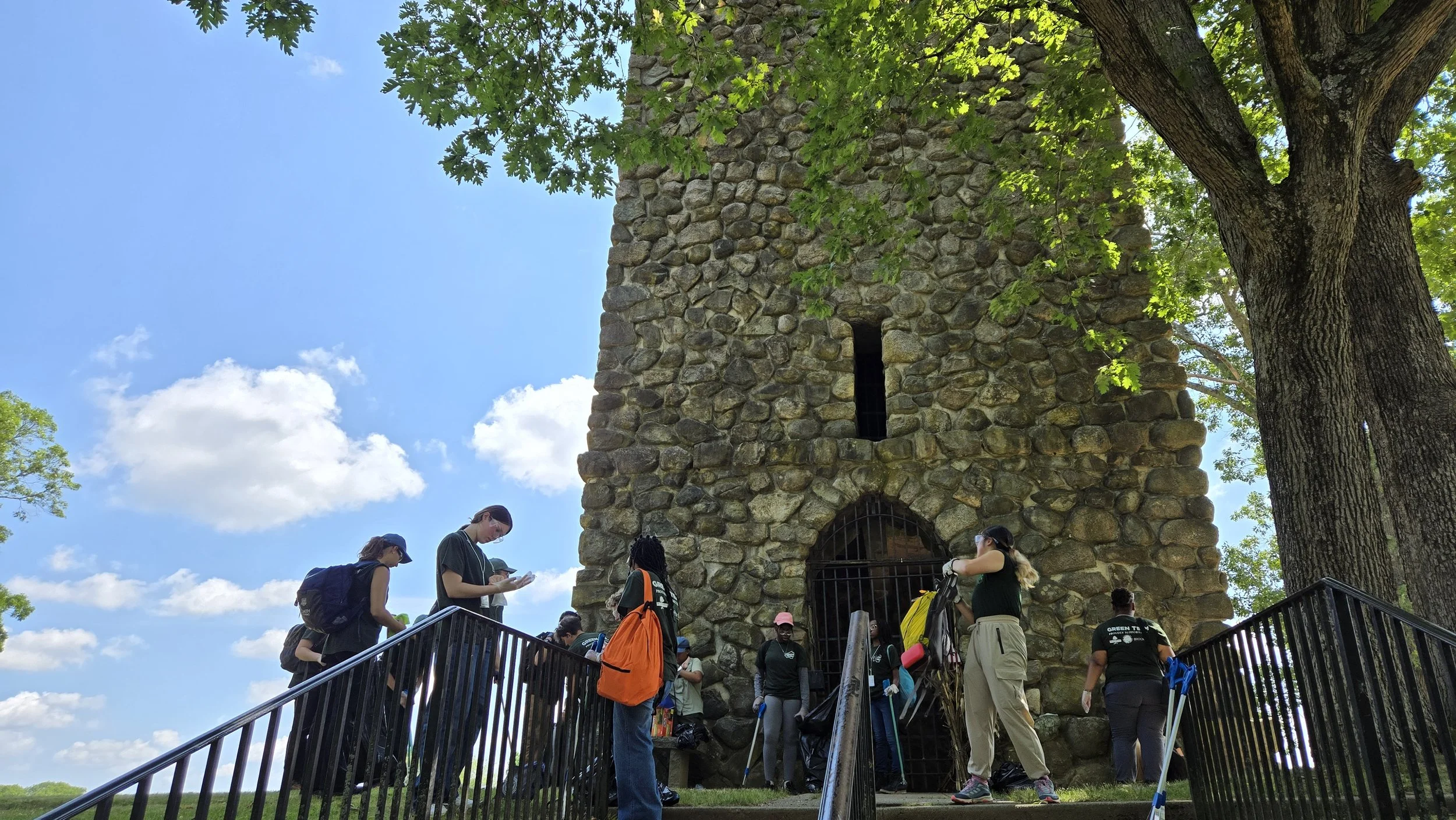
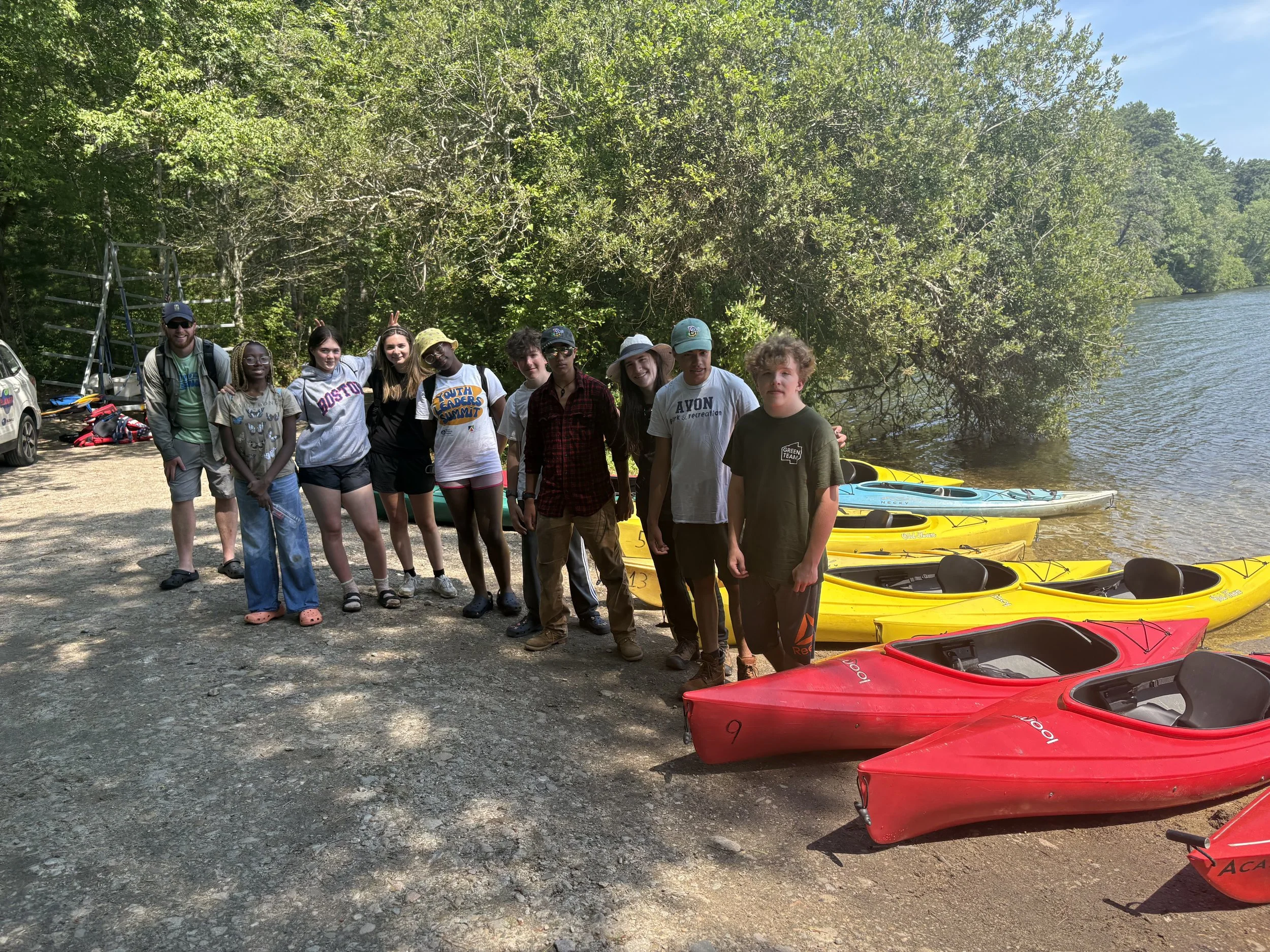
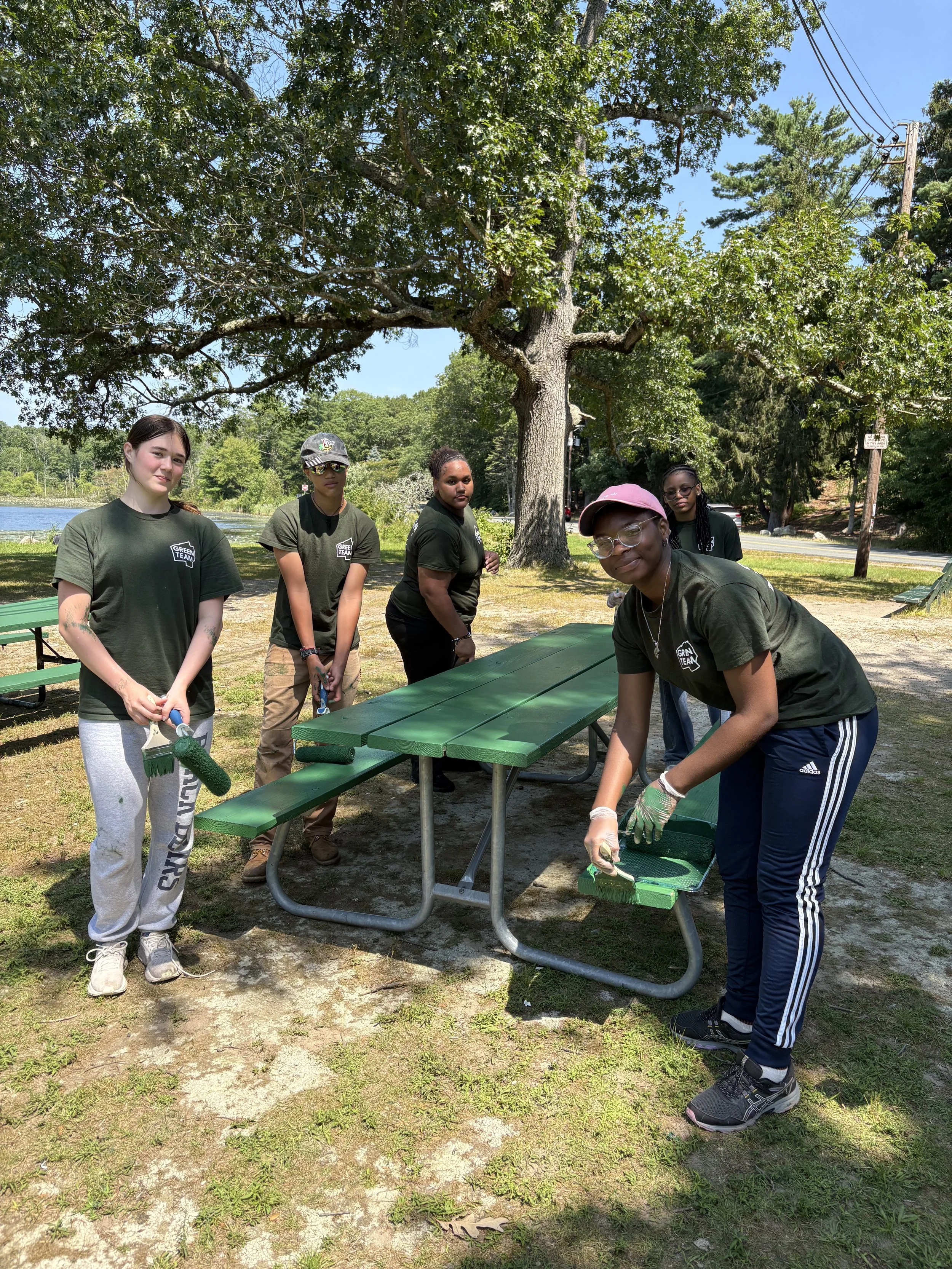
A special thanks to Tim Carpenter, the City of Brockton’s Superintendent of Parks, as well as the following organizations and individuals who volunteered their time to engage with Green Team this year:
Brockton Garden Club
Blake Dinius, Entomologist, Plymouth County Extension
Brian Taylor, North and South Rivers Watershed Association
Clark Delisle, Environmental Police Officer
Cam Connelly, Environmental Police Officer
Fuller Craft Museum, Brockton
Sean Kent, Arts & Nature Education Manager, Mass Audubon
Sarah Howdy, Education Coordinator, Mass Audubon
Mass Climate Corps, Mass Audubon
Meghan Crawford, Community Engagement Biologist, Mass Wildlife
Molly Jacobs, VP for Environmental Ed. and Outreach, Manomet
Trevor-Lloyd Evans Banding Lab, Manomet
Julia Beyer, Intern, Manomet
Camille Beckwith, Intern, Manomet
If you or a young person you know is interested in Green Team 2026, sign up for Wildlands E-News and the D.W. Field Park email list! If you are interested in sponsoring the 2026 team, please contact Amy Burt, Programming Coordinator, at aburt@wildlandstrust.org.